How Do You Practise Leave No Trace
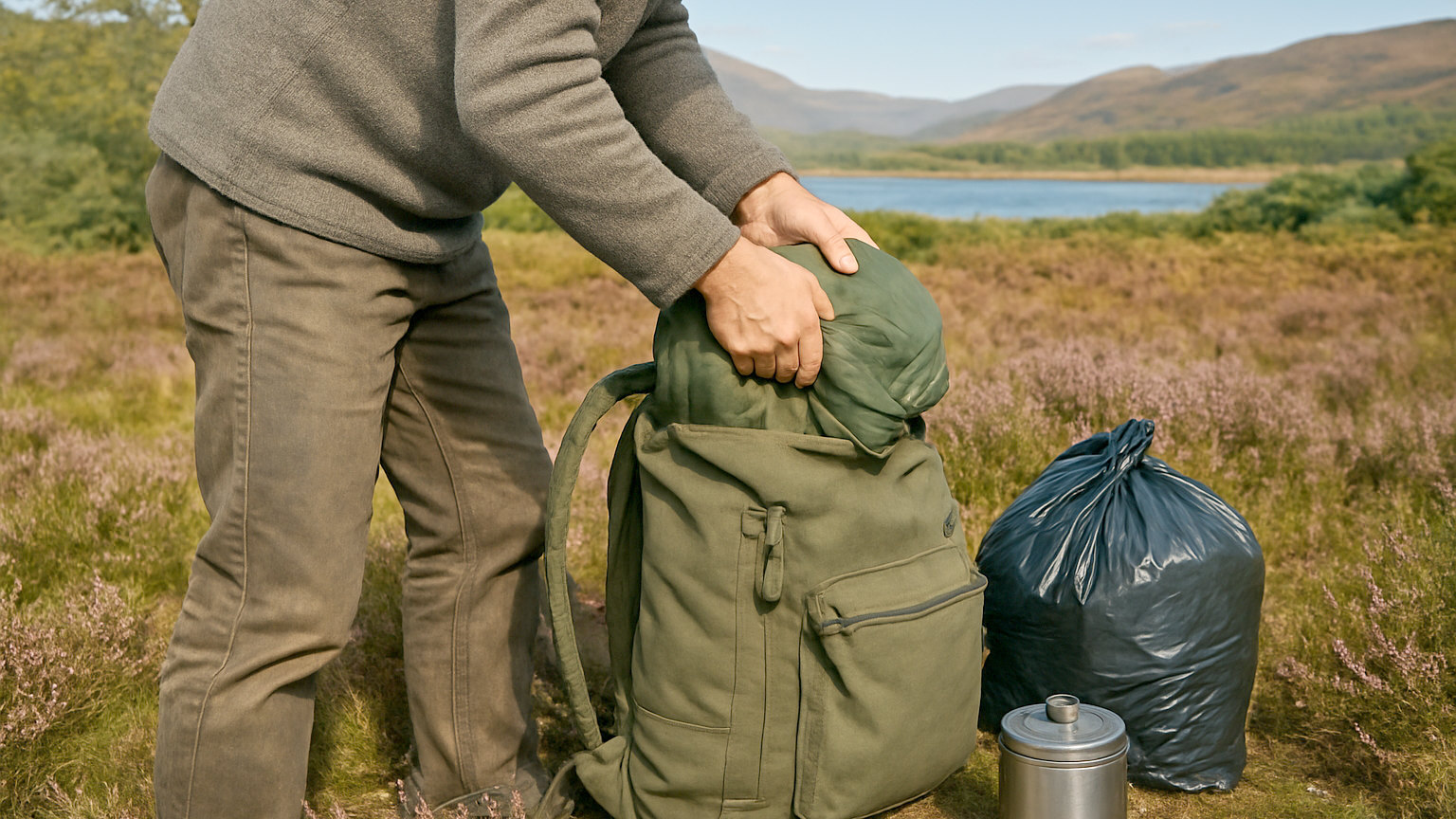
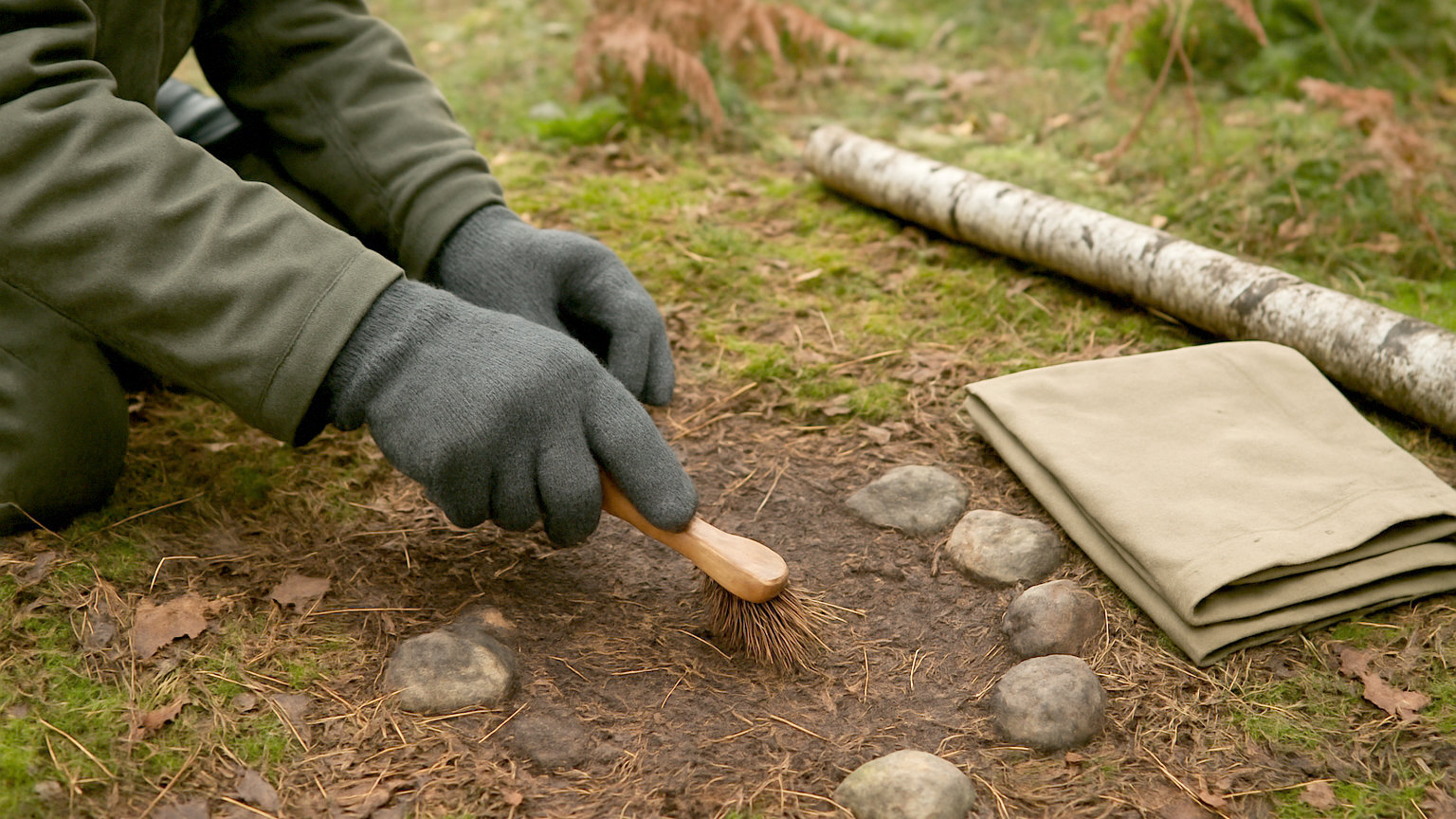
The site should look untouched when you leave. Fire scars, cut wood and worn ground are what get access withdrawn for everyone else.
By Survival Basics Team
7 May 2026

Almost nobody sets out intending to survive anything. The situations covered here begin as a day walk that ran late, a kayak that got separated from its group, a campsite chosen badly in fine weather that turned. These guides cover the skills and judgement that keep an ordinary outdoor day from becoming a callout, across woodland, moor, mountain, coast and open water, plus the extremes of cold and heat you are most likely to meet abroad.
The site should look untouched when you leave. Fire scars, cut wood and worn ground are what get access withdrawn for everyone else.
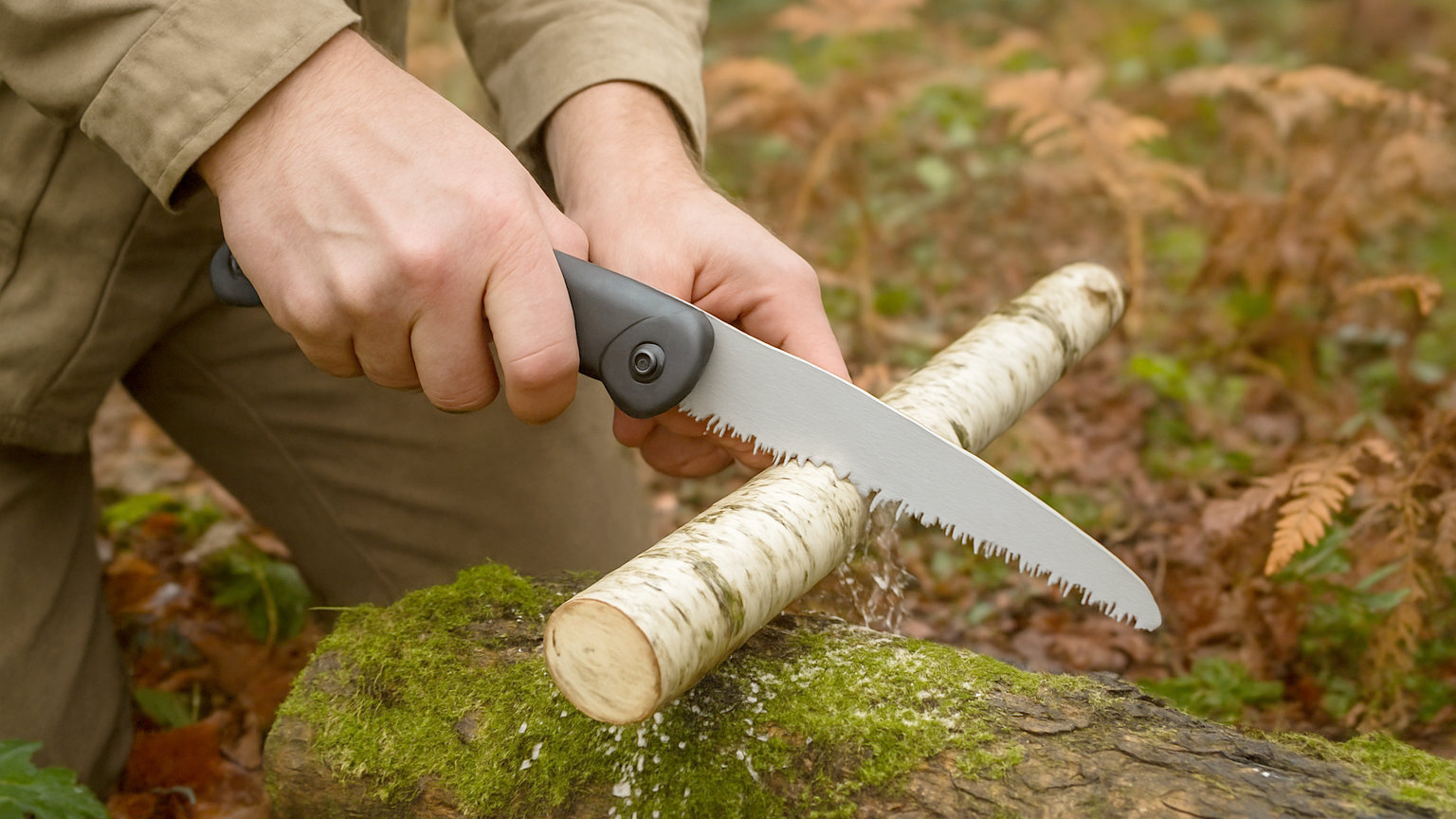
A folding pruning saw does most camp wood work faster and more safely than an axe, for a fraction of the weight and the risk.
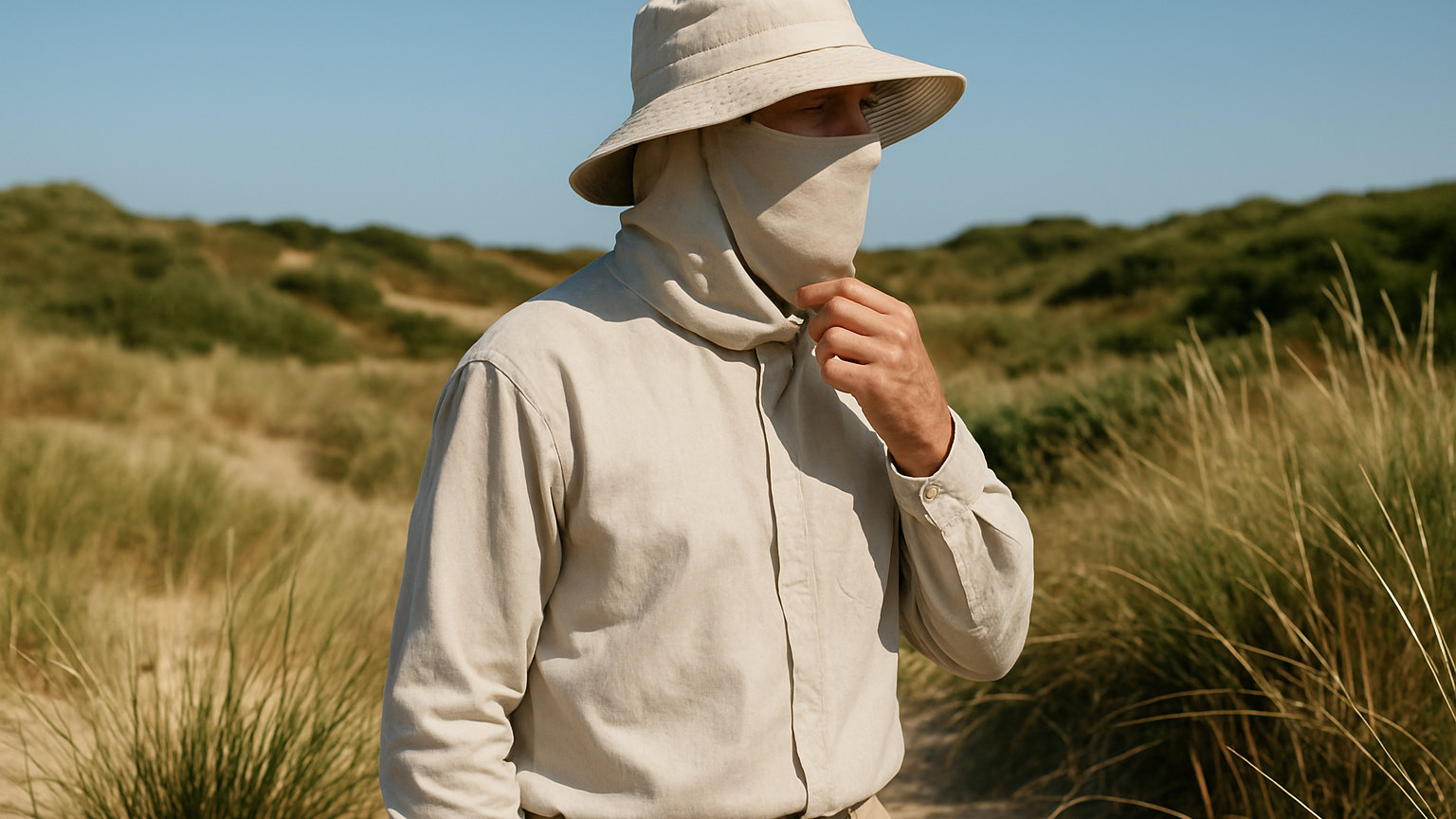
Loose, light coloured, long sleeved and covering the head and neck. Stripping off feels cooler and increases both water loss and burning.
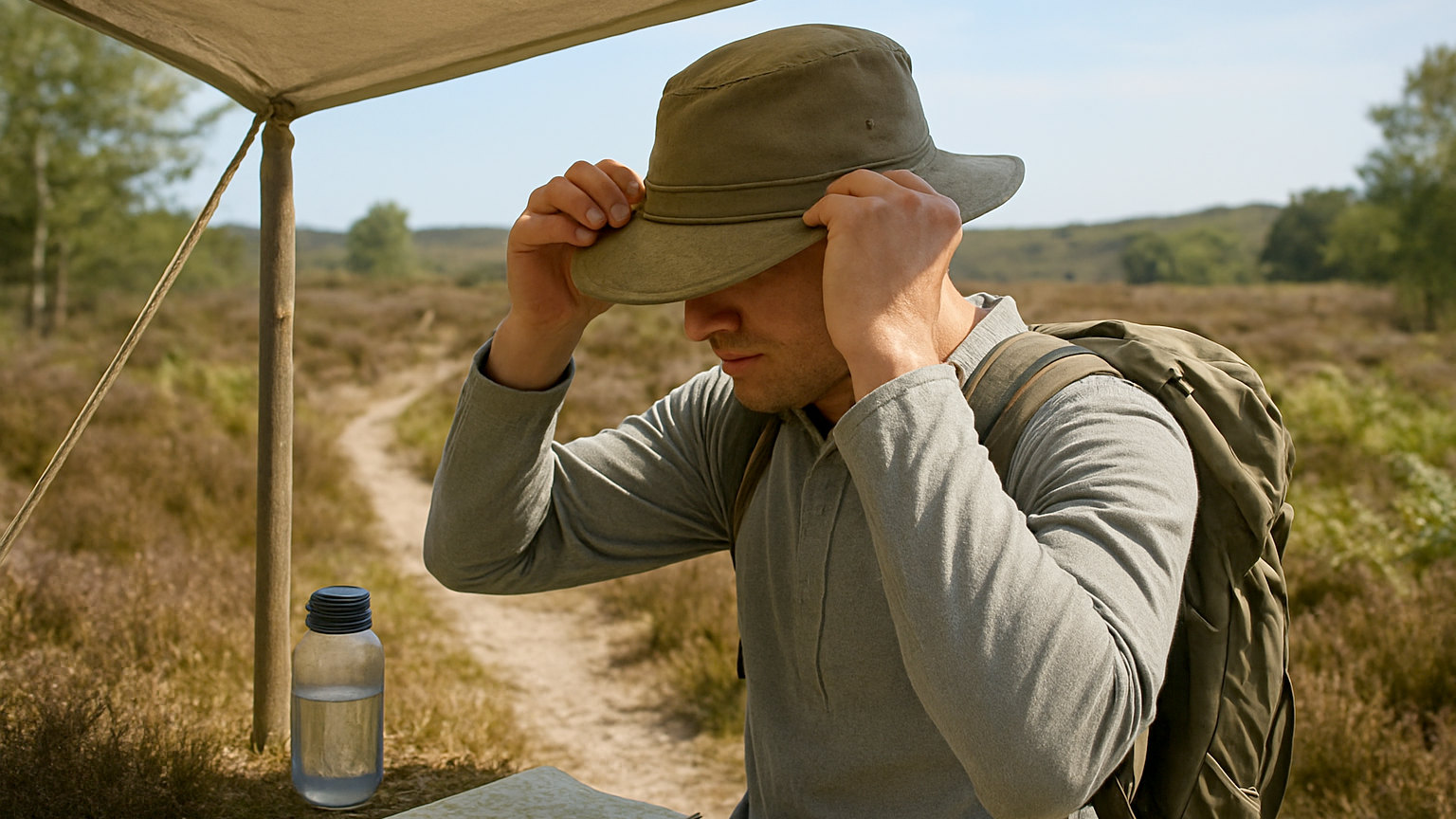
Shade, clothing and timing before sun cream. Cover is more reliable than a product you have to remember to reapply every two hours.
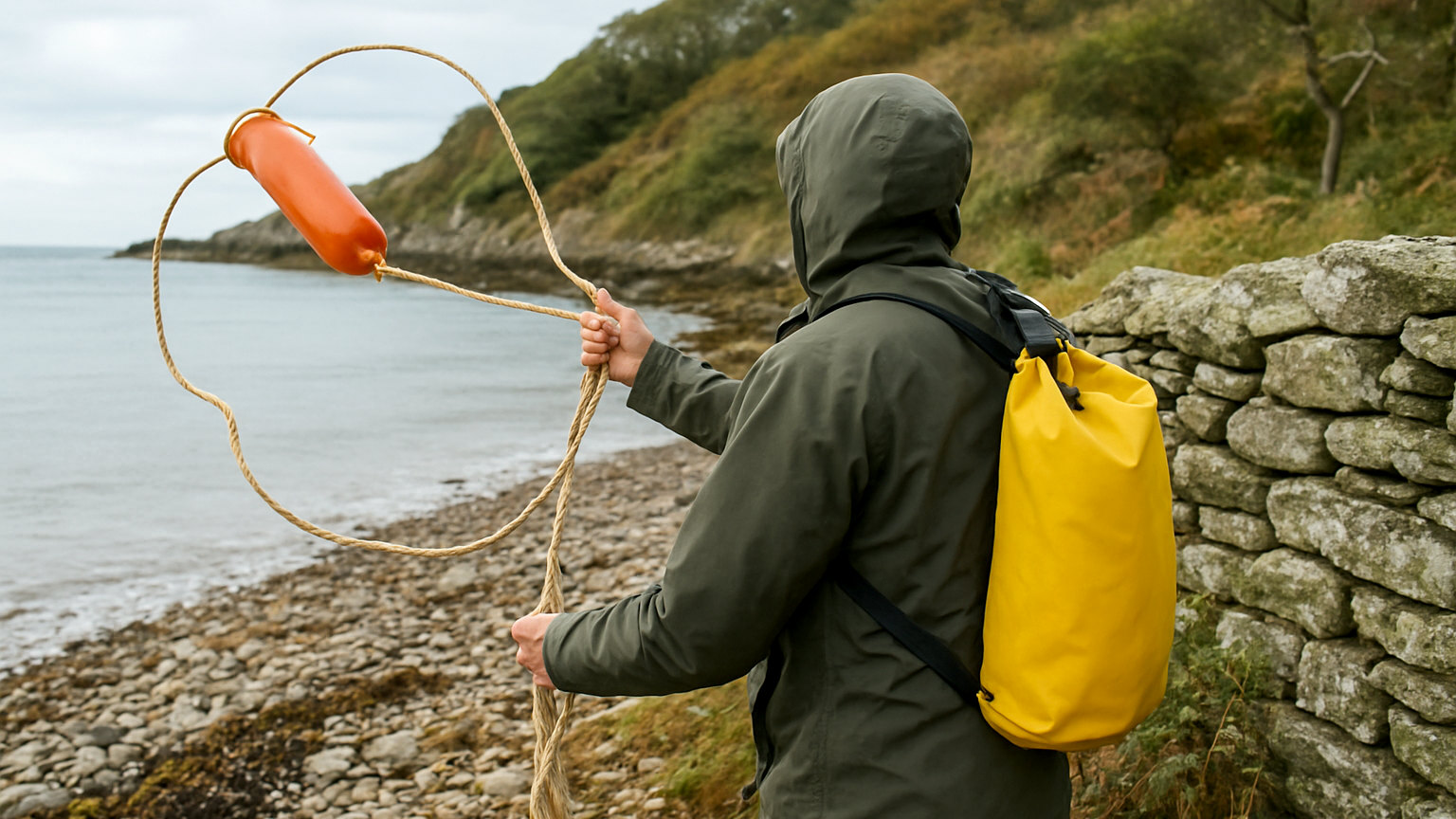
Reach, throw, wade, row, but never swim. A very large share of drowning deaths are people who went in to help.
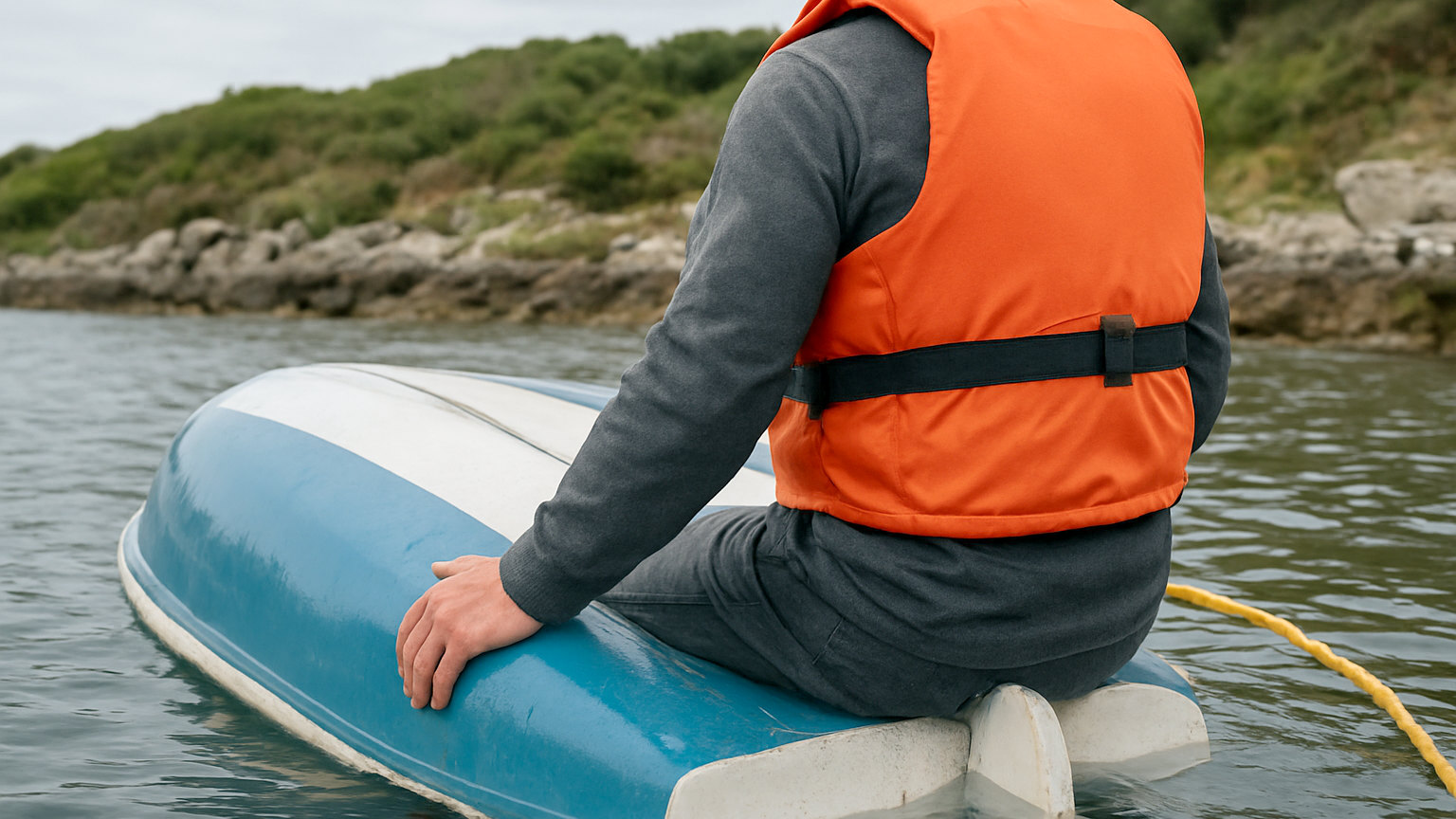
Stay with the boat. It floats, it is far more visible than a person, and it gives you something to get out of the water onto.
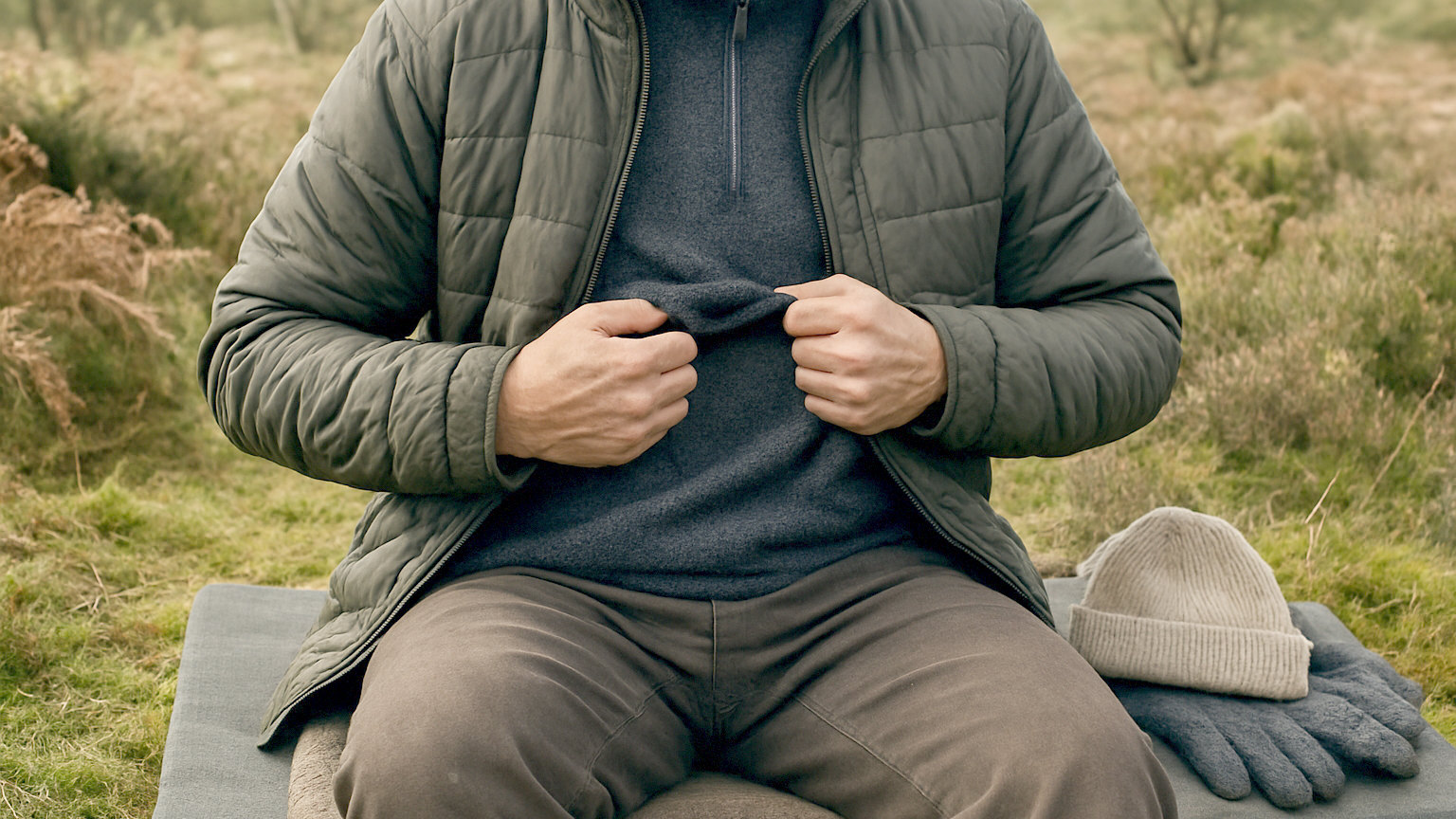
Heat production drops the moment you stop, so layers go on before you cool rather than after. Insulation from the ground matters more than anything over you.
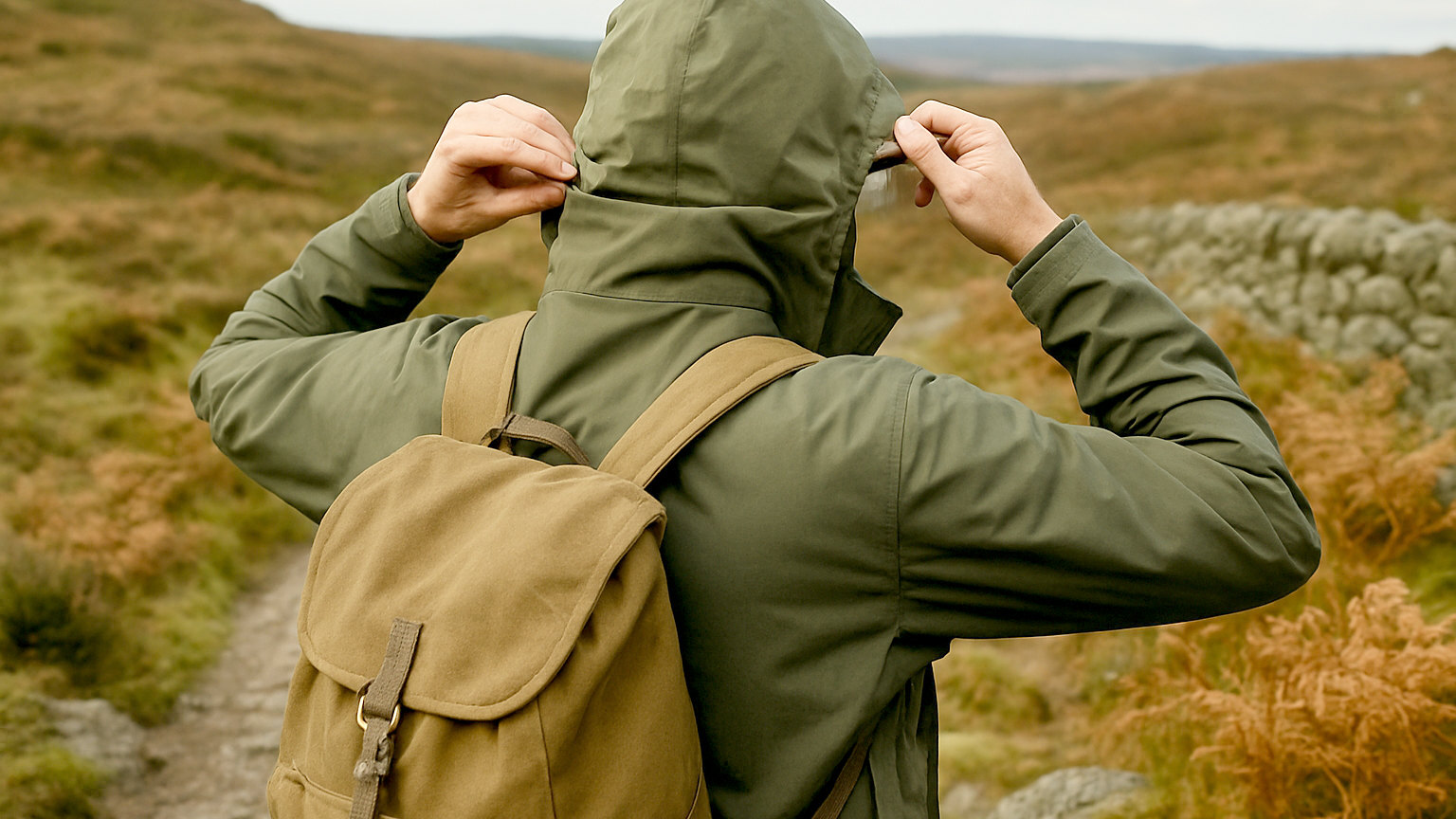
Base to move moisture, mid to trap air, shell to block wind and rain. The skill is adjusting them constantly rather than choosing them once.
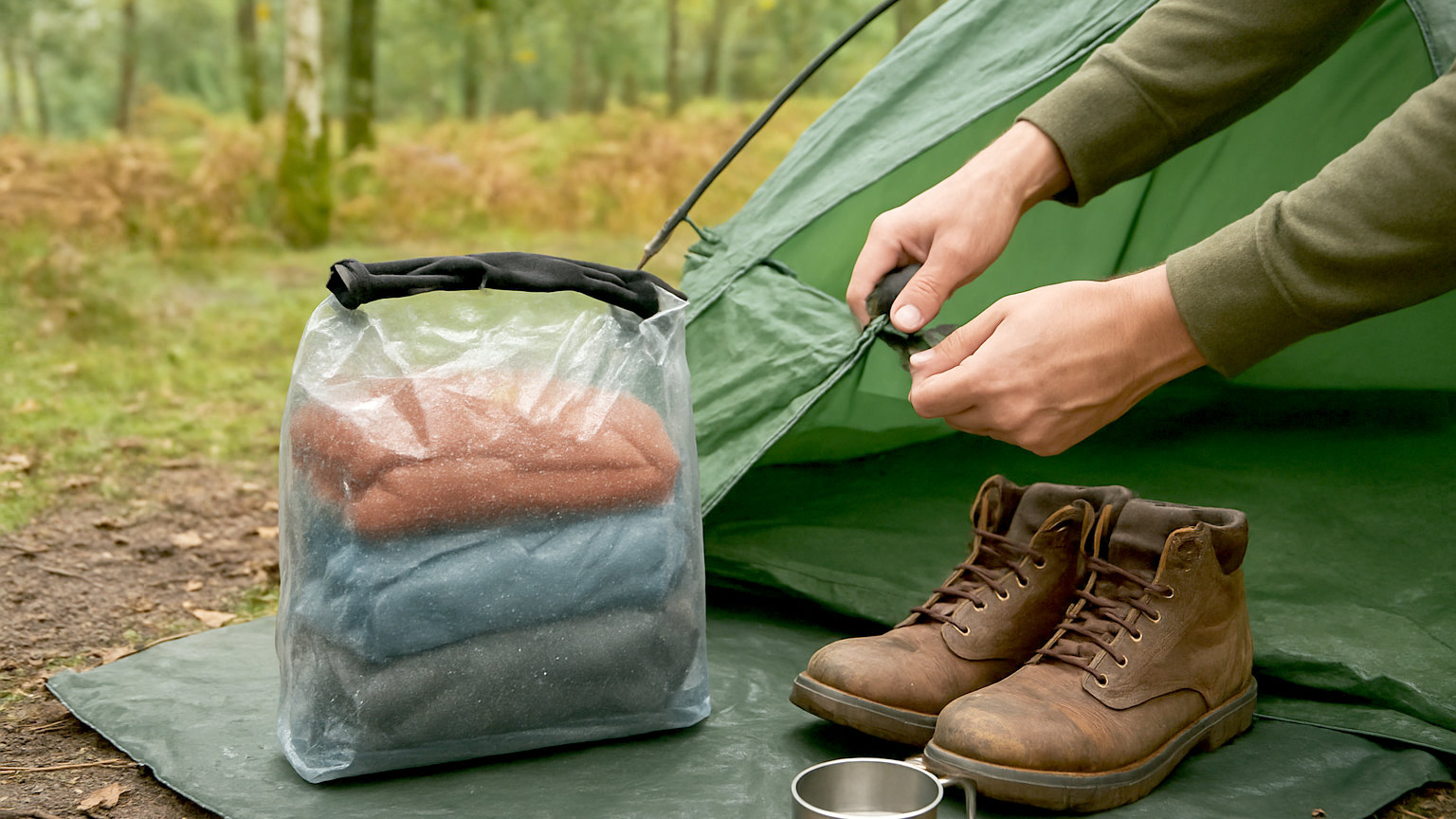
Keep one set of clothes permanently dry, organise the porch, and accept that everything else will be damp. British camping is mostly wet camping.
Camping away from sites, legal in Scotland under access rights and requiring permission in England and Wales. Arrive late, leave early, leave nothing.
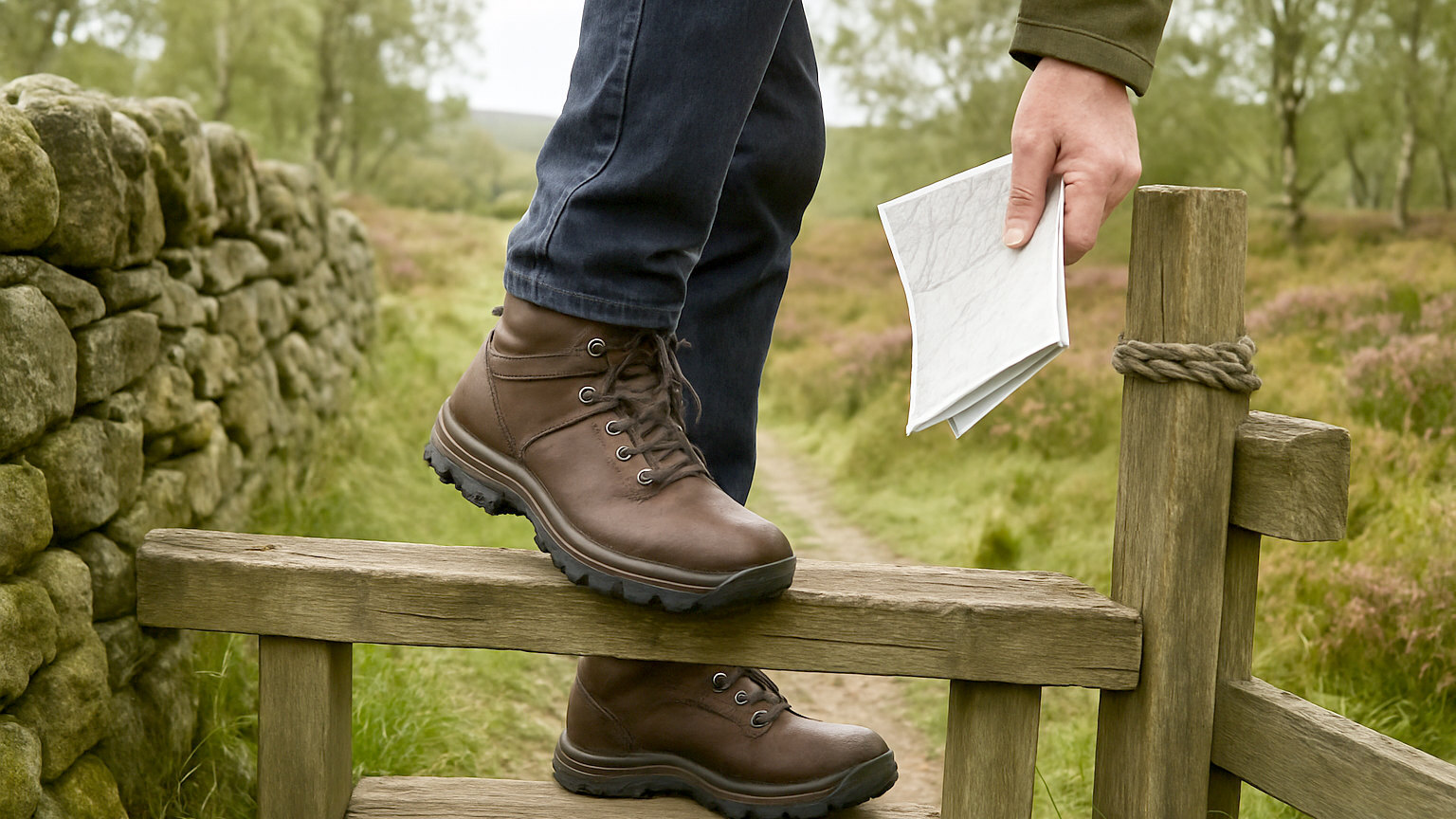
Footpaths, bridleways and access land in England and Wales, and broader statutory rights in Scotland. Knowing the difference avoids most disputes.
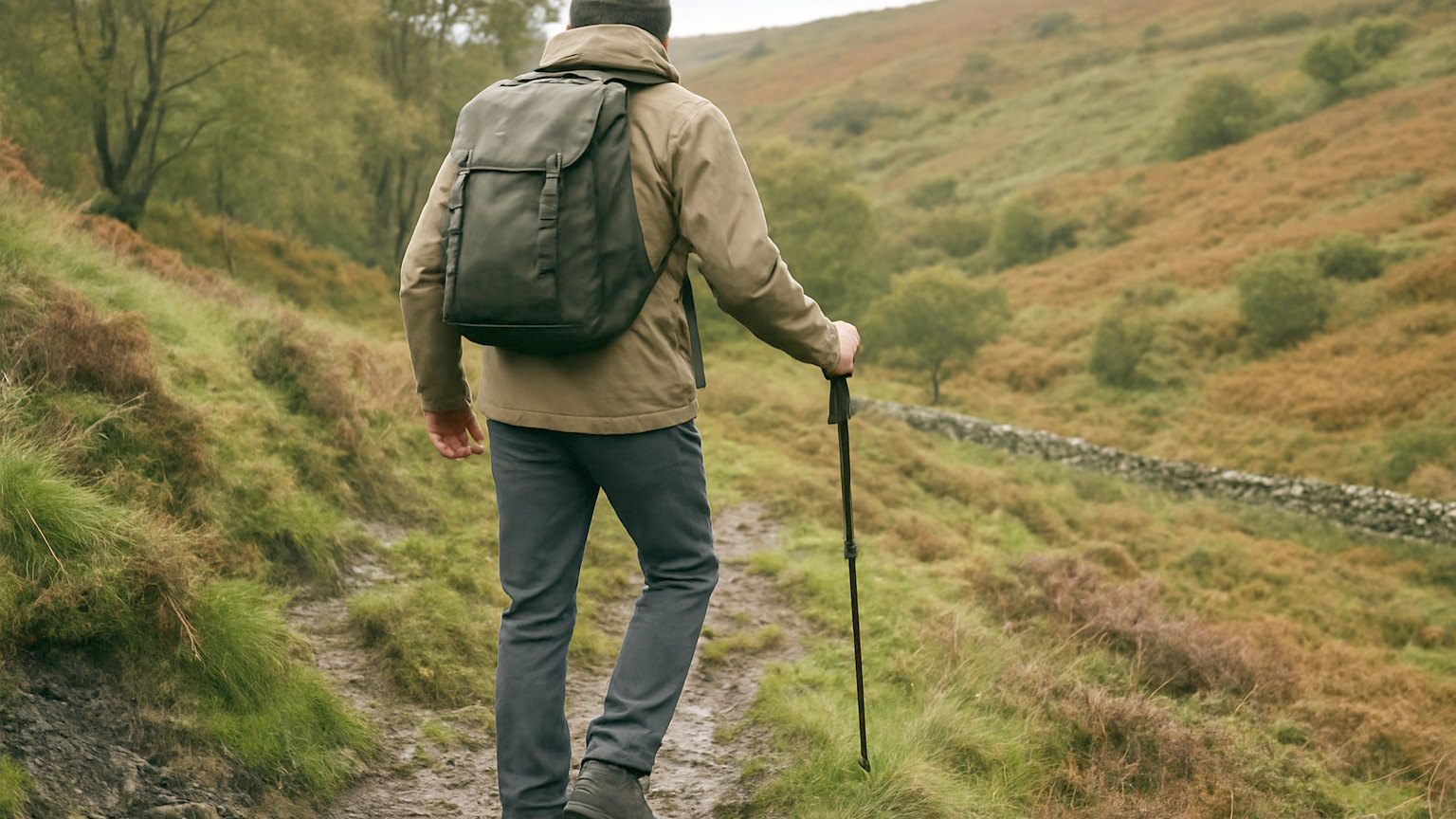
Steep wet grass kills more British walkers than crags do. The dangerous ground is frequently the ground that does not look dangerous.