How Do You Look After Hands and Feet
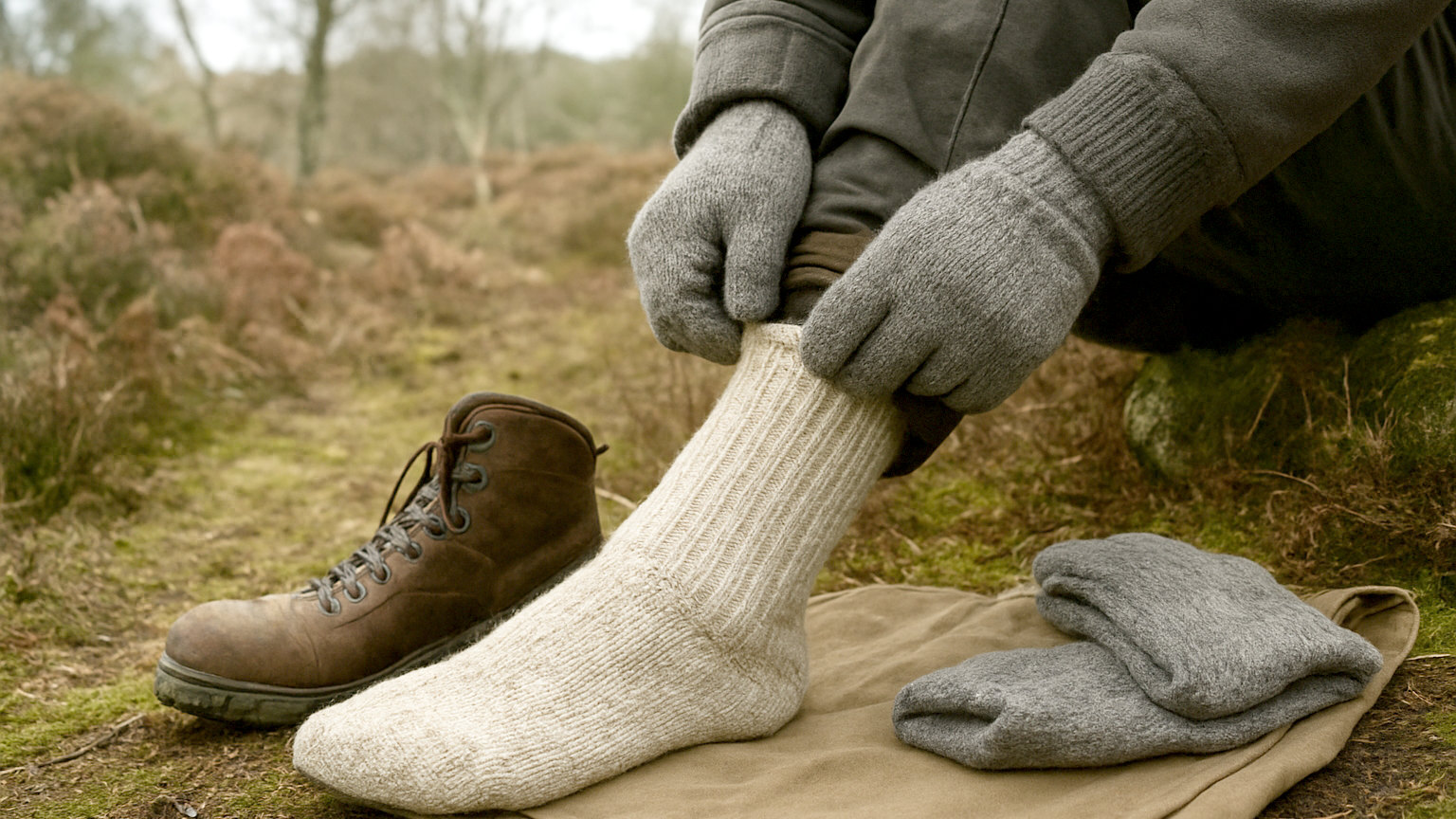
Mittens beat gloves, spares matter more than quality, and tight boots cause cold feet. Extremities are where cold injury happens and where dexterity is lost.
Almost nobody sets out intending to survive anything. The situations covered here begin as a day walk that ran late, a kayak that got separated from its group, a campsite chosen badly in fine weather that turned. These guides cover the skills and judgement that keep an ordinary outdoor day from becoming a callout, across woodland, moor, mountain, coast and open water, plus the extremes of cold and heat you are most likely to meet abroad.
Mittens beat gloves, spares matter more than quality, and tight boots cause cold feet. Extremities are where cold injury happens and where dexterity is lost.
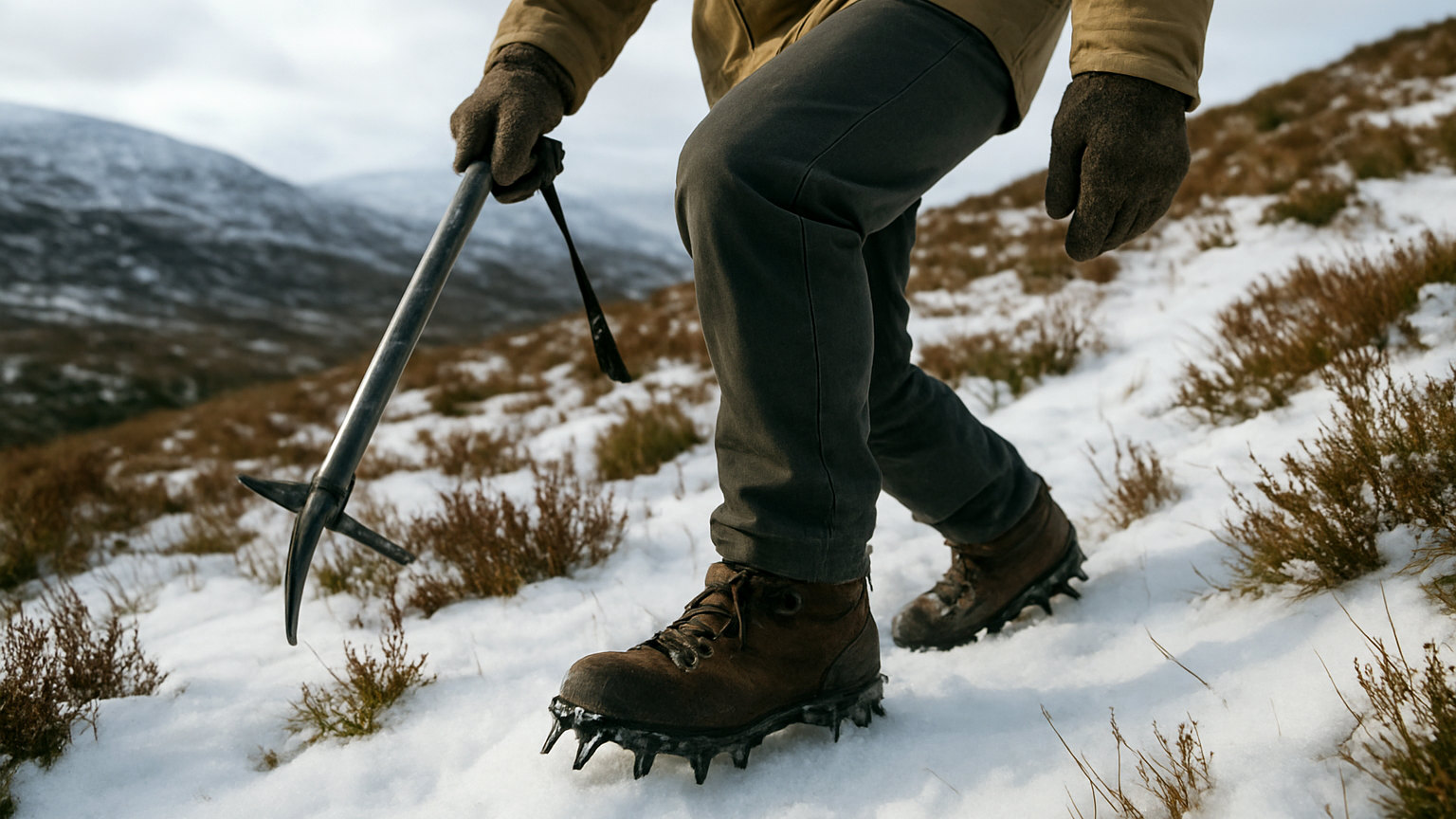
A summer path becomes a snow slope requiring an axe, crampons and training. It is a different discipline rather than the same walk in a coat.
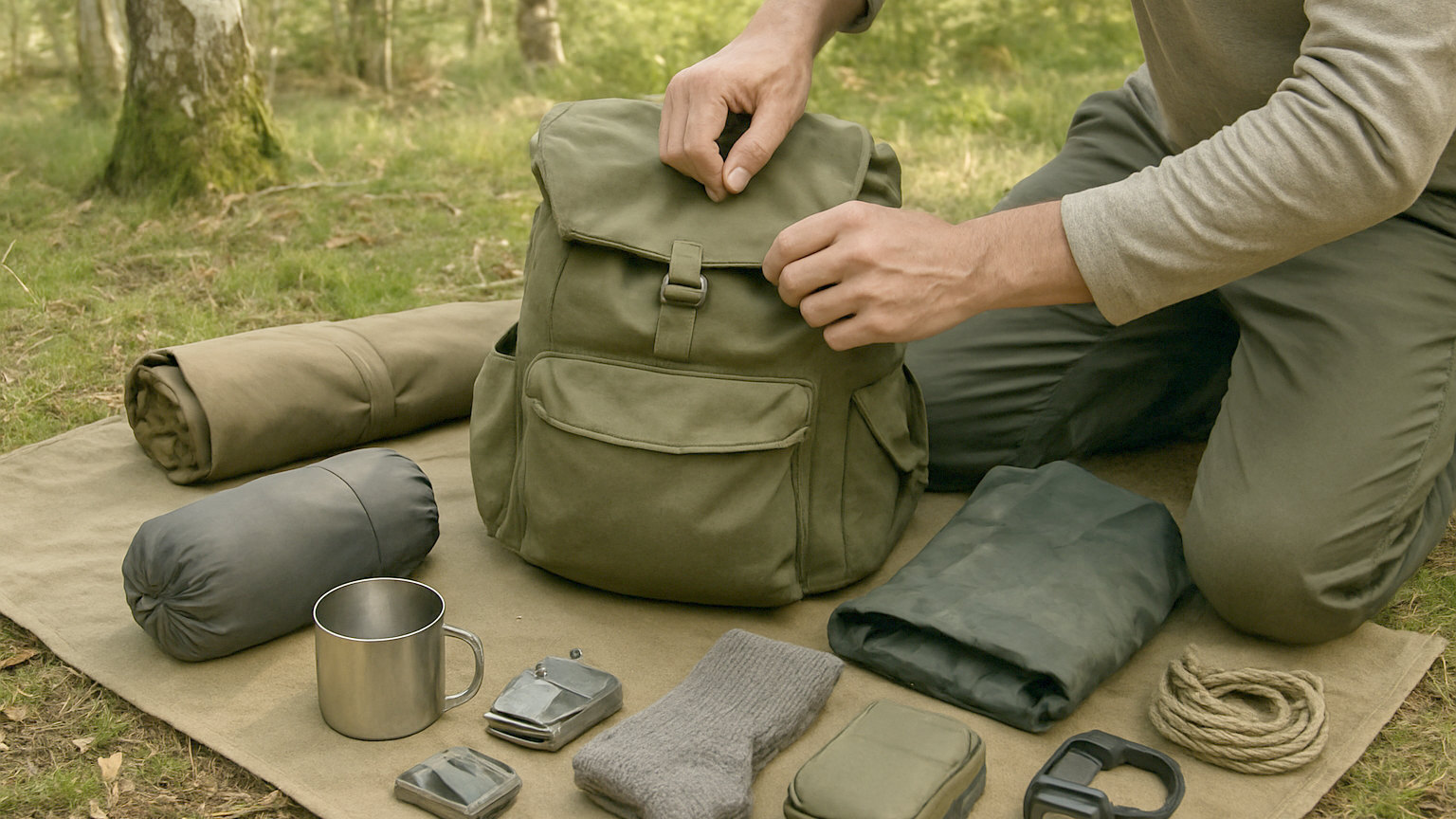
Shelter, sleep system, cooking, clothing, safety and the small things people forget. A written list beats memory every single time.
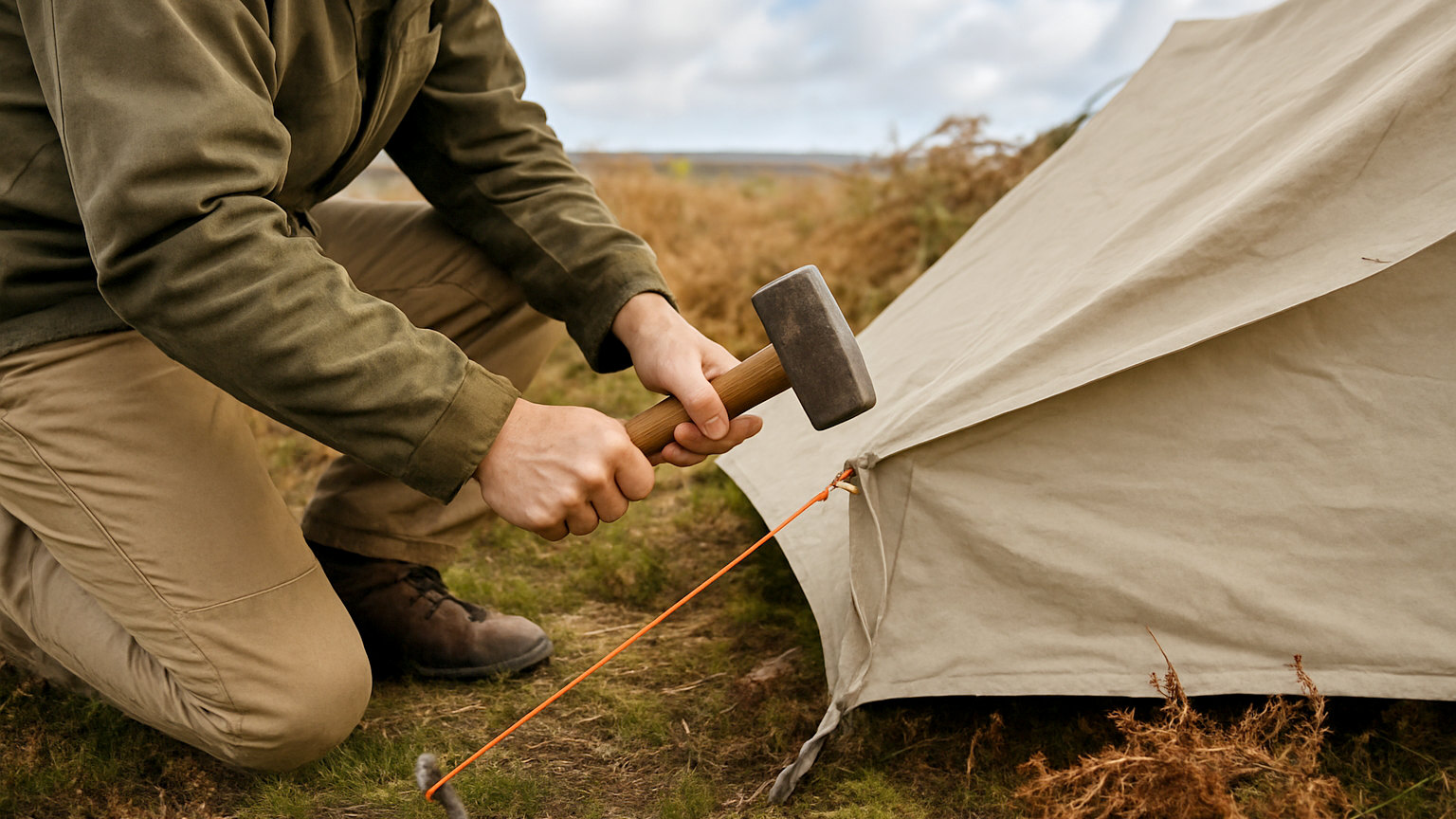
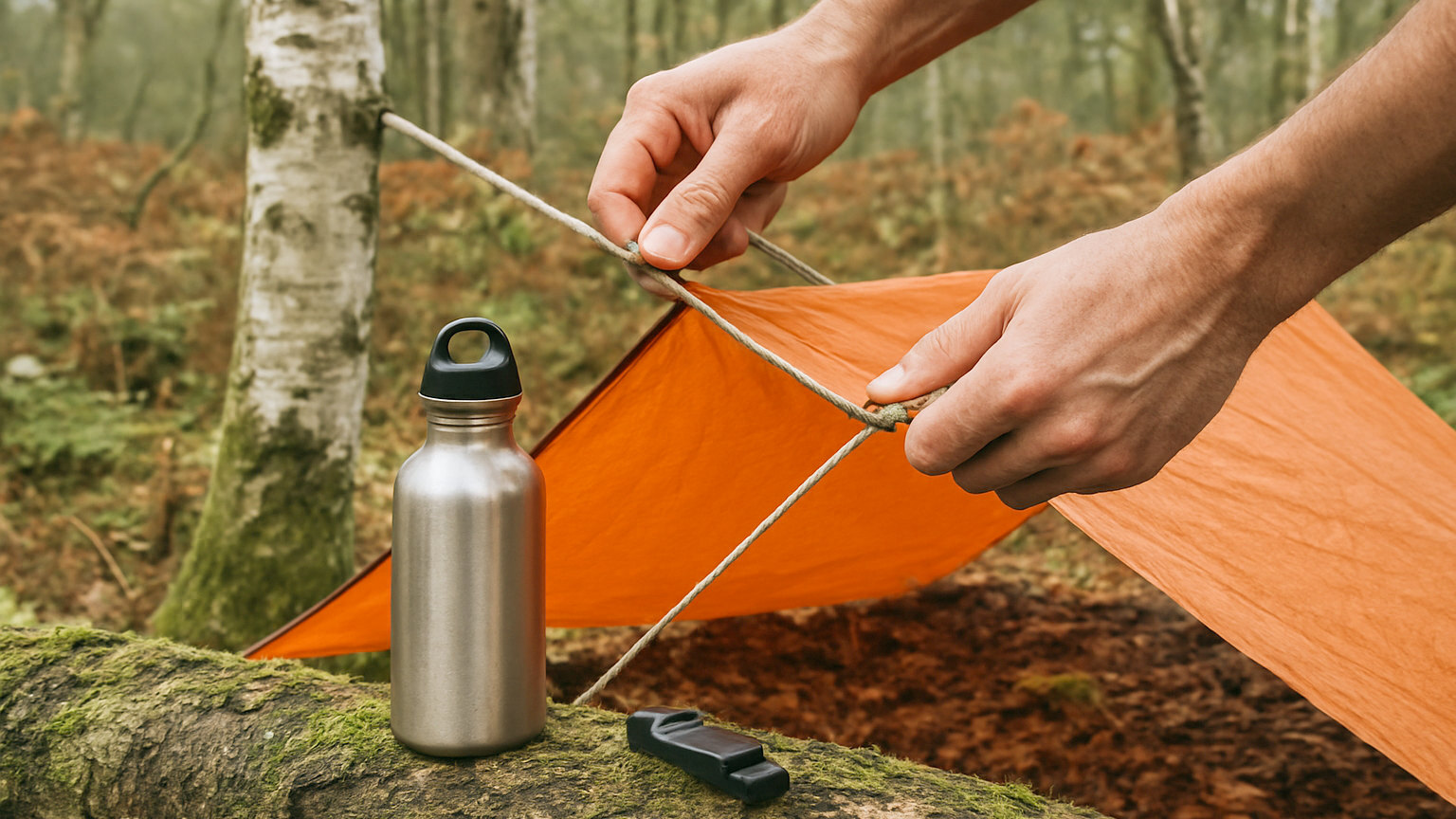
Shelter, low profile and every guy pegged out. A tent that fails at two in the morning leaves you outdoors in the conditions that broke it.
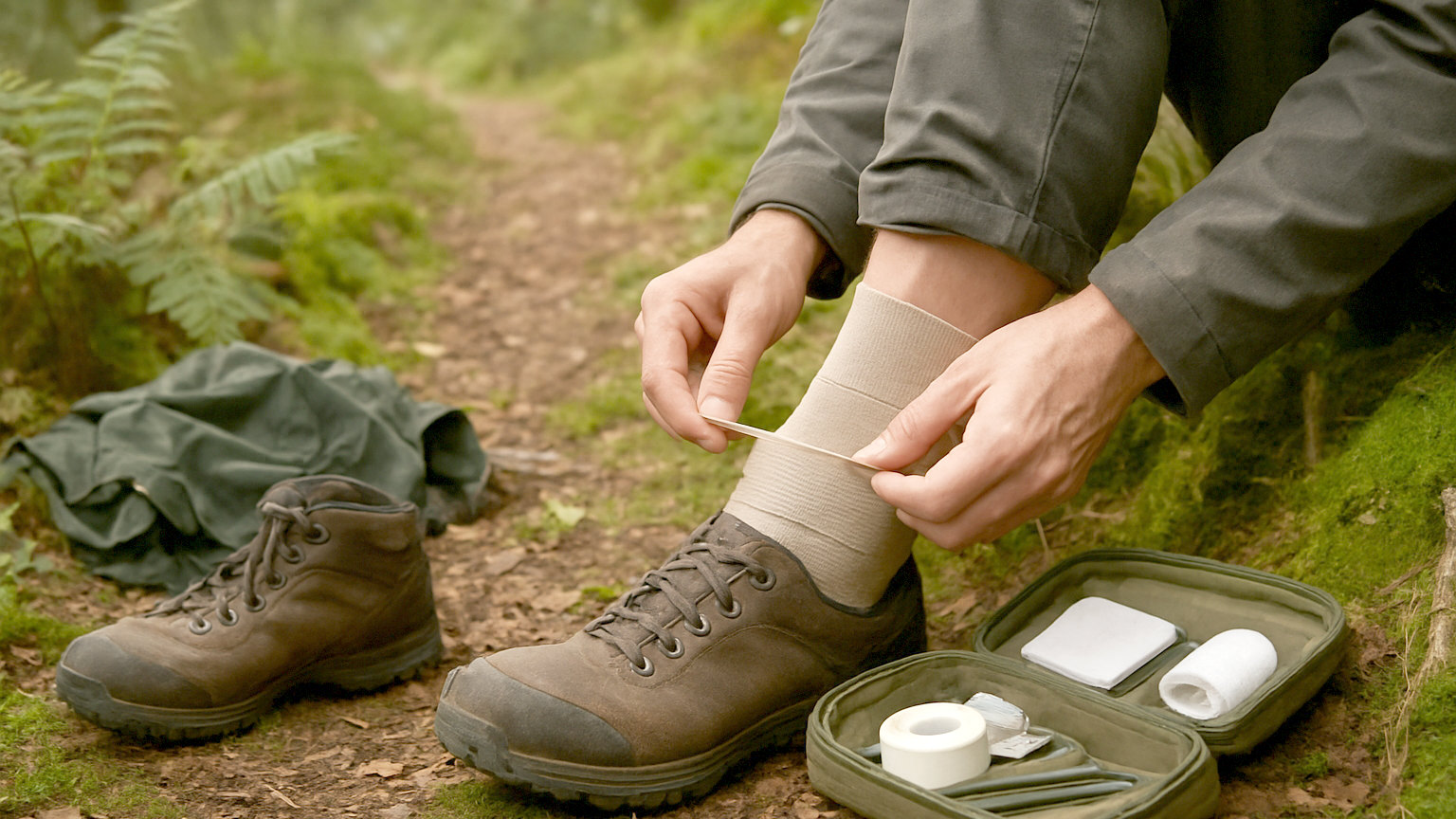
Blisters, sprains, cuts and ticks account for nearly everything. Knowing what to do and when to stop matters more than the contents of a kit.
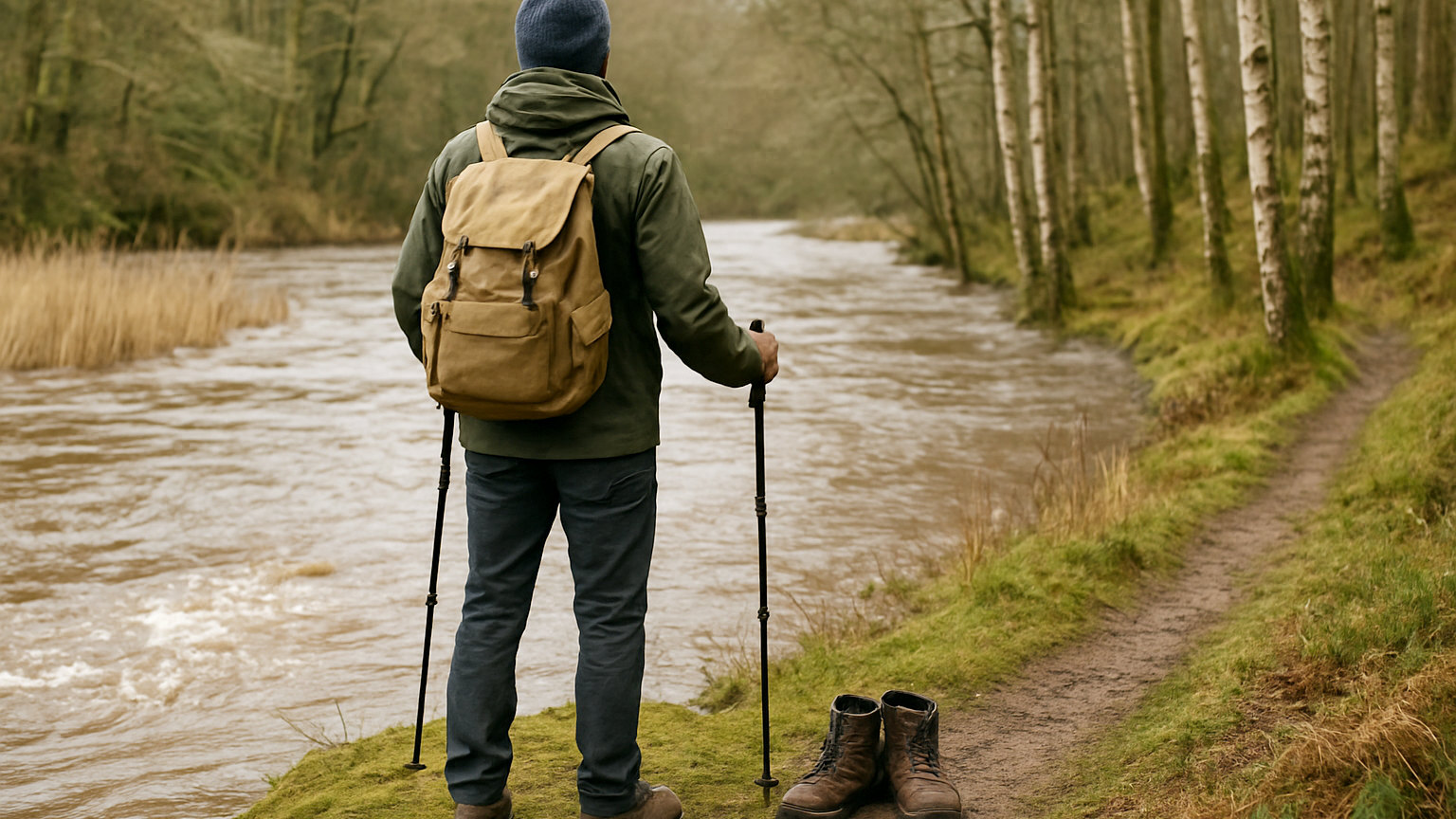
Almost always turn back. River crossings in spate have killed experienced walkers, and water is far more powerful than it looks from the bank.
Structure, tasks and small goals. Waiting is harder than acting, and giving people something to do is the most effective thing available.
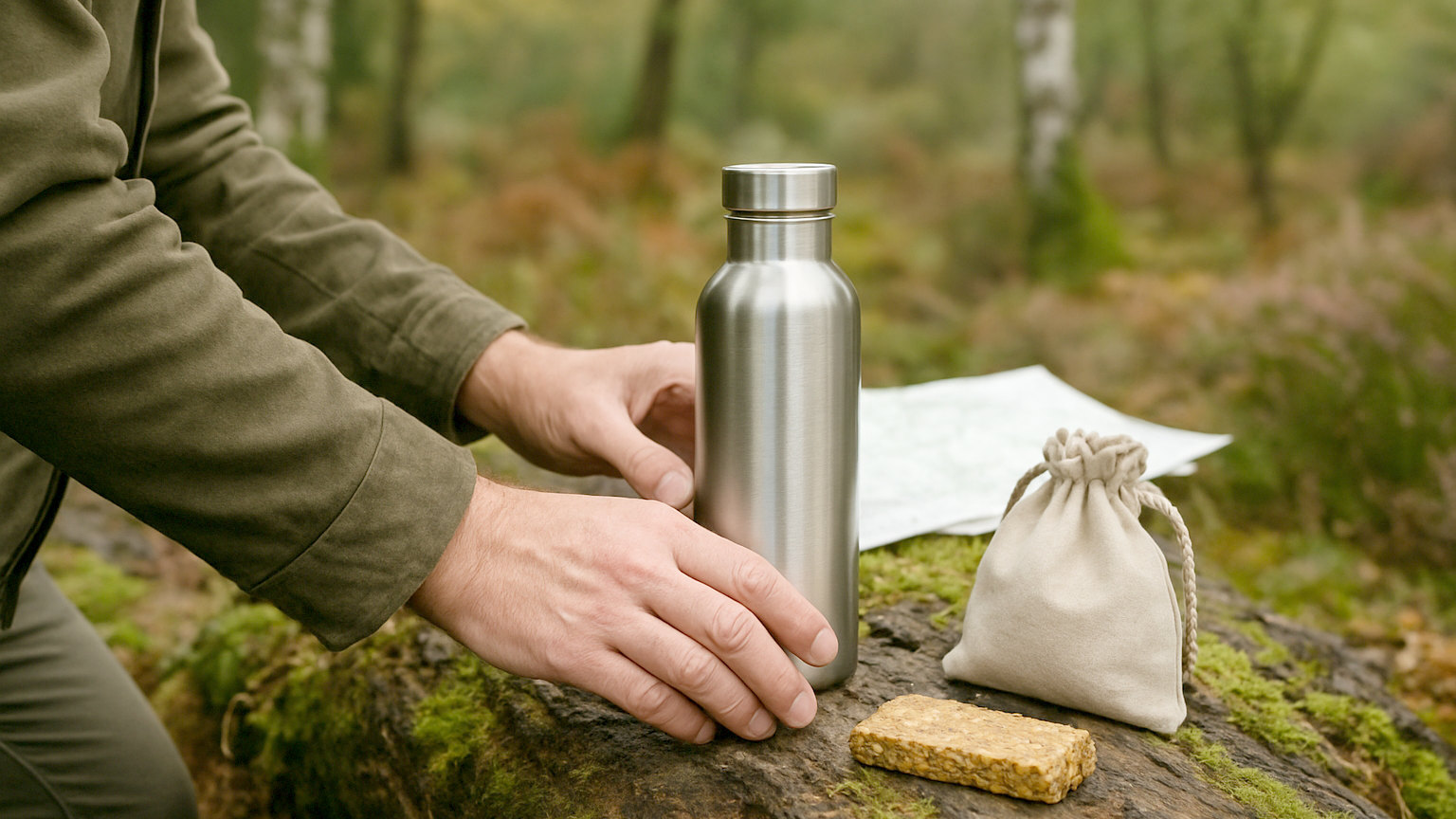
Days without water and weeks without food, and impairment starts long before either. Judgement degrades from mild dehydration, which is what actually matters.
Protection, location, water, food. In Britain the first two account for almost everything and the last one is essentially irrelevant.
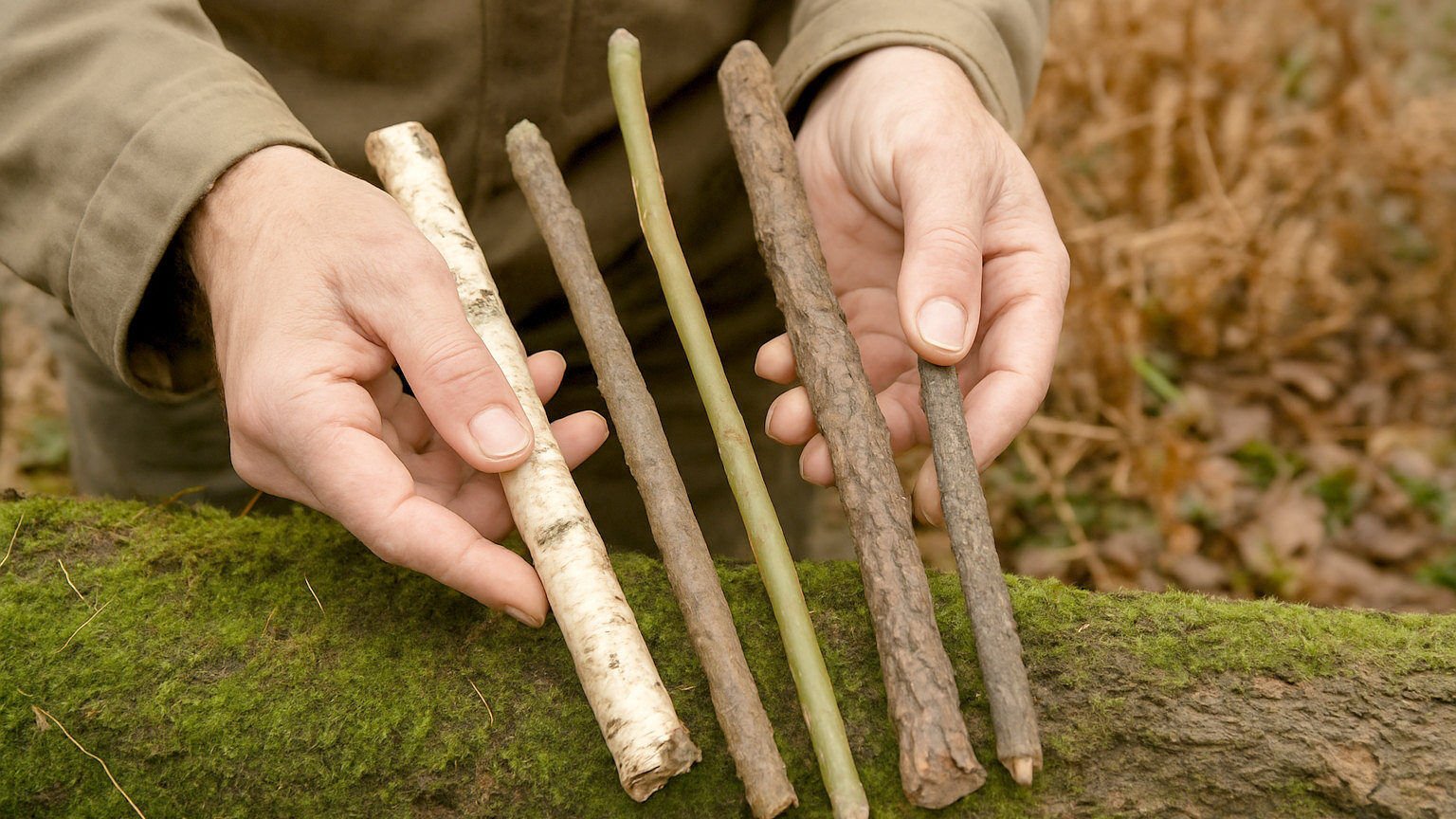
Learn ten common species properly rather than fifty vaguely. Birch, willow, hazel, ash and pine between them cover most of what bushcraft needs.
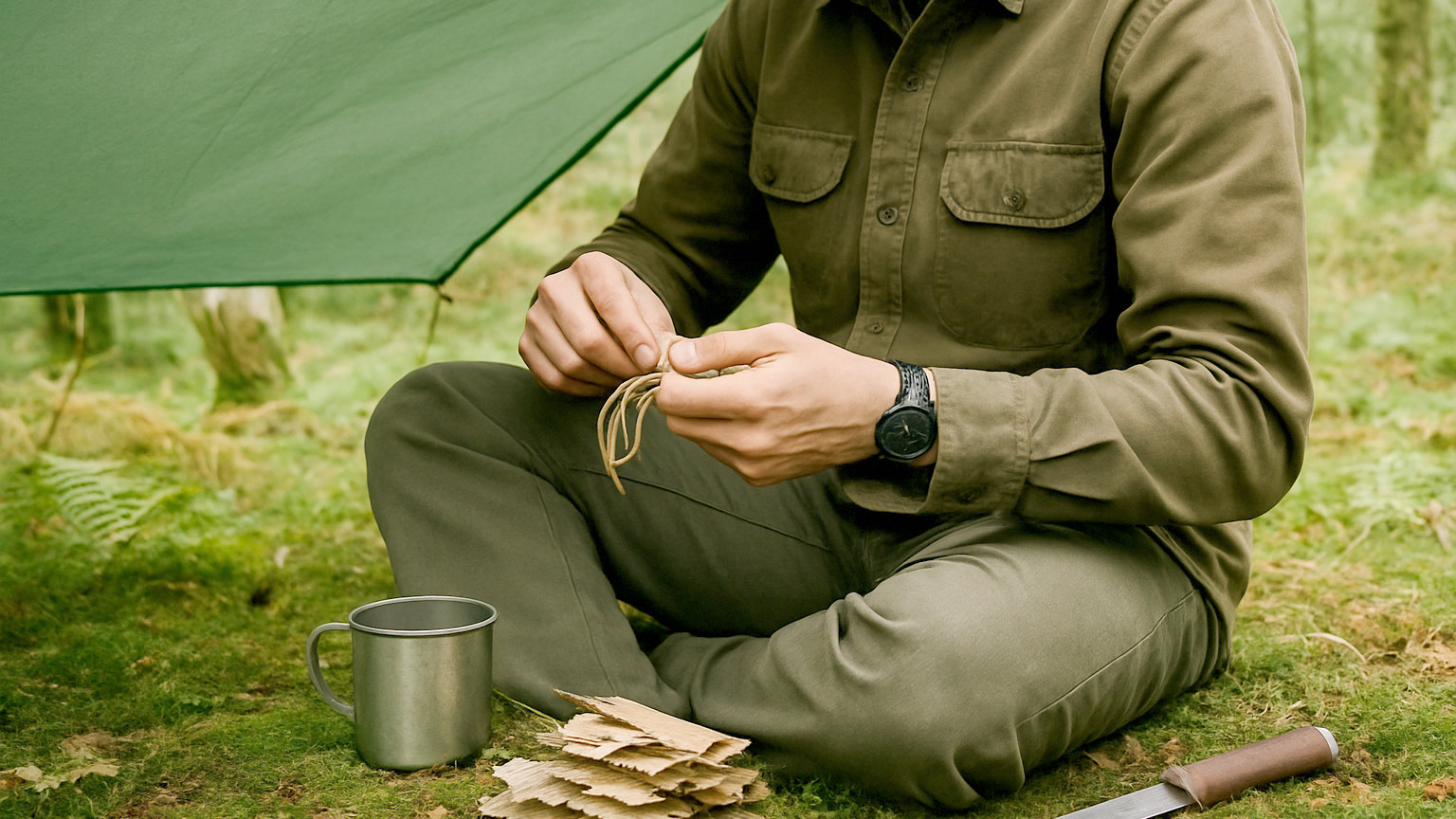
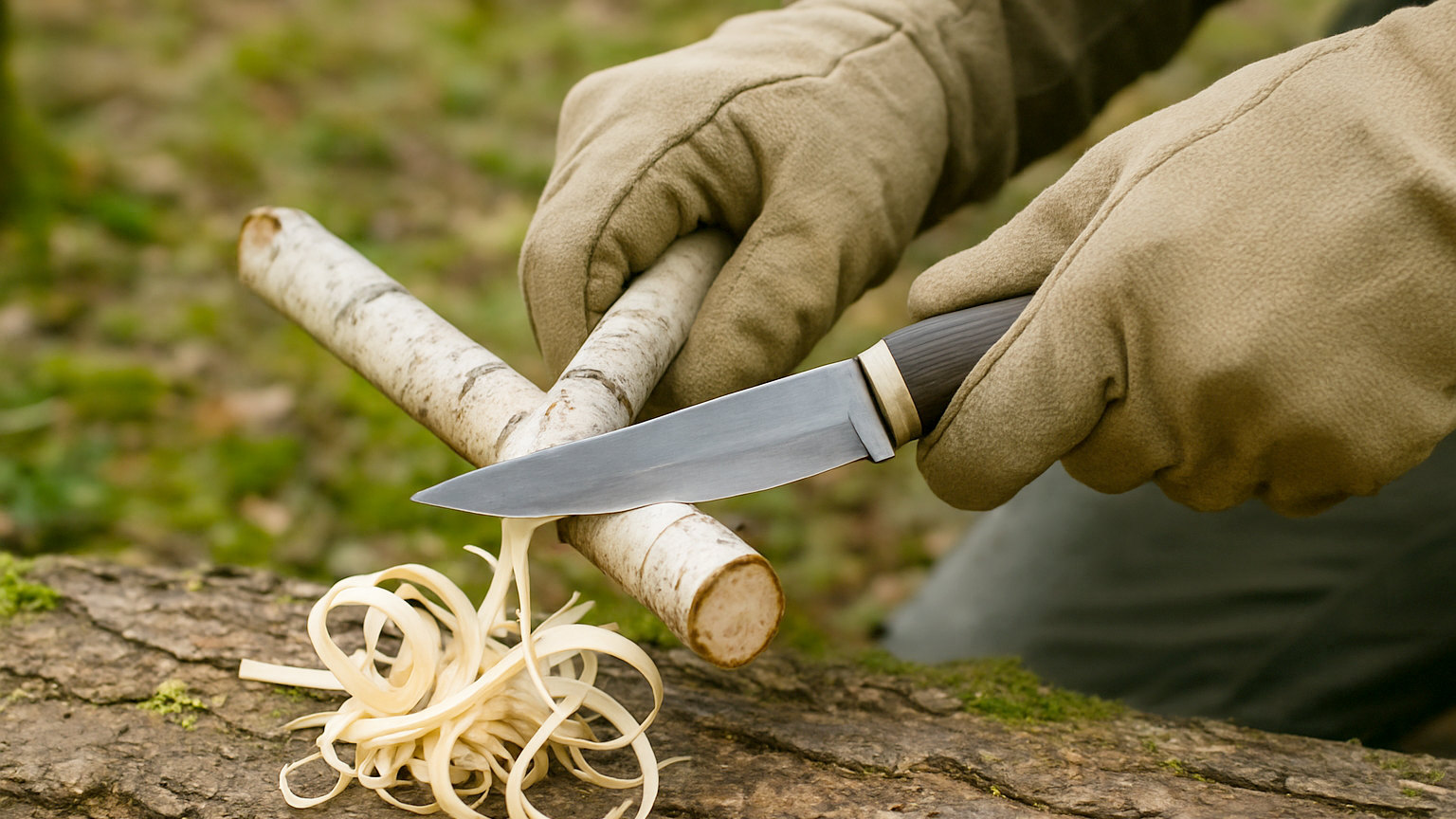
Know where the blade goes if it slips, and make sure nothing of yours is there. Almost every bushcraft knife injury is a cut that went where it was always going to go.
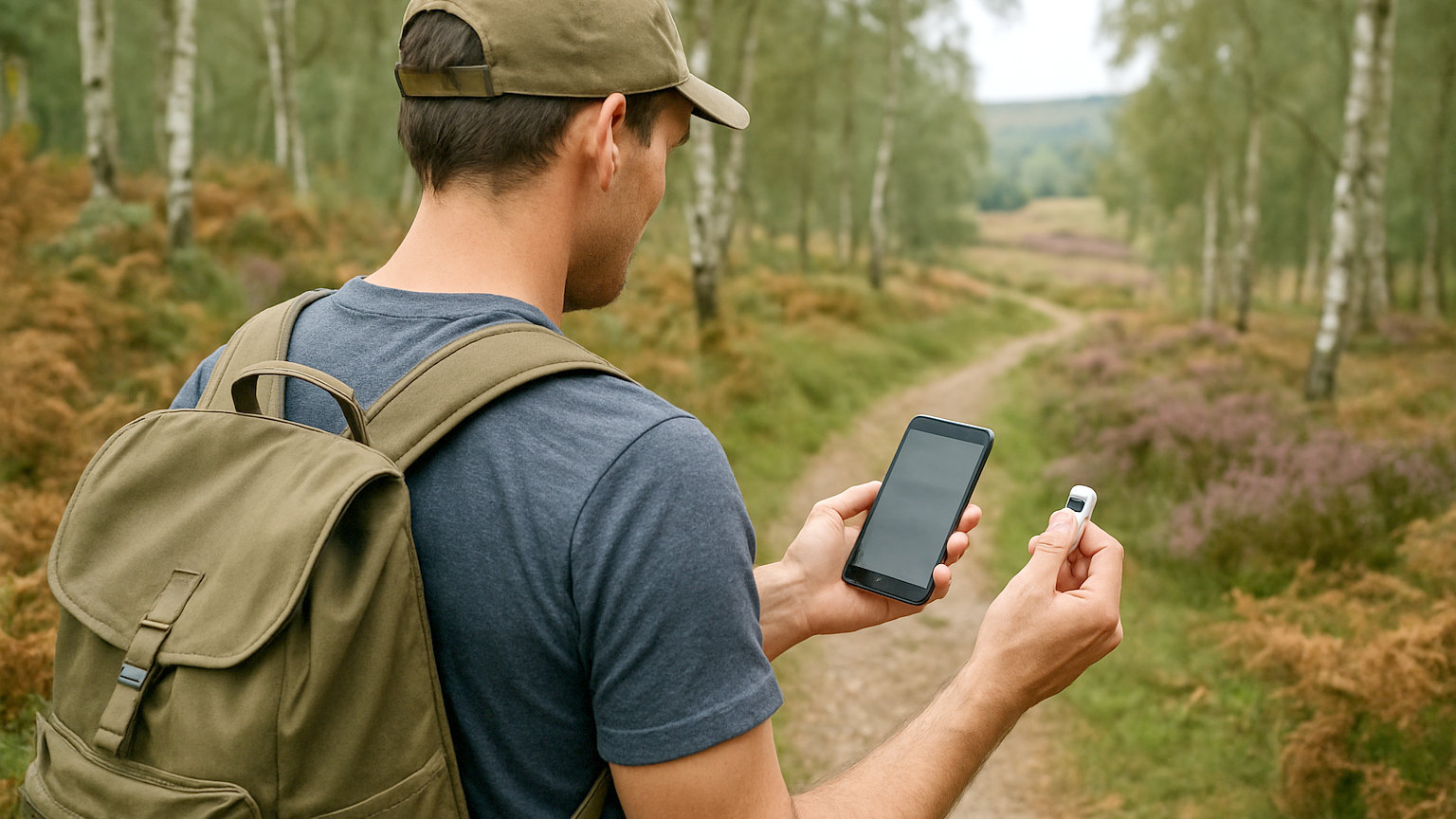
Keep one ear free, vary the route, and let someone track you. Headphones remove the sense that gives you the most warning.