Sun protection is usually reduced to a bottle of cream, which is the least reliable element. Shade, clothing and timing do more and require nothing to be remembered halfway through the day.
What is the order of priority?
Timing, shade, clothing, then sun cream. Avoiding the strongest sun in the middle of the day removes most of the exposure. Being in shade removes most of the rest. Covering skin with clothing protects continuously without reapplication. Cream fills the gaps on skin you cannot cover, which is the smallest part of the problem.
When is the sun strongest?
Roughly between eleven and three, and the ultraviolet index rather than the temperature is what matters. Ultraviolet is high on cool bright days and penetrates cloud, so a comfortable overcast day can produce serious burning. Check the ultraviolet index rather than judging by how hot it feels, particularly at altitude and near the equator.
- Stay out of the sun in the middle of the day
- Cover skin with loose long sleeved clothing
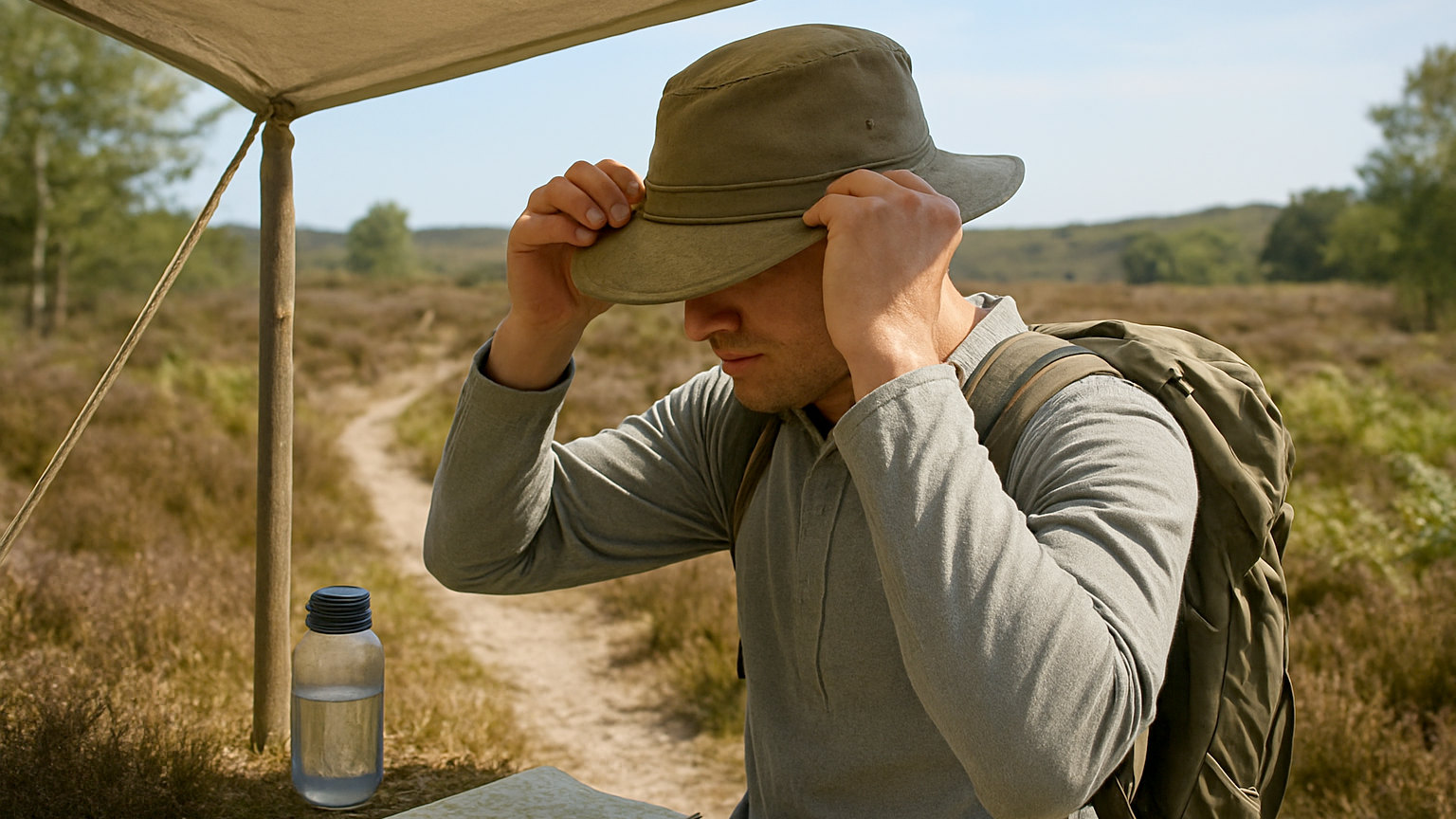
- Wear a hat with a brim covering ears and neck
- Use factor thirty or higher and reapply every two hours
- Wear sunglasses with proper ultraviolet protection
- Remember reflection off sand, water, rock and snow
What about clothing?
Loose, light coloured, long sleeved and covering the neck. It protects continuously, needs no reapplication and keeps you cooler than bare skin in strong sun, which is counterintuitive and is why desert peoples cover up rather than stripping off. Some fabrics carry an ultraviolet protection rating, and any close weave fabric performs reasonably.
What sun cream should you use?
Factor thirty or higher with broad spectrum protection covering both ultraviolet A and B. Apply generously, since most people use far less than the amount products are tested with, and reapply at least every two hours and after swimming or heavy sweating. Applied thinly and once in the morning, a high factor cream performs like a much lower one.
What about reflection?
It adds substantially and is regularly forgotten. Sand, water, snow and pale rock all reflect ultraviolet upward, which burns under the chin, the nose and the ears and around the eyes where people never apply cream. Snow is the worst, reflecting a very high proportion, which is why mountaineers burn severely in winter.
Why do eyes matter?
Because ultraviolet damages them, causing painful short term injury and contributing to long term problems. Snow blindness is a genuine and extremely painful condition caused by ultraviolet burning the surface of the eye, and it occurs in deserts and at sea as well as on snow. Sunglasses with proper protection and side coverage are essential in bright conditions.
How do you treat sunburn?
Cool the skin, stay out of the sun, drink plenty and use a moisturiser or after sun. Painkillers help. Blistering, extensive burns, fever, chills, dizziness or burns in a young child warrant medical advice, since severe sunburn causes fluid loss and is treated as a burn. Do not burst blisters.
What about children?
They need more protection and less sun. Keep babies under six months out of direct sun entirely. Cover children with clothing and a hat, use a high factor cream on exposed skin, and keep them in shade during the middle of the day. Sunburn in childhood is associated with greater long term skin cancer risk, so it matters beyond the immediate discomfort.
Does the sun affect hydration?
Considerably, since direct sun raises heat load and therefore sweat rate. Two people walking the same route at the same pace, one in shade and one in full sun, lose noticeably different amounts of water. That is a practical argument for shade and covering clothing beyond the burning risk, since it directly reduces how much water you need.
What about altitude?
Ultraviolet intensity rises with height, so mountain and high desert environments burn far faster than the temperature suggests. Combined with reflection from snow, rock or pale ground, and with cool air masking the sensation of burning, high altitude produces some of the most severe sunburn there is. Increase protection rather than relying on how warm it feels.
Avoid the middle of the day, use shade and covering clothing first, apply factor thirty generously and often, wear sunglasses, and allow for reflection.