Which Radio Stations and Frequencies Should You Know
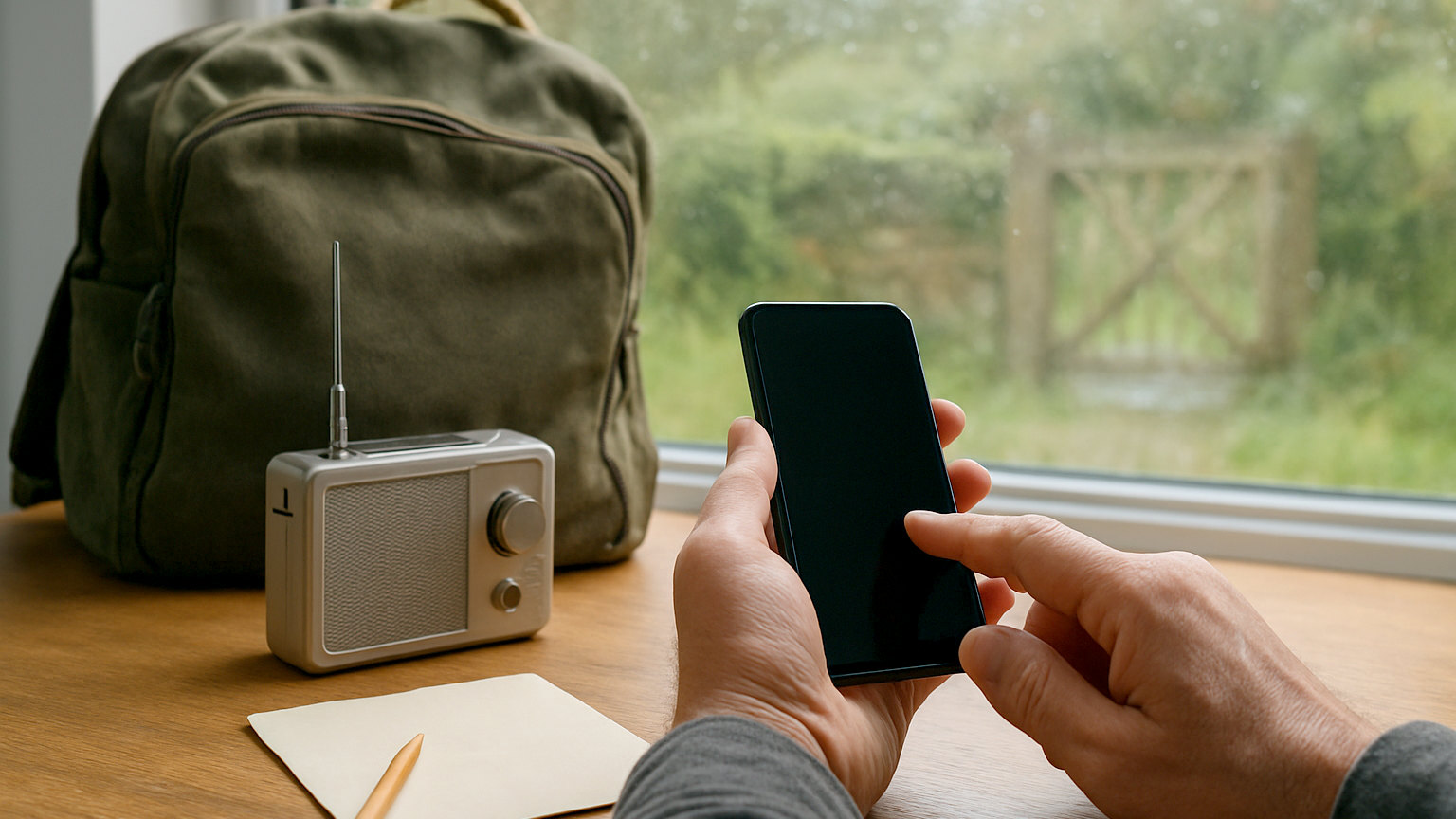
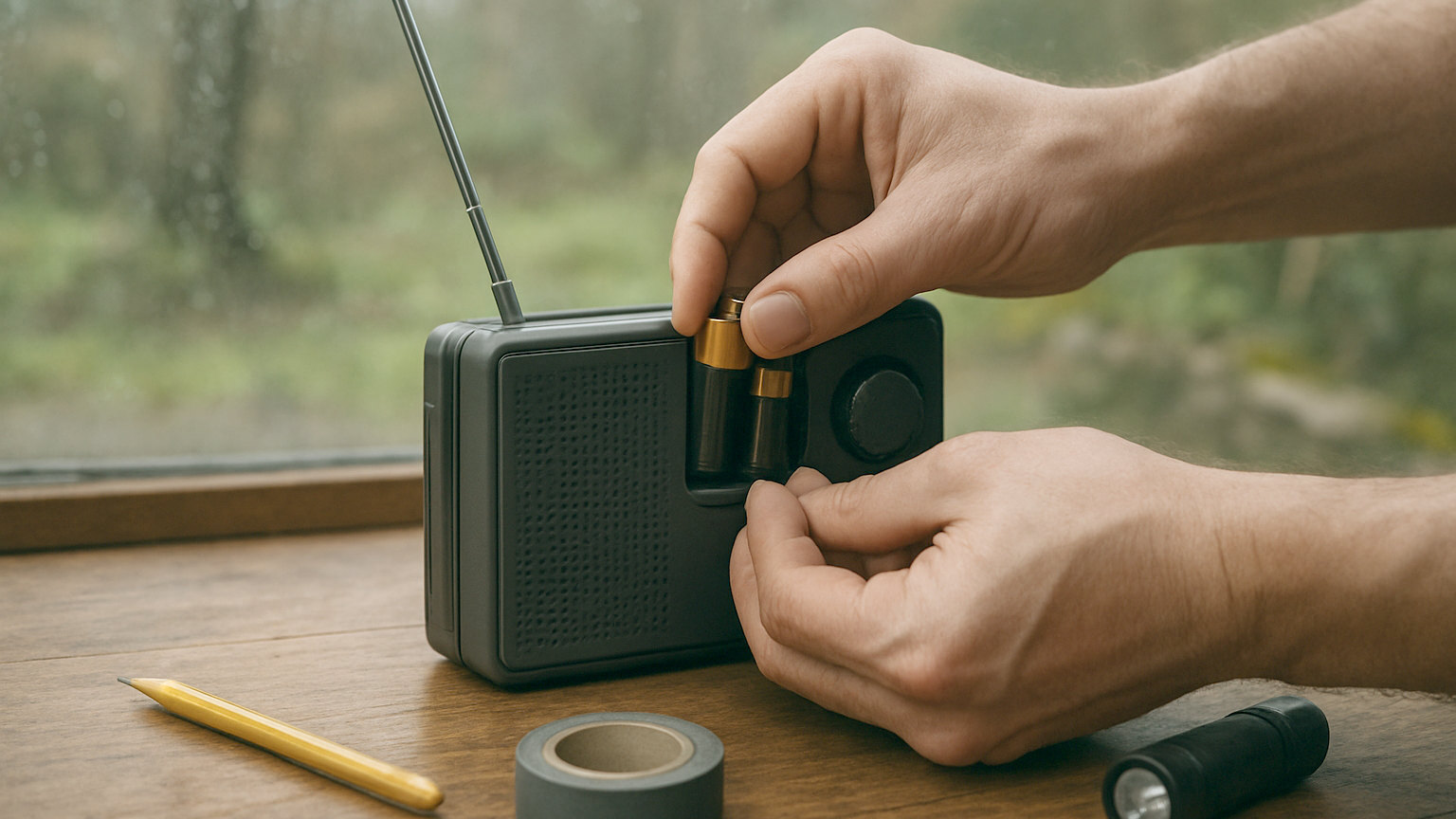
Local BBC radio carries emergency information and works during power cuts. Writing the frequency on the radio itself takes seconds and saves scanning in the dark.
Mobile networks fail early in a widespread emergency, either from damage or simply from everyone in the county ringing at once. These guides cover why a text gets through when a call will not, battery discipline, FM radio, PMR446 handhelds and amateur radio, and agreeing in advance how your household will make contact when the usual method is gone.
Local BBC radio carries emergency information and works during power cuts. Writing the frequency on the radio itself takes seconds and saves scanning in the dark.
A call needs a continuous channel and a text needs a moment. That difference is why a message sends in conditions where no call has connected all evening.
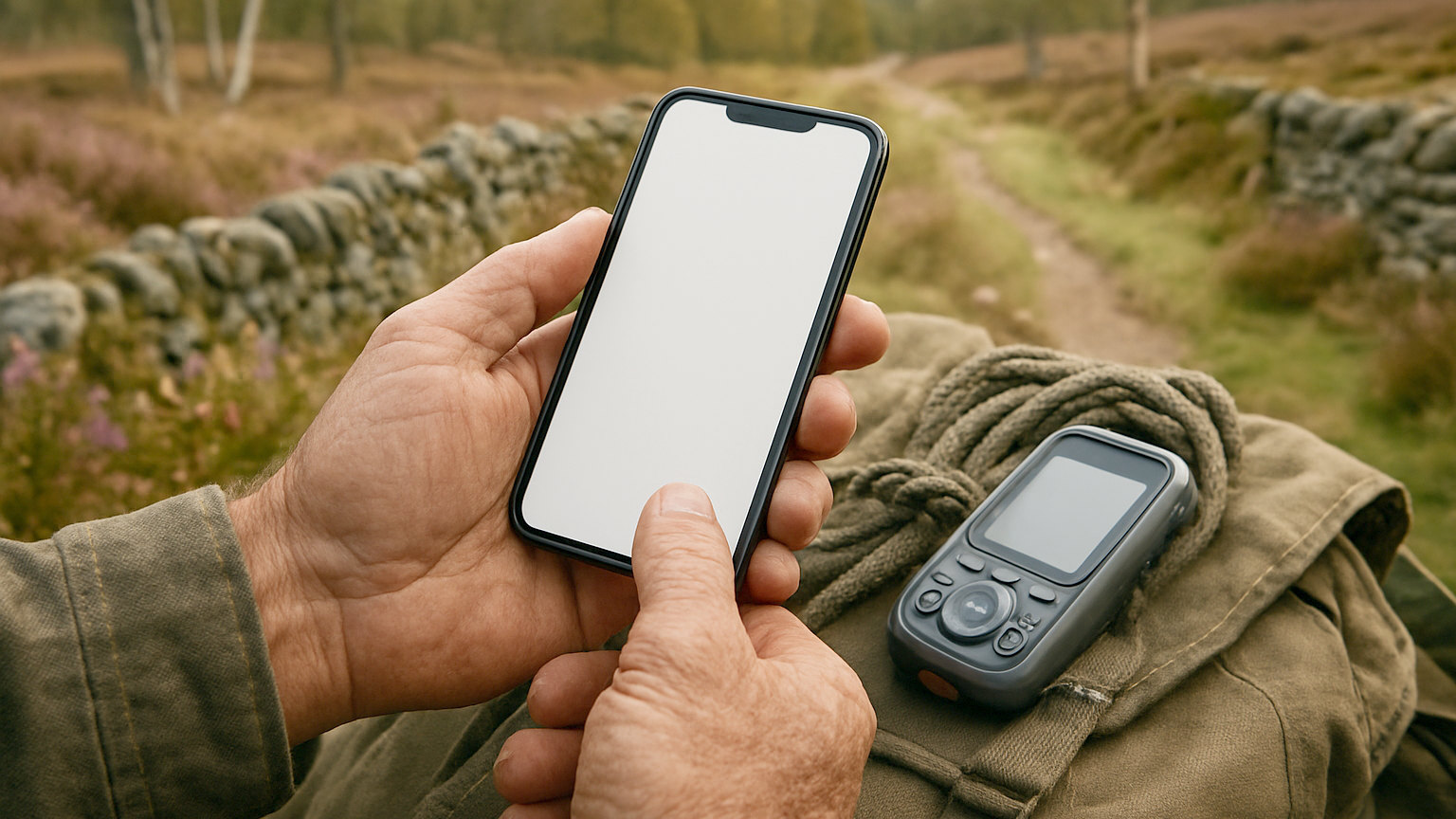
999 calls can use any network, texts need less signal than calls, and satellite messaging now exists on many phones. Several routes remain when one fails.
Usually congestion rather than damage. Everyone calls at once, the local cells saturate, and coverage then degrades further as mast batteries run down.
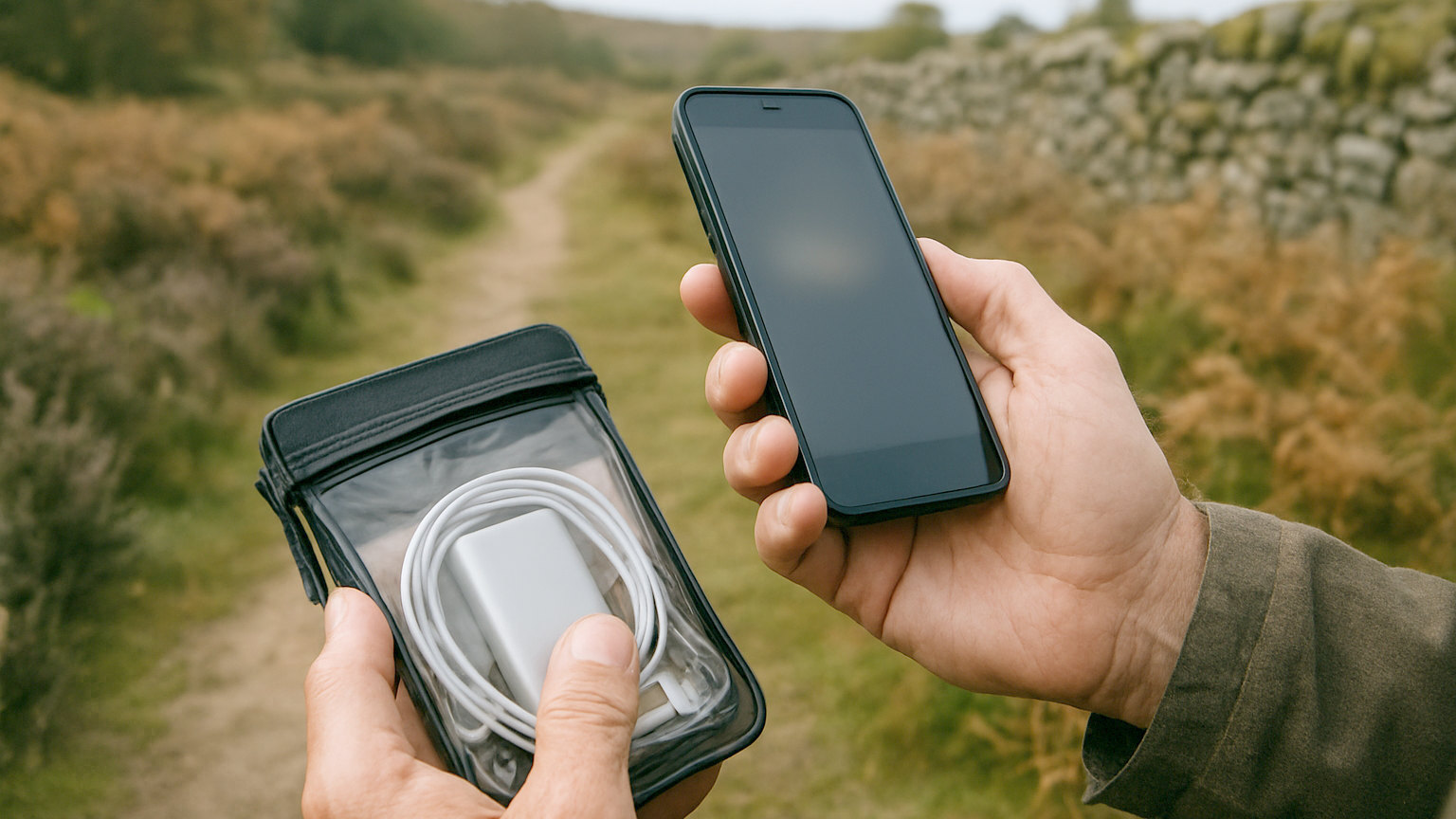
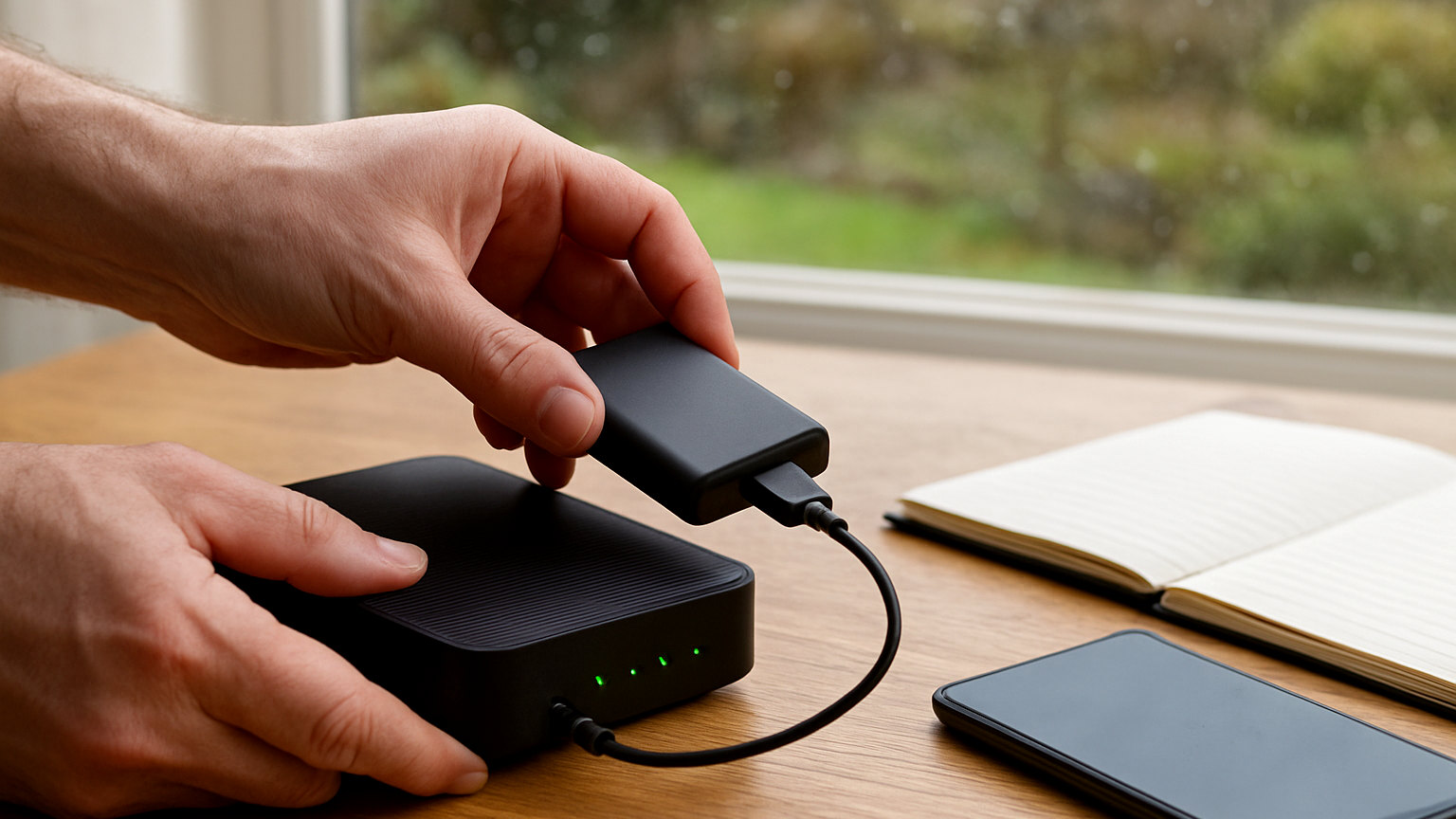
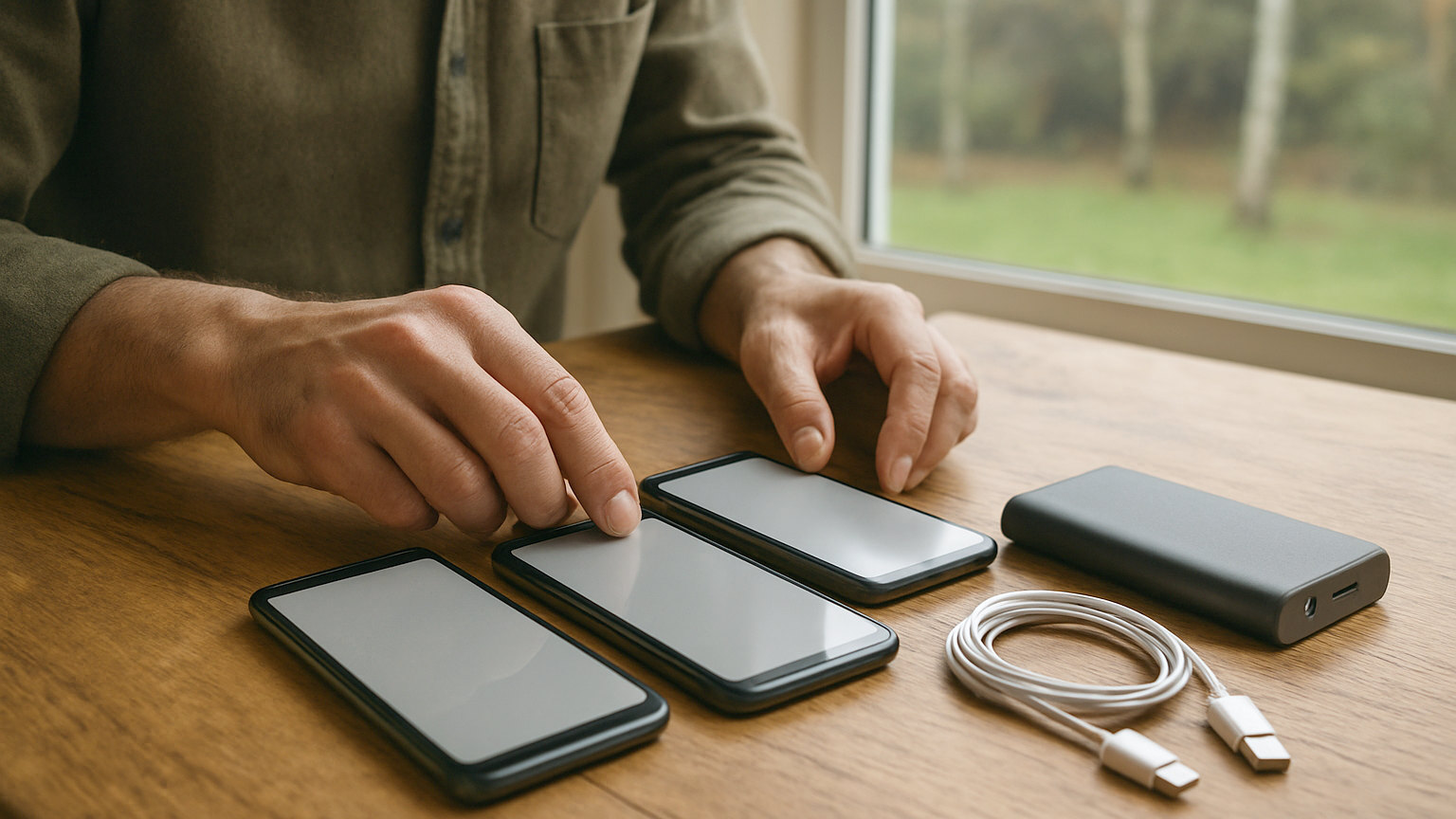
Your router needs power even when the broadband itself is fine. A small power bank keeps it alive for hours, which is a cheap and underused arrangement.
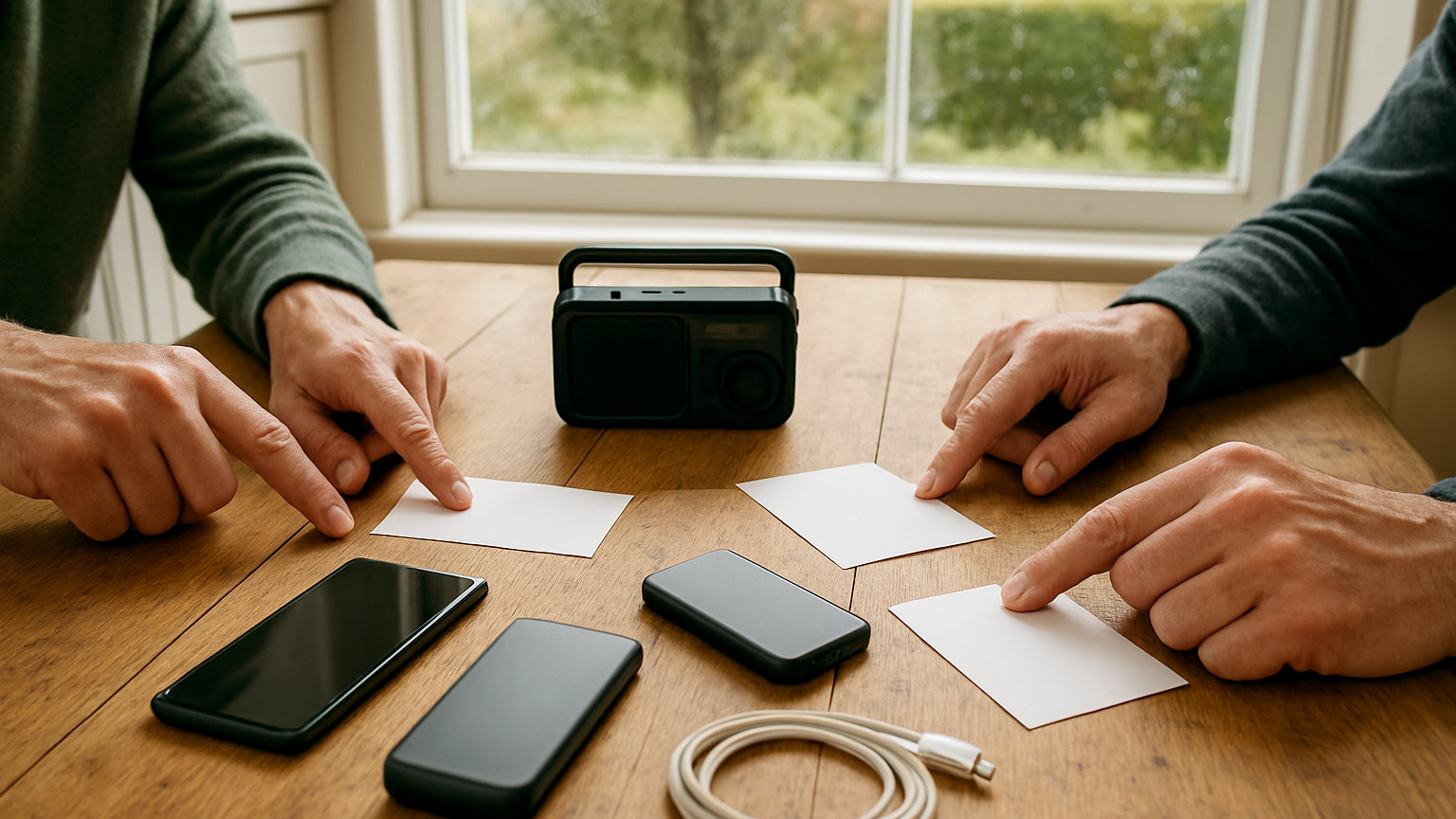
Who contacts whom, in what order, by what means, and what to do when none of it works. Five minutes of agreement replaces an hour of confusion.
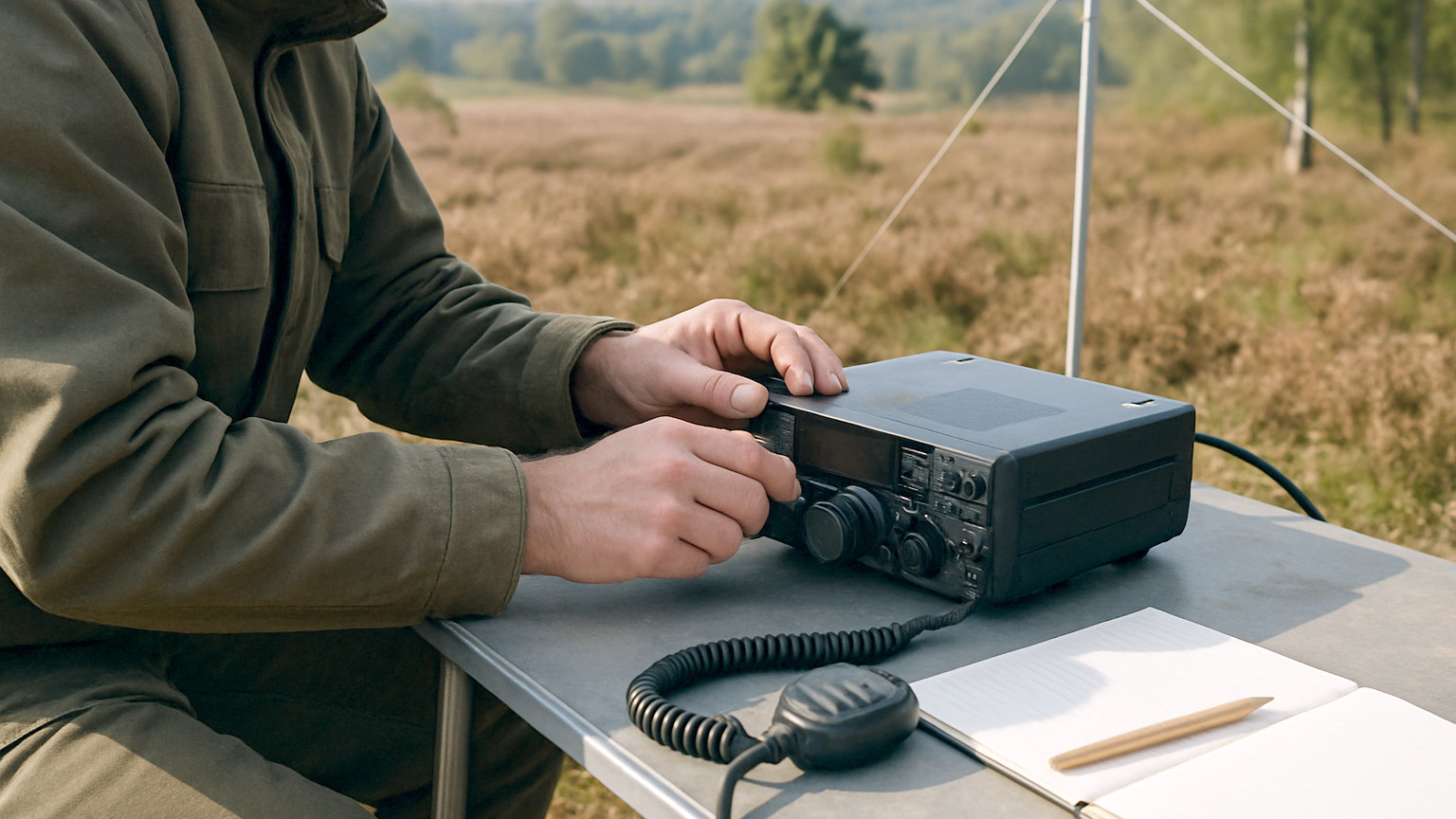
A genuine long range capability requiring a licence and an exam. Serious commitment, and the volunteer emergency network built on it does real work.
Mobile networks are the first thing to fail and the first thing everyone reaches for. Layered alternatives cost little and work when the usual route does not.
Old photographs, rumoured evacuations and confident numbers circulate fastest during incidents. A few habits separate what is known from what is being repeated.
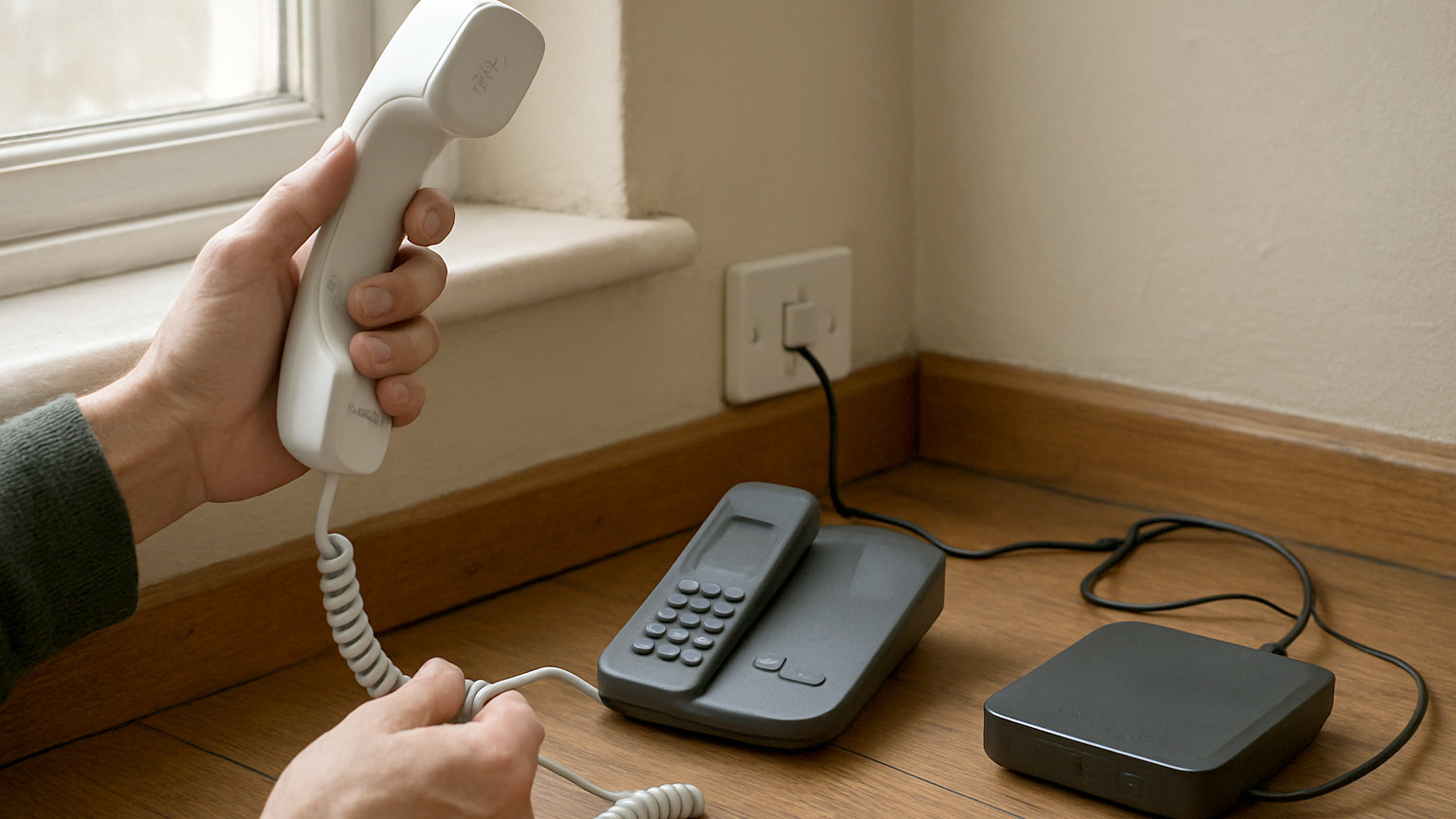
Traditional corded phones drew power from the line and worked without mains. Digital landlines do not, and the switchover has changed this for everyone.
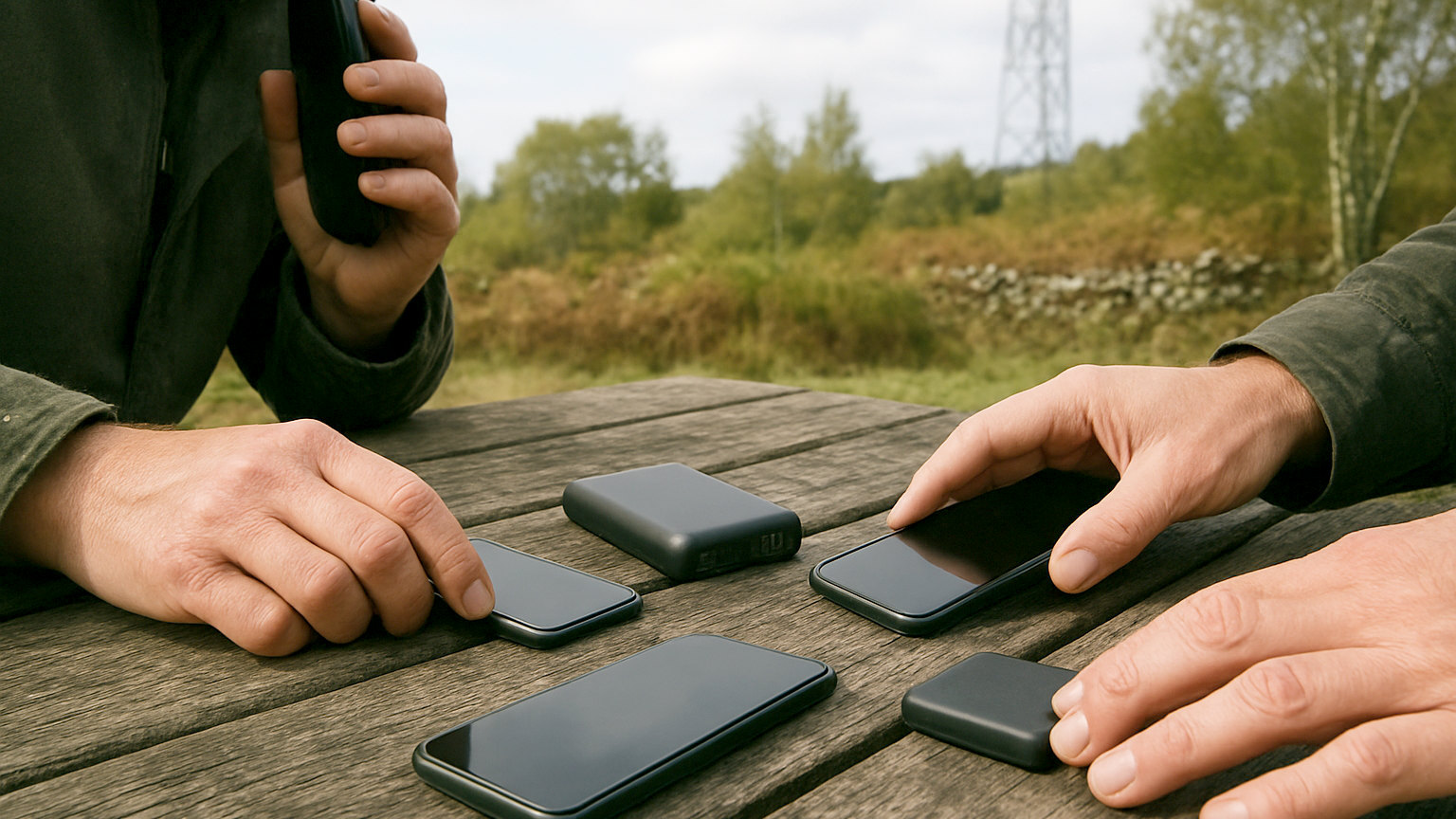
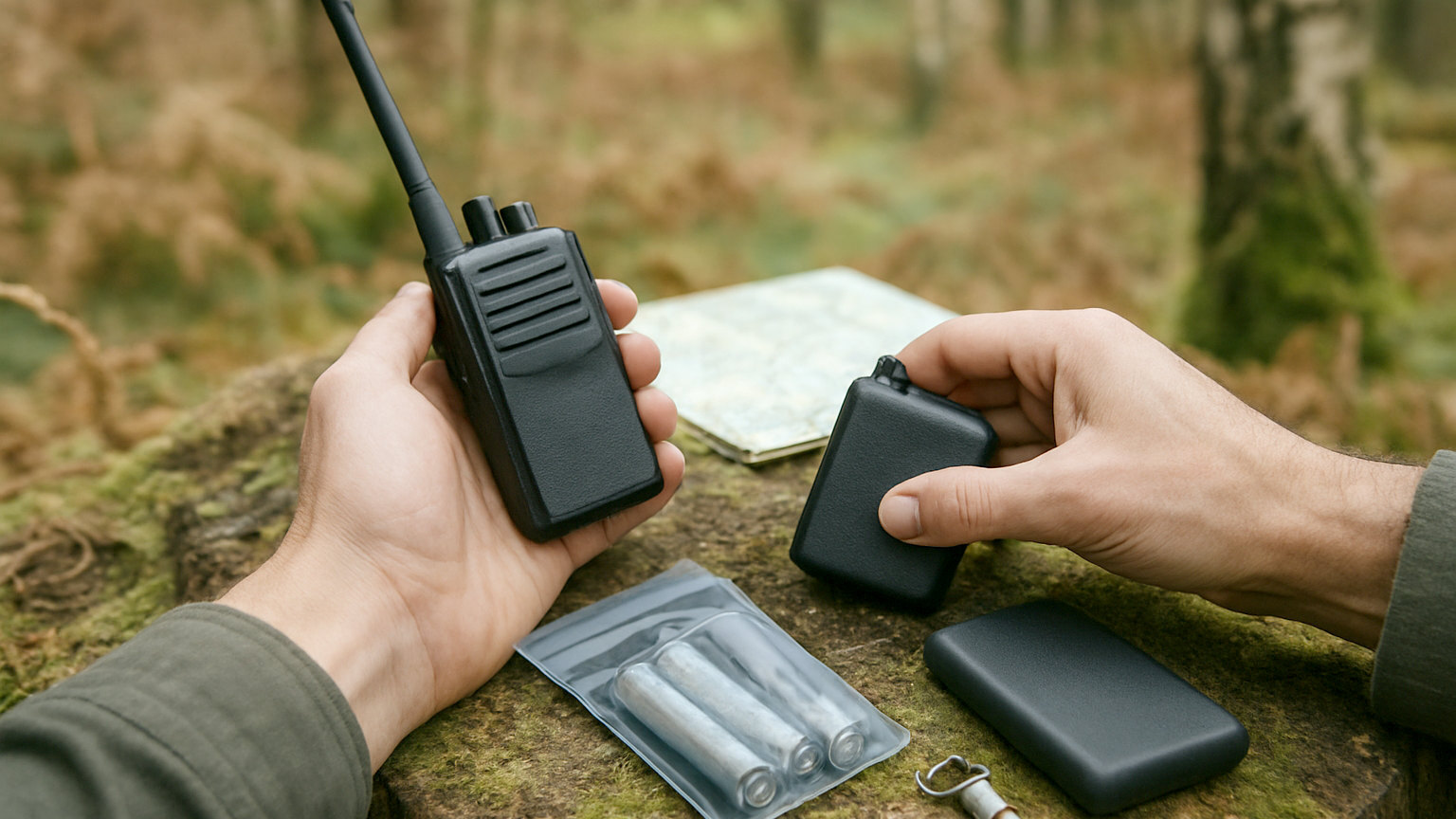
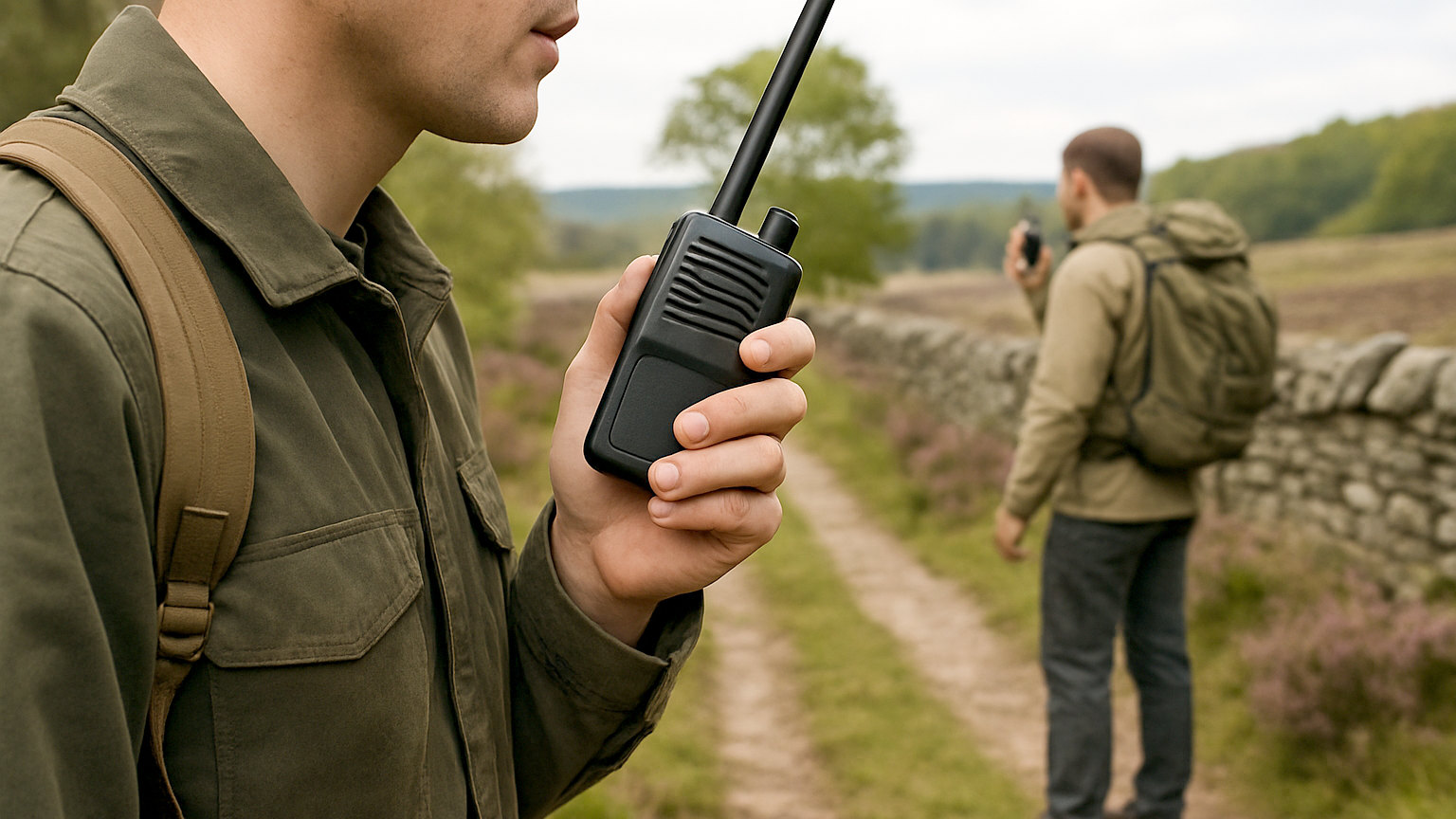
Licence free handheld radios that work with no network at all. Useful within a household or a small group, and far shorter in range than the packaging claims.
Time zones, congestion and roaming all complicate it. An agreed check in routine and a nominated relay solve most of it before anything happens.