The terrain that hurts British walkers is not usually the terrain that looks frightening. Steep grass, wet rock and ordinary descents account for far more injuries than anything requiring hands.
Why is wet grass so dangerous?
Because it offers almost no friction and it is deceptively steep. Wet grass on a slope, particularly where it has been cropped short by sheep, is close to frictionless, and once a slide begins it is extremely difficult to stop without an ice axe. Grass slopes with a rocky runout below have killed a substantial number of British walkers, in conditions nobody would describe as serious.
What should you do about it?
Avoid crossing steep grass when wet, particularly above anything you would not want to slide into. Descend by a path or by less steep ground even if it is longer. If you must cross, use poles, kick steps into the turf where possible, and consider the runout below: the question is not whether you might slip but where you would stop.
- Steep wet grass is frictionless and has killed many walkers
- Always consider the runout below before crossing steep ground
- Most falls happen on descent, when tired
- Wet rock, especially limestone and polished paths, is very slippery
- Scree moves and dislodges rock onto people below
- Bog conceals depth and drains energy
Where do most falls happen?
On descent, when people are tired and concentrating less. Legs are fatigued, the pace picks up because it feels easy, and attention drops as the car park comes into sight. Slowing down deliberately on descent, using poles, and taking rough sections carefully addresses the largest single category of walking injury.
What about scree?
It moves, and it sends rock onto anyone below. Descend scree slowly with feet apart, keep the party close together or well to the side rather than strung out below each other, and never traverse above people. Ascending scree is exhausting and frequently there is a better line at the edge where it is more consolidated.
What about rock?
Wet rock is far more slippery than dry, and some rock types are worse than others. Limestone becomes treacherous when wet, polished paths on popular routes are like glass, and lichen covered rock is slippery in any conditions. Test footholds before committing weight, keep three points of contact on anything steep, and be aware that boot soles vary enormously in wet grip.
What about bog?
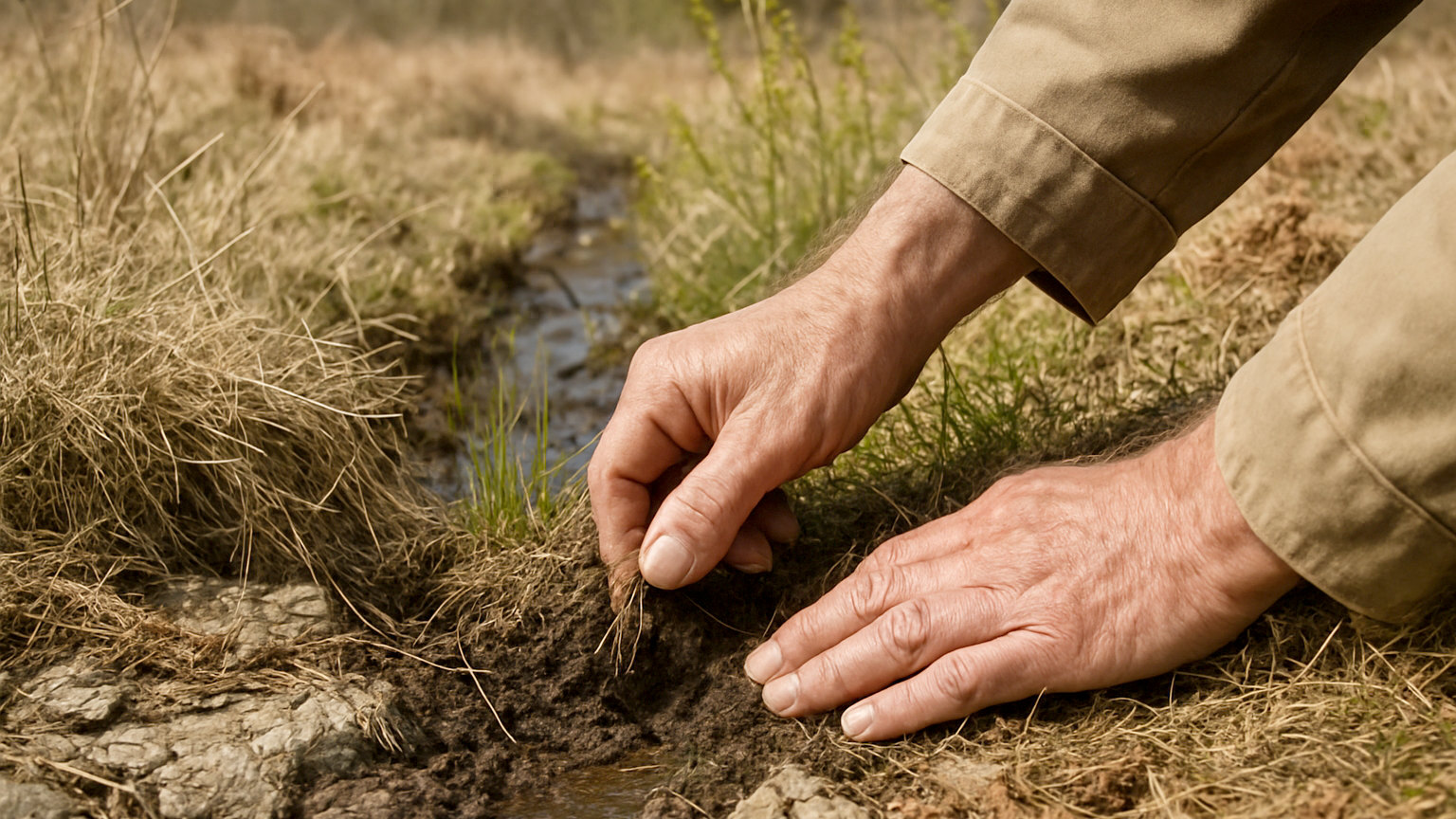
It is rarely dangerous and it is exhausting and demoralising. Peat hags and wet ground drain energy, slow progress dramatically and soak feet, which then leads to blisters and cold. Deep peat can be waist deep in places. Look for a line on firmer ground, follow drier vegetation such as heather and cotton grass tussocks, and accept a longer route.
What about cornices and snow?
In winter, snow overhangs form on the leeward side of ridges and collapse without warning, so staying well back from any corniced edge is essential. Snow slopes also require an ice axe and crampons and the training to use them, and a frozen path that was a walk in summer is a different proposition entirely.
What is the general principle?
Look at what is below you before deciding what is acceptable above. The same slope is trivial with a flat grassy runout and serious above a crag. That single question, applied consistently, changes how you choose lines and prevents most of the incidents in this category.
Do walking poles help?
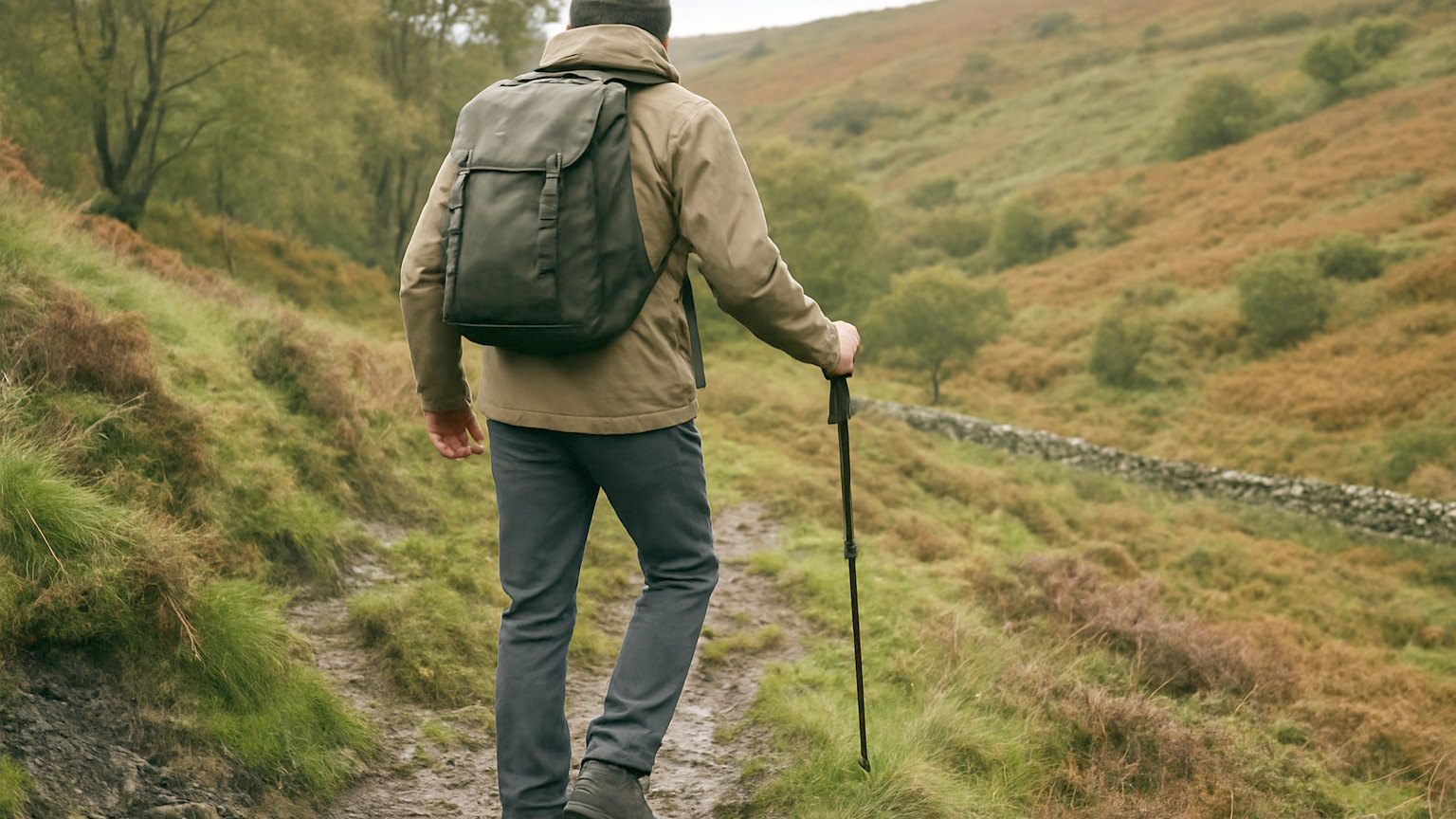
Considerably on descent and on rough ground, where they add stability, take load off the knees and give two extra points of contact. They are particularly valuable when tired, when carrying a heavy pack and when crossing awkward ground. They also get in the way when you need hands, so stow them for any scrambling rather than trying to hold them.
Treat steep wet grass as genuinely dangerous, always assess the runout, slow down on descent, expect wet rock to be slippery, and stay clear of cornices.