How Do You Manage Hygiene and Toilets at Camp
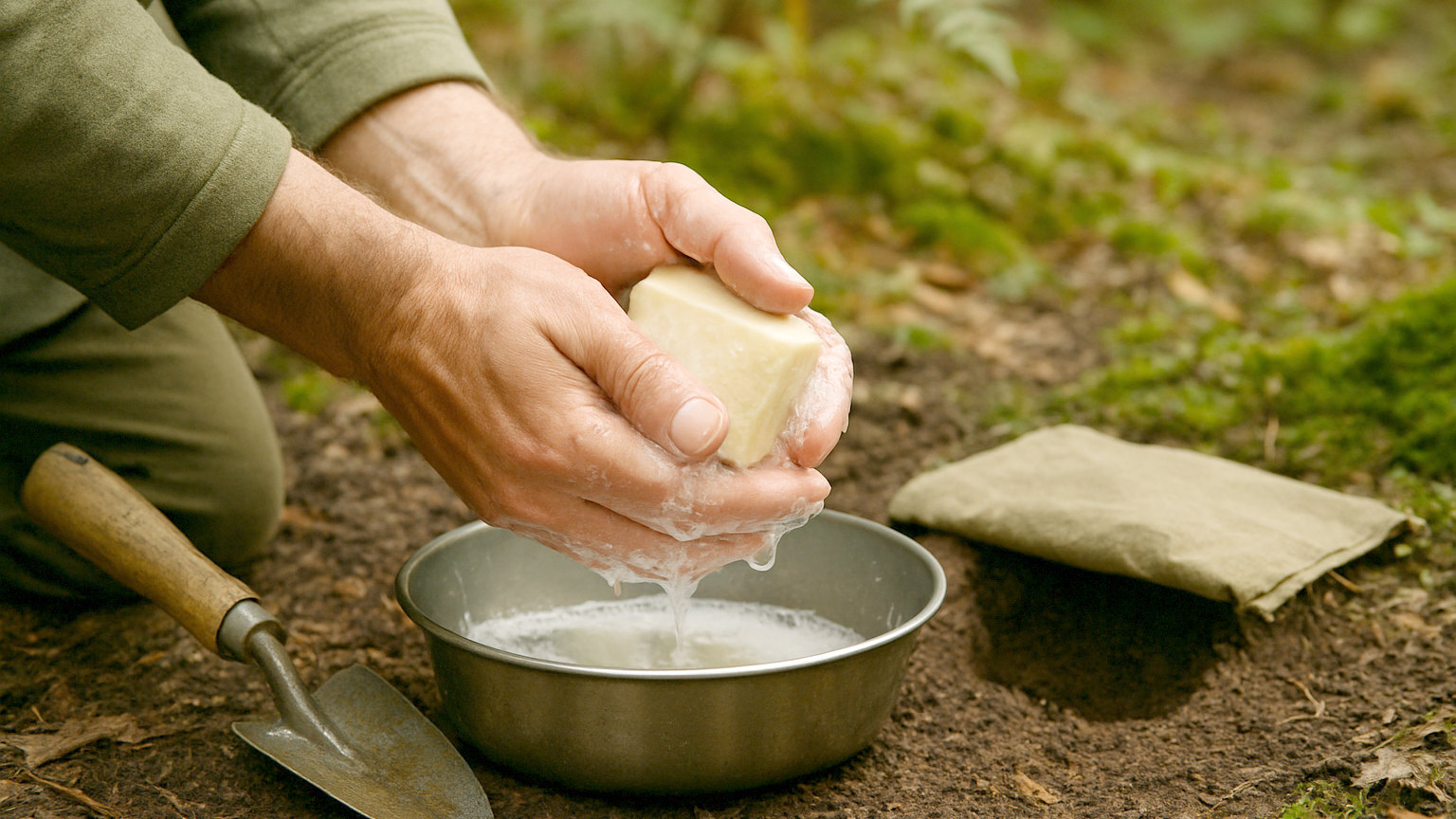
Hand washing prevents most camping illness, and human waste needs burying properly well away from water. Both are simple and both are done badly.
Almost nobody sets out intending to survive anything. The situations covered here begin as a day walk that ran late, a kayak that got separated from its group, a campsite chosen badly in fine weather that turned. These guides cover the skills and judgement that keep an ordinary outdoor day from becoming a callout, across woodland, moor, mountain, coast and open water, plus the extremes of cold and heat you are most likely to meet abroad.
Hand washing prevents most camping illness, and human waste needs burying properly well away from water. Both are simple and both are done badly.
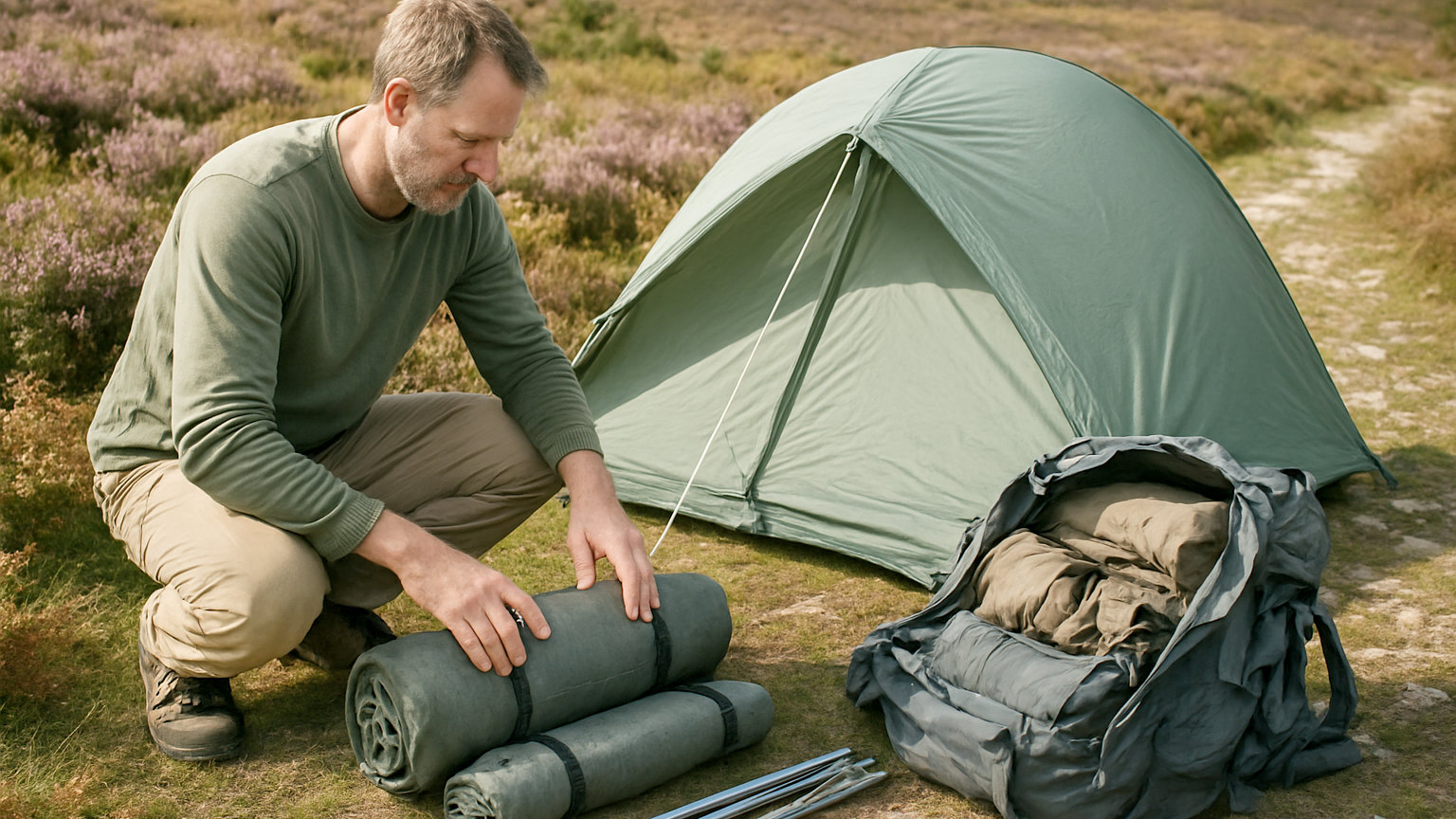
Match it to where you will camp and how you will get there. A two person tent holds two people and nothing else, which surprises people every time.
Shorter than you think, more food than you think, and interest along the way. A miserable child on a hillside is a safety problem as well as a sad one.
Wind speed, cloud base and wind chill, from a mountain forecast rather than the town one. Conditions at six hundred metres bear no relation to the valley.
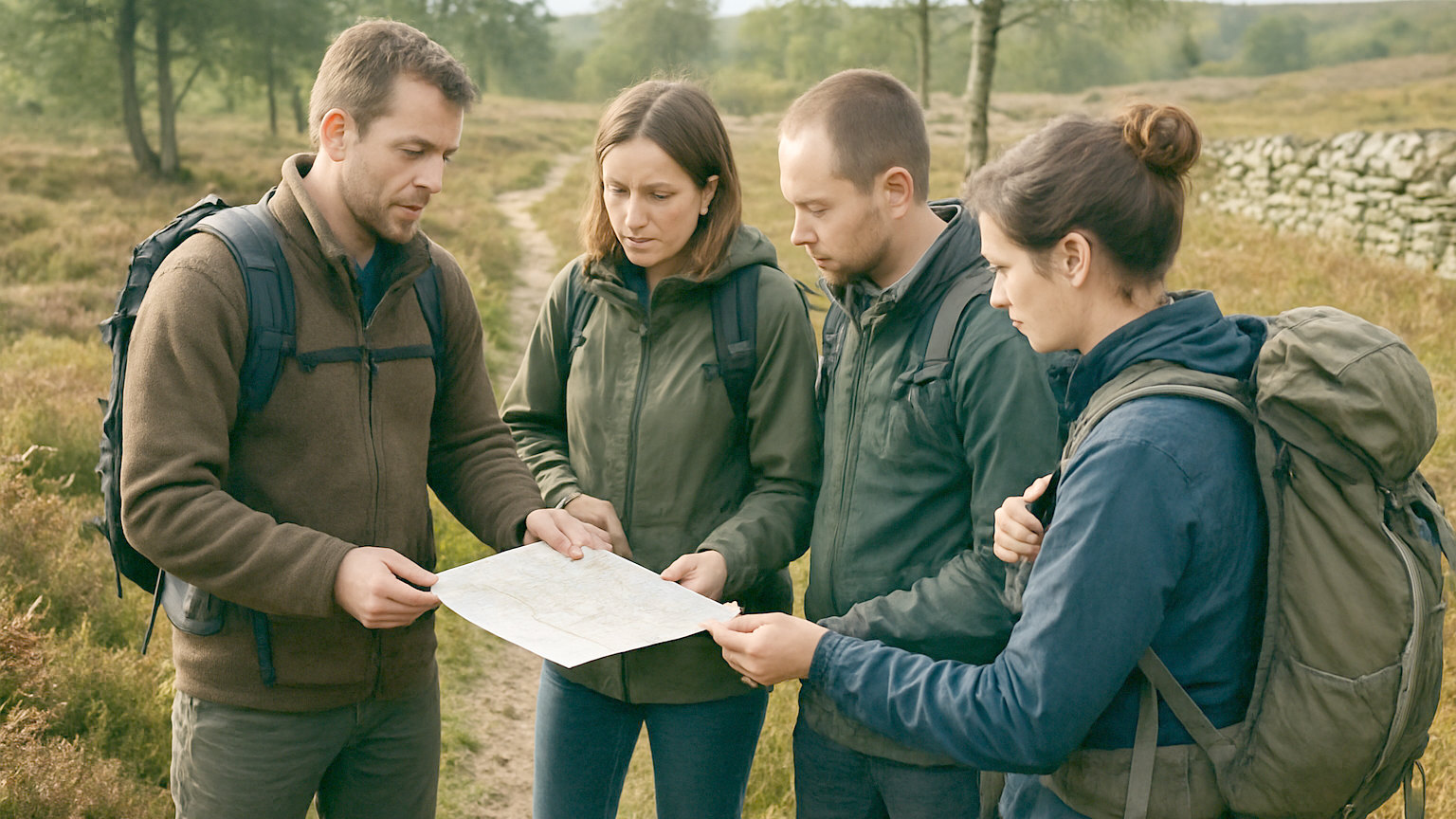
Someone decides, everyone knows the plan, and nobody gets separated. Groups make worse decisions than individuals when nobody is in charge.
Stay if someone knows your route, if anyone is injured, or if you are unsure where you are. Move only when you know where you are going.
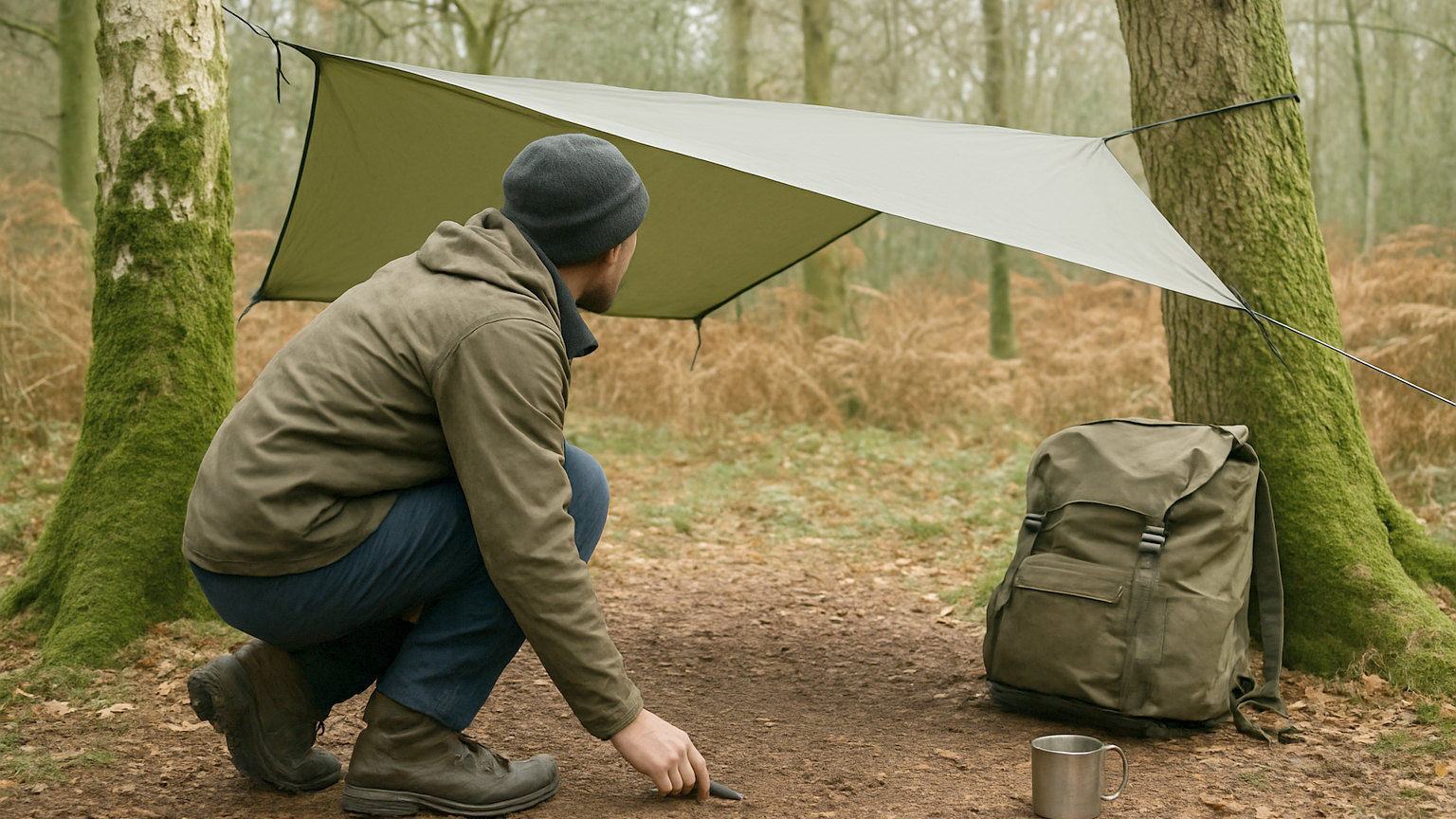
Choose the ground before the view. Wind, water, dead branches overhead and where the cold air settles all matter more than the aspect.
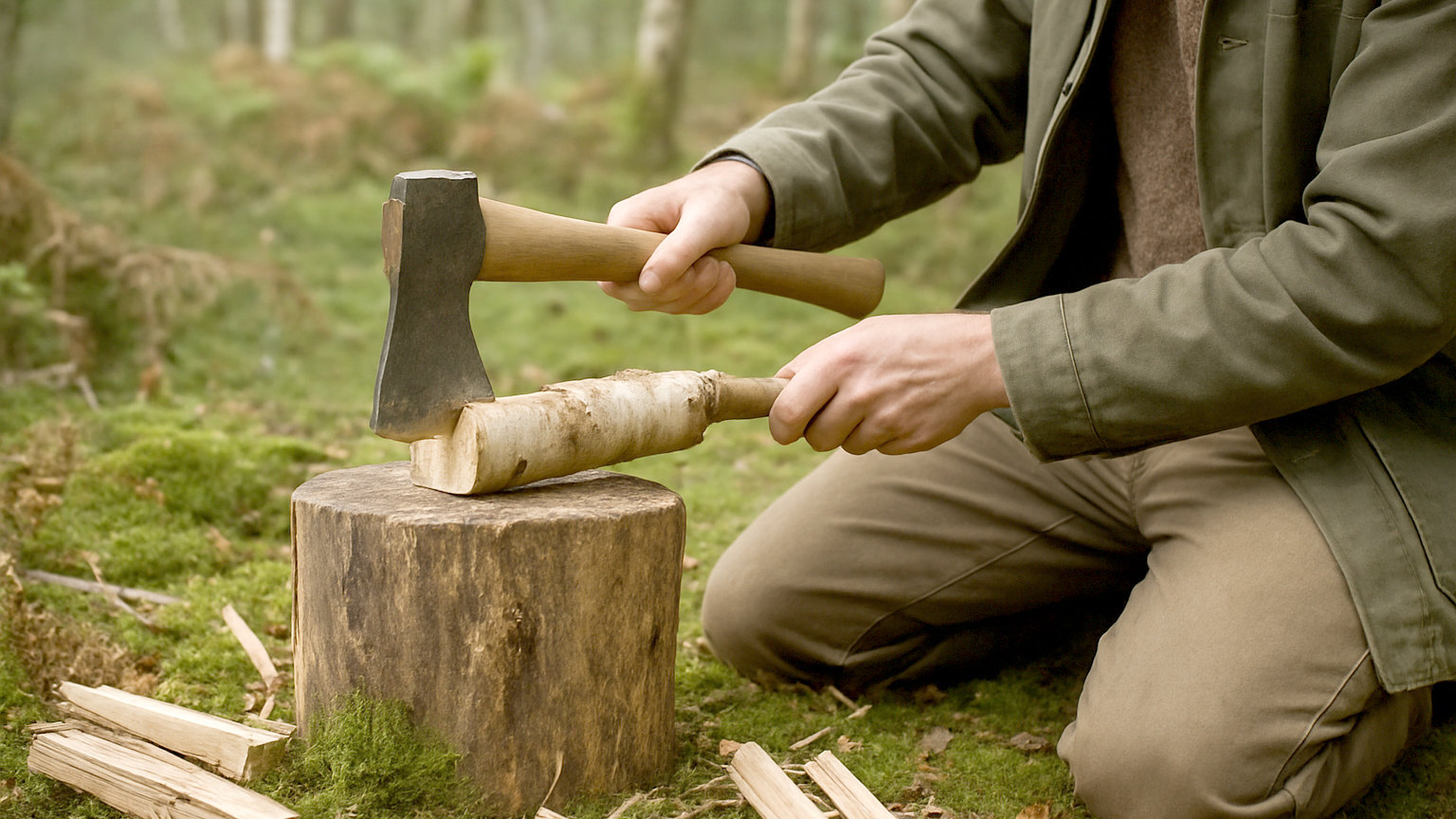
Kneel, use a chopping block, and never swing where a miss reaches your leg. Axe injuries are less common than knife cuts and considerably more serious.