Almost everyone who gets cold outdoors gets cold after stopping. Moving generates a great deal of heat and the moment that stops, the balance reverses immediately.
What happens when you stop?
Heat production falls sharply while heat loss continues or increases. Sweat that was manageable while moving now evaporates and cools you. Wind that felt refreshing becomes chilling. Blood returns from working muscles. Within a few minutes a comfortable walker can be genuinely cold, which is why the transition is the dangerous moment.
What should you do at a stop?
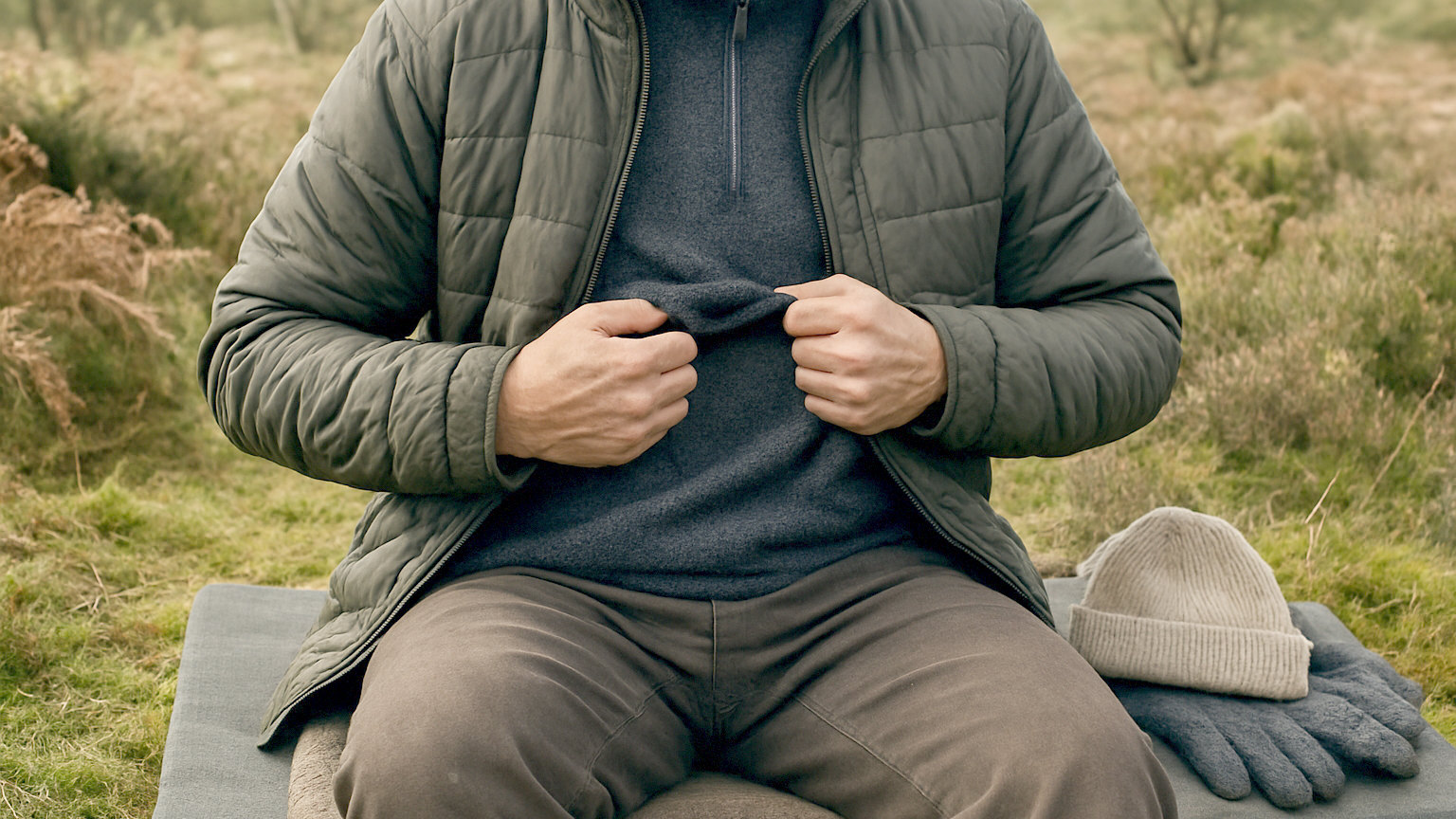
Put a layer on immediately, before you feel cold rather than after. An insulated jacket carried for exactly this purpose goes on within seconds of stopping and comes off before setting off again. Add a hat. Get out of the wind. Sit on something insulating rather than on the ground. Eat something.
- Put an insulated layer on the moment you stop
- Sit on a mat or your rucksack, never on cold ground
- Get behind something out of the wind
- Keep stops short rather than long
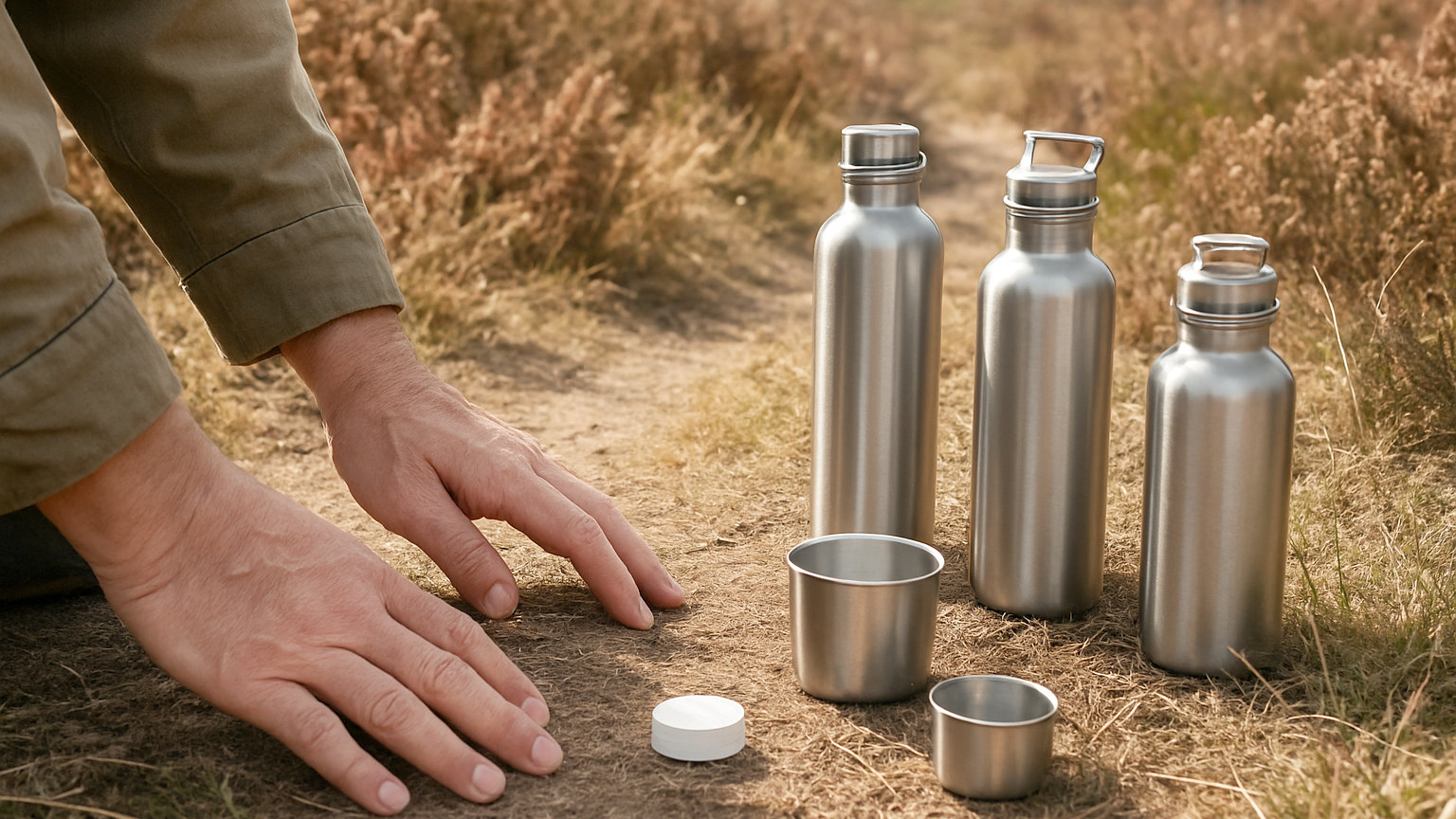
- Eat and have a hot drink from a flask
- Use a group shelter for anything longer than a few minutes
Why does the ground matter so much?
Because conduction removes heat far faster than air does, and sitting on cold rock, snow or wet ground drains warmth continuously. A small foam sit mat weighing almost nothing transforms a rest stop, and a rucksack works if you have nothing else. For a longer wait, getting insulation under the whole body is the priority.
How long should stops be?
Short and frequent rather than long and rare. Five minutes every hour keeps you warm and keeps momentum, while forty minutes allows you to cool substantially and stiffen up. Restarting after a long cold stop is genuinely unpleasant and people are slower and clumsier for the following stretch.
What about a group shelter?
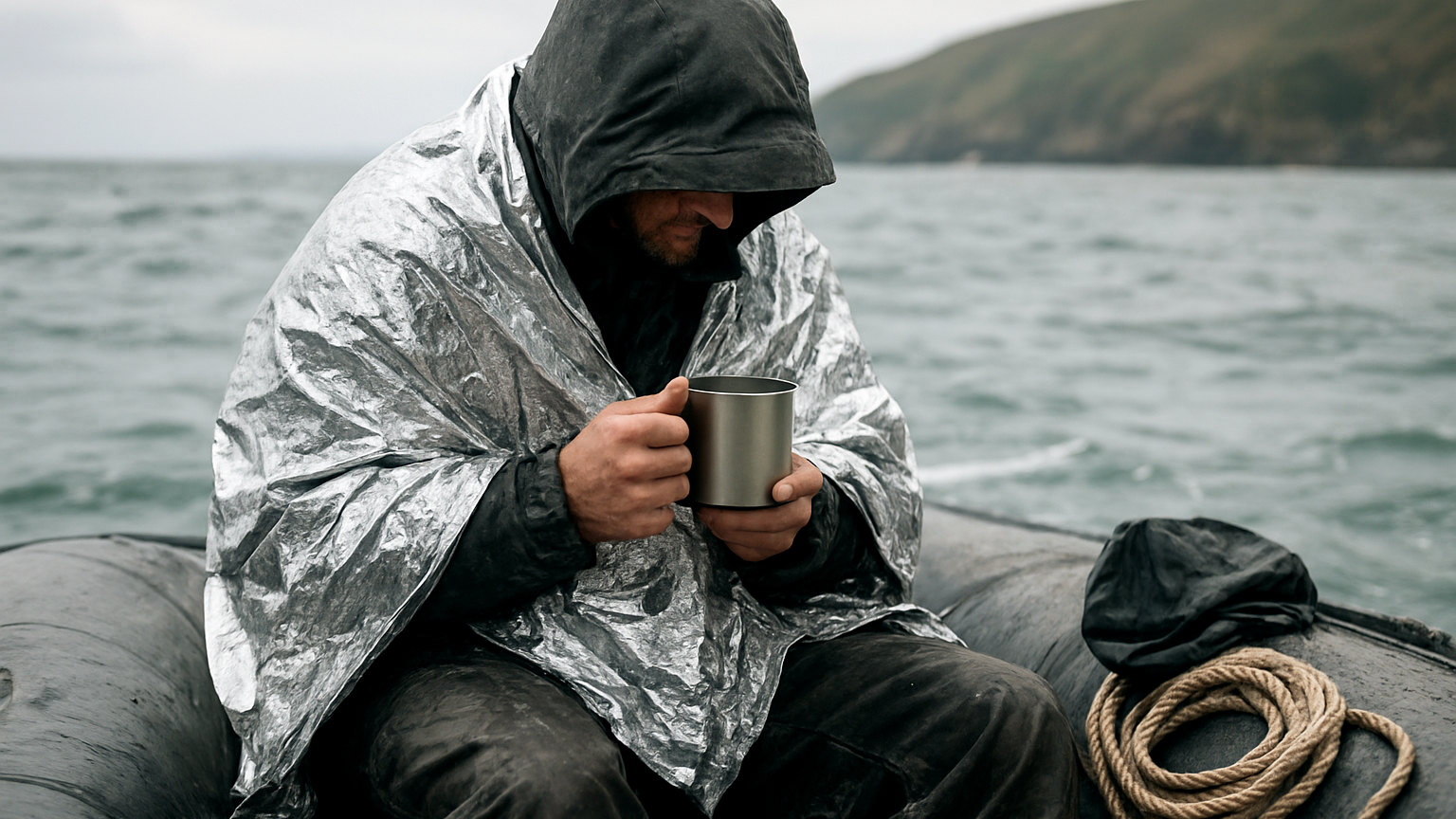
It is the single most effective thing available for a longer stop. A floorless fabric bag pulled over a huddled group raises the internal temperature dramatically within minutes, blocks the wind entirely, and turns a cold miserable lunch stop into a comfortable one. It weighs very little and it is the item rescue teams most wish people carried.
What about hot drinks?
The warming effect of the liquid is modest and the effect on morale and on willingness to eat is substantial. A flask of hot drink on a winter day is worth its weight, particularly for a group that is tired and cold. Sugary drinks provide fuel as well, which matters more than the temperature.
What if you are waiting for a long time?
Treat it as an emergency shelter situation. Insulation underneath, group shelter over, every layer on, eat regularly, huddle together, and move periodically to generate heat without sweating. Rotate who is on the outside of a group. Check on each other for slurred speech and confusion, which is how hypothermia shows in a waiting party.
What about belaying and photography?
Any activity where you stand still outdoors needs the same treatment. Climbers belaying, photographers waiting for light and anyone supervising others get cold rapidly because they are stationary while others work. Carry more insulation than the activity seems to warrant, and put it on before the standing still begins.
What about waiting for rescue?
It is the extreme version of the same problem and it can last hours. Get every layer on straight away, get insulation under everyone, deploy a group shelter, eat and drink regularly, and rotate positions so nobody is on the cold outside throughout. Small tasks and conversation help more than people expect, and they also let you monitor how everyone is doing.
Does a hot water bottle work?
Surprisingly well, and any bottle will do. Hot water in a sealed bottle placed inside clothing against the torso, or at the feet in a sleeping bag, provides sustained warmth for hours and is far more effective than most people expect. Check the seal first, and wrap it if the bottle is too hot against skin.
Add an insulated layer the moment you stop, sit on something rather than the ground, keep stops short, use a group shelter, and eat and drink something warm.