Skills

Survival First Aid

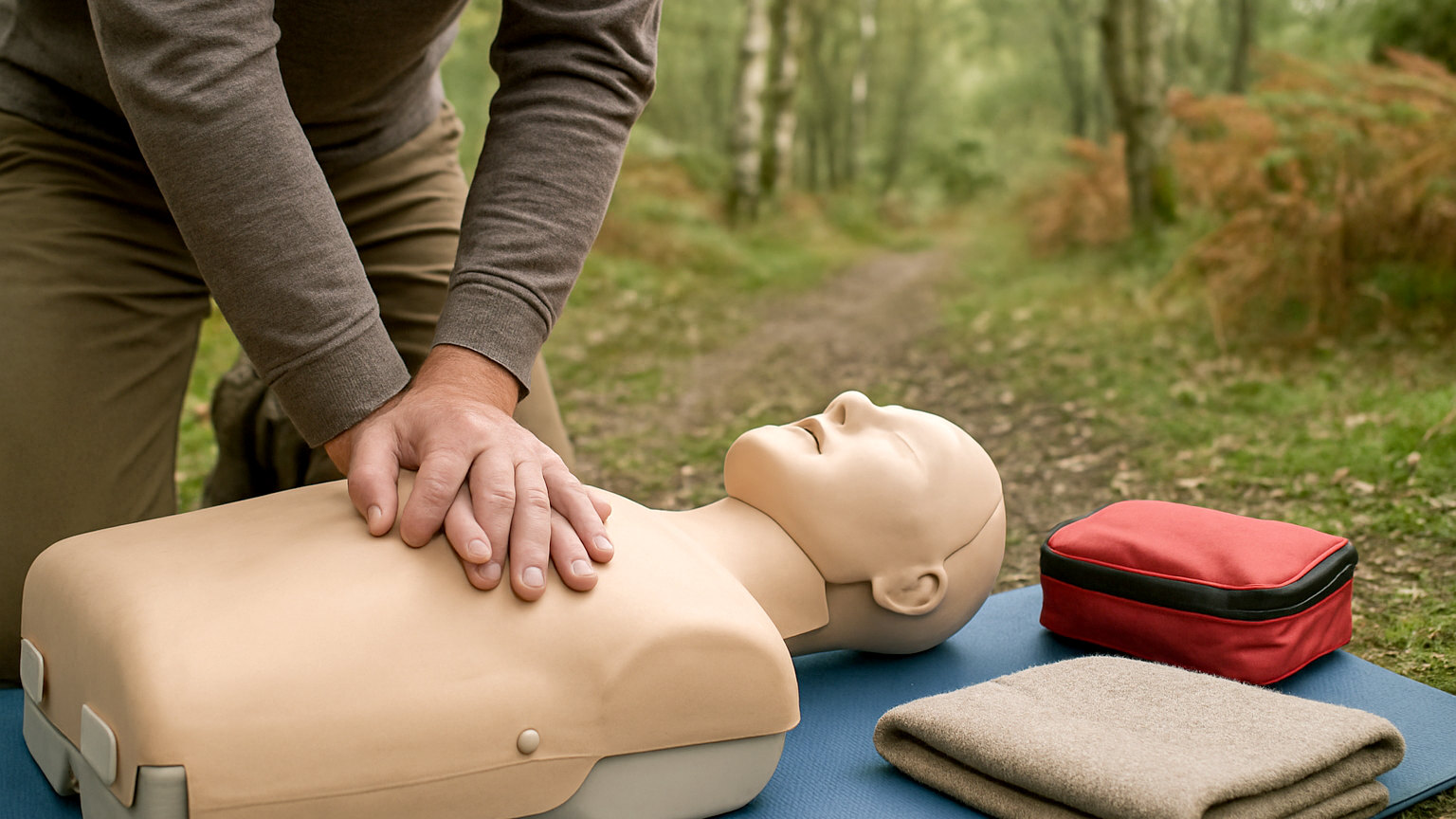
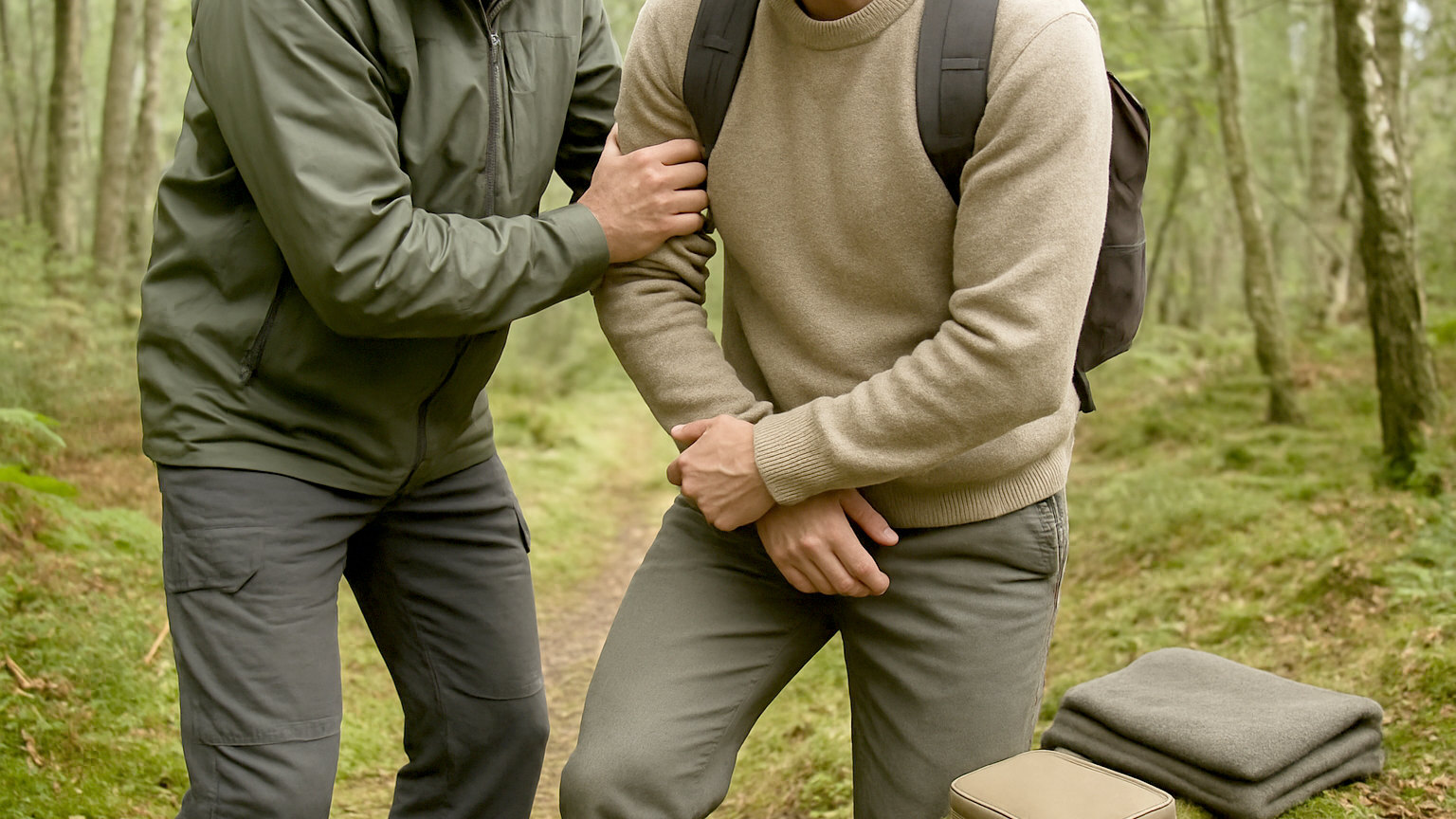
Away from help the priorities shift, and they shift in a specific order: catastrophic bleeding, airway, breathing, then heat loss. These guides cover the minutes before an ambulance can reach you and the hours before you can reach one. They are written to sit alongside a hands-on first aid course, not to stand in for one, because this is the one area where reading is a poor substitute for practising on a mannequin.

14 articles Last updated 08 Aug 2026

Survival First Aid Articles

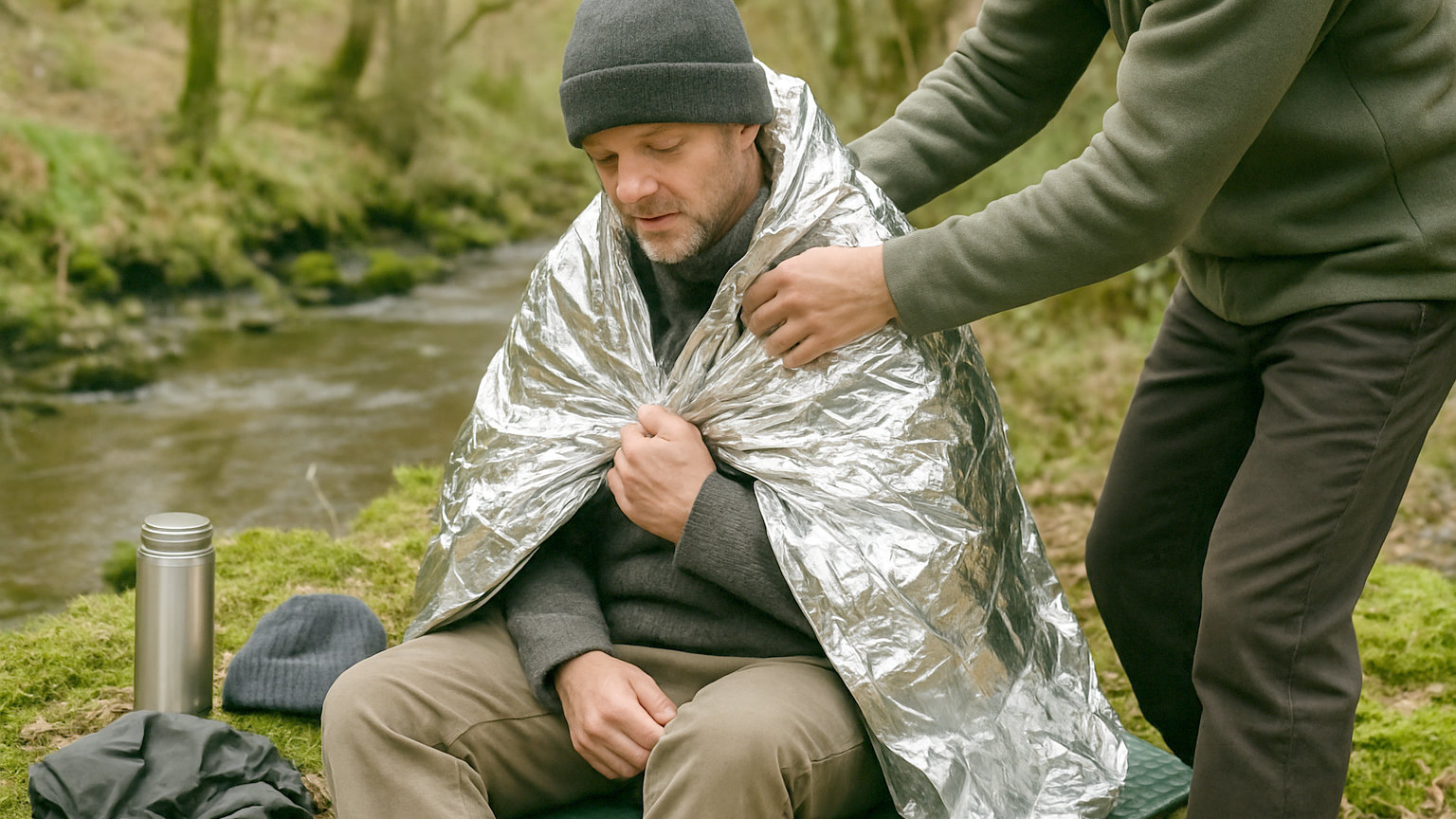
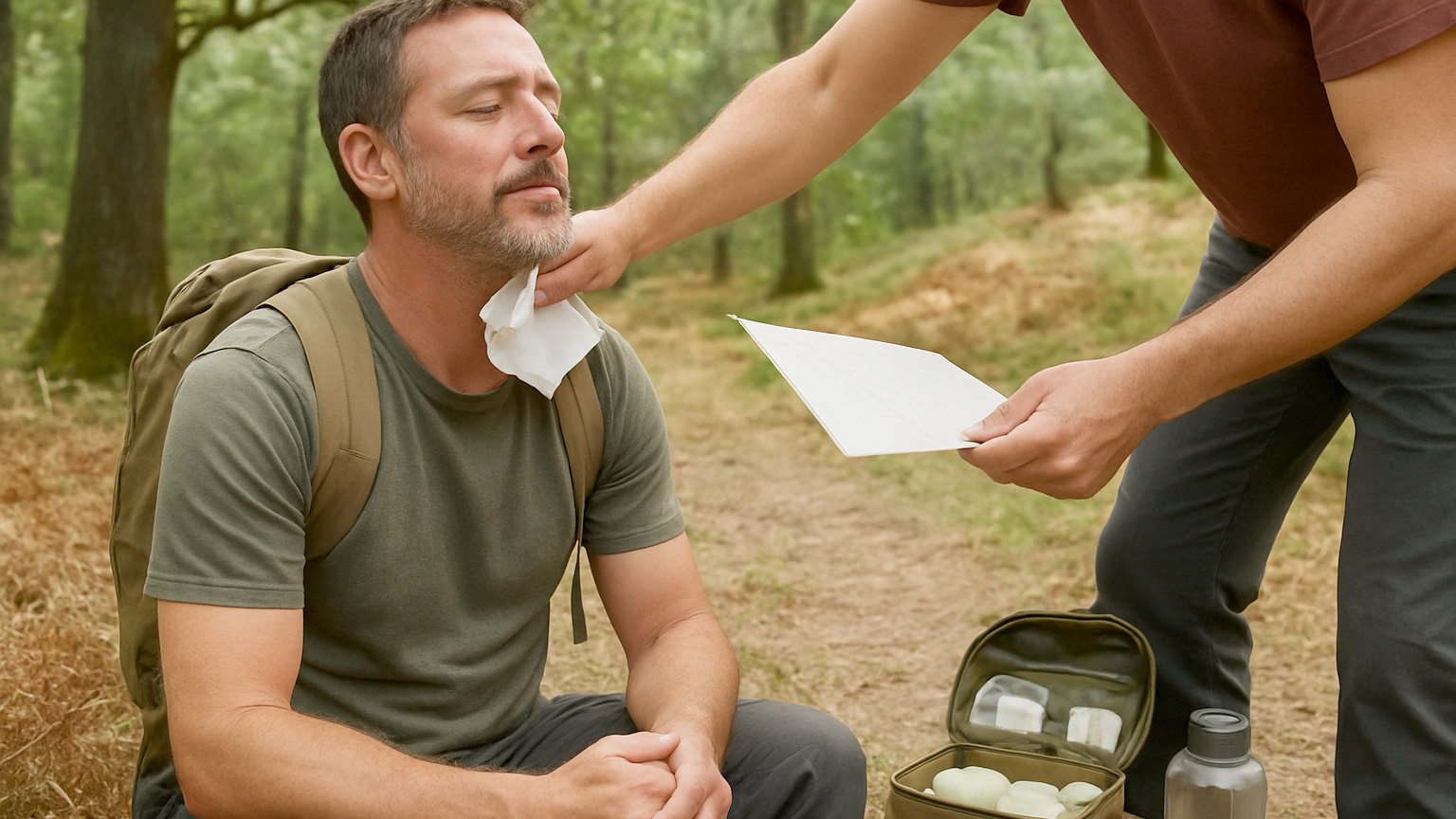
How Do You Treat Heat Exhaustion and Heatstroke

Heat exhaustion is unpleasant and recoverable. Heatstroke is a medical emergency, and the dividing line is a change in how the person is behaving.

By Survival Basics Team 8 Aug 2026
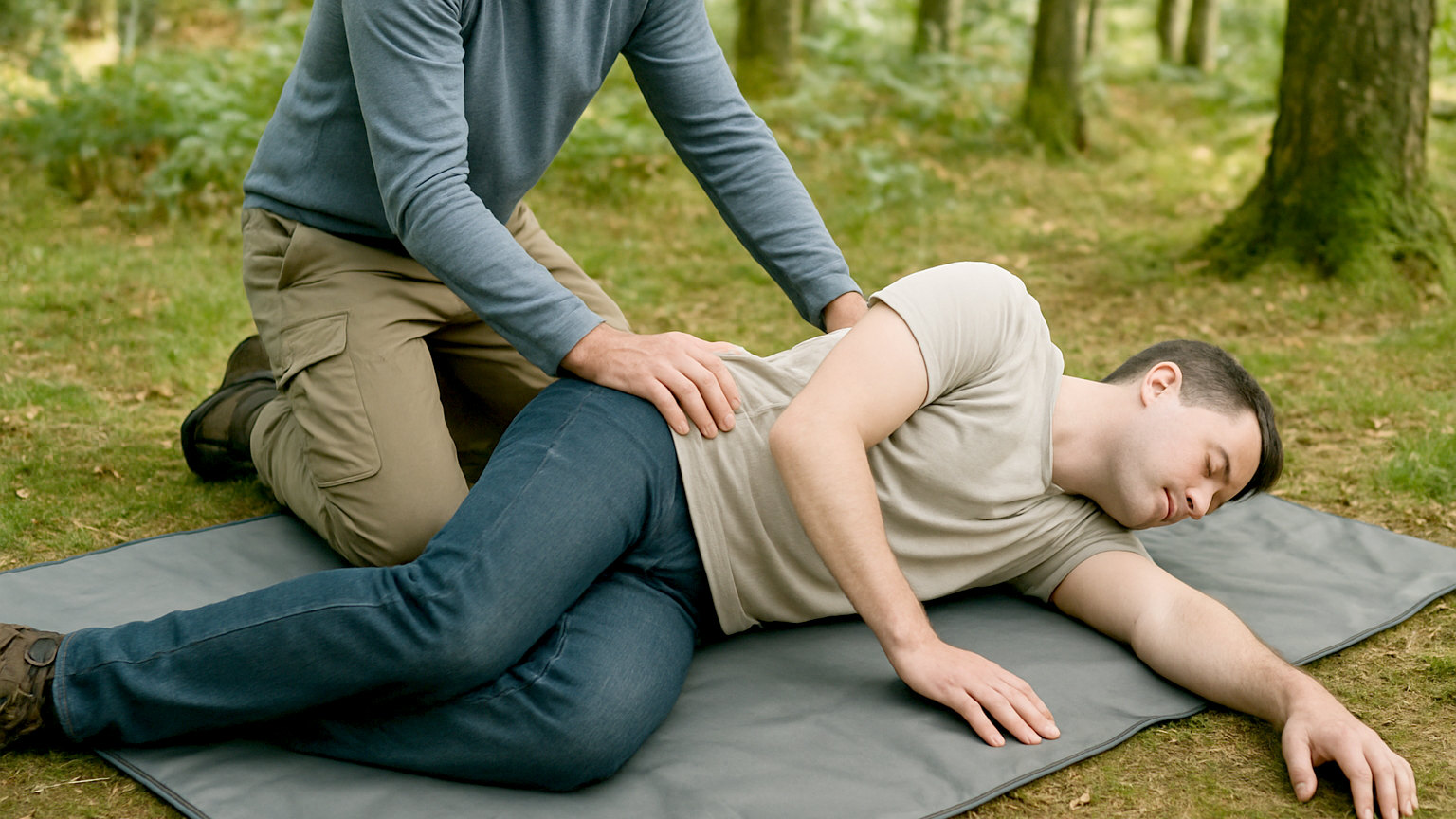
How Do You Put Someone in the Recovery Position

For an unresponsive person who is breathing, the recovery position keeps the airway open and stops them choking on vomit. It takes about fifteen seconds.

By Survival Basics Team 7 Aug 2026

How Do You Call for Help and What Should You Say

Which number, which service, and the information that gets a team moving fastest. Registering for emergency SMS beforehand takes a minute and works where calls do not.

By Survival Basics Team 16 Jul 2026

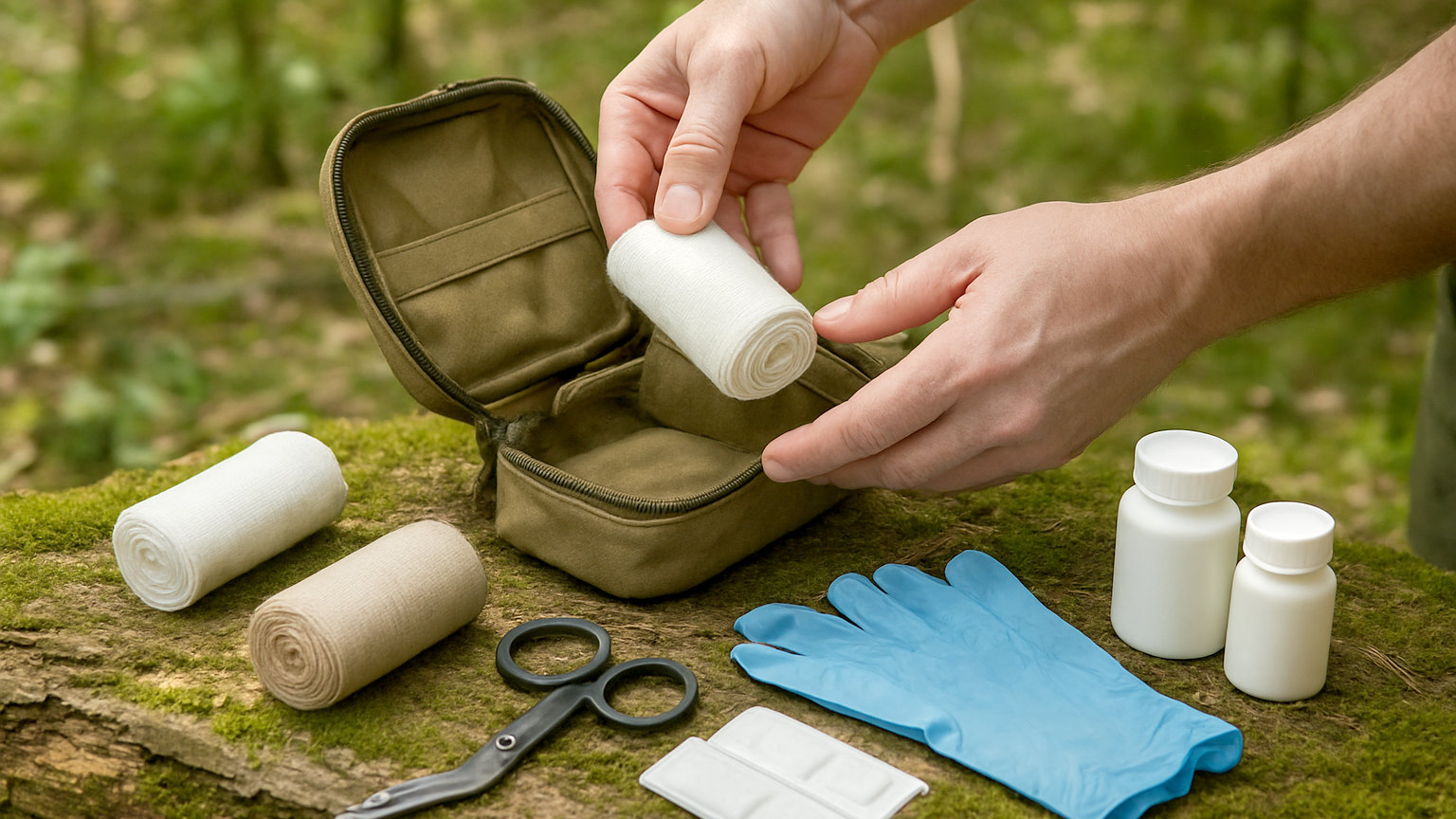
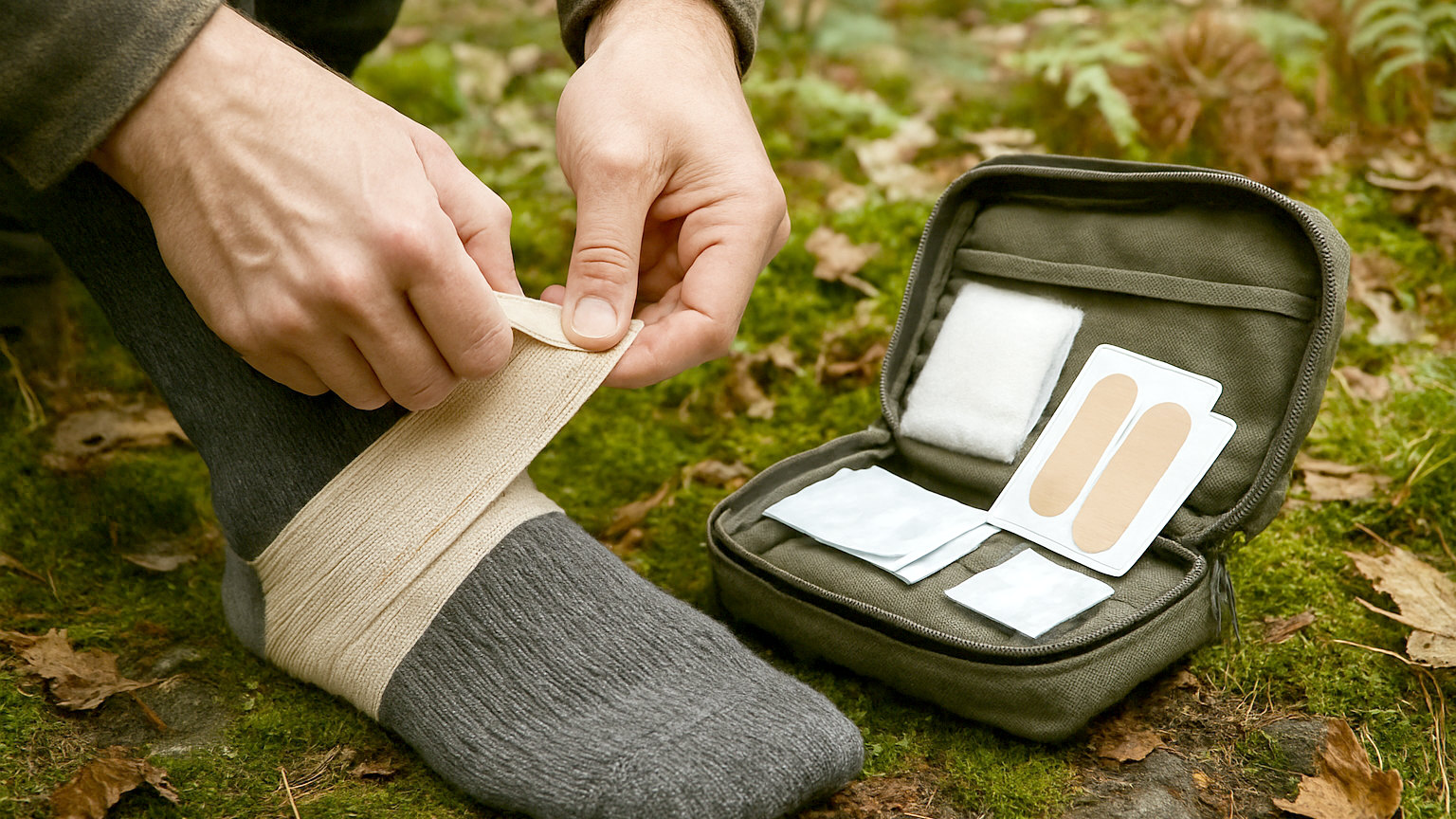
What Should Go in a Survival First Aid Kit

A kit built around bleeding, blisters and the medicines someone in the party cannot skip, rather than the fifty assorted plasters most boxed kits contain.

By Survival Basics Team 15 Jul 2026

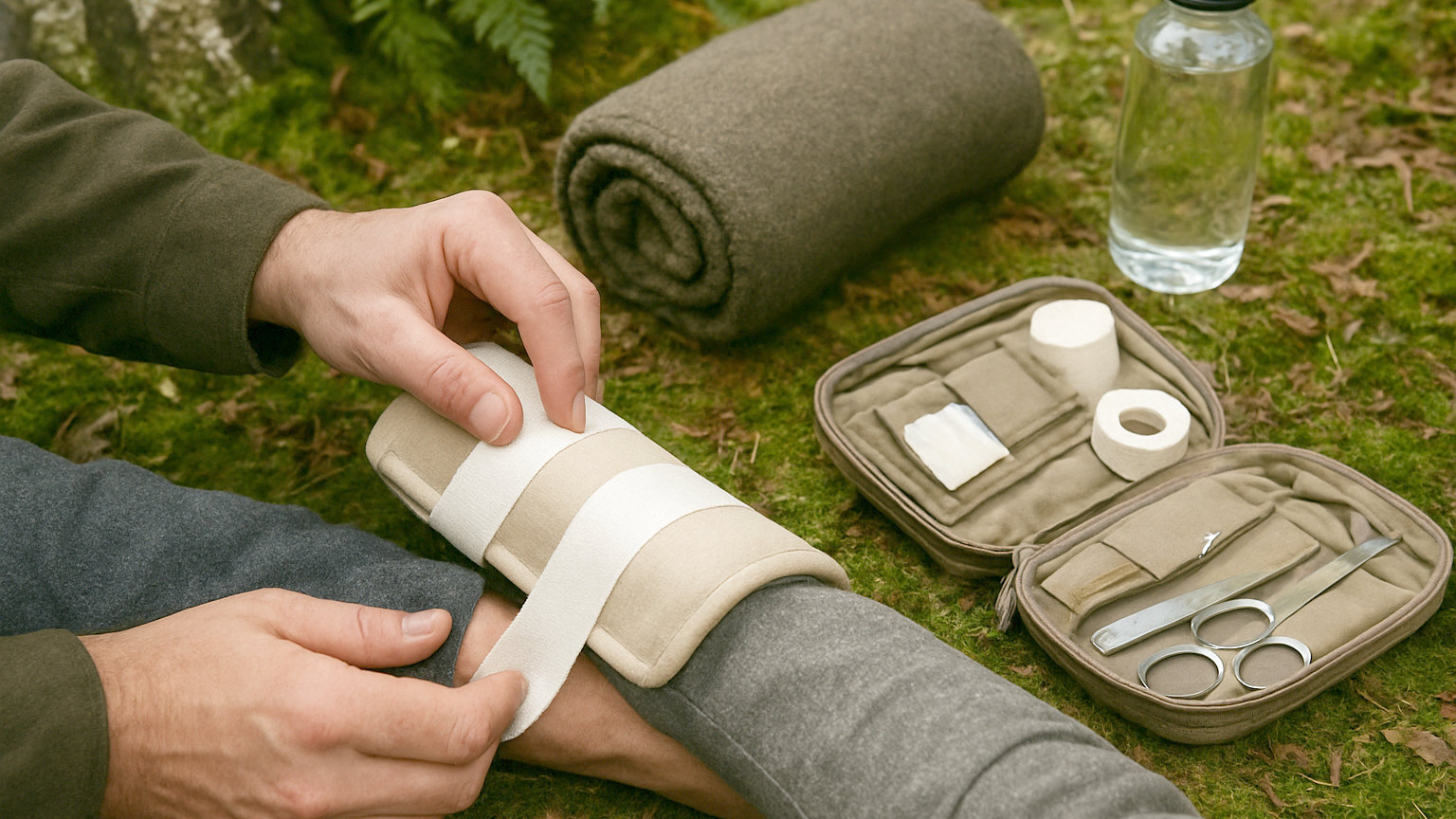
How Do You Treat a Broken Bone Away From Help

You cannot fix a fracture in the field. What you can do is prevent it getting worse, control pain, and stop the casualty deteriorating while help arrives.

By Survival Basics Team 29 May 2026

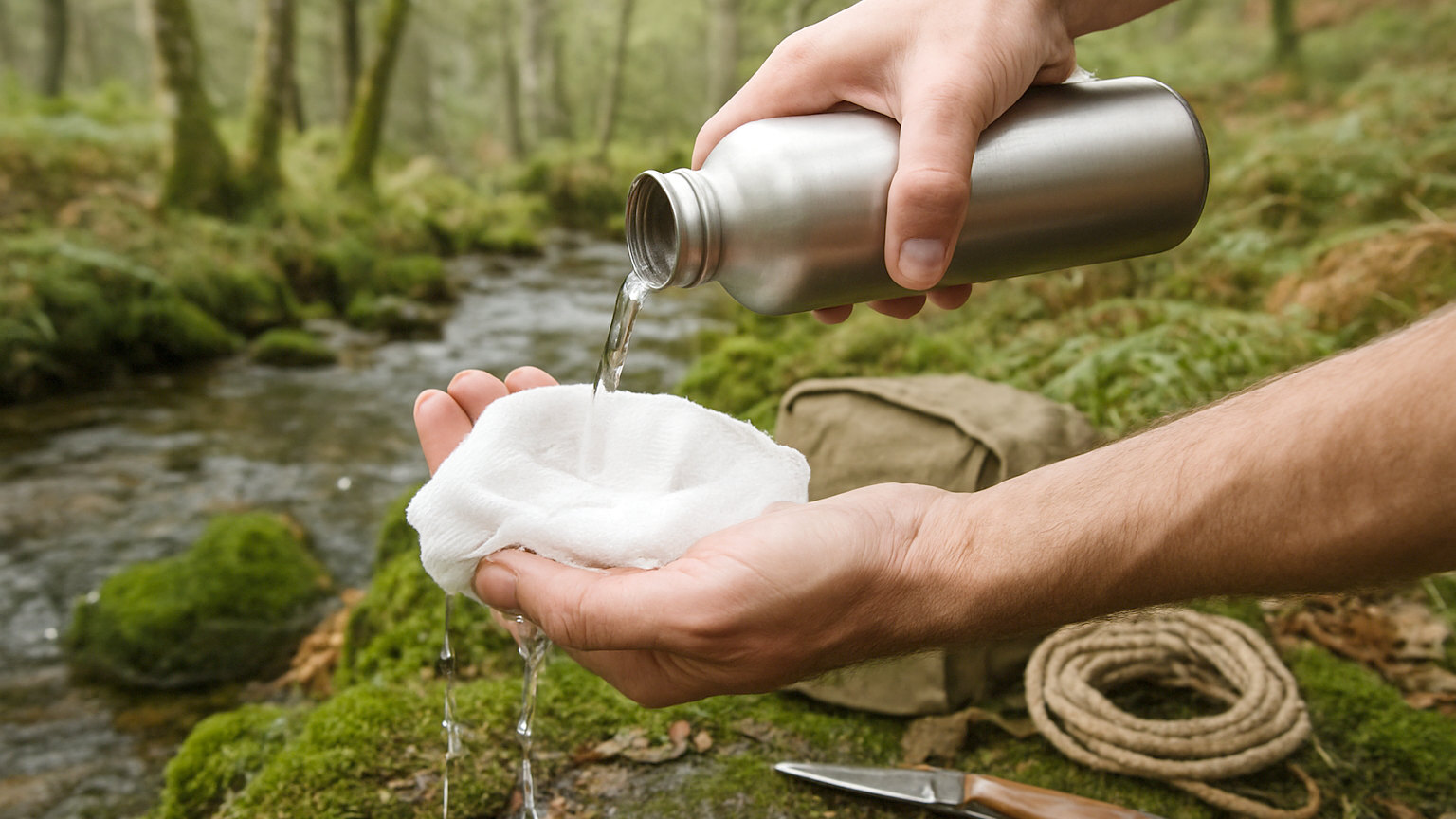
How Do You Treat a Burn in the Field

Twenty minutes of cool running water is the whole of the initial treatment and the part most often cut short. Everything else is secondary.

By Survival Basics Team 6 May 2026

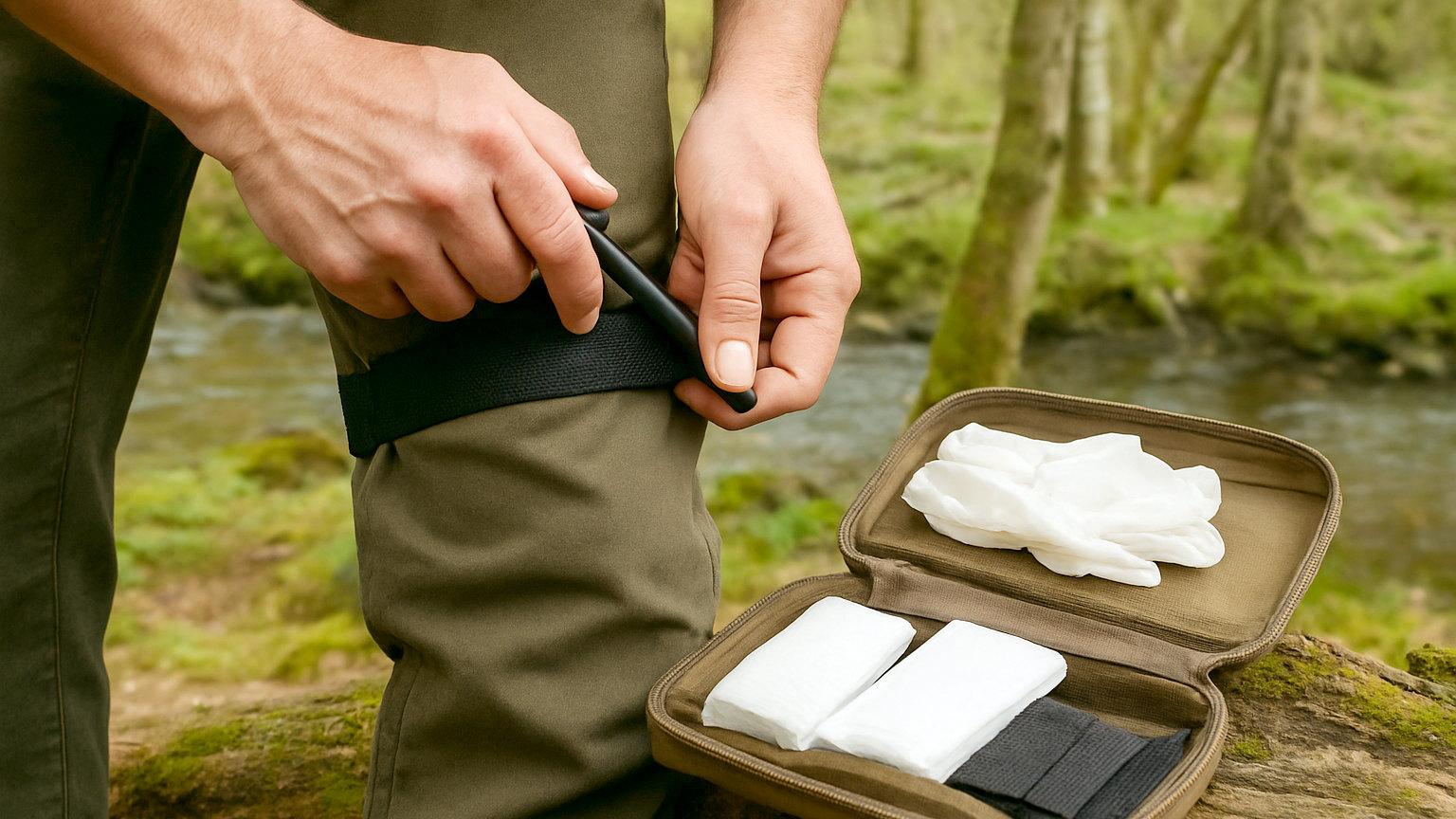
How Do You Stop Severe Bleeding

Direct pressure stops most bleeding. When it does not, a tourniquet on a limb is the next step, and hesitating over one has cost lives.

By Survival Basics Team 5 May 2026

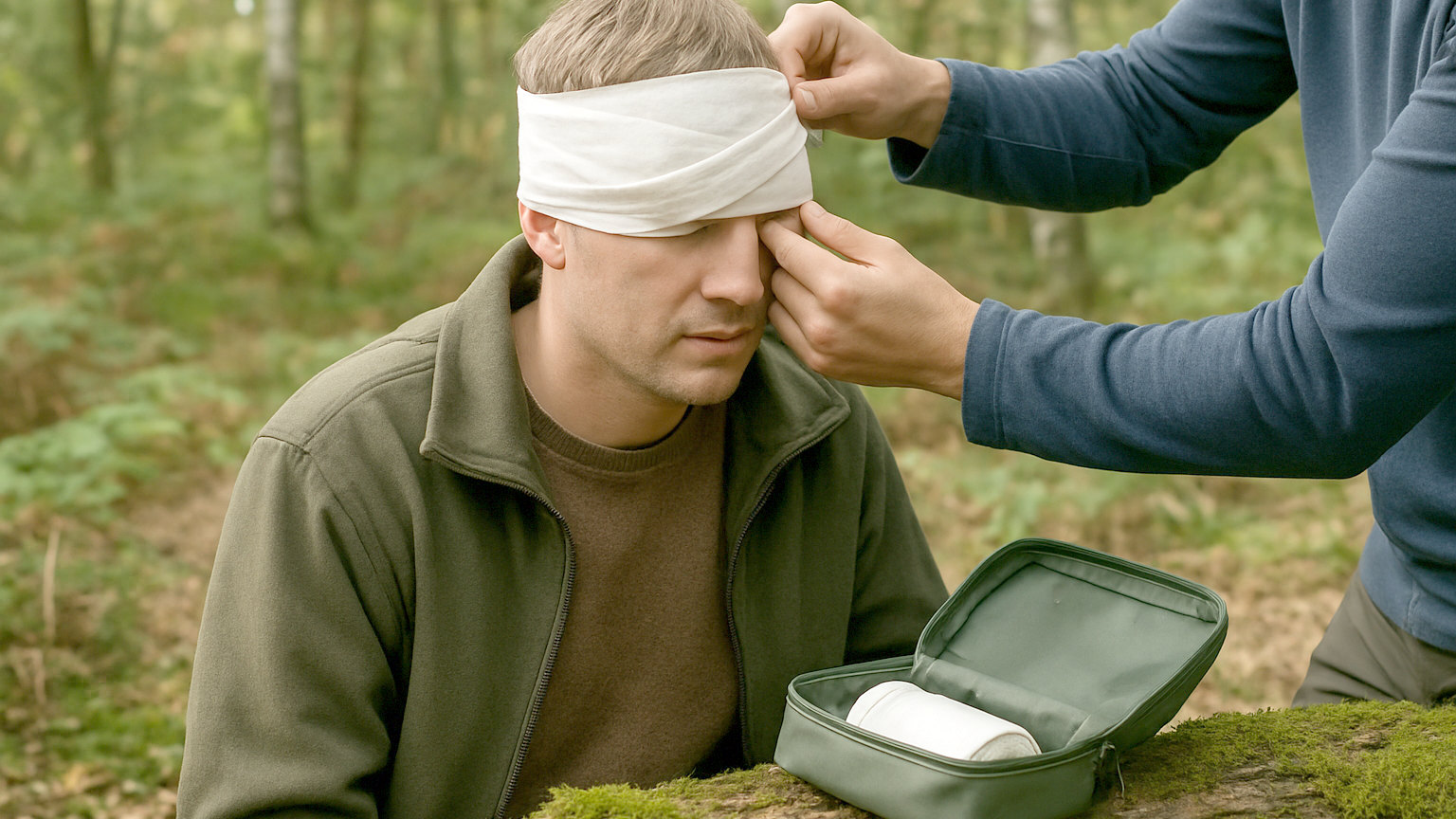
How Do You Deal With a Head Injury Outdoors

Most head injuries are minor and a small proportion are not. The warning signs that separate them are specific and worth knowing before you need them.

By Survival Basics Team 13 Apr 2026

When Should You Move an Injured Person

The default is not to move them. The exceptions are danger, an airway that cannot be managed otherwise, and an evacuation that genuinely cannot wait.

By Survival Basics Team 12 Apr 2026