How Do You Build a Food Store Cheaply
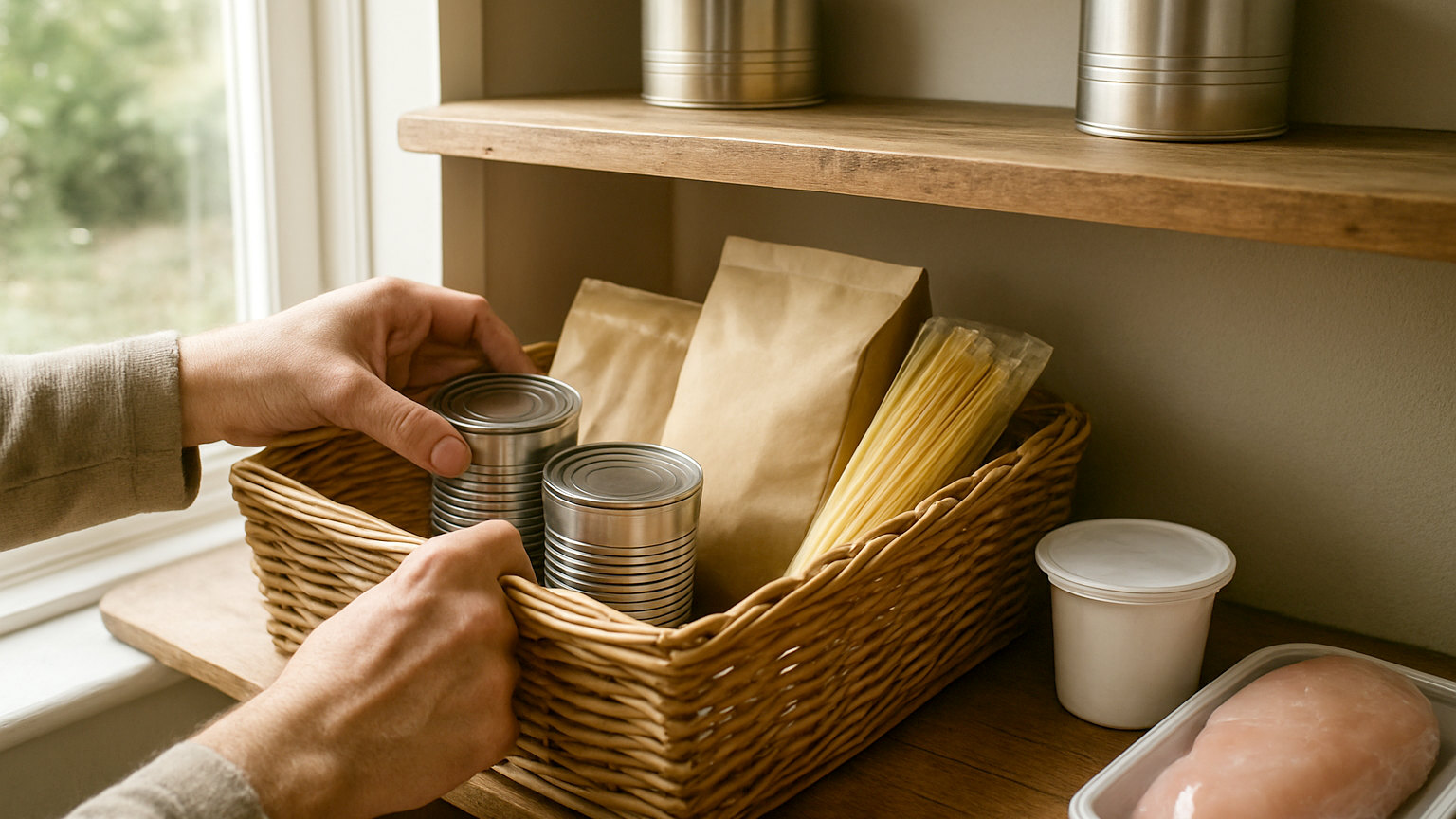
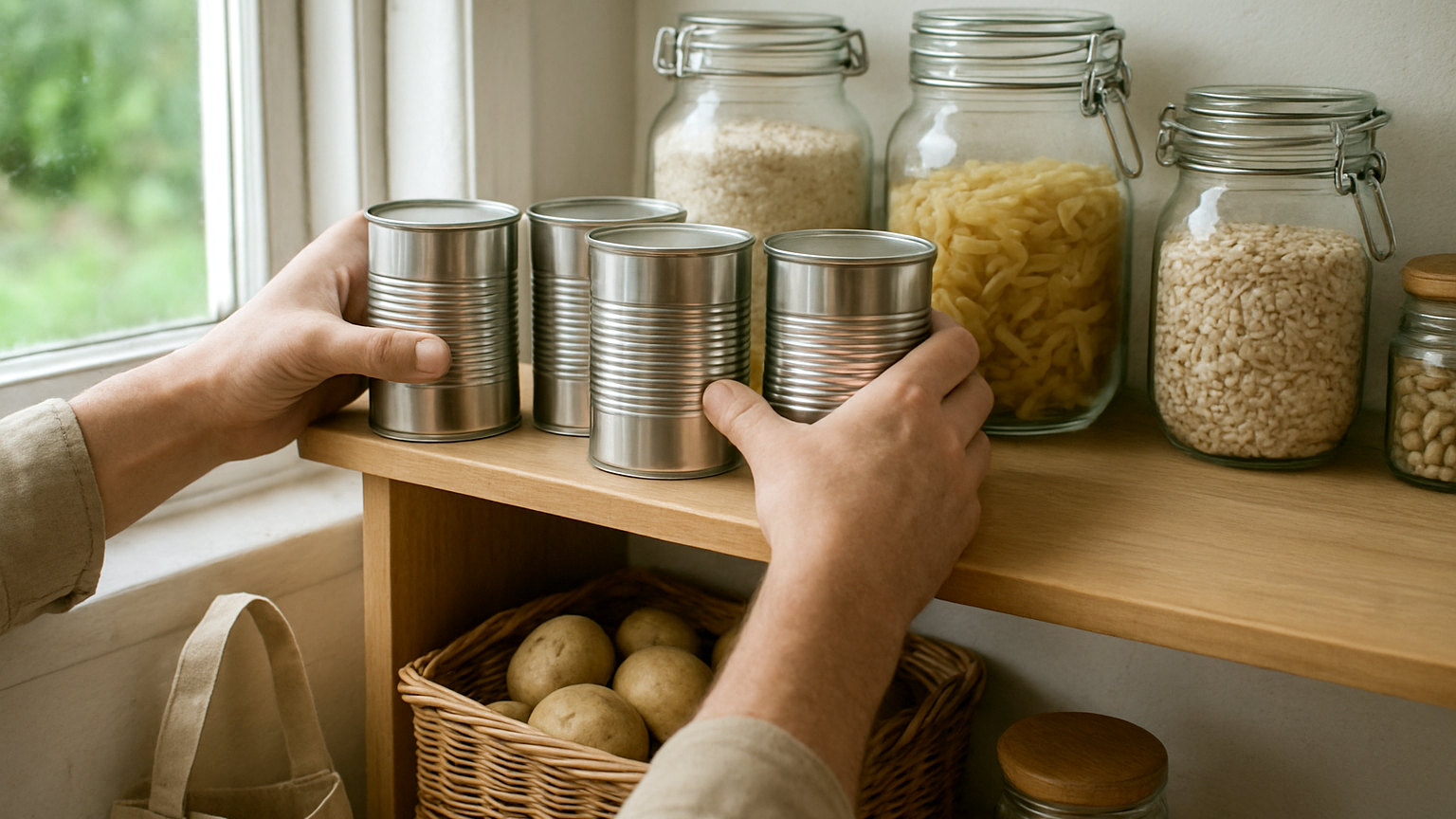
A few extra items on each shop, own brand, bought on offer. Built this way it costs almost nothing extra and none of it is ever wasted.
By Survival Basics Team
4 Aug 2026

Storing food well is mostly about four enemies: heat, light, moisture and air. These guides cover rotation systems that survive contact with a real kitchen, what tinned and dried goods are like well past their date codes, and the storage mistakes that quietly ruin a cupboard you were counting on.
A few extra items on each shop, own brand, bought on offer. Built this way it costs almost nothing extra and none of it is ever wasted.
Pantry moths and weevils usually arrive inside the packet rather than finding their way in. Airtight containers and a spell in the freezer deal with both.
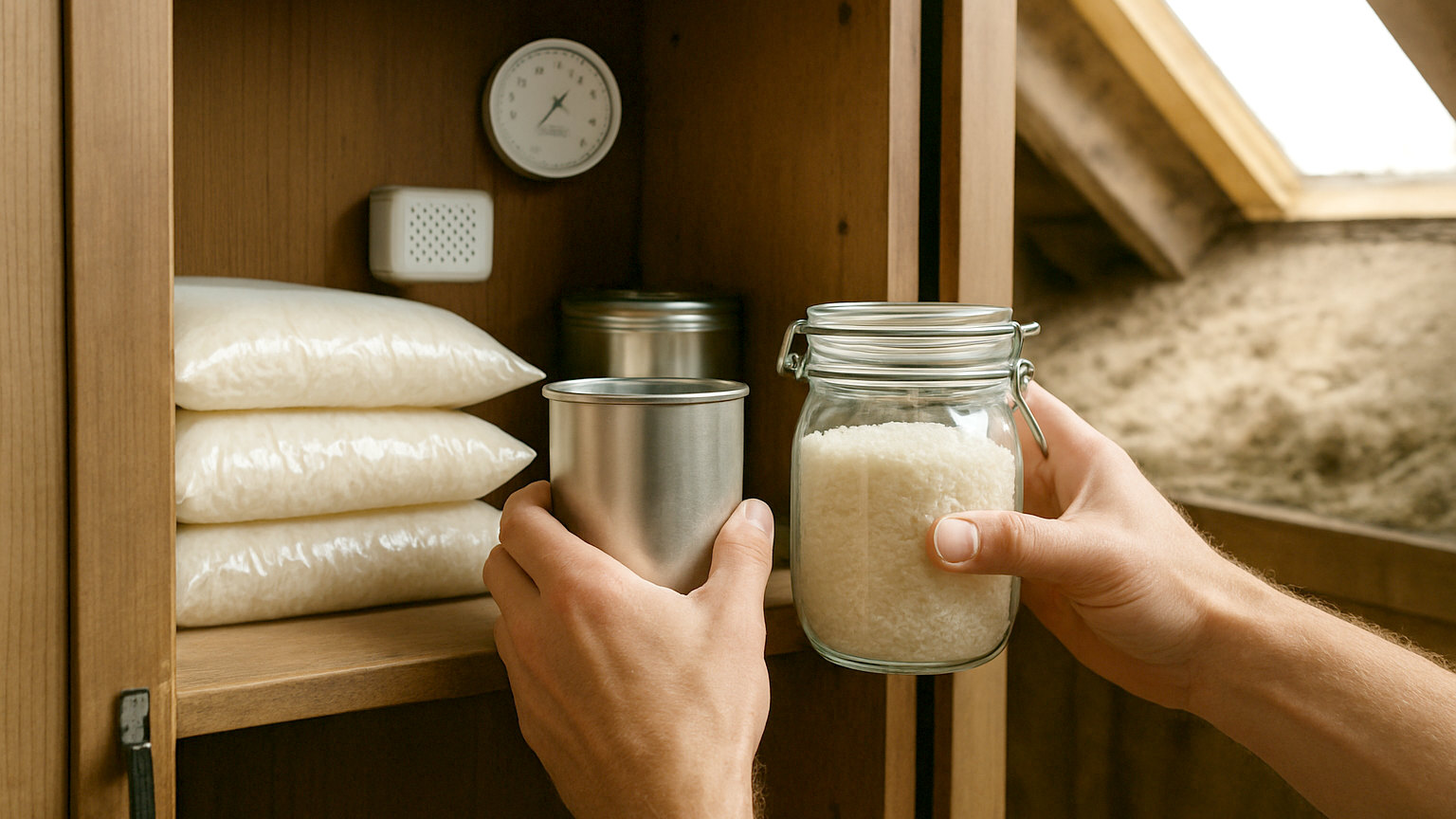
Shelf life roughly halves for every ten degree rise. That single relationship explains why the loft is hopeless and the hall cupboard is excellent.
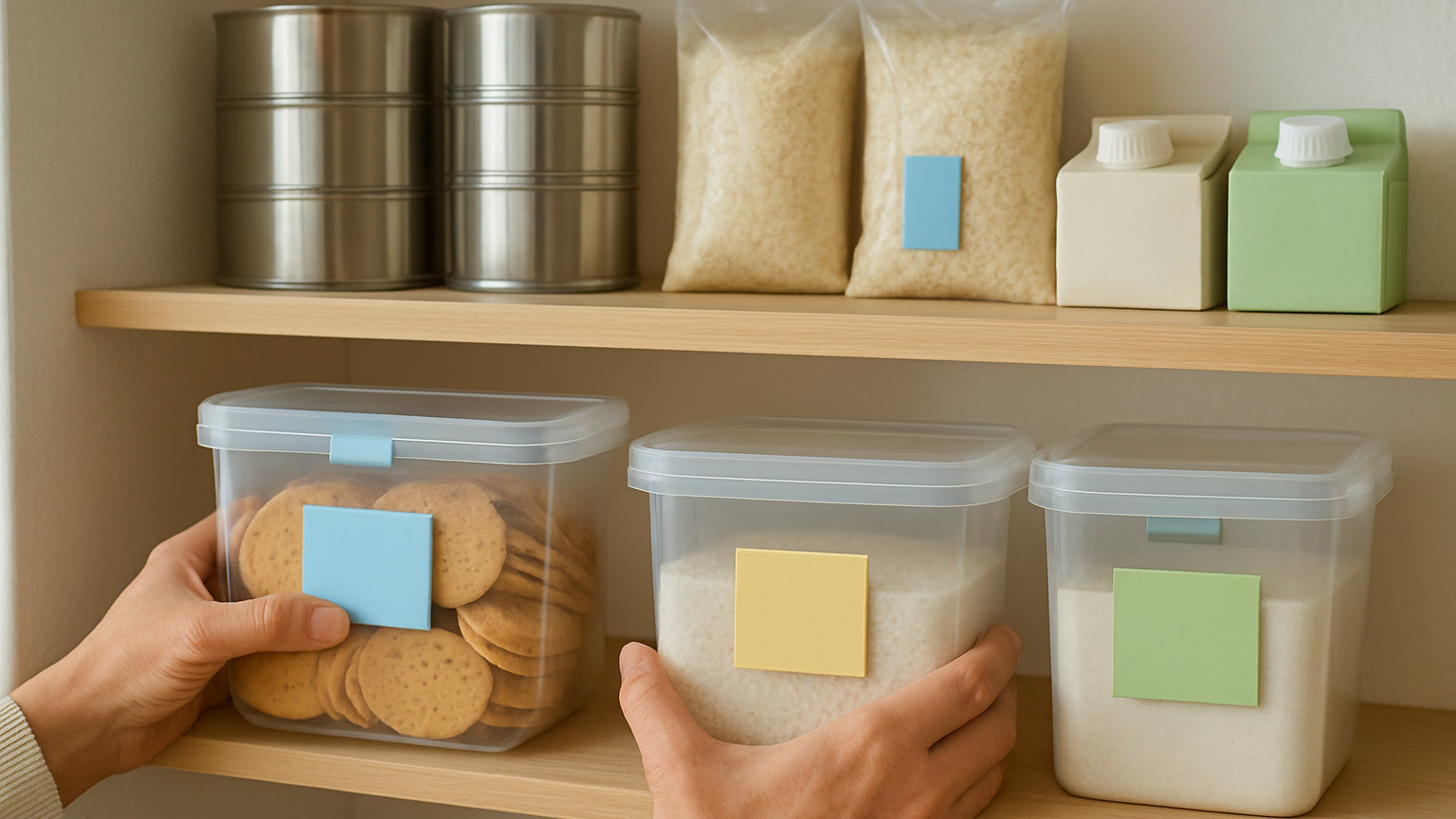
Oldest at the front, newest at the back, and eat from it normally. A store that is never eaten from is a store that quietly expires.
A general store serves nobody with a restricted diet. Separate provision, clear labelling and physical segregation are all necessary rather than optional.
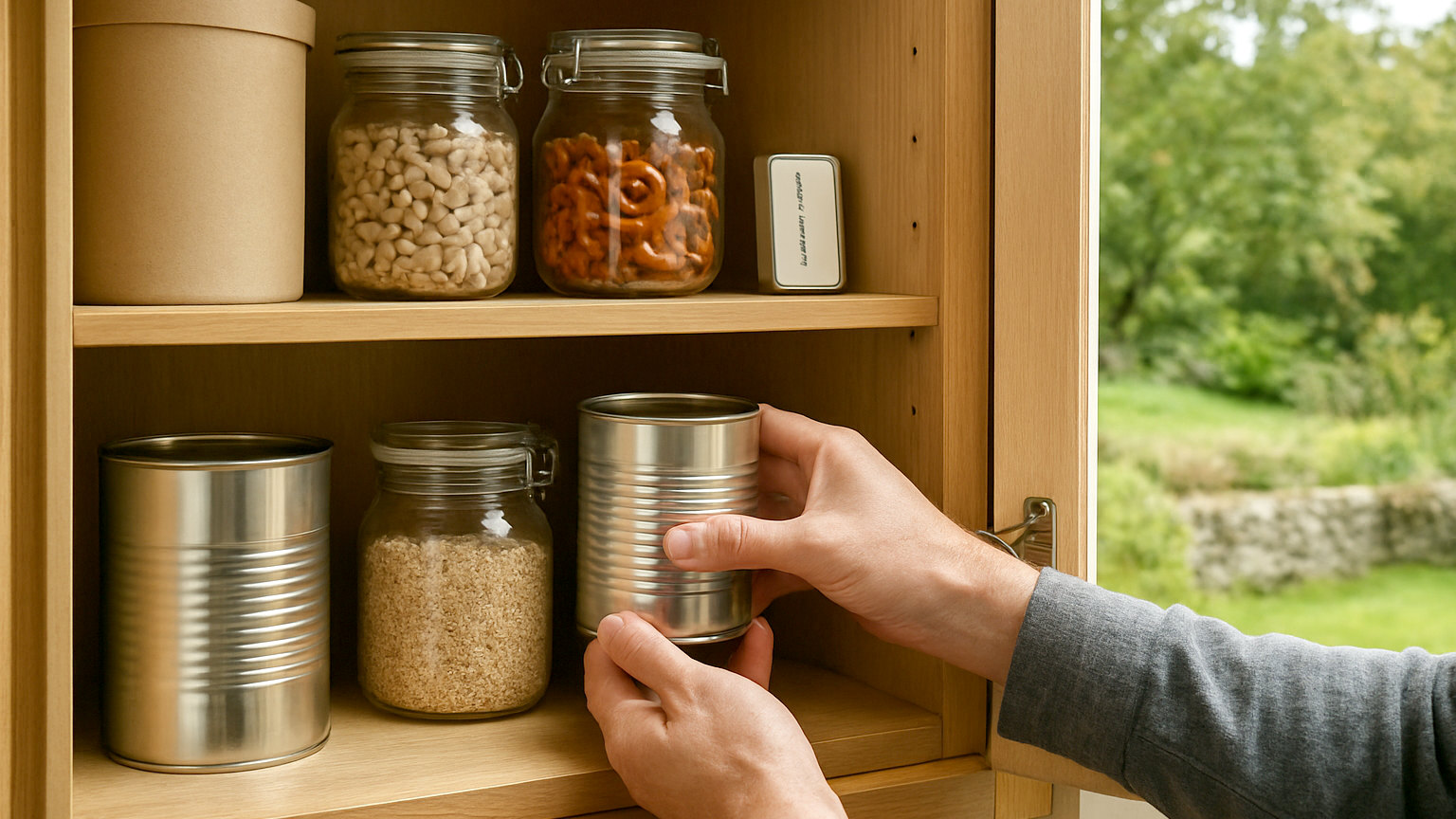
Cool interior cupboards beat garages, lofts and sheds by a wide margin. Temperature swings do more damage than the average temperature does.
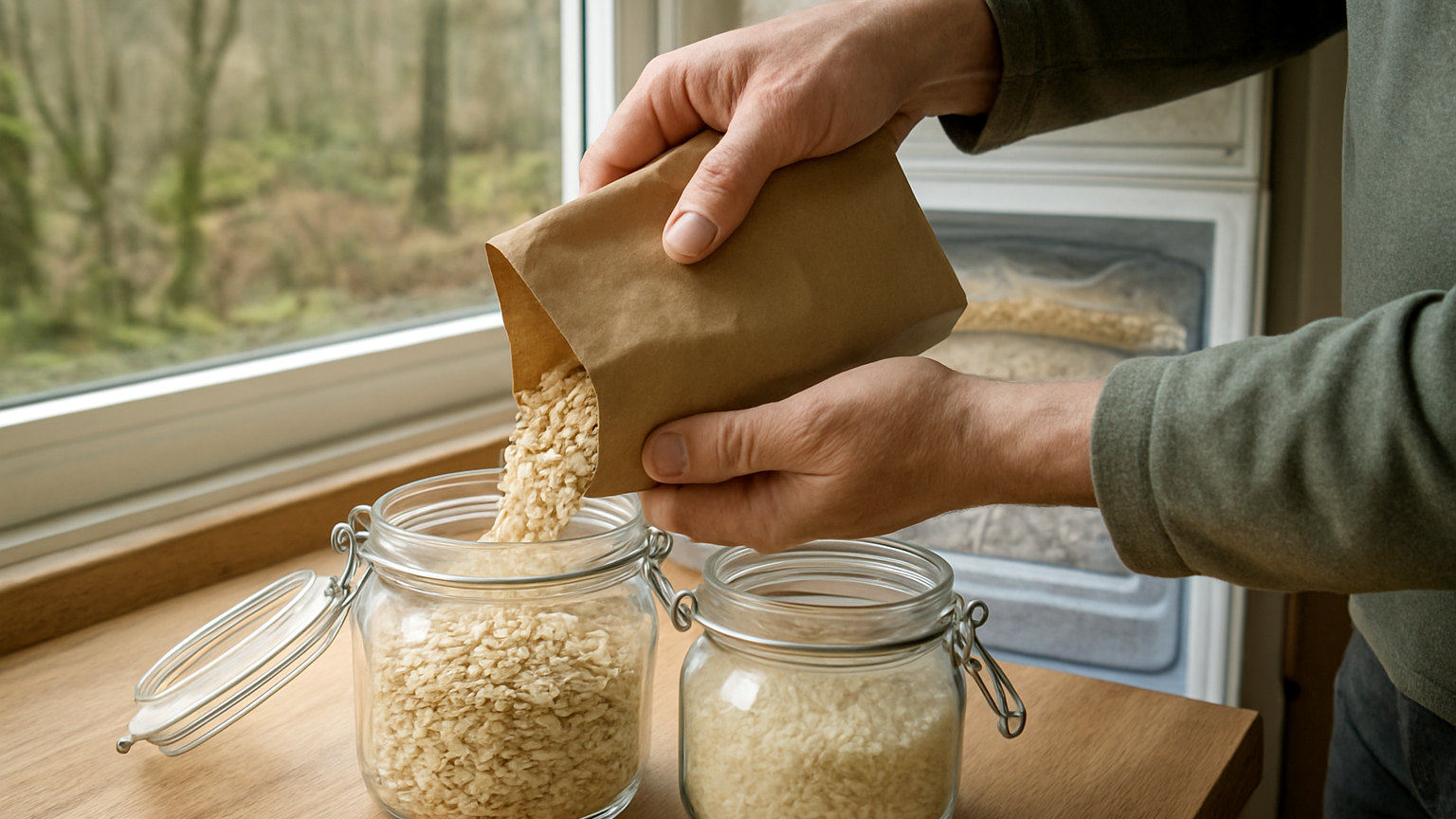
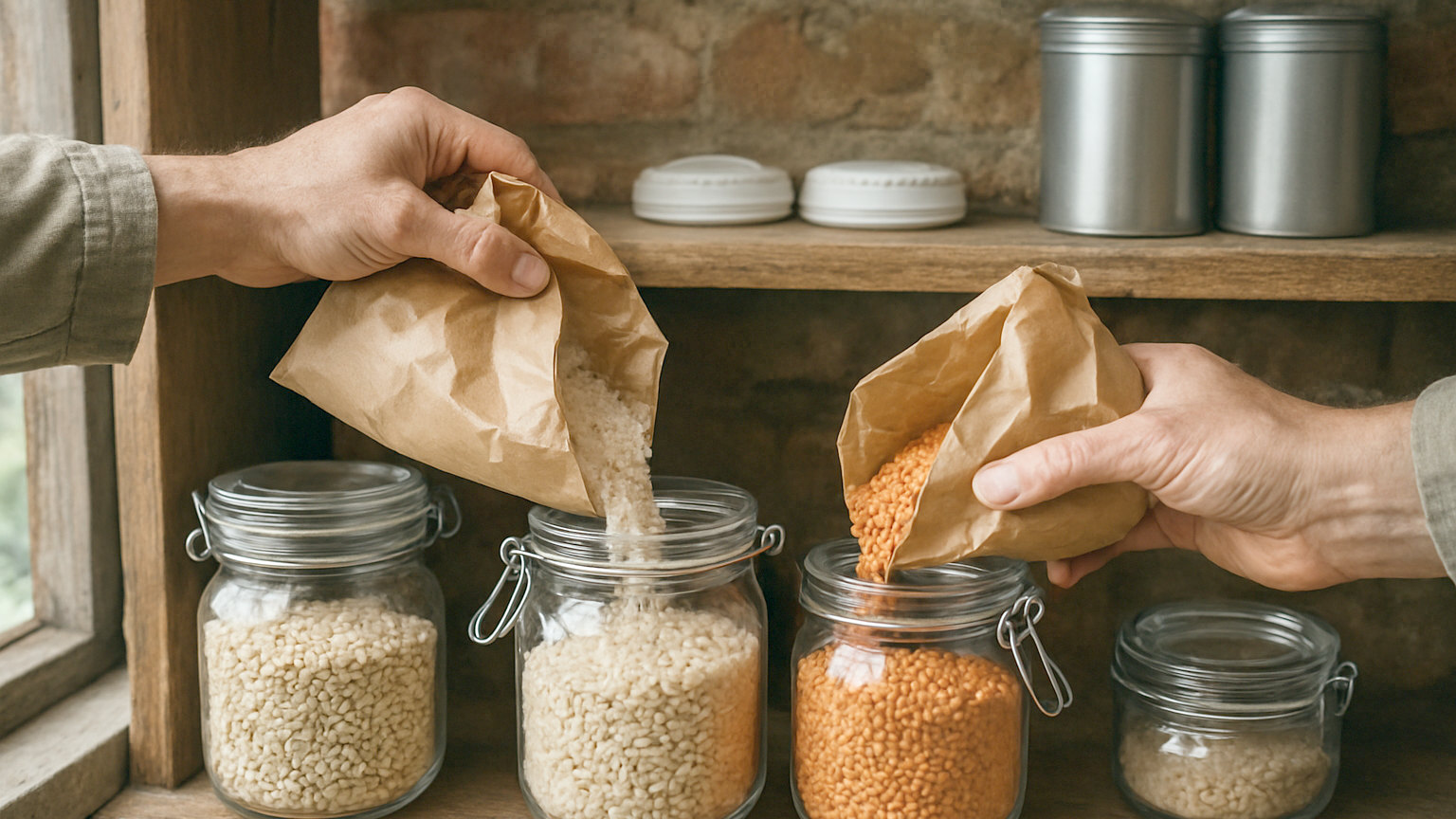
Airtight, cool and dark, decanted out of the bag they came in. Dried staples are the cheapest depth available and the easiest to ruin through carelessness.
One is about quality and one is about safety. Confusing them causes both unnecessary waste and occasional genuine risk, and the distinction is worth knowing exactly.
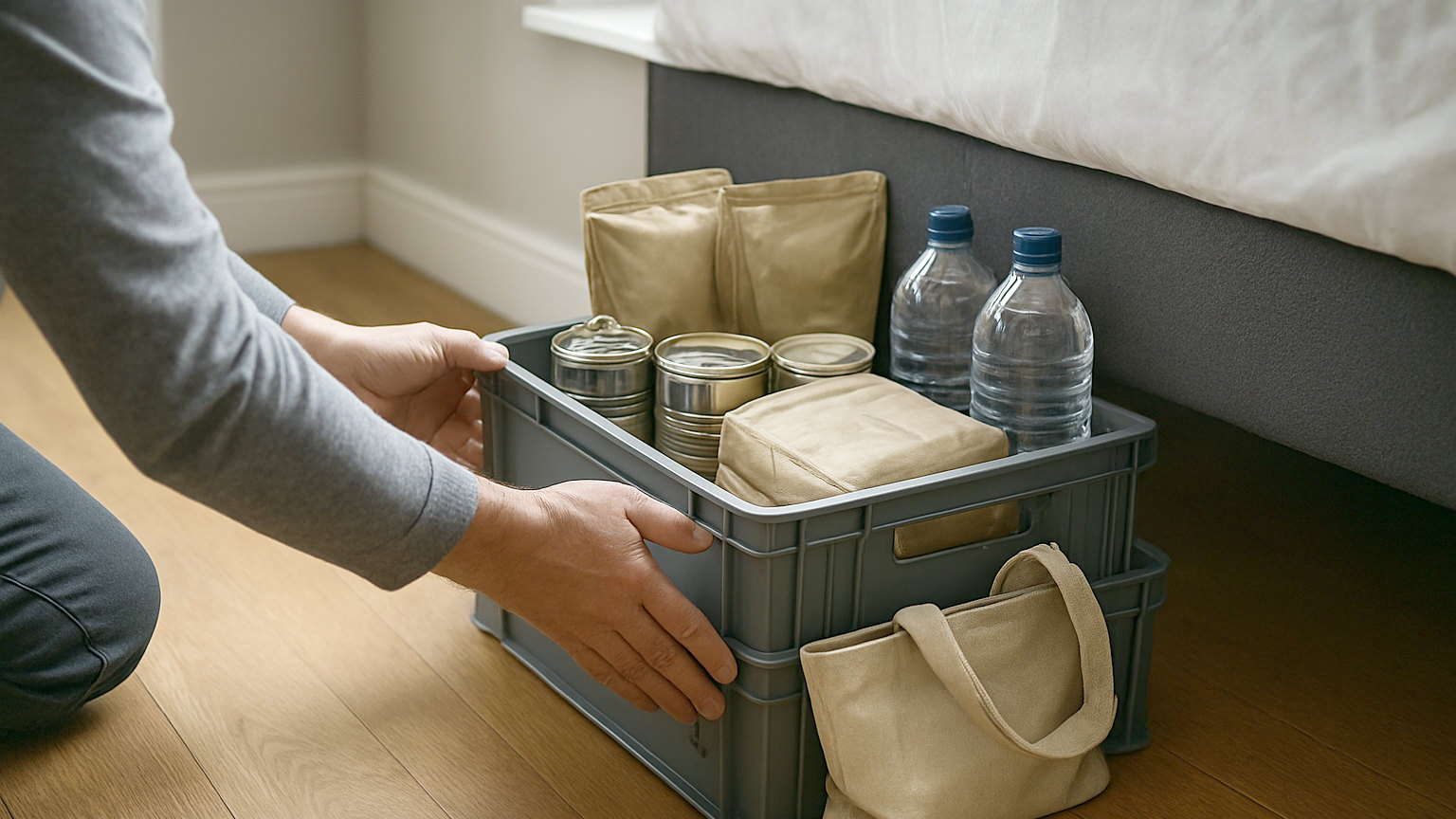
Under beds, wardrobe bases and the tops of cupboards hold more than people assume. A week of food for four fits in less space than a suitcase.
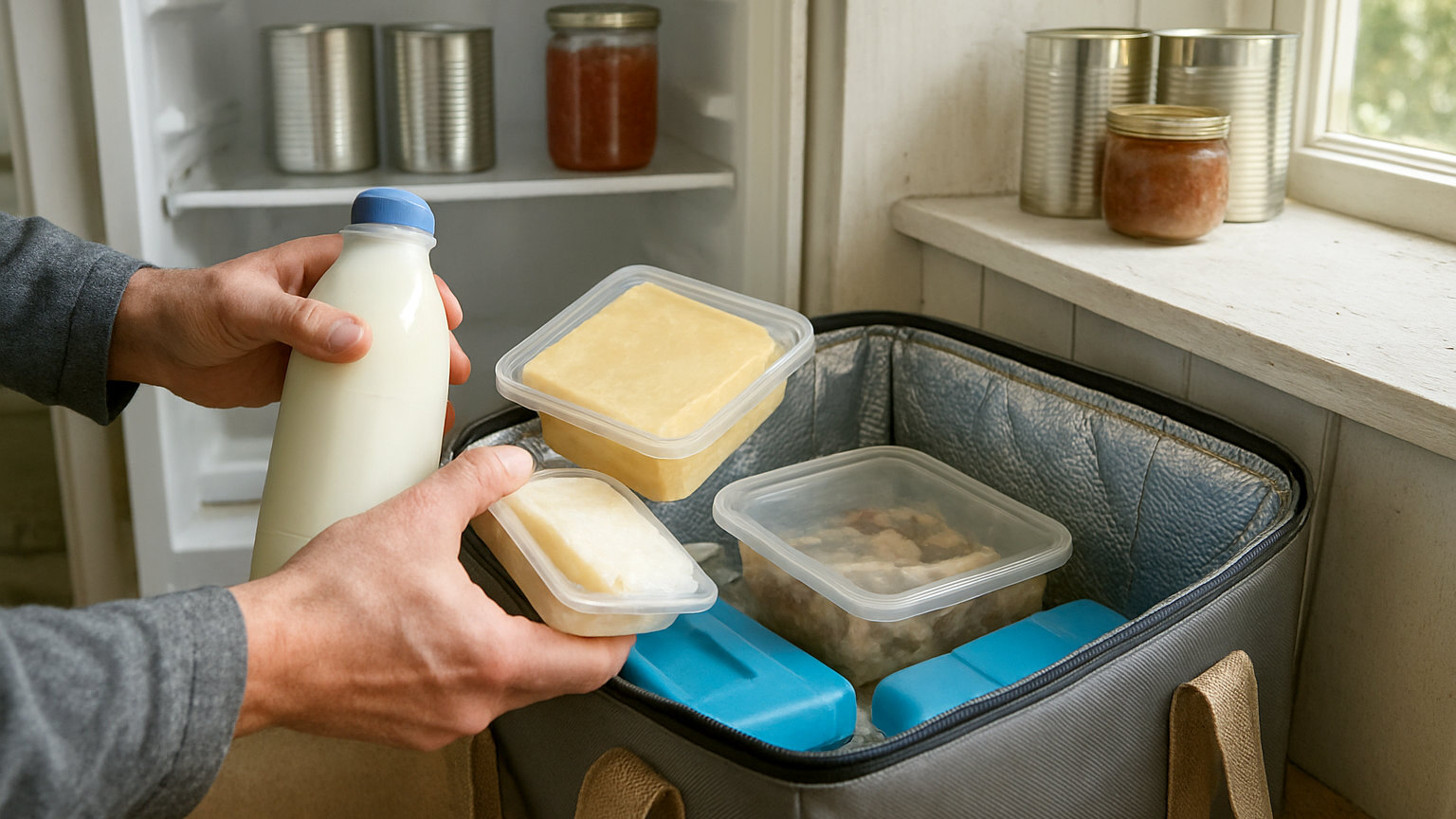
During a power cut the fridge becomes a cool box on a countdown. What you eat first, what you move and what you discard all follow a clear order.
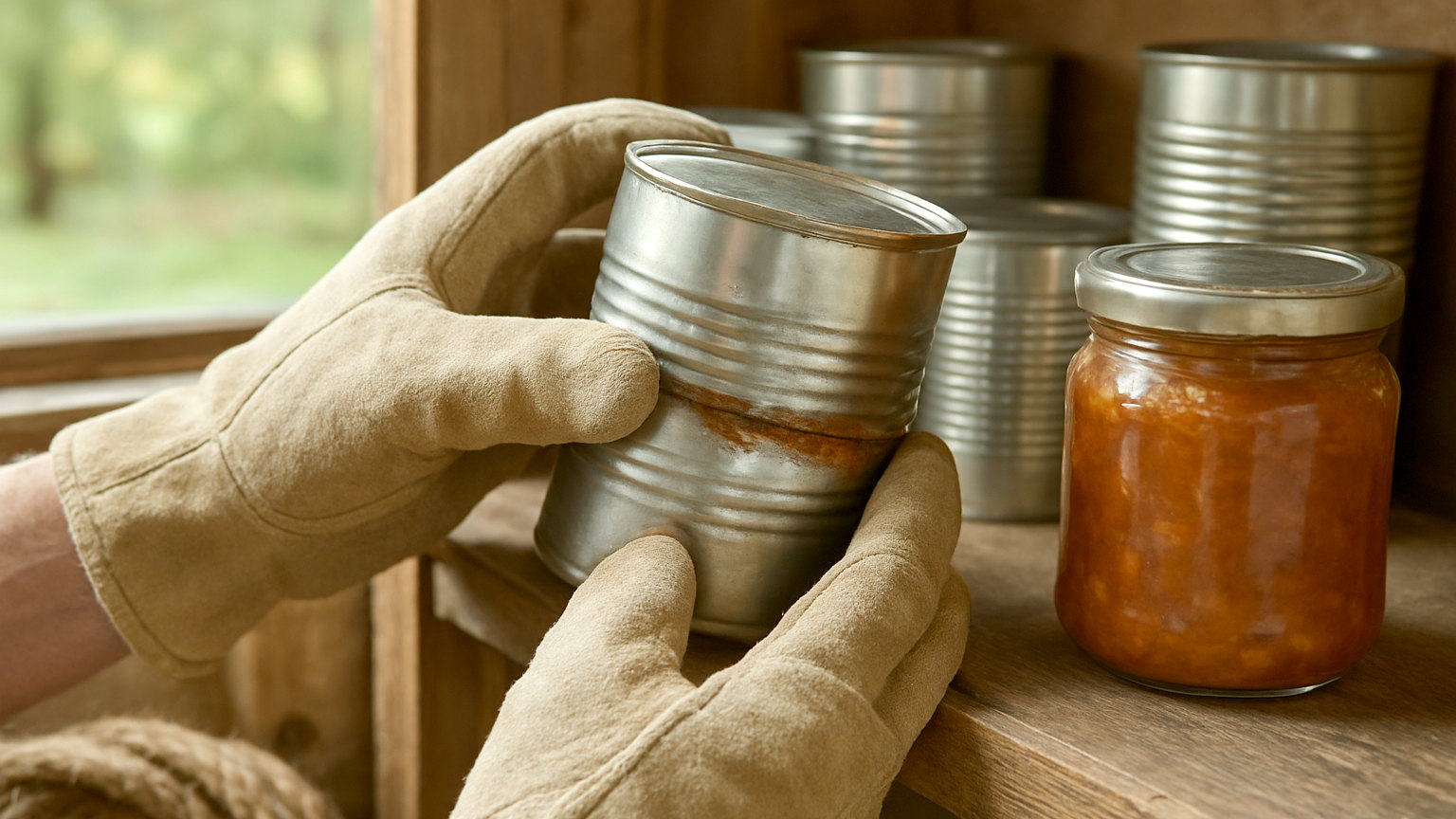
Look at the packaging before the contents, and never taste anything to check. Some of the most dangerous spoilage gives no warning at all.
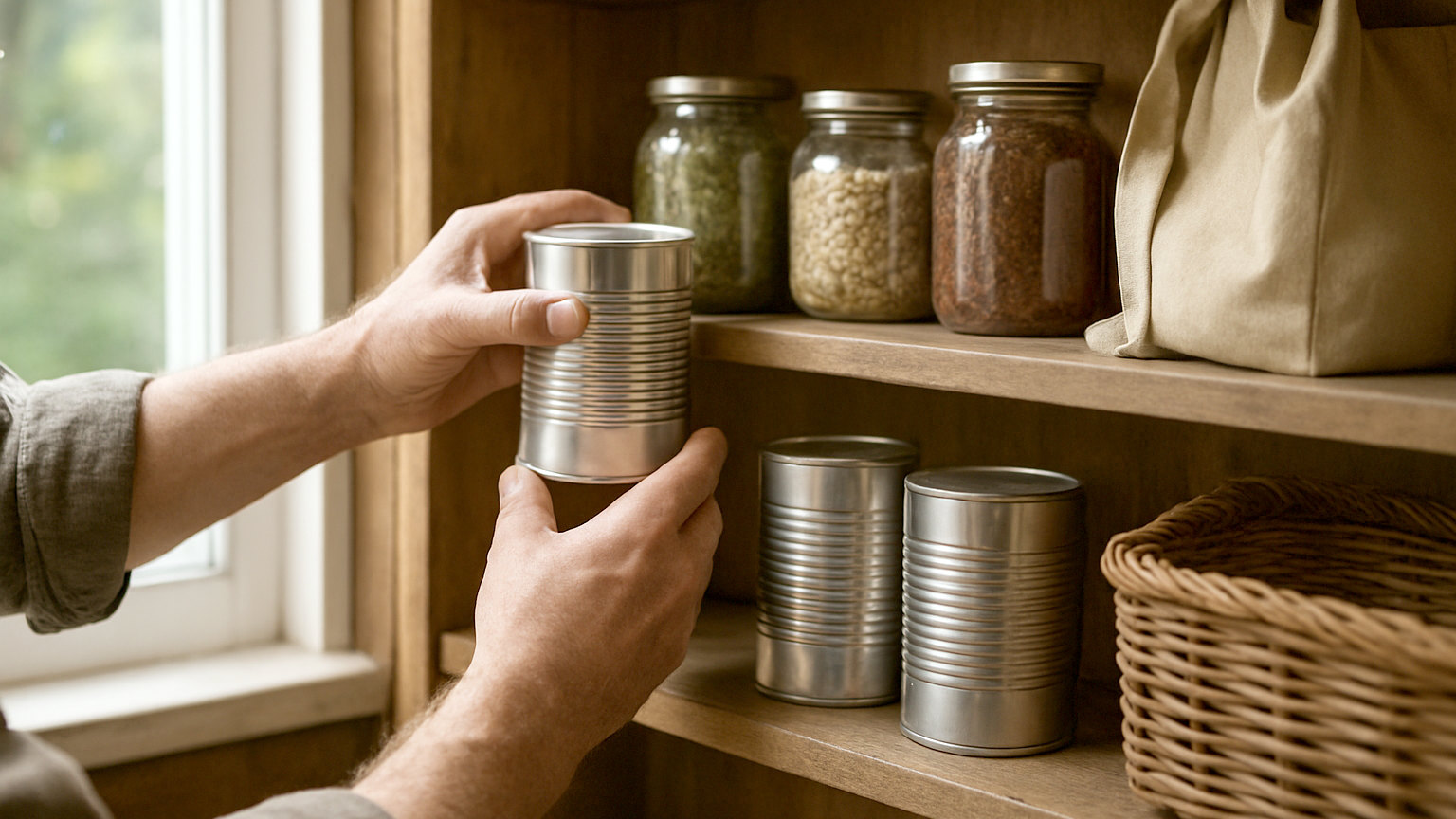
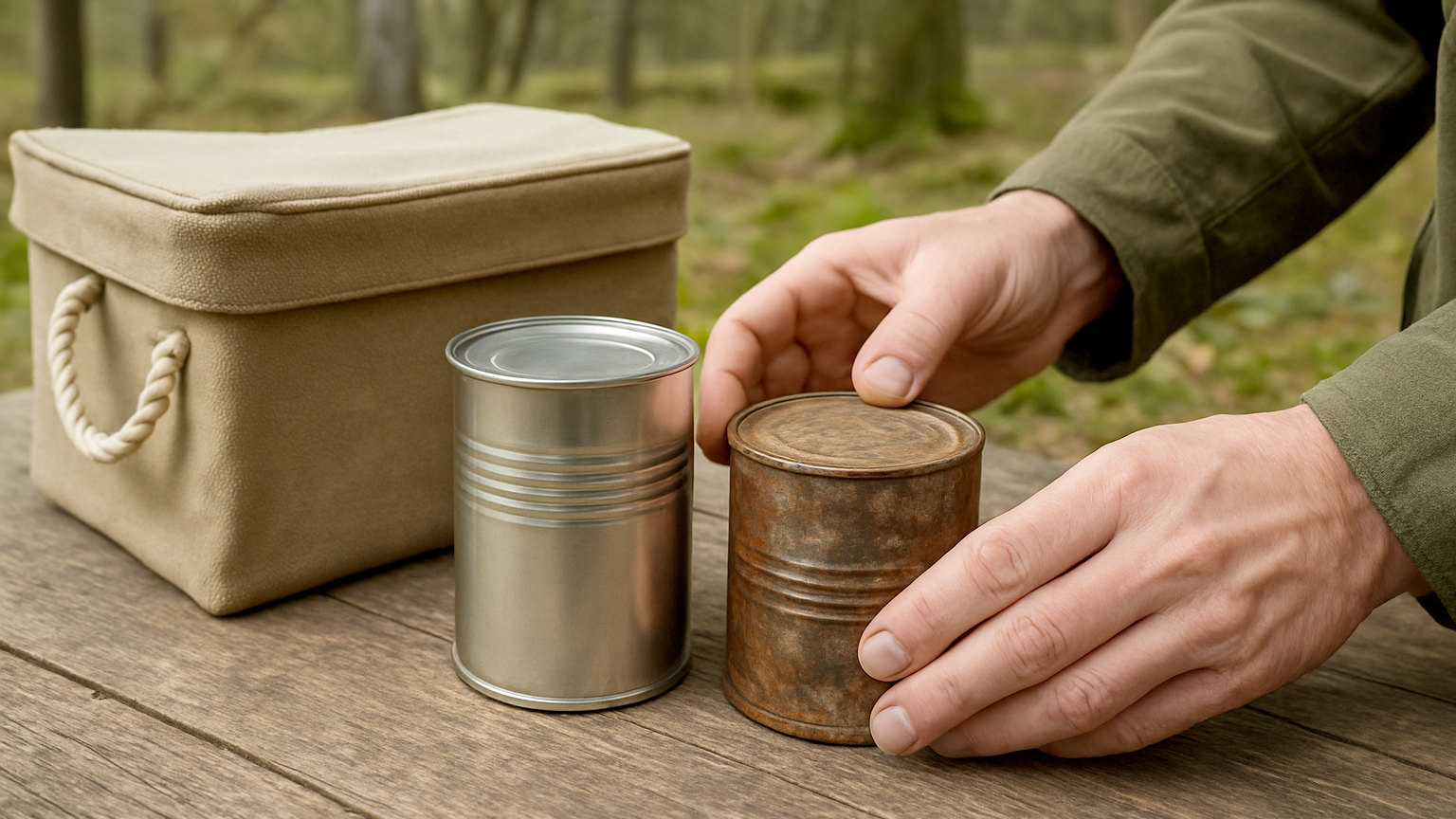
Usually by years, since the date is about quality rather than safety. The condition of the tin matters far more than the number printed on it.