How Do You Walk Safely in the Dark
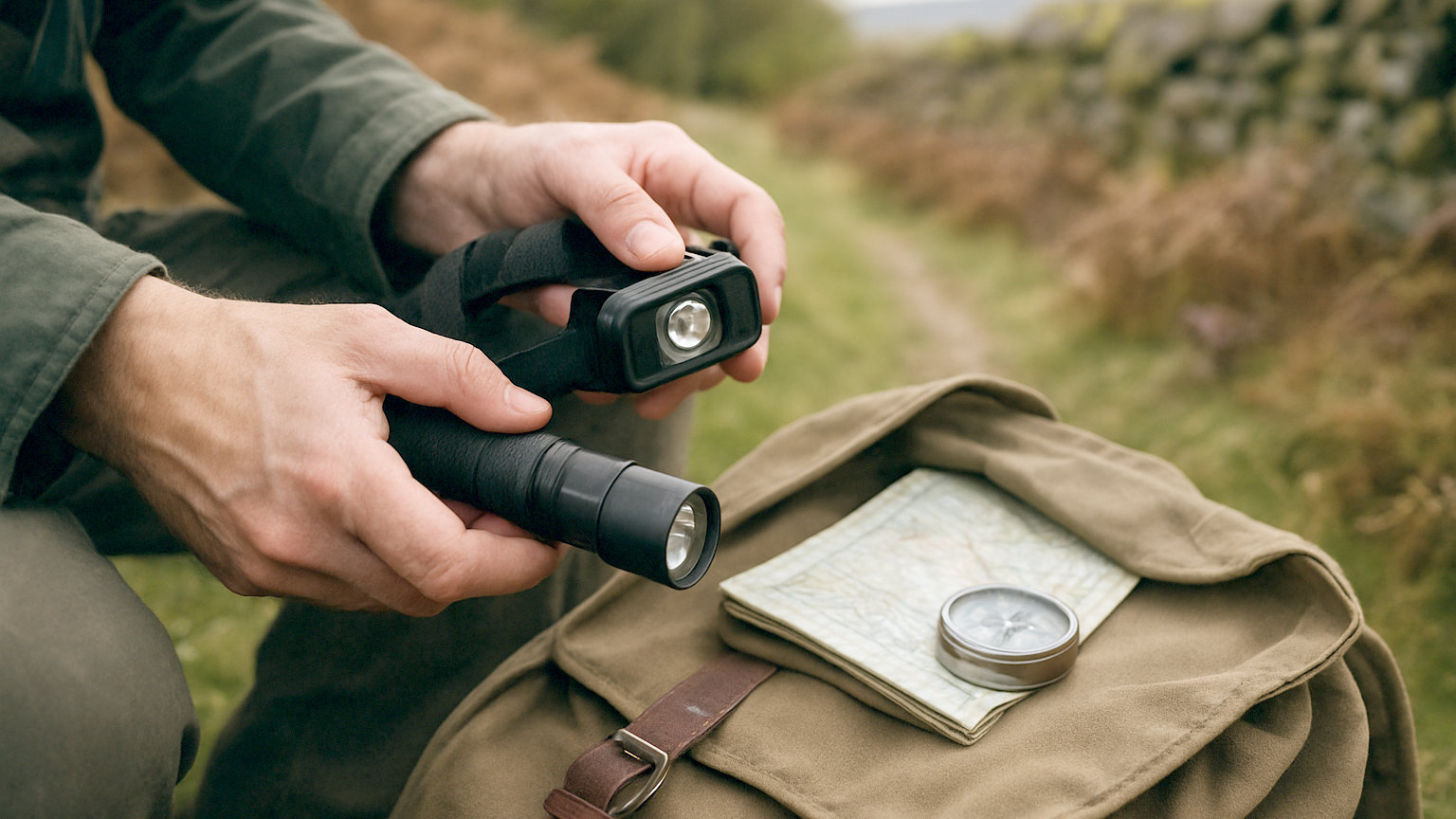
Slower, with a spare torch and much more careful navigation. Walking at night is genuinely enjoyable and it removes most of your visual information.
By Survival Basics Team
13 Aug 2026

Most callouts involve people who were fit, sensible and simply out later than planned with less kit than the weather turned out to need. These guides cover route planning and leaving word, the kit that stays in the bag every time, turnaround times, and how and when to call for help using 999 and the emergency SMS service.
Slower, with a spare torch and much more careful navigation. Walking at night is genuinely enjoyable and it removes most of your visual information.
Distance plus ascent, then add for the party, the ground and the descent. Almost everyone underestimates, and the error falls on the last hours of daylight.
Add distance, then ascent, then remoteness, then conditions. Increasing everything at once is how people find themselves somewhere they cannot manage.
Tell someone, choose conservatively, and accept that there is nobody to help. Solo walking is entirely reasonable with a wider margin.
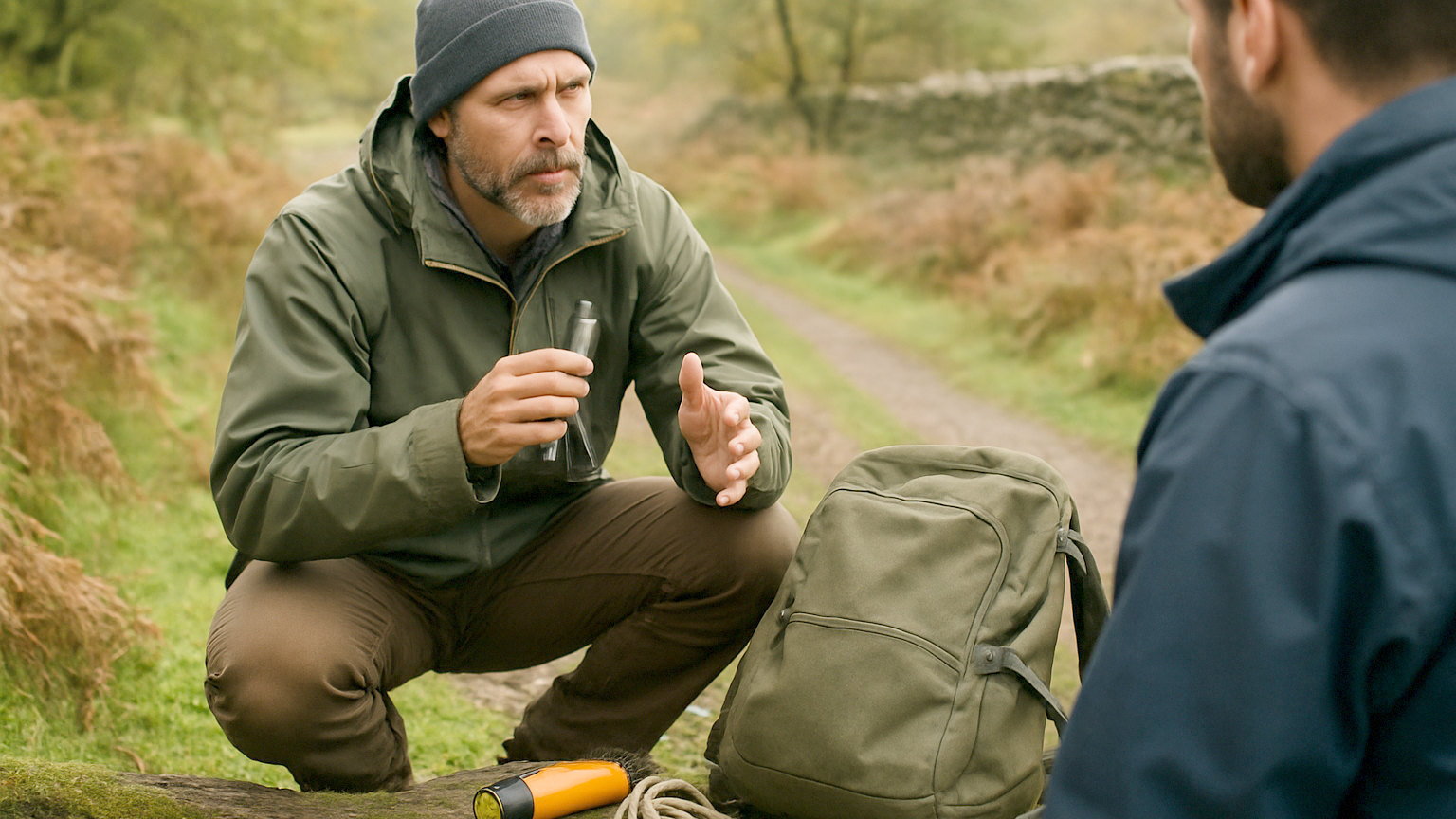
Route, timing, escape options and the least capable person in the party. Twenty minutes at a table prevents most of what goes wrong on a hillside.
Rules they can actually use, taught calmly. Stranger danger has largely been replaced by teaching children to recognise what is being asked of them.
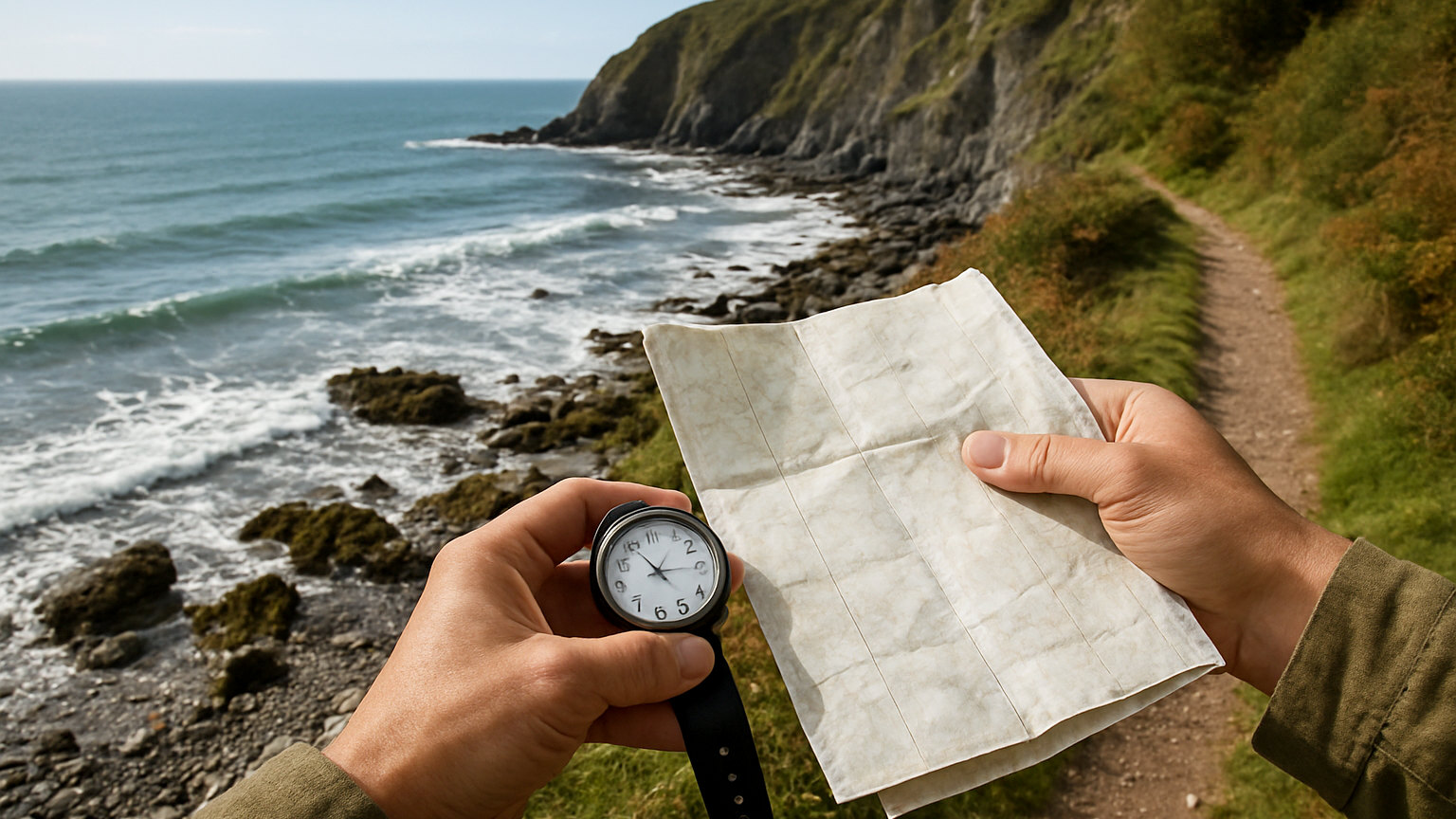
Check the tide before you set off, because cut off happens faster than anyone expects and the coastguard rescues people from it every year.
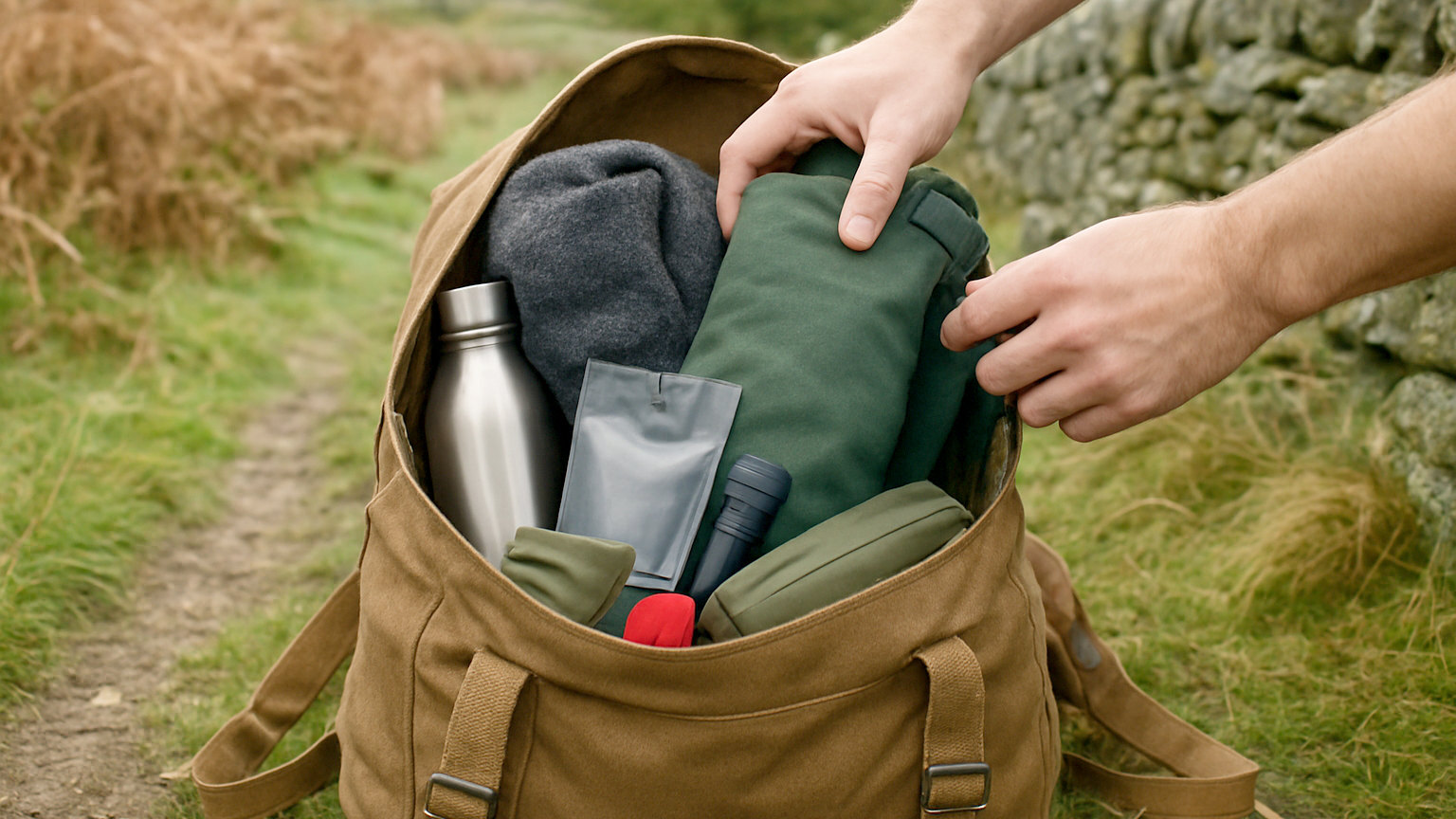
Warm layers, waterproofs, torch, food, water, map, whistle and a group shelter. It weighs very little and covers almost every callout.
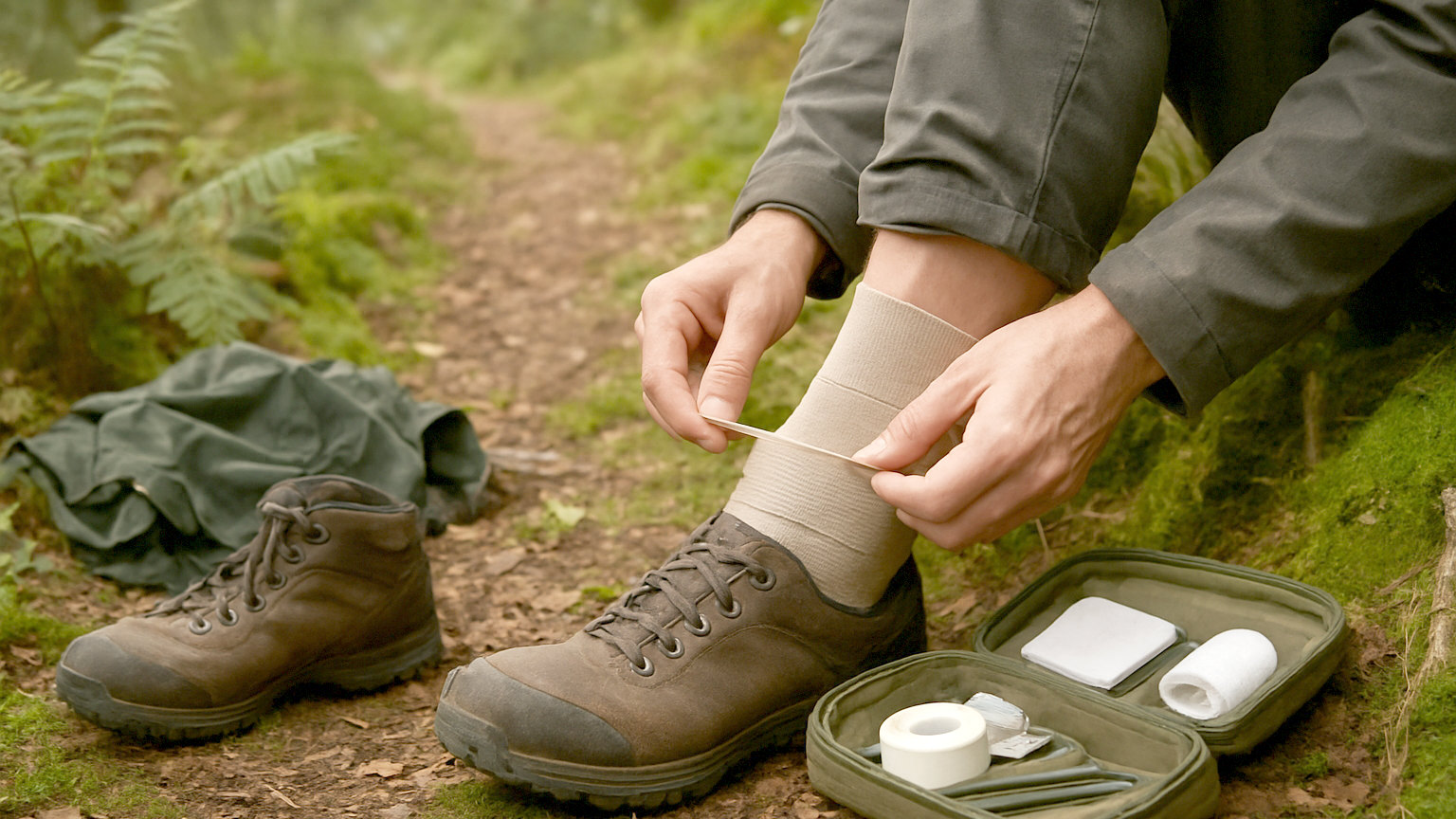
Blisters, sprains, cuts and ticks account for nearly everything. Knowing what to do and when to stop matters more than the contents of a kit.
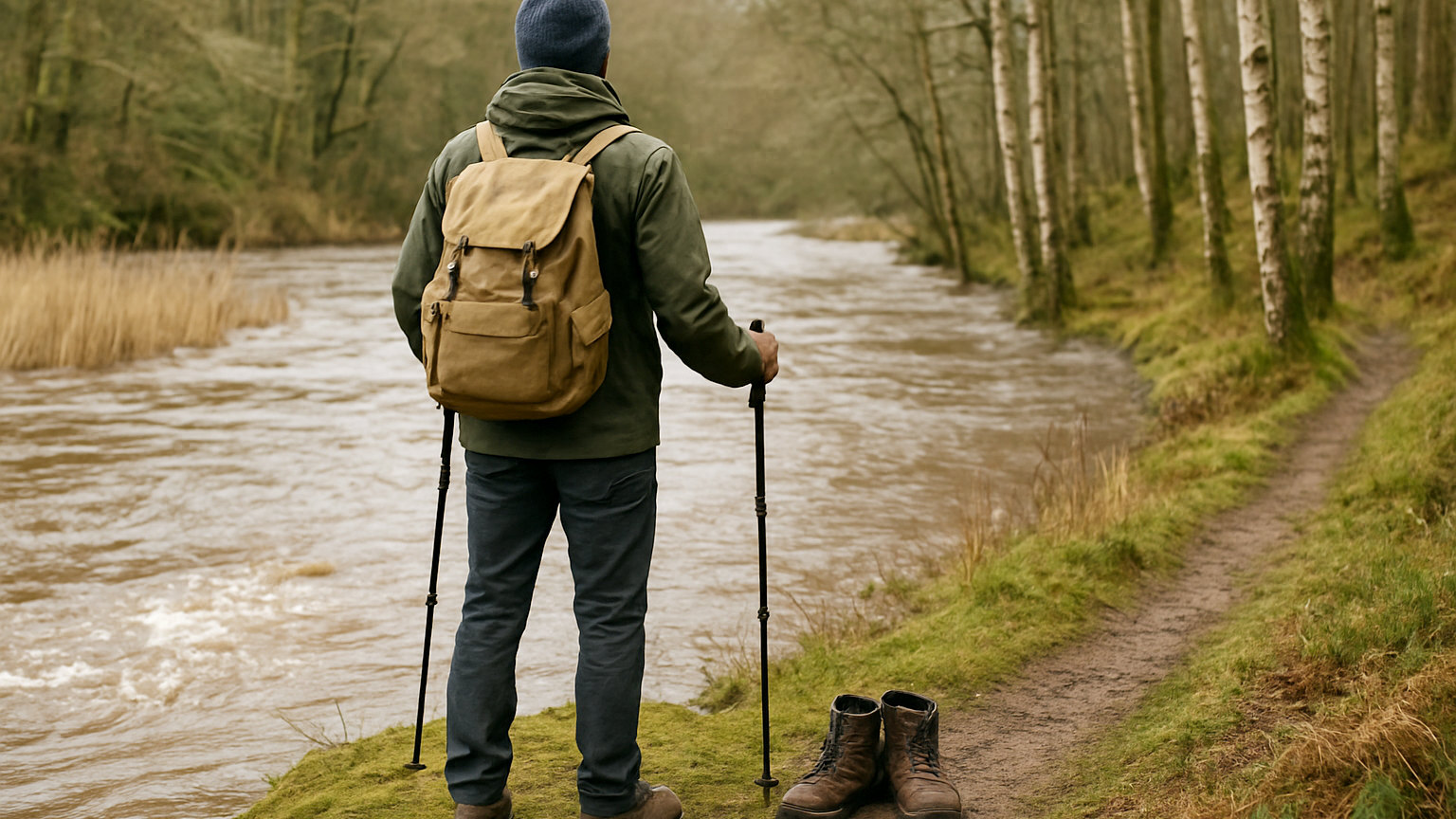
Almost always turn back. River crossings in spate have killed experienced walkers, and water is far more powerful than it looks from the bank.
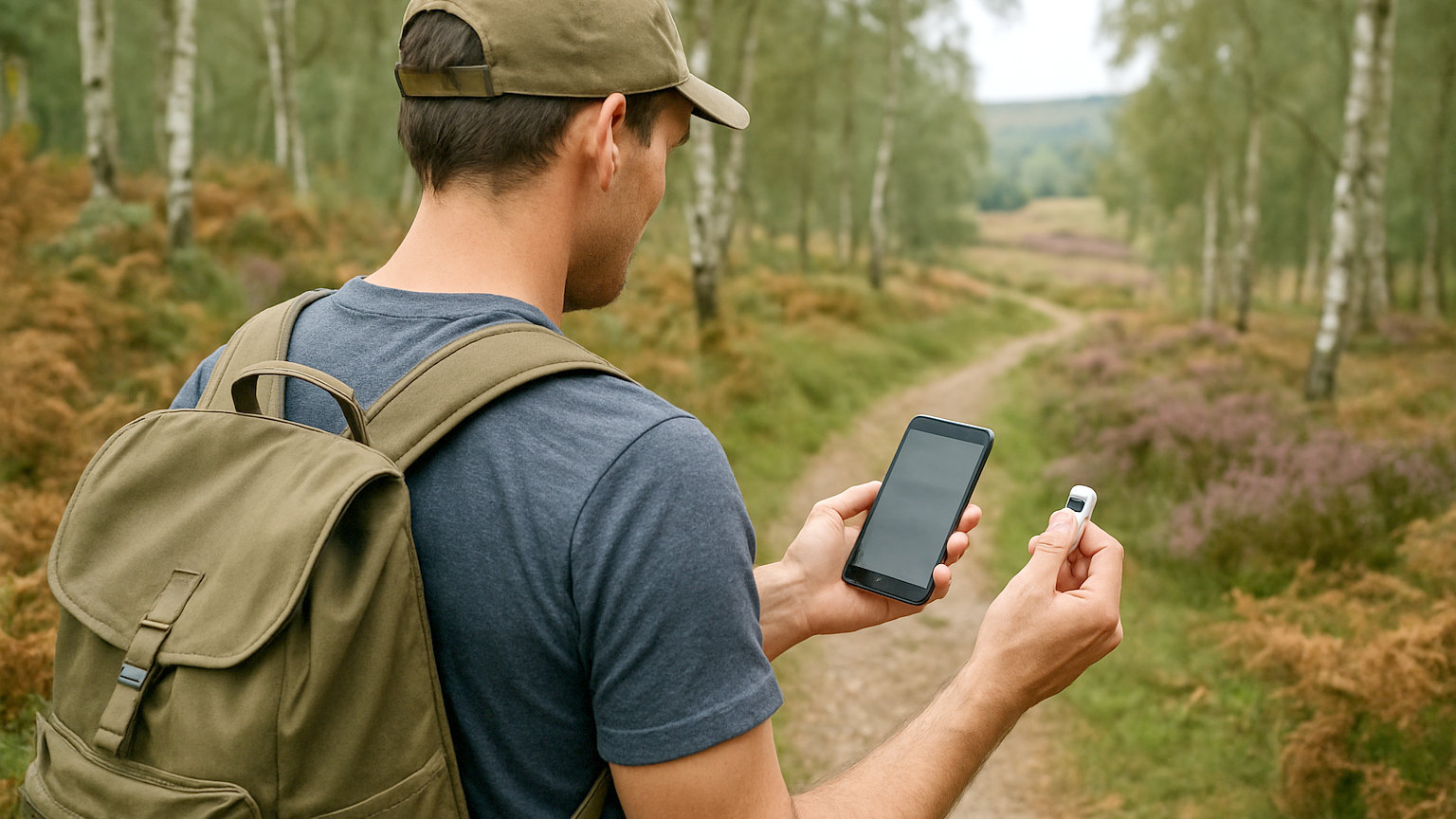
Keep one ear free, vary the route, and let someone track you. Headphones remove the sense that gives you the most warning.
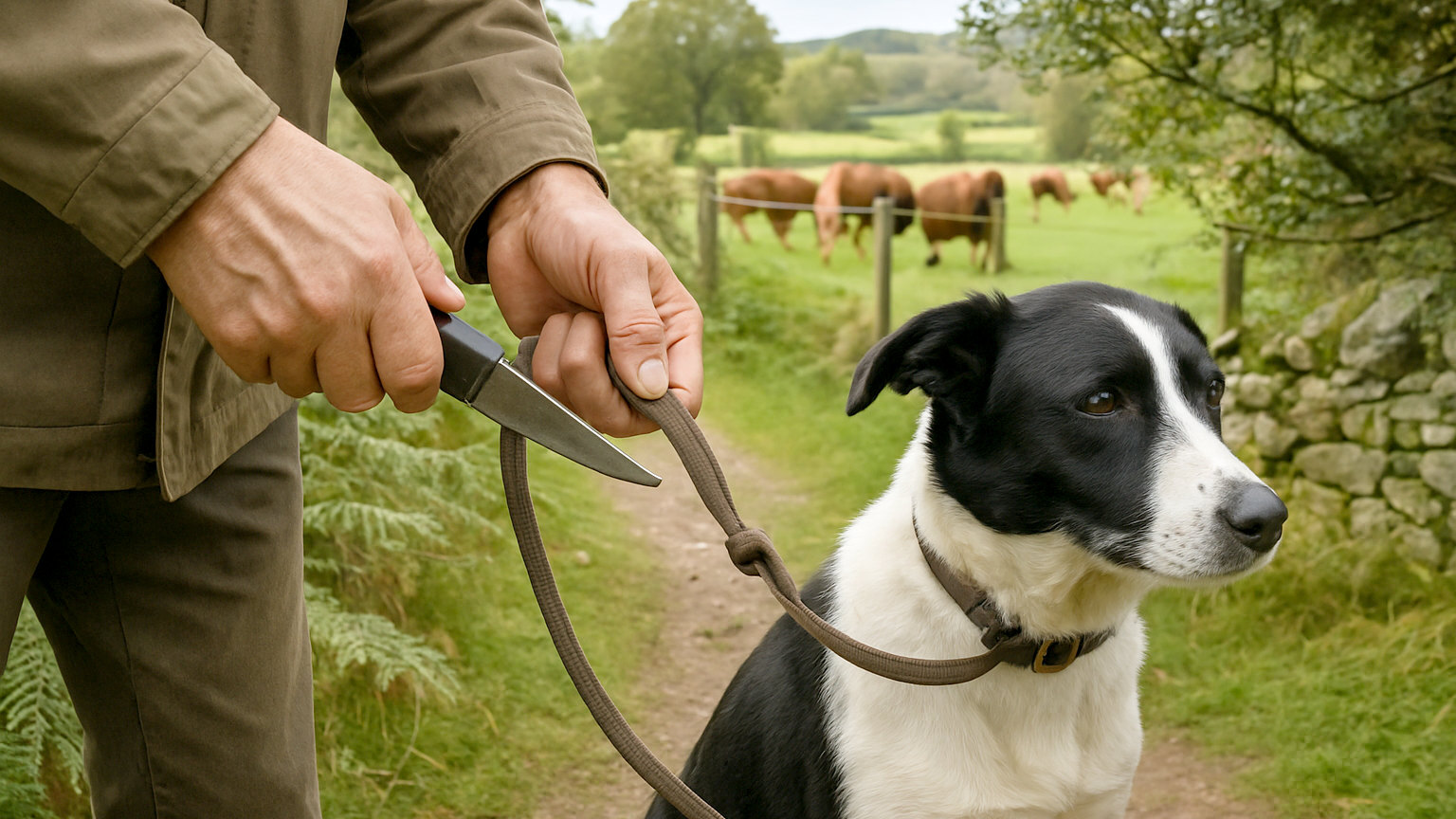
Lead near livestock, and let go if cattle chase you. The most dangerous situation for a dog walker involves cows rather than anything on the hill.