How Do You Learn Bushcraft Properly
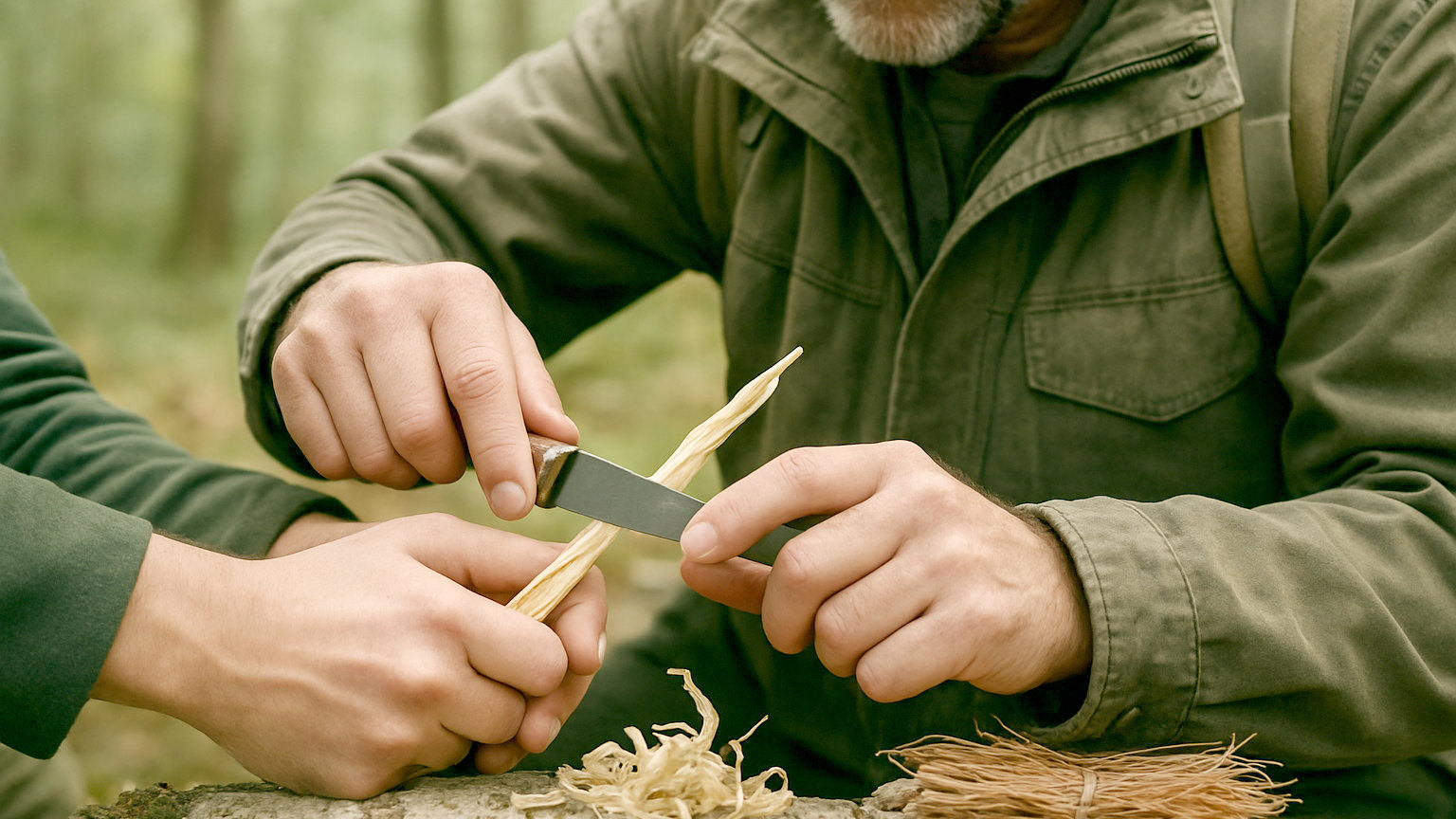
Practise the basics repeatedly, get taught the dangerous parts, and resist collecting techniques. Depth in a few skills beats familiarity with many.
By Survival Basics Team
9 Aug 2026

Almost nobody sets out intending to survive anything. The situations covered here begin as a day walk that ran late, a kayak that got separated from its group, a campsite chosen badly in fine weather that turned. These guides cover the skills and judgement that keep an ordinary outdoor day from becoming a callout, across woodland, moor, mountain, coast and open water, plus the extremes of cold and heat you are most likely to meet abroad.
Practise the basics repeatedly, get taught the dangerous parts, and resist collecting techniques. Depth in a few skills beats familiarity with many.
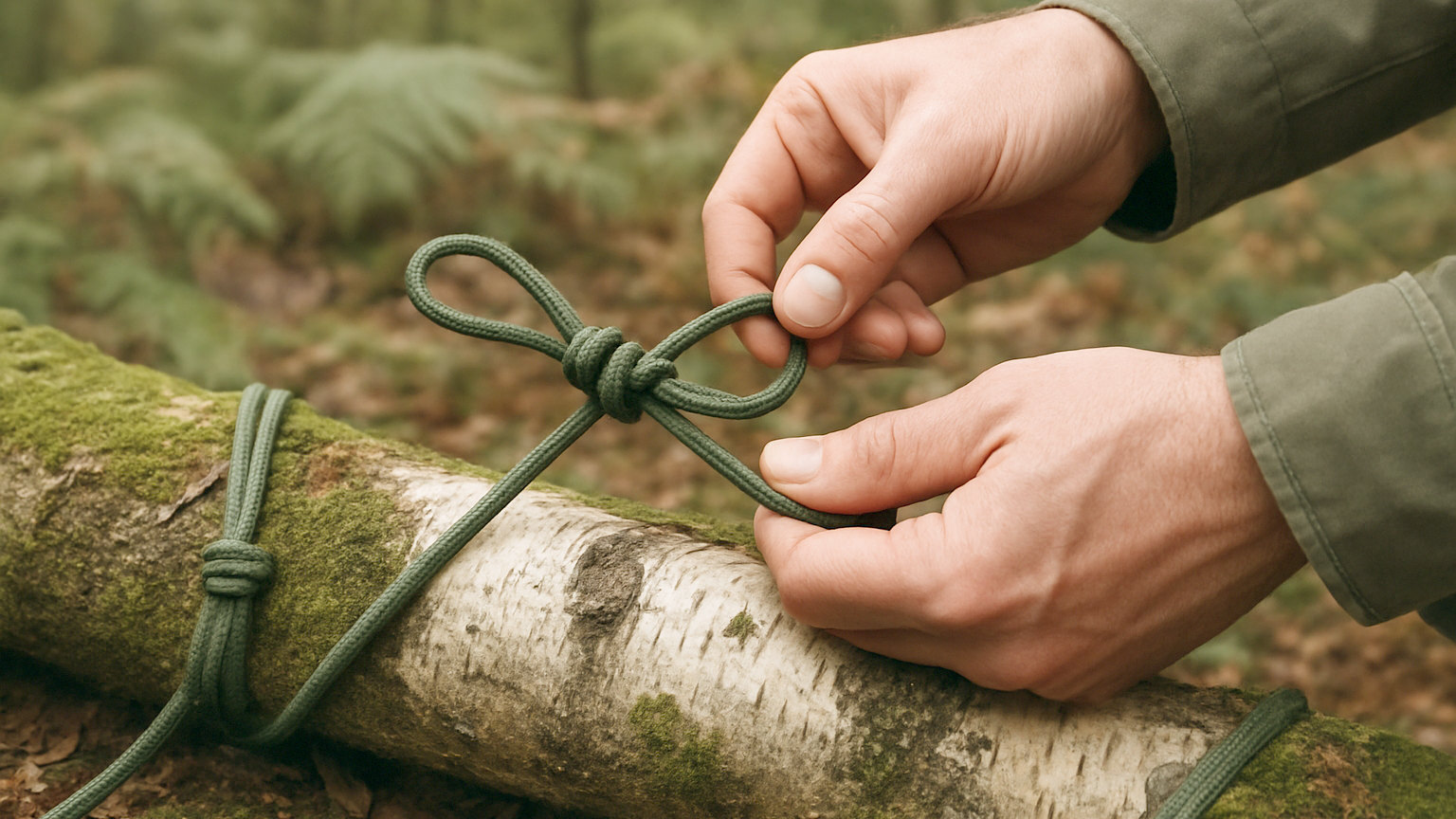
Five or six cover almost everything. Learning those properly beats knowing twenty badly, and the ones that matter are the ones you can tie in the dark.
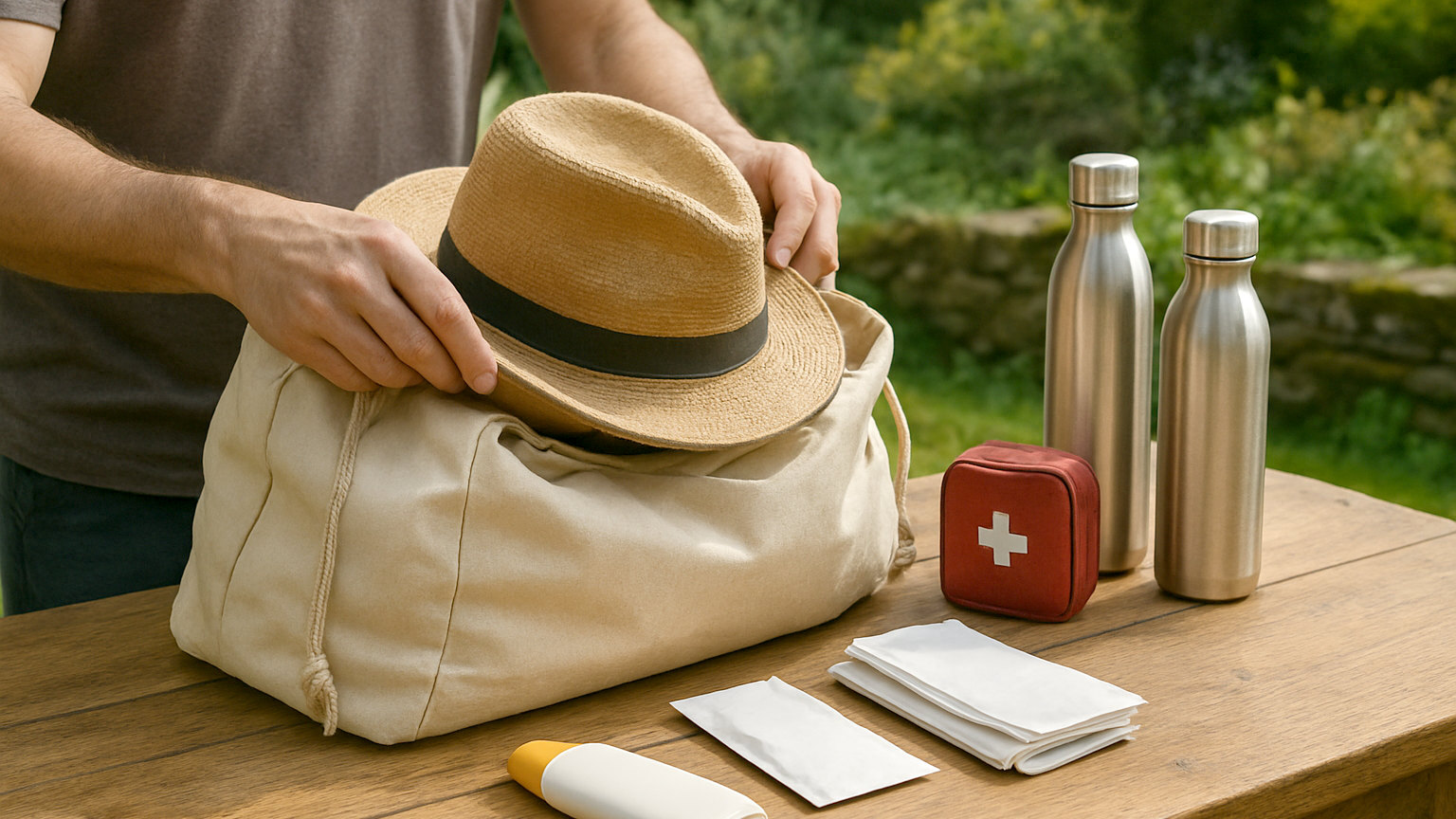
Health advice, insurance, water planning and easy first days. Most heat incidents involve someone who arrived and did too much too soon.
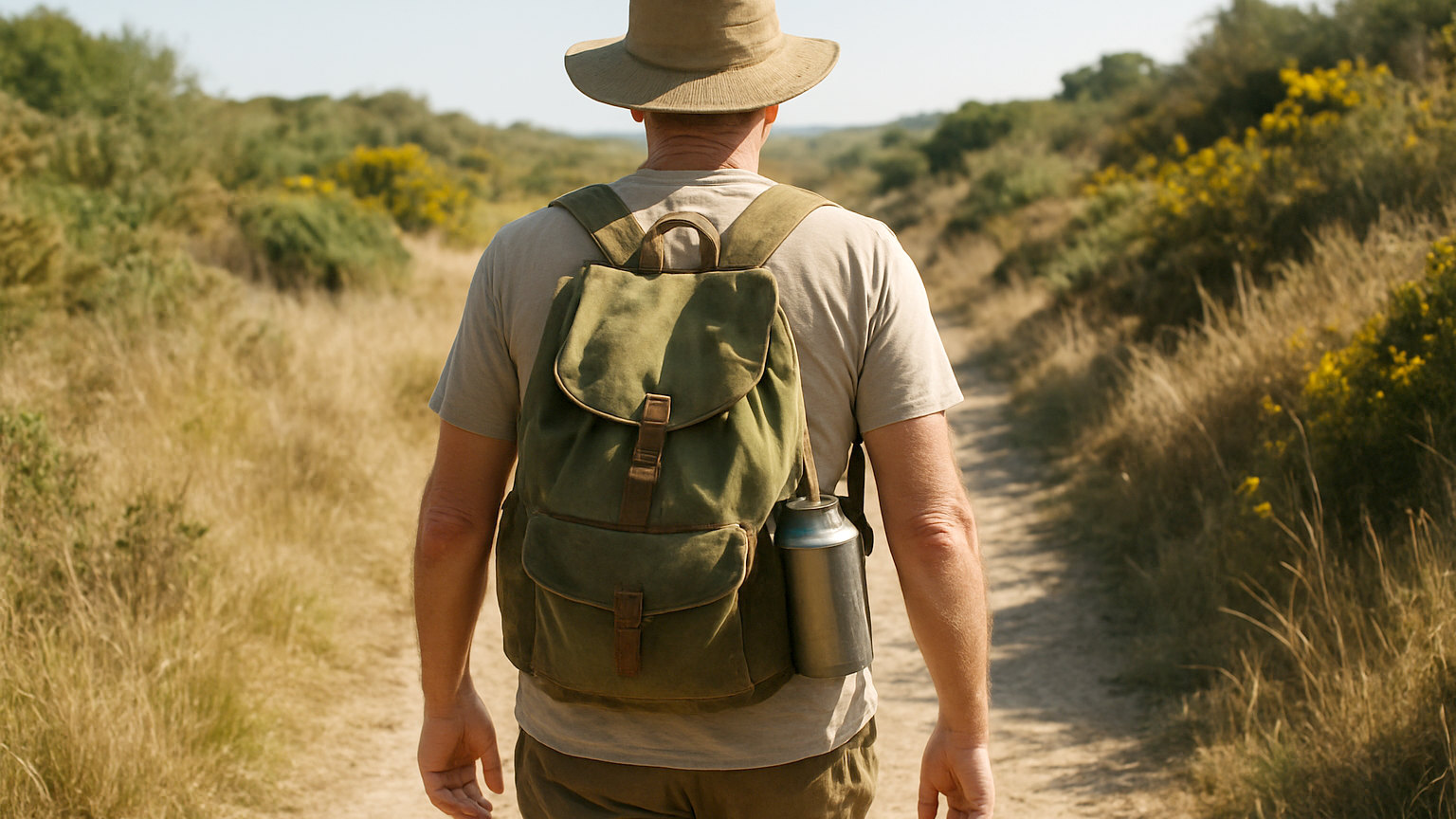
Start early, finish before the heat, and slow down. Most heat casualties are people who kept to a schedule made for cooler conditions.
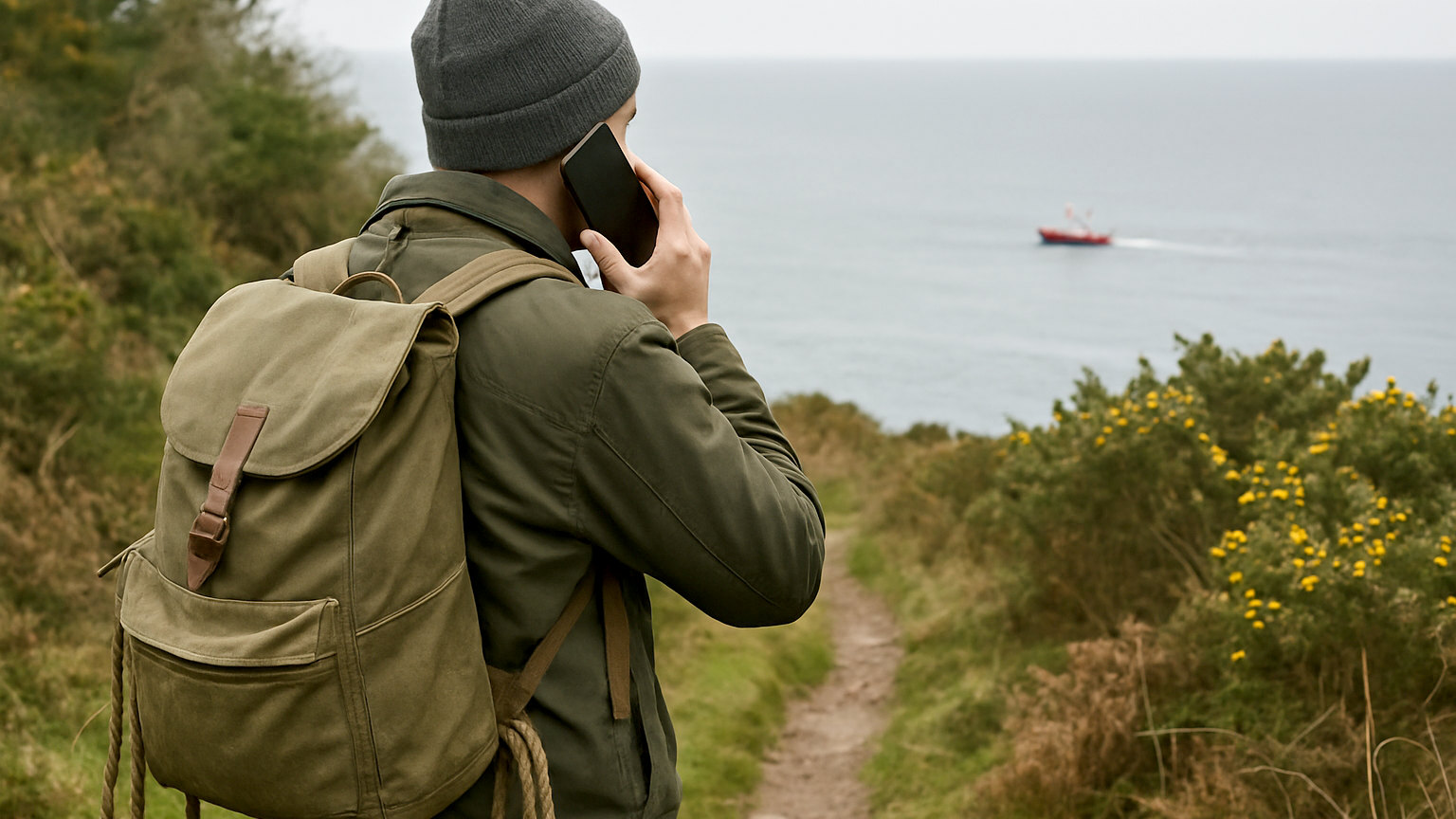
They coordinate every maritime and coastal rescue in Britain, and calling early costs nothing. Hesitating because you feel foolish is the common mistake.
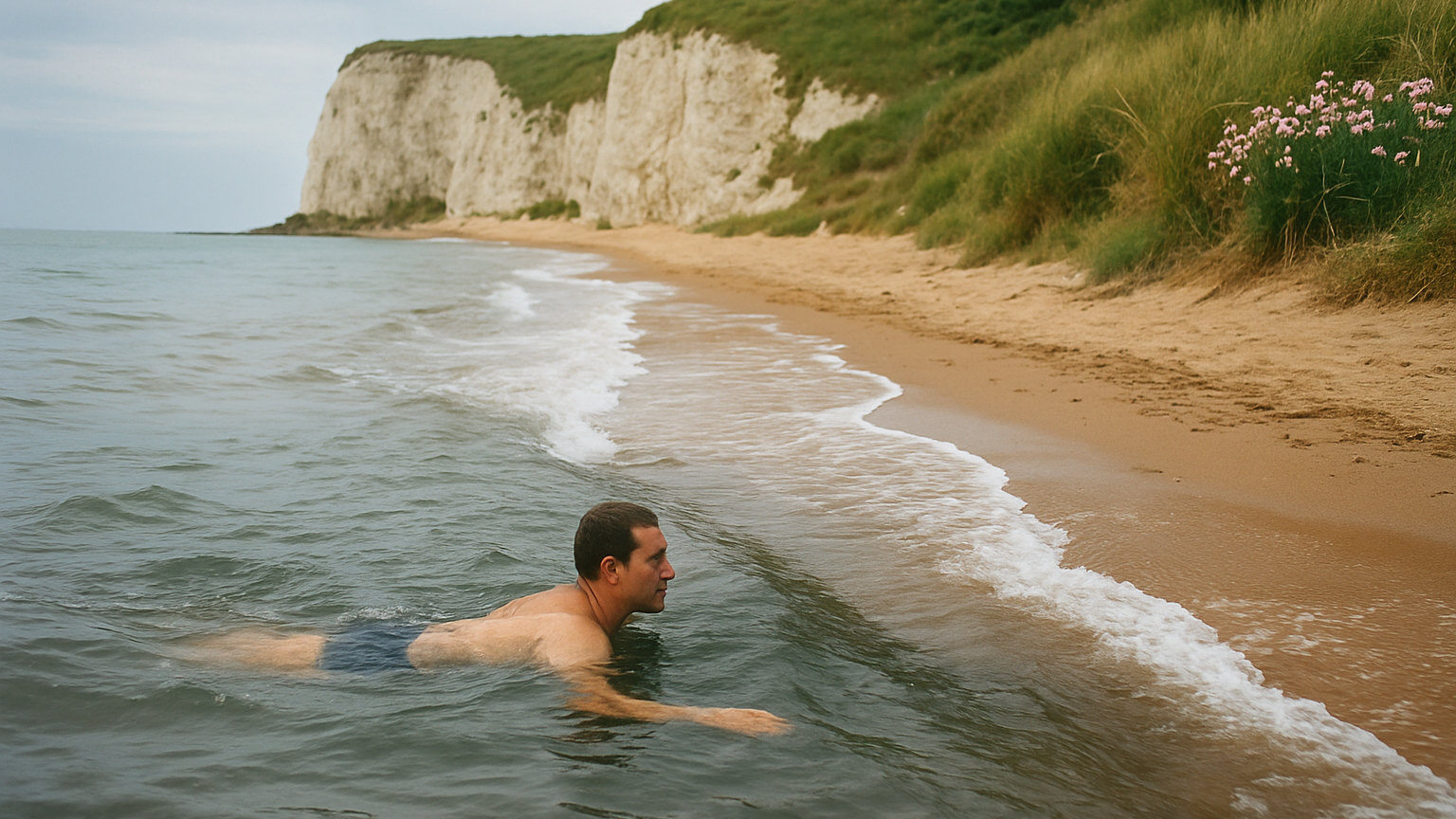
Narrow fast channels of water flowing out from the beach. Swimming against one exhausts you, and floating or swimming parallel to the shore is the way out.
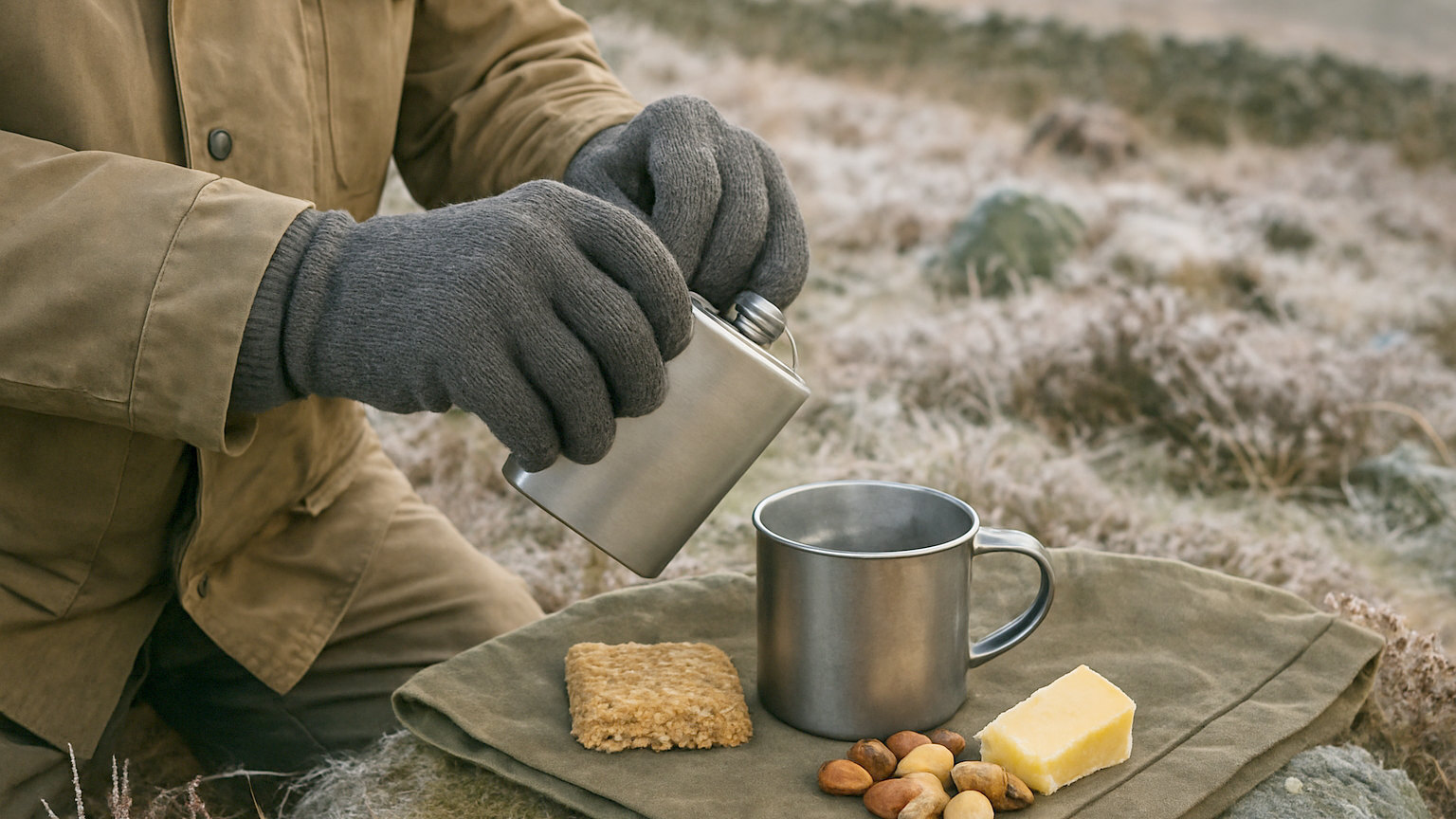
Considerably more of both than you expect. Cold raises calorie demand sharply, and people dehydrate badly in winter without ever feeling thirsty.
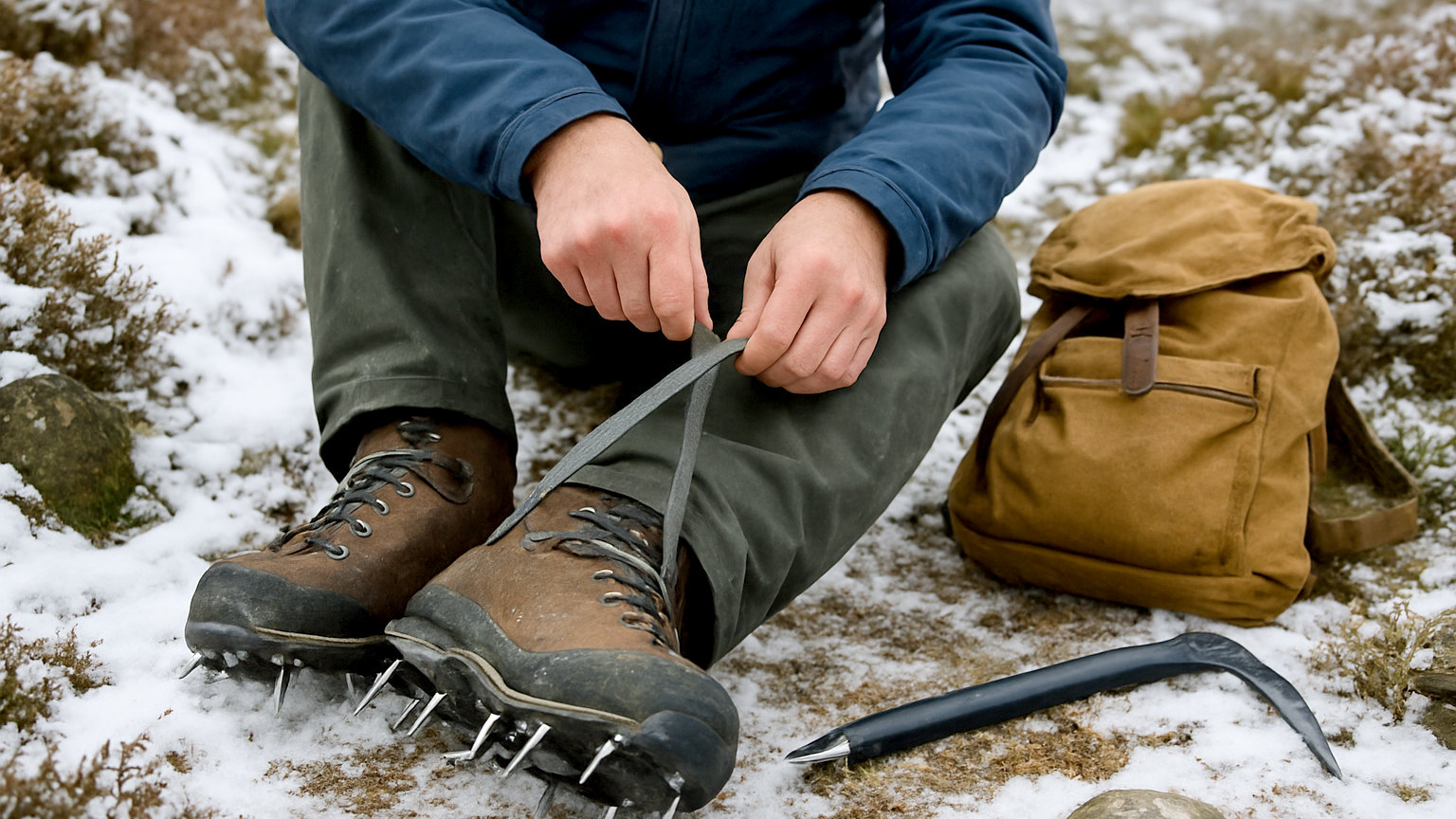
Wherever there is snow or ice on ground where a slip would matter, yes. Carrying them without training is close to useless.
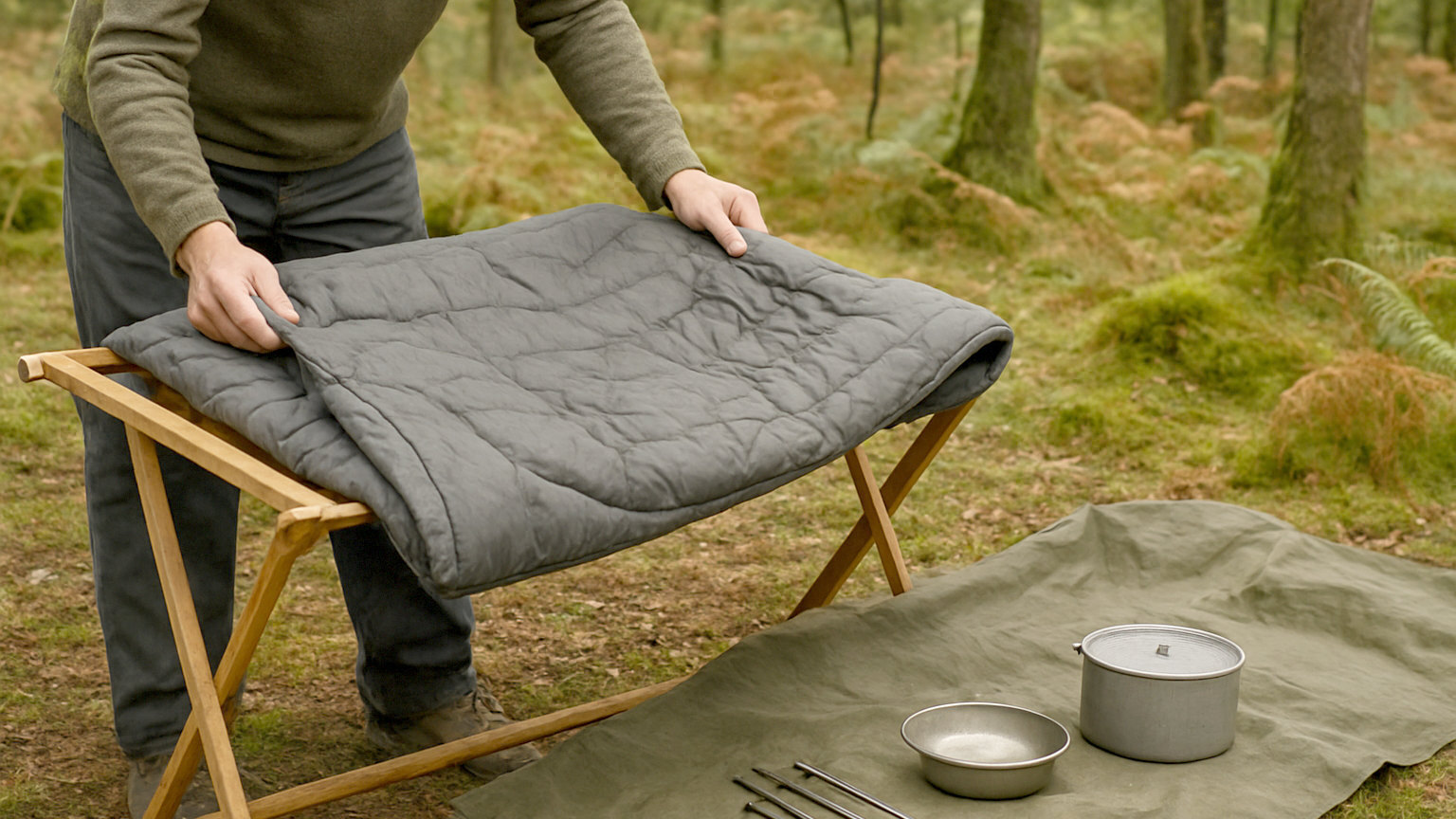
Dry everything before it goes away and store sleeping bags uncompressed. Most gear that fails was ruined in a cupboard rather than in use.
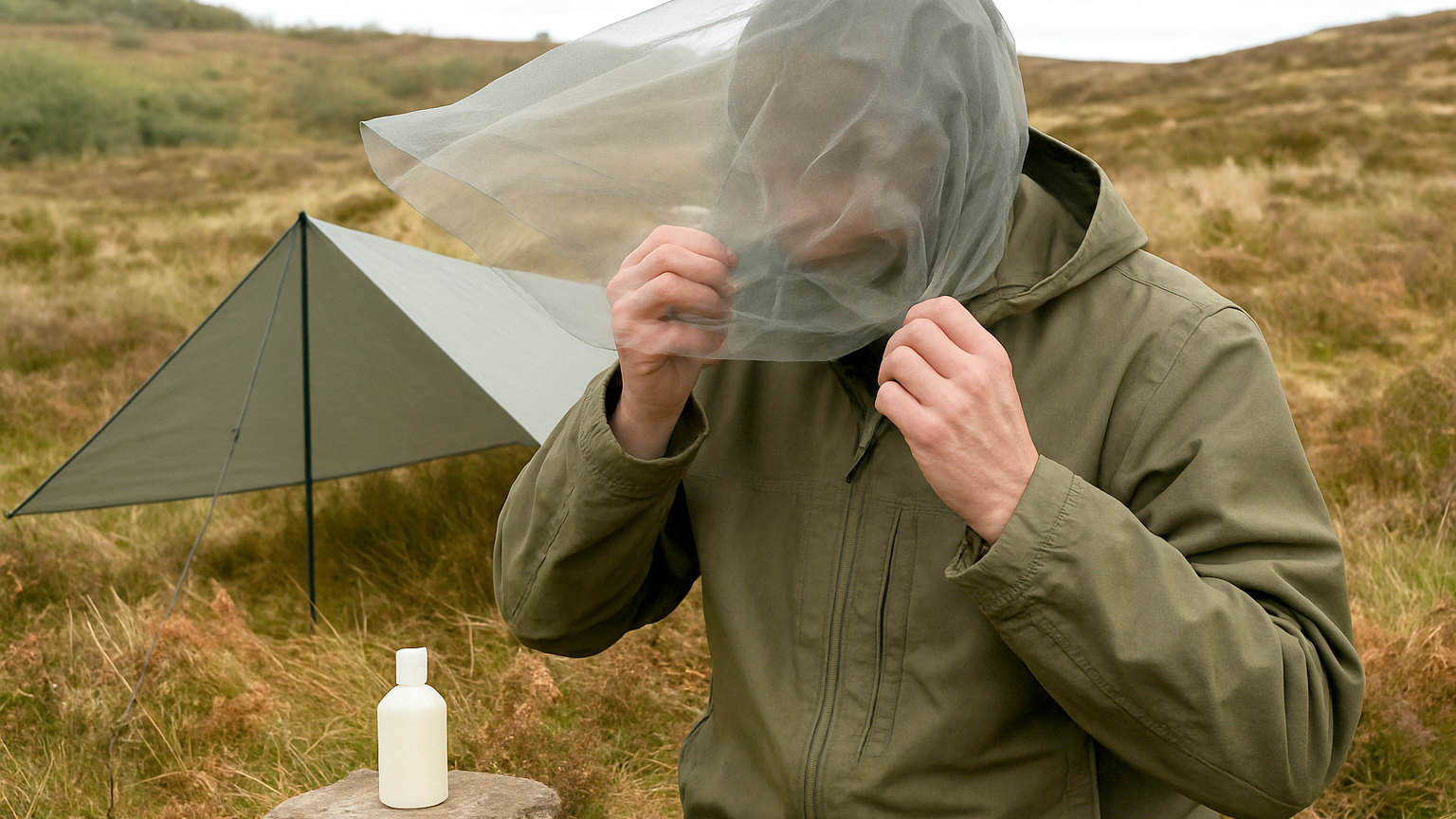
Scottish midges appear from late spring to early autumn and can make camping unbearable. Wind and a head net do more than any repellent.
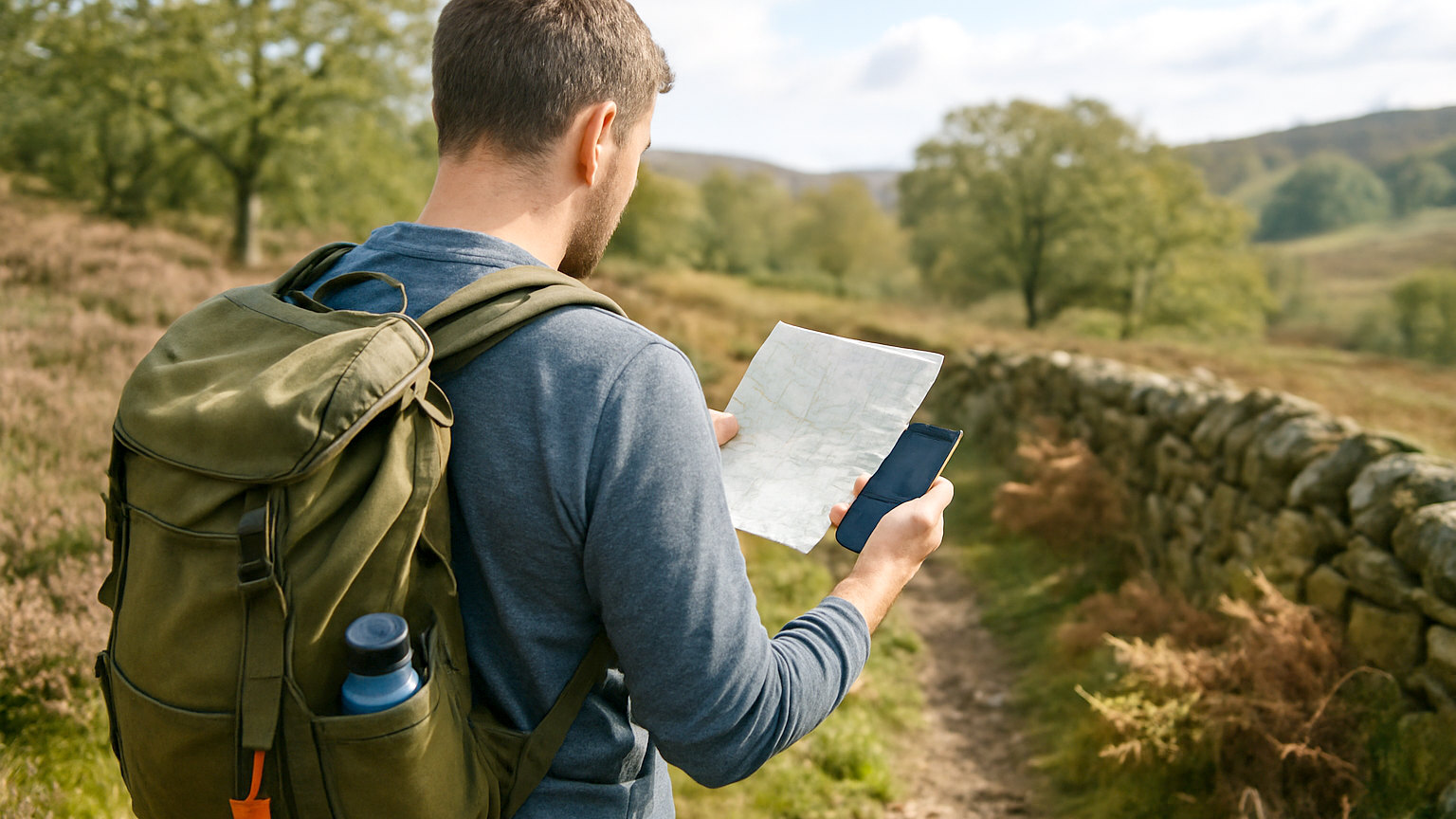
Add distance, then ascent, then remoteness, then conditions. Increasing everything at once is how people find themselves somewhere they cannot manage.
Tell someone, choose conservatively, and accept that there is nobody to help. Solo walking is entirely reasonable with a wider margin.