What Should You Do If Someone Breaks In
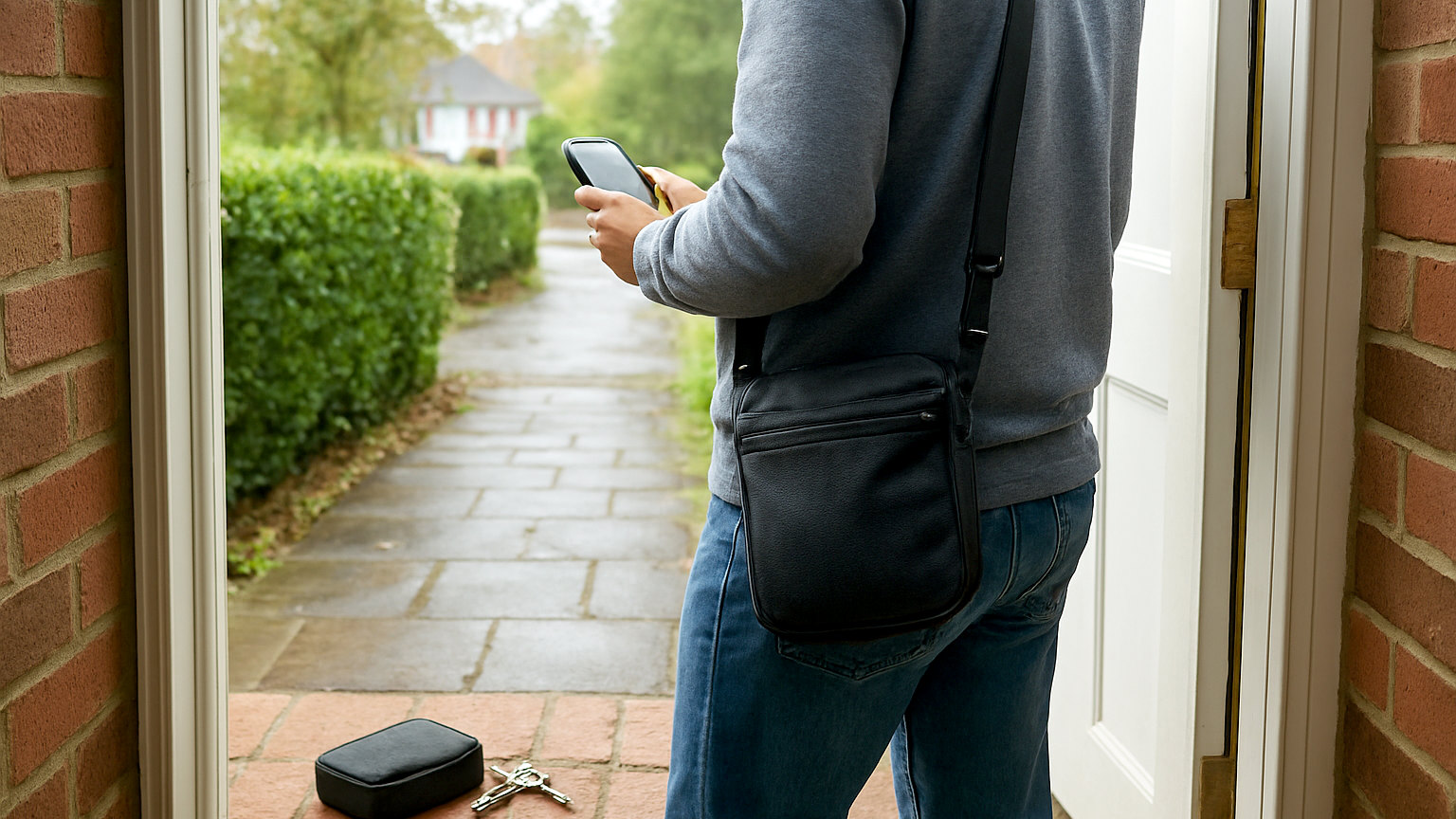
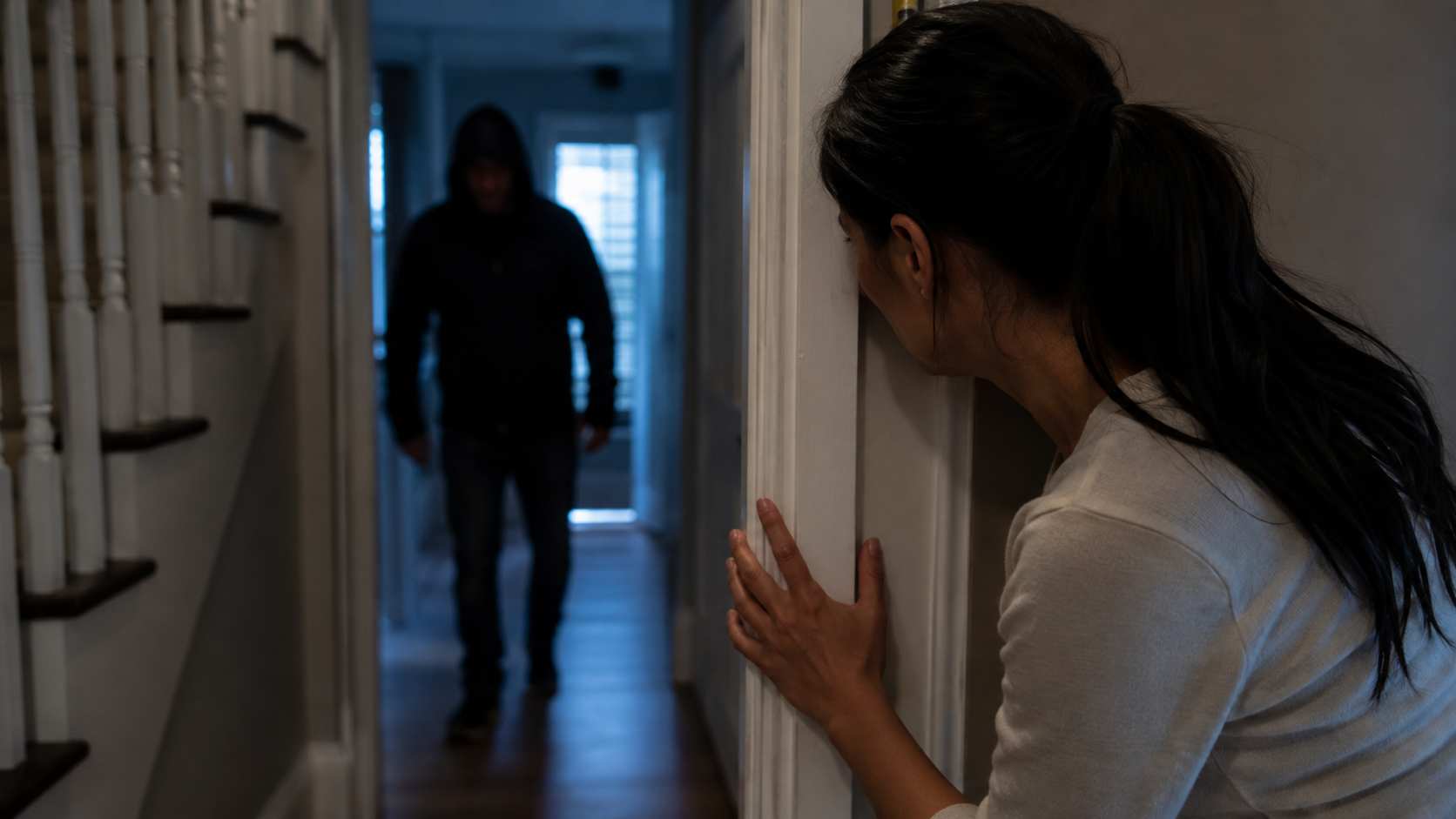
Get to safety, call 999, make noise. Confrontation is the outcome to avoid, and almost every offender wants to leave rather than meet you.
By Survival Basics Team
19 Aug 2026

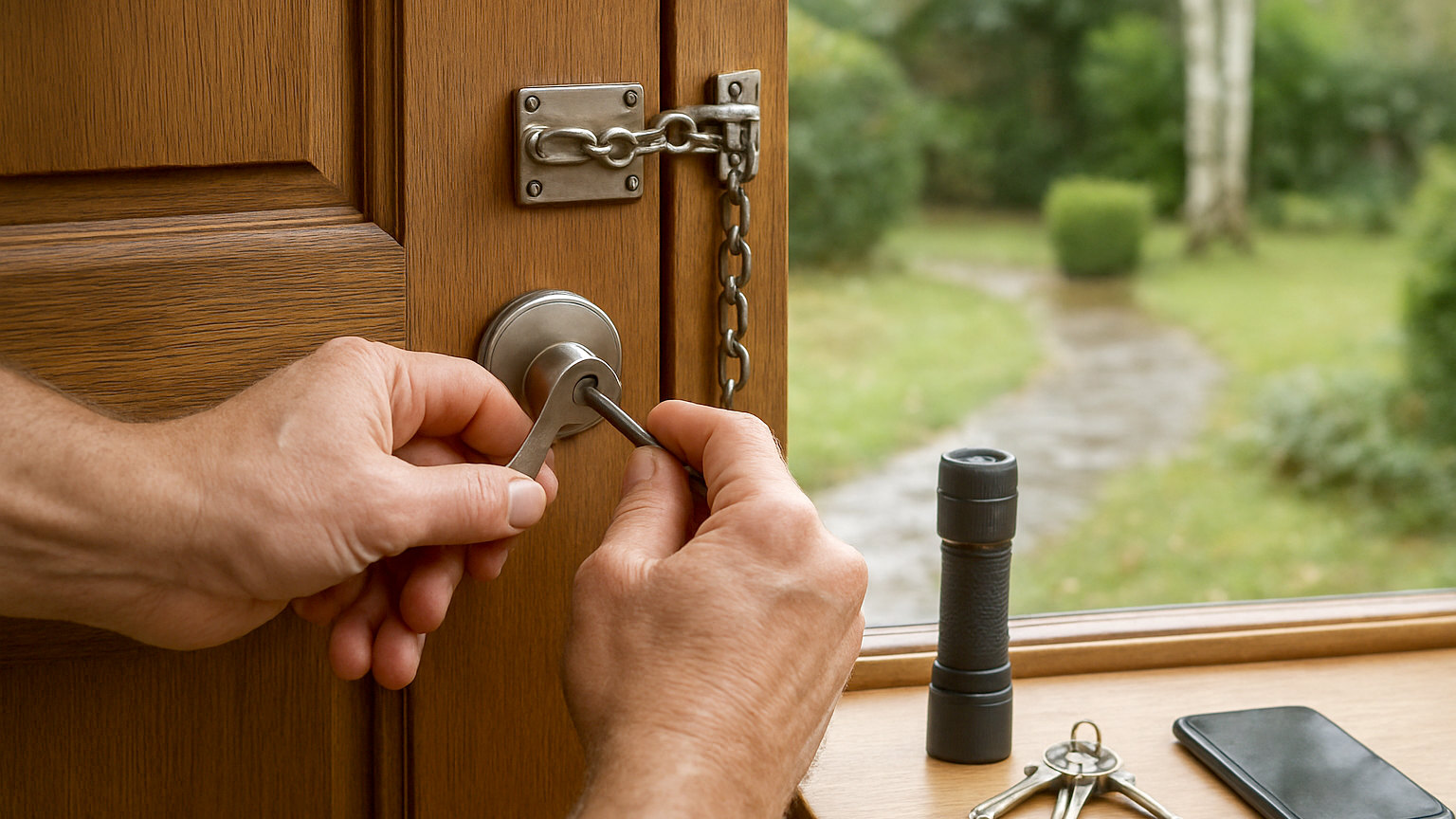
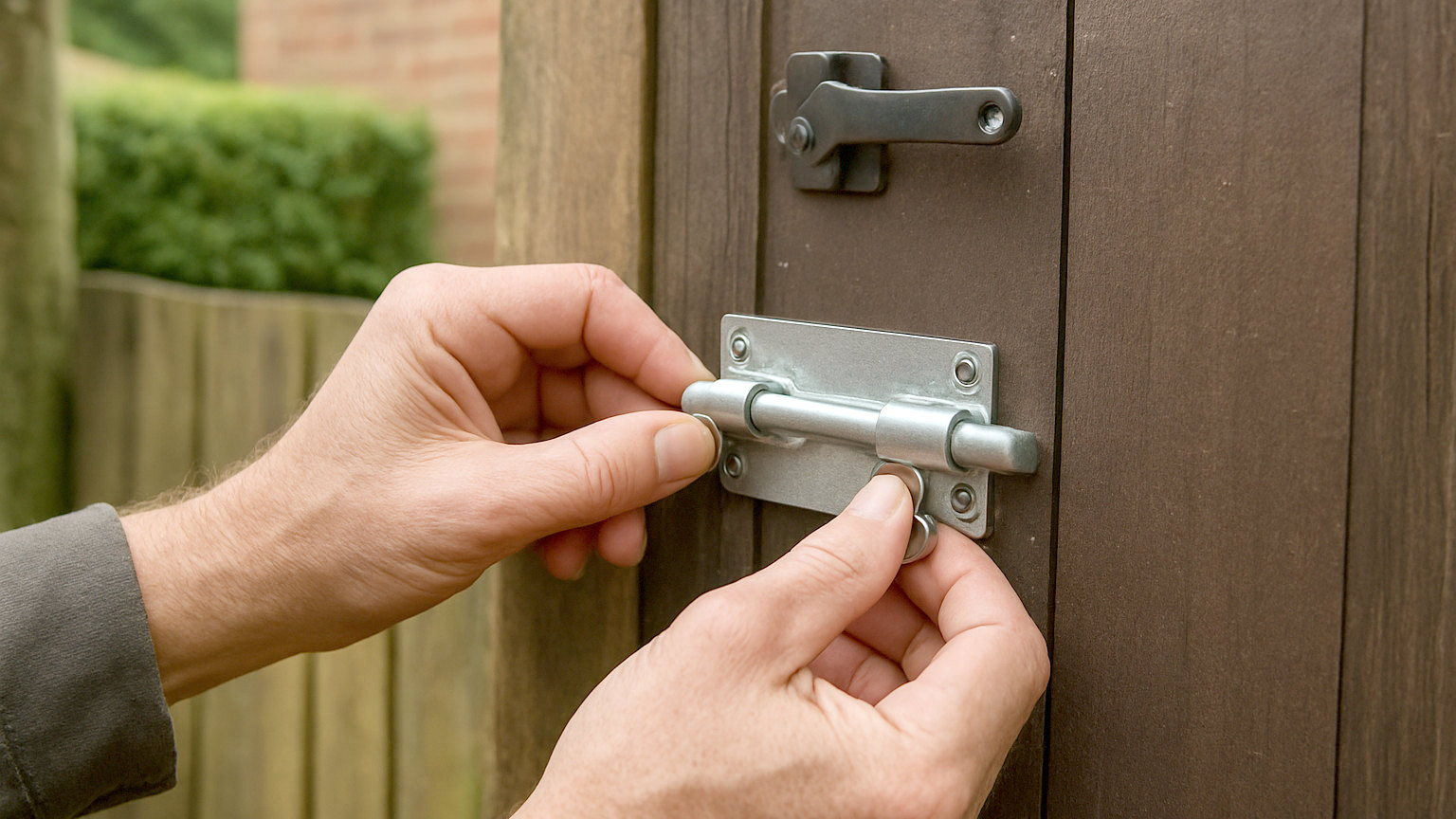
The security that matters day to day is the same security that matters in a crisis: solid locks, decent lighting, knowing your neighbours, and not advertising what you keep in the garage. These guides cover practical hardening of an ordinary house, and the point at which security theatre stops being worth the money.
Get to safety, call 999, make noise. Confrontation is the outcome to avoid, and almost every offender wants to leave rather than meet you.
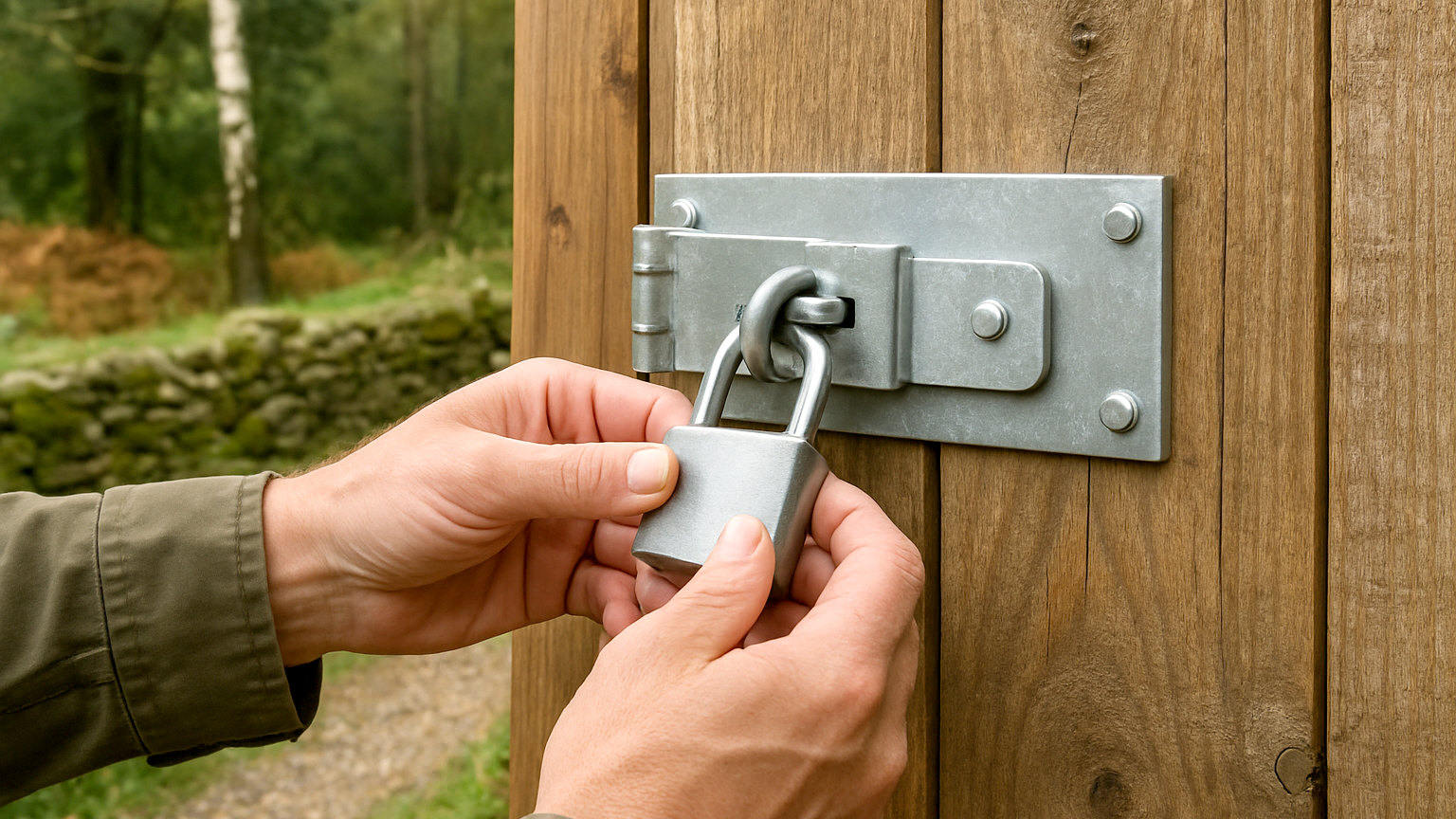
Frequently the weakest point on a property and often the first target, both for what they contain and for the tools that then open the house.
Speed, cover and signs of absence. The decision is usually made in seconds from the pavement, and most of the factors are ones you control.
Do not tidy up. Preserving the scene, getting a crime reference and managing the insurance claim all matter, and so does the effect on the people involved.
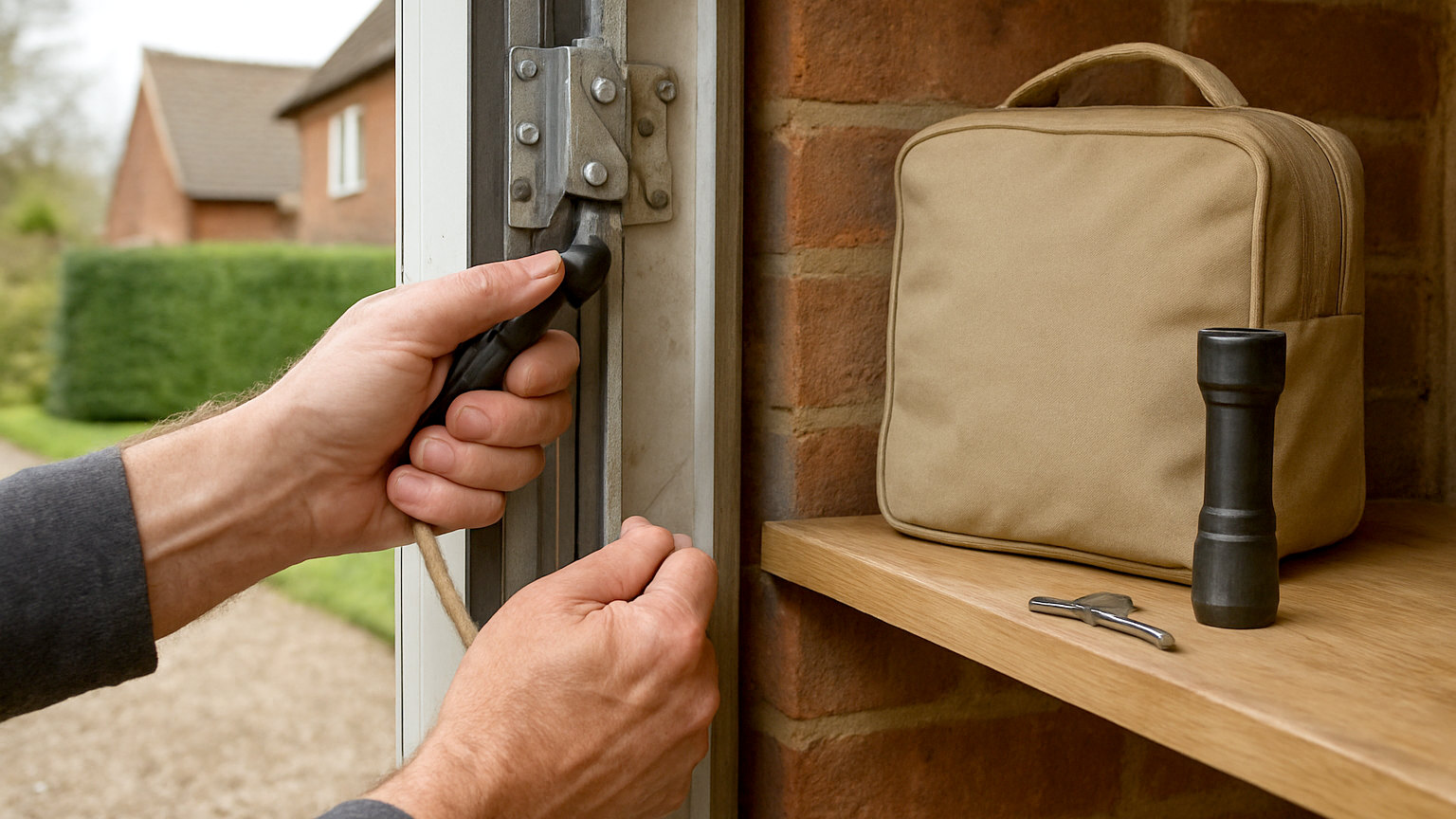
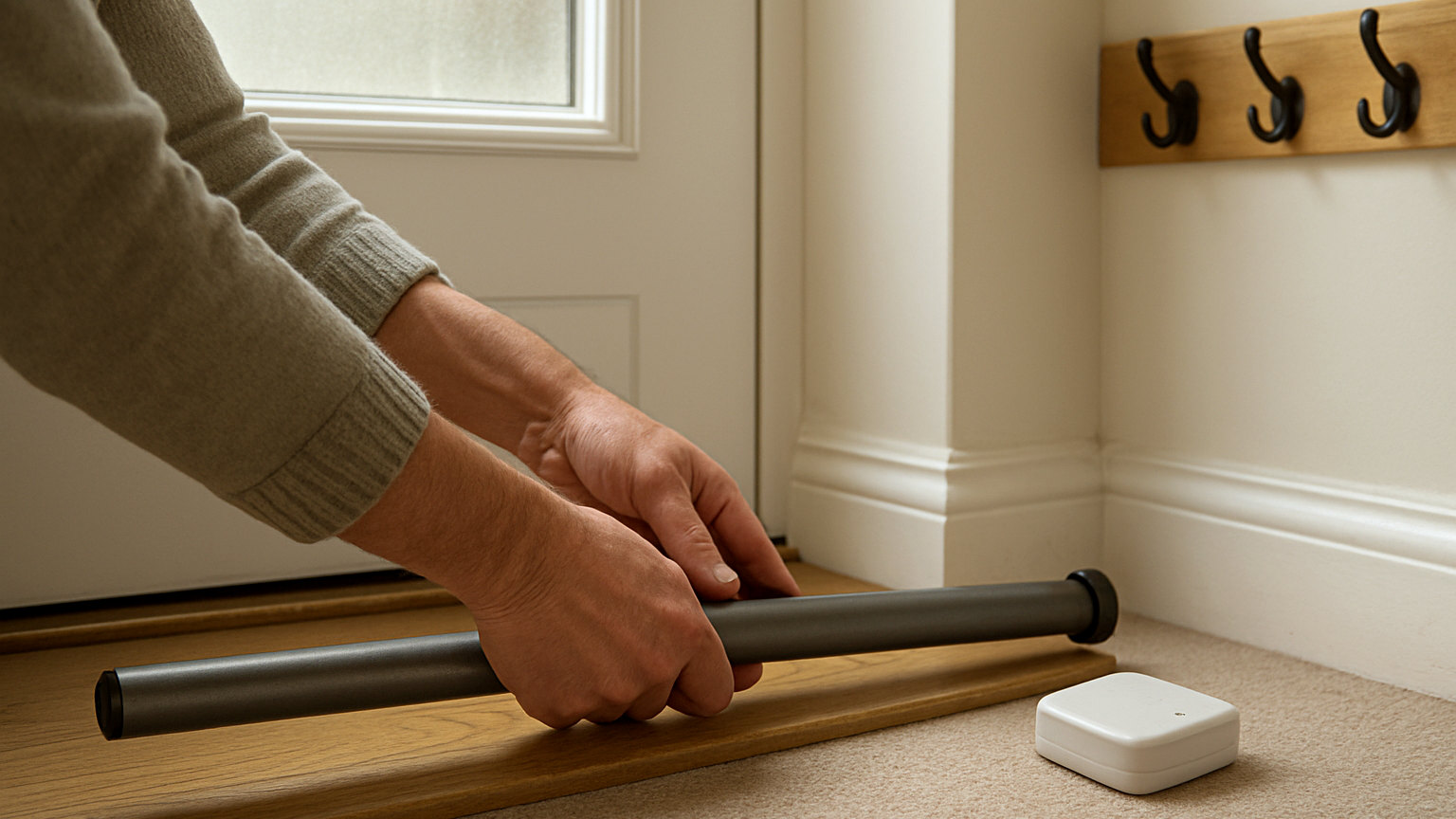
Electric gates, garage doors and alarms all behave differently without power. Knowing the manual releases beforehand avoids being locked in or out.
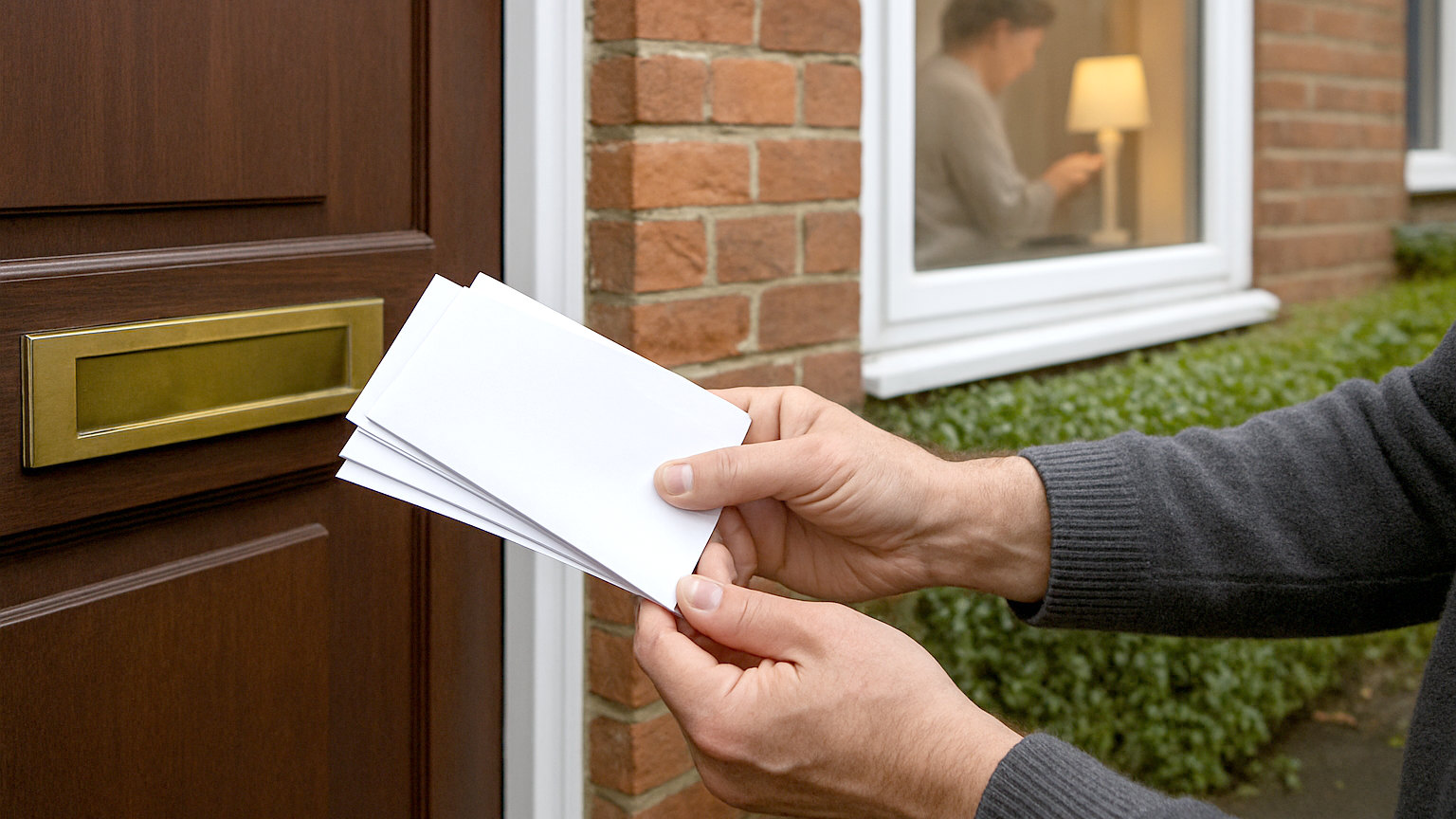
Timers, varied lighting and a neighbour who collects the post. Signs of absence are what most offenders are actually looking for.
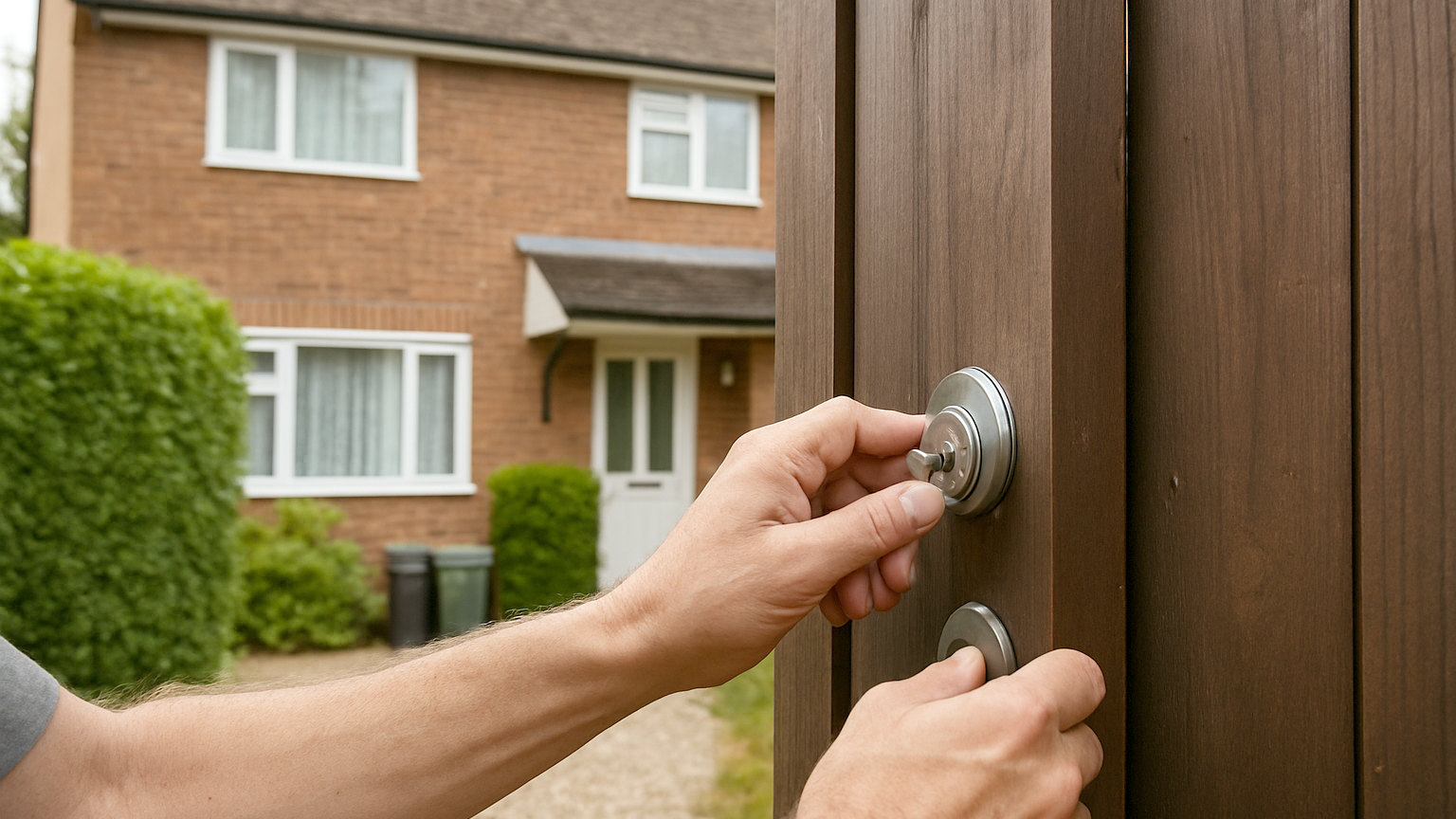
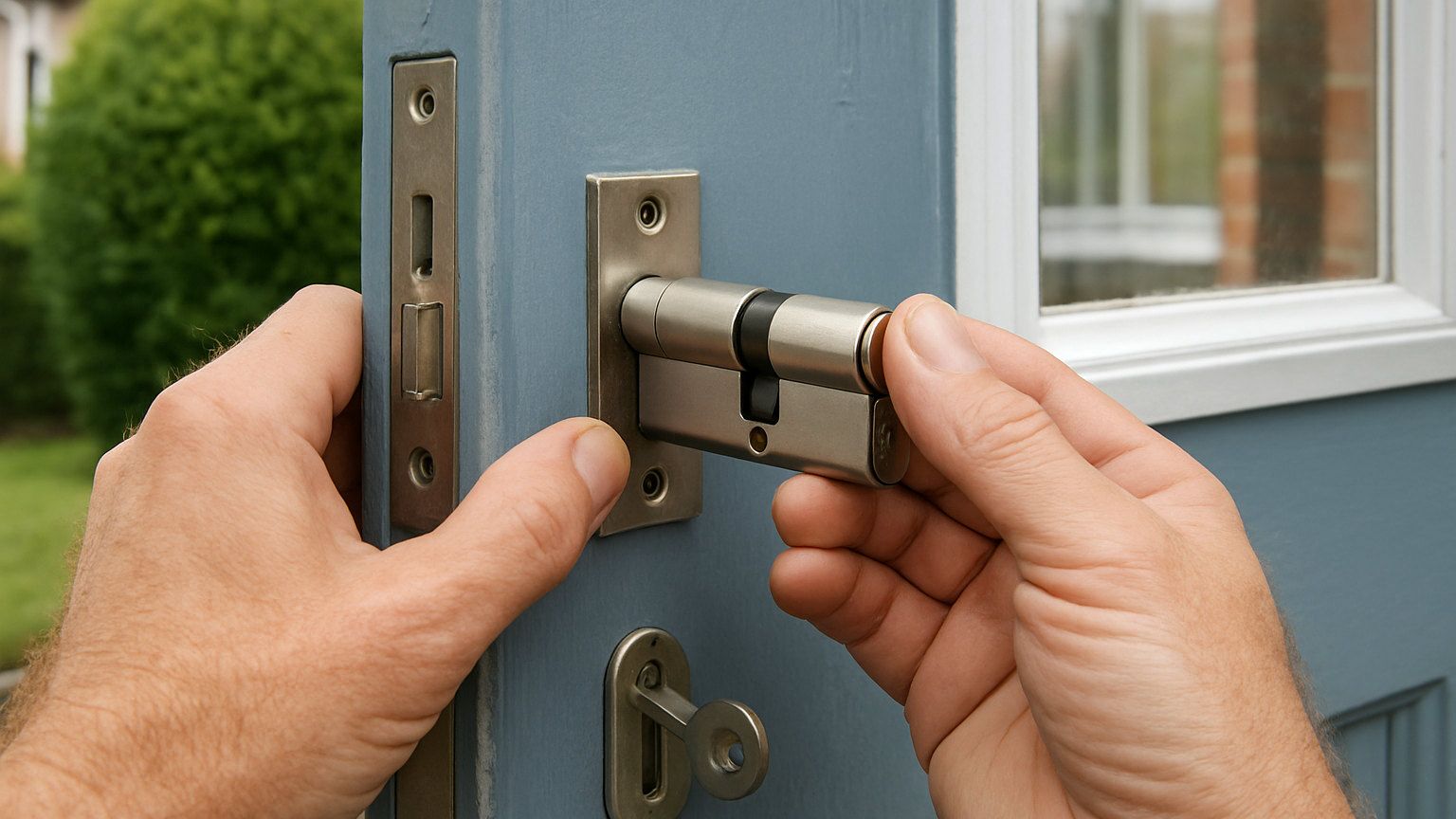
British Standard mortice locks, three star anti snap cylinders and key operated window locks. The standards matter, and insurers frequently require them.
Most improvements need landlord consent, and several effective ones do not. Knowing which is which lets tenants improve security without breaching a tenancy.
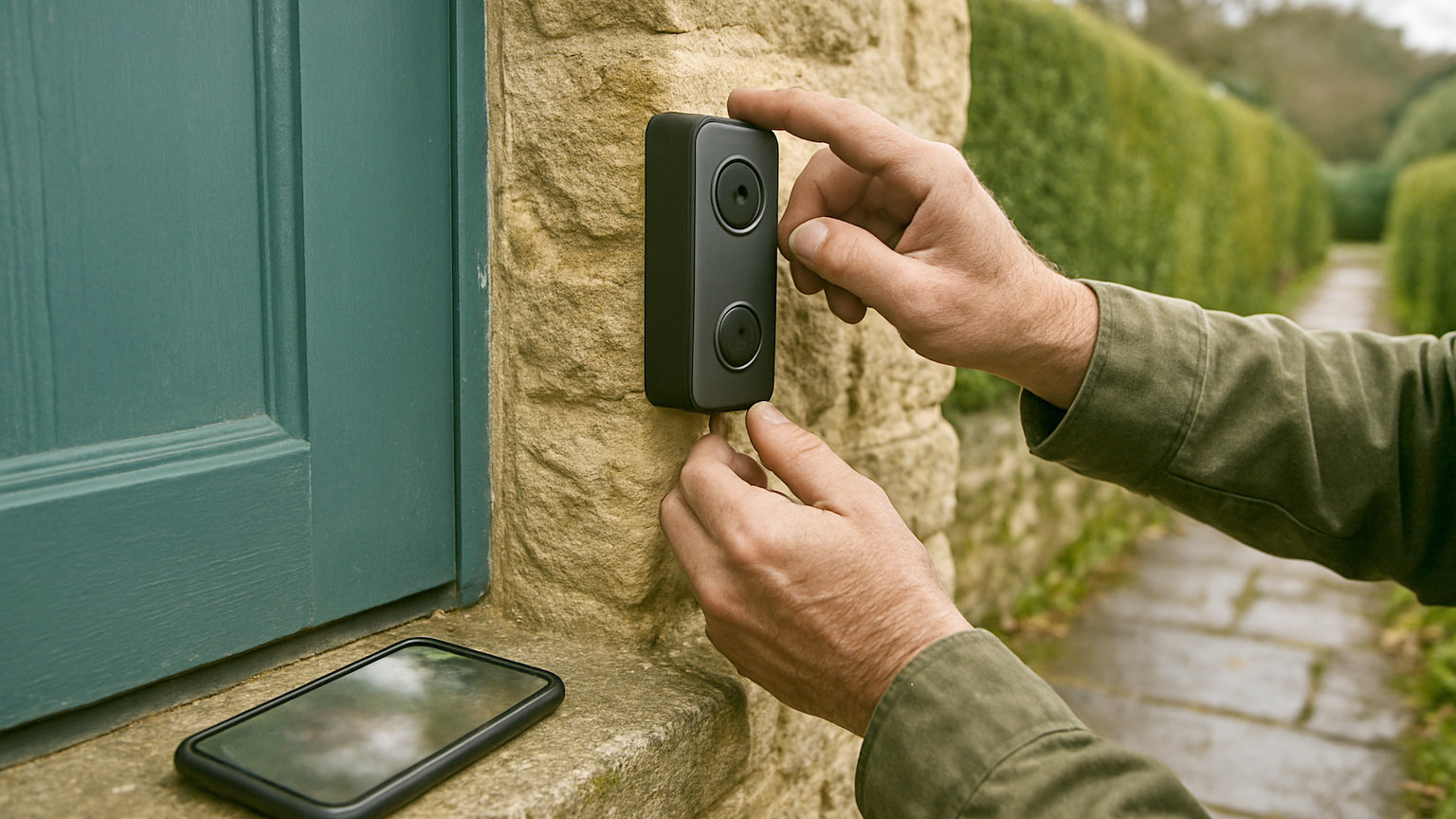
Useful for deterrence and evidence, and they carry a data protection obligation most owners do not realise they have taken on.
Reasonable force is permitted, householders are judged against a higher threshold than elsewhere, and keeping a weapon for defence is a separate offence.
Most burglaries are opportunistic and a large share involve no forced entry at all. Fixing the obvious weaknesses matters more than buying anything clever.
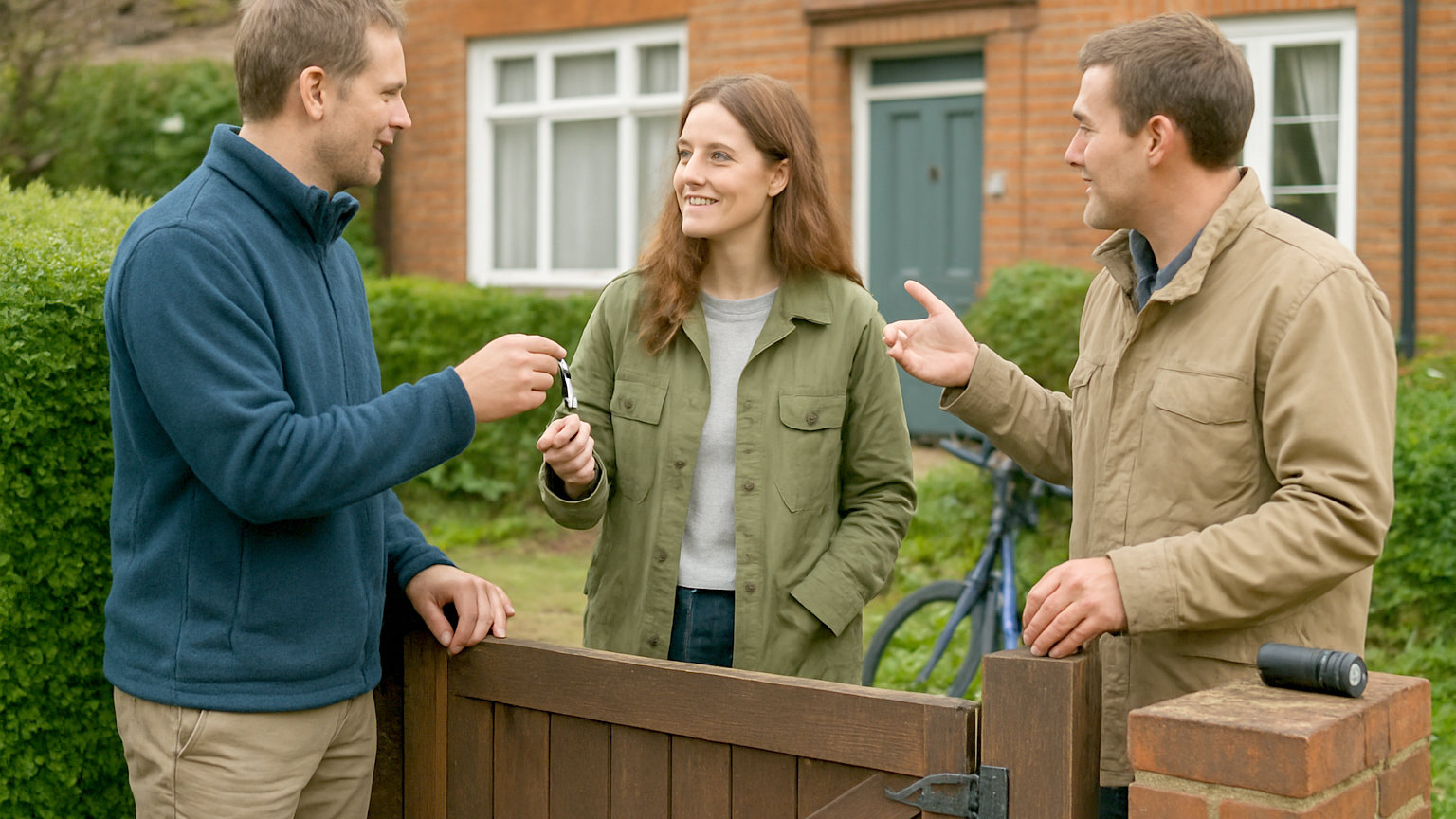
Cameras record and neighbours intervene. A street where people know each other is measurably safer than one with more hardware and less contact.