How Do You Plan a Walk Properly
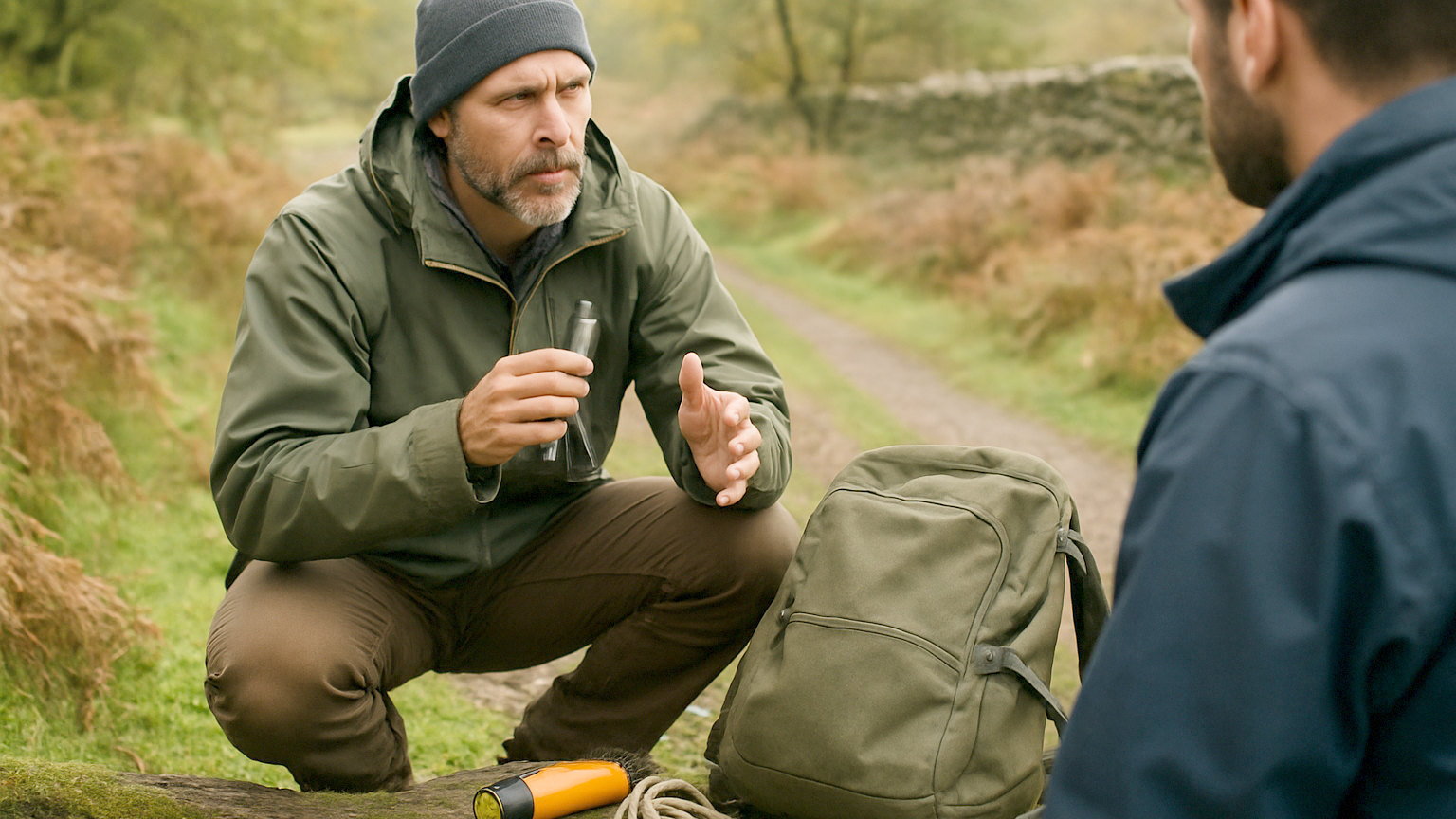
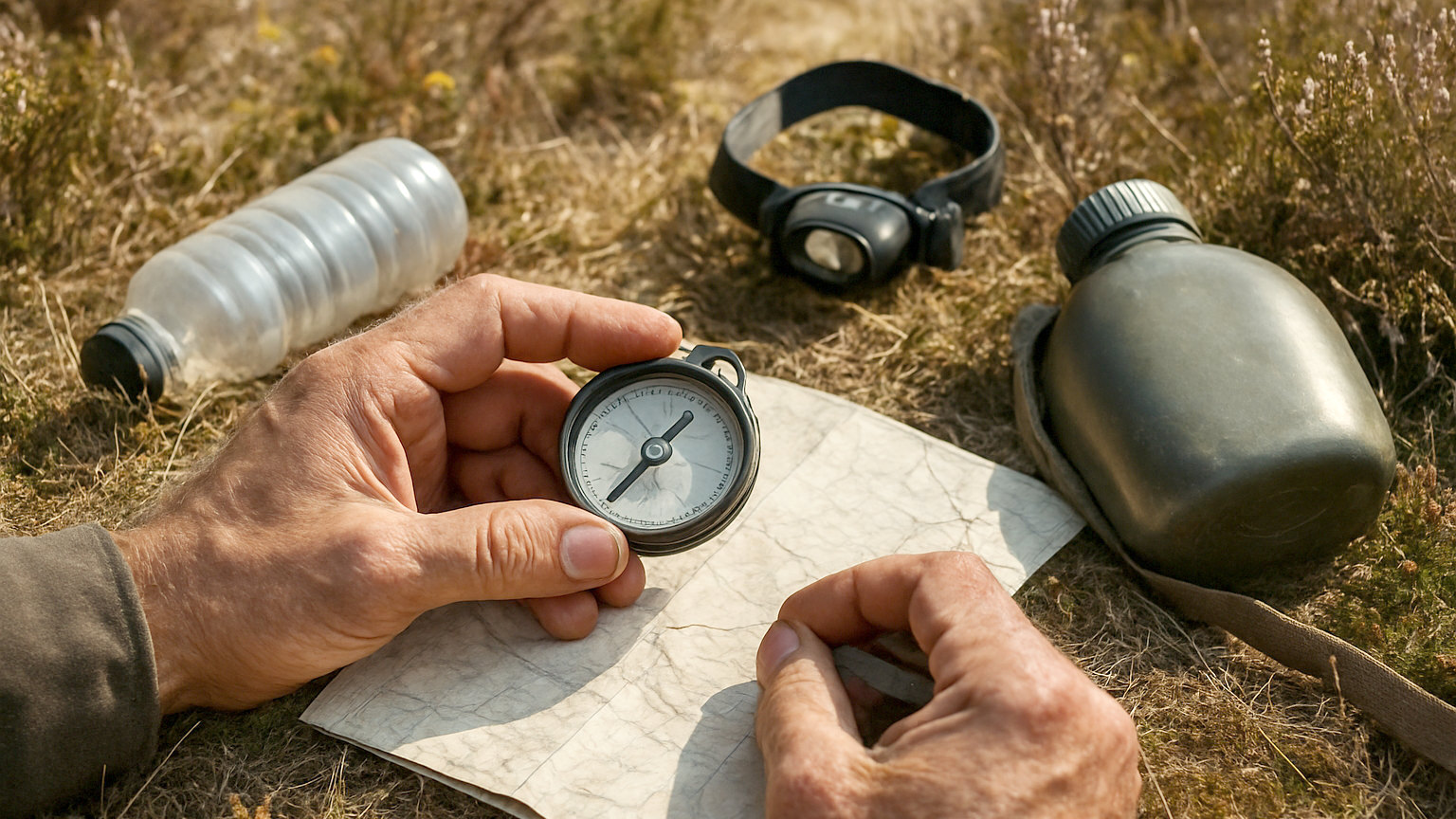
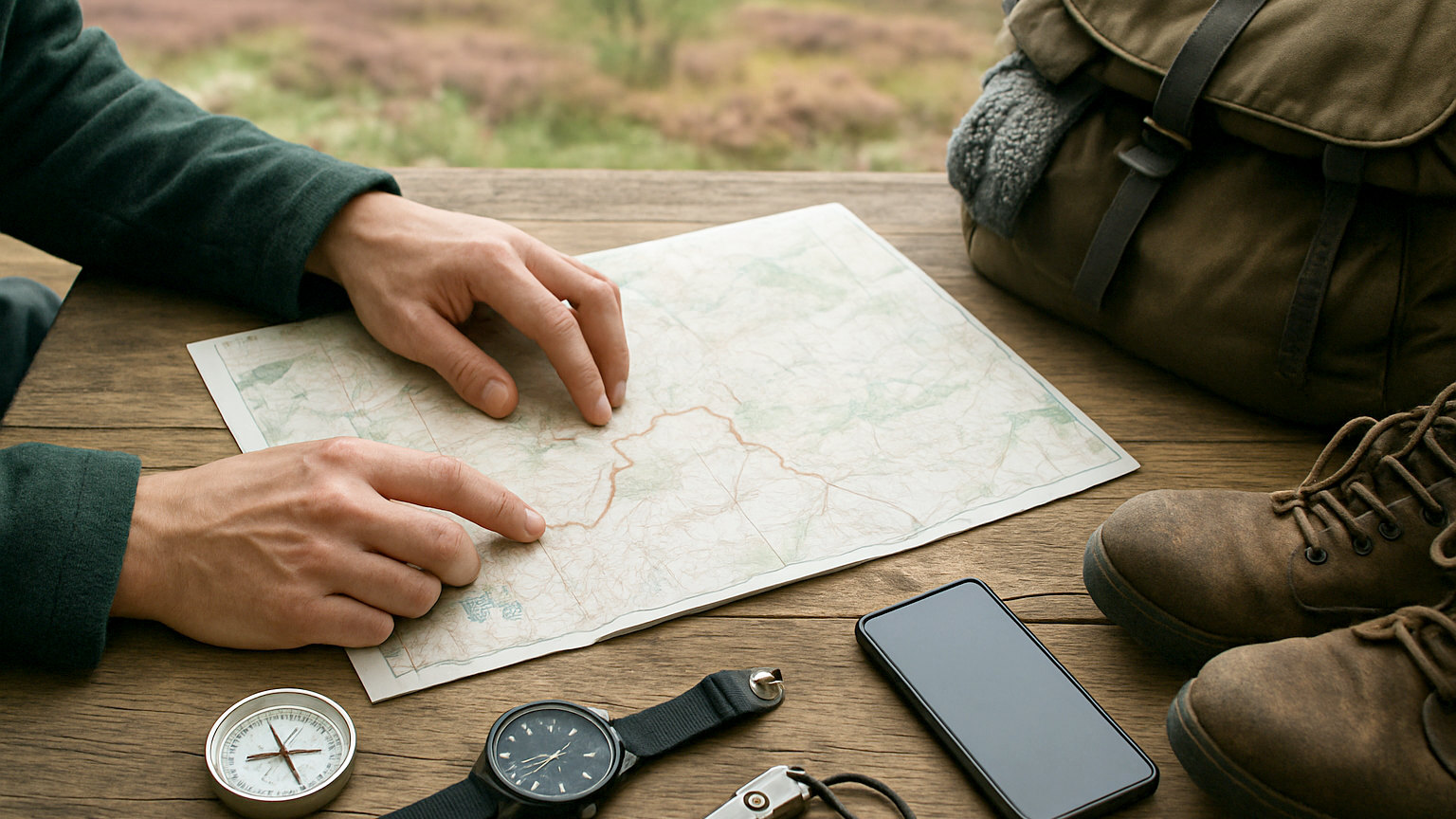
Route, timing, escape options and the least capable person in the party. Twenty minutes at a table prevents most of what goes wrong on a hillside.
By Survival Basics Team
19 Jul 2026

Almost nobody sets out intending to survive anything. The situations covered here begin as a day walk that ran late, a kayak that got separated from its group, a campsite chosen badly in fine weather that turned. These guides cover the skills and judgement that keep an ordinary outdoor day from becoming a callout, across woodland, moor, mountain, coast and open water, plus the extremes of cold and heat you are most likely to meet abroad.
Route, timing, escape options and the least capable person in the party. Twenty minutes at a table prevents most of what goes wrong on a hillside.
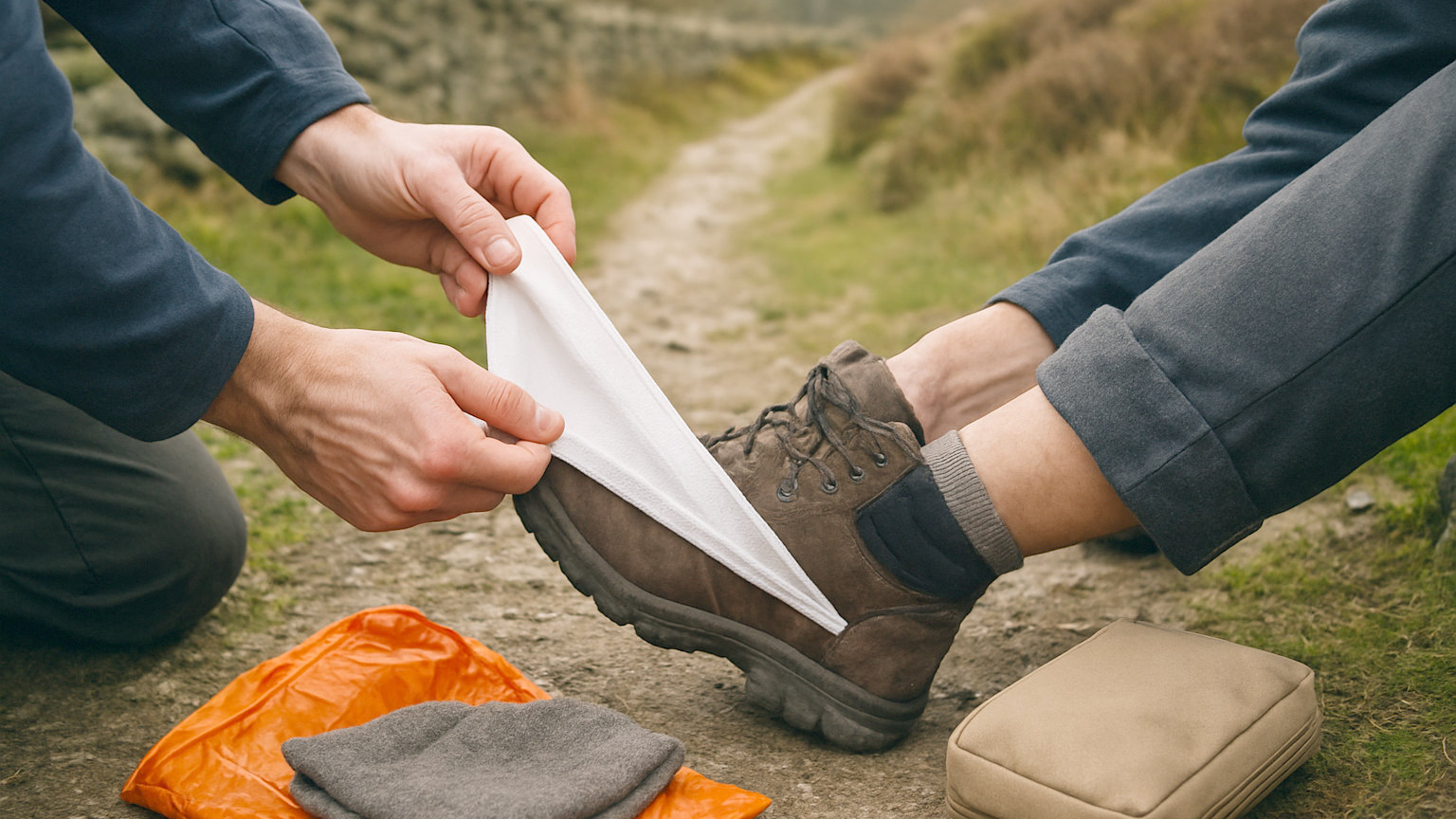
Stop, treat, insulate and call. Moving an injured person over rough ground causes further harm and is far slower than a rescue team.
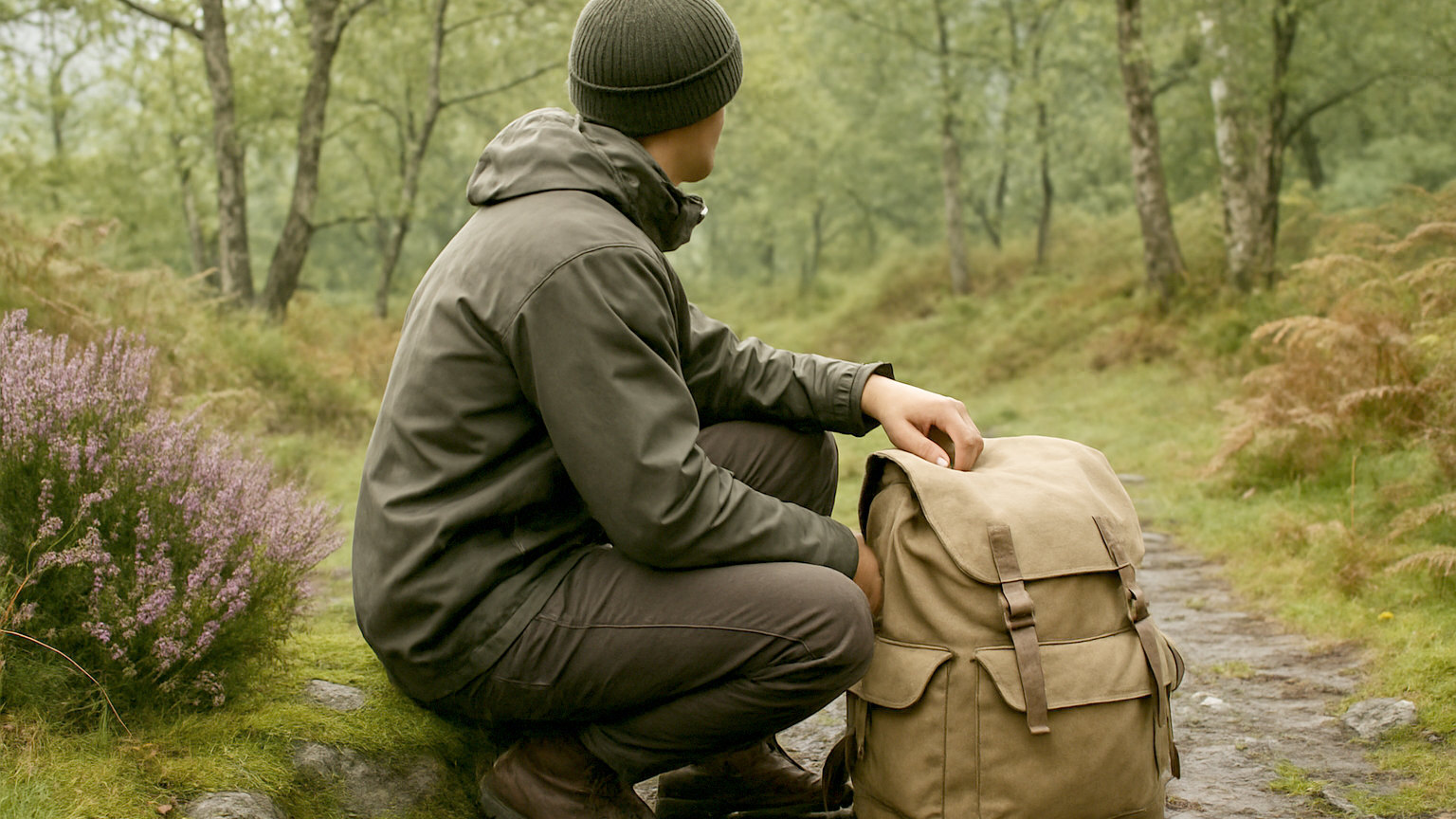
Stop moving. The instinct to press on or hurry is what turns a manageable problem into a serious one, and it takes deliberate effort to override.
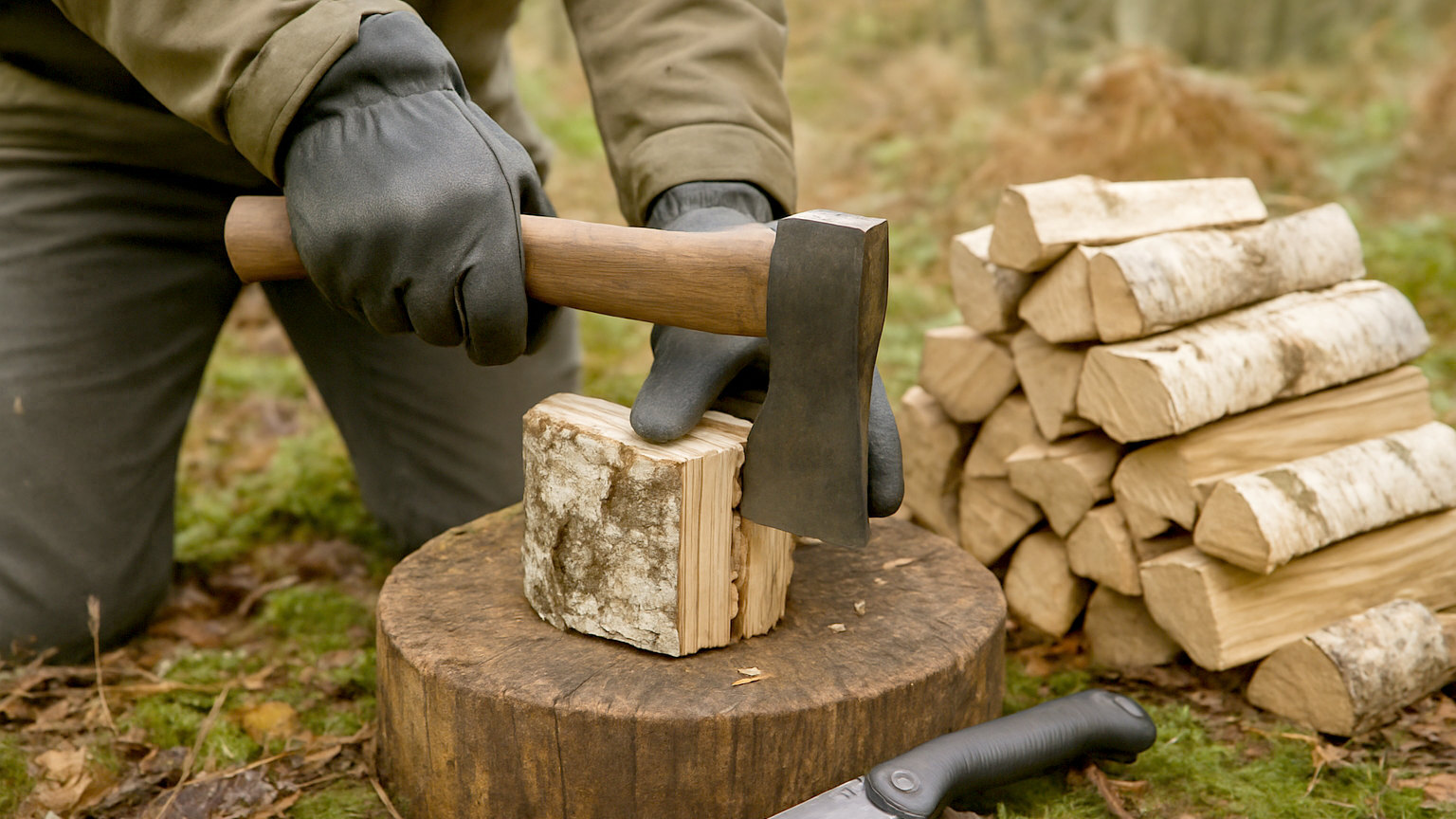
Standing dead wood off the ground, sawn to length and split down. Most of the effort in a good fire happens before anything is lit.
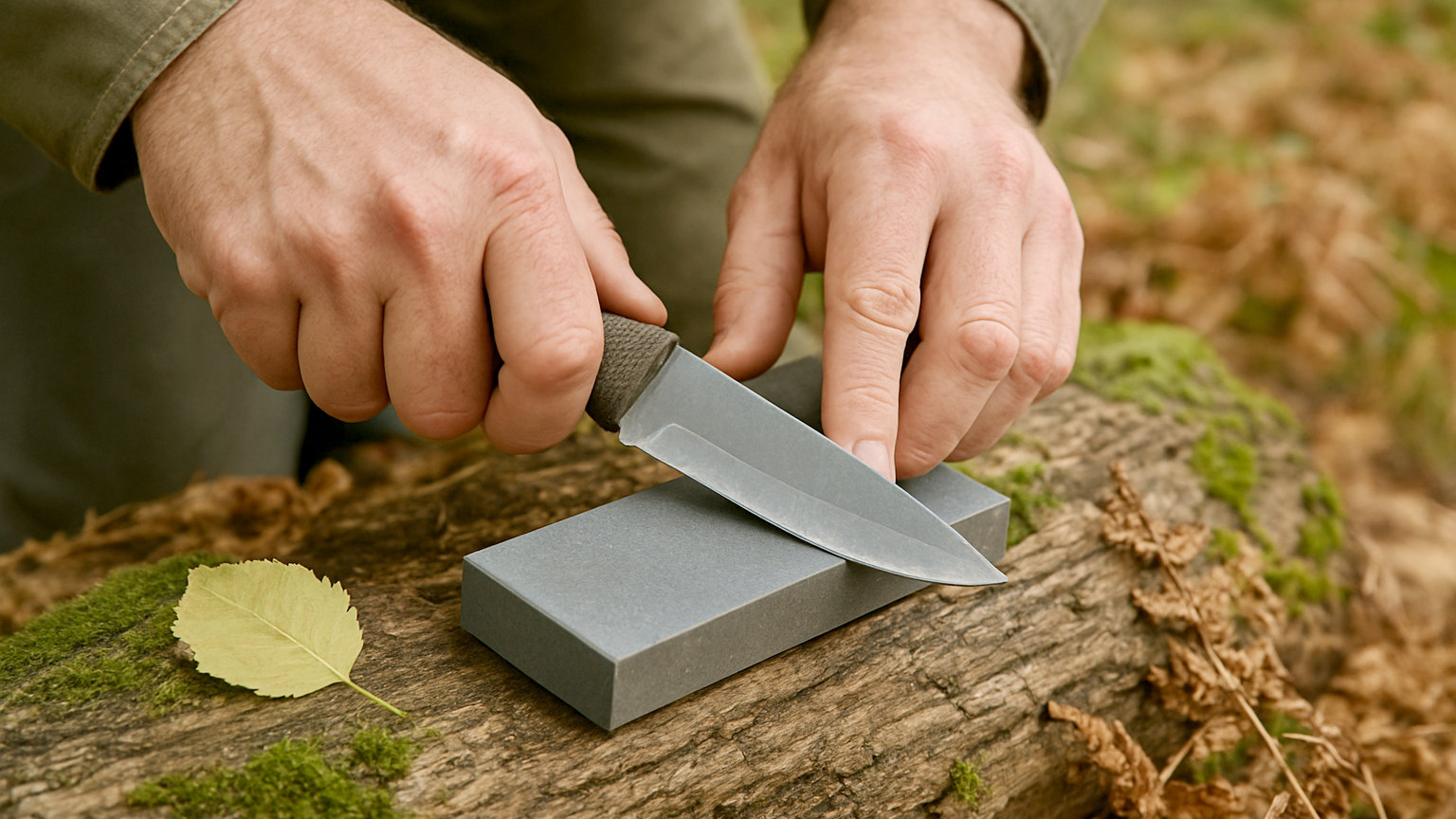
Maintain a consistent angle, raise a burr along the whole edge, then remove it. Everything else in sharpening is refinement of those three steps.
Rules they can actually use, taught calmly. Stranger danger has largely been replaced by teaching children to recognise what is being asked of them.
It saves an enormous amount of water and introduces navigation difficulty and other hazards. It is a deliberate choice rather than a default.
Potentially a litre an hour during exertion, which is far beyond what most people carry. Rationing water while you still have some is the classic fatal error.
Wind against tide makes a modest forecast dangerous. Sea state depends on more than wind speed, and small craft feel the difference sharply.
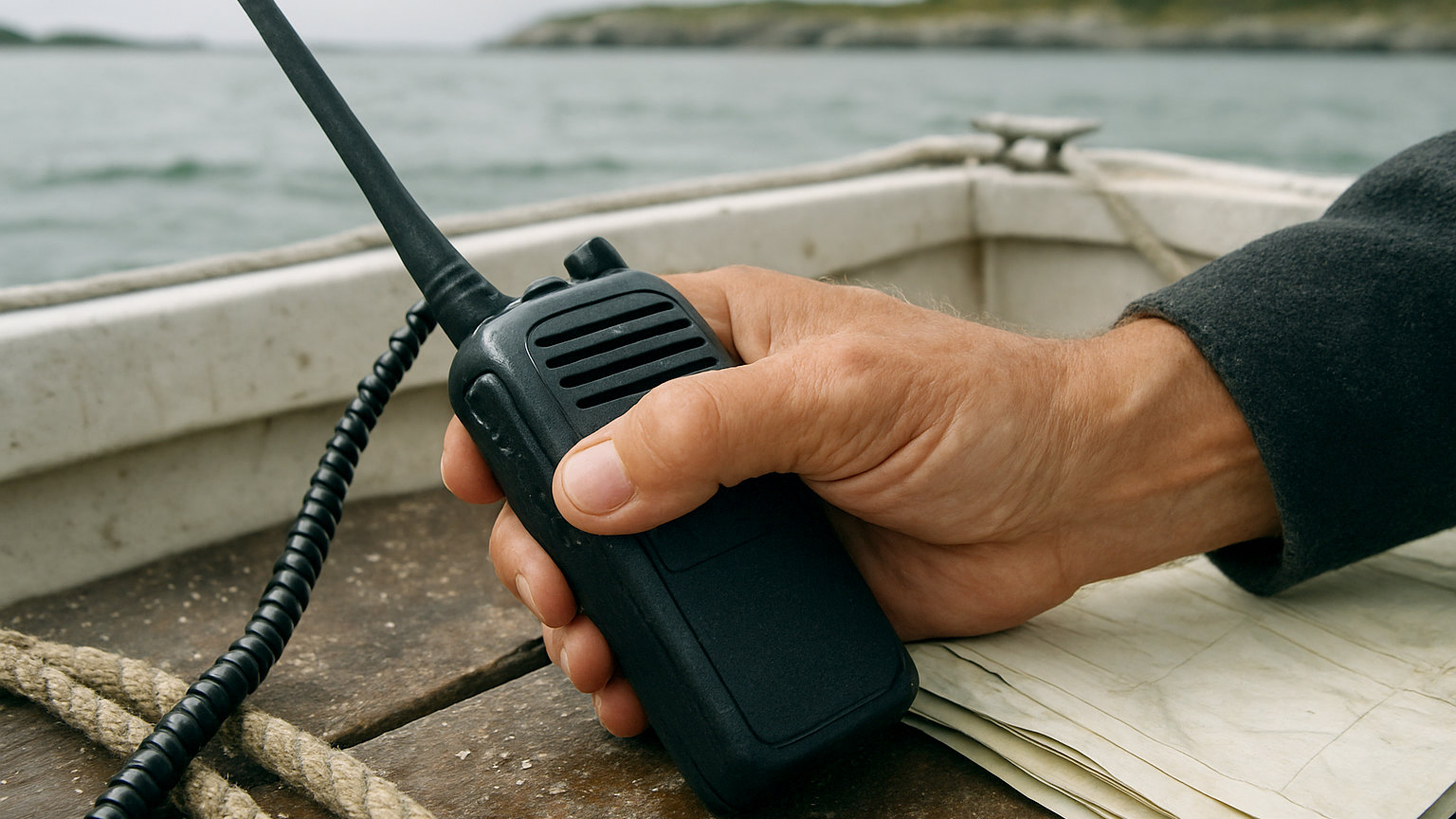
VHF channel 16 and the red DSC button. A radio reaches the coastguard and other vessels simultaneously, which a mobile phone does not.
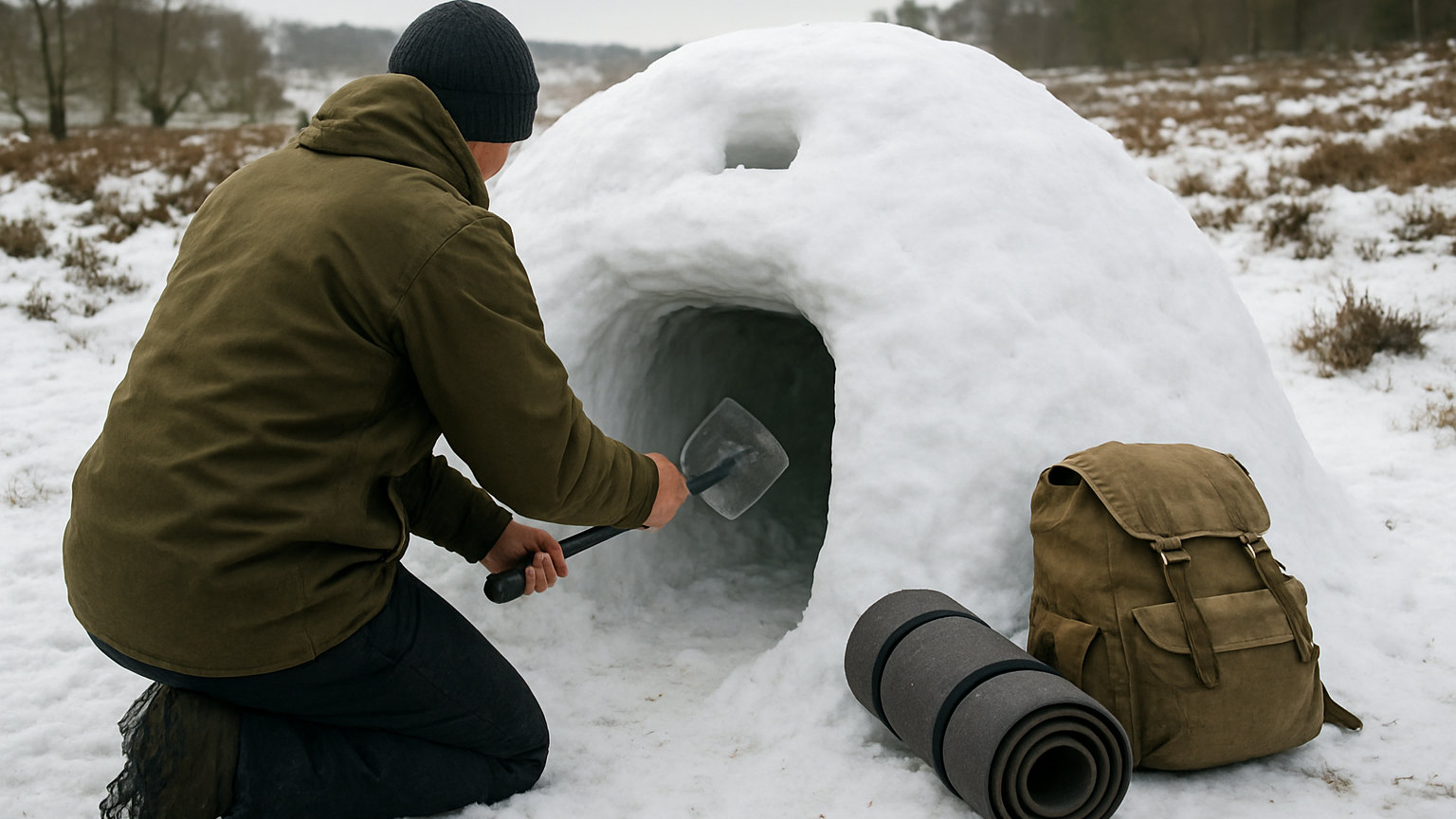
Effective, exhausting and easy to get wrong. Digging one soaks you, and a sealed snow hole with a stove inside can kill you.
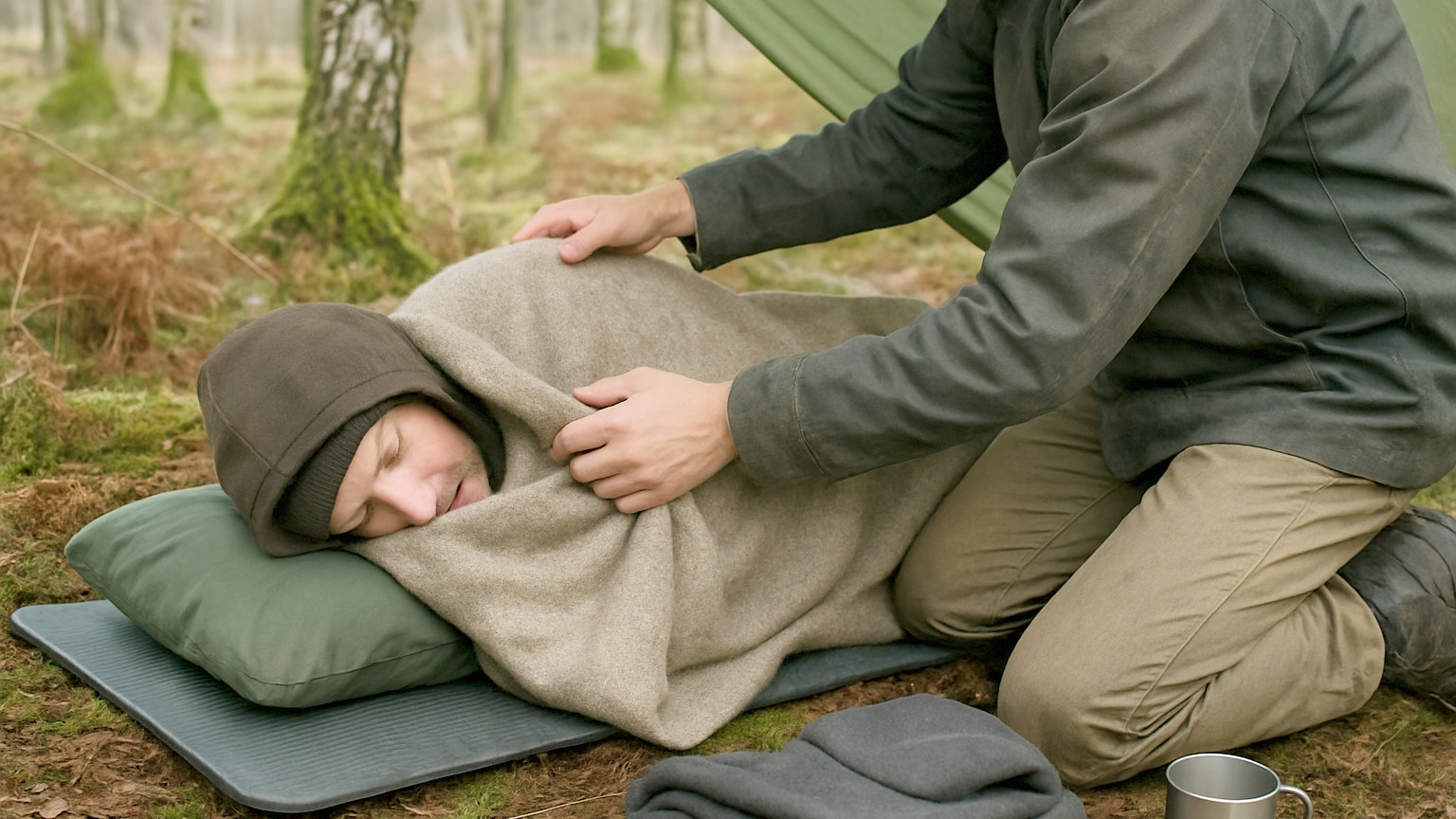
Shelter, insulate, warm gently and handle carefully. Rough handling or rapid rewarming of a seriously cold person can stop the heart.