How Do You Find Water in Arid Country
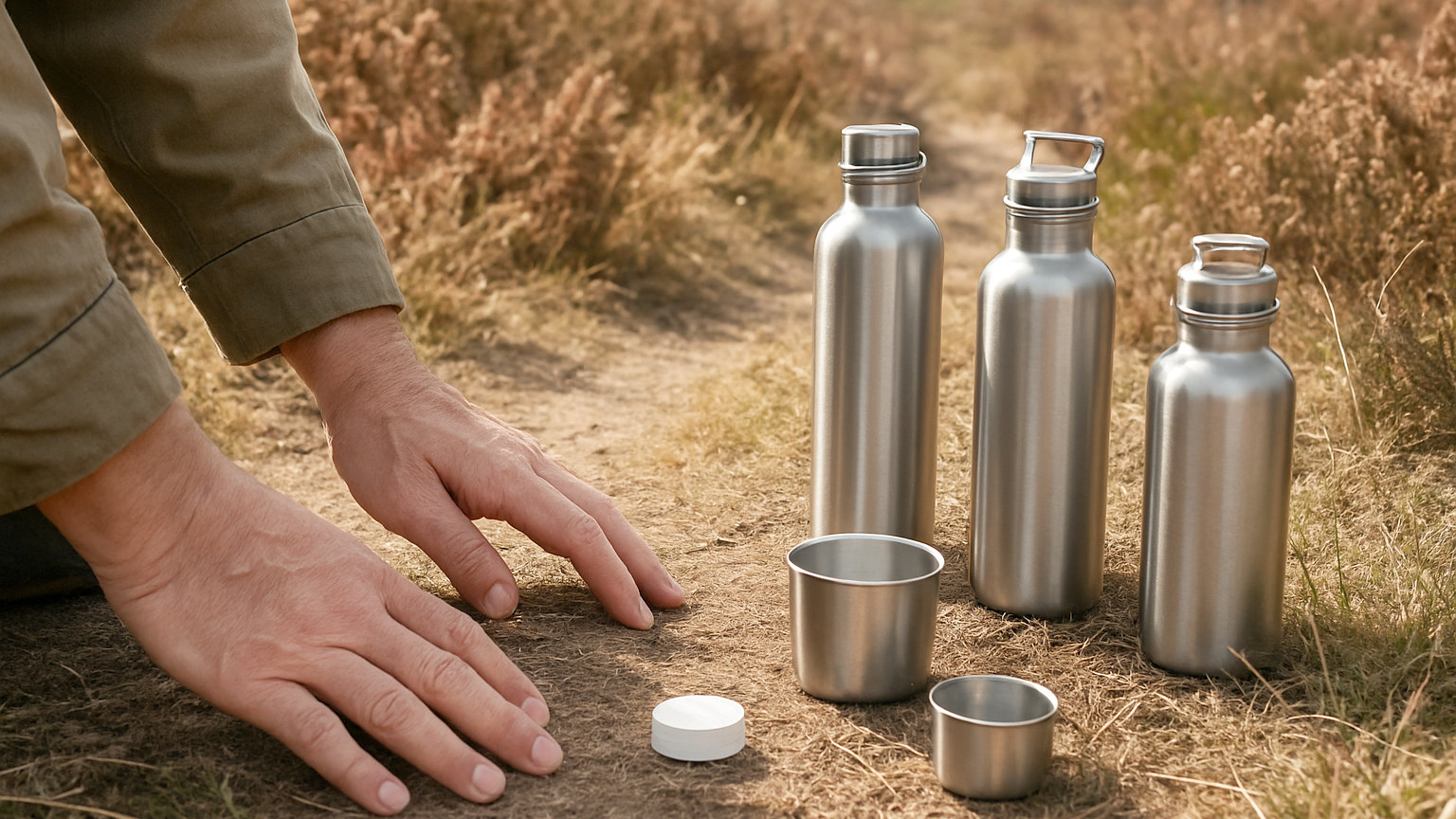
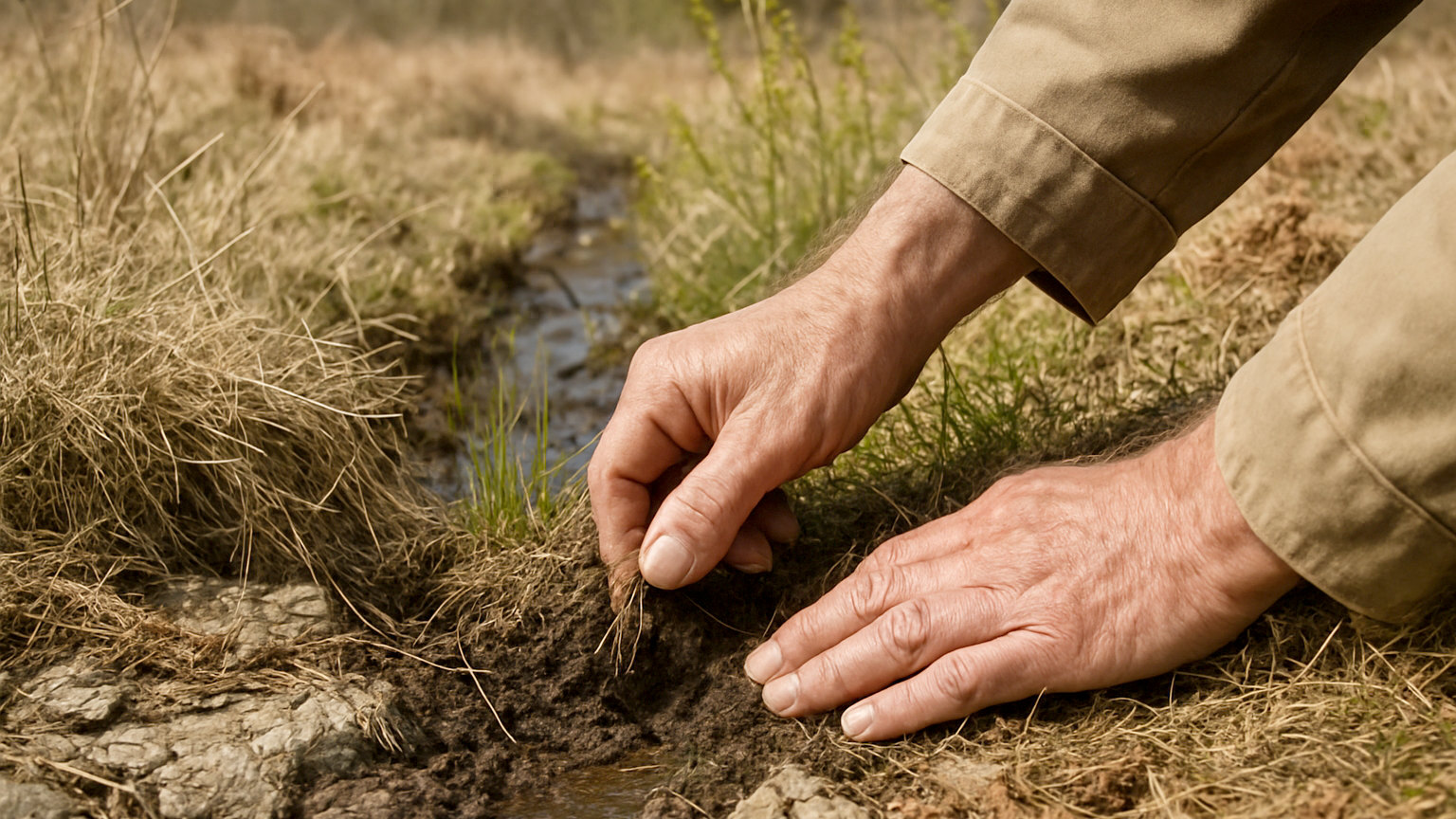
By reading the landscape rather than by improvising devices. Solar stills produce almost nothing, and vegetation and dry watercourses tell you far more.
Almost nobody sets out intending to survive anything. The situations covered here begin as a day walk that ran late, a kayak that got separated from its group, a campsite chosen badly in fine weather that turned. These guides cover the skills and judgement that keep an ordinary outdoor day from becoming a callout, across woodland, moor, mountain, coast and open water, plus the extremes of cold and heat you are most likely to meet abroad.
By reading the landscape rather than by improvising devices. Solar stills produce almost nothing, and vegetation and dry watercourses tell you far more.
Drinking too much plain water while sweating heavily dilutes blood sodium. The symptoms mimic dehydration, so people drink more and make it worse.
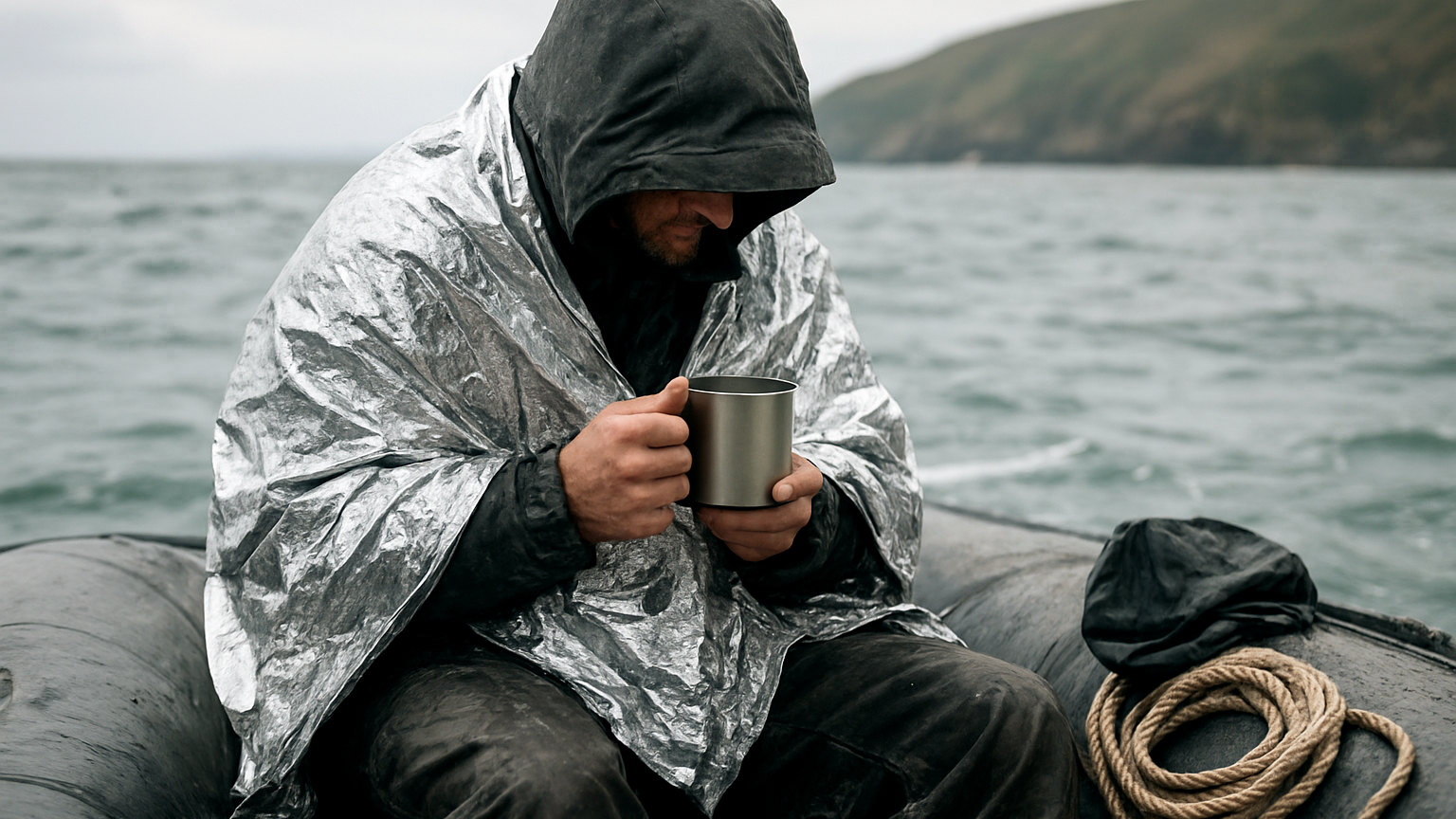
It develops on deck as readily as in the water. Wet, wind and immobility on a small boat produce it in conditions nobody would call cold.
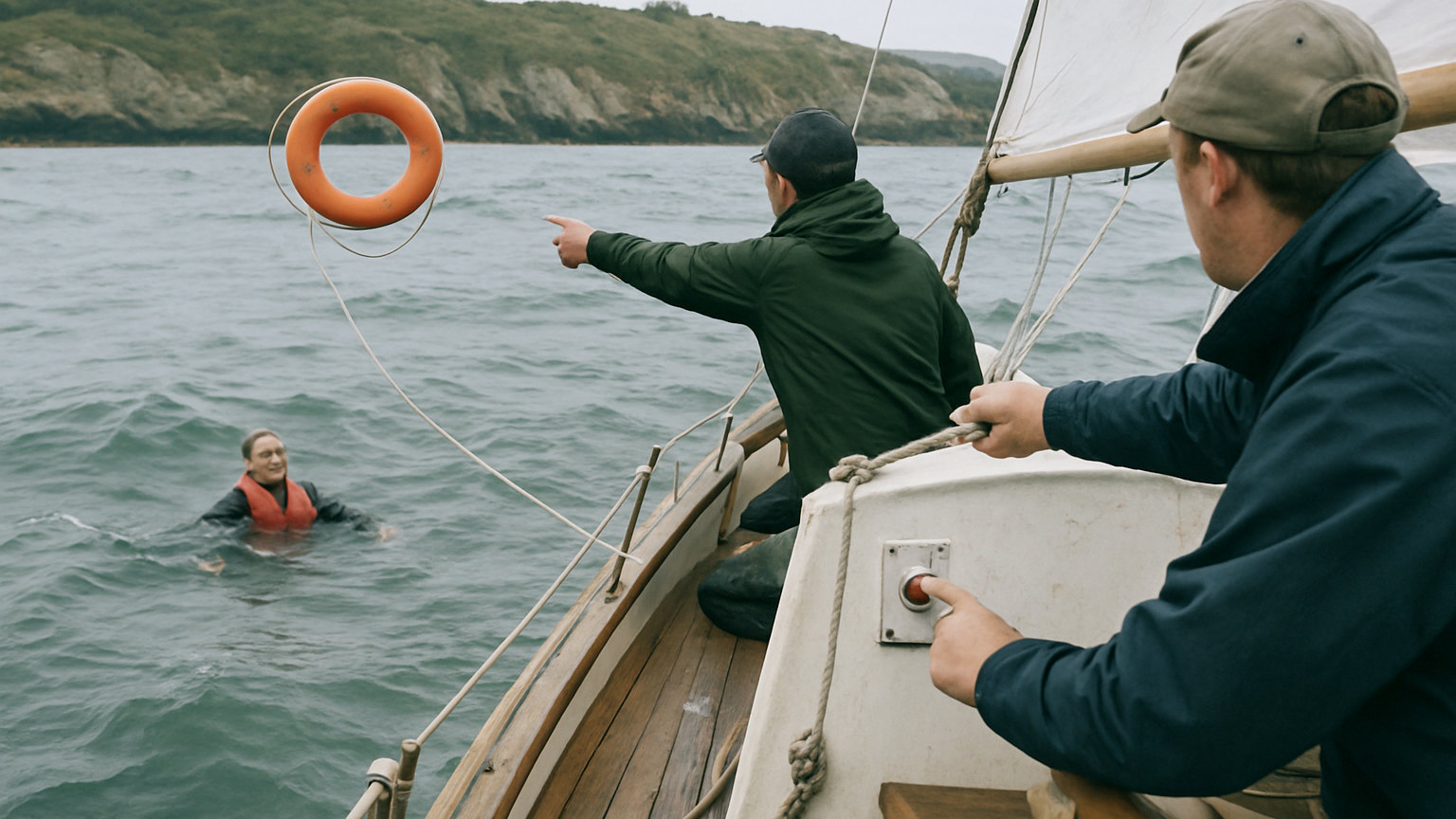
Shout, point, throw, press. Someone keeps their eyes on the casualty and does nothing else, because a head in waves disappears within seconds.
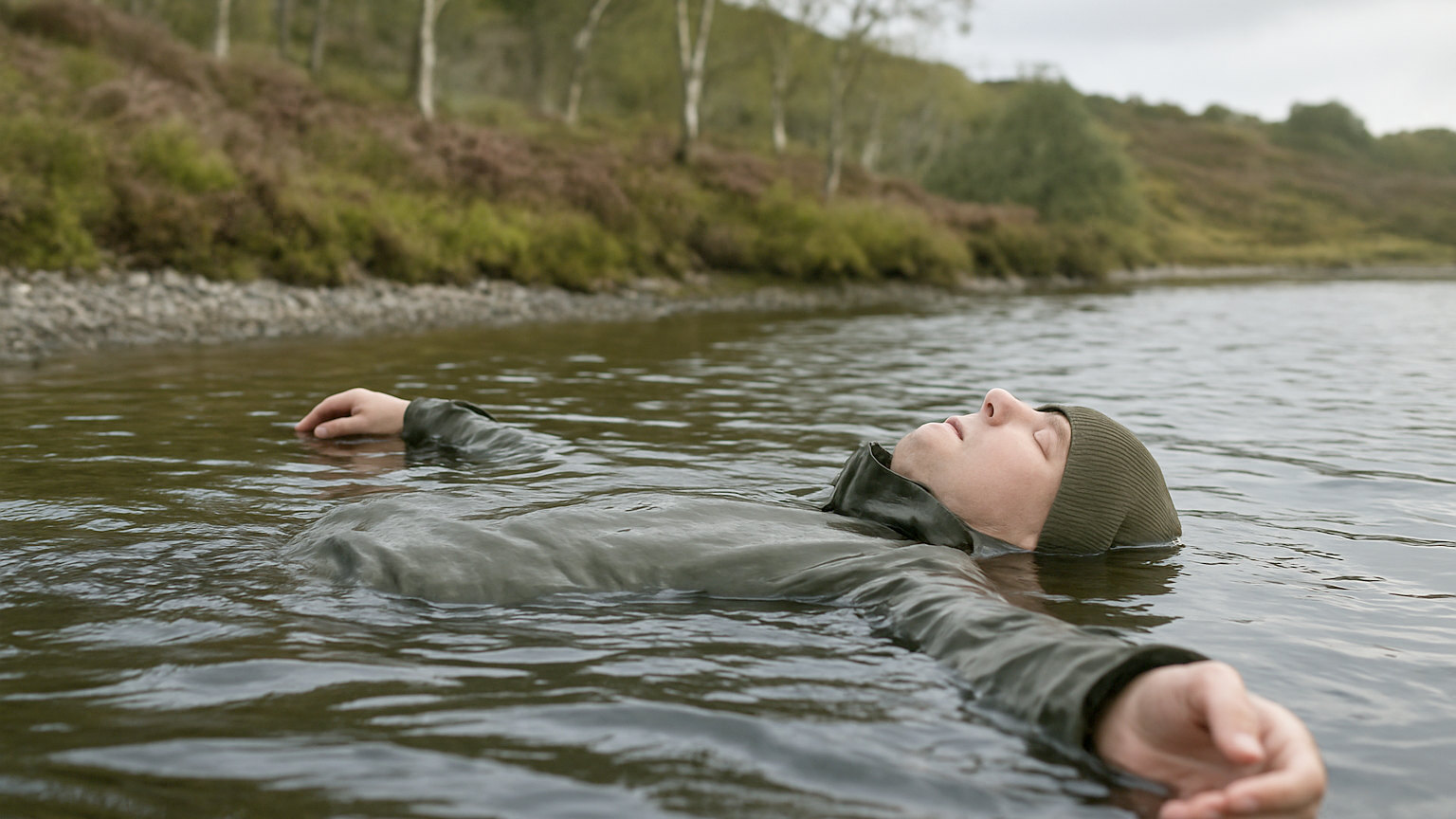
The first minute is the danger, not hypothermia. Cold shock makes you gasp underwater, and floating on your back until it passes is what saves lives.
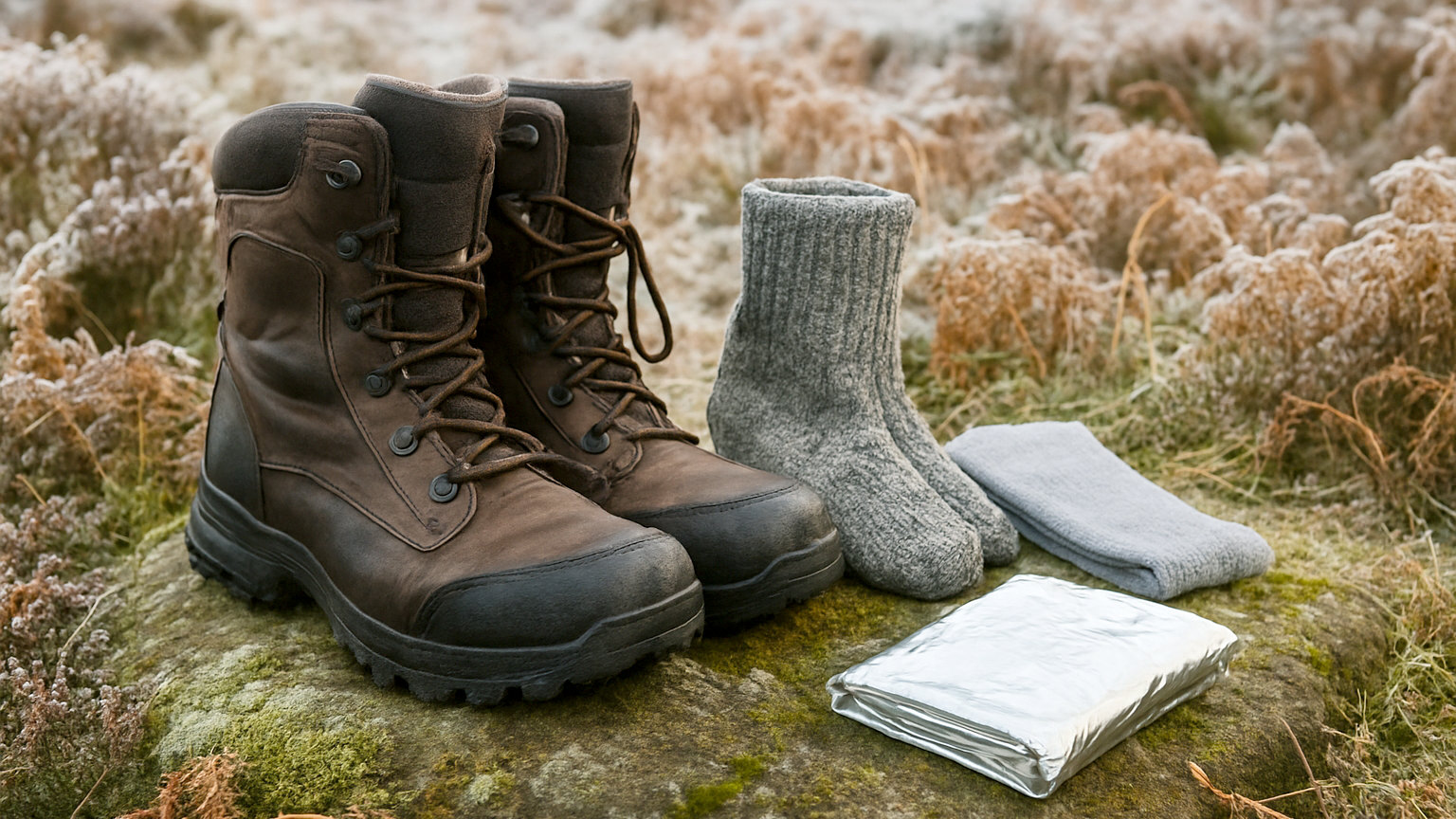
One is tissue actually freezing and the other is damage from prolonged wet cold above freezing. Both are preventable and both cause lasting harm.
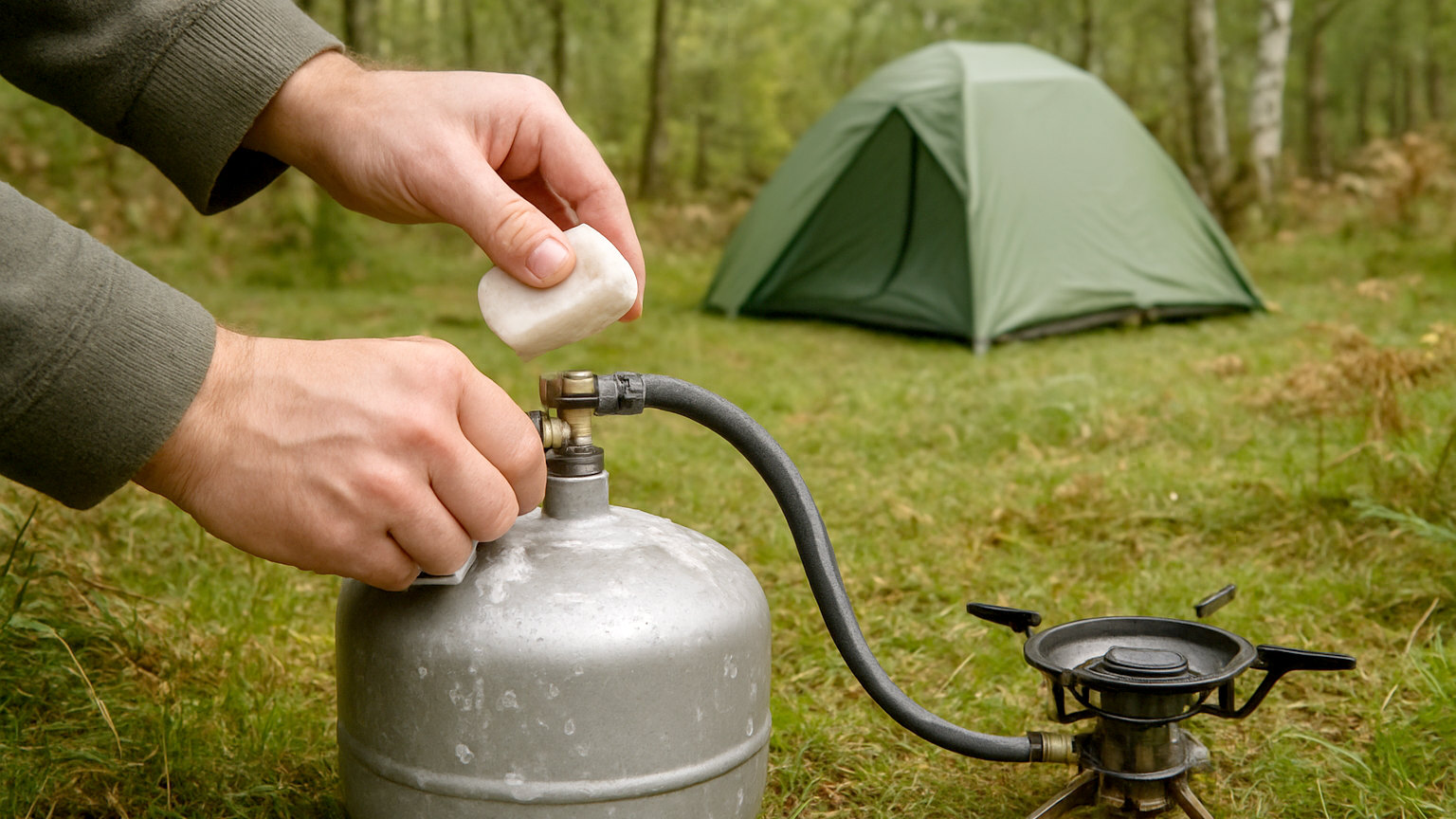
Tent fabric burns fast, gas cylinders leak, and carbon monoxide kills people every year. The rules are simple and consistently ignored.
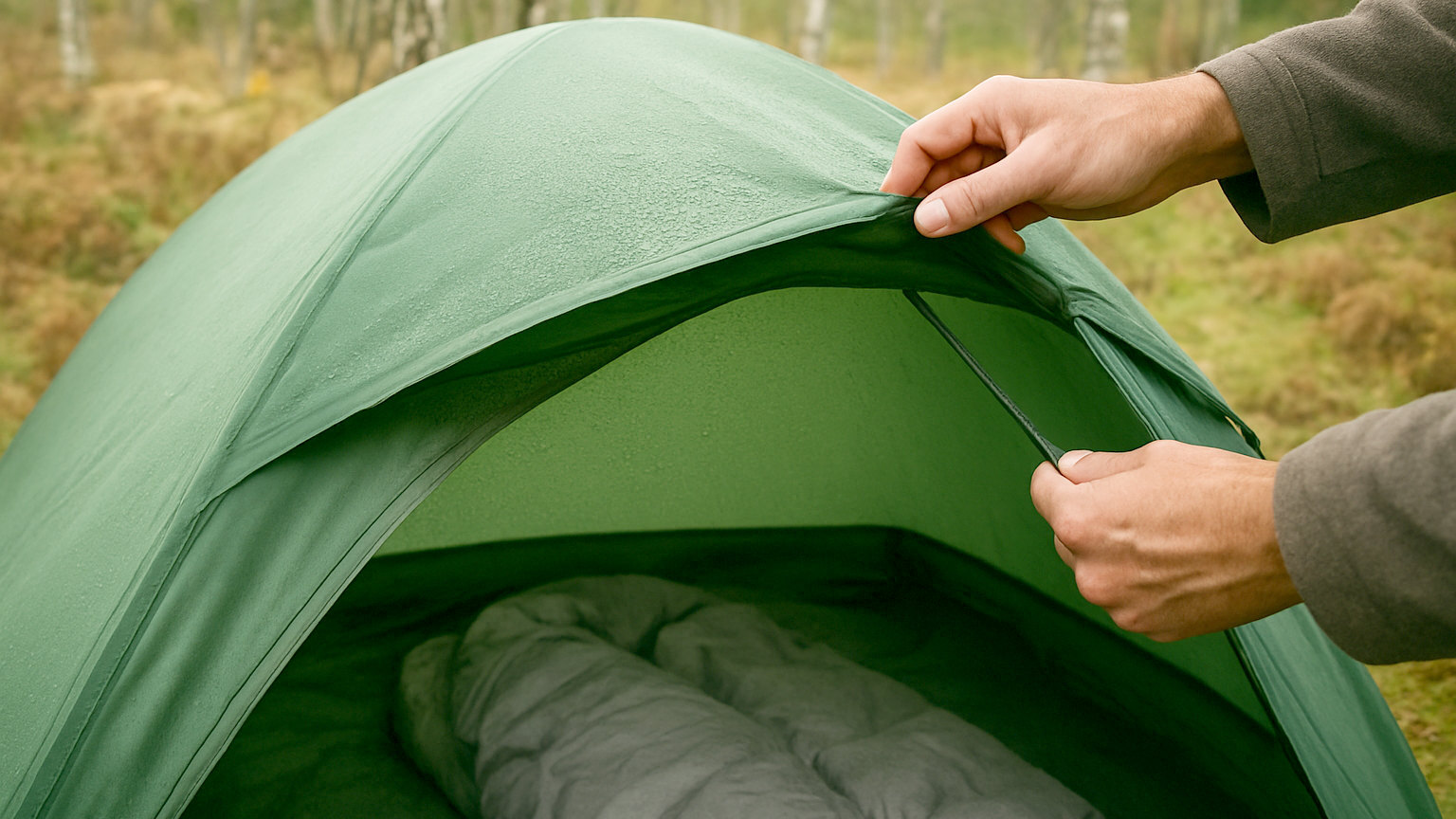
You breathe out around half a litre of water overnight and it has to go somewhere. Condensation is not a leak and sealing the tent makes it worse.
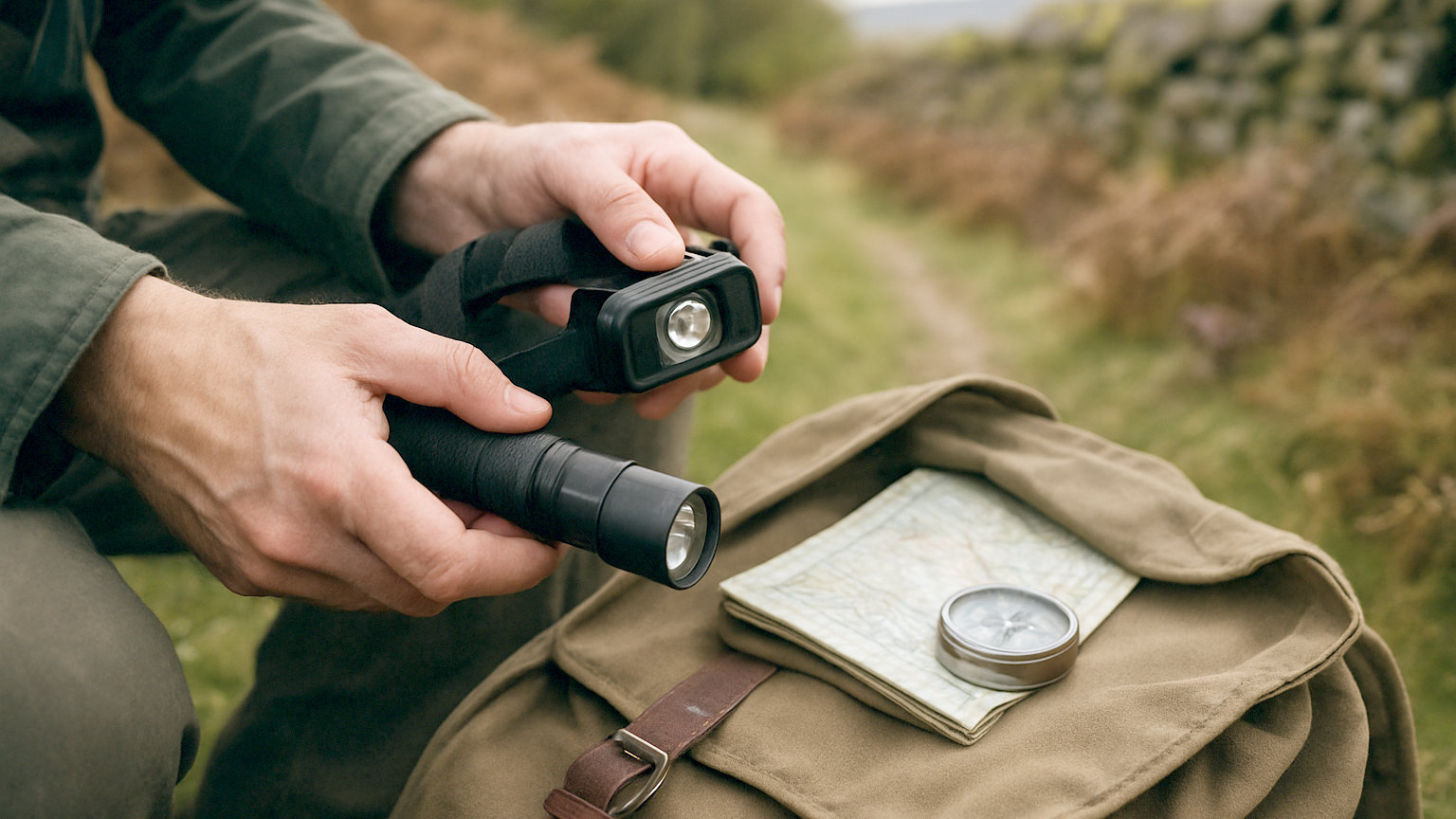
Slower, with a spare torch and much more careful navigation. Walking at night is genuinely enjoyable and it removes most of your visual information.
Distance plus ascent, then add for the party, the ground and the descent. Almost everyone underestimates, and the error falls on the last hours of daylight.
Volunteers turn out at their own cost and would rather come early. Hesitating to call because you feel foolish is the most common and least useful reason to delay.
It narrows attention, degrades fine motor control and drives movement for its own sake. Knowing what it does is most of the defence against it.