How Do You Signal Without Any Equipment
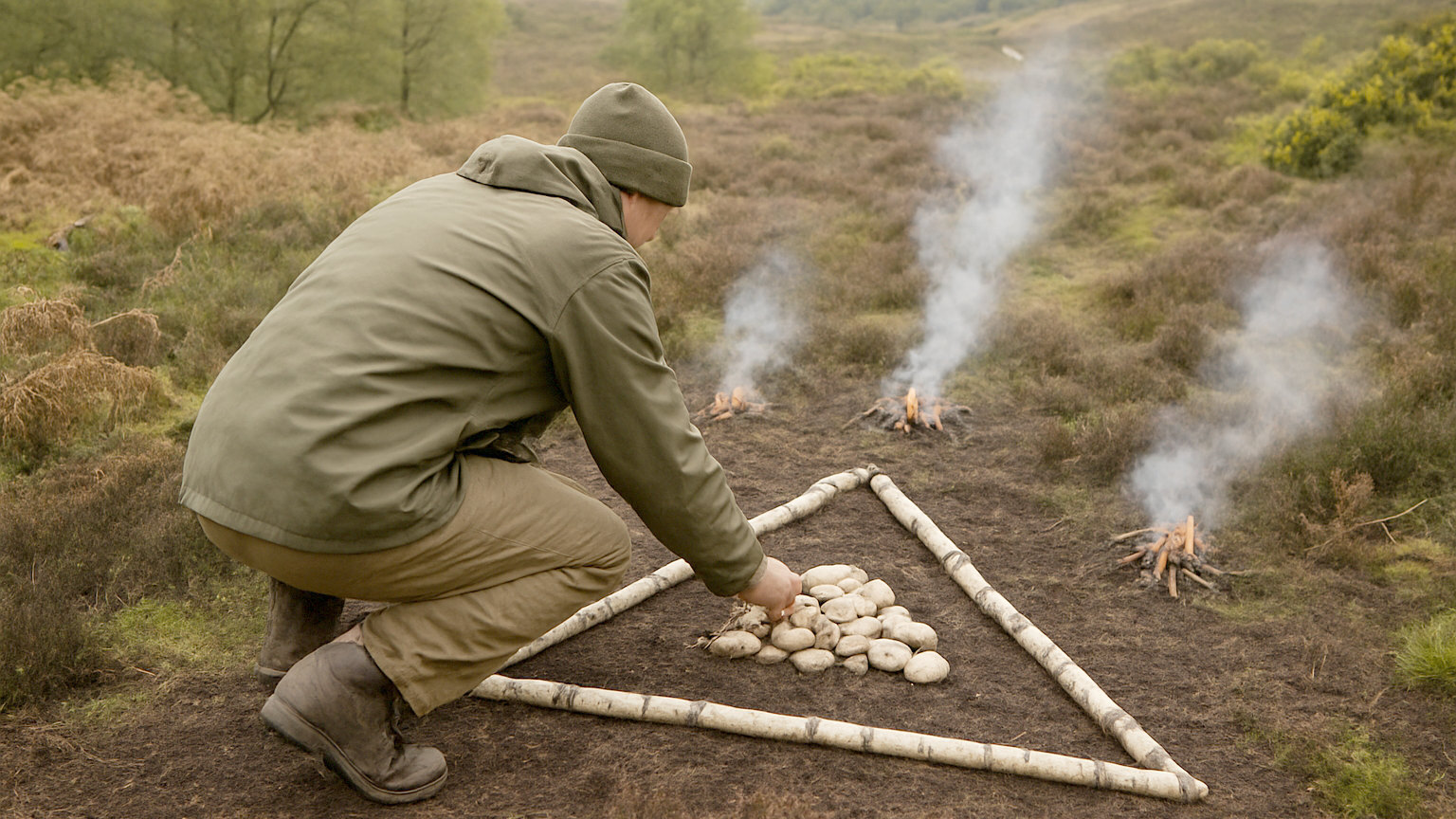
Fire, smoke, contrast, shape and sound are all available from the landscape itself. None require anything you had to remember to pack.
By Survival Basics Team
12 Aug 2026

Being found is a skill in itself, and most people are far harder to spot from the air than they assume. These guides cover the international distress signals, using a mirror, whistle, torch and fire, what a personal locator beacon does that a mobile cannot, and how to lay out a signal that a helicopter crew will actually see.
Fire, smoke, contrast, shape and sound are all available from the landscape itself. None require anything you had to remember to pack.
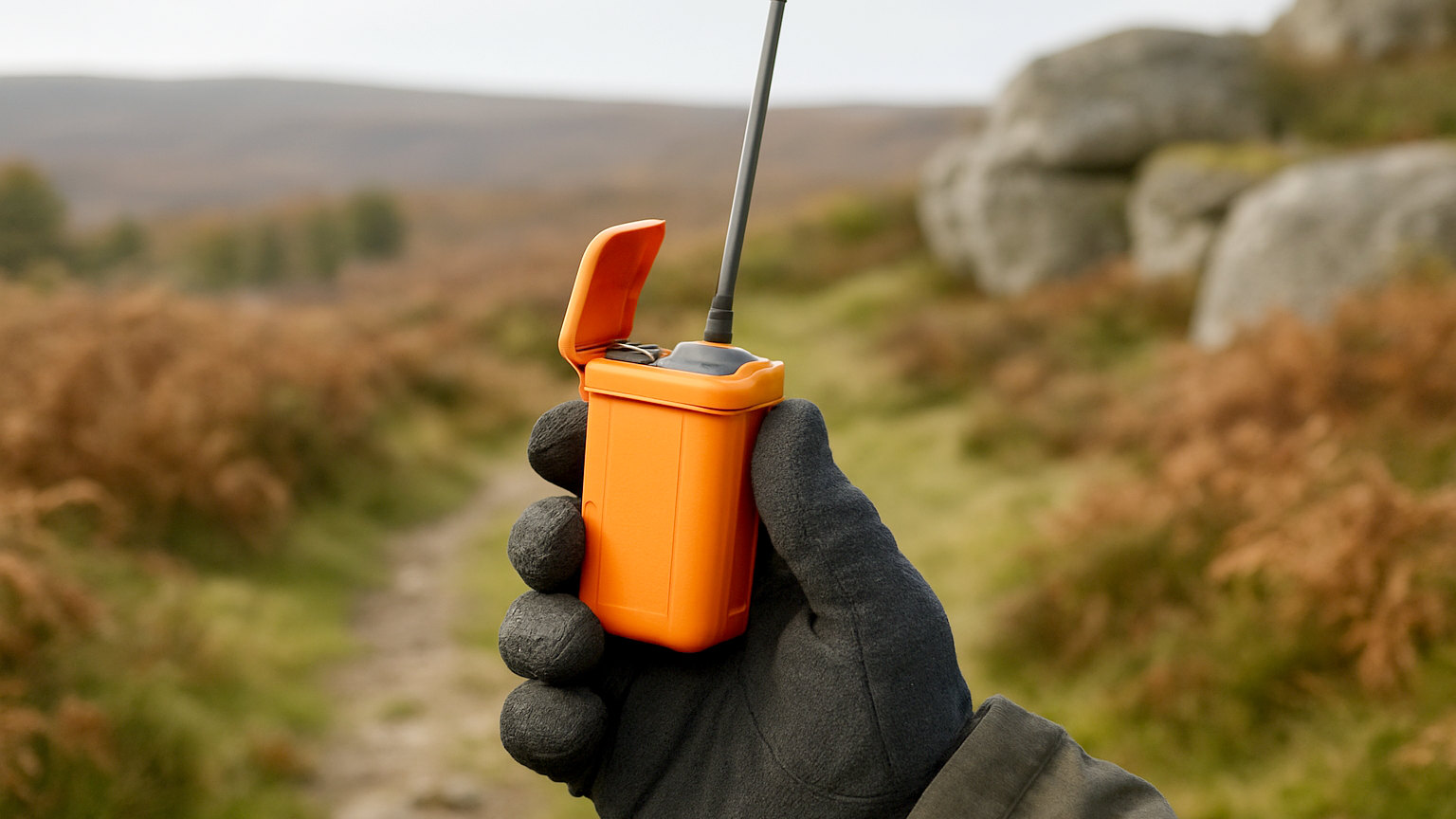
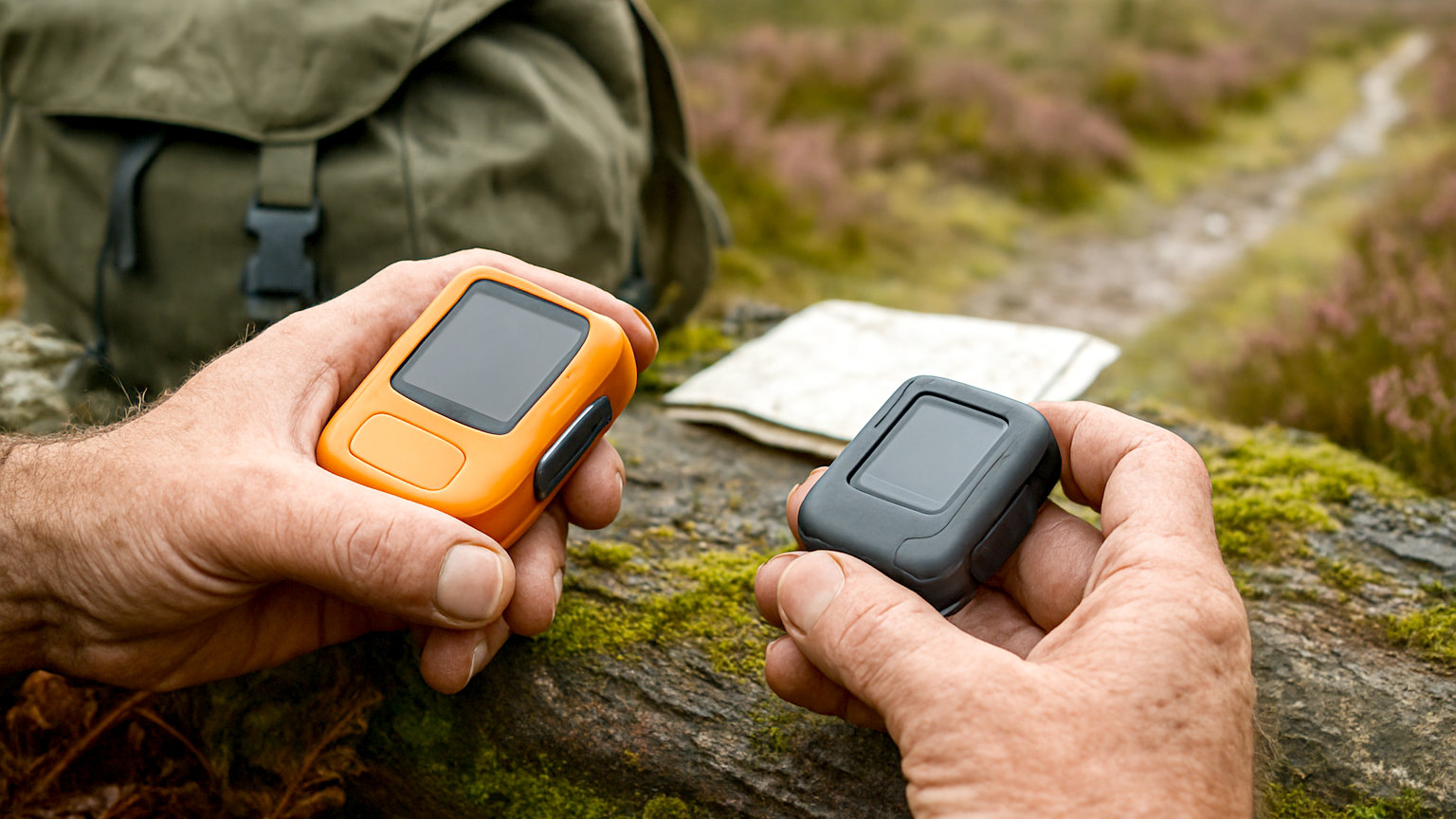
A PLB sends your identity and position to a global satellite system that alerts rescue coordination directly. No signal, no subscription, no ambiguity.
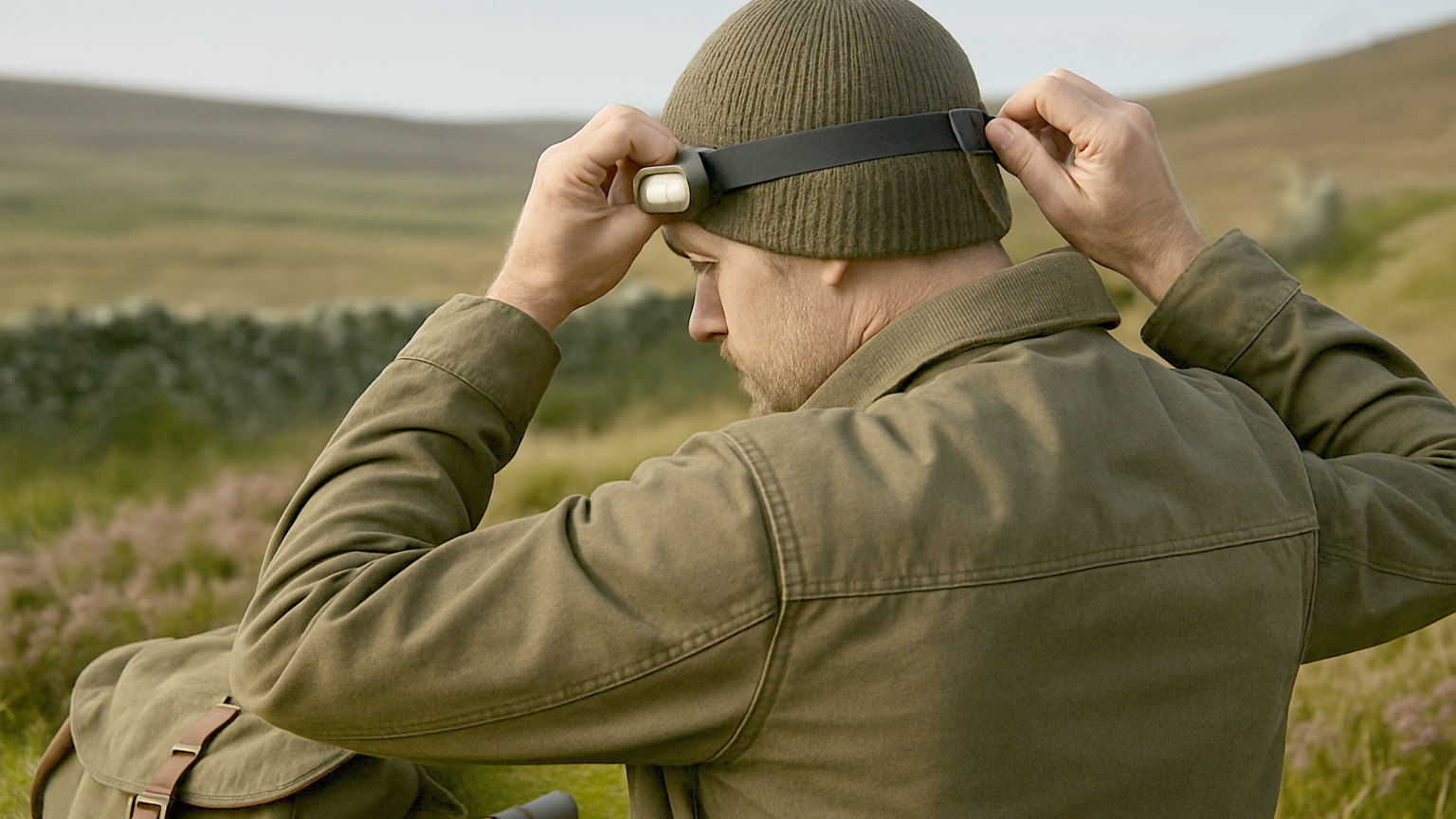
Darkness is when a small light becomes extraordinarily visible. A head torch that seems feeble on a path can be seen from miles away across open country.
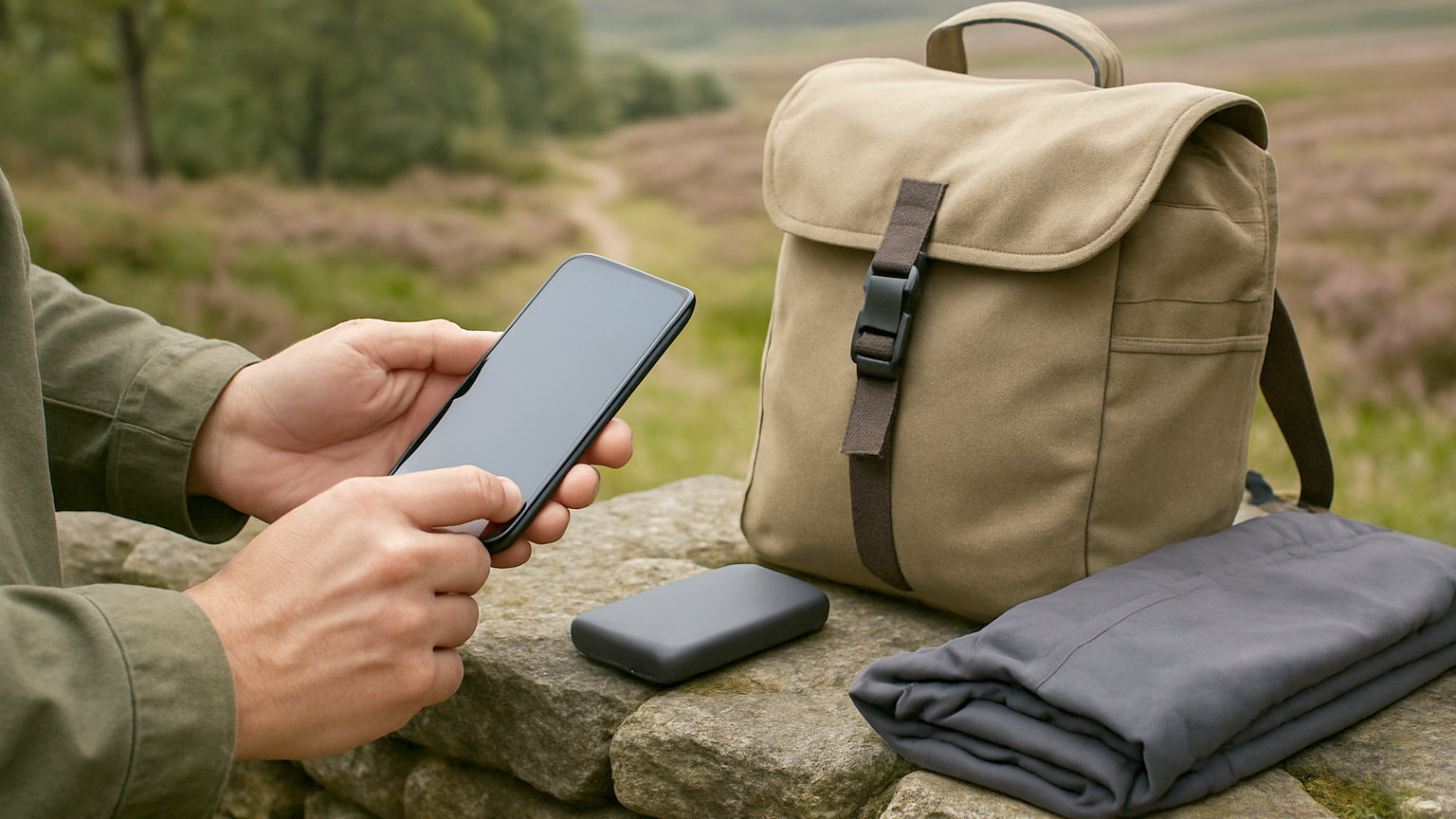
A text can get through where a call cannot, and the service only works if you registered beforehand. It takes a minute and could matter enormously.
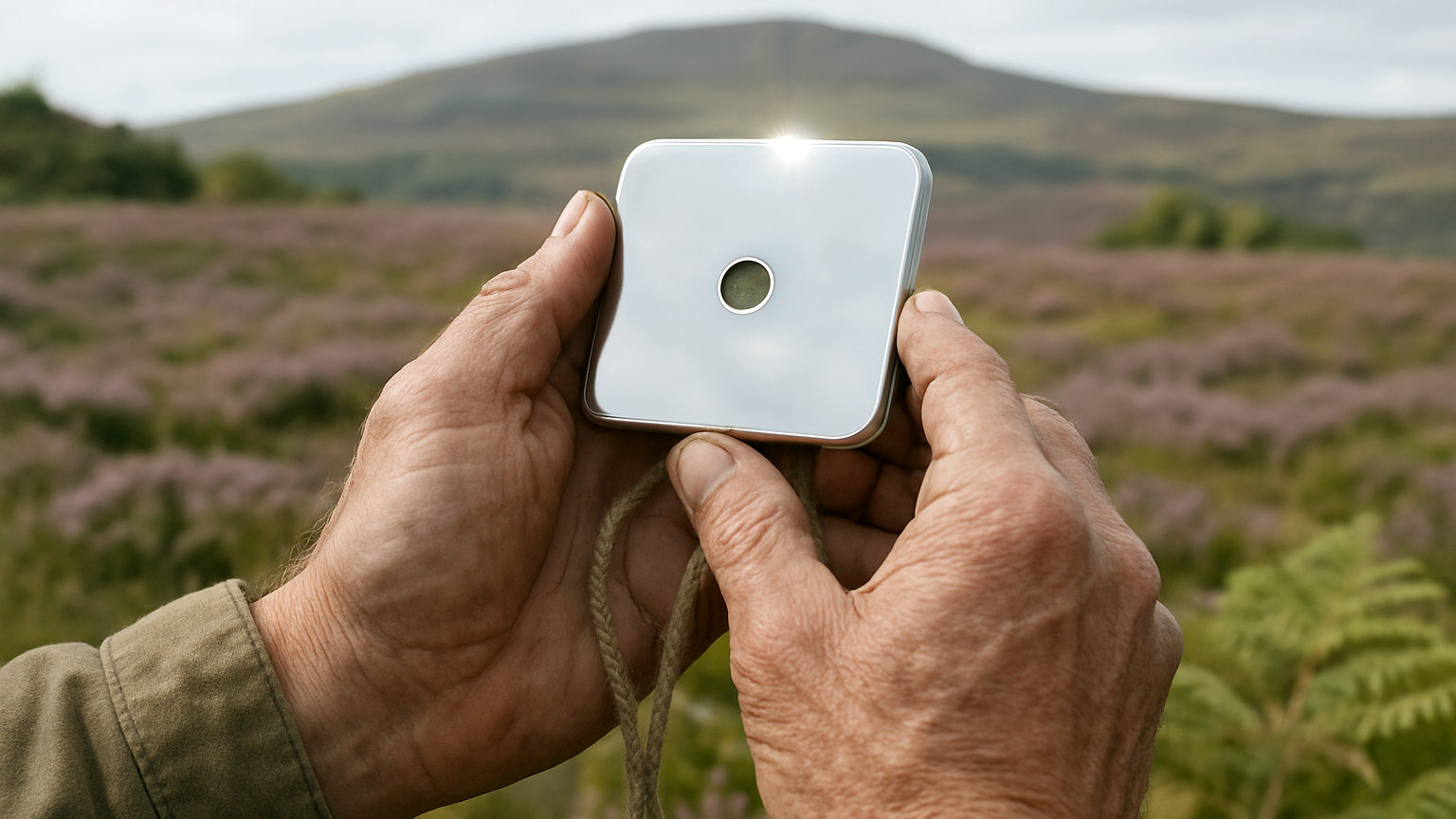
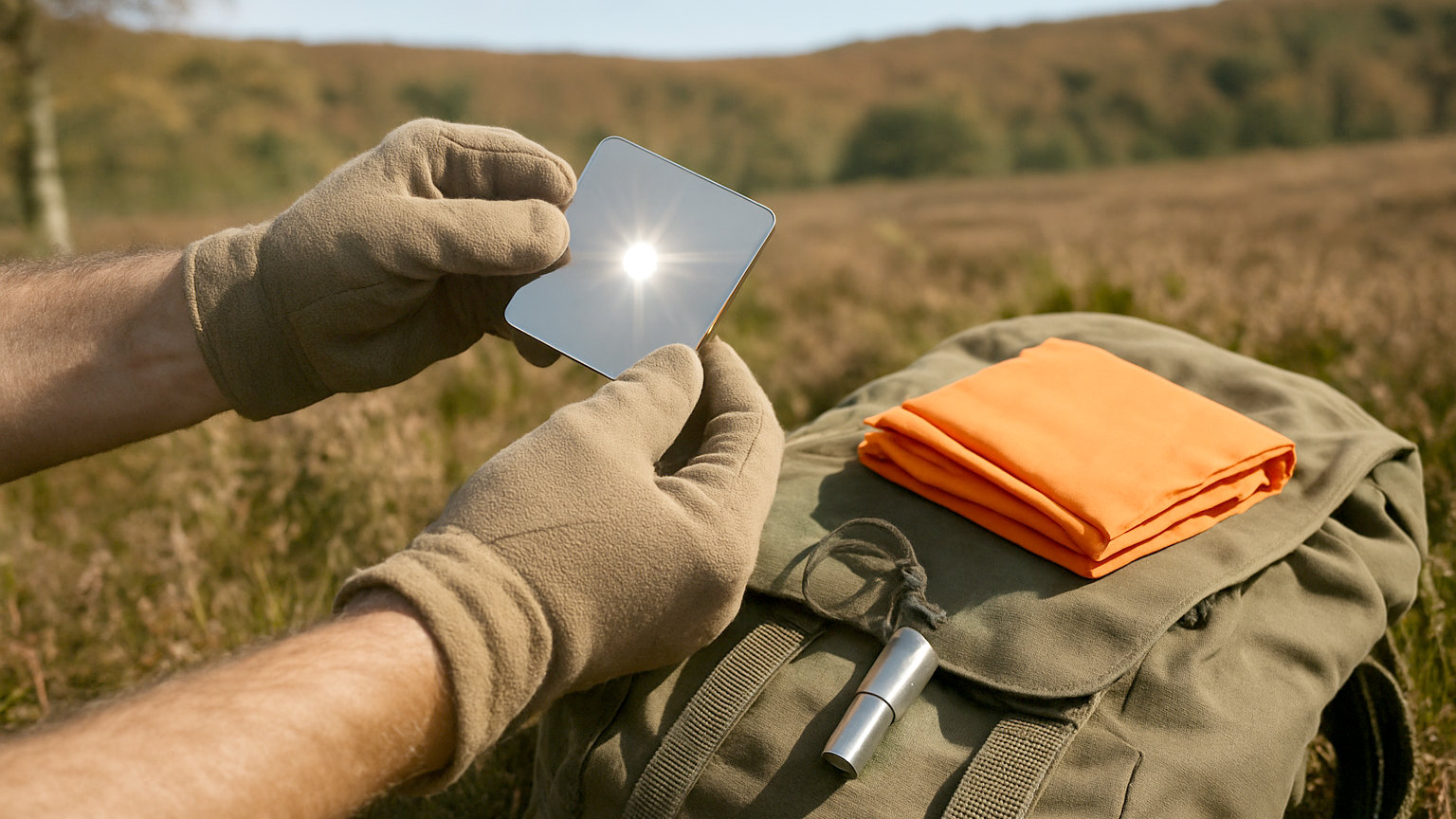
A mirror flash can be seen for many miles and is the most effective daytime signal available for its weight, provided you can aim it accurately.
Longer than feels reasonable, and in bursts rather than continuously. Rescues routinely take many hours, and the resources that run out are the ones used carelessly early.
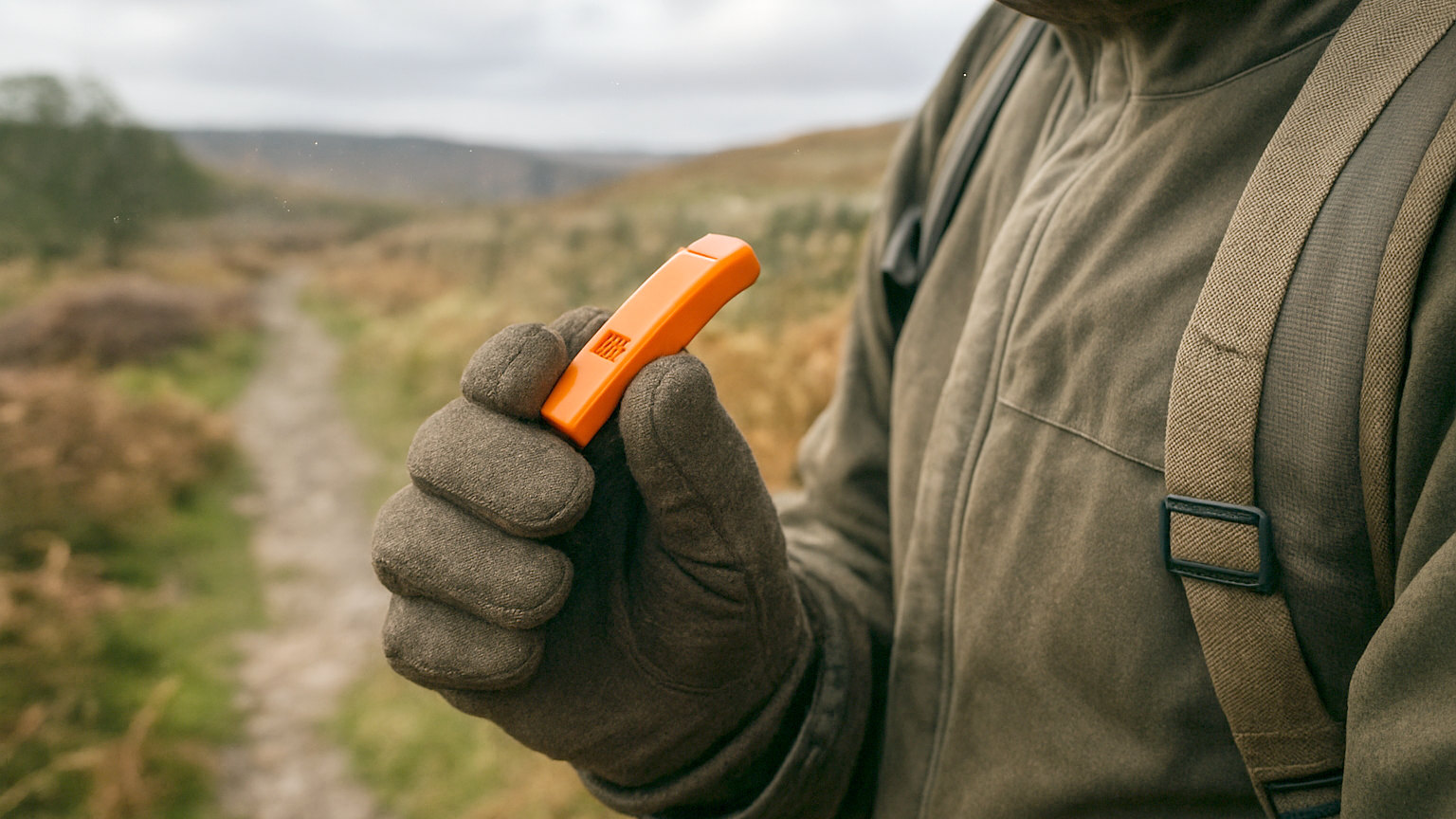
A whistle carries further, lasts longer and cuts through wind in a way the human voice cannot. It weighs a few grams and belongs on every rucksack.
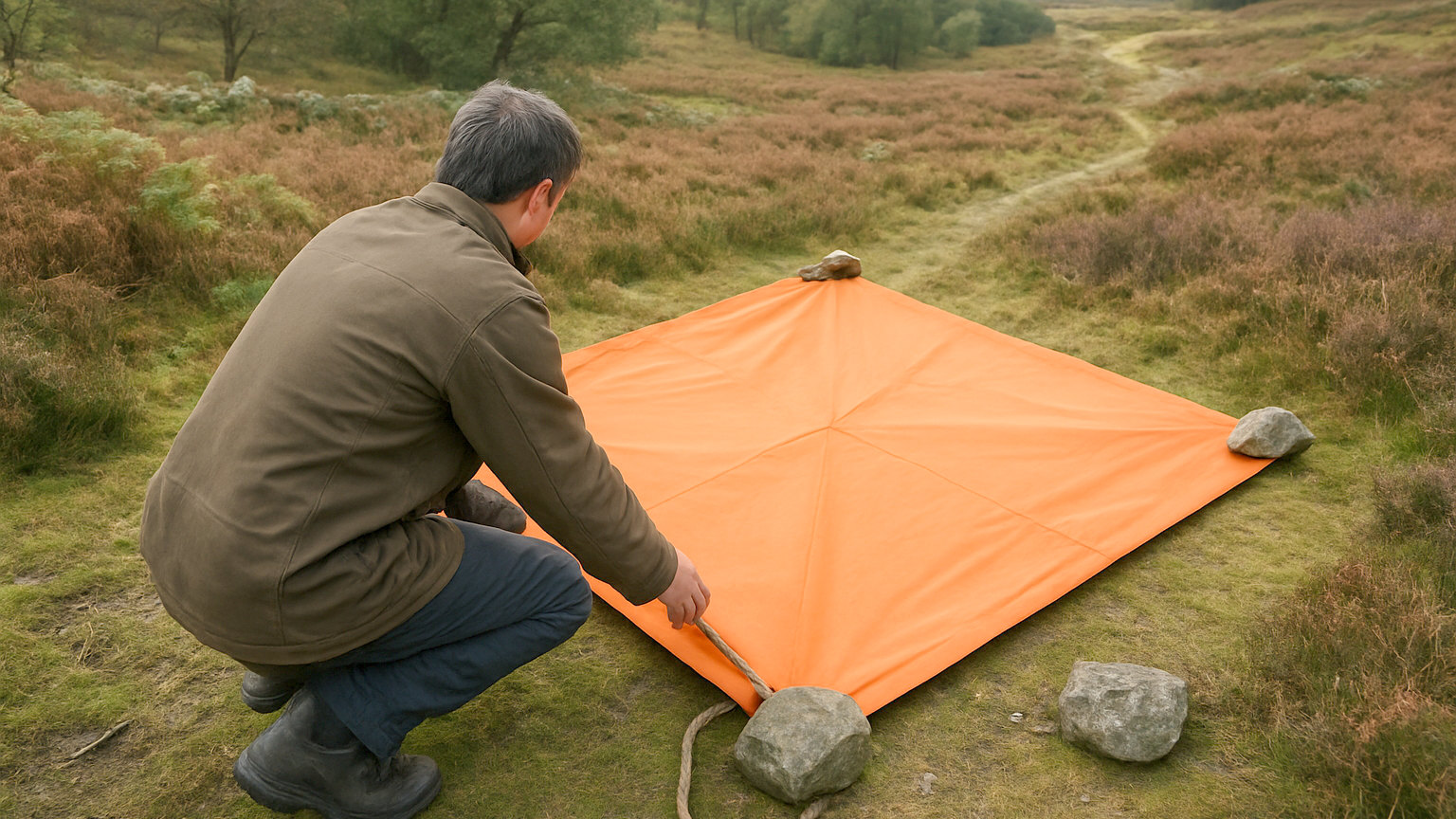
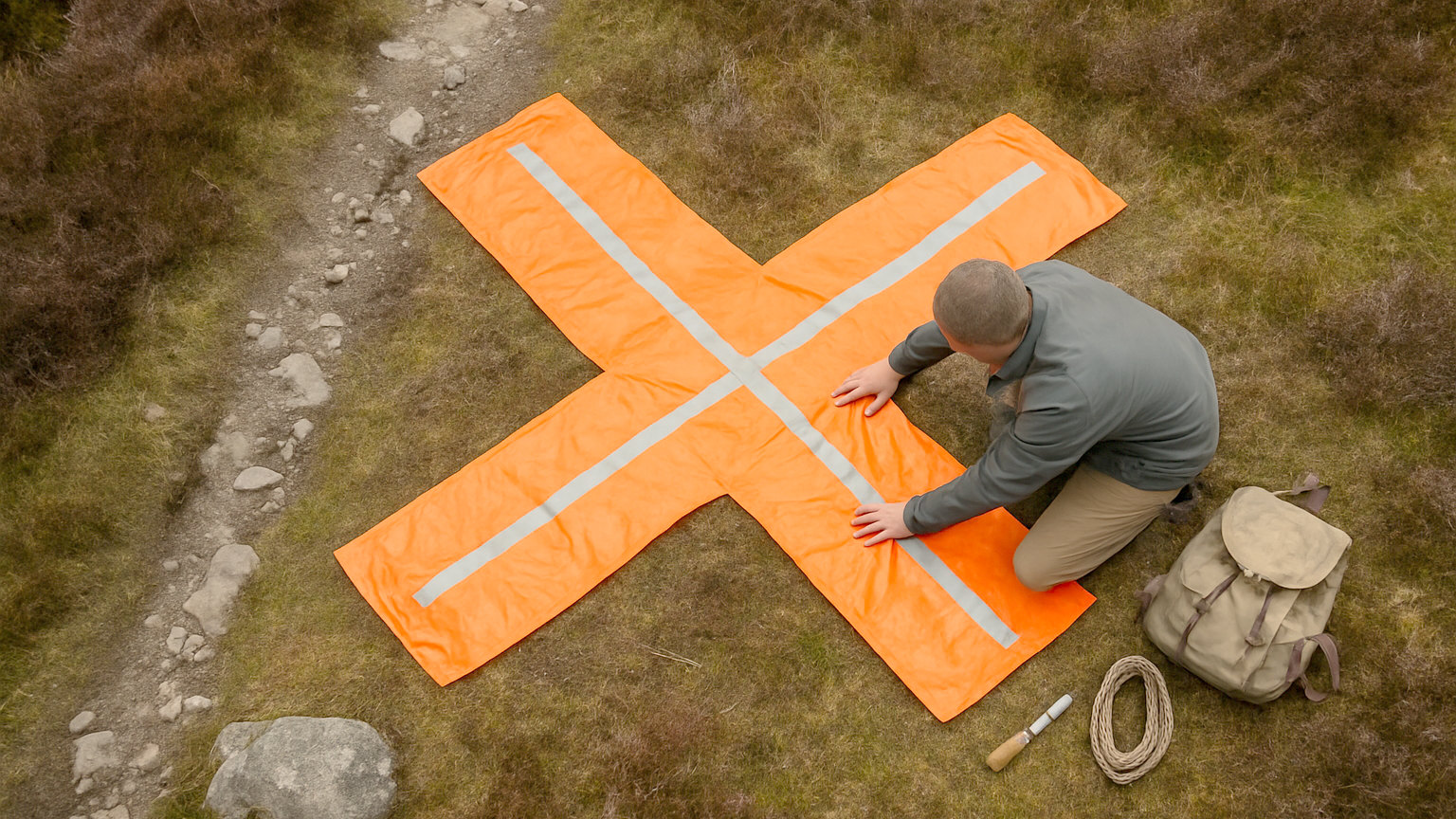
A handful of large symbols laid on the ground communicate specific needs to an aircraft. They only work if they are big enough, which is bigger than most people build.
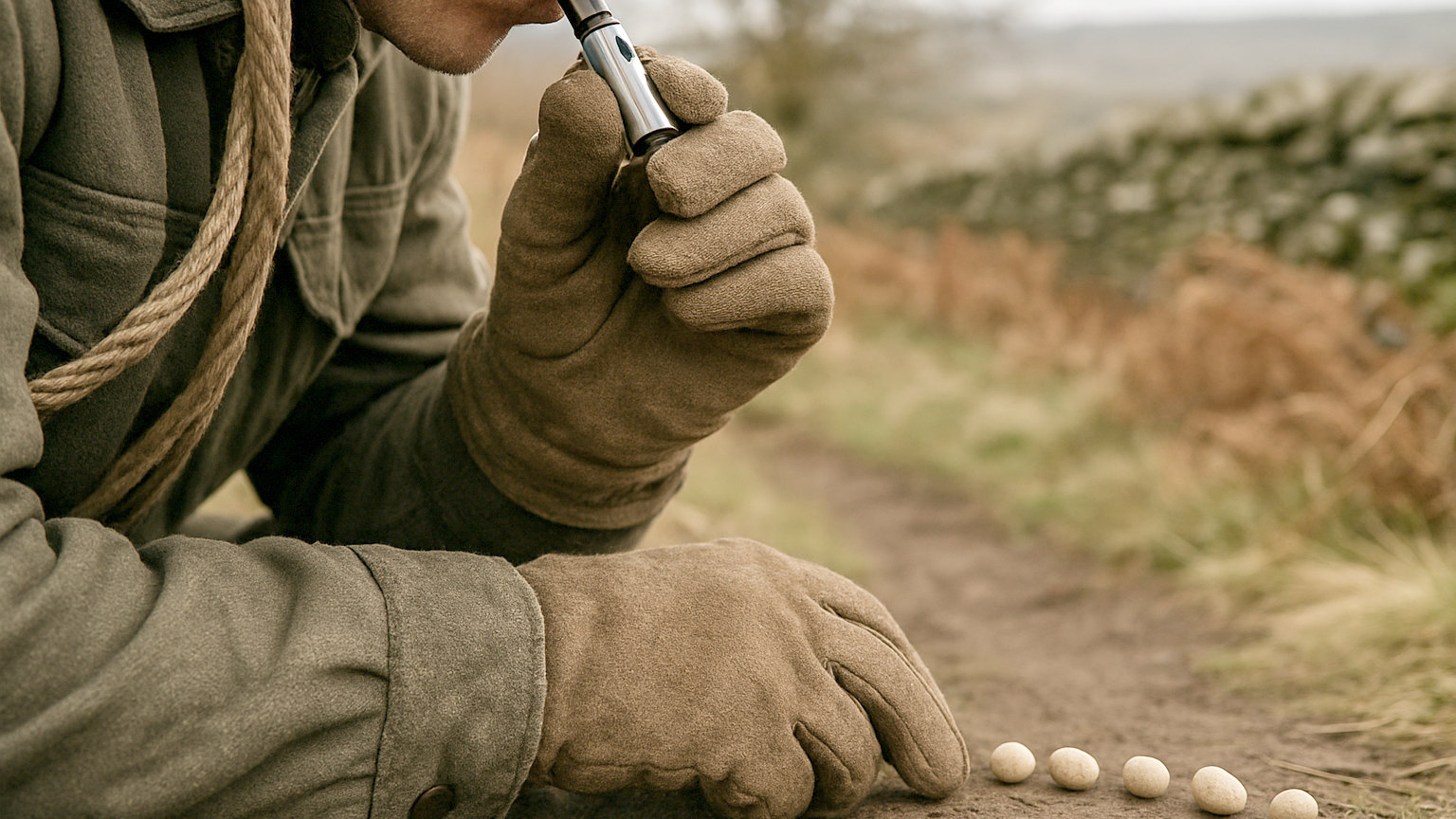
Six signals a minute, a minute of silence, then repeat. The reply is three a minute. It works with a whistle, a torch or anything that makes a repeatable signal.
Locator beacons and satellite messengers solve overlapping problems differently. One is simpler and more reliable, the other tells people what is actually happening.
People are astonishingly hard to see from a helicopter. Size, contrast and geometric shape matter far more than waving does.
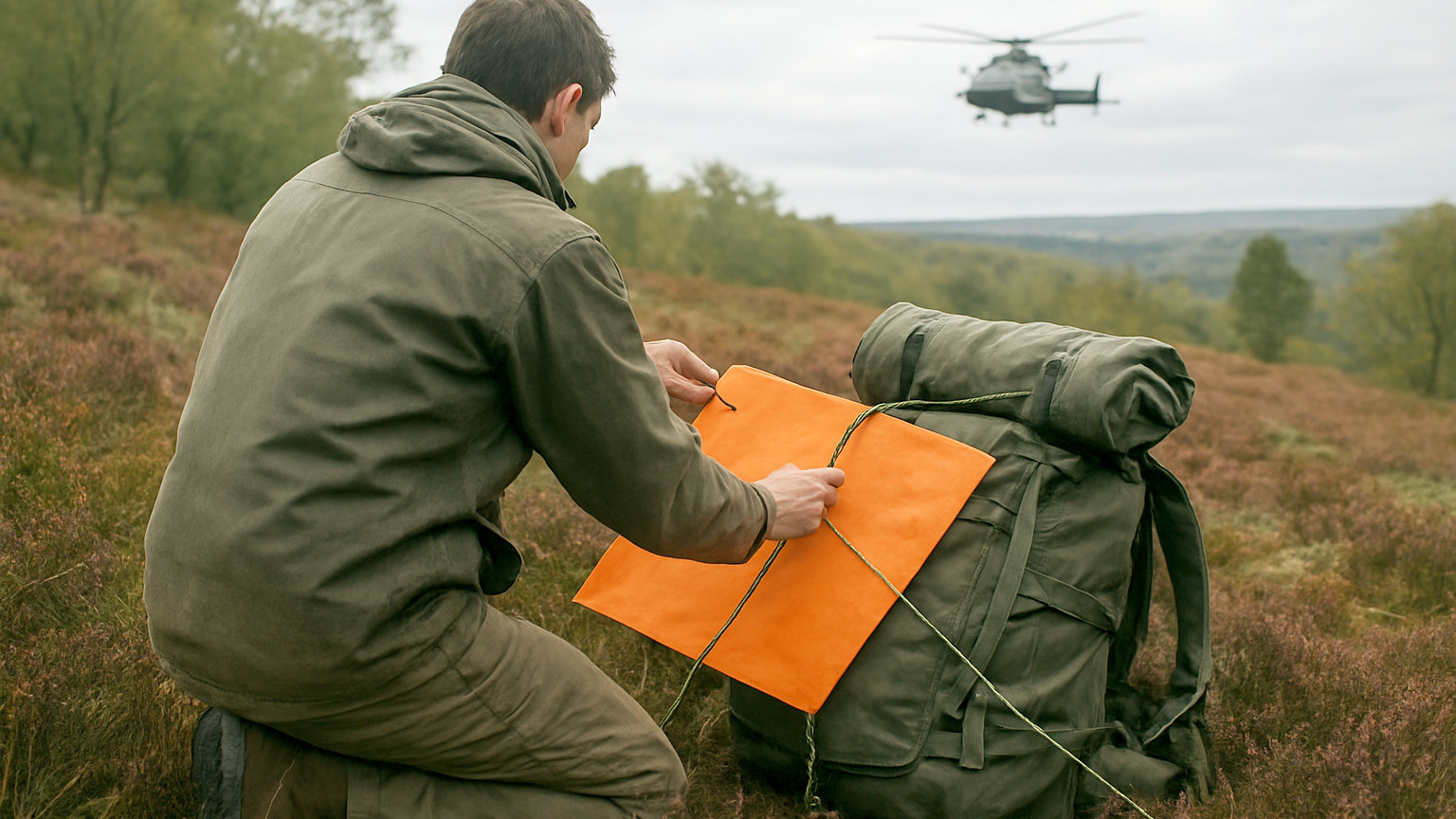
Downdraught will lift anything not secured, and an aircraft is dangerous to approach. What the crew needs from you is mostly stillness and secured kit.