Which Emergencies Should You Actually Plan For
Plan for the dull and likely rather than the dramatic and rare. The same preparation covers both, and only one of them will probably happen to you.
A plan that lives in your head is not a plan, because the people who most need it are the ones who cannot ask you. These guides cover writing it down, agreeing a meeting point and an out-of-area contact, and rehearsing it often enough that a twelve-year-old could follow it without any adult present.
Plan for the dull and likely rather than the dramatic and rare. The same preparation covers both, and only one of them will probably happen to you.
The emergency most British households will actually experience. It takes the heating, the internet, the cooker and, in some homes, the water with it.
A short list of concrete facts, taught calmly and rehearsed occasionally. Enough to act without frightening them about things that probably will not happen.
A plan that lives in your head is not a plan, because the people who most need it are the ones who cannot ask you. Writing one down takes an evening.
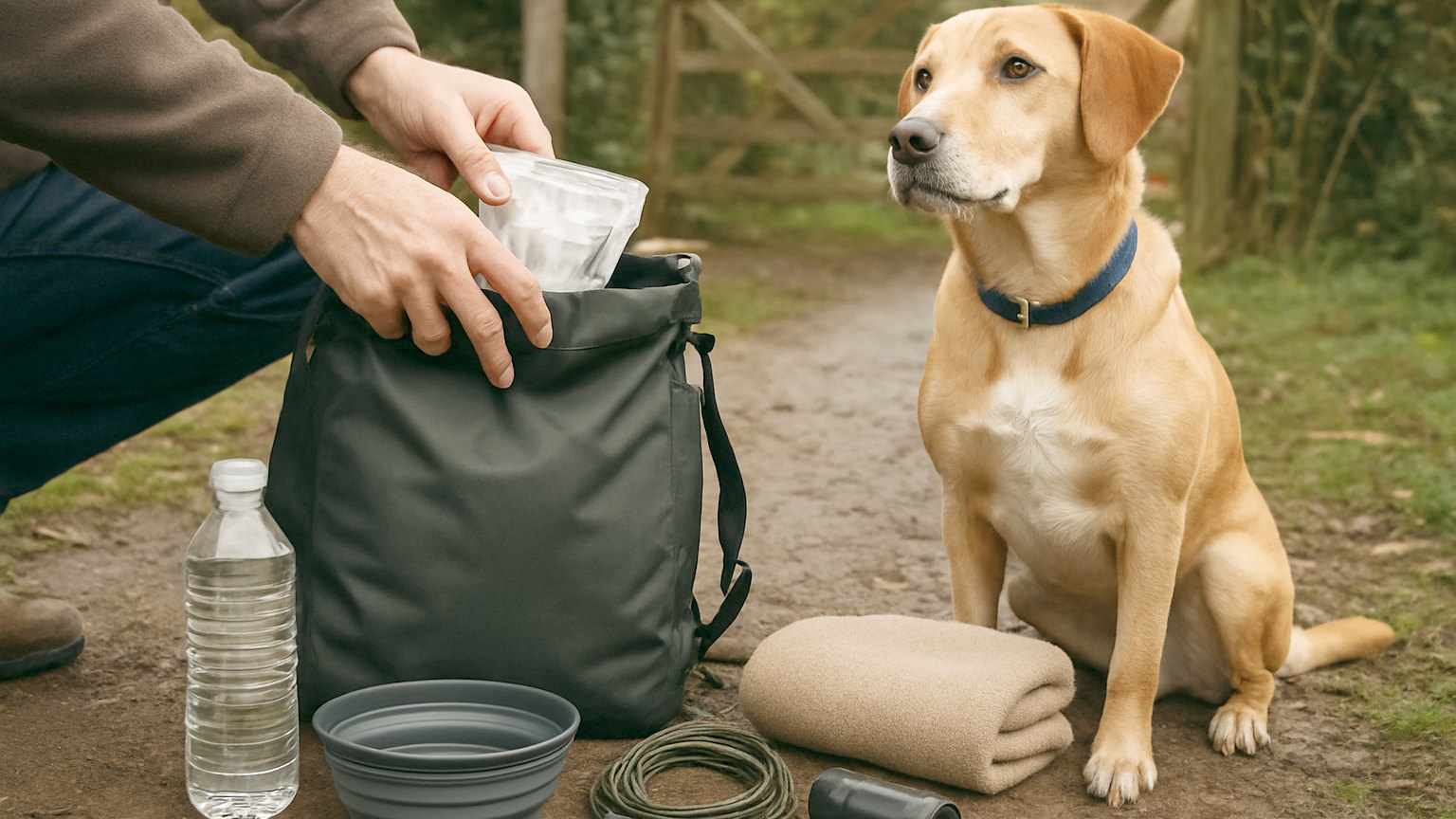
Rest centres frequently cannot take animals, and people refuse to evacuate without them. Sorting this out in advance removes an entirely predictable problem.
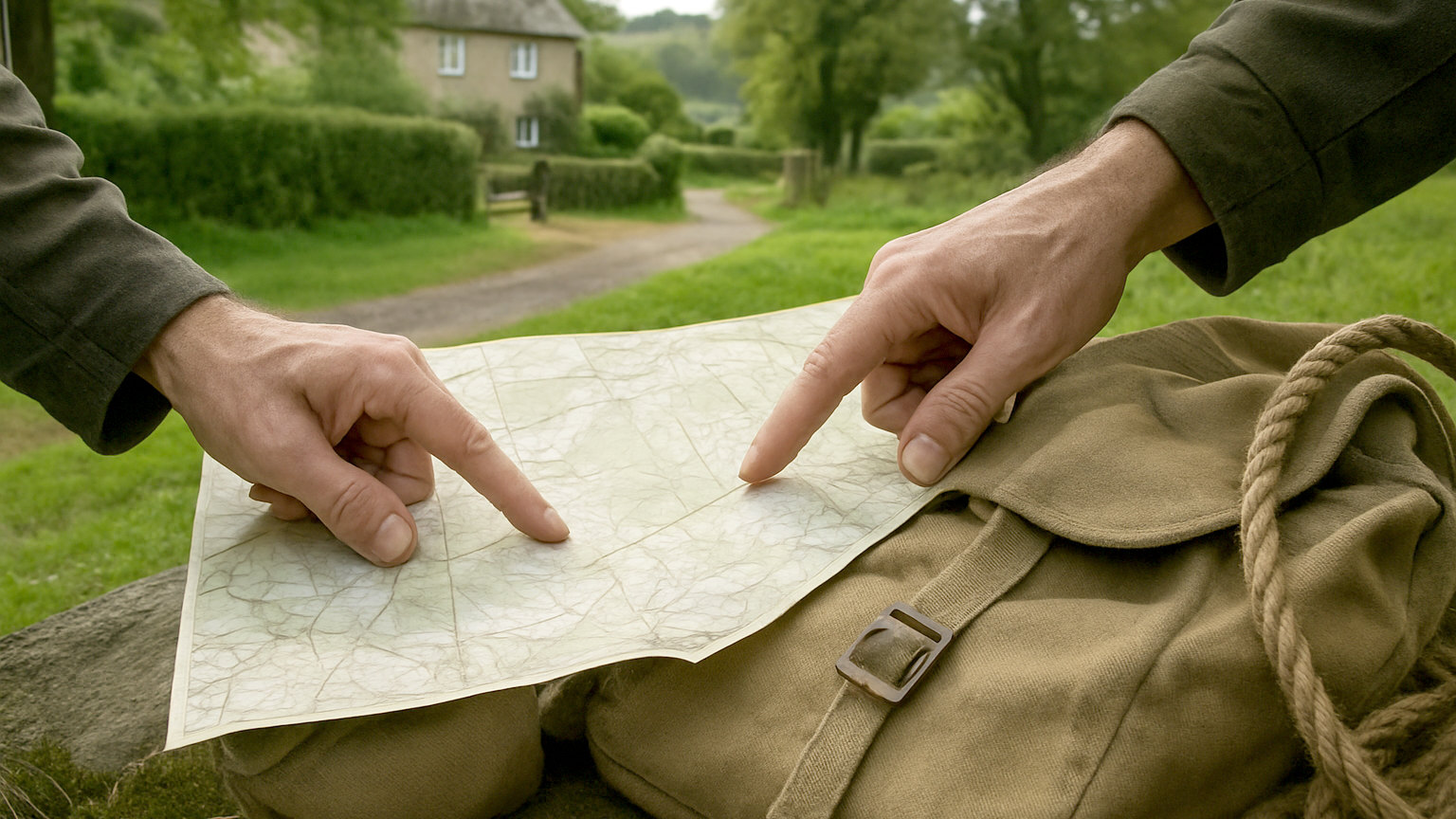
Two meeting points, agreed in advance and known to everyone including children. One just outside the house and one well outside the area.
The numbers you cannot look up when the internet is down and the phone is flat. Written on paper, carried in a wallet, and known to everyone.
An unrehearsed plan is a document rather than a capability. Twenty minutes twice a year finds the assumptions that would otherwise fail on the night.
The standard UK instruction for a wide range of incidents. It is short because it needs to work when nobody knows yet what is happening.
Local phone networks congest in a local emergency while long distance routes stay clear. A relay outside the affected area is often the only working link.
Plans decay quietly. Numbers change, medication changes, children grow and batteries die, and none of it announces itself until the plan is needed.
After a fire or flood, the paperwork is what determines how quickly life restarts. Copies cost an afternoon and save weeks.