How Do You Ration Energy and Effort
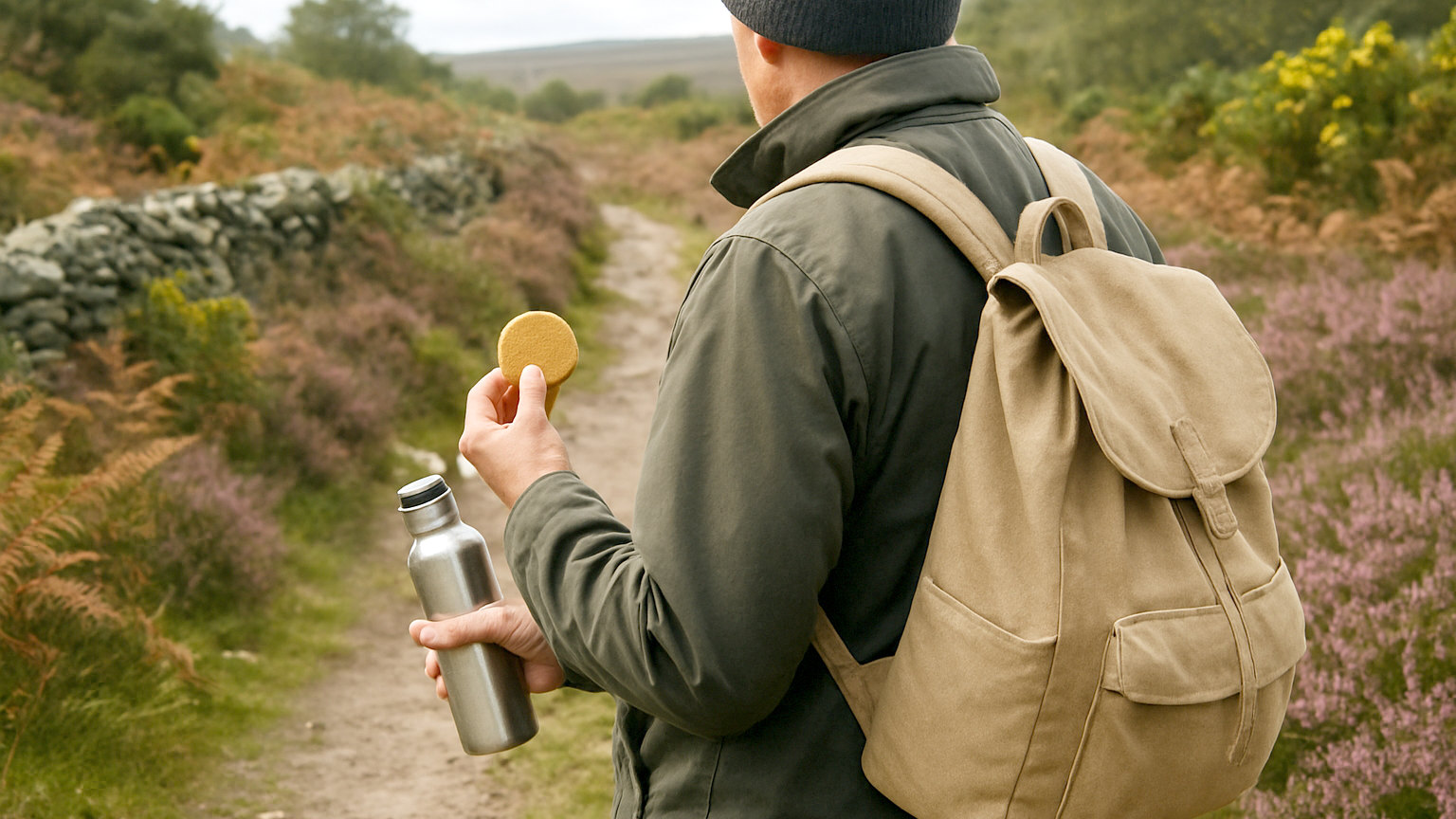
Move at a pace you could hold all day, avoid sweating, and eat before you are hungry. Exhaustion is a decision you make gradually over hours.
By Survival Basics Team
16 Apr 2026

Almost nobody sets out intending to survive anything. The situations covered here begin as a day walk that ran late, a kayak that got separated from its group, a campsite chosen badly in fine weather that turned. These guides cover the skills and judgement that keep an ordinary outdoor day from becoming a callout, across woodland, moor, mountain, coast and open water, plus the extremes of cold and heat you are most likely to meet abroad.
Move at a pace you could hold all day, avoid sweating, and eat before you are hungry. Exhaustion is a decision you make gradually over hours.
Three minutes without air, three hours without shelter, three days without water, three weeks without food. Approximate, memorable, and right about the order.
Fire, shelter, navigation and tool competence transfer directly. Friction fire and natural cordage are absorbing craft and will not save anyone.
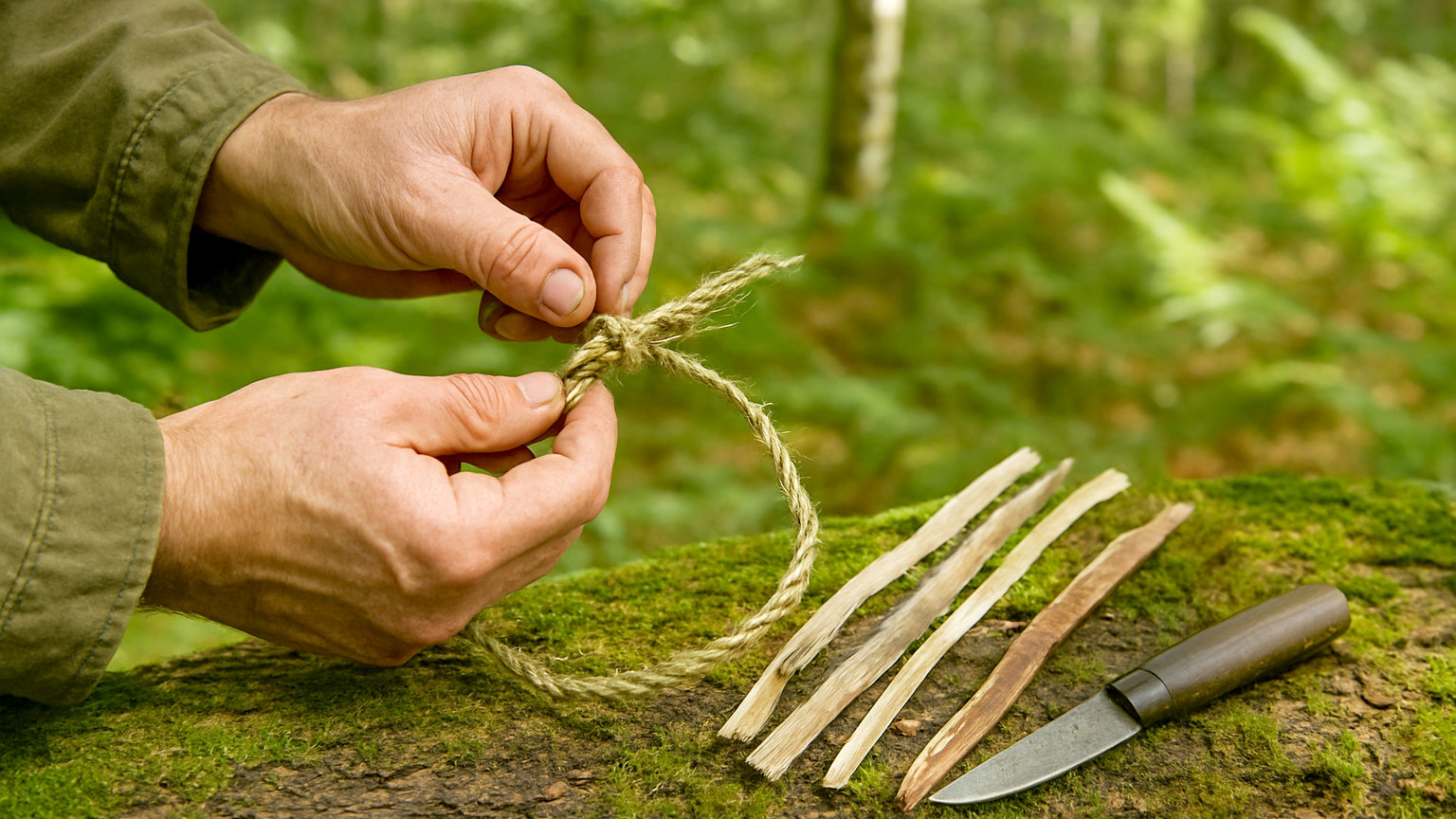
Nettle, lime bast and willow bark all produce usable cord by the reverse wrap. It is slow, absorbing, and genuinely useful to have made once.
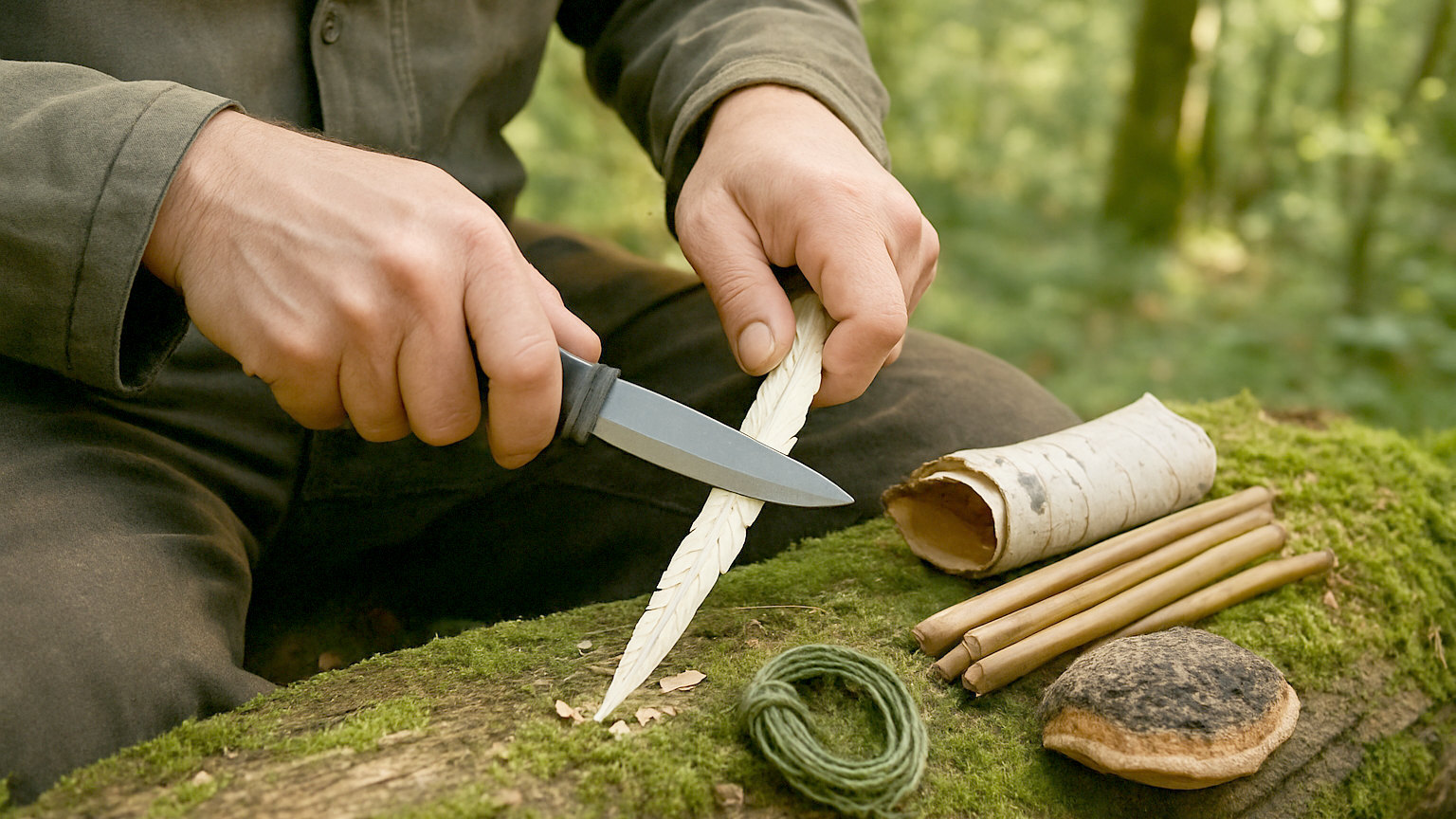
Working with natural materials using simple tools and knowledge. It is a craft to practise rather than a set of emergency techniques to memorise.
The countryside is statistically among the safest places to be, and the precautions cost nothing. Telling someone your route covers most of it.
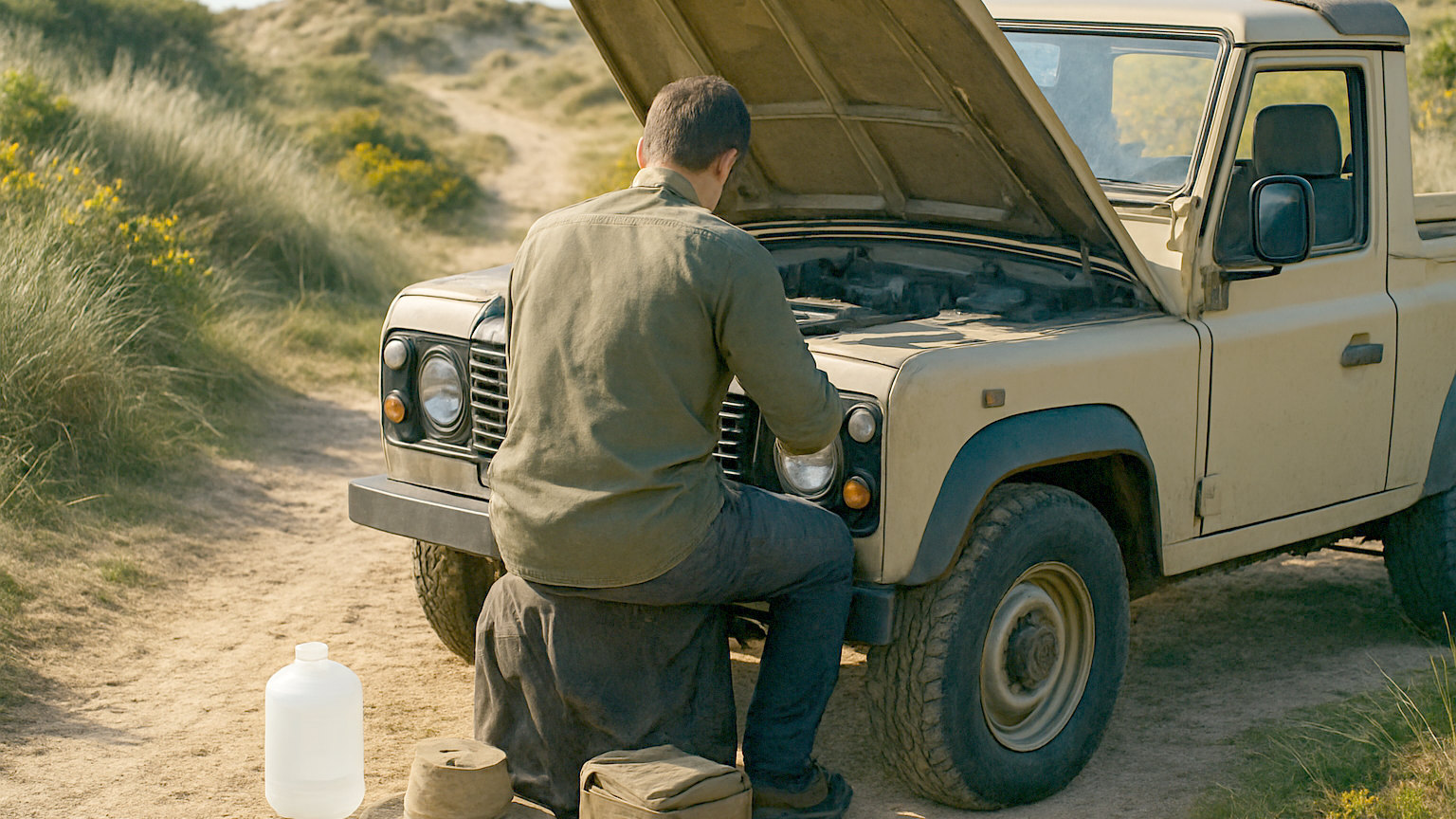
Stay with the vehicle. It is shade, shelter, supplies and a large visible object, and walking away from it is the classic fatal decision.
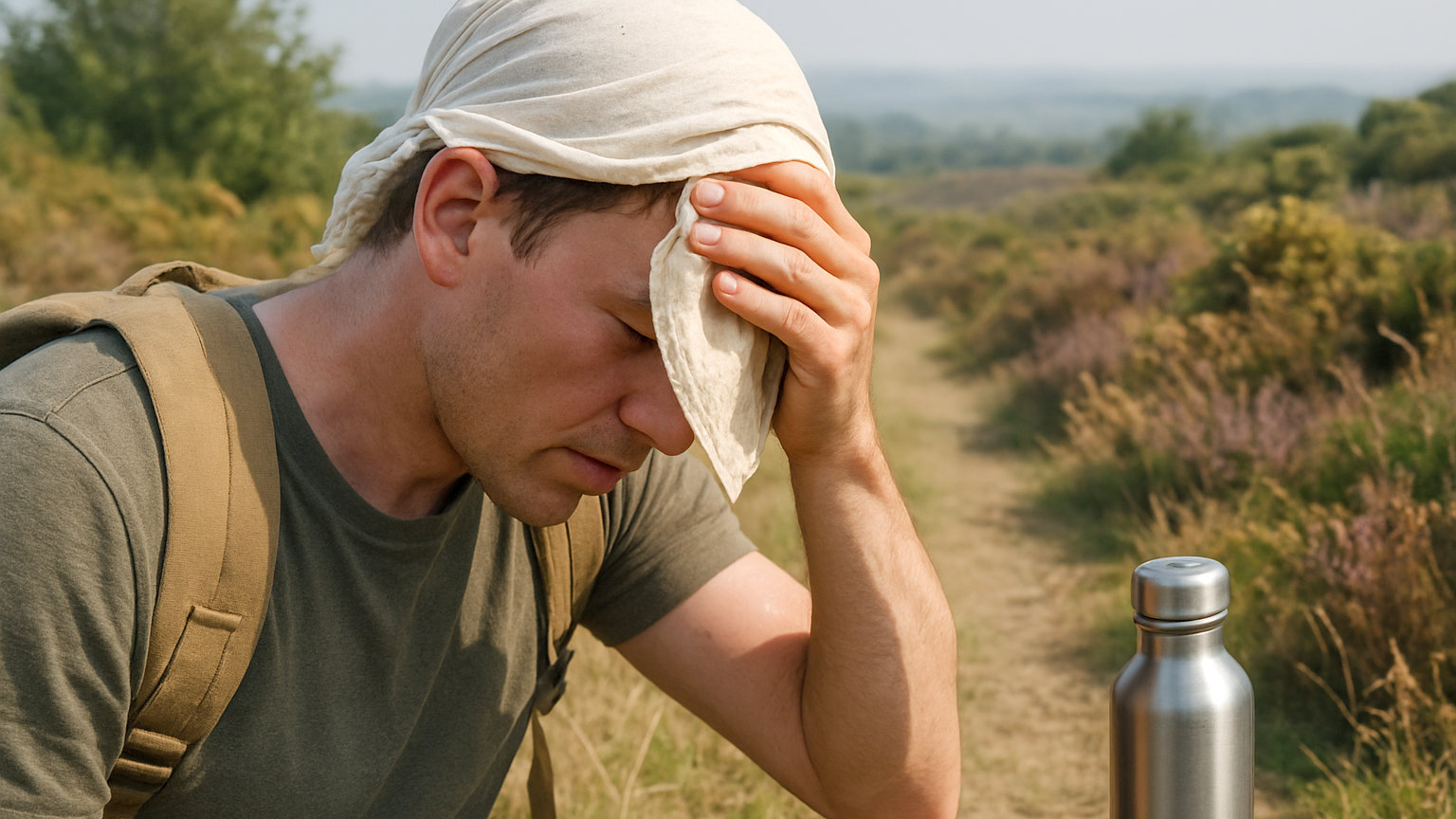
By sweating, and that depends entirely on evaporation. In humid air sweat runs off without cooling you, which is why humidity matters more than temperature.
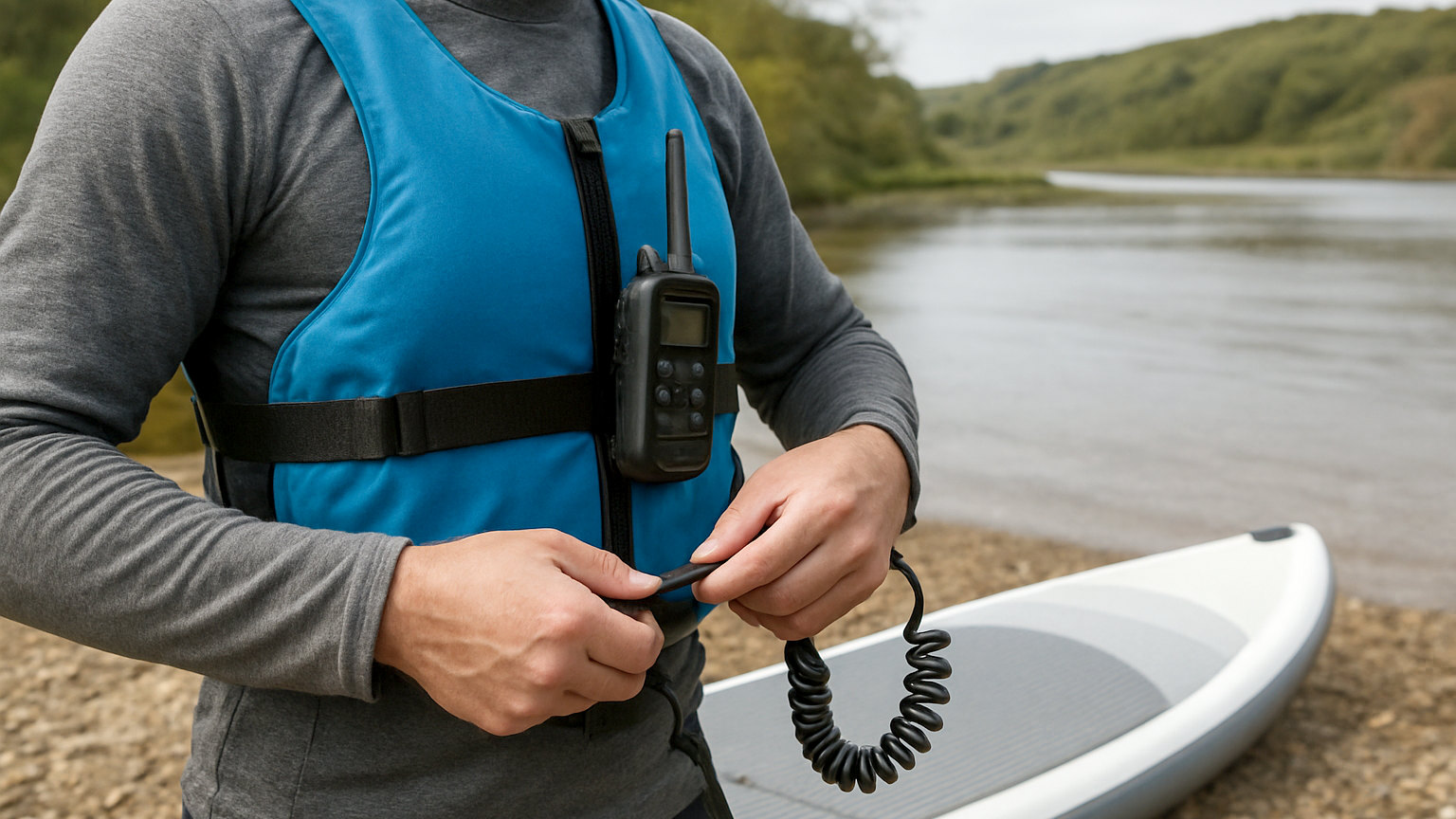
Never go out in an offshore wind, wear the right leash and buoyancy, and carry a means of calling for help on your person.
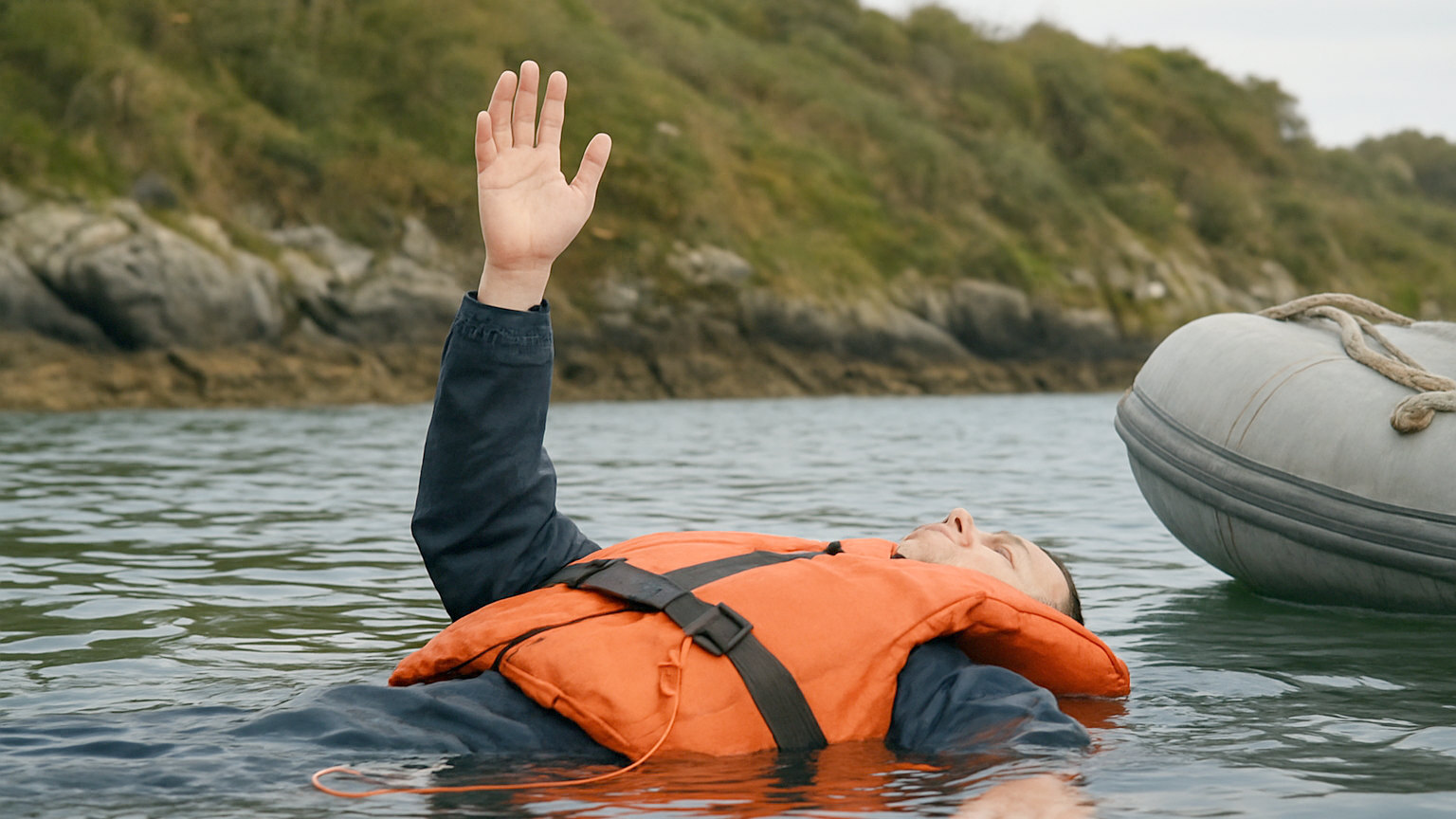
Control the breathing first, then stay still and stay visible. Swimming after a boat you cannot catch is how people exhaust themselves and drown.
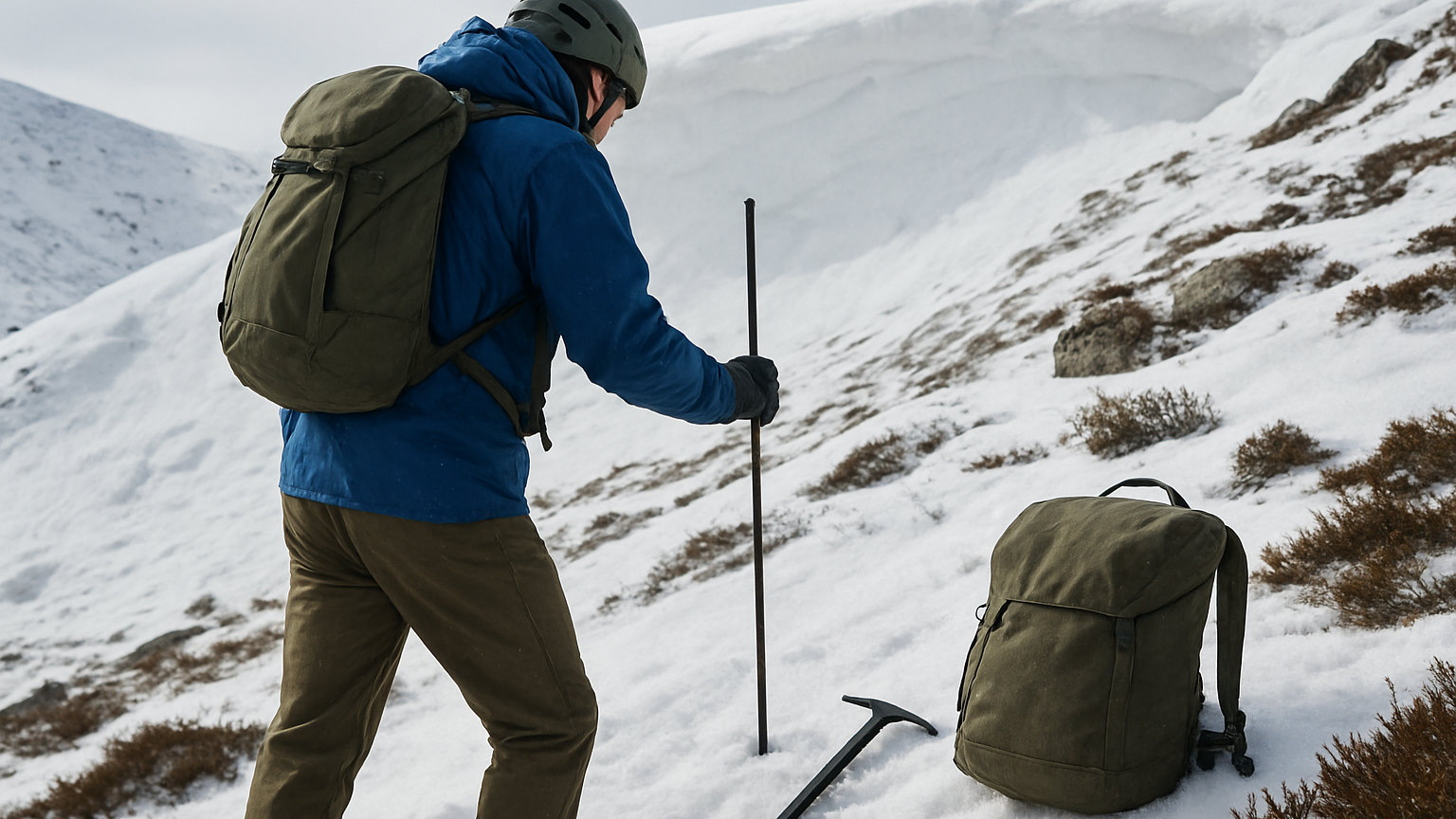
Yes, in the Scottish mountains, forecast daily through winter, and it kills people. British avalanche risk is routinely underestimated.
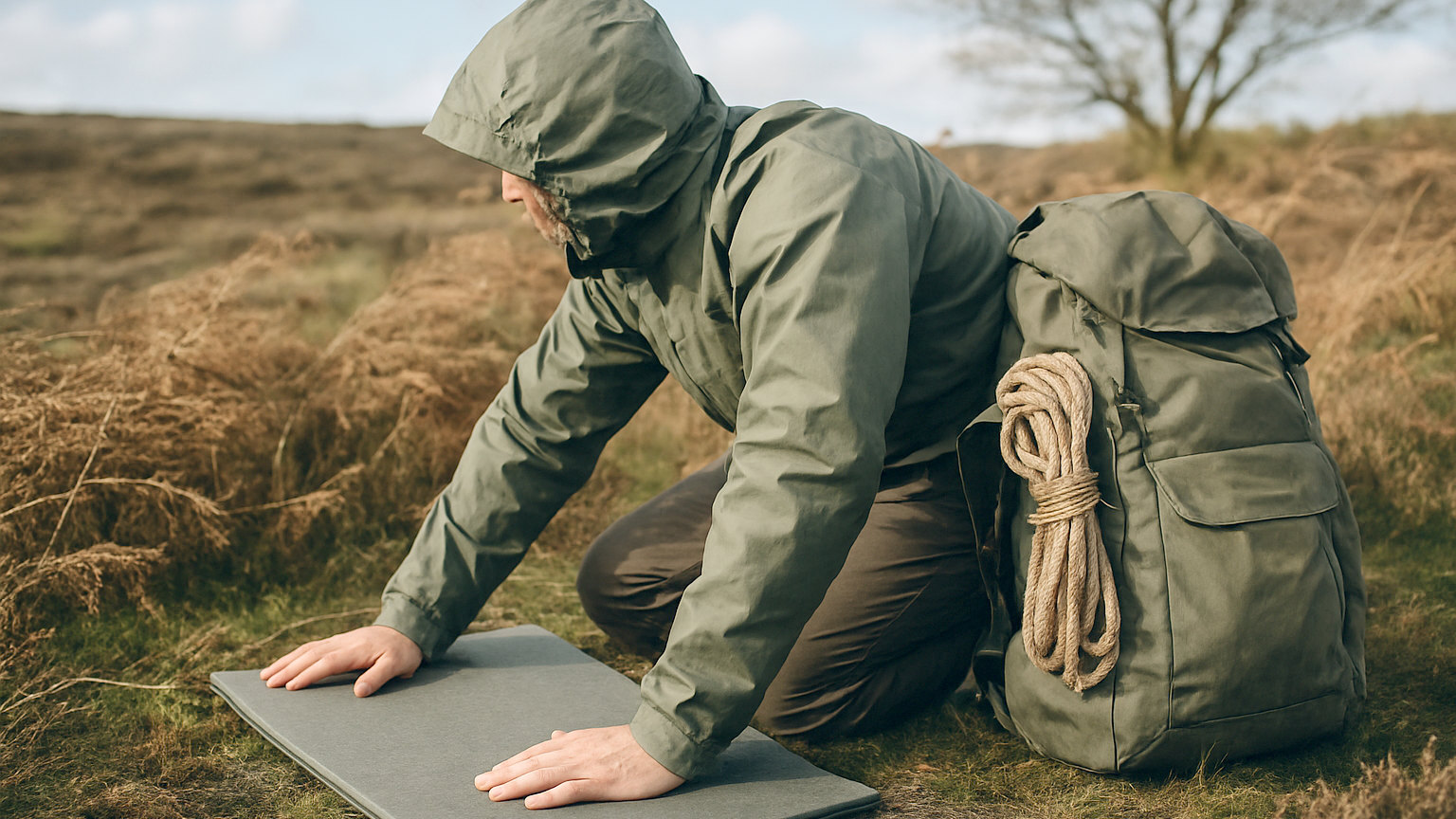
Five mechanisms, and the two that matter most outdoors are wind stripping heat away and the ground conducting it out of you.