How Do You Filter Muddy or Silty Water
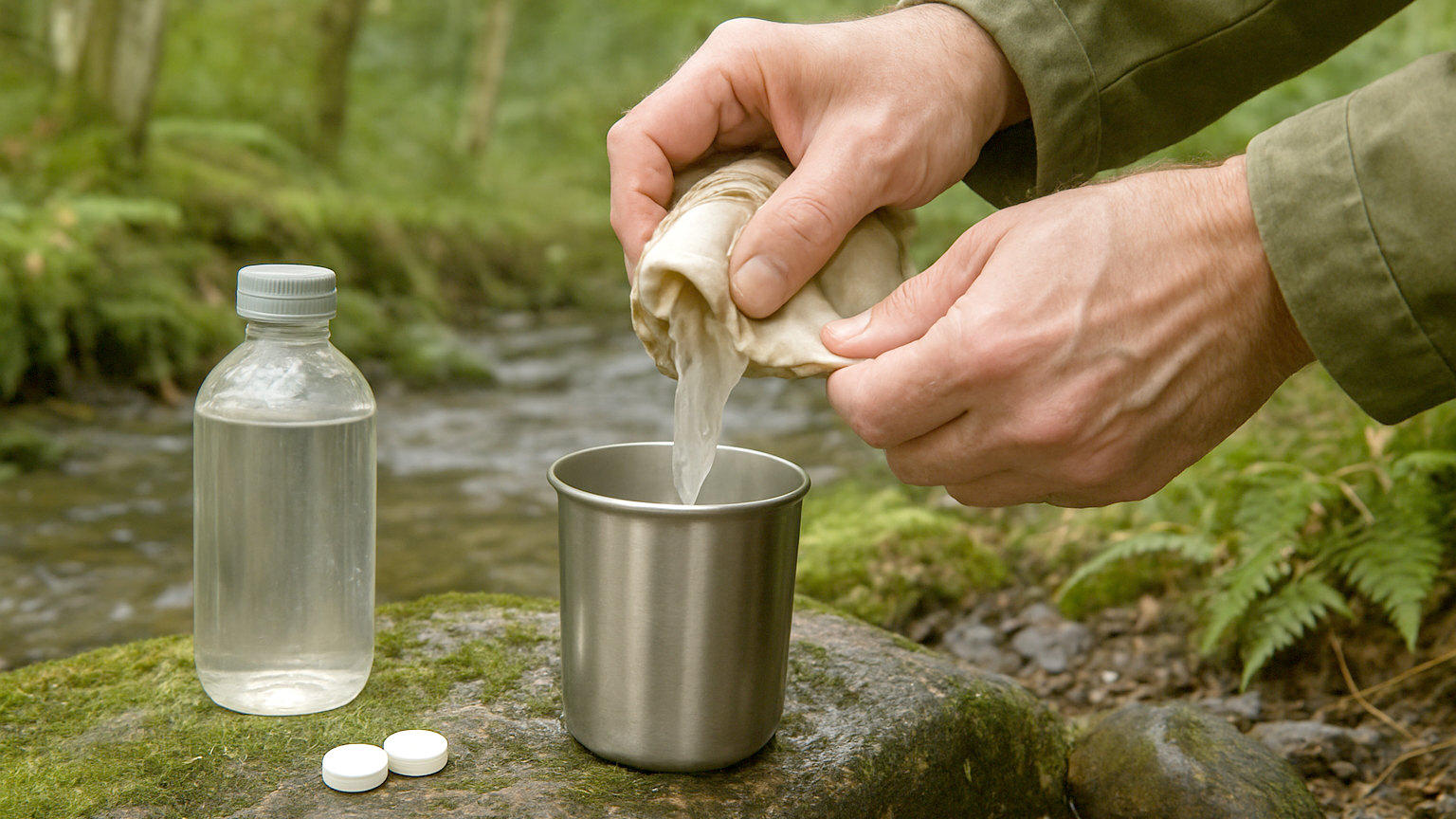
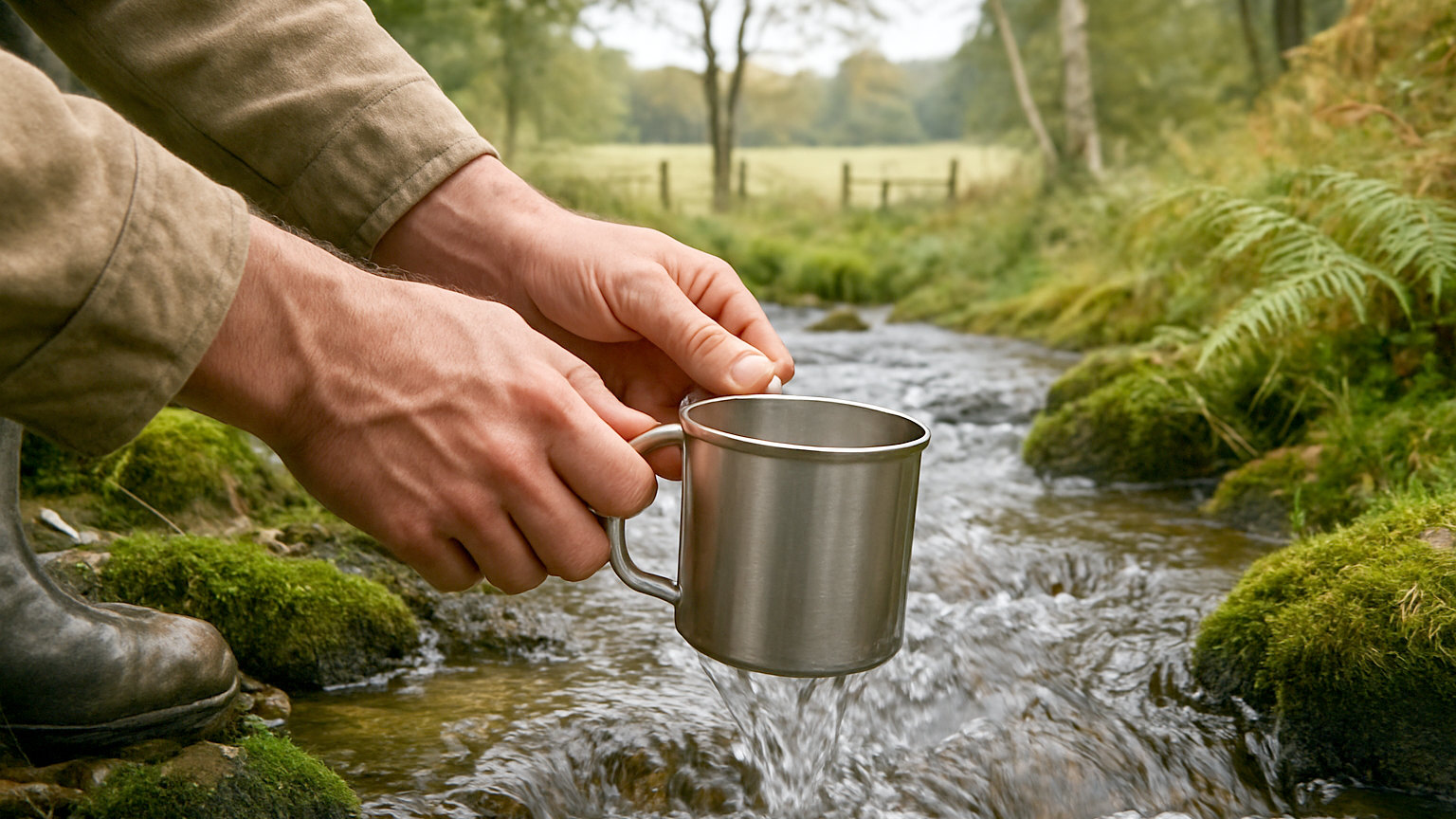
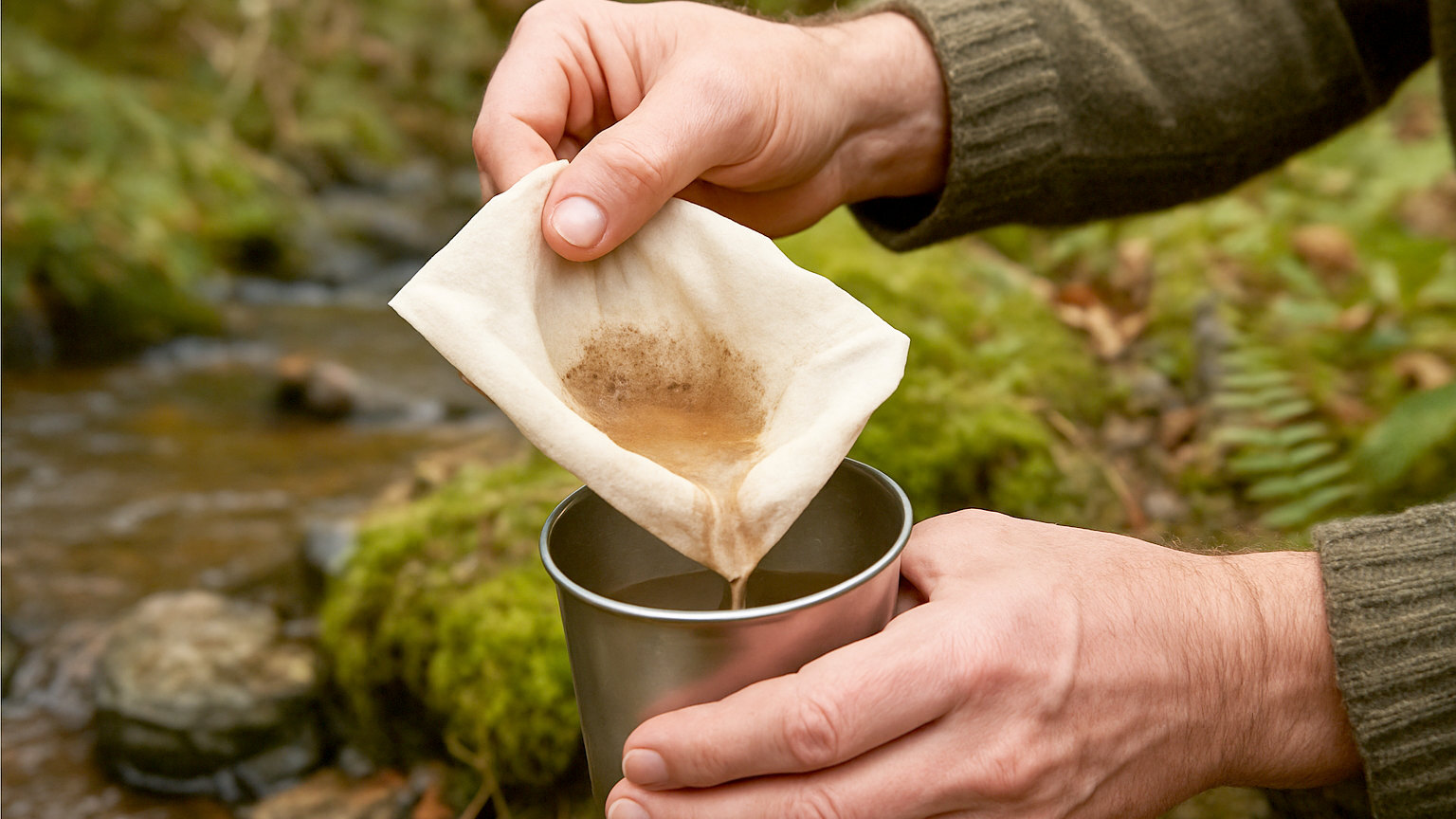
Clearing sediment is a separate job from making water safe, and doing it first makes every disinfection method work far better and clog far less.
By Survival Basics Team
2 Aug 2026

Untreated water is the quickest way to turn a survivable situation into a serious one, and the illness tends to arrive a day or two later, when you can least afford it. These guides cover boiling, chemical treatment, filtration and improvised methods, and are clear about which contaminants each one removes and which it does not touch.
Clearing sediment is a separate job from making water safe, and doing it first makes every disinfection method work far better and clog far less.
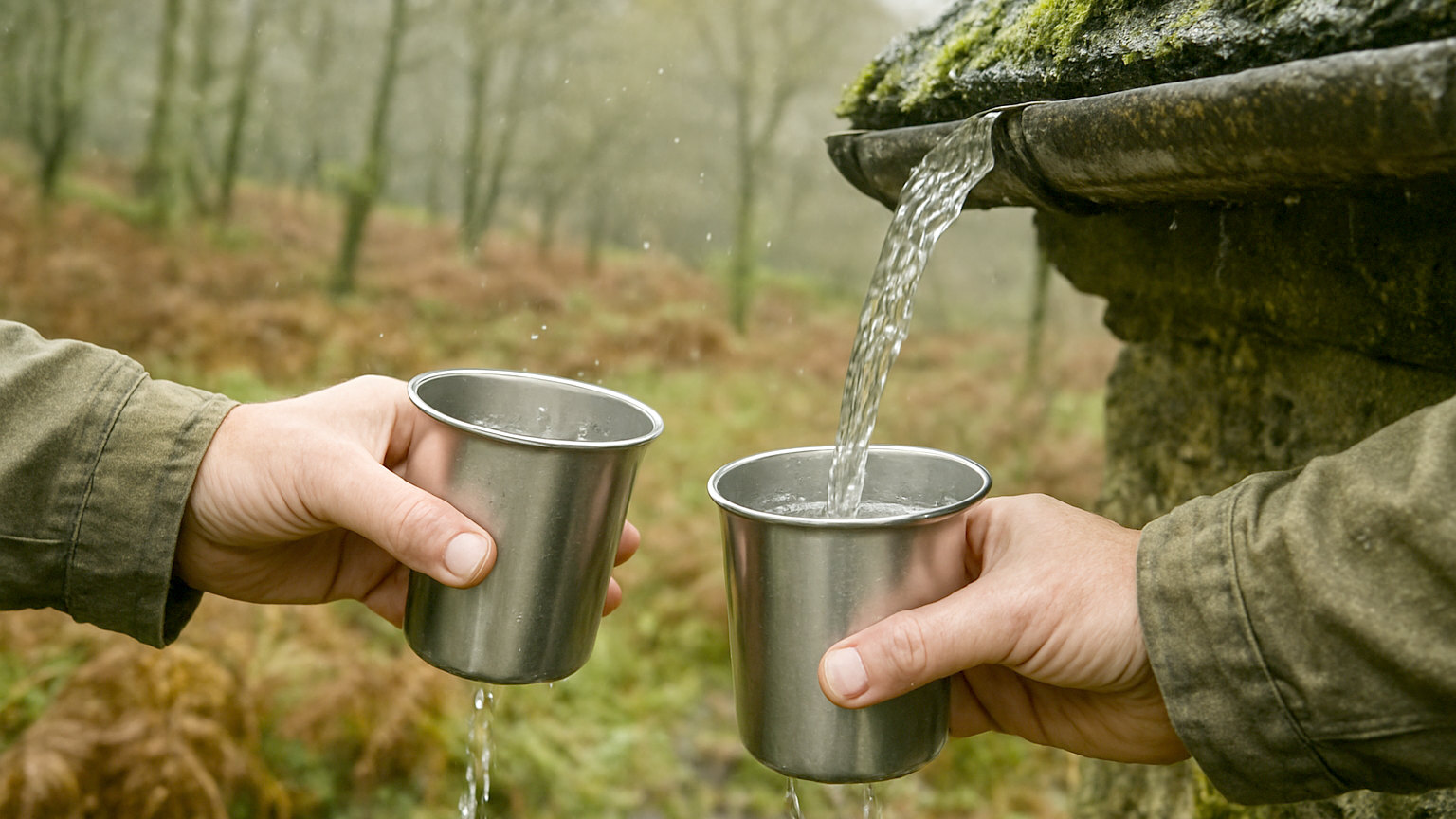
Rain falling into a clean container is among the safest water available. Rain that has run off a roof is a different proposition entirely.
What a boil water notice actually requires, why flood affected supplies need more caution, and how to store enough before the pressure drops.
When fuel is gone or a fire is impossible, solar disinfection, chemical treatment and improvised filtration still work. Each has real limits worth knowing.
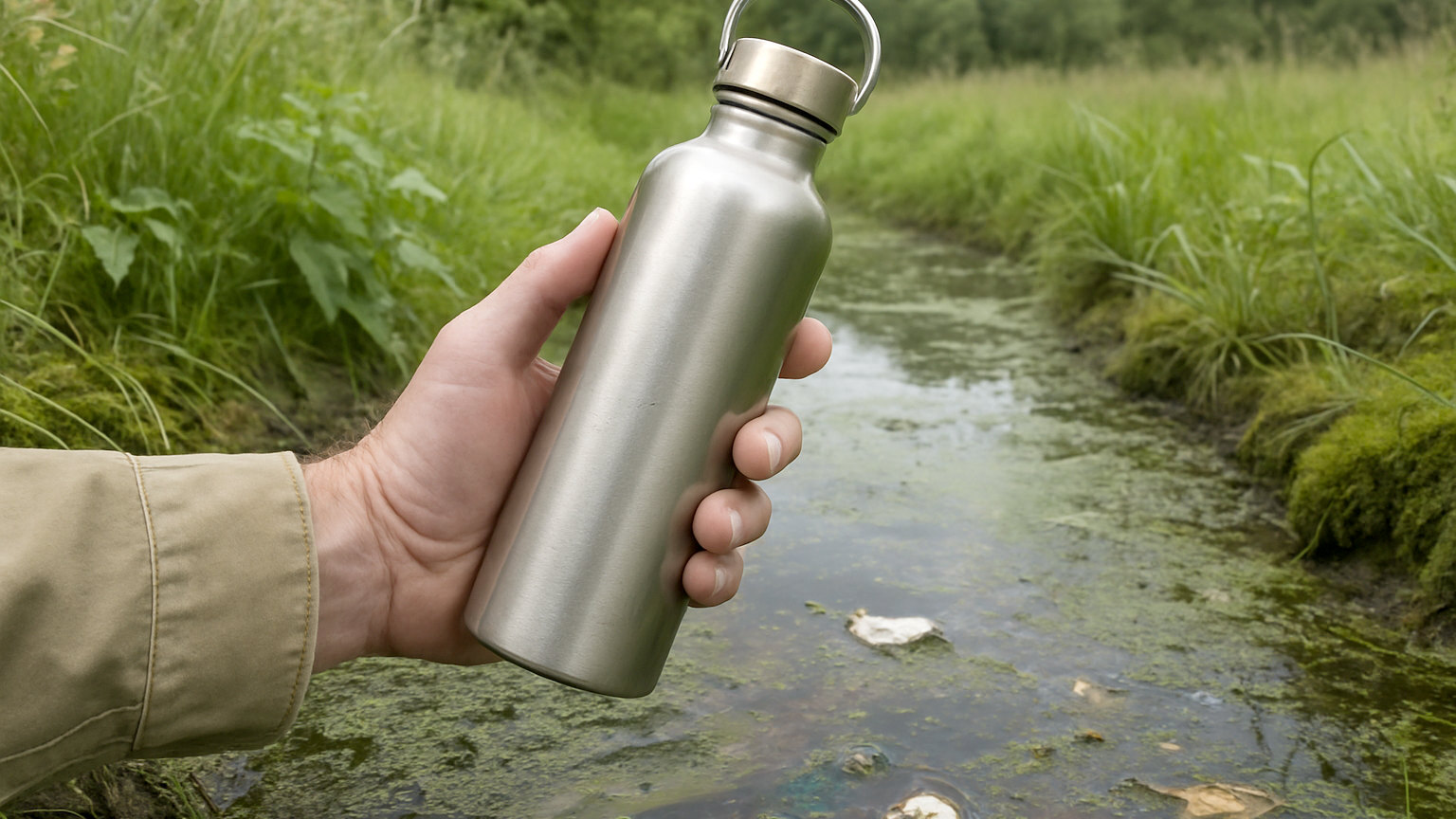
Some water cannot be made safe with anything you can carry. Recognising those sources matters more than any treatment method you own.
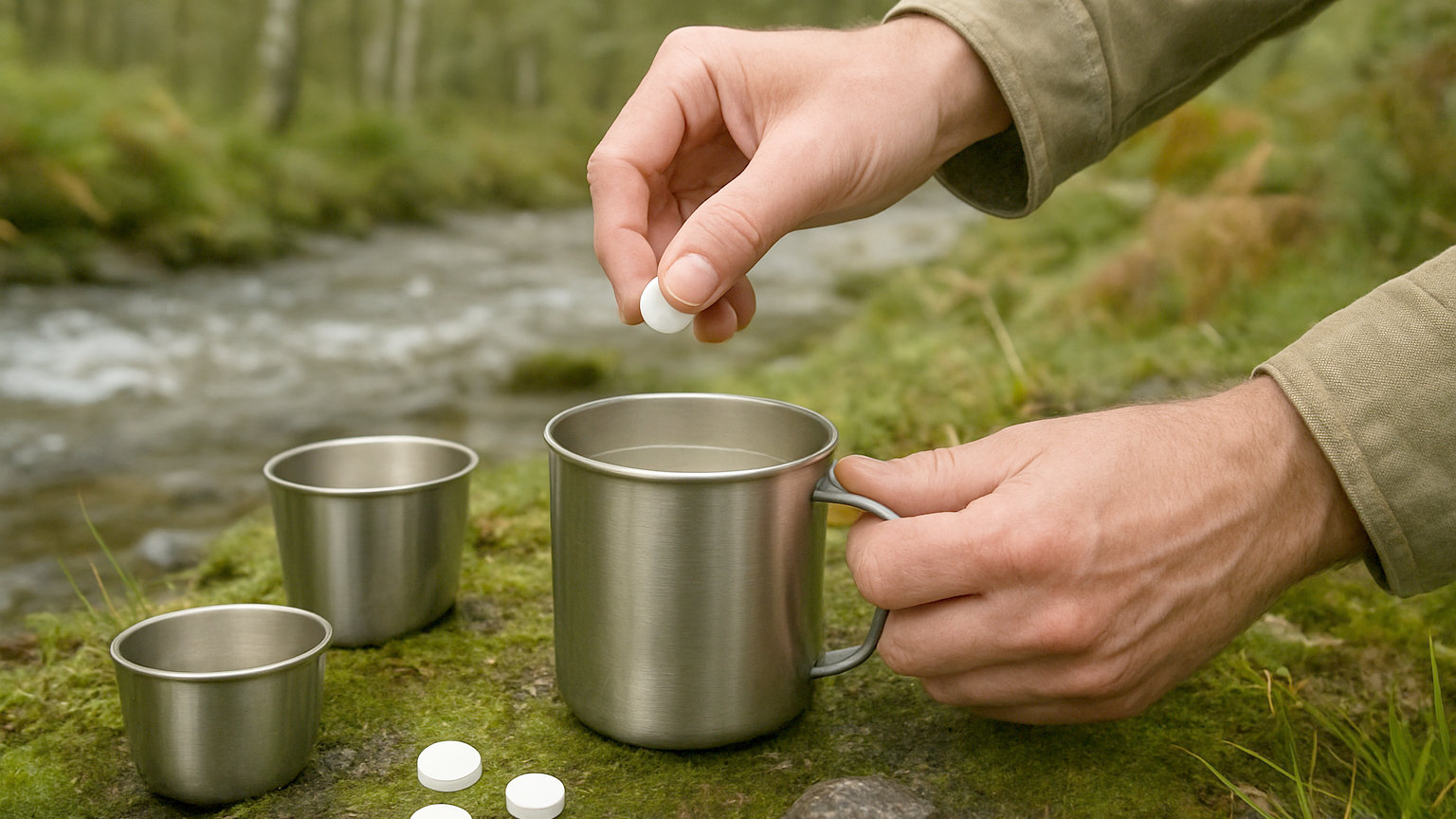
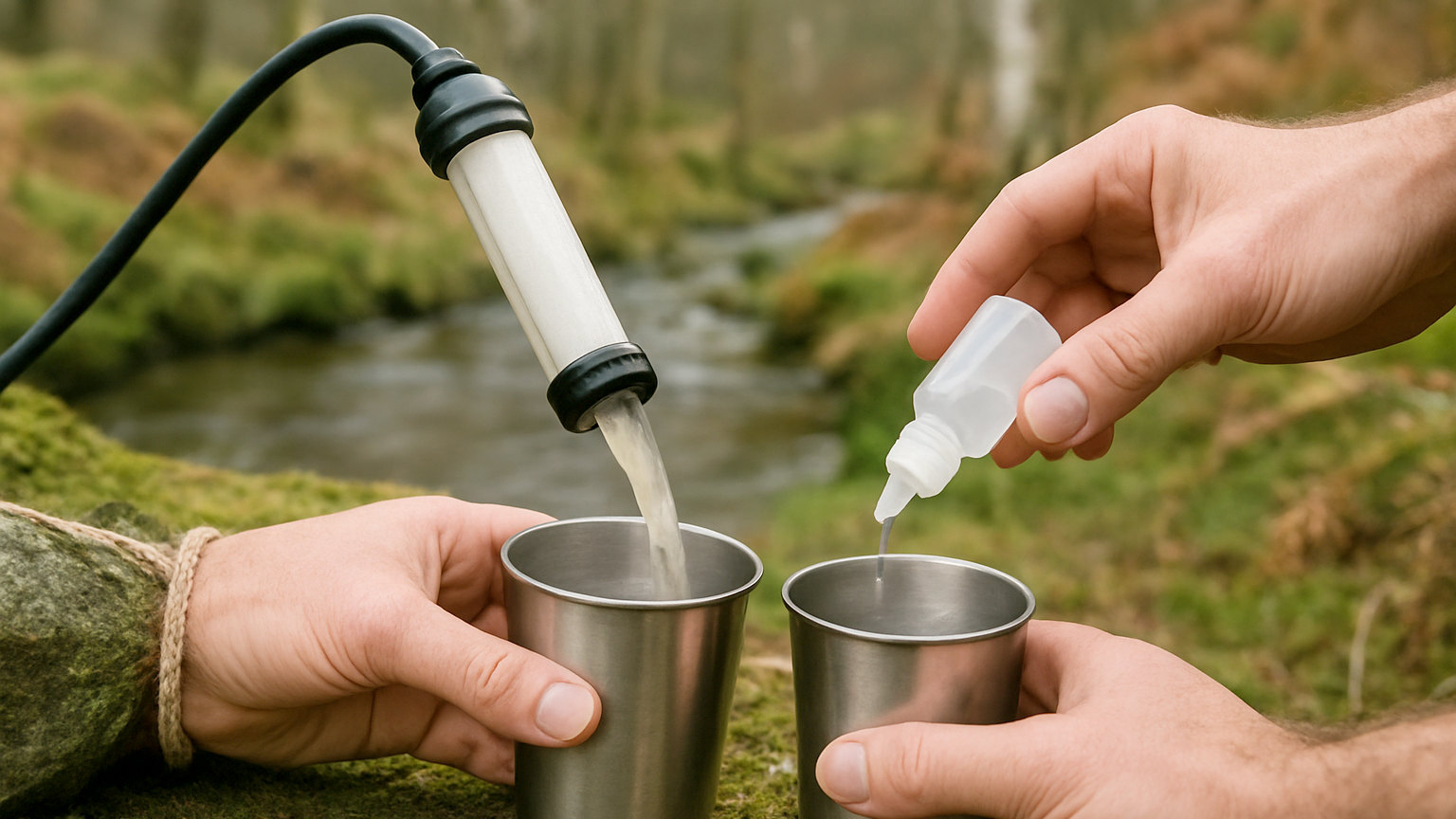
Chlorine, iodine and chlorine dioxide are not interchangeable. One of them handles cryptosporidium and the other two do not, which matters more than most packaging suggests.
Two litres is the planning figure and it is wrong for most real situations. What actually drives requirement, and why rationing is usually a mistake.
British streams look clean and frequently are not. What is actually in them, which sources carry least risk, and why upstream of livestock is the phrase that matters.
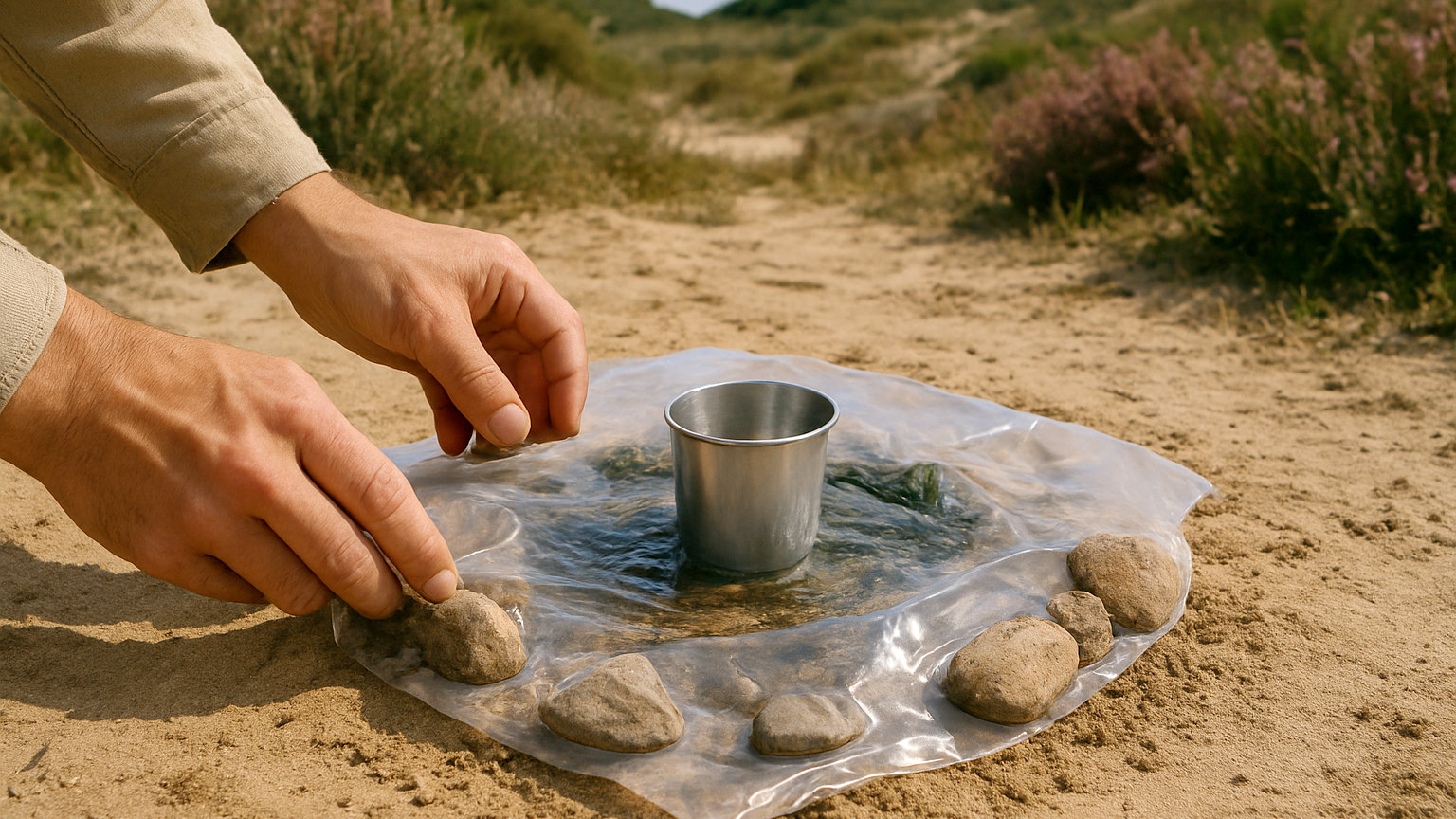
A solar still produces genuinely pure water from soil, seawater or contaminated sources. It also produces very little of it, often less than the sweat it costs to build.
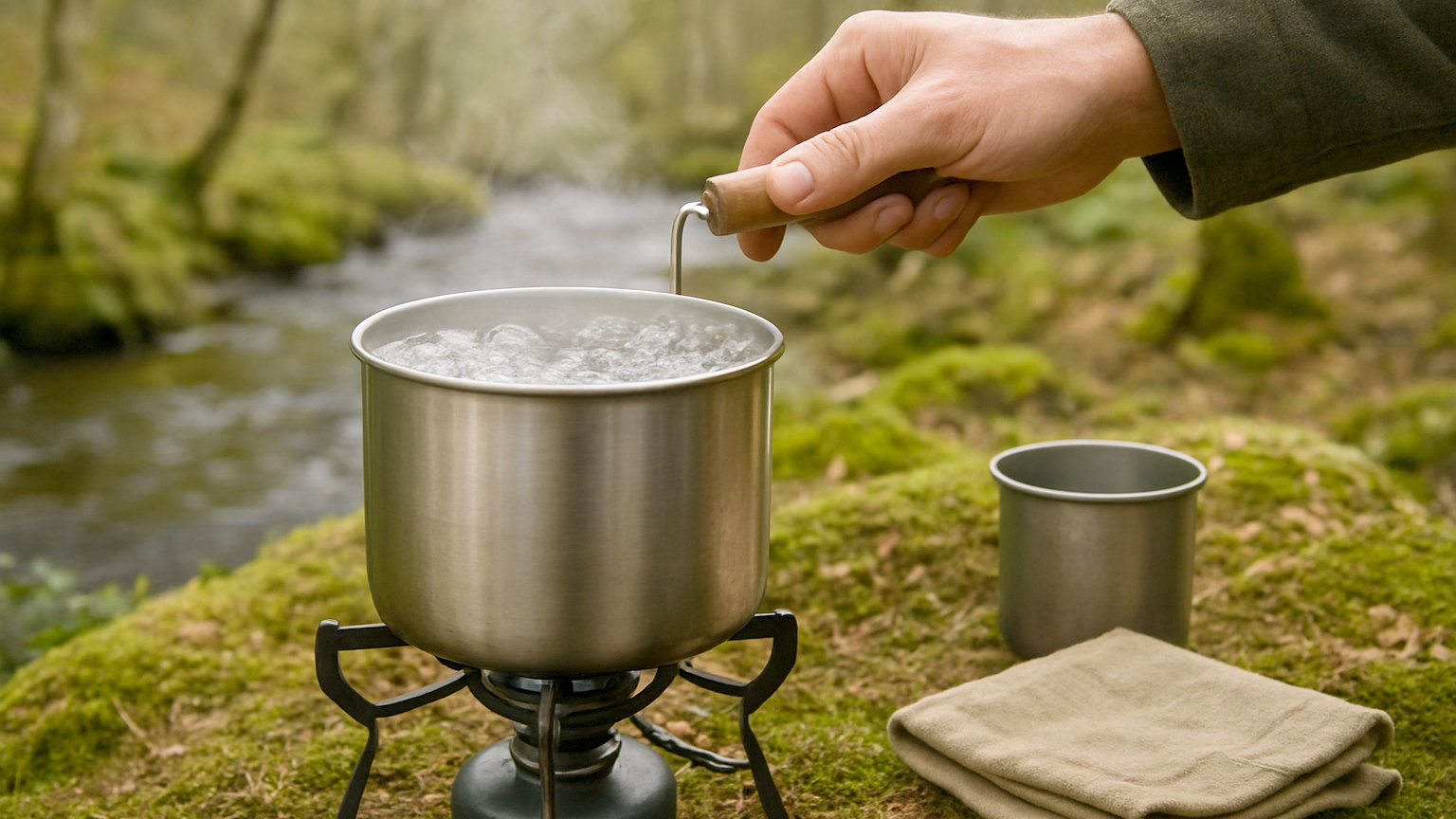
One minute at a rolling boil is the standard answer, three above altitude. Here is where those numbers come from and why longer boiling gains you nothing.
Both are widely suggested and both accelerate dehydration rather than relieving it. The physiology is straightforward once explained, and the answer is consistently no.
The two words are used interchangeably in marketing and mean quite different things technically. The distinction comes down to whether viruses are removed.