How Do You Learn Bushcraft Properly
Practise the basics repeatedly, get taught the dangerous parts, and resist collecting techniques. Depth in a few skills beats familiarity with many.
By Survival Basics Team
9 Aug 2026

Bushcraft is survival practised slowly and on purpose, which is exactly why it is the best way to learn it. These guides cover cutting tools and their safe use, cordage, carving, woodland craft and camp craft, along with the access rights and permissions that determine where in Britain you can legally do any of it.
Practise the basics repeatedly, get taught the dangerous parts, and resist collecting techniques. Depth in a few skills beats familiarity with many.
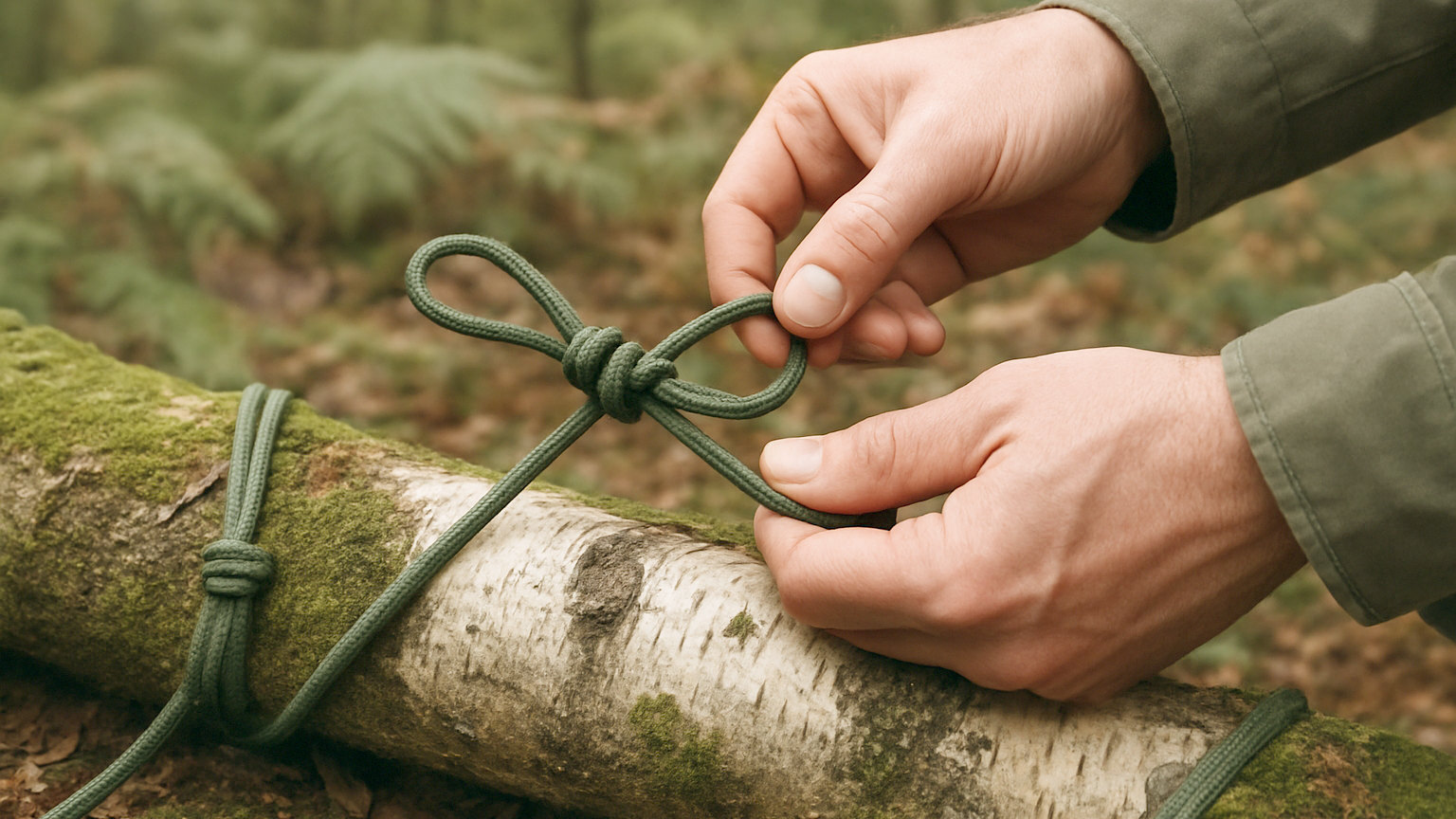
Five or six cover almost everything. Learning those properly beats knowing twenty badly, and the ones that matter are the ones you can tie in the dark.
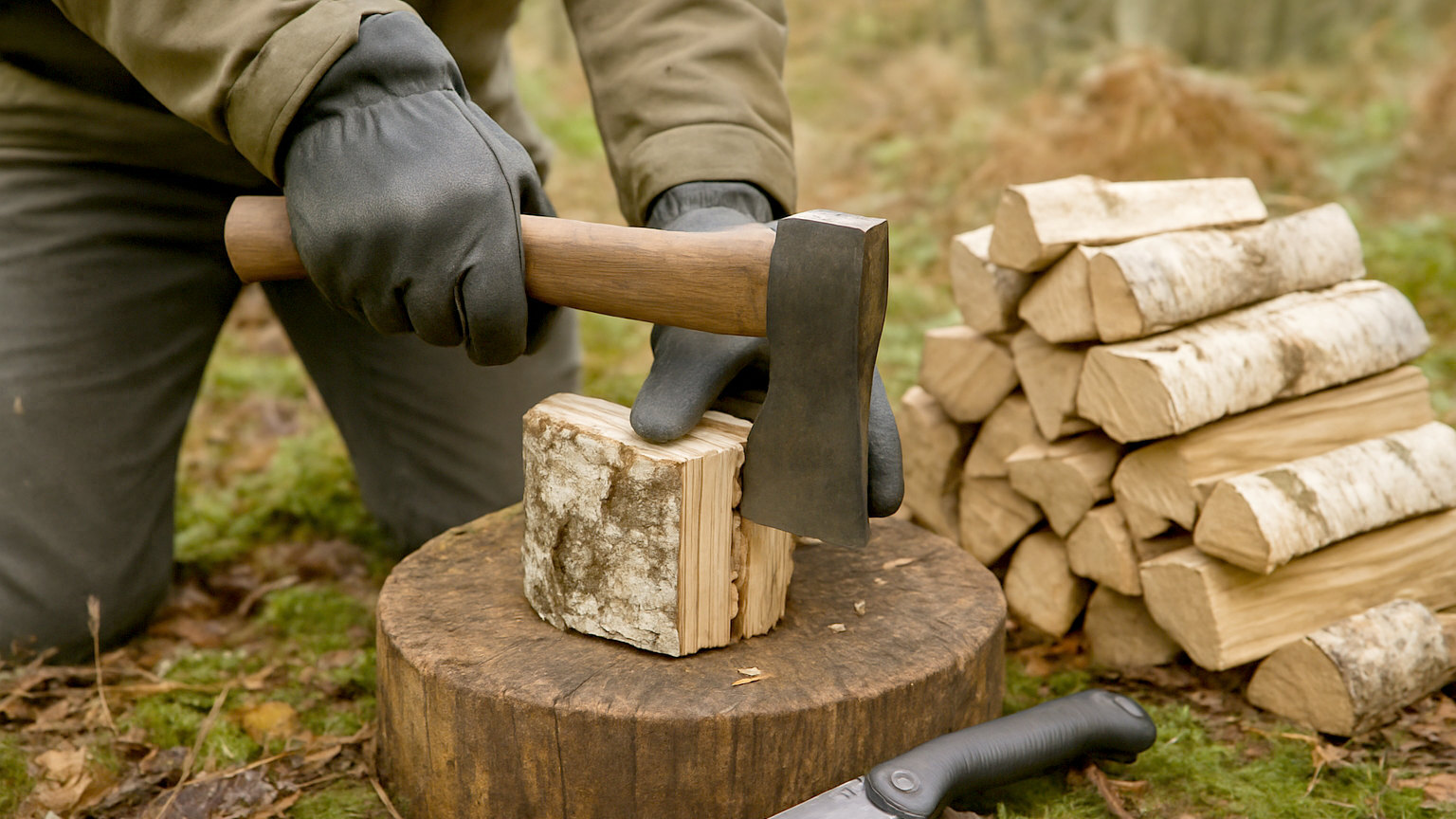
Standing dead wood off the ground, sawn to length and split down. Most of the effort in a good fire happens before anything is lit.
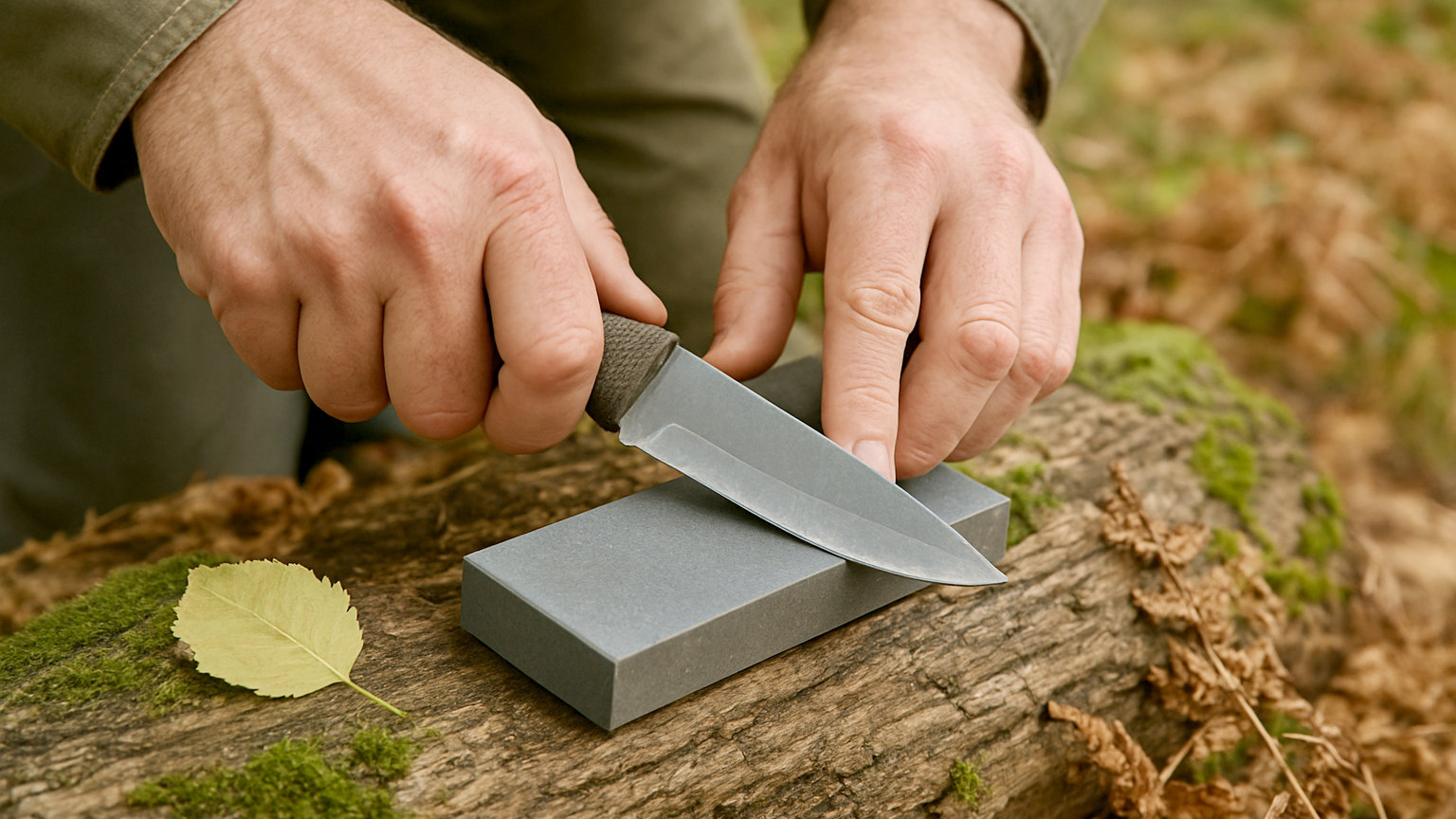
Maintain a consistent angle, raise a burr along the whole edge, then remove it. Everything else in sharpening is refinement of those three steps.
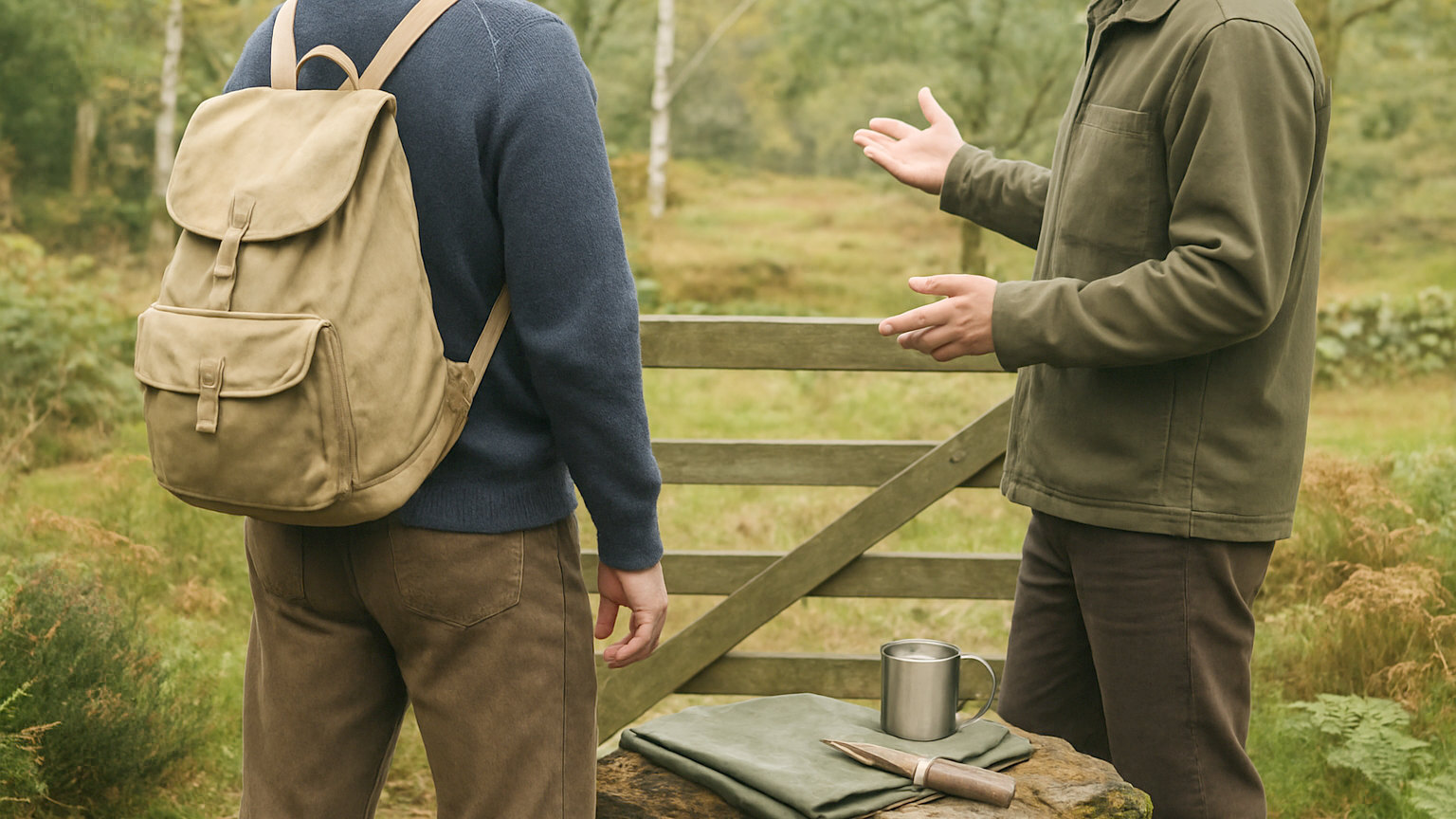
Almost nowhere without permission in England and Wales. Scotland is more permissive and still restricts fires, and the honest answer is to ask a landowner.
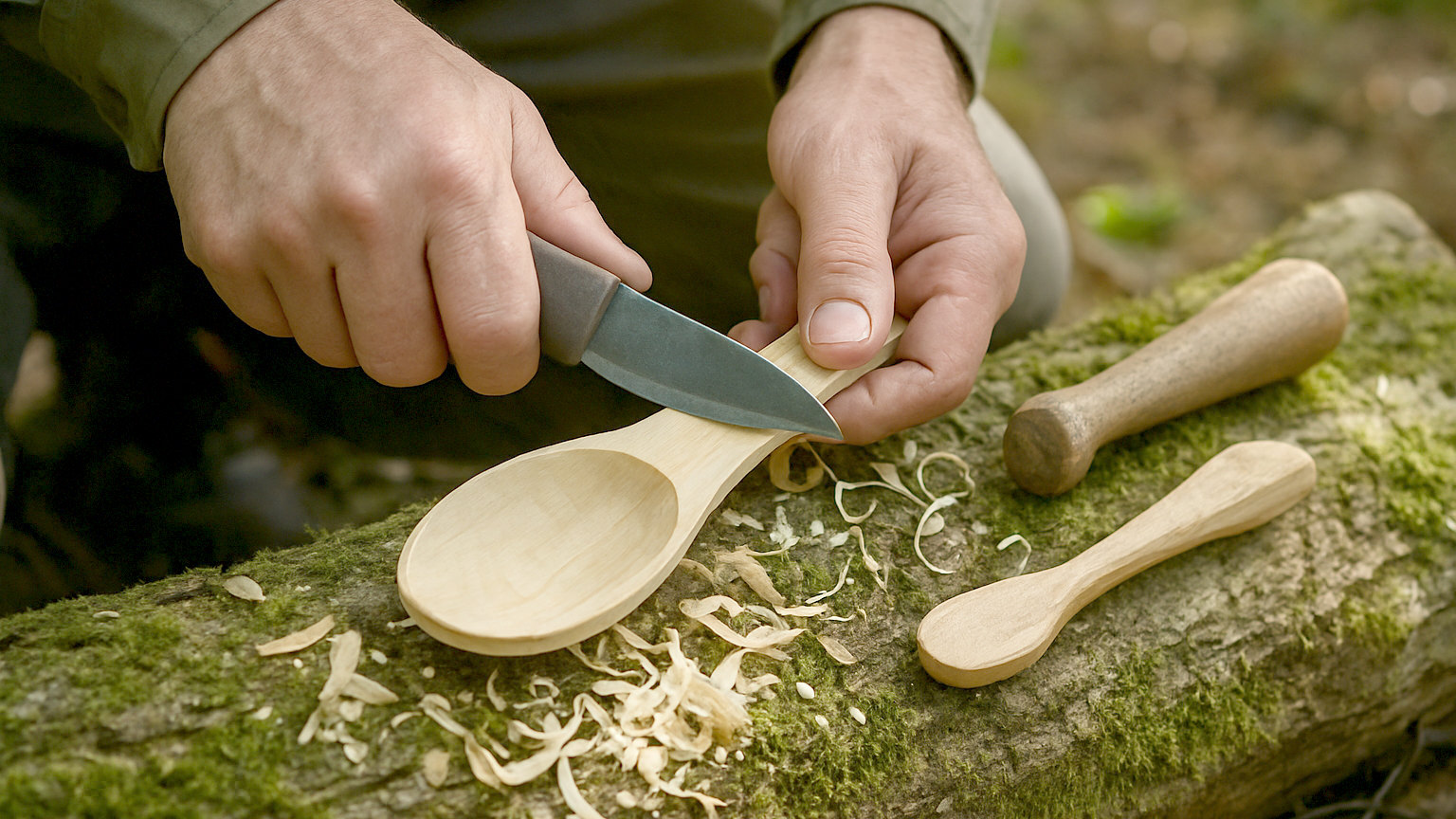
Green wood, a knife and patience. Spoon carving is the standard first project because it teaches every basic cut in a single object.
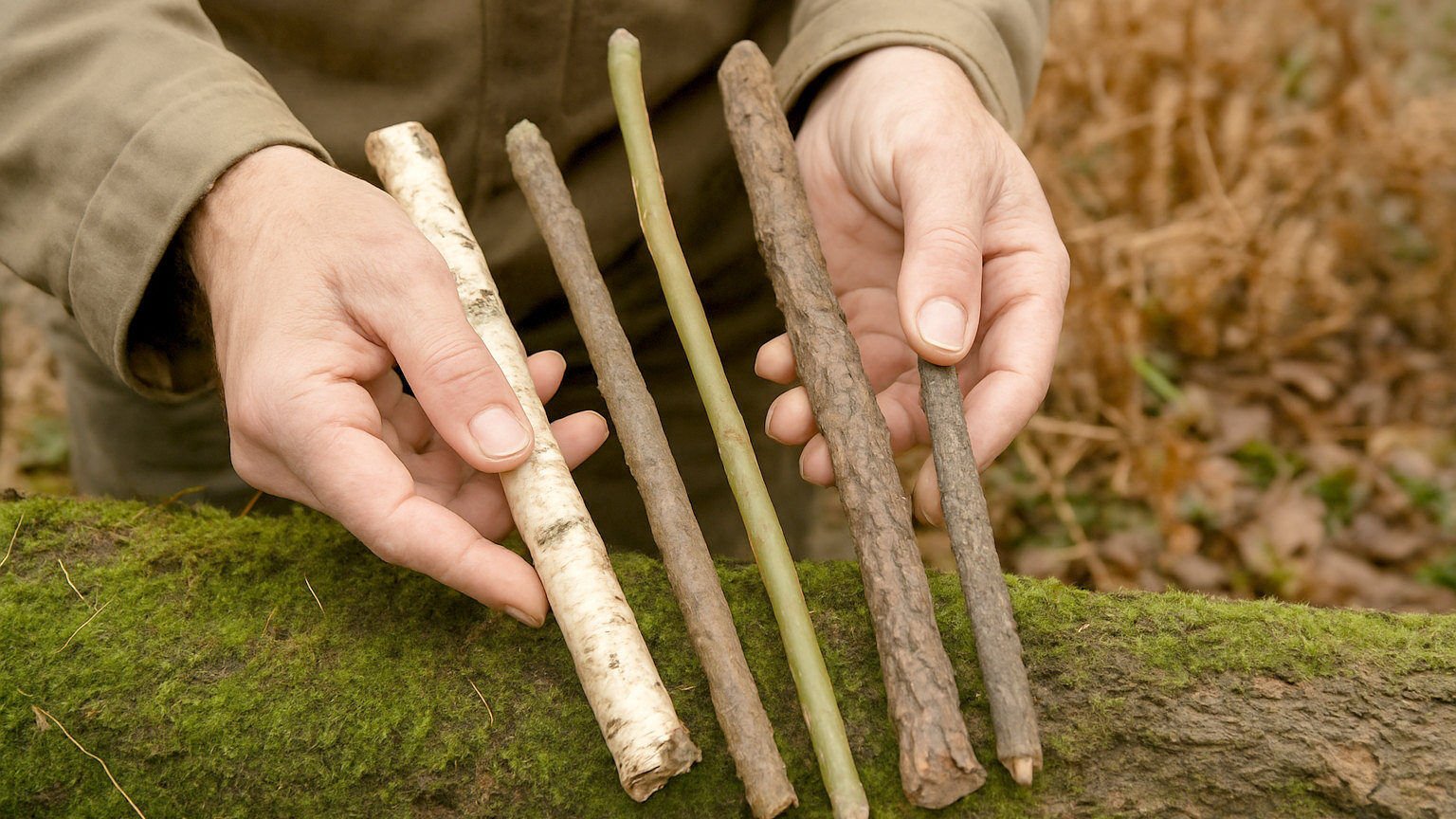
Learn ten common species properly rather than fifty vaguely. Birch, willow, hazel, ash and pine between them cover most of what bushcraft needs.
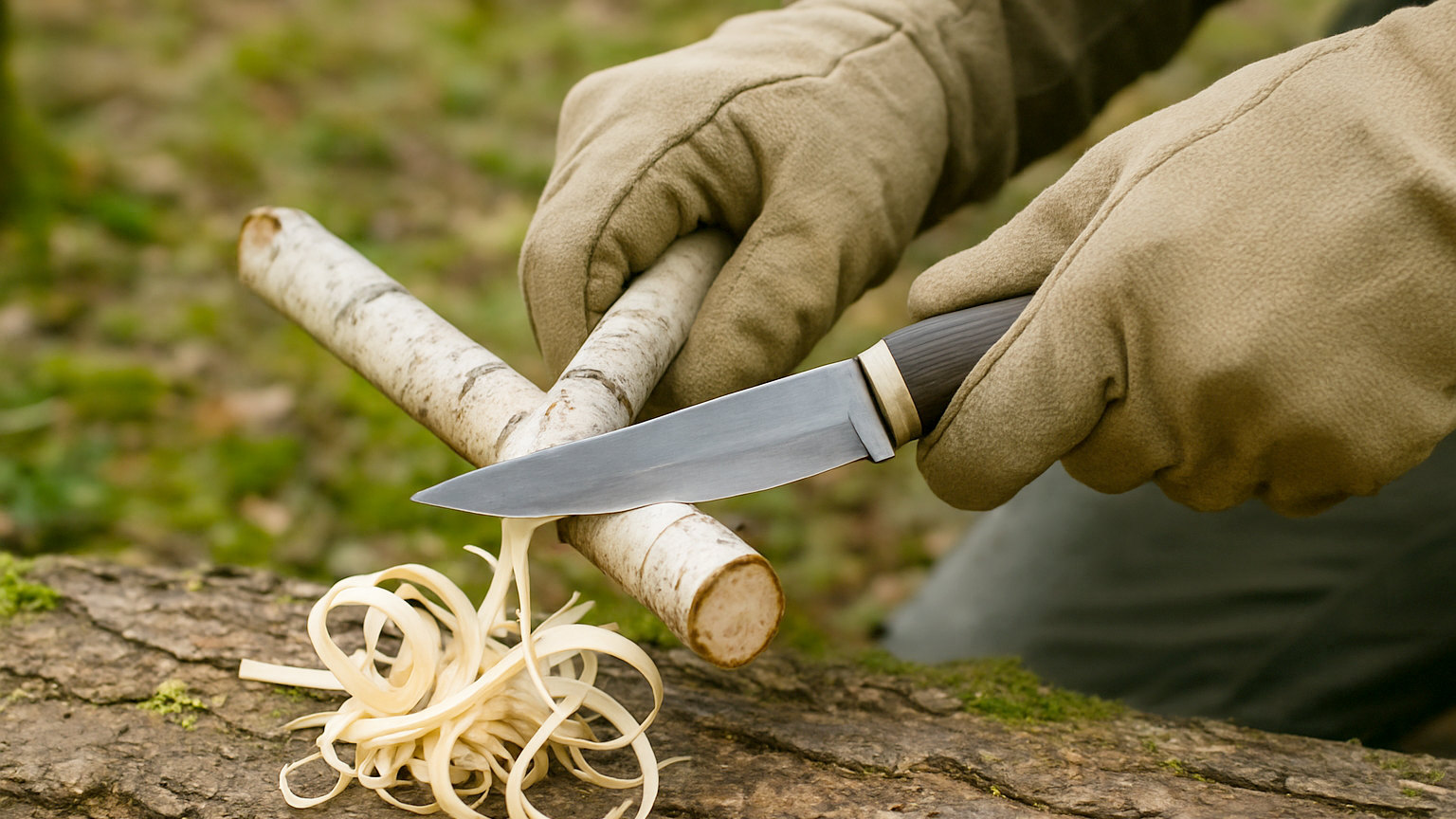
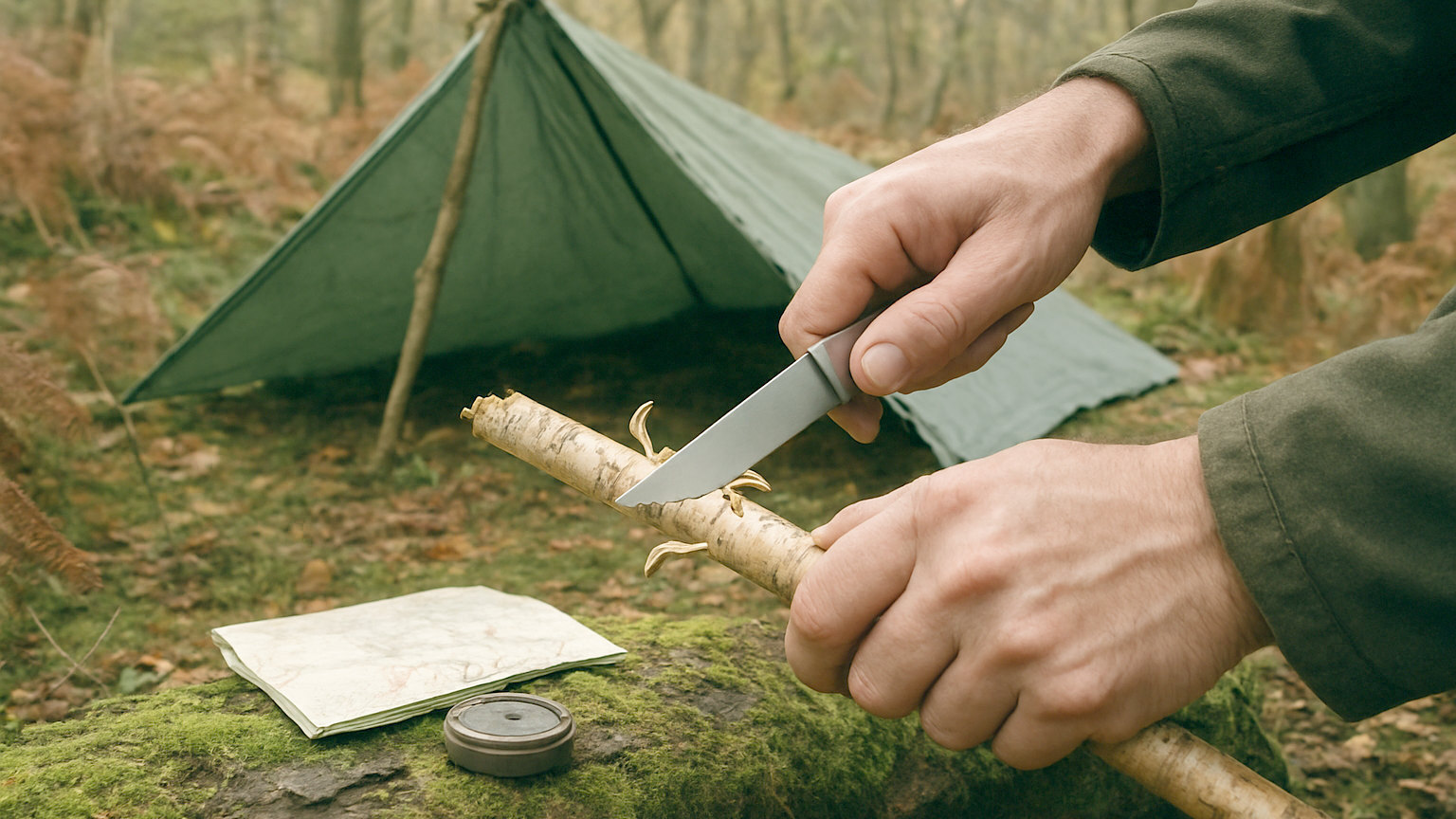
Know where the blade goes if it slips, and make sure nothing of yours is there. Almost every bushcraft knife injury is a cut that went where it was always going to go.
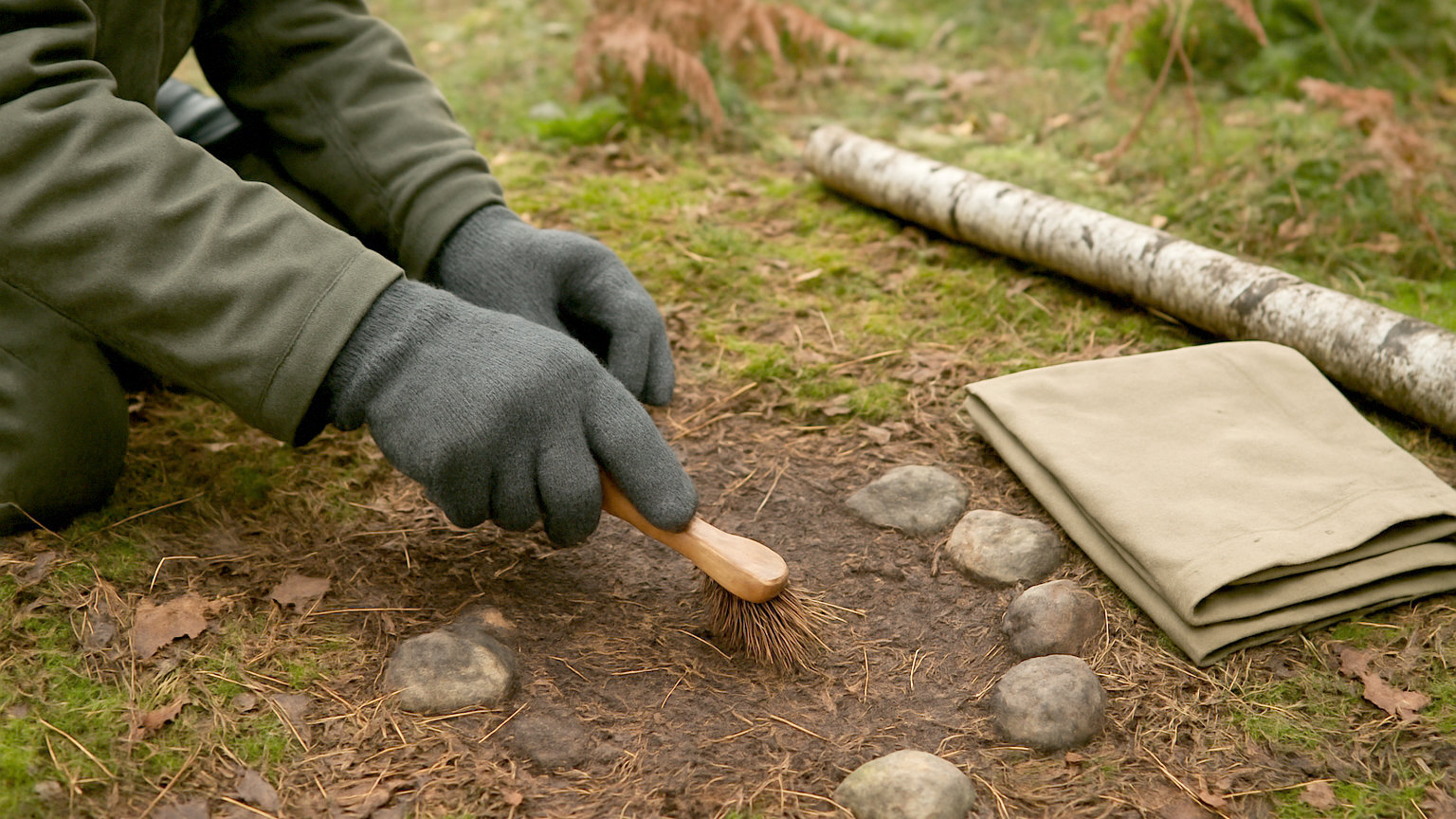
The site should look untouched when you leave. Fire scars, cut wood and worn ground are what get access withdrawn for everyone else.
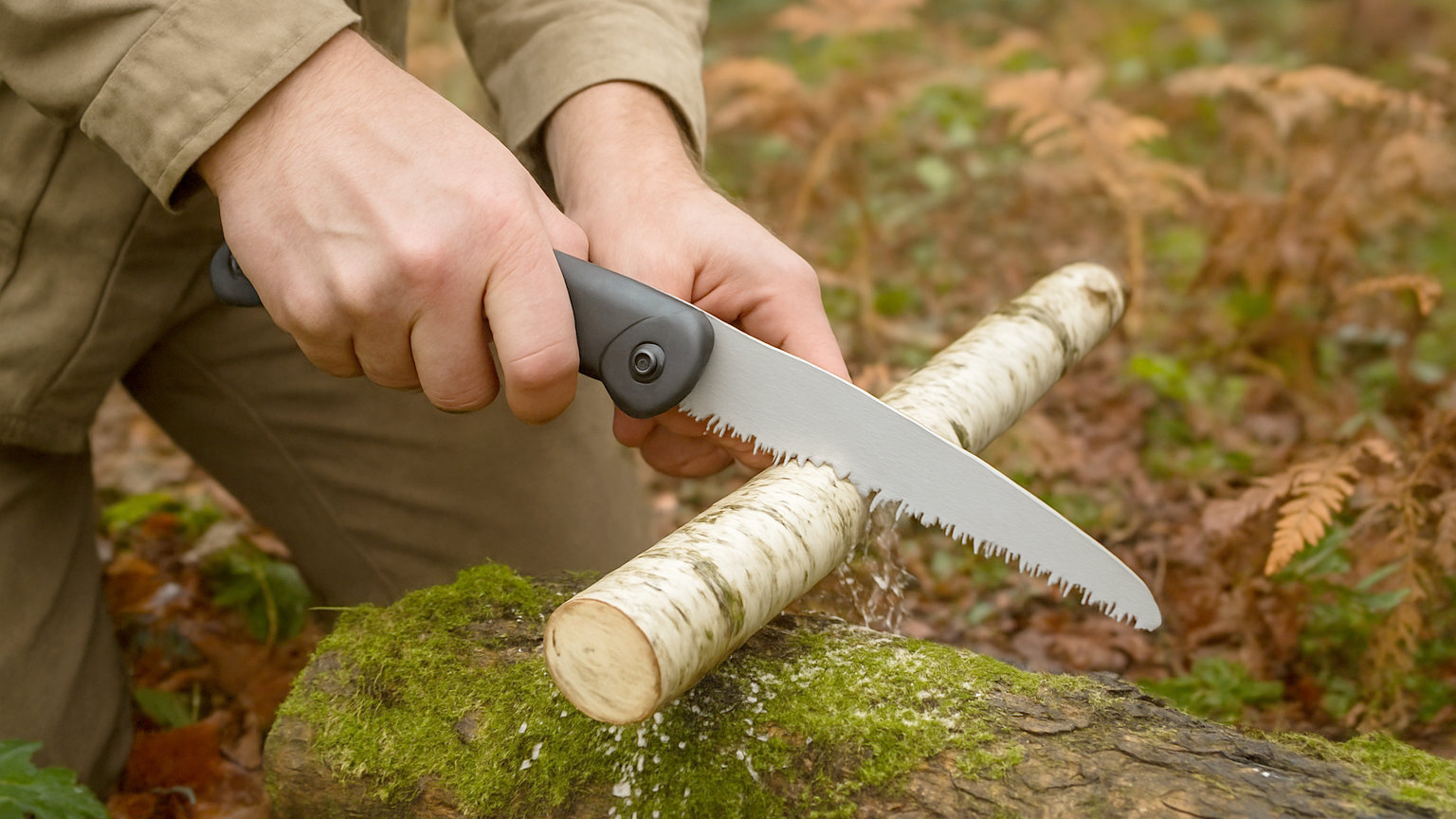
A folding pruning saw does most camp wood work faster and more safely than an axe, for a fraction of the weight and the risk.
Fire, shelter, navigation and tool competence transfer directly. Friction fire and natural cordage are absorbing craft and will not save anyone.
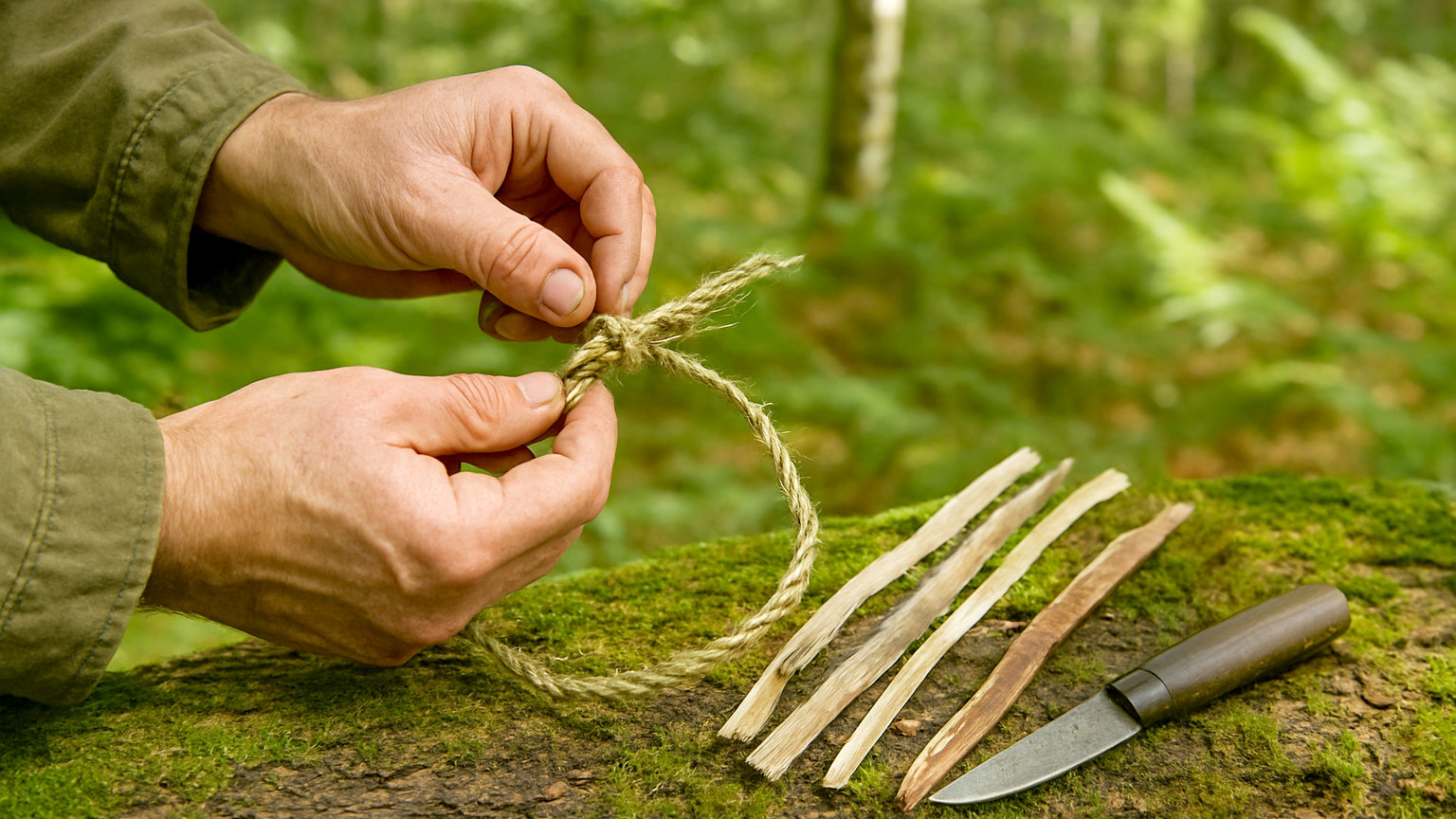
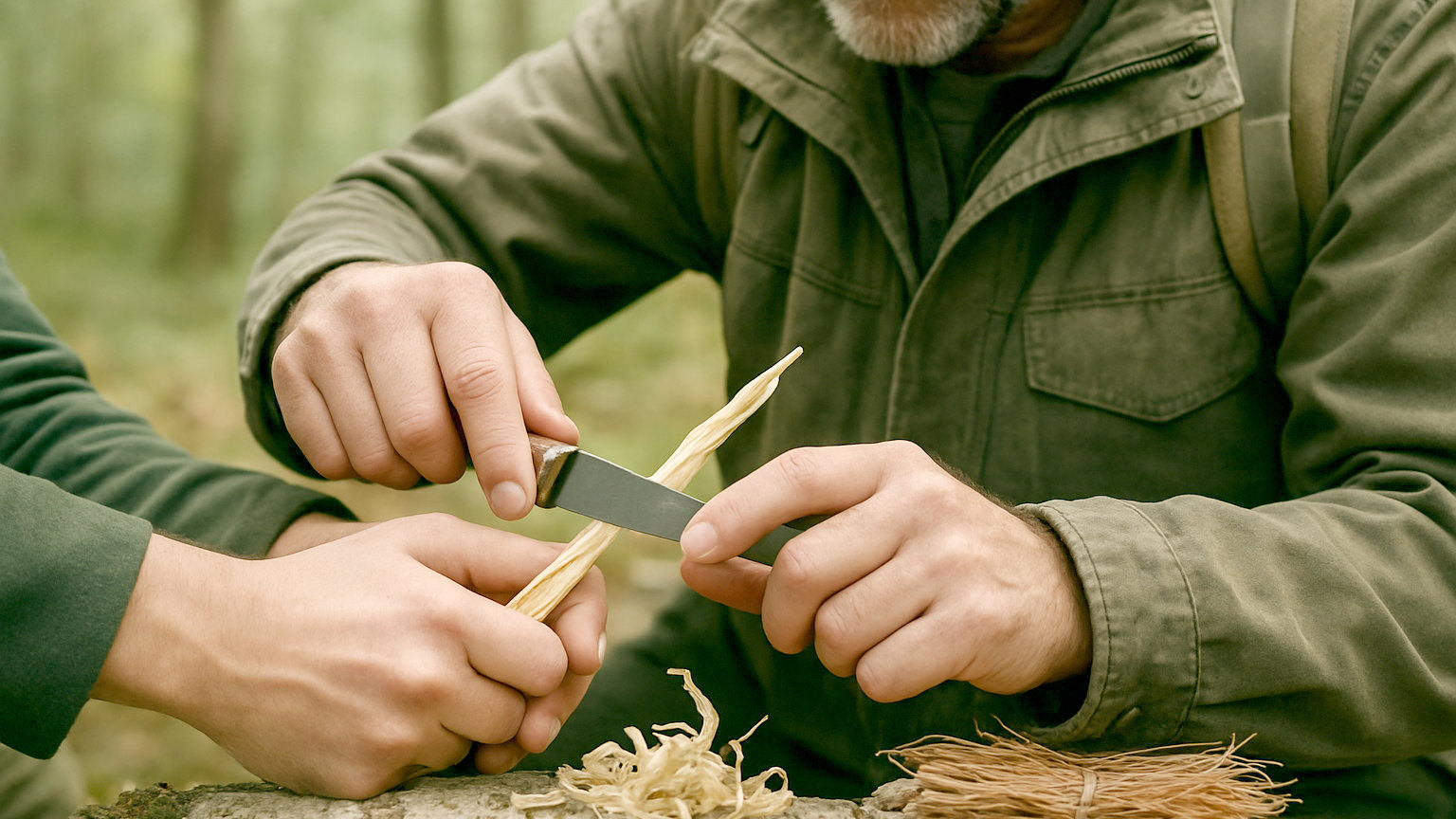
Nettle, lime bast and willow bark all produce usable cord by the reverse wrap. It is slow, absorbing, and genuinely useful to have made once.