Leave no trace is frequently treated as an ethical nicety and it is actually the practical basis on which access continues. Sites are closed and permissions withdrawn because of visible damage.
What is the standard?
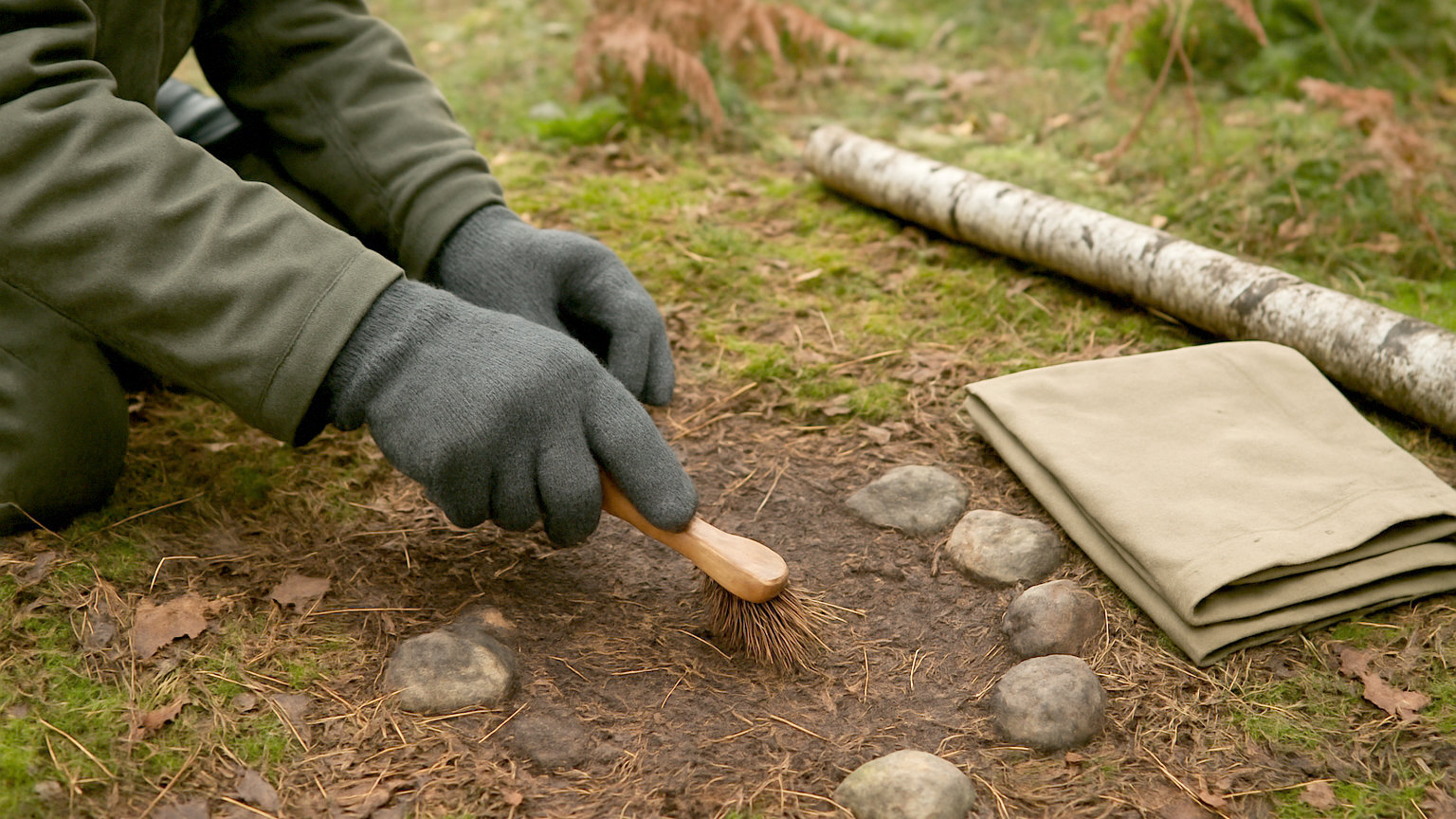
Someone arriving afterwards should not be able to tell you were there. That means no fire scar, no cut vegetation, no flattened ground, no waste, no fire ring of stones and no obvious sitting or sleeping area. It is achievable with care and it takes longer to leave properly than most people allow for.
What does the most damage?
Fire, by a wide margin. A fire directly on the ground sterilises the soil, leaves a scar visible for years, and on peat can smoulder underground. Cut living wood, which does not regrow and marks the site permanently. Repeated use of the same spot, which compacts soil and kills vegetation. And waste, which is the most obvious and the easiest to avoid.
- Use a raised fire bowl or an existing fire site
- Never light fires on peat or over roots
- Drown fires completely and scatter cold ashes widely
- Cut nothing living, and take only dead wood if permitted
- Take out everything you brought in, including food waste
- Camp on durable ground and move on rather than settling
How do you deal with a fire site?
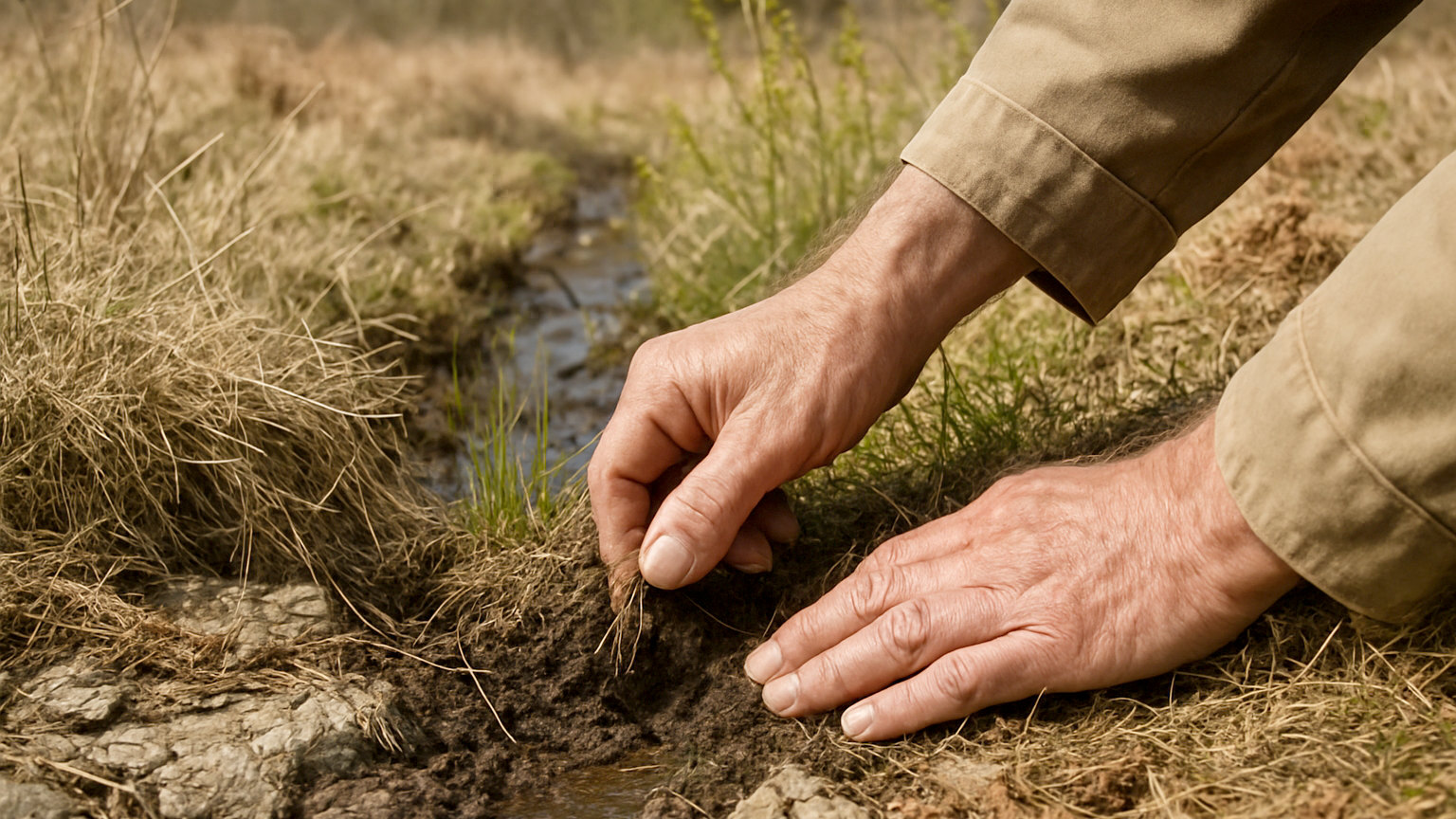
Ideally by not creating one. A raised fire bowl or a fire on a bed of mineral soil laid on a metal tray leaves nothing behind. If you must light on the ground, lift a turf carefully, keep it damp, build the fire in the hollow on mineral soil, then drown the fire, scatter the cold ash well away, and replace and water the turf.
What about wood?
Take only dead wood lying on the ground or dead standing material, and only where you have permission to gather it. Cutting living wood is criminal damage and it kills the tree or leaves a permanent wound. Standing dead wood is also valuable habitat, so taking everything from a site progressively degrades it. Bring fuel with you where sites are heavily used.
How do you handle waste?
Take it all out, including food scraps, tea bags, fruit peel and anything organic. Buried food waste is dug up by animals, changes their behaviour and attracts them to camps. Do not burn rubbish, which rarely burns completely and leaves melted residue. Carry a bag for it and accept that it comes home with you.
What about human waste?
Well away from water, paths and camps, in a hole around fifteen to twenty centimetres deep in the biologically active layer of soil, covered and disguised. Carry out paper or bury it fully. Never leave paper under a stone, which is the most common and most visible failure. In fragile upland and on rock, carrying it out is the only acceptable option.
Why does it matter so much?
Because visible damage closes sites. Landowners who find fire scars, cut trees and rubbish withdraw permission, and pressure on public land leads to byelaws restricting everyone. Access in Britain is fragile and largely permissive, and the behaviour of a small number of visible users determines what remains available to everyone.
What about repeated use?
Spread it out or accept an established site. Using the same spot repeatedly compacts ground and kills vegetation, so either move each time so no site develops, or use an obviously established site and concentrate the impact there rather than creating a new one. Concentrating impact on already damaged ground is better than spreading it thinly across pristine ground.
What about washing?
Do it well away from water, using very little soap or none at all. Detergents harm aquatic life, so wash yourself and any dishes at least thirty metres from a stream or lake, carrying water to that spot rather than washing at the edge. Scatter the waste water widely rather than pouring it in one place, and strain out food particles and take them away with the rest of the rubbish.
Use a raised fire bowl, cut nothing living, take everything out including food waste, bury human waste properly, and leave the site looking unvisited.