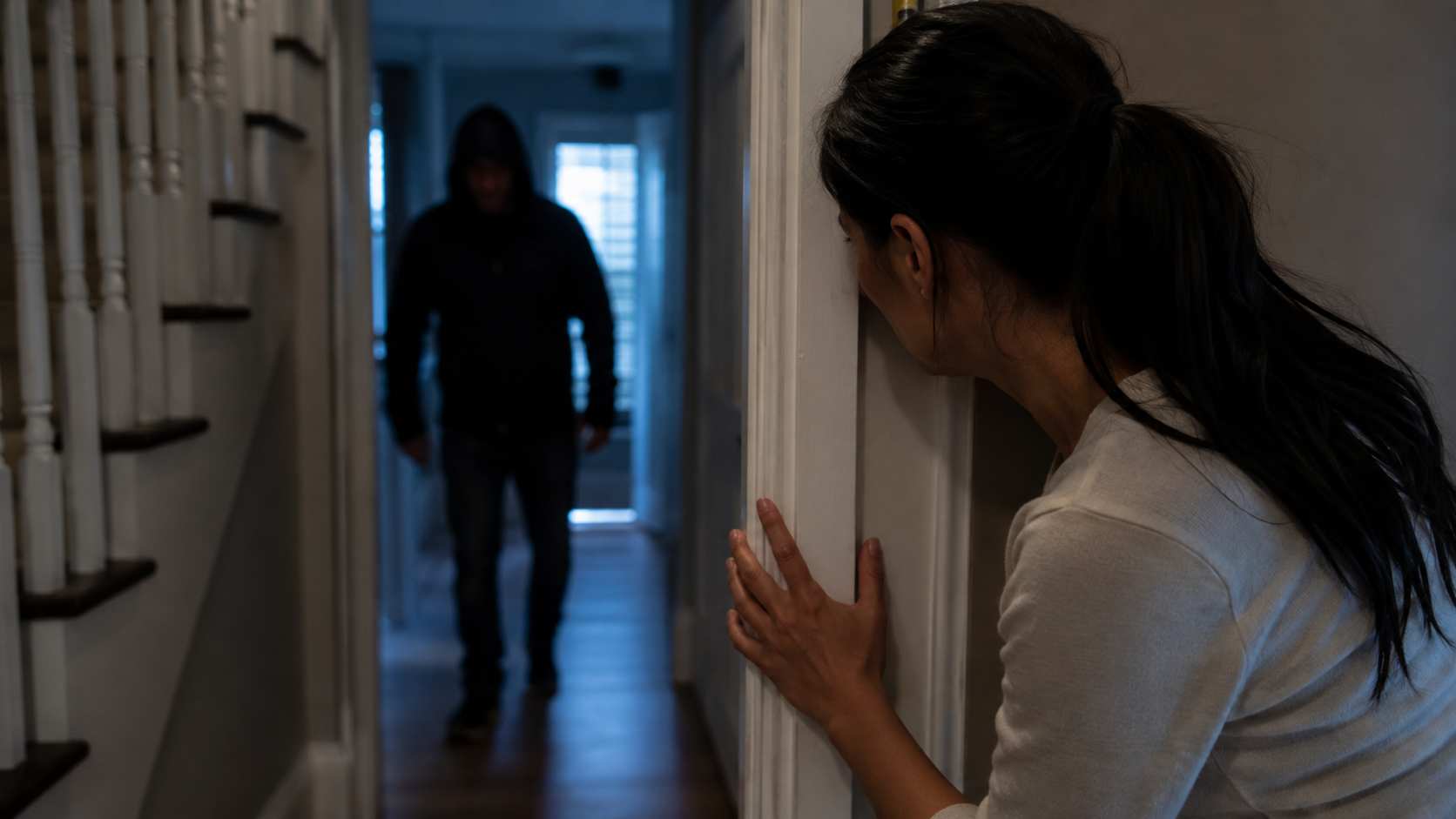
Most burglaries occur when nobody is home. Being present changes the situation considerably and the correct response is still not the instinctive one.
What is the priority?
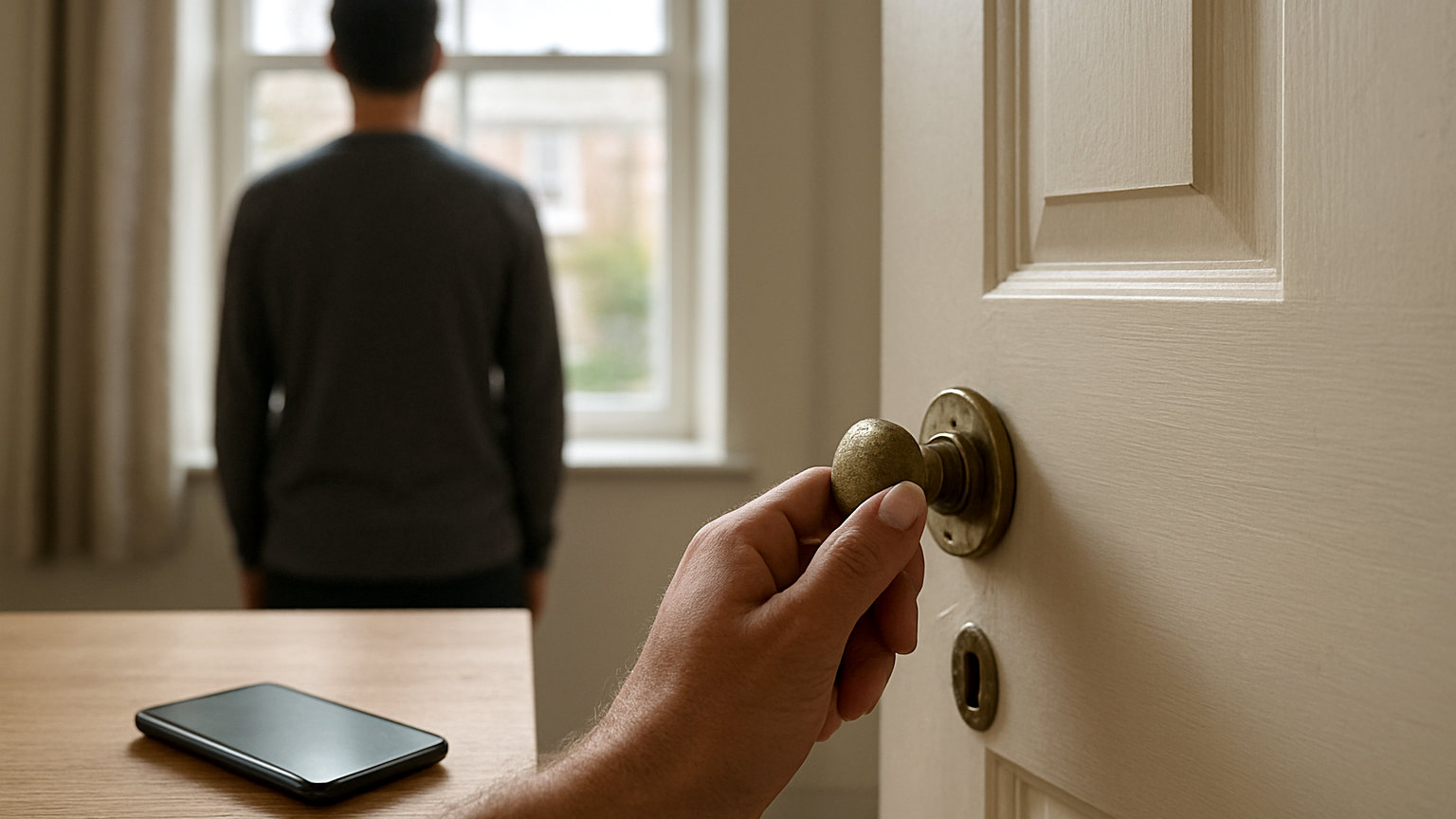
People, then the police, then everything else. Get everyone in the household into one room, preferably one with a lock and a phone, and call 999. Property is insured and replaceable and the people are not, which sounds obvious and is exactly what people forget while going downstairs to see what the noise was.
Should you confront them?
No. A burglar who believes the house is empty and discovers it is not may panic, and the great majority of injuries in domestic burglaries occur during confrontation rather than during theft. Someone who hears voices, sees a light and hears a door lock will usually leave, which is the outcome you want.
- Gather everyone into one room and shut the door
- Call 999 and stay on the line
- Make noise so they know the house is occupied
- Do not go looking for them or block their exit
- Leave through another exit if you safely can
- Do not touch anything afterwards until police attend
Should you make noise?
Yes, once you are together and safe. Turning lights on, talking loudly and making it obvious the house is occupied encourages an intruder to leave, which is the objective. This is different from going to find them. Give them an obvious route out rather than cornering them, since a trapped person is far more dangerous.
What should you tell the operator?
Your address first, that there is an intruder in the house, how many people are with you, where you are, and whether anyone is injured or vulnerable. Stay on the line, keep your voice down if that matters, and follow their instructions. If you cannot speak safely, the silent solution system applies: listen, and press five five when prompted.
What does the law allow?
More than in public, and less than the popular version. In householder cases, force against a trespasser in a dwelling is only automatically unreasonable if it was grossly disproportionate, which is a higher threshold than elsewhere. That is real protection for someone acting in fear, and it is not a licence, since the force must still be reasonable in the circumstances as you believed them to be.
What about after they leave?
Do not touch anything and do not tidy up. The scene contains evidence, and forensic recovery is routine in burglary investigations. Note what you remember while it is fresh, including descriptions, vehicles and timings. Photograph any damage before repairs. Contact your insurer once the police have a crime reference number.
What if you are alone and can leave?
Leave. Getting out of the building and calling from a neighbour or the street is a better outcome than any indoor arrangement, provided you can do it without passing the intruder. Take a phone and keys if they are to hand and do not go back for anything.
How do you prepare for it?
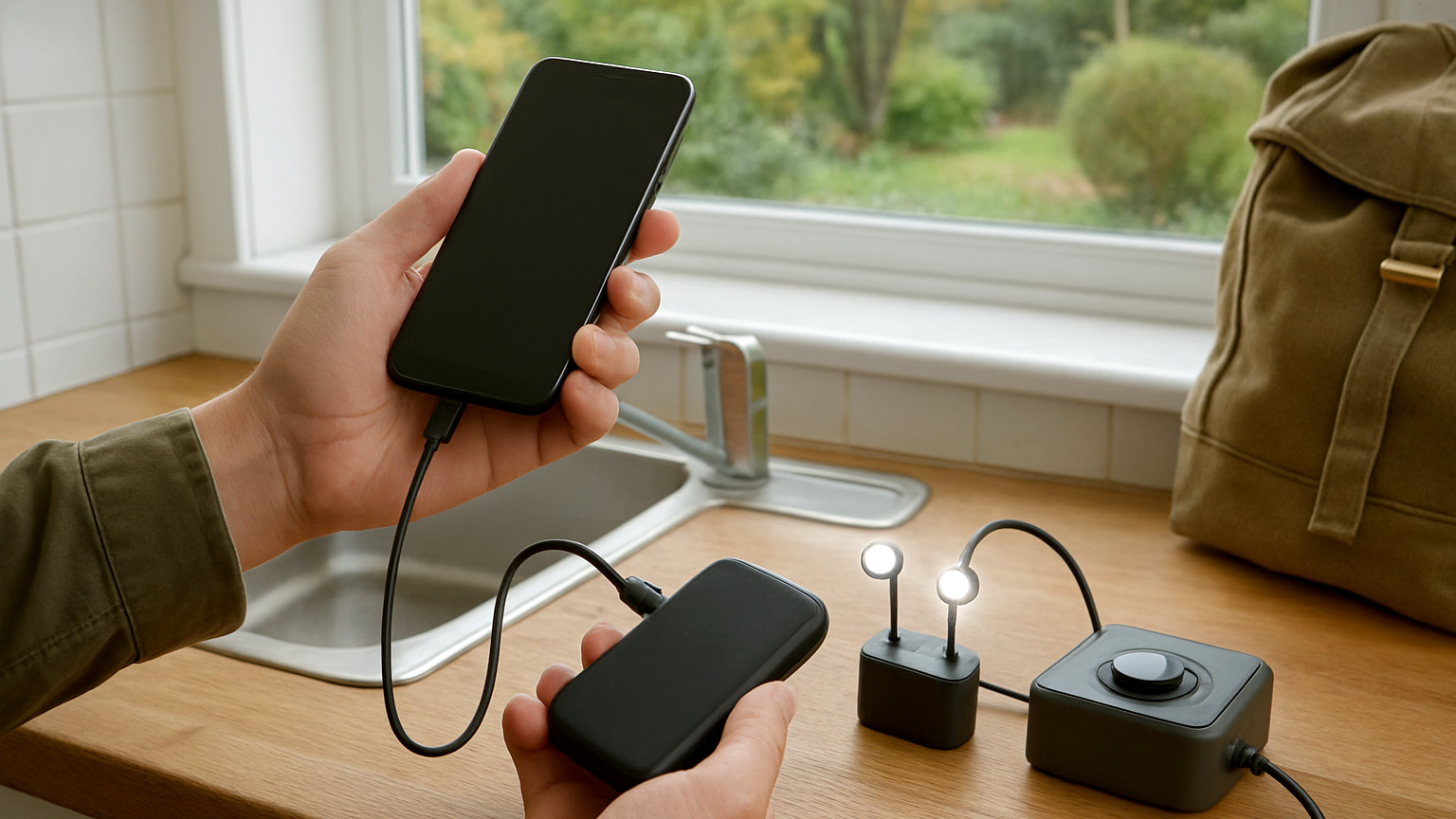
Decide in advance which room everyone would go to, keep a phone charged in a bedroom rather than downstairs, make sure the household knows to gather rather than investigate, and keep car keys away from the front door and letterbox. Those four things cost nothing and change what happens at three in the morning.
What about a car on the drive?
Vehicle theft from the driveway, frequently by fishing keys through the letterbox or relaying a keyless signal, is far more common than confrontation indoors. Keep keys away from the door, in a signal blocking pouch or tin if the car is keyless, and never go outside to confront someone taking a vehicle. A car is insured and the risk of intervening is not worth it.
Gather everyone in one room, call 999 and stay on the line, make it obvious the house is occupied, leave them an exit, and do not confront anyone.