How Do You Navigate in Poor Visibility
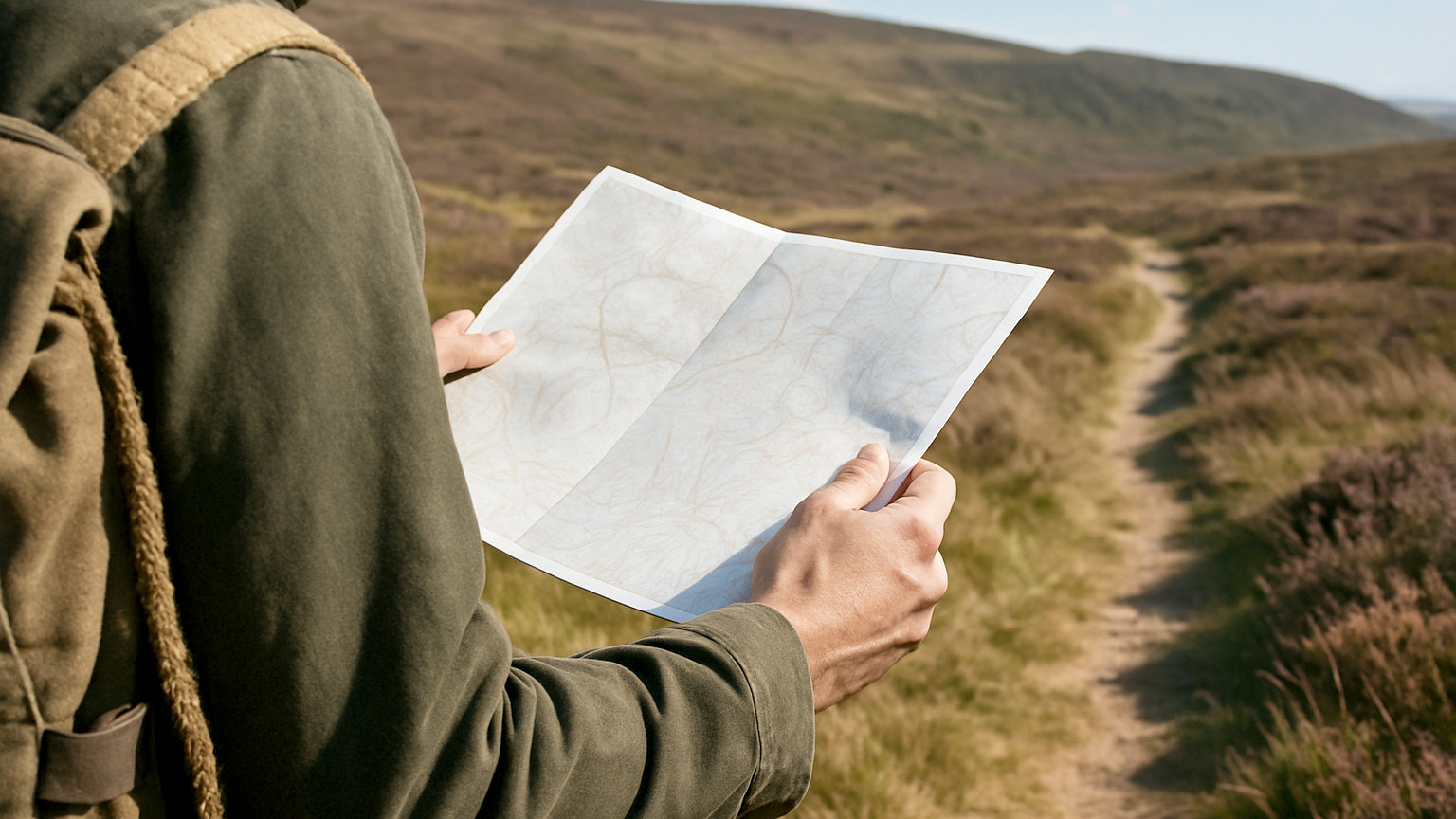
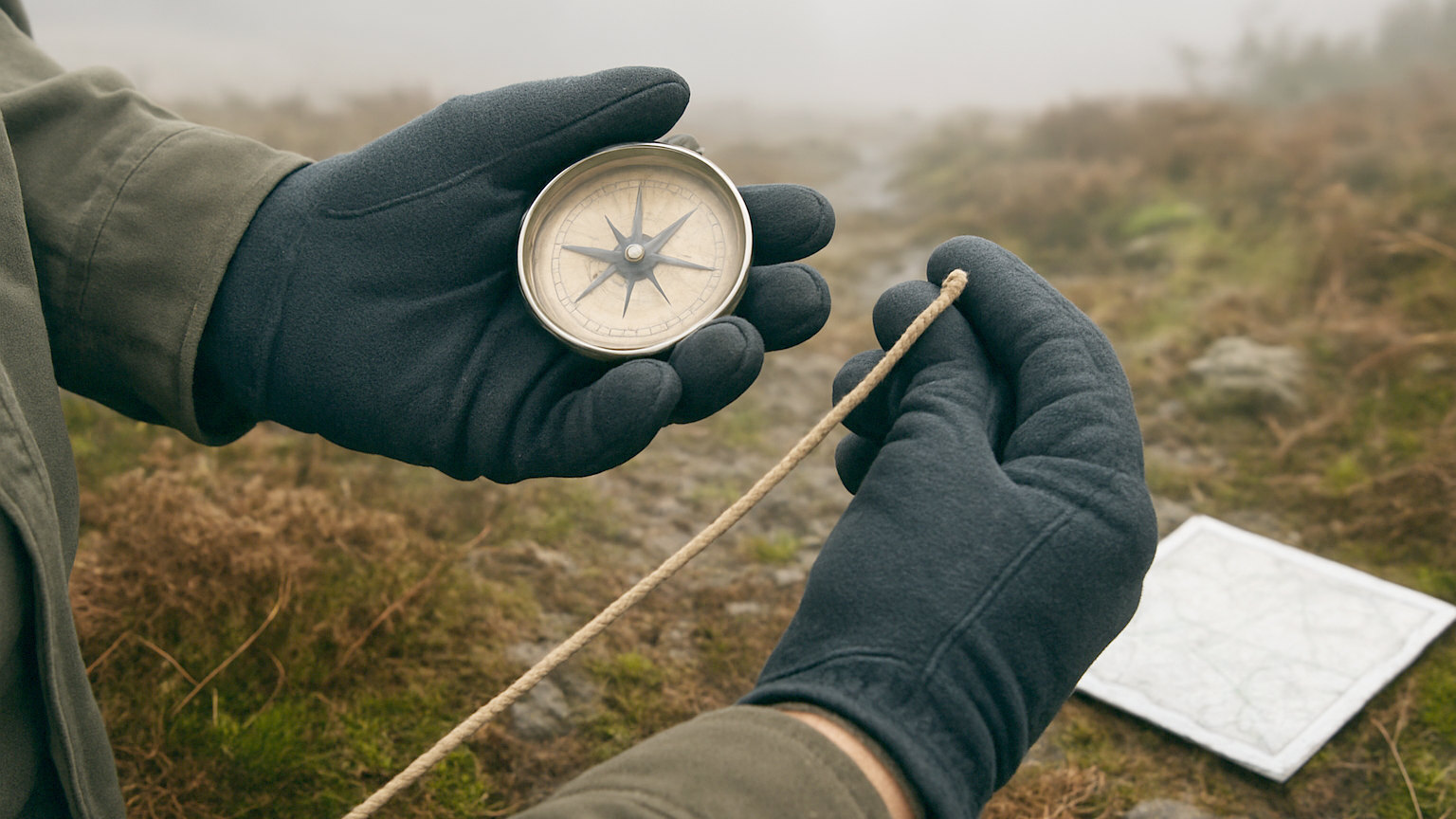
In cloud, mist or a whiteout, landmarks disappear and only bearings, distance and the shape of the ground remain. Slow, deliberate technique replaces intuition.
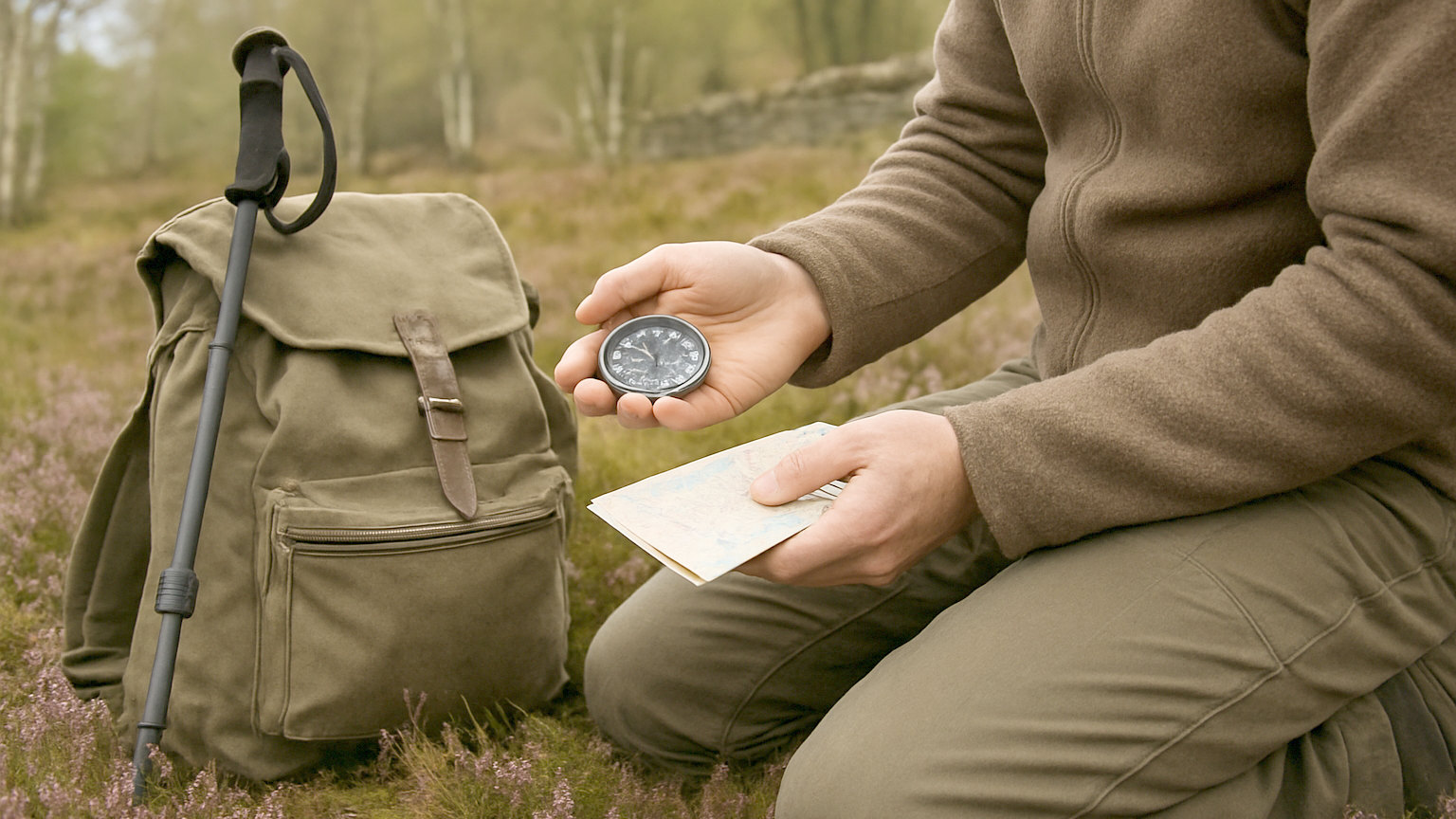
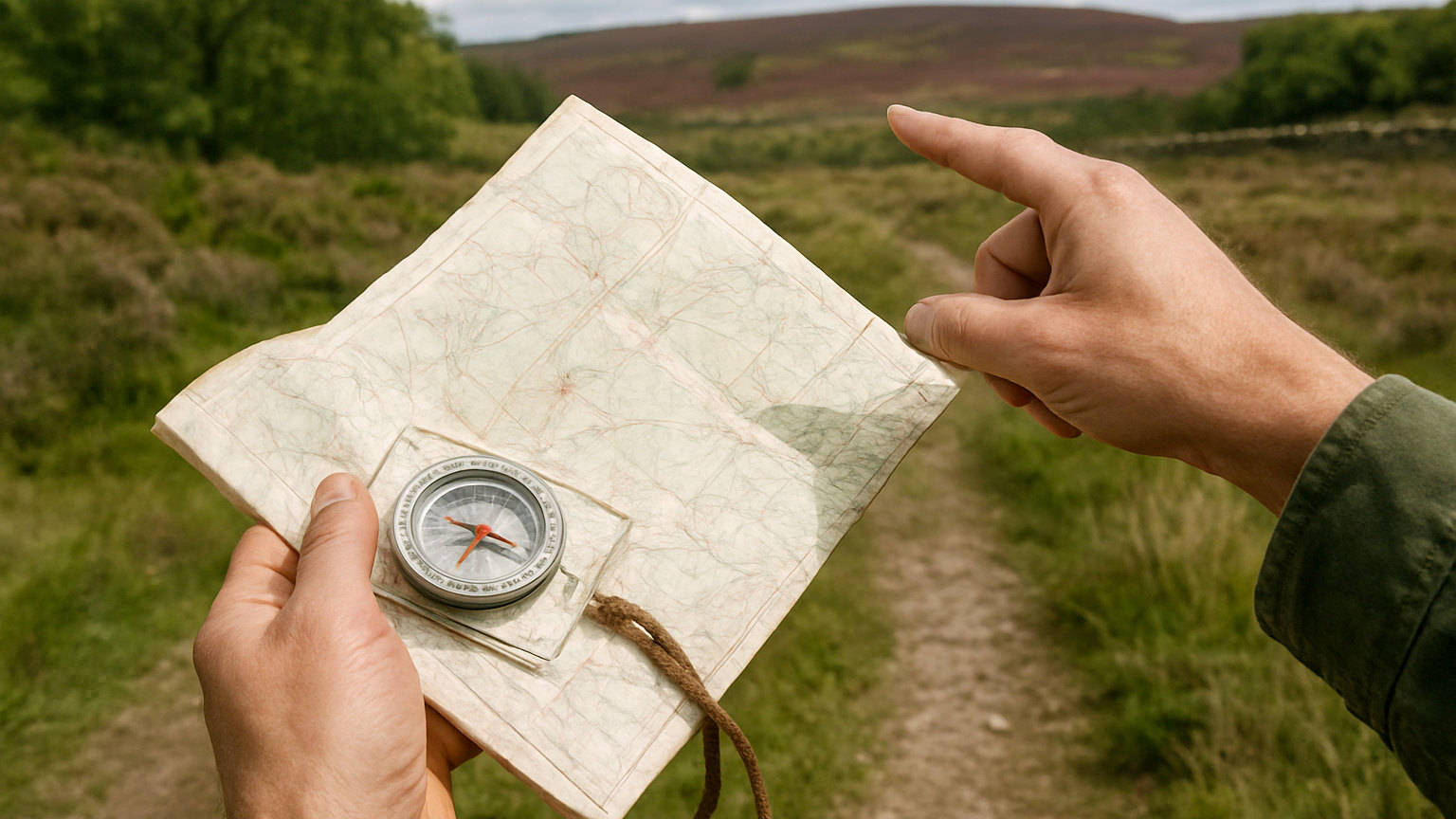
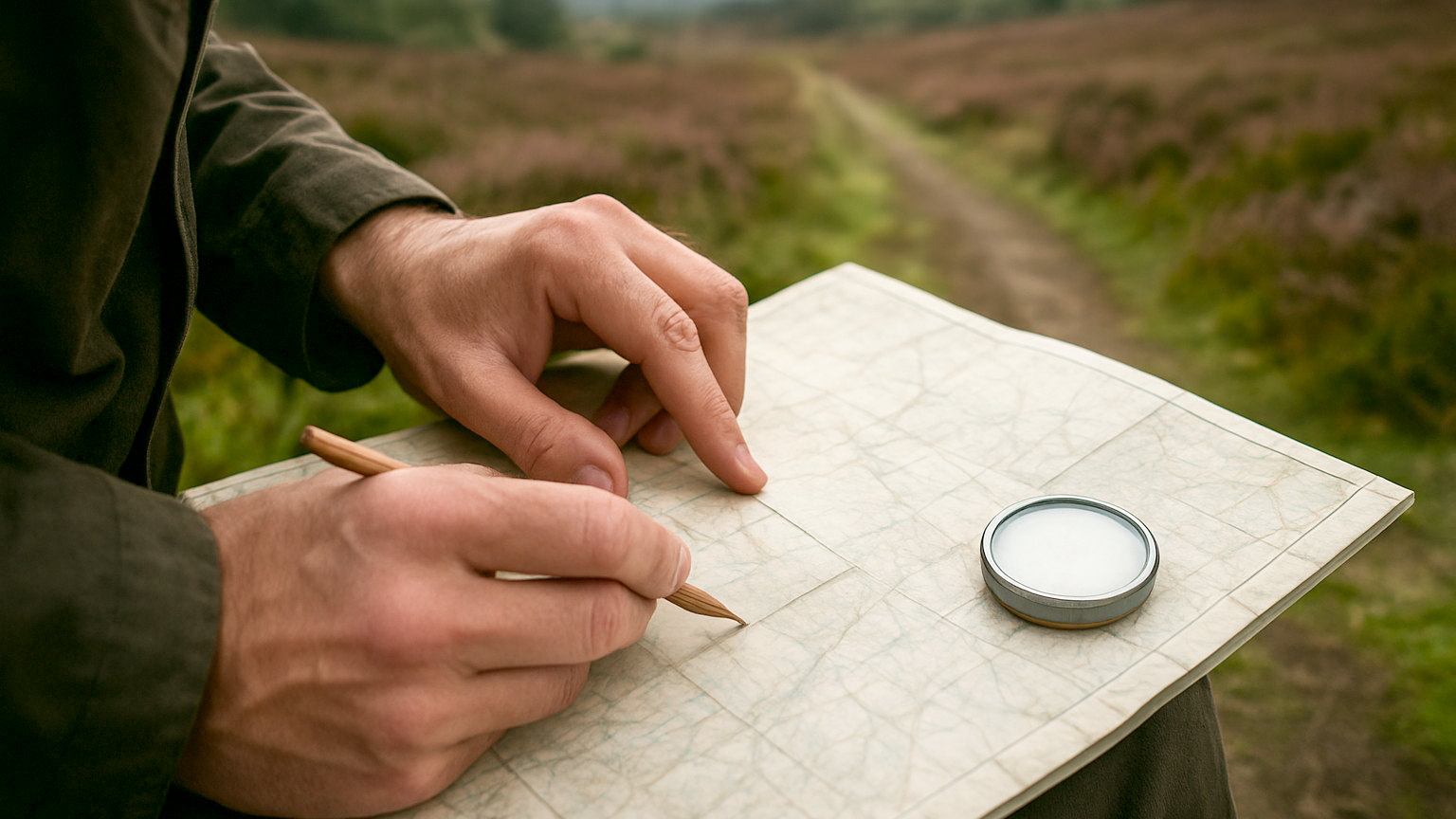
Phones run flat, get wet and lose signal in precisely the terrain where you need them most, which is why the paper skill still matters. These guides cover map and compass work, taking and walking a bearing, pacing and timing, natural navigation, and what to do in the first ten minutes after you realise you are not where you thought you were.
In cloud, mist or a whiteout, landmarks disappear and only bearings, distance and the shape of the ground remain. Slow, deliberate technique replaces intuition.
The sun, the stars and the landscape itself all give direction. None are as precise as a compass and all are better than guessing.
Night navigation is daytime navigation done more slowly and more carefully. The main adjustments are to your light, your leg lengths and your expectations.
Stopping is the first and hardest step. A structured relocation procedure recovers your position far faster than pressing on and hoping.
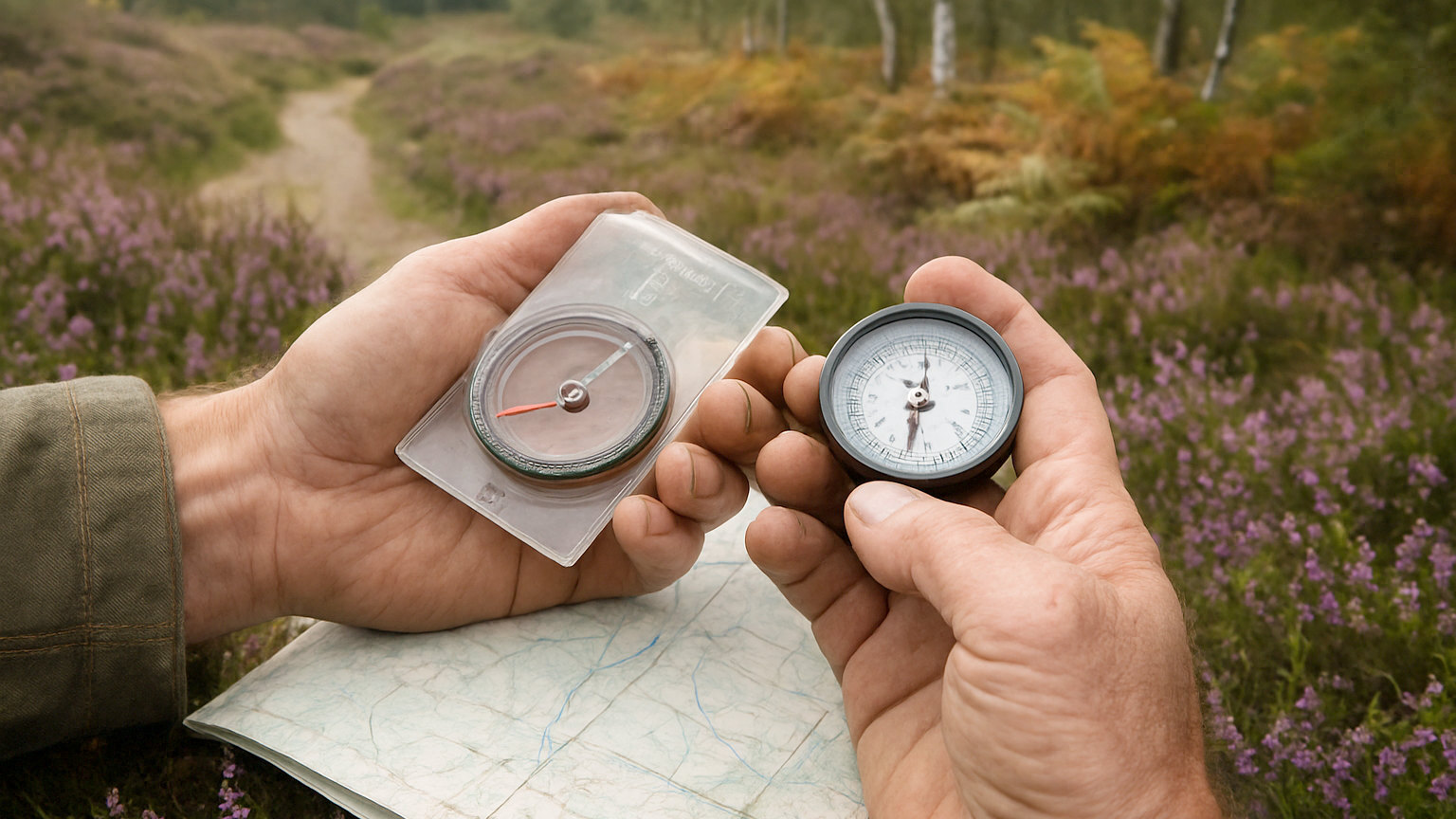
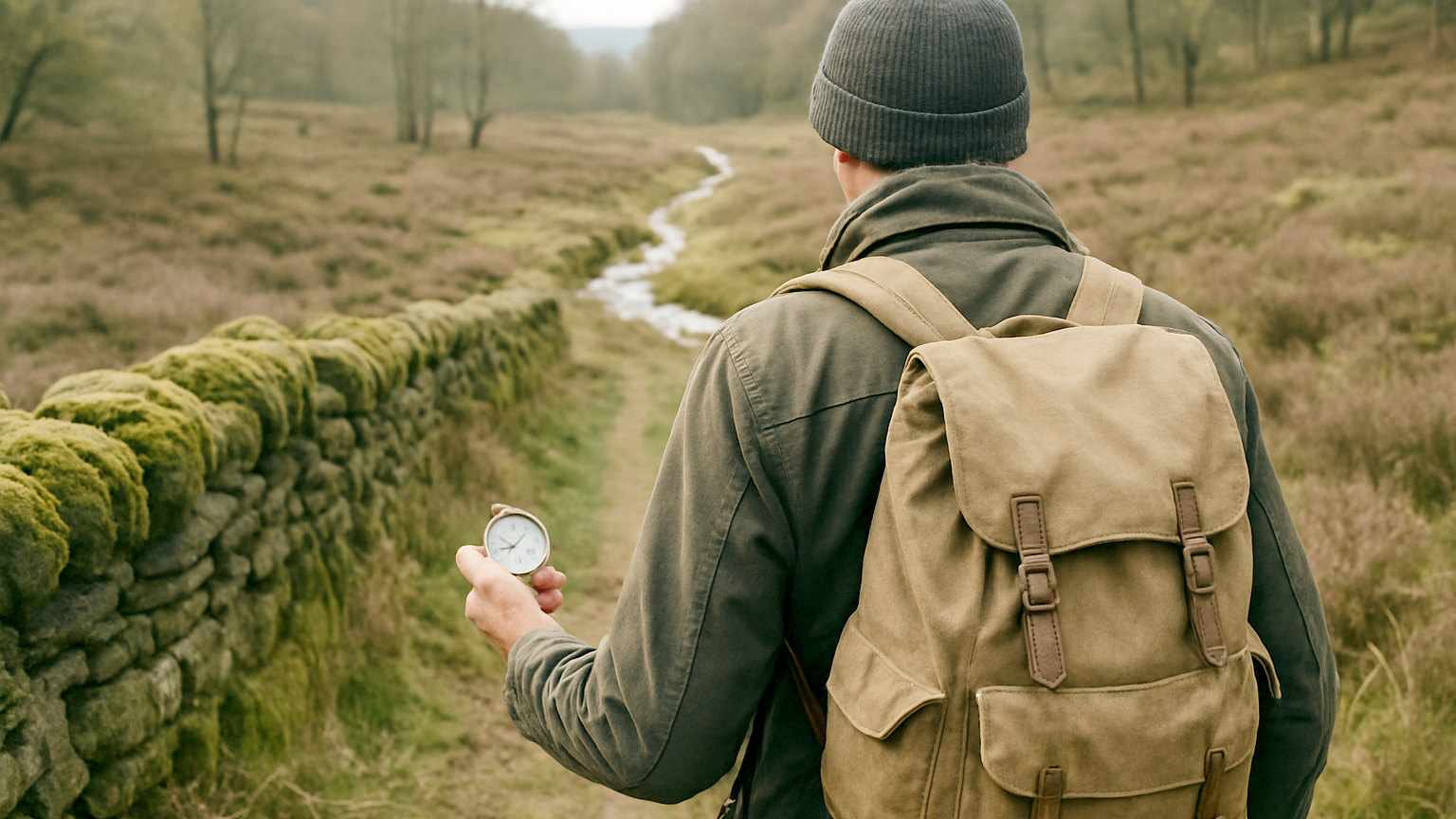
A baseplate compass with a romer scale and a decent needle covers everything a hill walker needs. What the extra features do and which are worth paying for.
Contours describe the shape of the ground in three dimensions on a flat sheet. Reading them well means never being surprised by what is over the next rise.
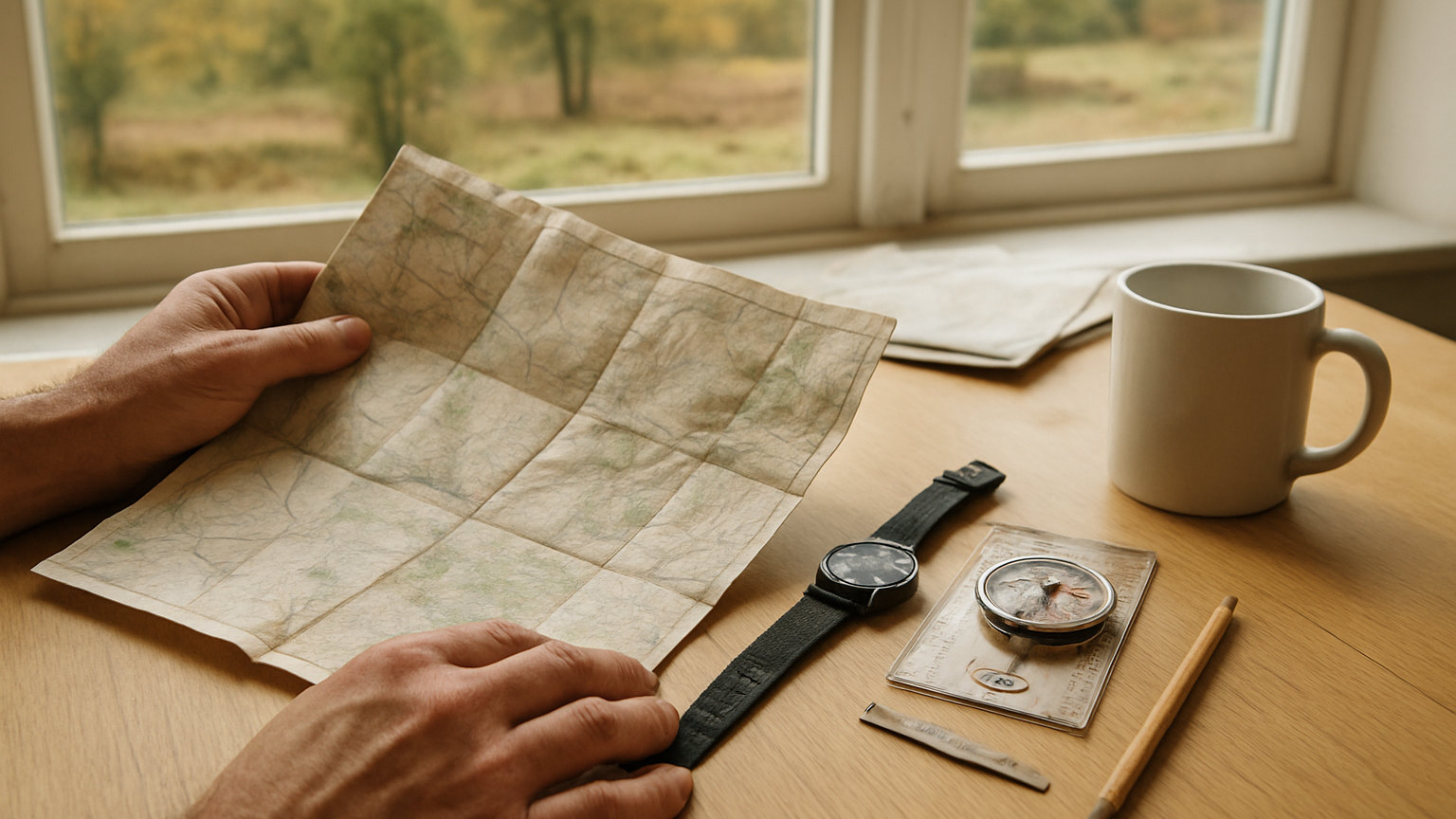
Planning at the kitchen table decides most of what happens on the hill. Distance, ascent, escape routes and a realistic timing all come from the map.
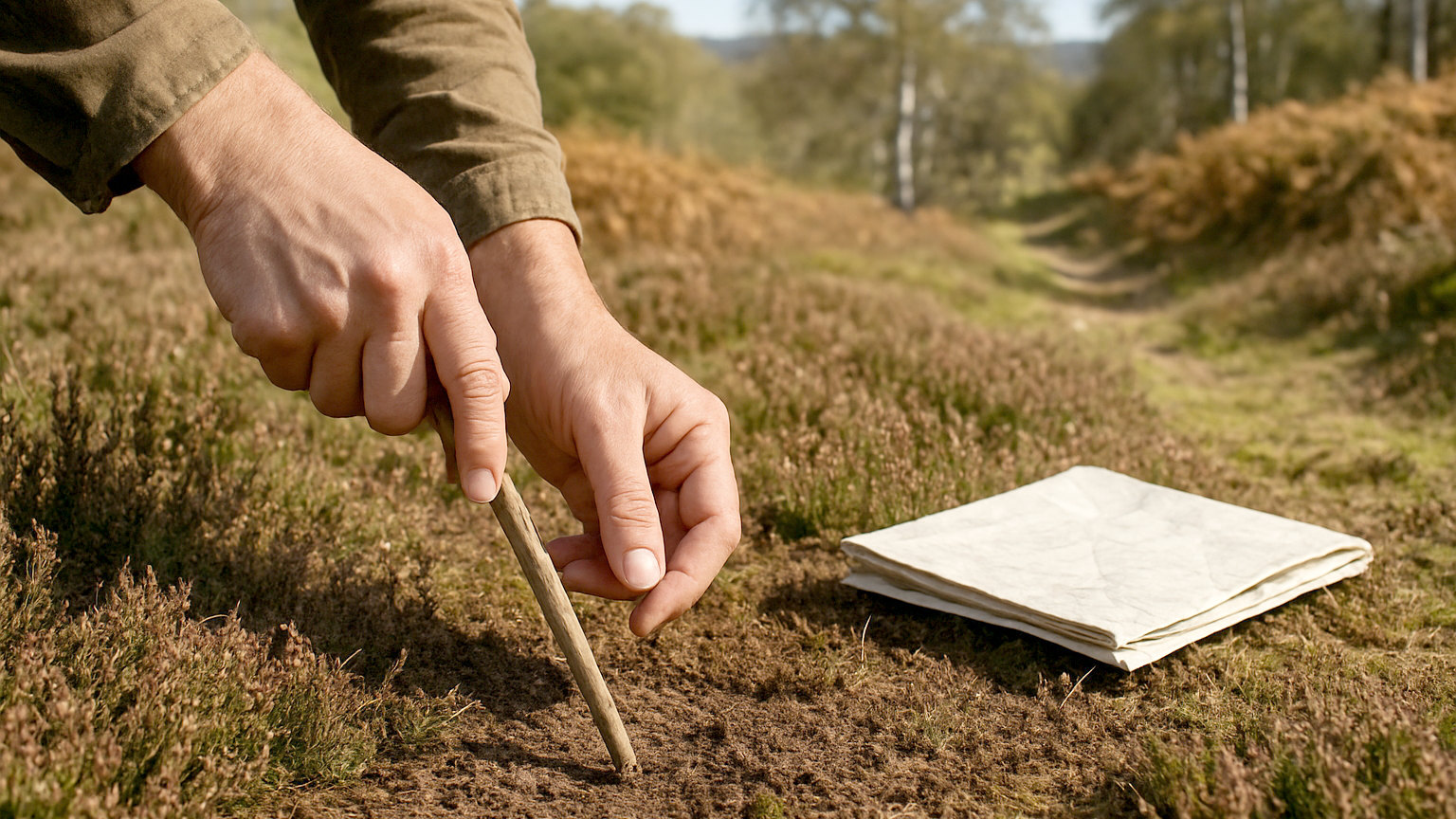
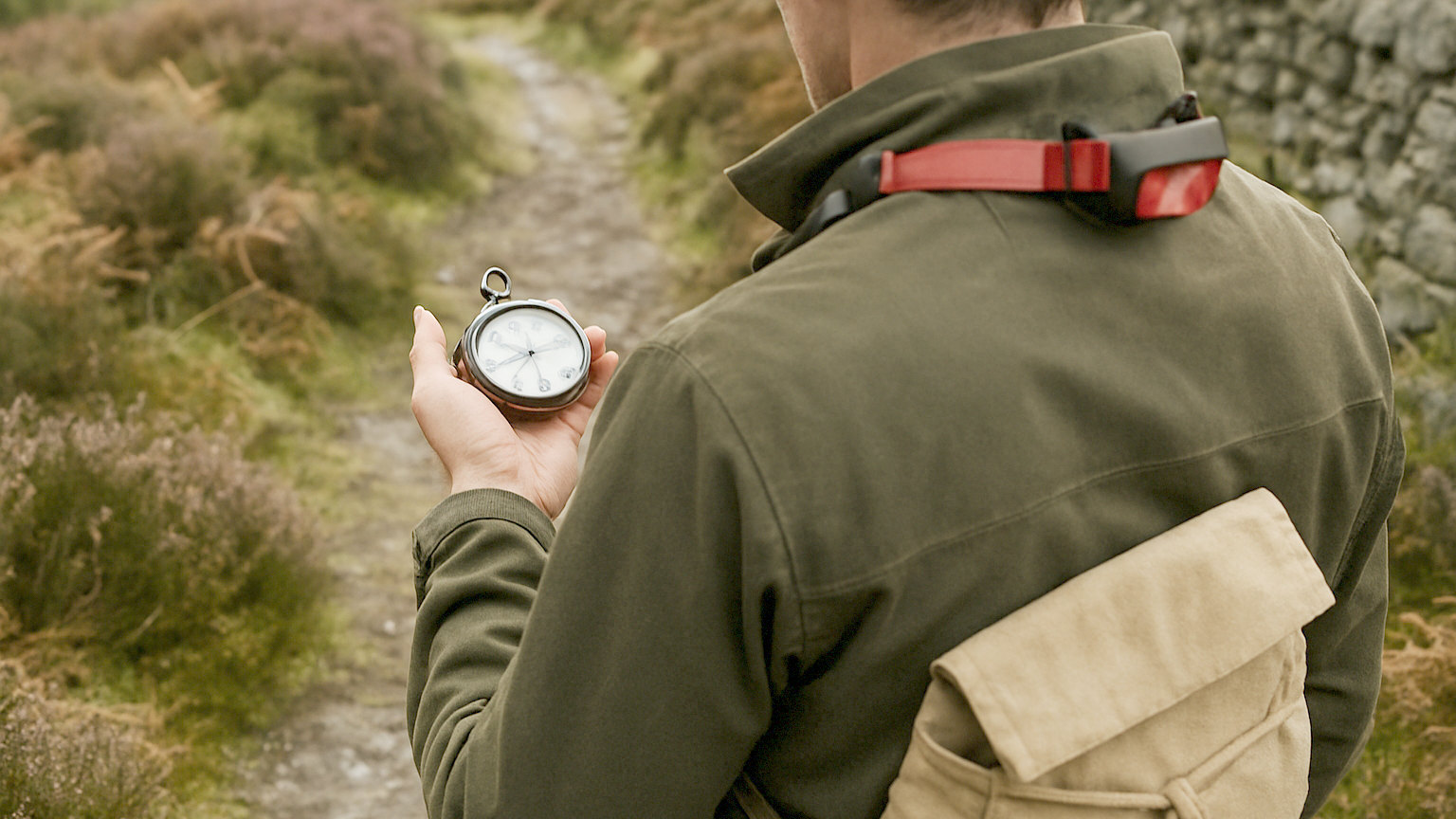
Measuring distance travelled is what turns a bearing into a position. Counting paces and estimating time are the two ways of doing it without instruments.
Experienced navigators lean on the landscape rather than fighting it. Handrails, catching features, attack points and aiming off all reduce the precision required.
Scale, symbols, contours and grid lines. What each element tells you and how to build a mental picture of ground you have never walked on.
Six figures locate you to a hundred metres, eight to ten. Giving one correctly is the fastest way to tell a rescue team exactly where you are.
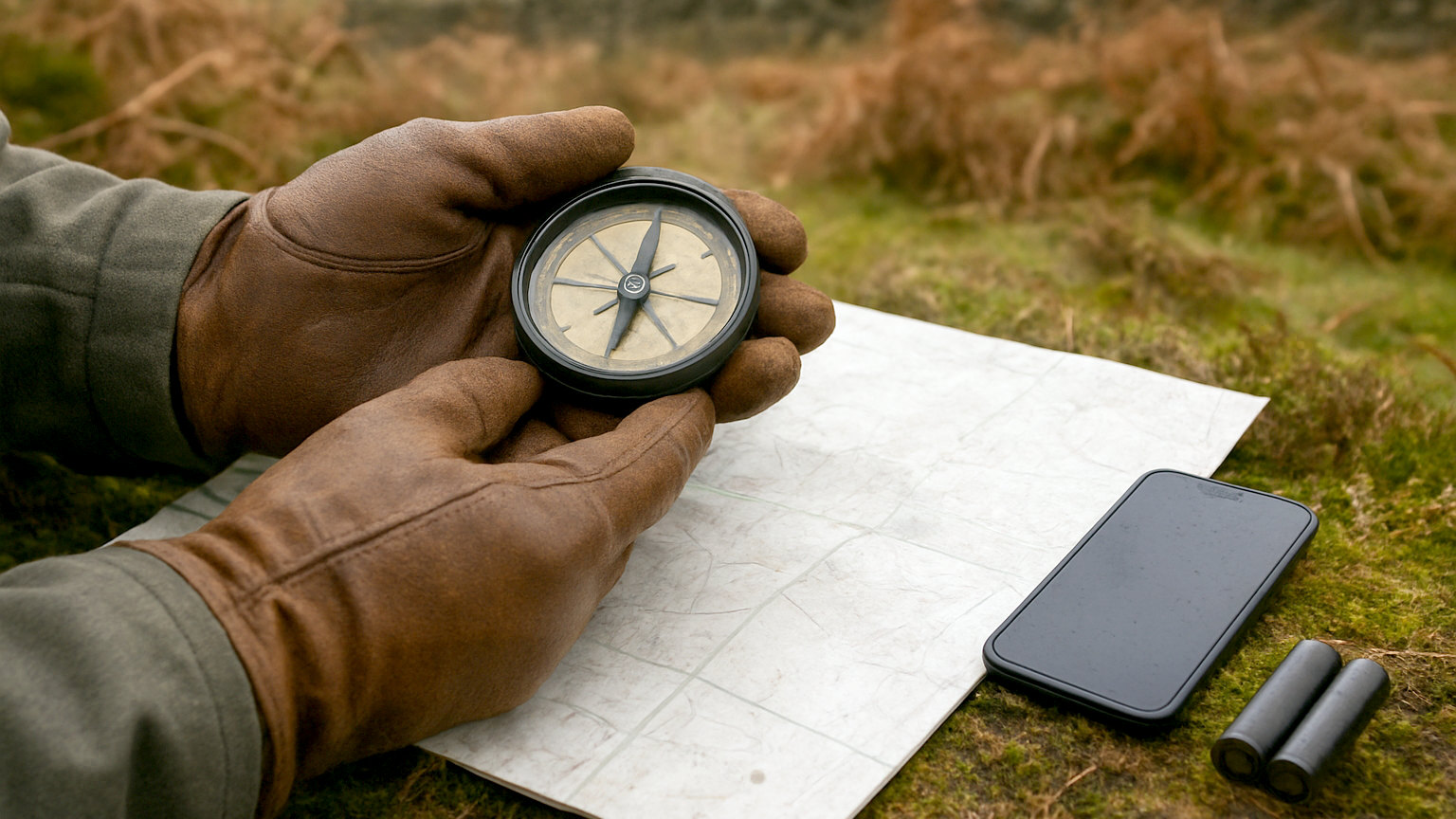
Phone navigation is excellent right up until it is not. Cold, wet, signal loss and a flat battery all arrive together and usually at the worst moment.