How Do You Make Shade and Shelter From Heat
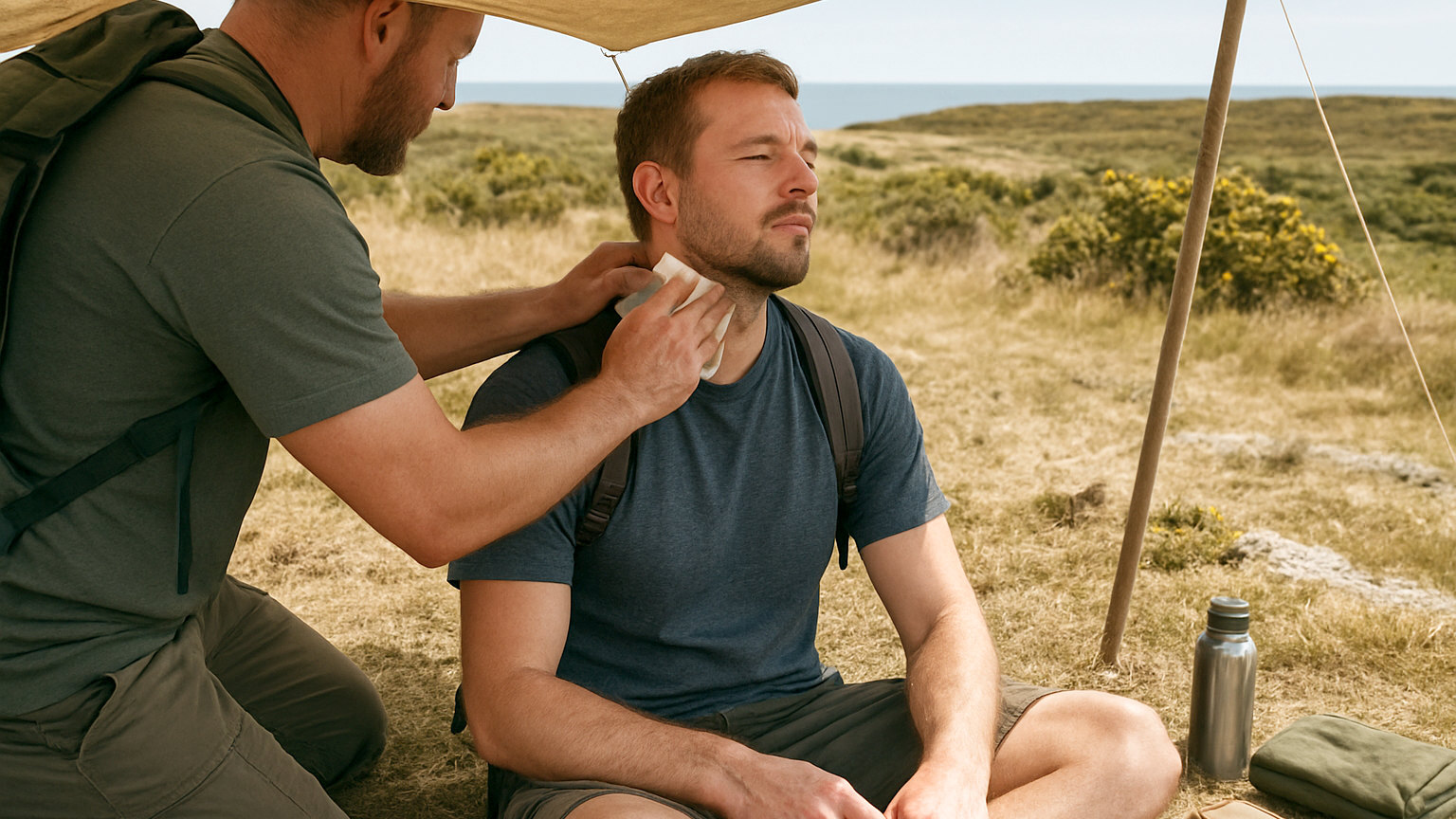
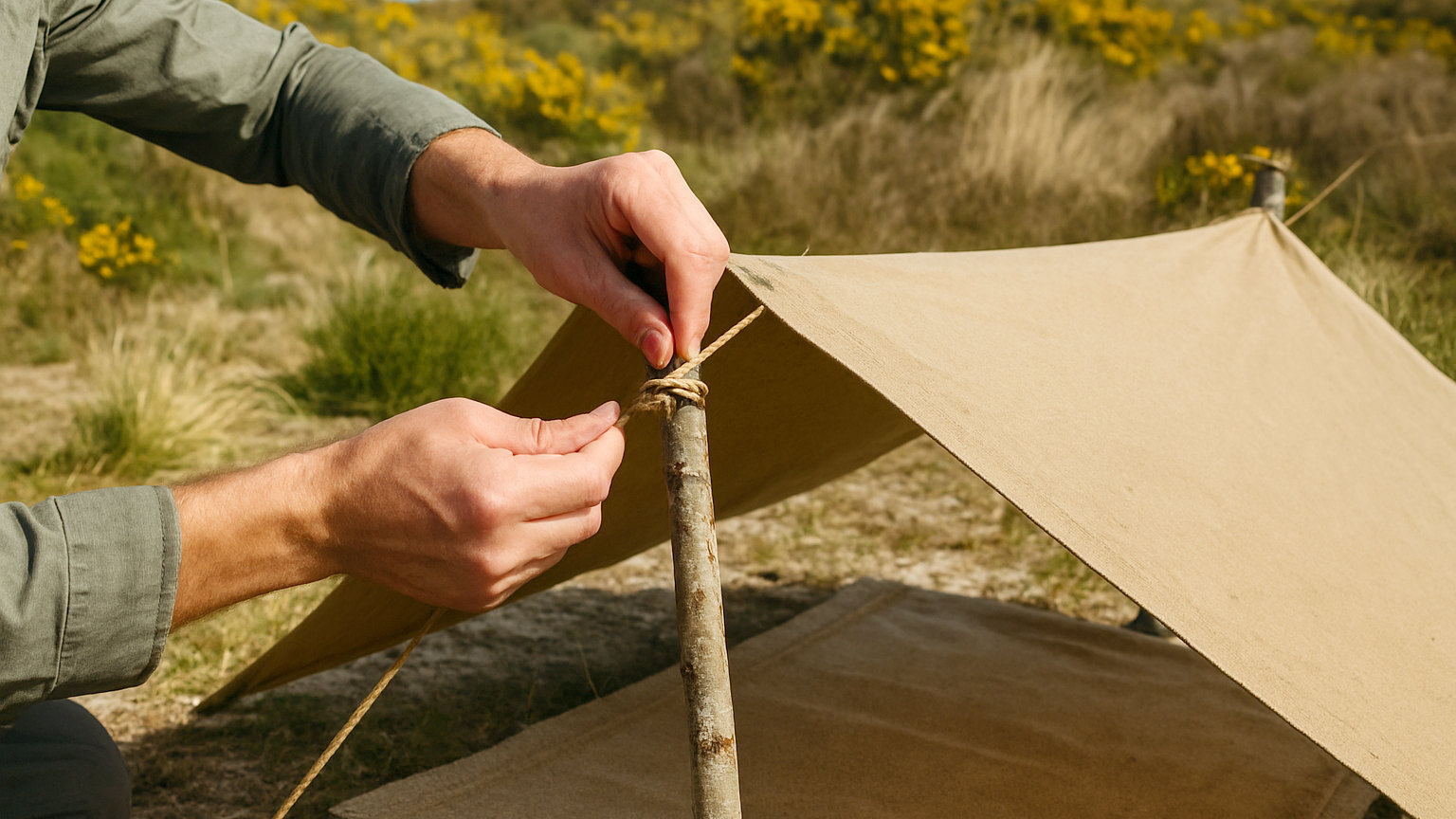
Get off the ground and get airflow underneath. Ground surface temperature can be far above air temperature, so lying on it defeats the shade above you.
Almost nobody sets out intending to survive anything. The situations covered here begin as a day walk that ran late, a kayak that got separated from its group, a campsite chosen badly in fine weather that turned. These guides cover the skills and judgement that keep an ordinary outdoor day from becoming a callout, across woodland, moor, mountain, coast and open water, plus the extremes of cold and heat you are most likely to meet abroad.
Get off the ground and get airflow underneath. Ground surface temperature can be far above air temperature, so lying on it defeats the shade above you.
The dividing line is the brain. Confusion, odd behaviour or unconsciousness means heatstroke, which is a medical emergency with a real death rate.
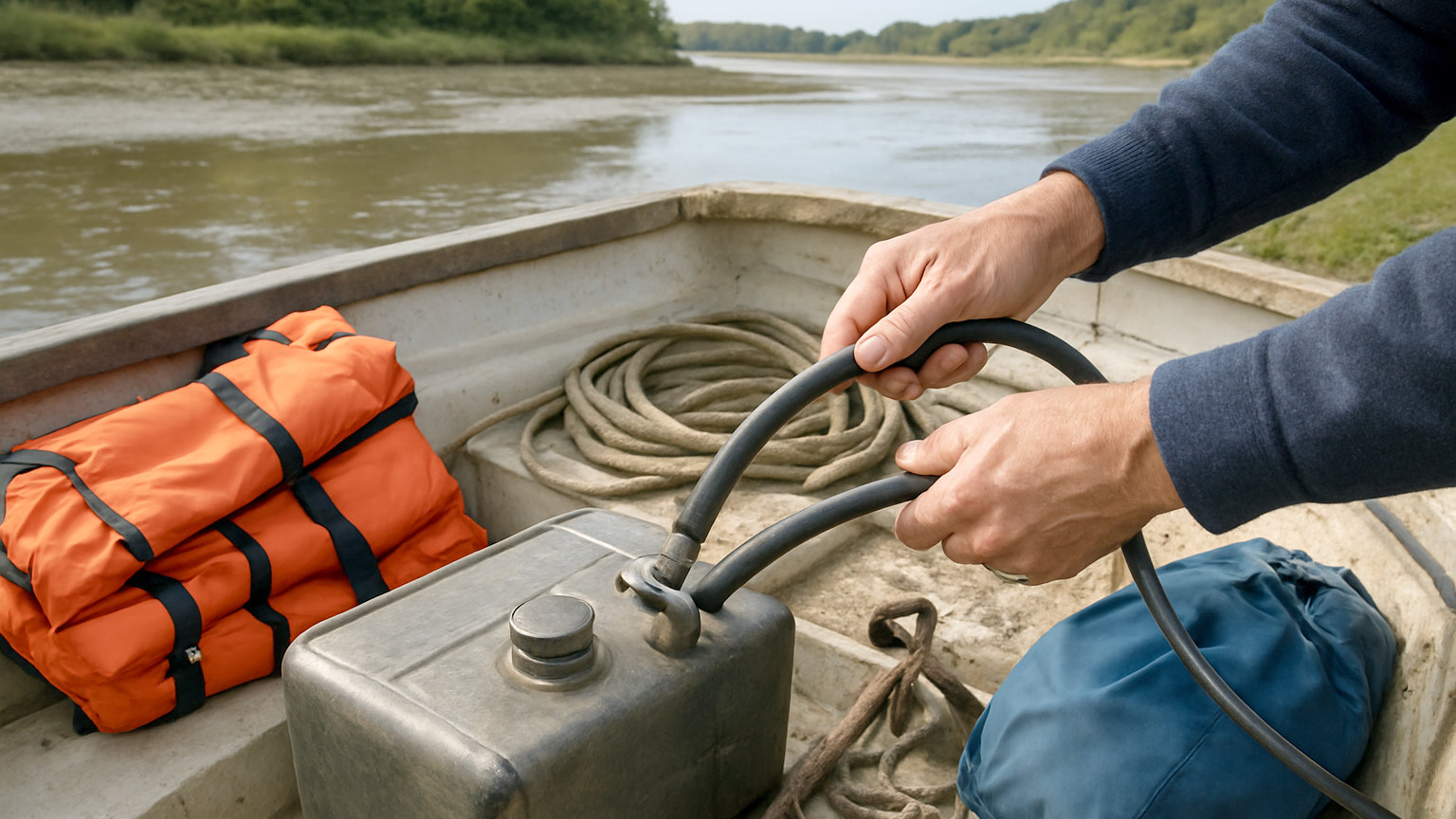
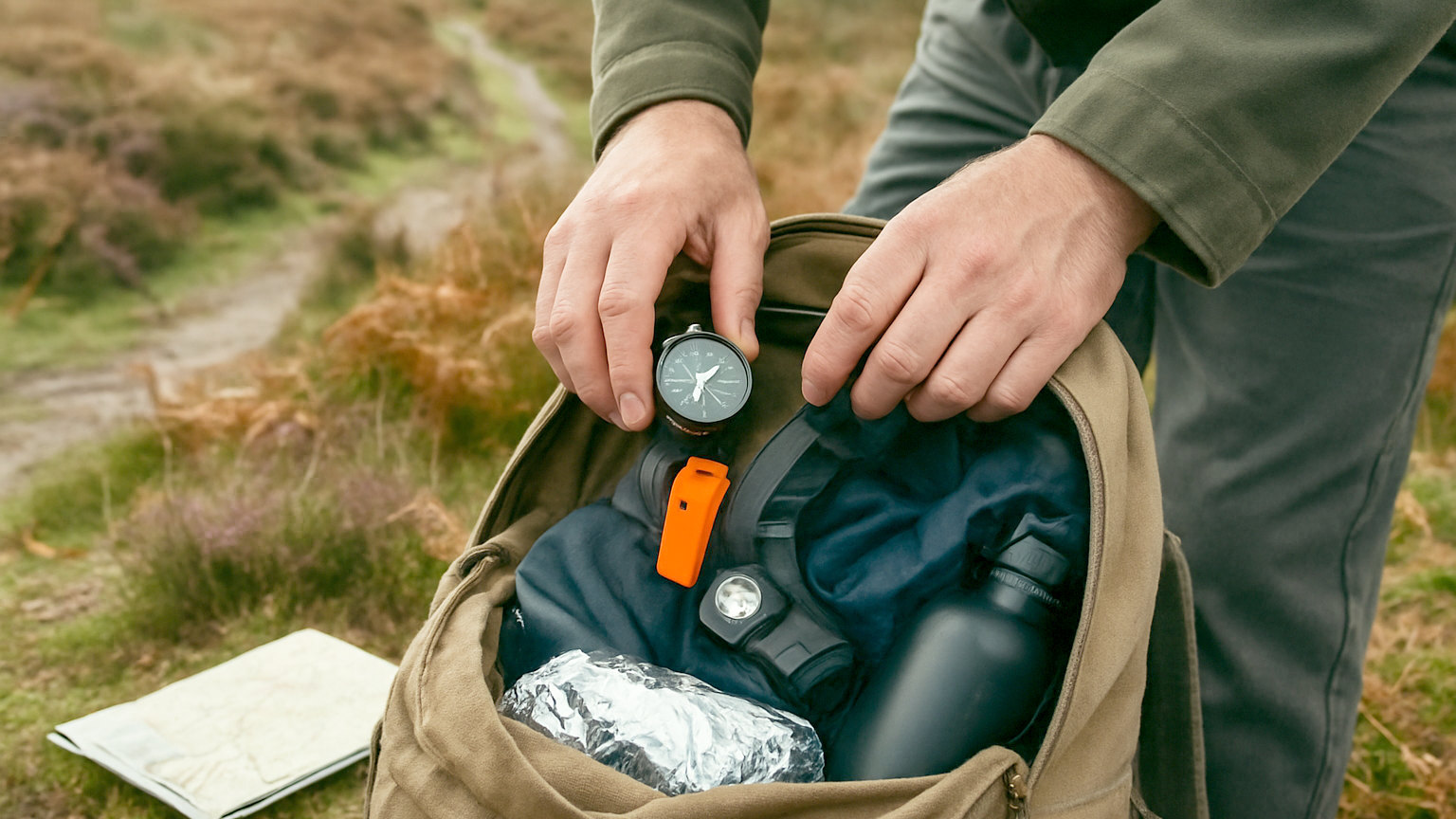
Weather, tide, fuel, equipment and someone ashore who knows the plan. Most rescues involve something on that list that was not checked.
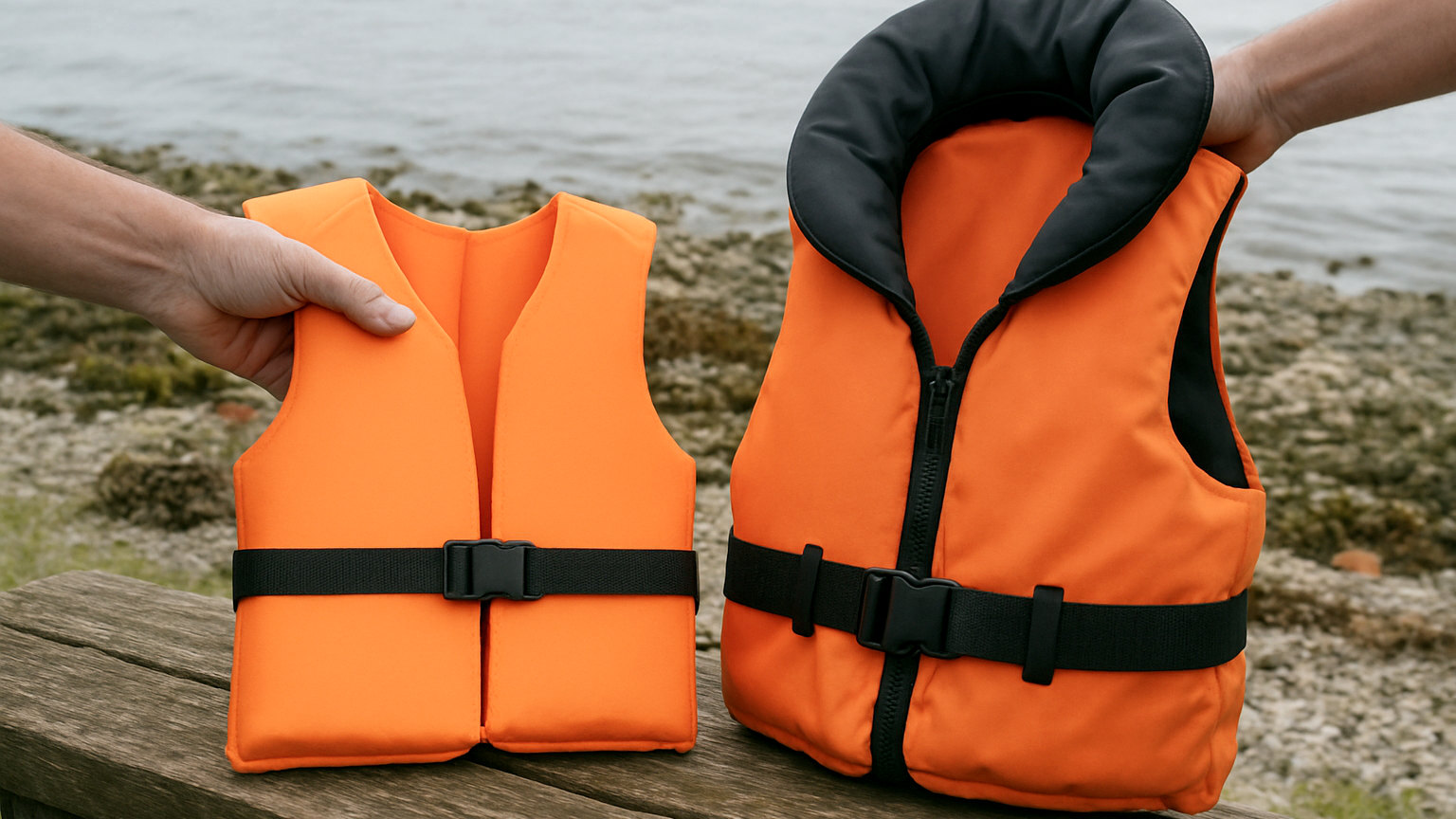
A buoyancy aid keeps a conscious swimmer afloat and a lifejacket turns an unconscious person face up. They are different products for different situations.
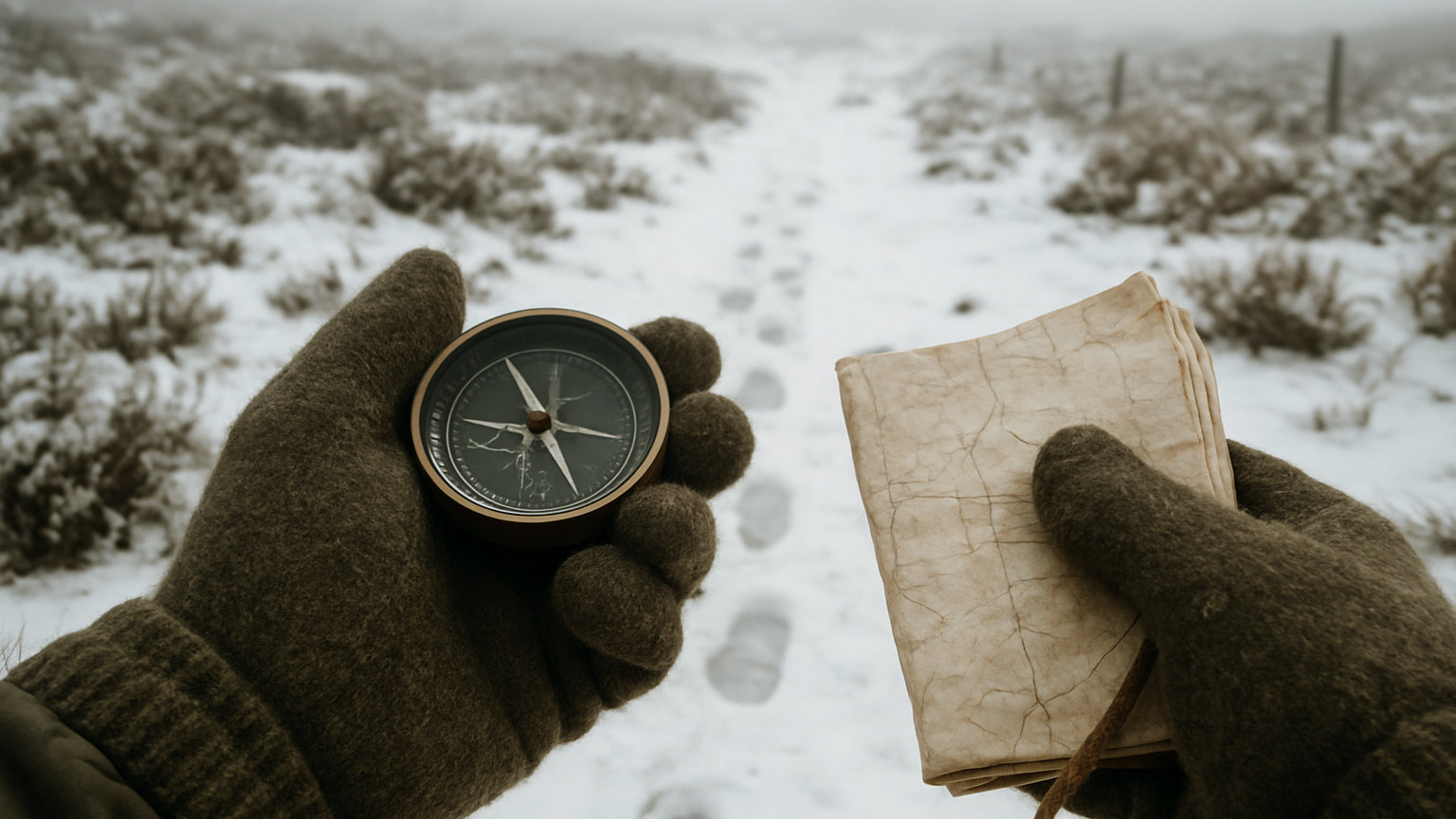
Bearings, pacing and timing, worked meticulously. Snow buries the features you normally navigate by and whiteout removes depth perception entirely.
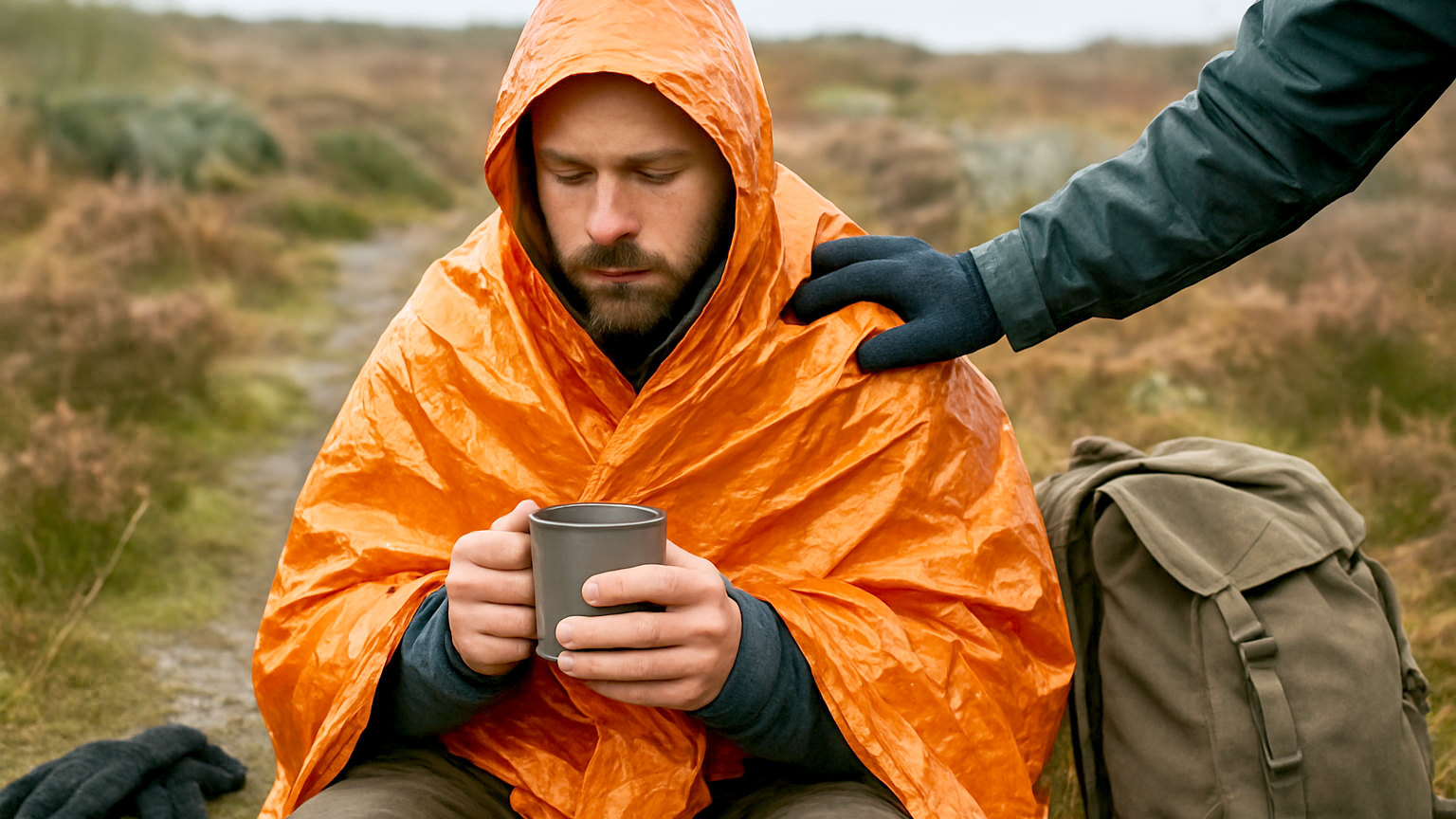
Stumbles, mumbles, fumbles and grumbles. Behaviour changes before anyone says they are cold, and shivering stopping is a serious sign rather than a good one.
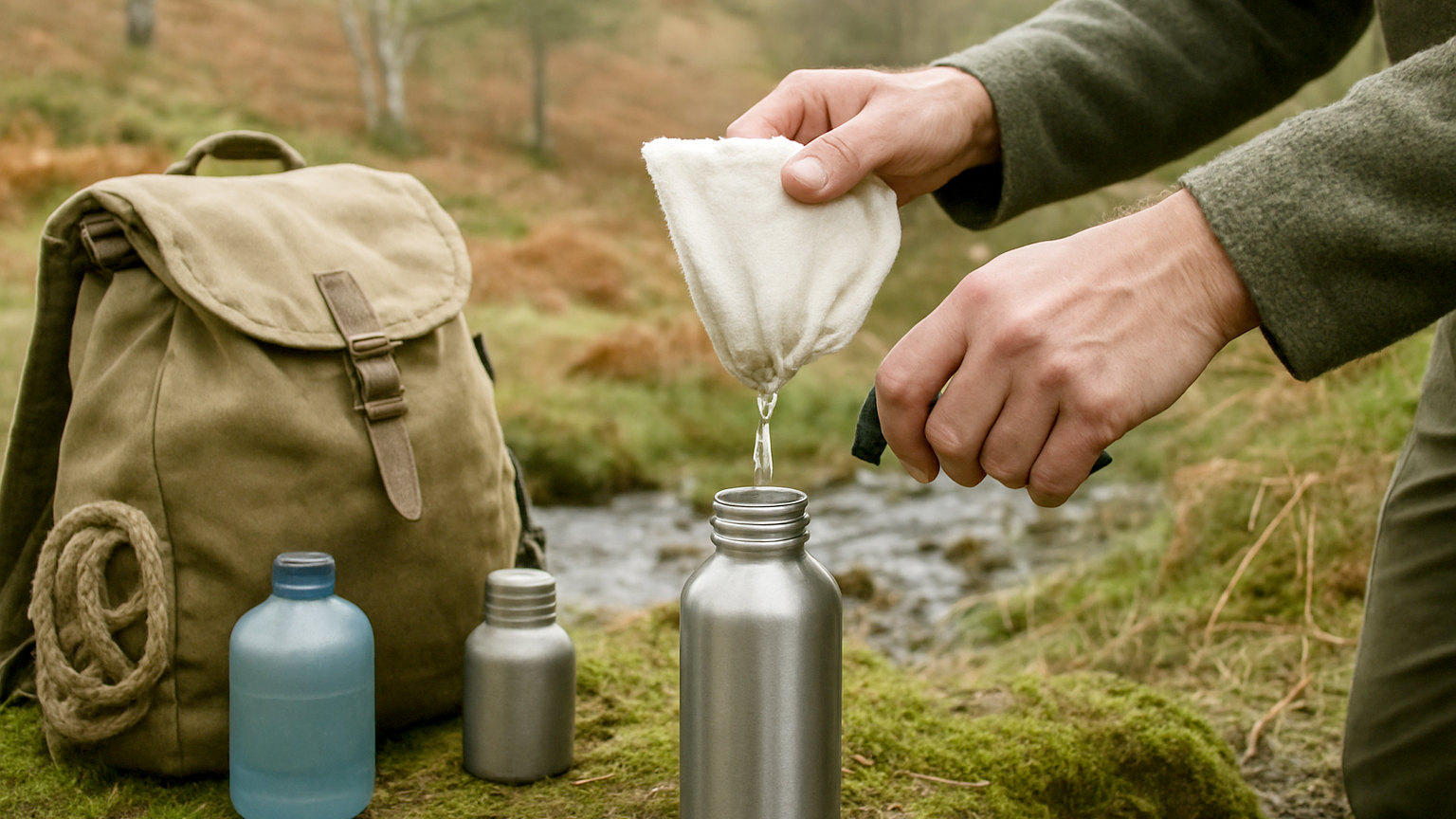
Carry more than you expect and treat what you collect. High pitches frequently have no water at all, which catches people out repeatedly.
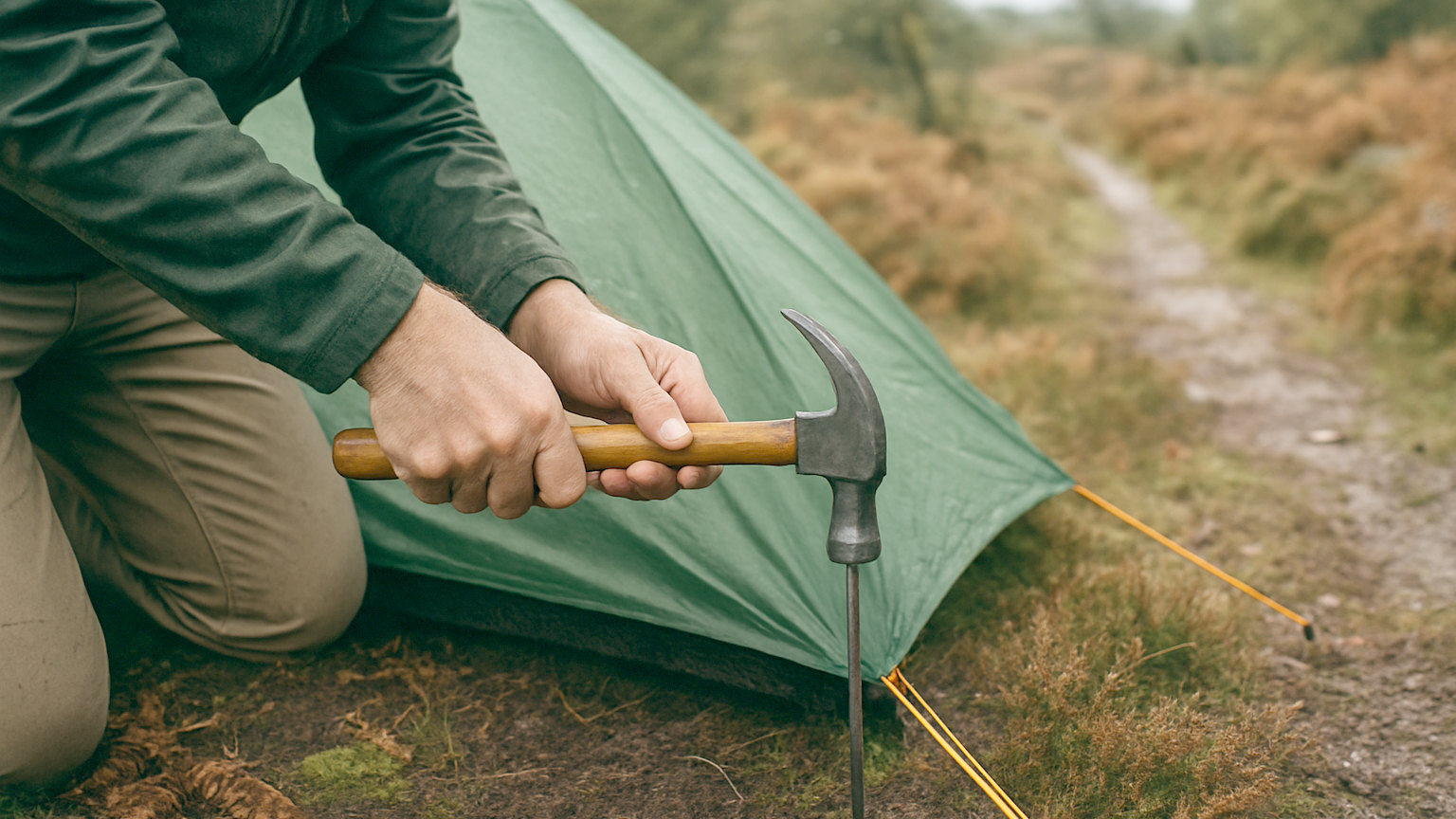
Get the flysheet up first, work fast and peg everything. A tent pitched badly in wind is a tent you will be holding down at three in the morning.
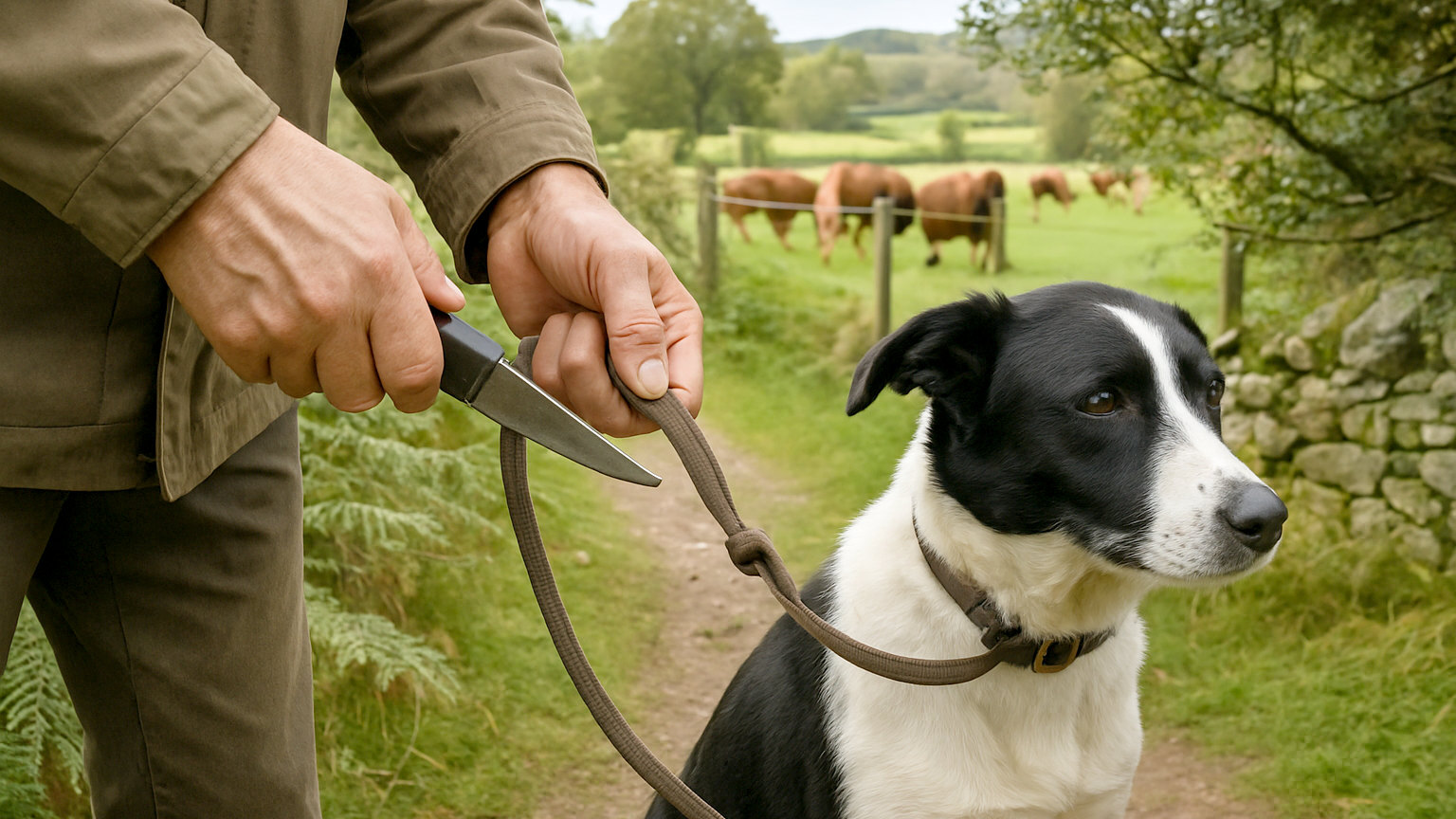
Lead near livestock, and let go if cattle chase you. The most dangerous situation for a dog walker involves cows rather than anything on the hill.
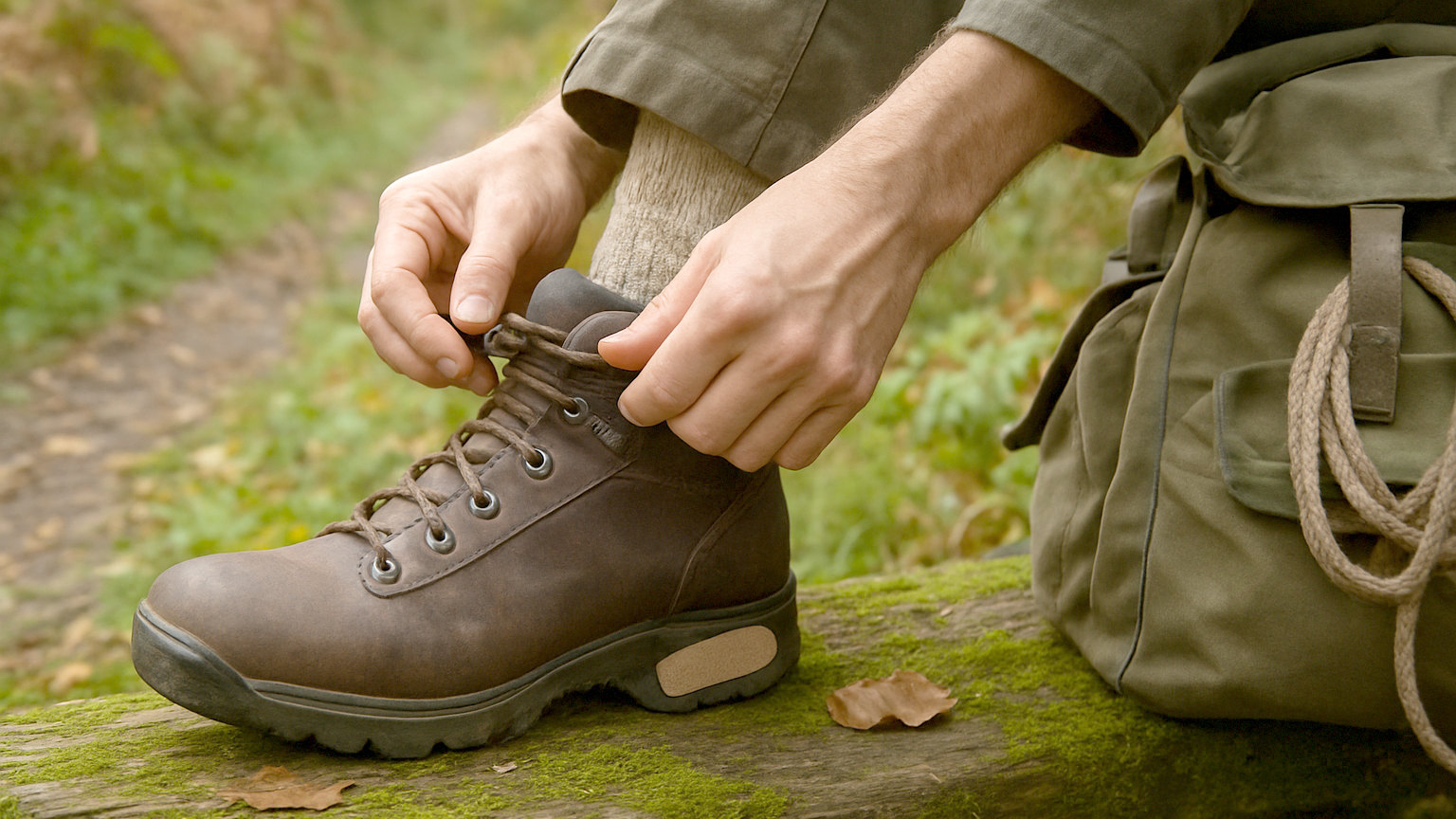
Fit properly, wear them in, and tape a hot spot the moment you feel it. Blisters are the most common reason a good day becomes a bad one.
Pressing on, going out unequipped, telling nobody, and being unwilling to turn back. The pattern in serious incidents is remarkably consistent.
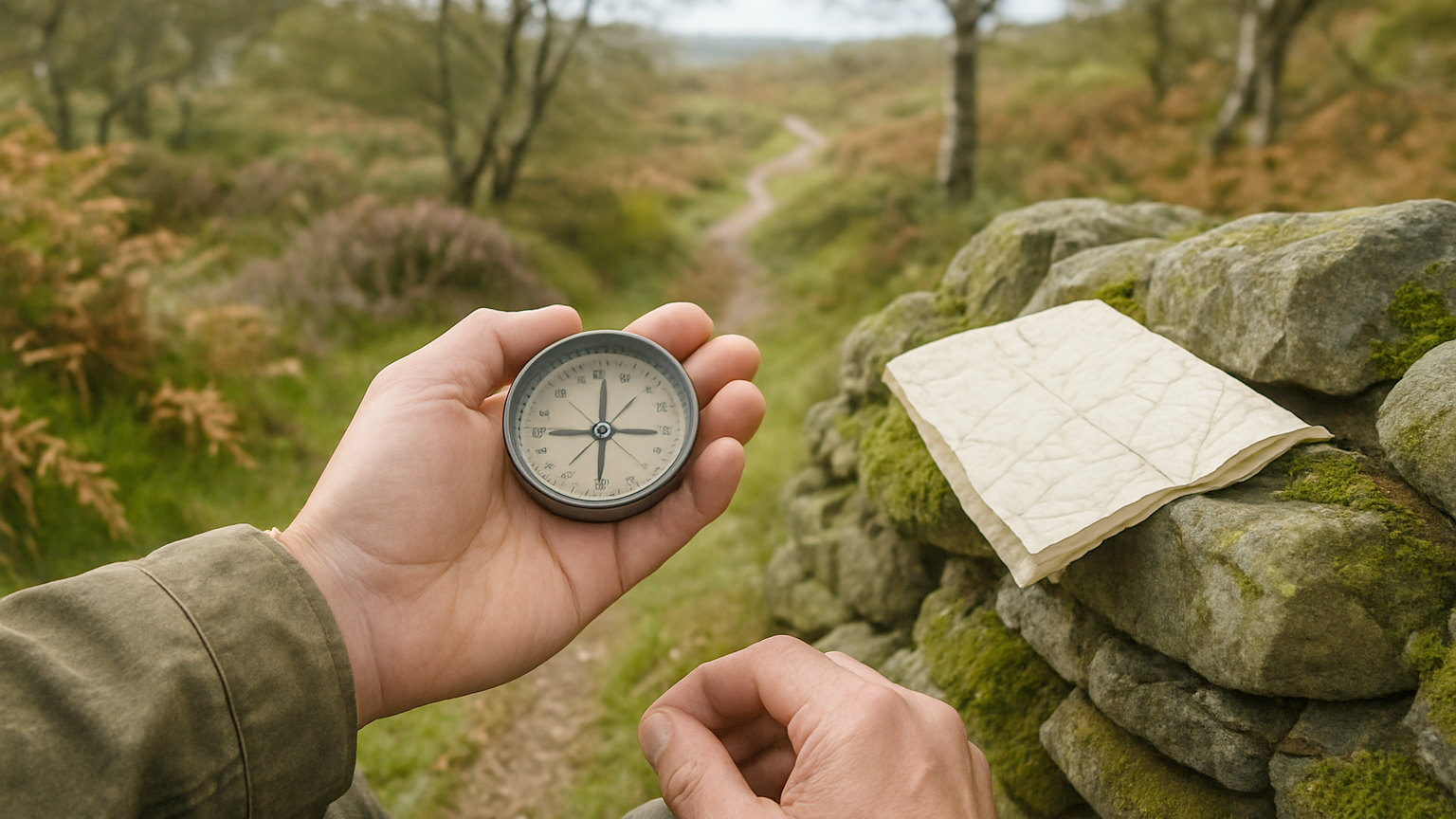
Stop the moment you doubt your position, rather than a mile later. Almost everyone who becomes seriously lost continued for some time after first suspecting it.