The instinct to go in after someone is powerful and it kills people. The recognised sequence exists precisely because it keeps the rescuer out of the water.
What is the sequence?
Reach, throw, wade, row, and go only as an absolute last resort by someone trained. Reach with anything long: a pole, a branch, an oar, an item of clothing, while lying down and braced. Throw anything buoyant with a line attached. Wade only where you can stand safely on firm ground. Row or use a boat. Never swim.
Why not go in?
Because cold shock affects rescuers identically, because a panicking casualty will climb on top of you, and because a very large proportion of drowning deaths are would be rescuers, frequently parents and frequently people going in after dogs. The person in the water is already in difficulty and adding a second casualty helps nobody.
- Reach, throw, wade, row, and never swim
- Lie down and brace yourself when reaching
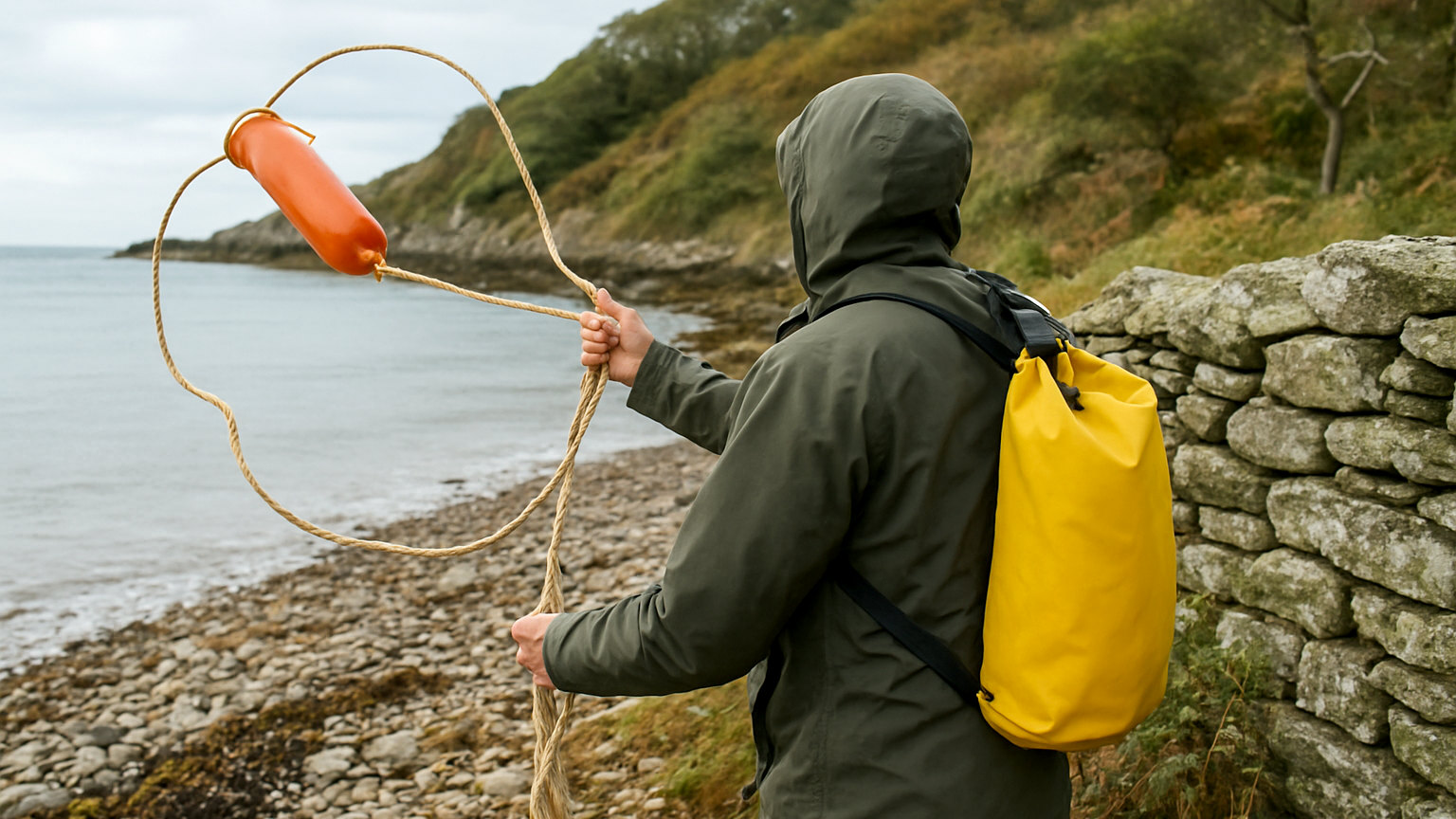
- Throw anything that floats, with a line if possible
- Shout to the person to float on their back
- Call 999 for the coastguard or fire service immediately
- Lift a cold casualty horizontally where possible
What should you shout?
Float on your back. It is the single most useful instruction, because it addresses the cold shock that is causing them to struggle, and because it buys the time you need to organise a rescue. Keep talking to them, which helps them focus and lets you monitor how they are doing.
What is a throwline?
A bag containing floating line, thrown to a casualty and held at the rescuer end, standard equipment on rivers, at waterside venues and increasingly in public rescue stations. Throw past or beyond them so the line comes across, and pull them in steadily. Public rescue equipment including lifebuoys and throwlines is provided at many British waterways and is worth knowing about.
How do you recover someone onto a boat?
With equipment rather than by lifting. A cold person in the water is heavy and cannot help themselves, and even fit crew struggle to lift someone over the topsides. A ladder, a boarding platform, a lifting sling used with a halyard and winch, or a purpose made recovery system all work far better than hands, and they need to be identified before you need them.
Why lift horizontally?
Because someone who has been immersed for a period can deteriorate sharply when lifted vertically, as the pressure of the water is removed and circulation changes suddenly. This is recognised in maritime medicine, and the advice for prolonged immersion is to lift horizontally and keep them lying down afterwards. Where a horizontal lift is impossible, getting them out quickly still takes priority.
What do you do once they are out?
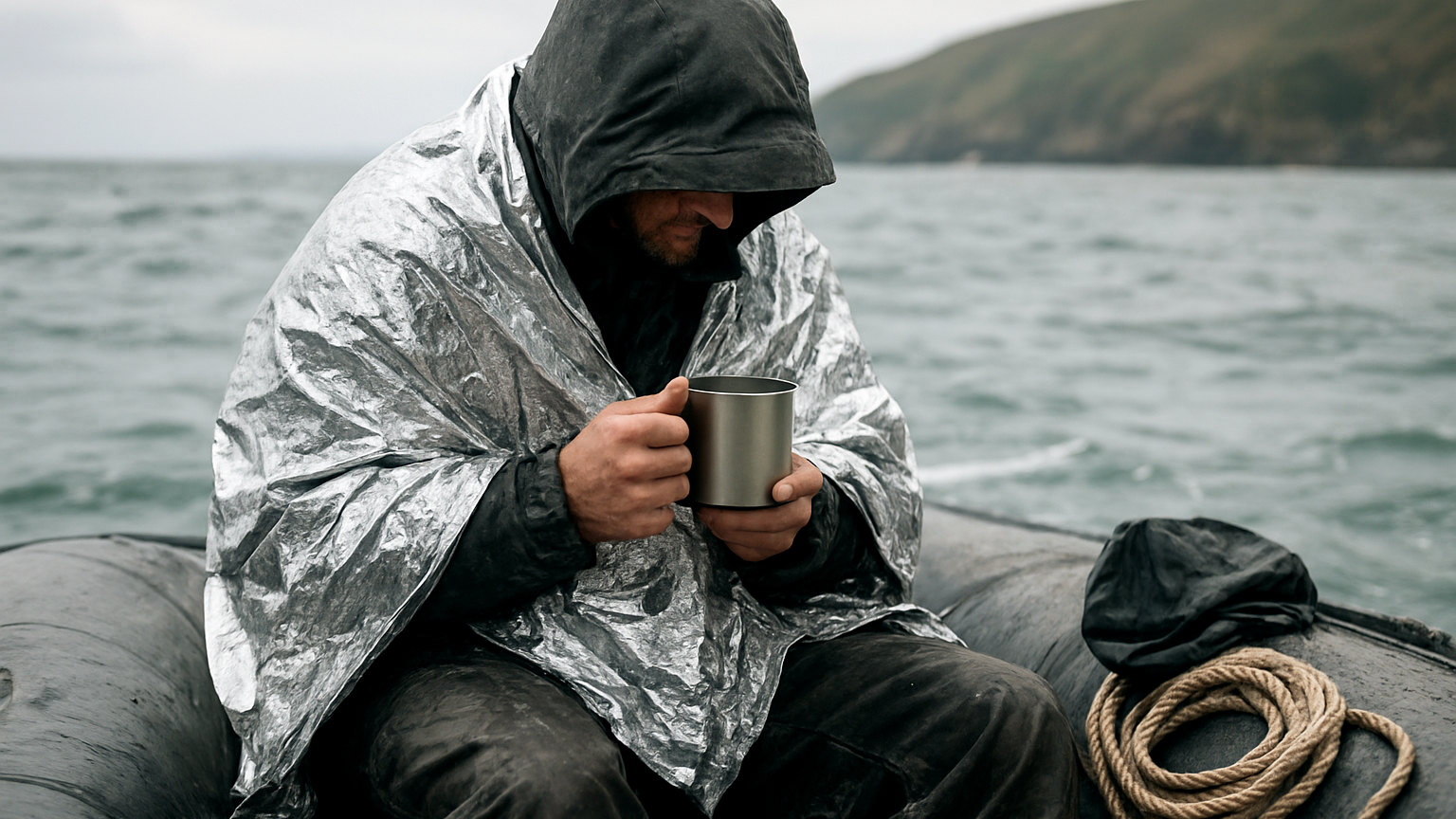
Keep them lying down, get them out of wet clothing and insulated, handle them gently, and get medical help. Someone rescued from cold water can deteriorate after recovery, so treat any significant immersion as requiring assessment even if they seem well. Watch their breathing and be prepared to resuscitate.
What about dogs?
Do not go in for a dog, ever. Dogs going through ice or being swept out and owners drowning attempting to reach them is a recurring British pattern. Call the dog from the bank, call 999 and ask for the fire service or coastguard, and accept that the dog has a far better chance of getting out than you do.
What if they are unconscious?
Get them out as quickly as you safely can and start resuscitation once they are on a firm surface. Rescue breaths matter in drowning because the underlying problem is lack of oxygen rather than a cardiac event, so if you are trained, give initial rescue breaths before compressions. Call 999 first or have someone else do it while you work.
Reach, throw, wade or row but never swim, shout at them to float, call 999, use proper recovery equipment, and lift a cold casualty horizontally.