Camping in Britain means camping in rain, and the difference between a good wet trip and a miserable one is organisation rather than equipment.
What is the single most useful rule?
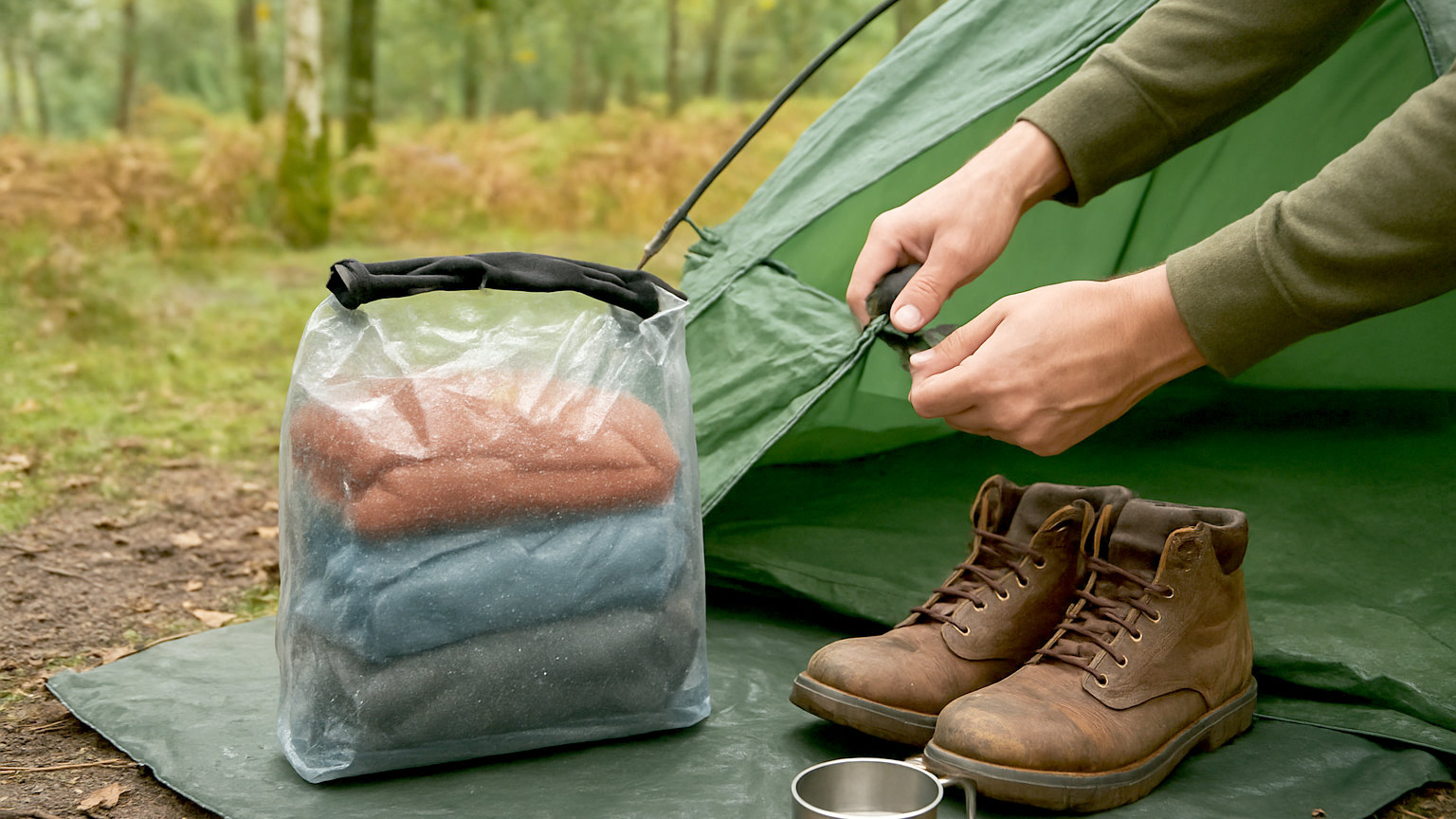
Keep one set of clothing permanently dry and never wear it outside the tent. Base layers, socks and something to sleep in, sealed in a dry bag and used only for sleeping. Knowing that whatever happens during the day you will be dry and warm at night removes most of the psychological weight of a wet trip.
How do you keep things dry?
Dry bags inside the rucksack, since no pack is genuinely waterproof and rain covers blow off. Separate bags for sleeping kit, clothing, food and electronics means opening one does not expose everything. A large liner bag inside the pack works as well as several small ones and is cheaper.
- Keep one dry set of clothing sealed and only for sleeping
- Use dry bags or a liner inside the rucksack
- Take wet layers off in the porch, not the sleeping area
- Keep boots in the porch under cover, never in the inner
- Pitch on slightly raised ground that drains
- Dry damp items with body heat overnight where you can
How should the porch work?
As an airlock. Boots off in the porch, waterproofs off in the porch, wet things stay in the porch. Nothing wet crosses into the sleeping area, which is what keeps the inner tent and your sleeping bag usable. Organise it so you can reach boots and a torch without going out, and keep the cooking end separate from the wet gear end.
Where should you pitch?
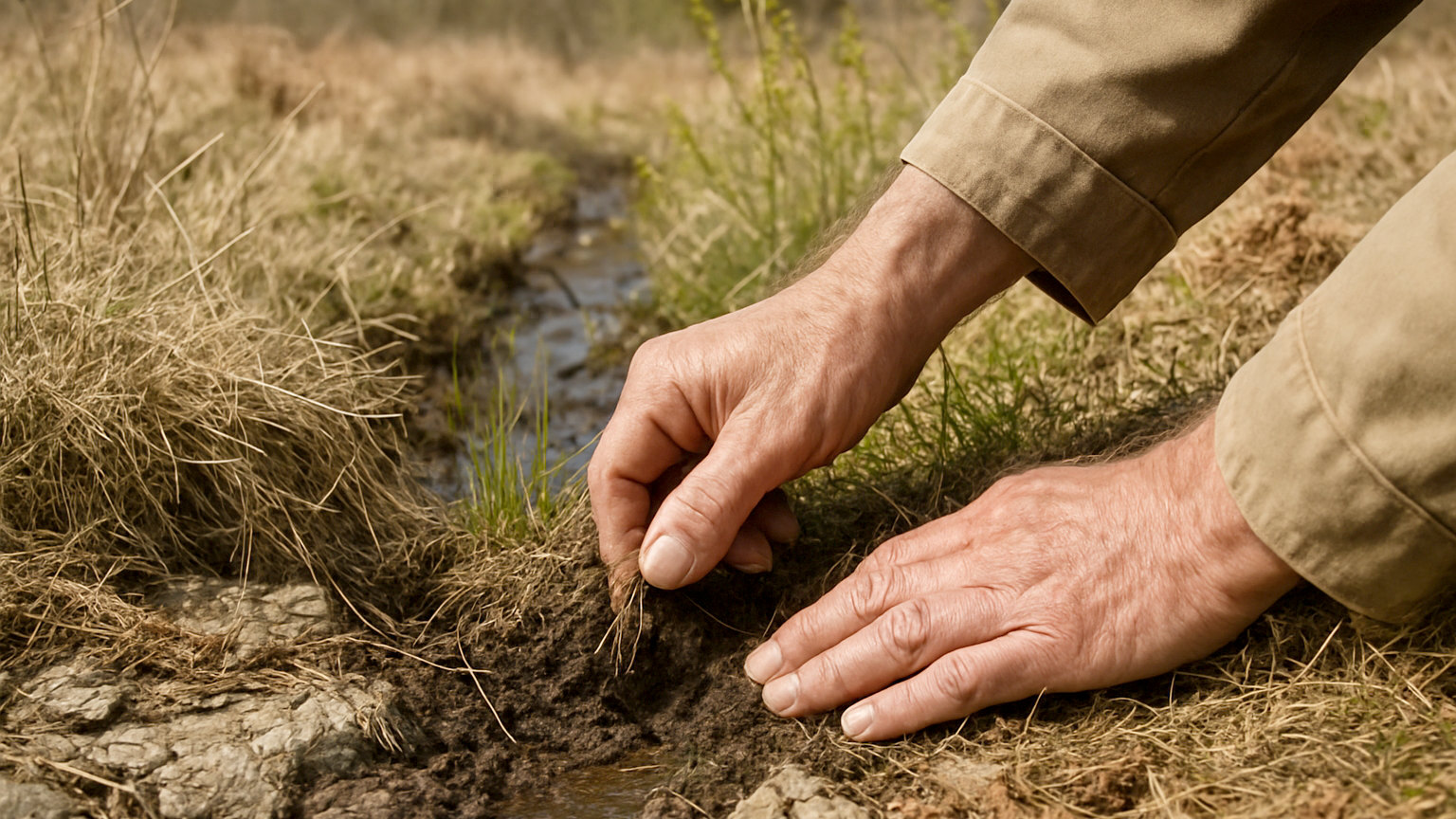
On ground that drains, slightly raised, and not in any hollow or depression however flat and tempting. Look at where water would go, and avoid the base of slopes where runoff collects. Grass and heather drain better than bare compacted earth. A groundsheet protector under the tent adds a further barrier and keeps the base cleaner.
How do you dry things?
Body heat and any dry spell. Damp socks and base layers put inside the sleeping bag, or worn, will dry overnight from body heat, which is unpleasant and effective. Otherwise seize any break in the weather to hang everything out. Accept that in sustained rain, most things stay damp and the dry set stays sealed.
What about morale?
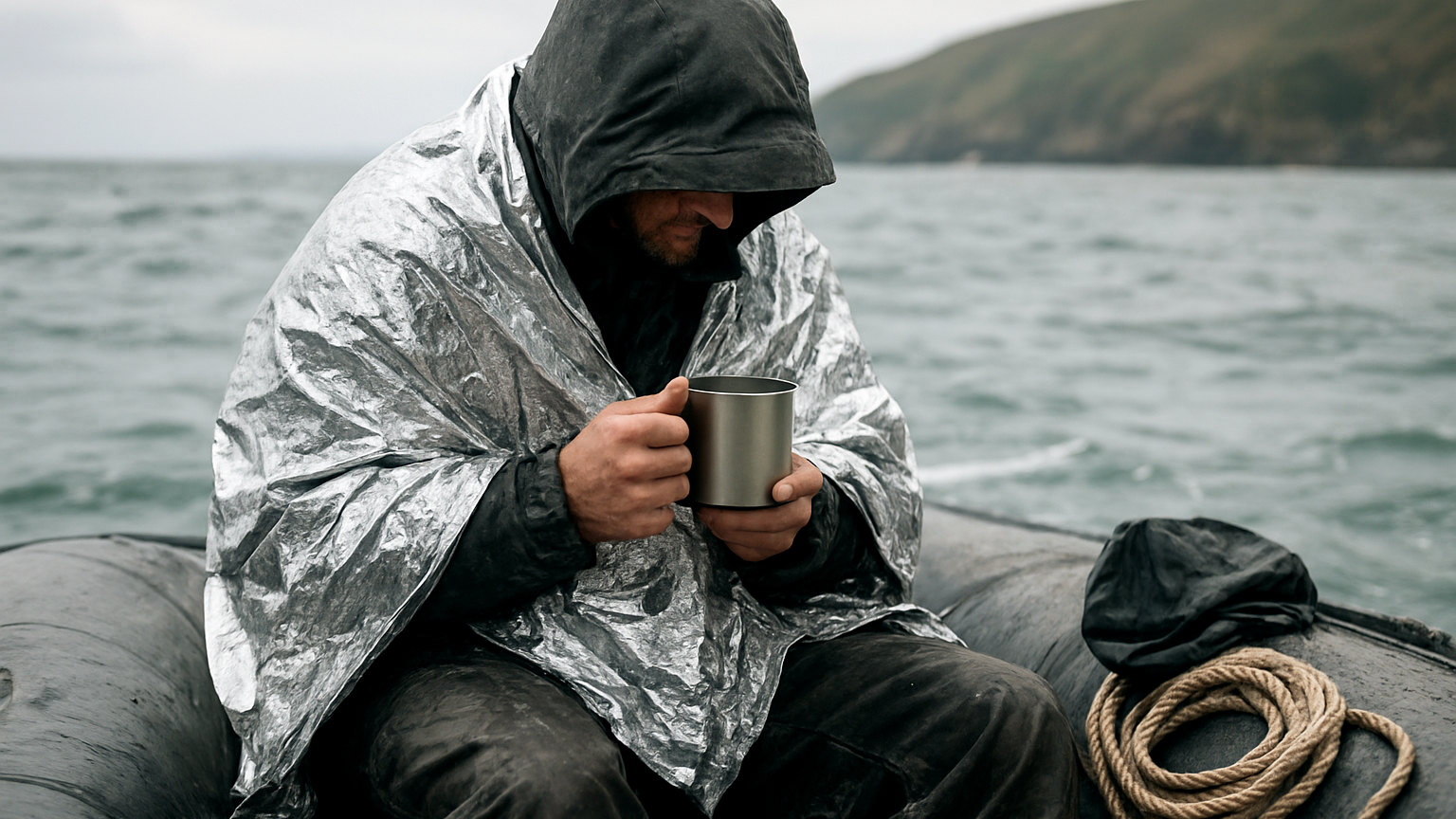
It matters more than the equipment. Hot drinks, proper food, a book, cards, and a dry warm sleeping bag to look forward to make the difference between an adventure and an ordeal. Camping in rain with a group who are enjoying themselves is a different experience from the same conditions with people who are miserable, and that is largely chosen.
What should you not do?
Cook inside the inner tent, bring wet gear into the sleeping area, or push on to a planned destination when a sheltered site is available. Also avoid touching the inside of the flysheet, which causes water to transfer through at that point. And do not pack a wet tent and forget it, which ruins it within days.
Is a bigger tent better?
For wet trips, considerably. Space to sit up, cook under cover and keep wet things separate transforms a rainy day, and a tent that is comfortable in sunshine can be intolerable when three people are confined to it for eight hours. If you camp in Britain regularly and are not carrying it far, size up.
What about getting the tent down?
Pack the inner first if the design allows, so it goes away dry while the flysheet is still up over you. Shake and wipe the fly before folding, and pack it separately from everything else with the wet side inward. Accept that this is the worst part of a wet trip and that being quick and organised makes it a five minute job.
Seal one dry set of clothes, use dry bags, treat the porch as an airlock, pitch on ground that drains, and look after morale as much as equipment.