Met Office warnings are issued on a colour scale, and the thing that confuses people is that the colour does not correspond to a fixed wind speed or rainfall figure. They describe expected impact rather than measured weather.
How are they decided?
By combining likelihood and impact. The Met Office assesses how likely a weather event is and how severe its effects would be, and the colour comes from the combination. That means a moderate amount of snow in an area unused to it can produce a higher warning than heavier snow somewhere well equipped, because the disruption would be greater.
What does yellow mean?
Be aware. Yellow warnings cover a wide range, from weather that will cause minor disruption for a few people to weather that would be seriously dangerous but is unlikely to occur. Read the text rather than reacting to the colour alone, since the wording explains what is expected and for whom. Yellow warnings are common and should not be dismissed on that basis.
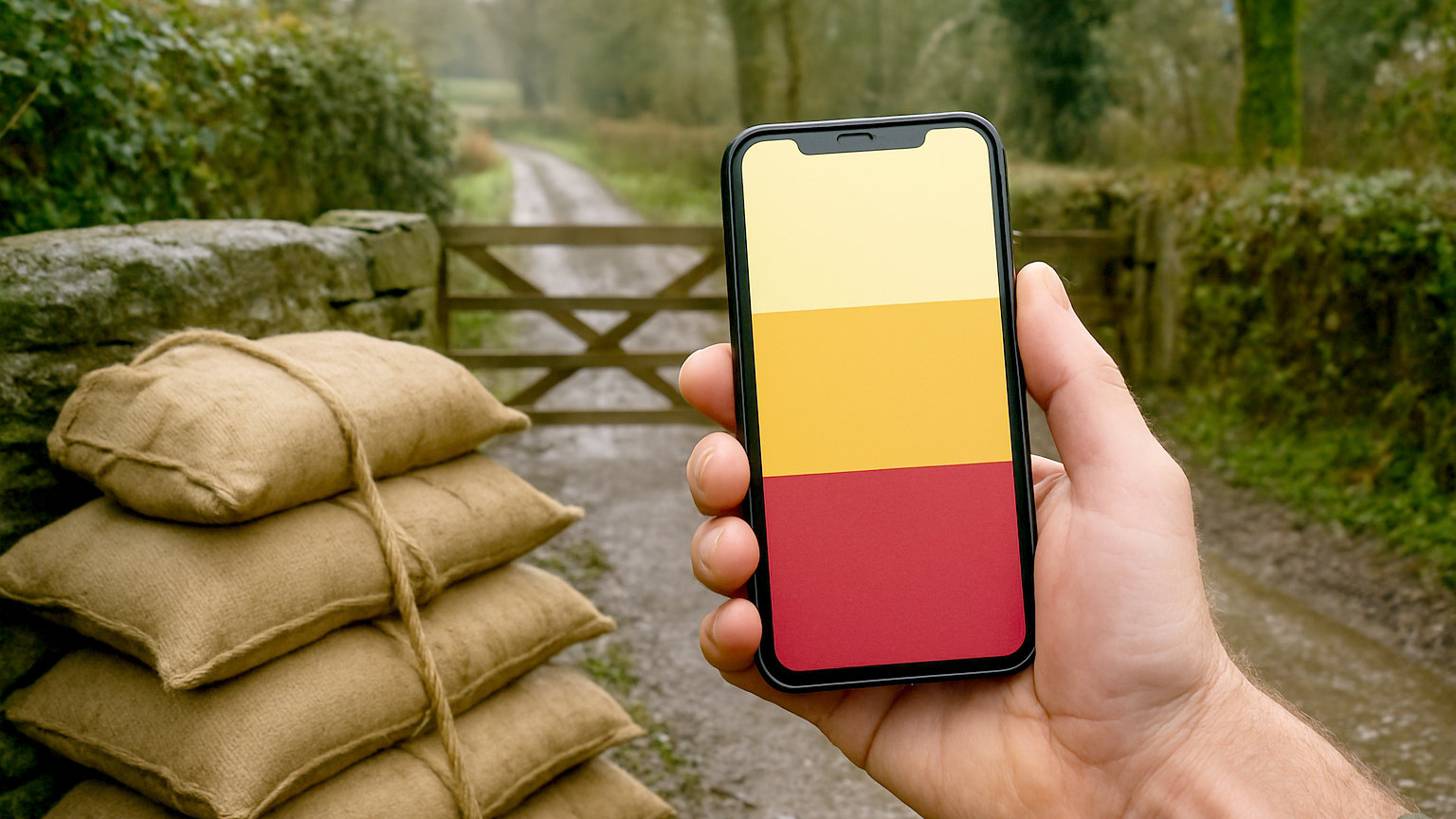
- Yellow: be aware, read the detail rather than the colour
- Amber: be prepared, disruption likely and plans may need changing
- Red: take action, dangerous weather with risk to life
- Based on impact and likelihood, not fixed measurements
- Cover wind, rain, snow, ice, fog, thunderstorms, heat and cold
- Check the warning text, which states the expected effects
What does amber mean?
Be prepared, and expect to change your plans. Amber indicates an increased likelihood of impacts that could affect travel, power supplies and daily life, with potential risk to life and property. It is the level at which you should be thinking about whether a journey is necessary, securing outdoor items, and checking on anyone vulnerable.
What does red mean?
Take action now. Red warnings are rare and indicate dangerous weather expected with a high likelihood of significant impacts, including risk to life and widespread damage or disruption. The expected response is to follow advice from the emergency services and local authorities, avoid travel entirely, and take steps to keep yourself and others safe. Red warnings should be treated as an instruction.
What do they cover?
Wind, rain, snow, ice, fog, thunderstorms, extreme heat and extreme cold. The last two are relatively recent additions reflecting increasing recognition of heat as a health risk. Warnings are issued for defined geographic areas and periods, and both can change as forecasts are refined, so check for updates rather than acting on a warning issued two days earlier.
How do heat health alerts differ?
They are issued separately, jointly with the health security agency, and focus on health impacts rather than the weather itself. They use a similar colour scale and are aimed at the health and social care sector as well as the public, flagging when conditions are likely to affect vulnerable people. Both systems can be active at once during a heatwave.
How should you use them?
As a prompt to check your own situation rather than as a general alarm. A wind warning matters differently if you have a large tree near the house, a caravan, or a journey planned over an exposed route. Reading the impact text and asking what it means for your specific circumstances converts a broad regional warning into a personal decision.
Where do you find them?
The Met Office website and app, which show current warnings by area and allow location alerts. Broadcast weather forecasts carry them. Local radio covers them during incidents. Setting up notifications for your area takes a couple of minutes and means warnings reach you rather than requiring you to look.
Why does the same weather get different colours?
Because the same conditions cause different disruption in different places. Ten centimetres of snow in the Highlands may warrant yellow while the same fall across the South East warrants amber, since the road network, vehicle preparation and public expectation differ. It is a feature rather than an inconsistency, and it is why comparing the colour with a previous event elsewhere tells you very little.
Read the impact text rather than reacting to the colour, treat amber as a reason to change plans, treat red as an instruction, and set up alerts for your area.