What Should You Do If You Are Caught Out in a Storm
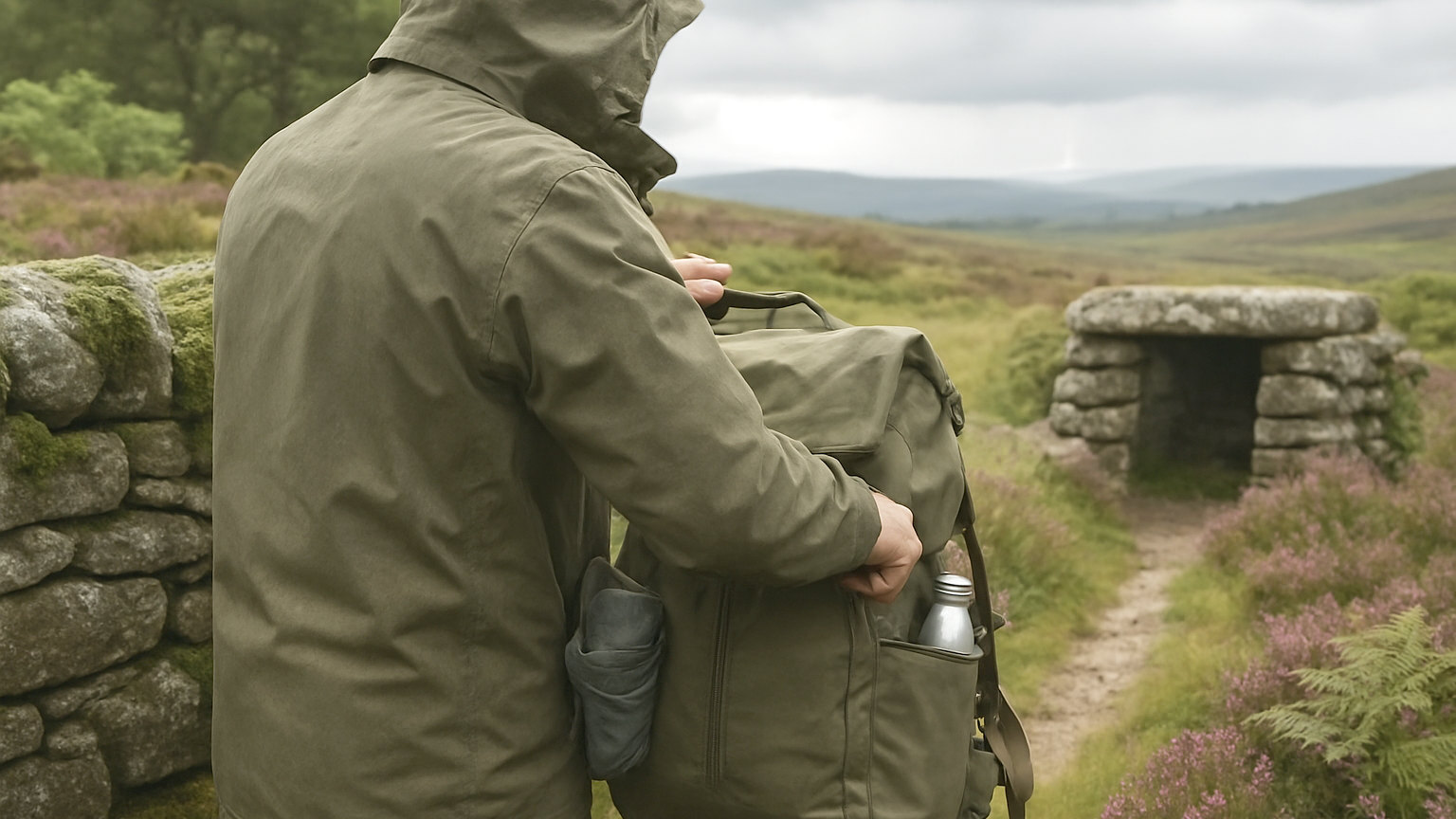
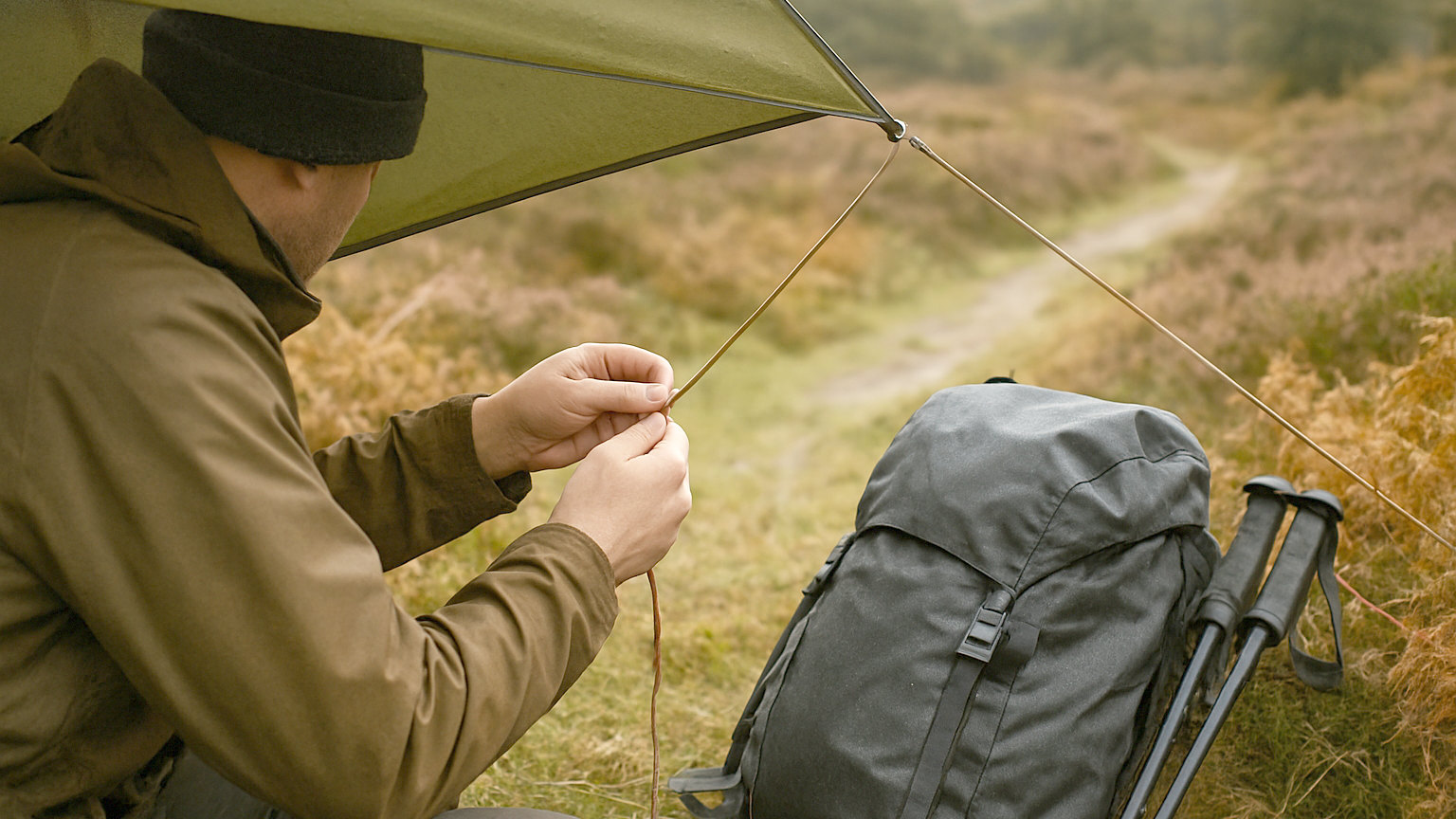
Stop, shelter and let it pass rather than pressing on. Most bad outcomes come from continuing toward a destination in deteriorating conditions.
Storms, snow, heatwaves and lightning arrive with warning almost every time, which makes them the disasters where preparation pays best. These guides cover what the Met Office warning colours actually mean, securing a property before a named storm, driving decisions, and staying safe in both extreme cold and extreme heat.
Stop, shelter and let it pass rather than pressing on. Most bad outcomes come from continuing toward a destination in deteriorating conditions.
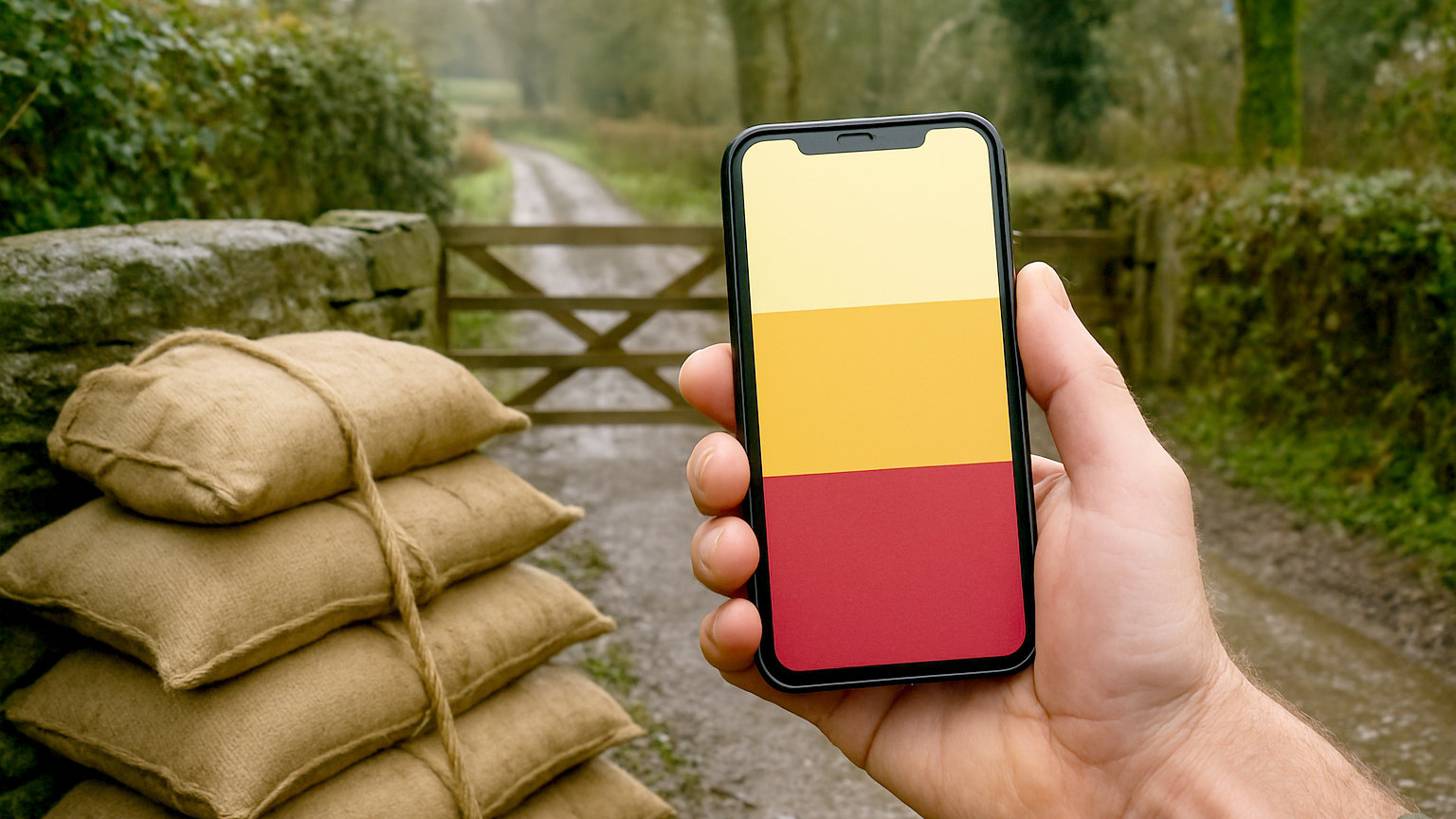
Yellow, amber and red, based on impact rather than on rainfall or wind speed alone. A yellow warning in one place can mean more than an amber elsewhere.
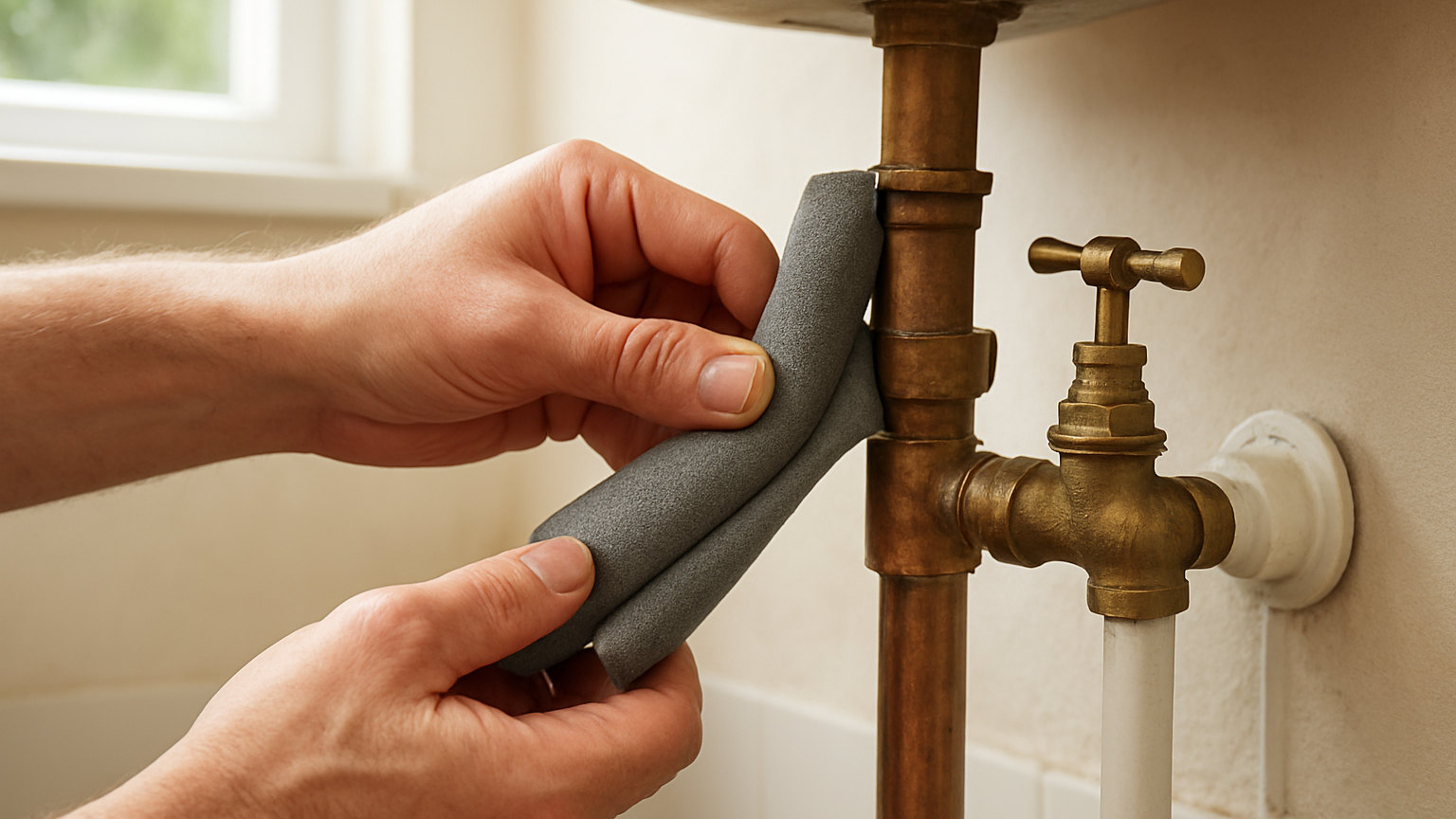
Lag the pipes, know where the stopcock is, and keep a low background heat. Burst pipes cause more household damage in a freeze than anything else.
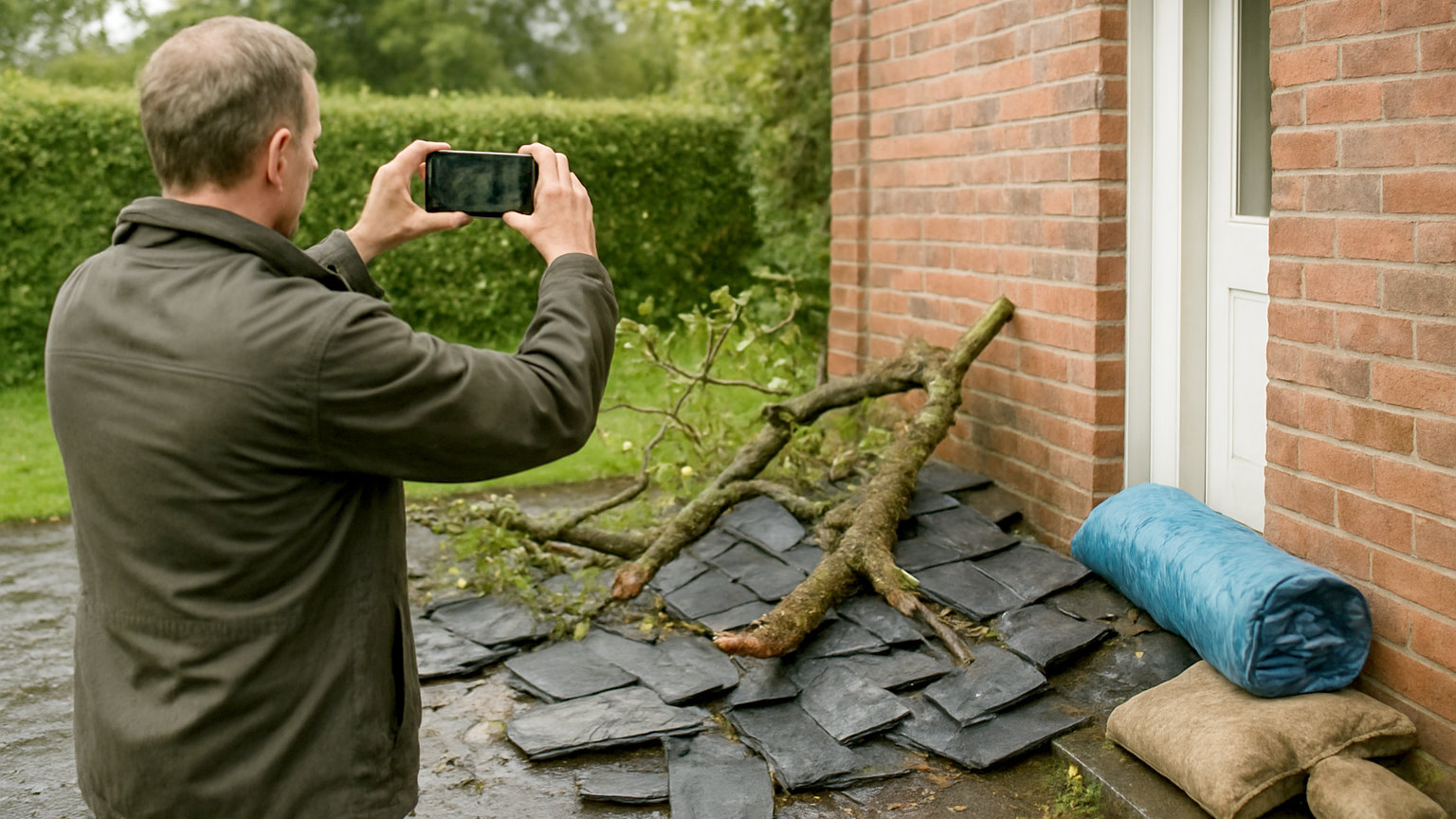
Photograph before touching, prevent further damage, and stay off the roof. Most storm claims are straightforward and most roof injuries are avoidable.
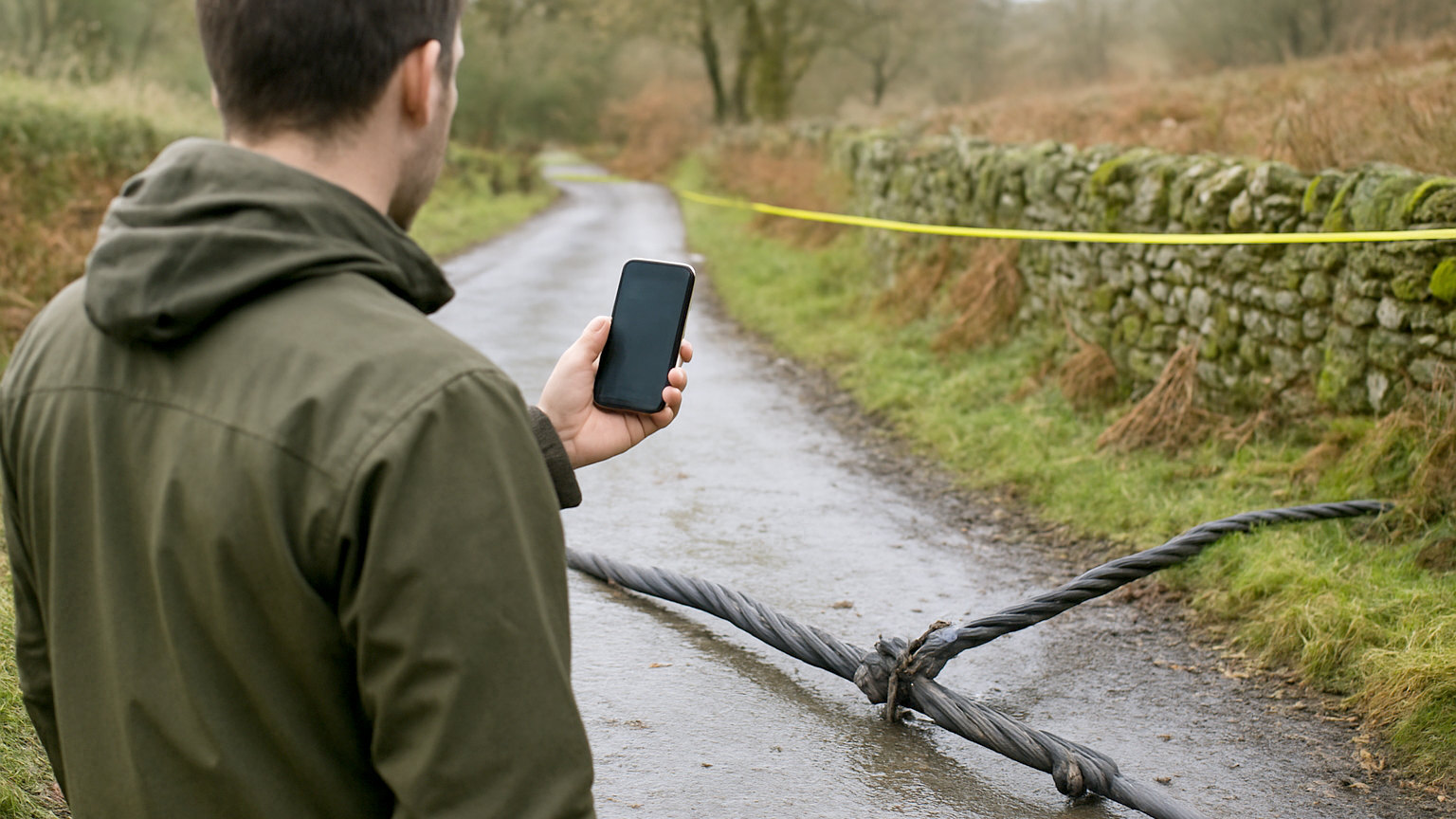
Assume every fallen cable is live, keep everyone well back, and call 105 or 999. Current spreads through the ground around a downed line.
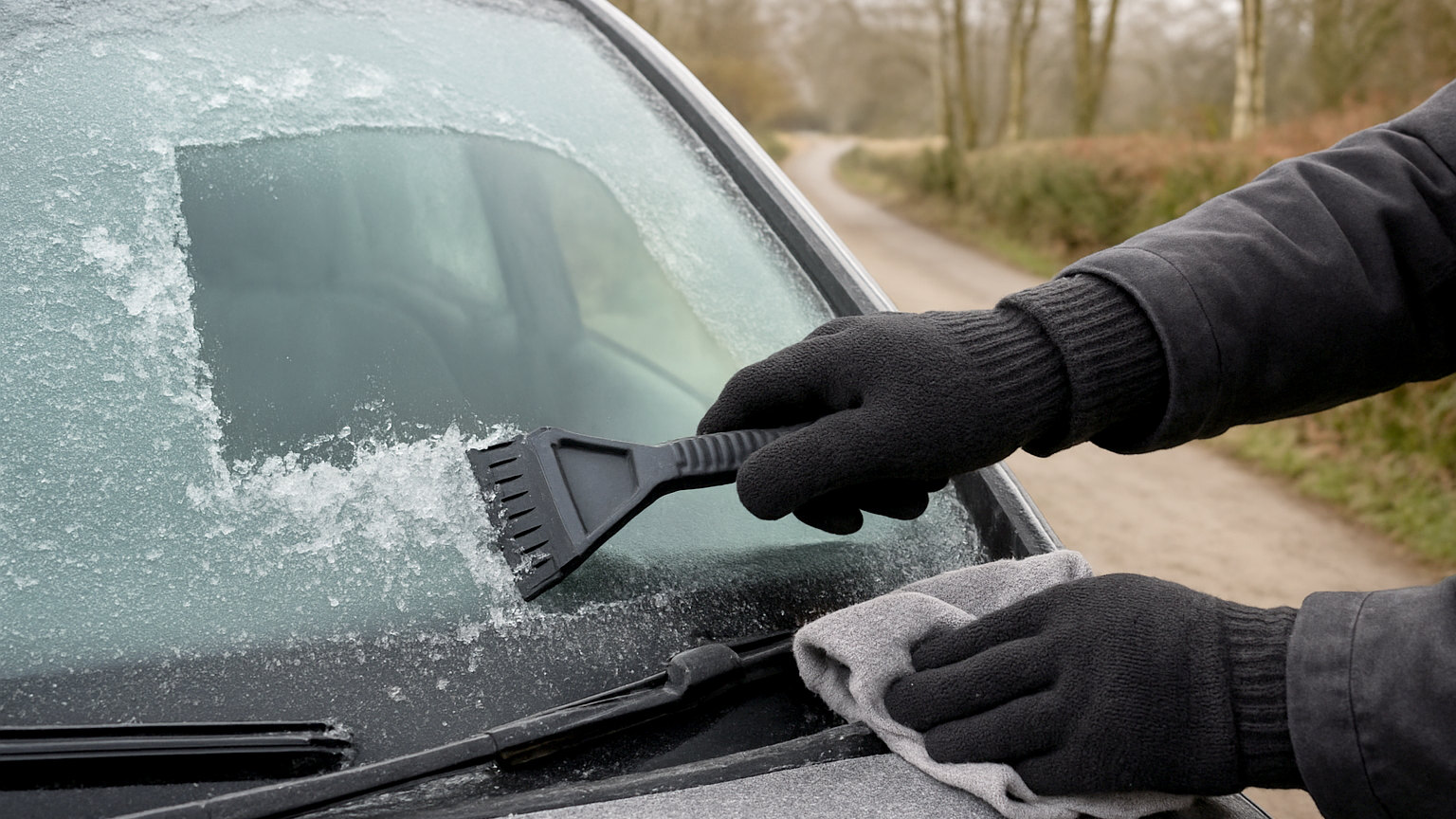
Clear every window properly, slow down more than feels necessary, and make every input gentle. Stopping distances on ice can be ten times normal.
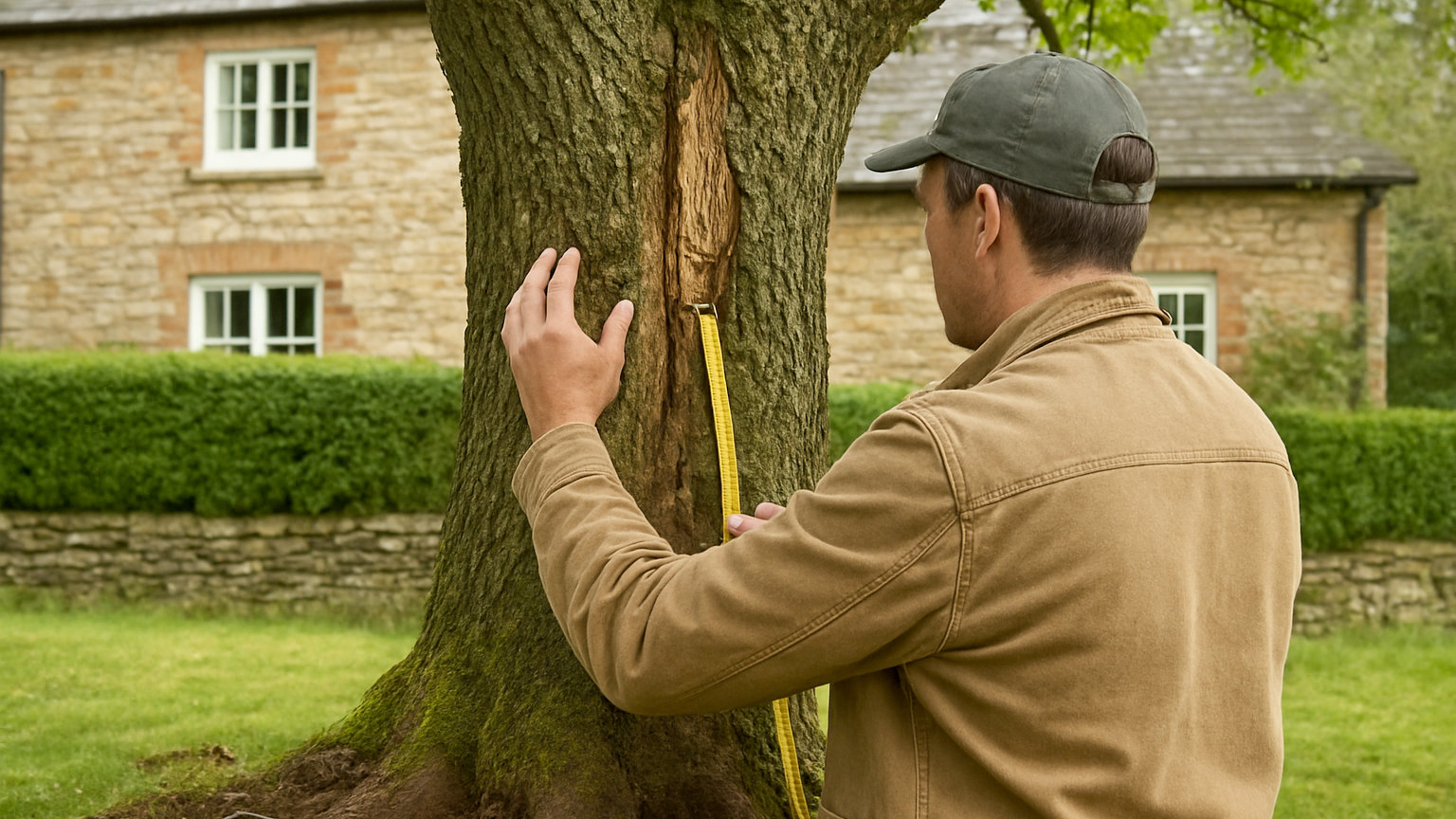
Owners have a duty to keep trees safe, and most trees are fine. Knowing the warning signs and the permission rules prevents both accidents and enforcement.
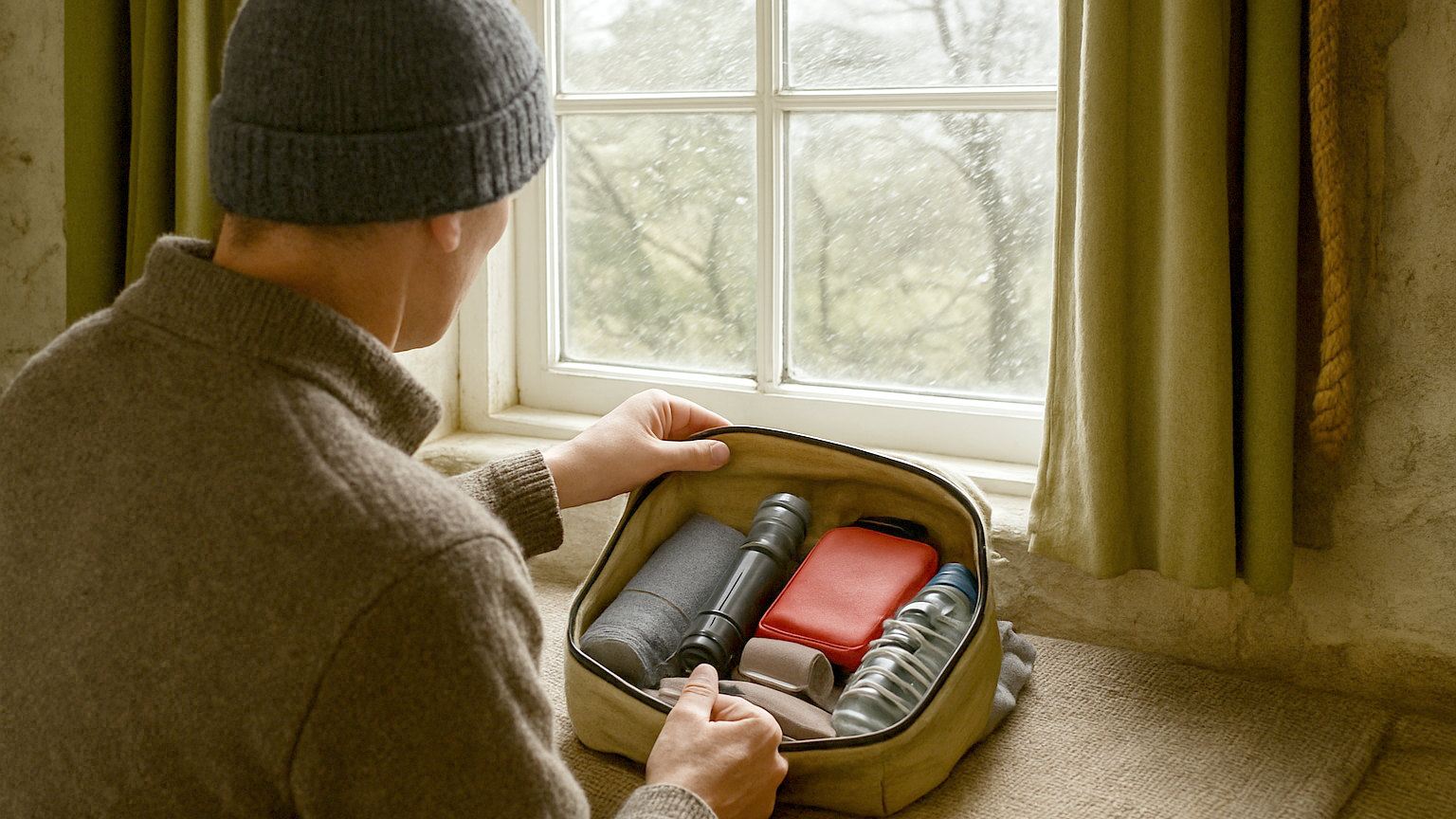
Stay inside, away from windows, and resist the urge to go out and fix something. Most storm injuries happen to people who went outside during the peak.
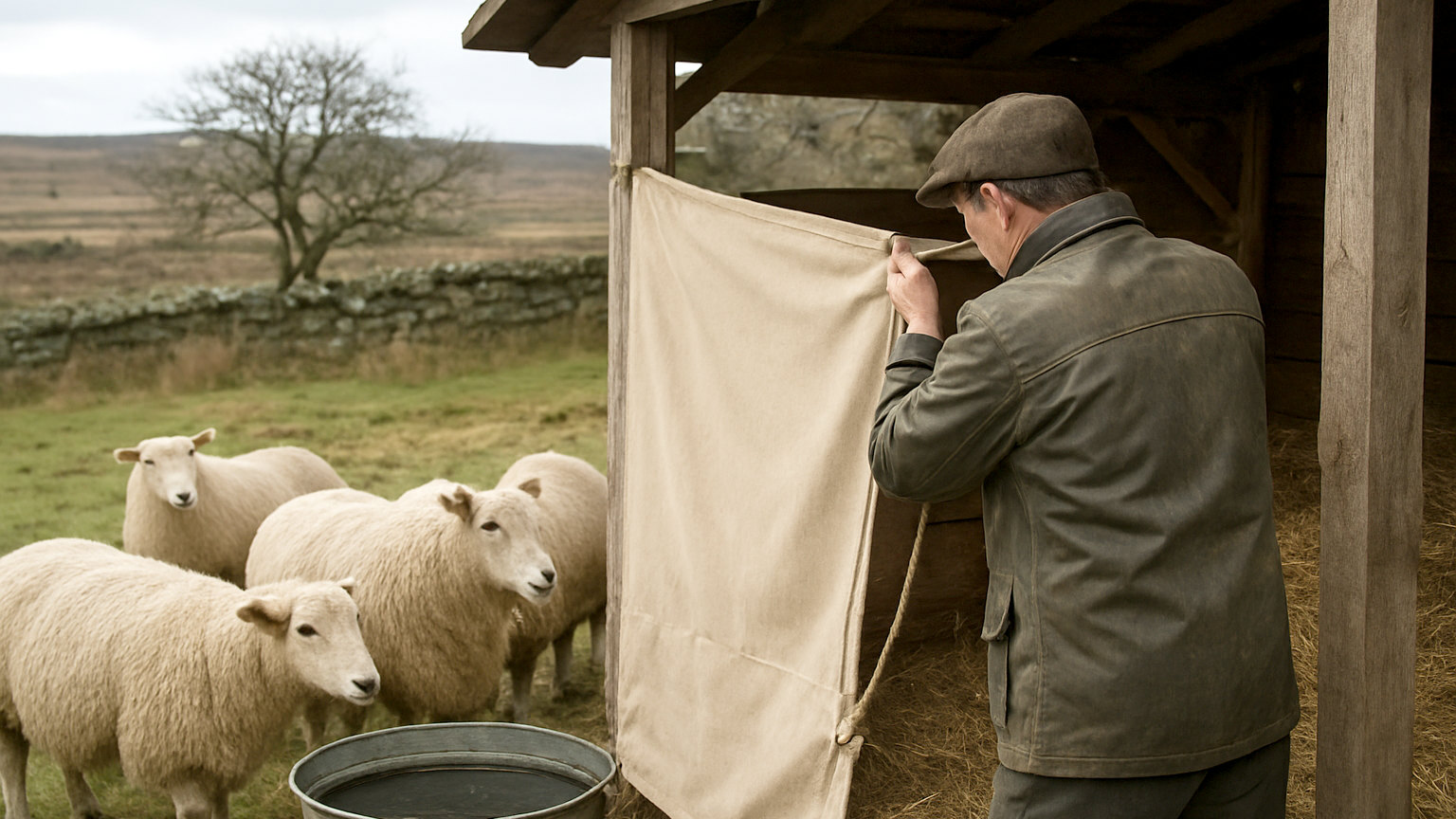
Shelter, unfrozen water and moving stock off exposed ground. Animals are affected by weather that people can simply go indoors from.
Falls cause far more injuries than anything else. Grit, footwear and slowing down prevent almost all of them, and none of it costs much.
A small risk that is not zero, concentrated on people caught in the open. The thirty thirty rule tells you when to shelter and when it is safe again.
Storms are named when significant impacts are expected, which means the warning arrives days ahead. That lead time is the whole advantage.