What Happens When Mountain Rescue Is Called
Volunteers turn out at their own cost and would rather come early. Hesitating to call because you feel foolish is the most common and least useful reason to delay.
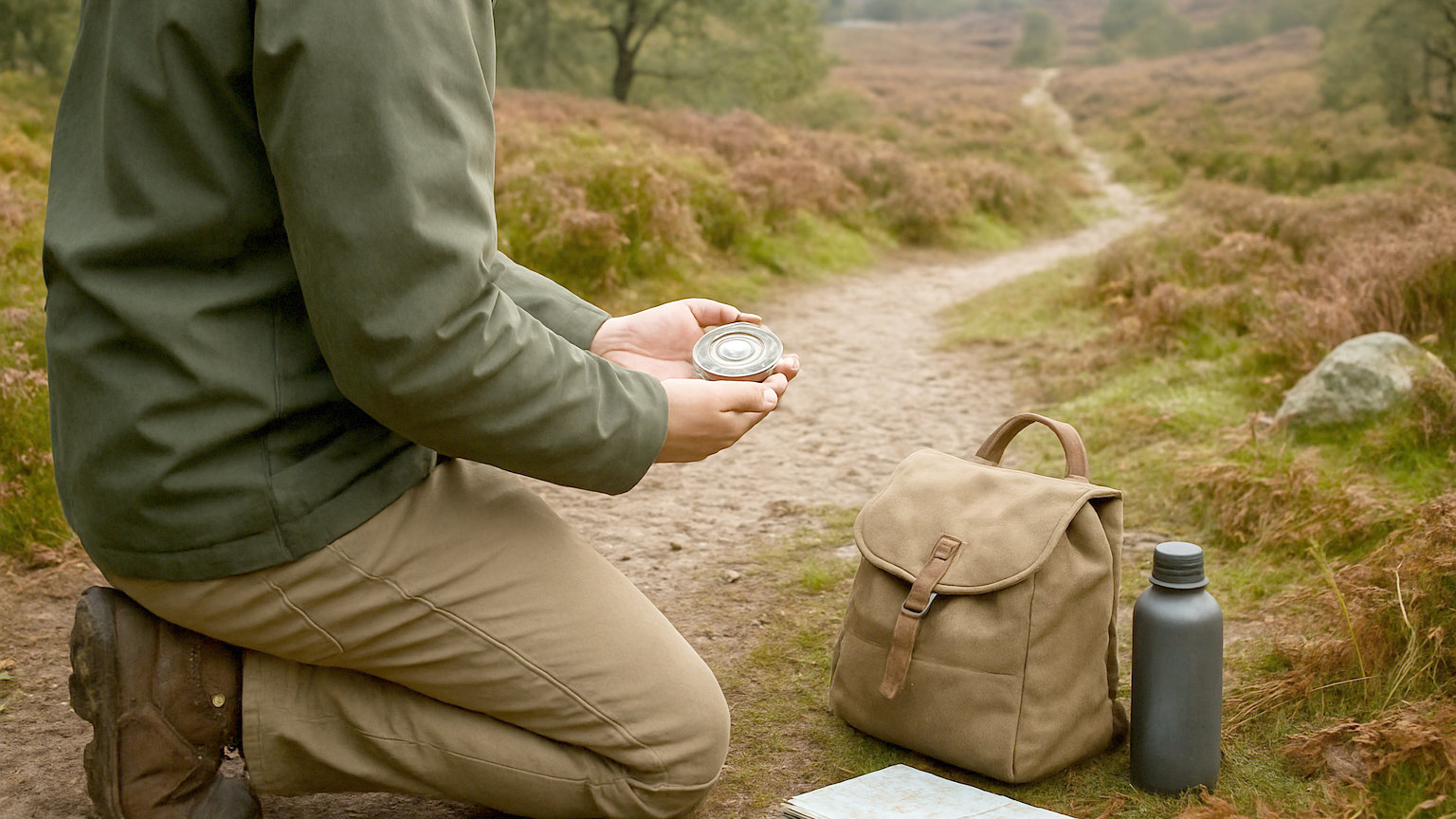
What to do in the first hour after things go wrong, which is the hour that decides most outcomes. These guides cover the survival priorities in order, the psychology of stopping and thinking rather than pressing on, staying put versus walking out, and how mountain rescue actually finds people.
Volunteers turn out at their own cost and would rather come early. Hesitating to call because you feel foolish is the most common and least useful reason to delay.
It narrows attention, degrades fine motor control and drives movement for its own sake. Knowing what it does is most of the defence against it.
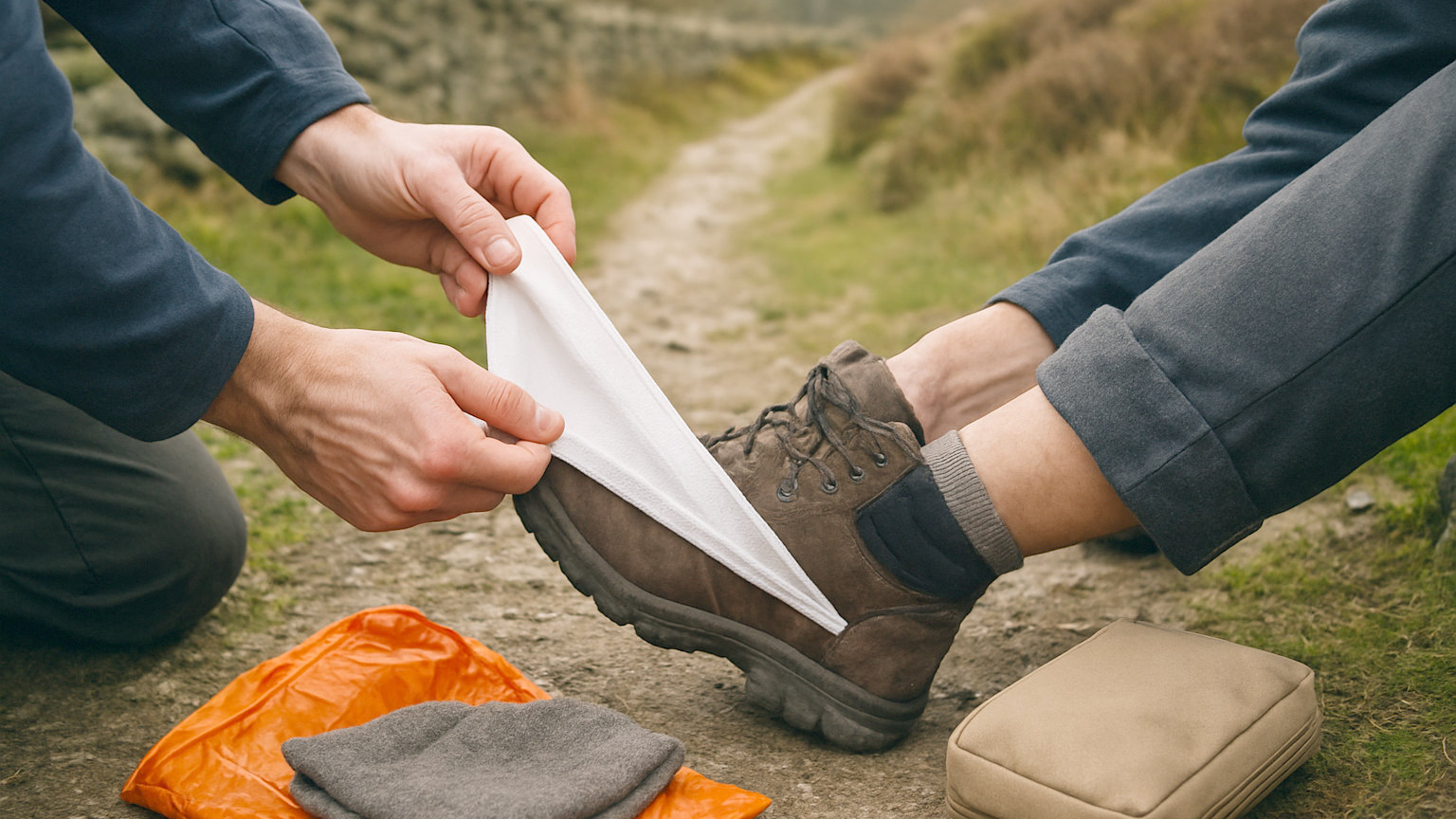
Stop, treat, insulate and call. Moving an injured person over rough ground causes further harm and is far slower than a rescue team.
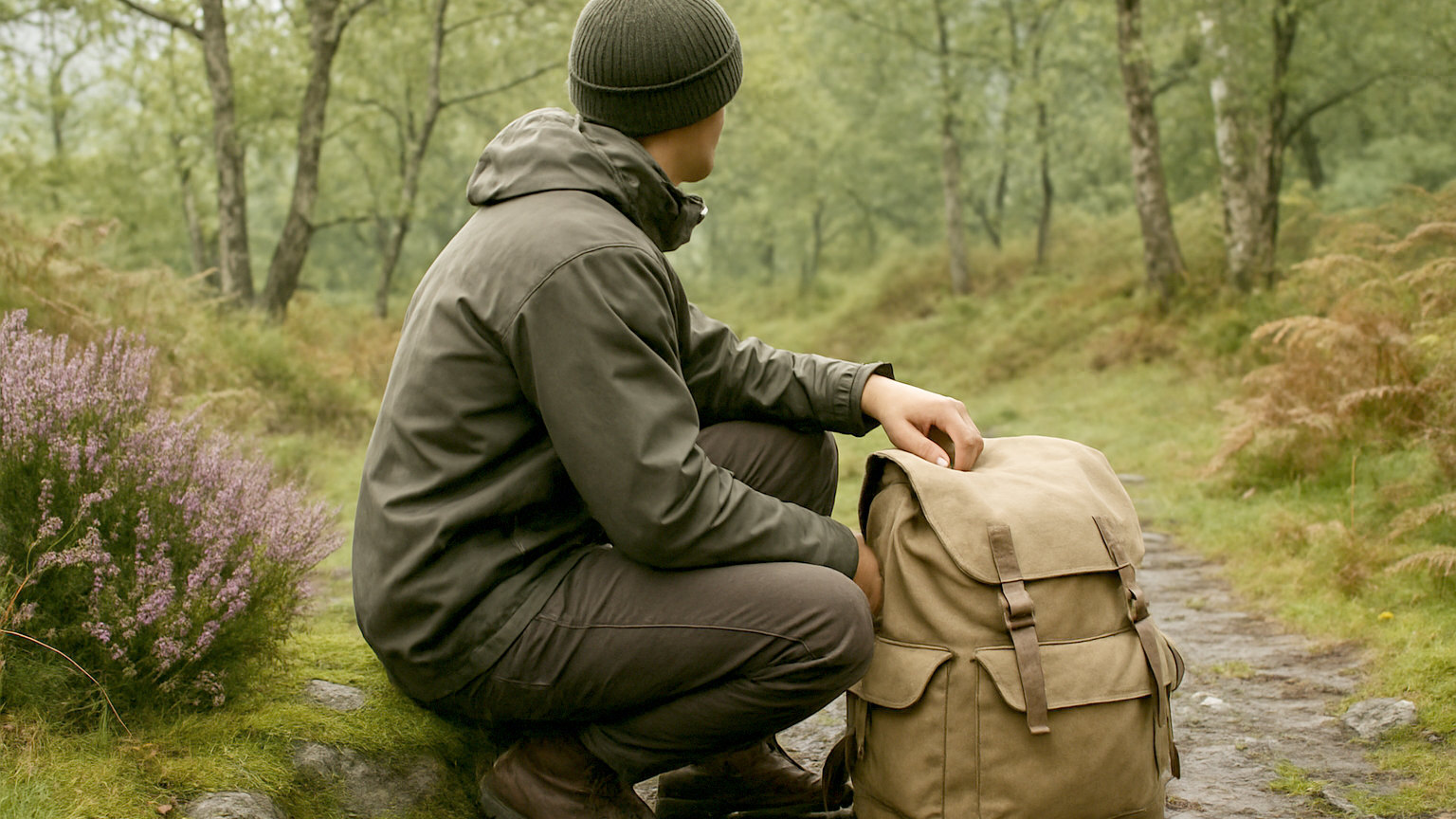
Stop moving. The instinct to press on or hurry is what turns a manageable problem into a serious one, and it takes deliberate effort to override.
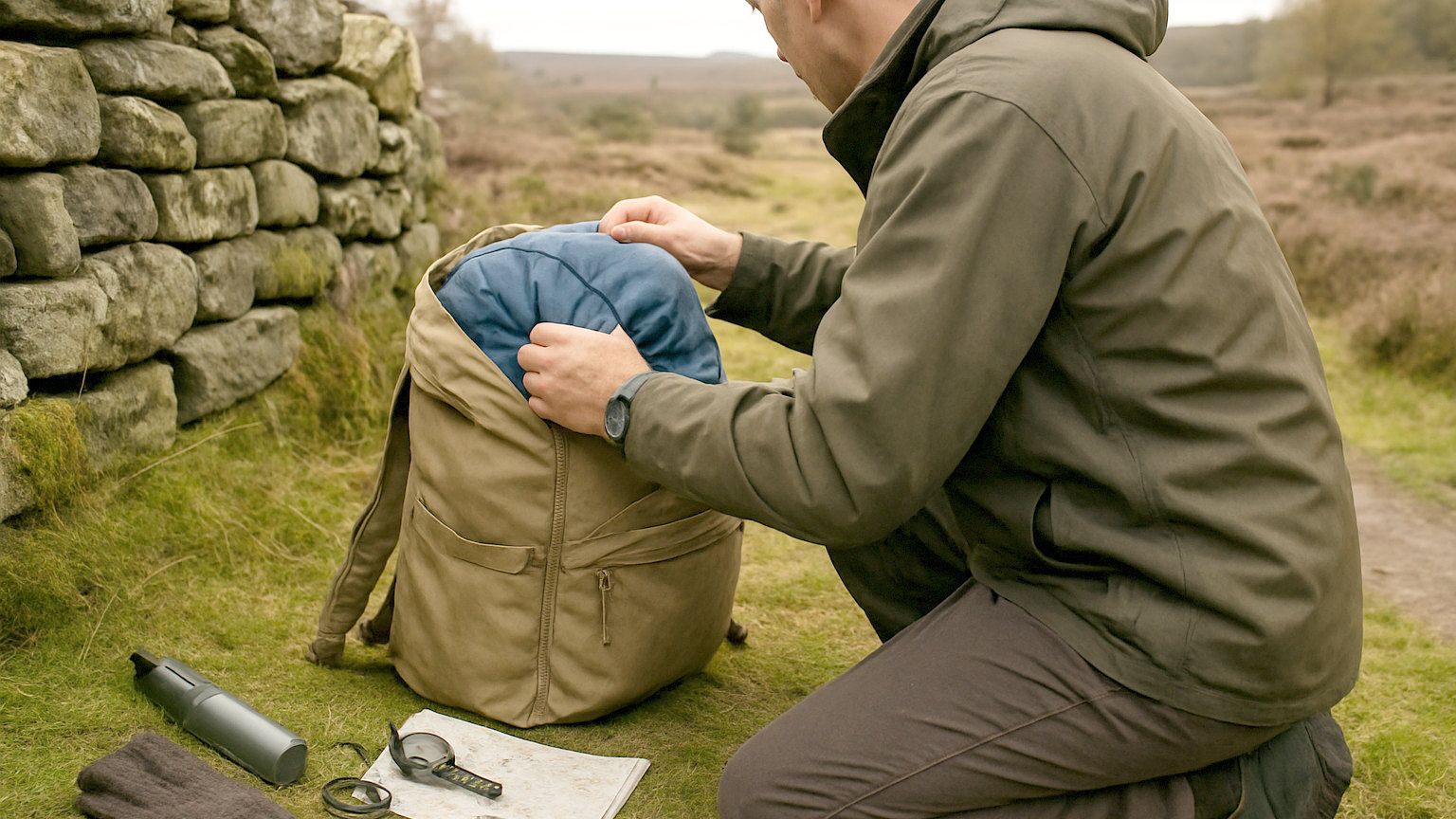
Check the mountain forecast, leave a route with someone, carry warmth and light, and set a turnaround time. Four habits prevent most incidents.
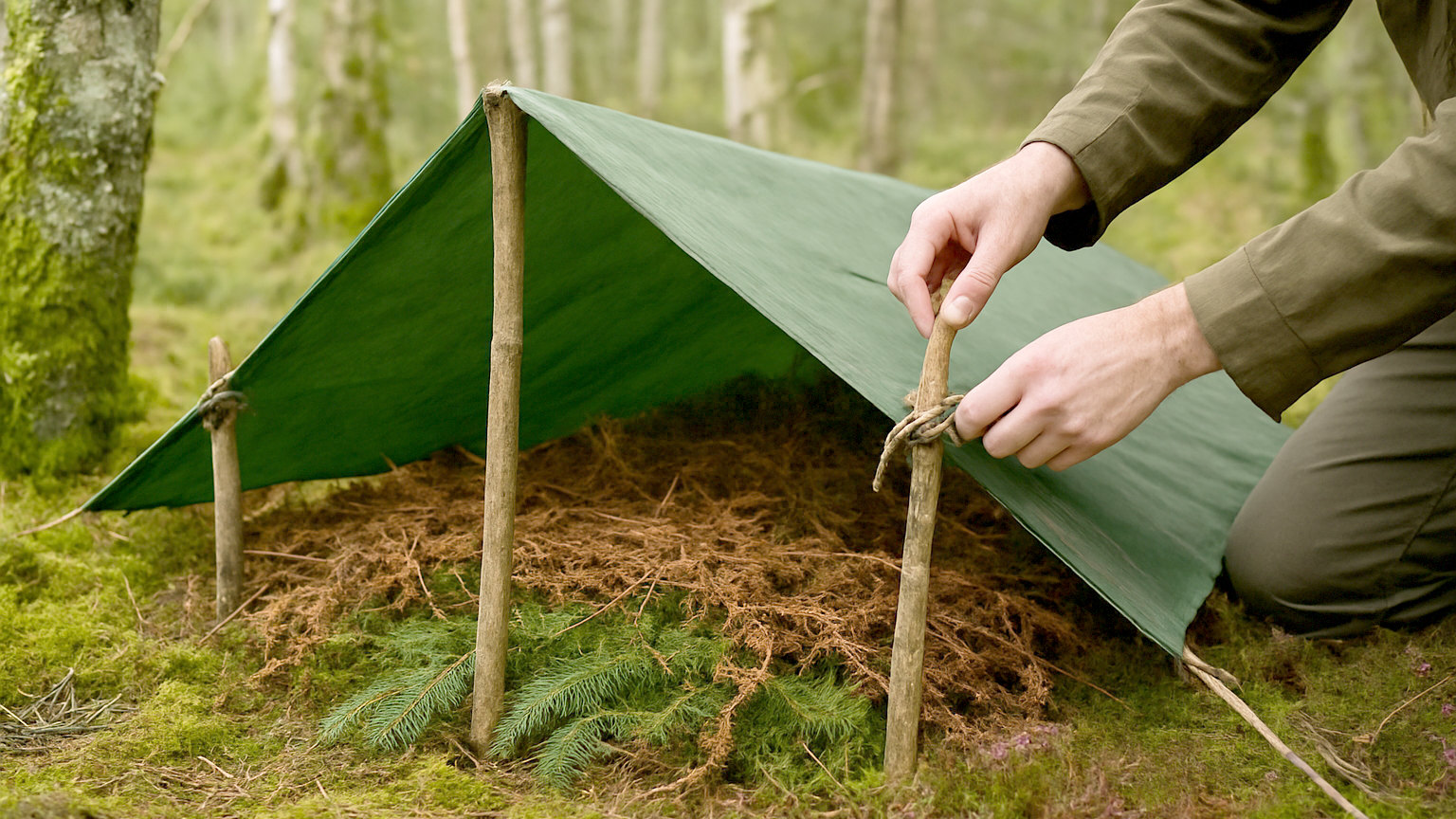
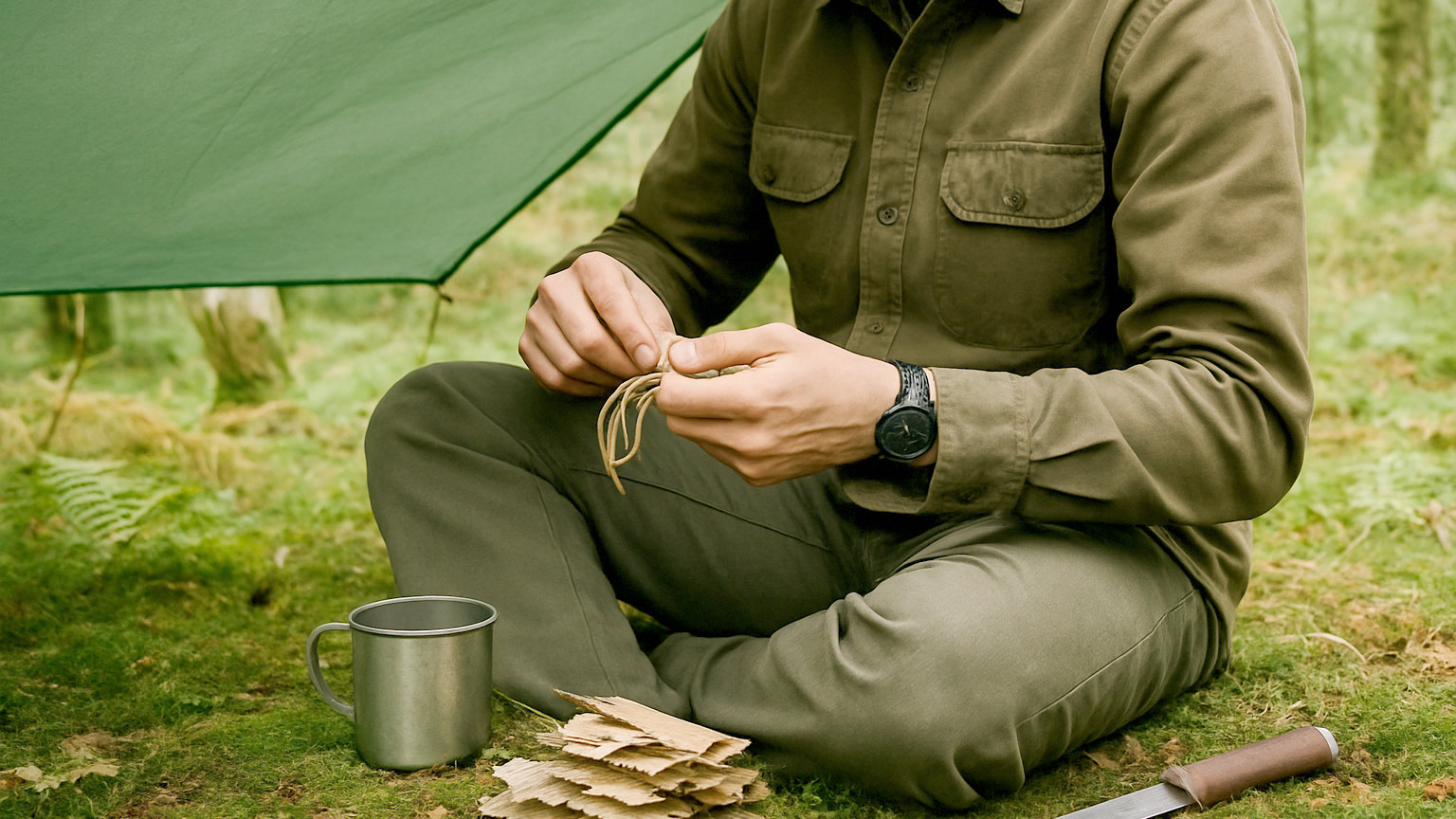
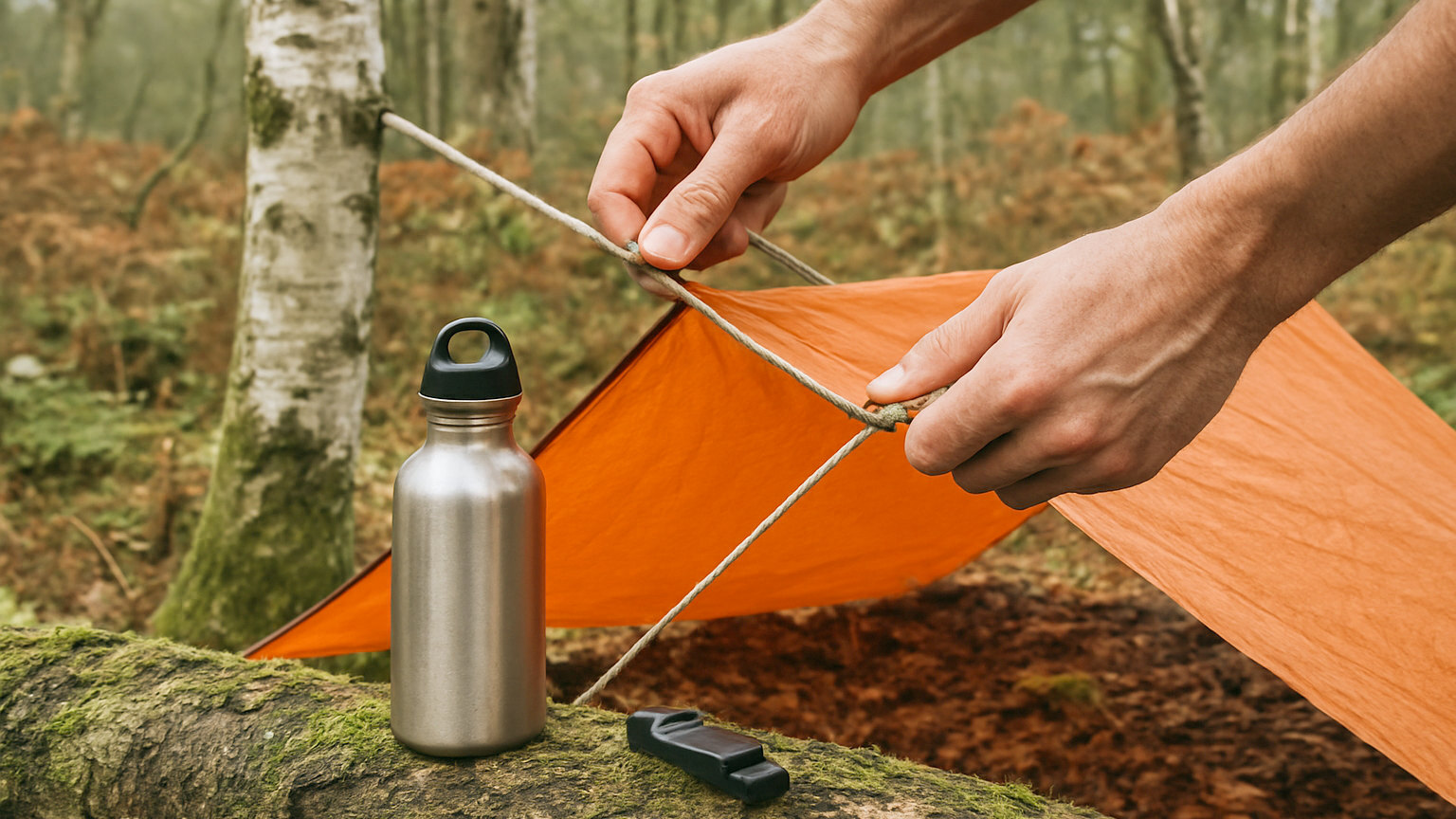
Get shelter up and insulation underneath you before it gets properly dark. A night out is survivable and unpleasant, and the preparation happens in the last hour of light.
Structure, tasks and small goals. Waiting is harder than acting, and giving people something to do is the most effective thing available.
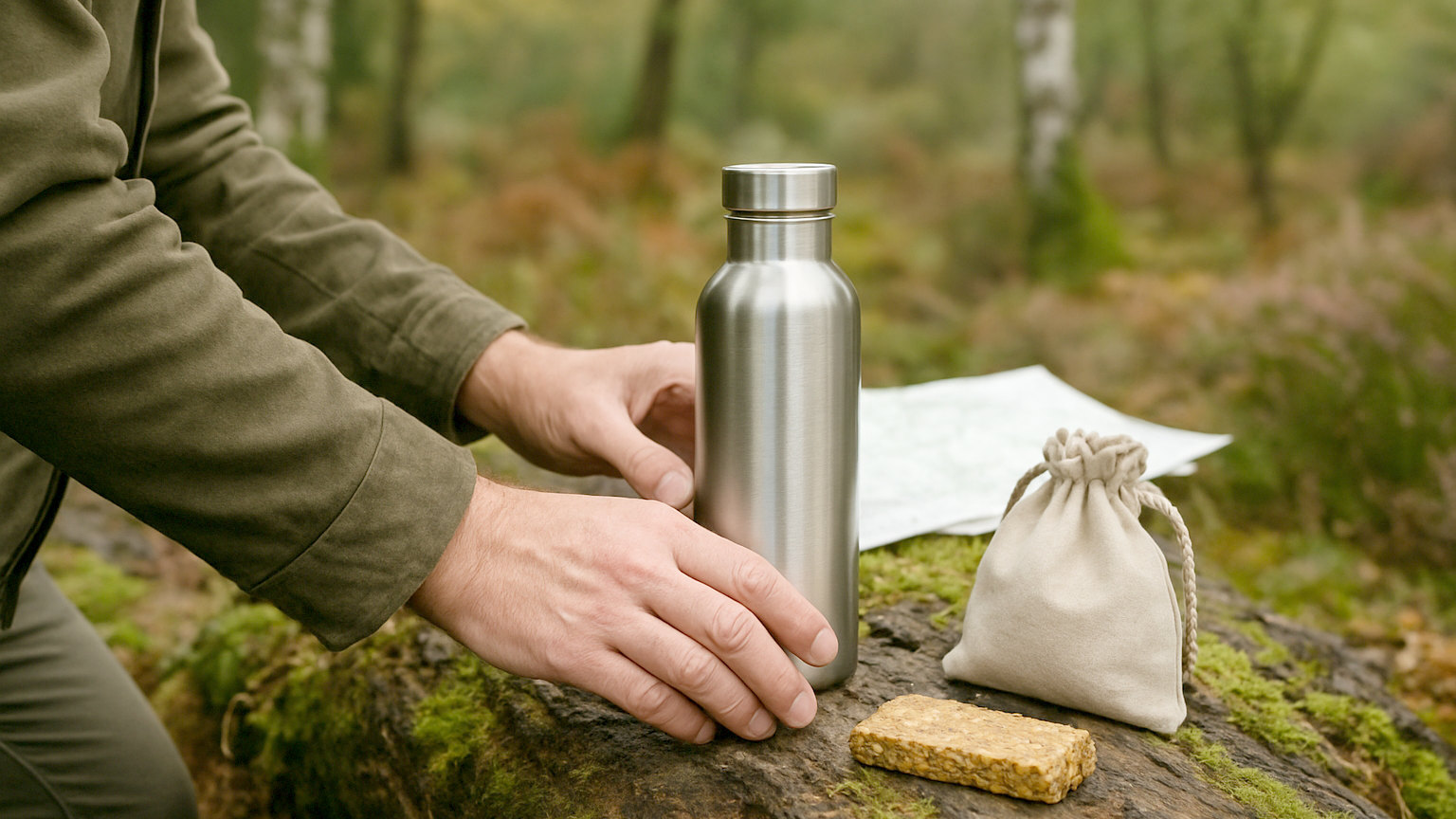
Days without water and weeks without food, and impairment starts long before either. Judgement degrades from mild dehydration, which is what actually matters.
Protection, location, water, food. In Britain the first two account for almost everything and the last one is essentially irrelevant.
Pressing on, going out unequipped, telling nobody, and being unwilling to turn back. The pattern in serious incidents is remarkably consistent.
Stop the moment you doubt your position, rather than a mile later. Almost everyone who becomes seriously lost continued for some time after first suspecting it.
Move at a pace you could hold all day, avoid sweating, and eat before you are hungry. Exhaustion is a decision you make gradually over hours.