What Is a Bothy Bag and When Should You Use One
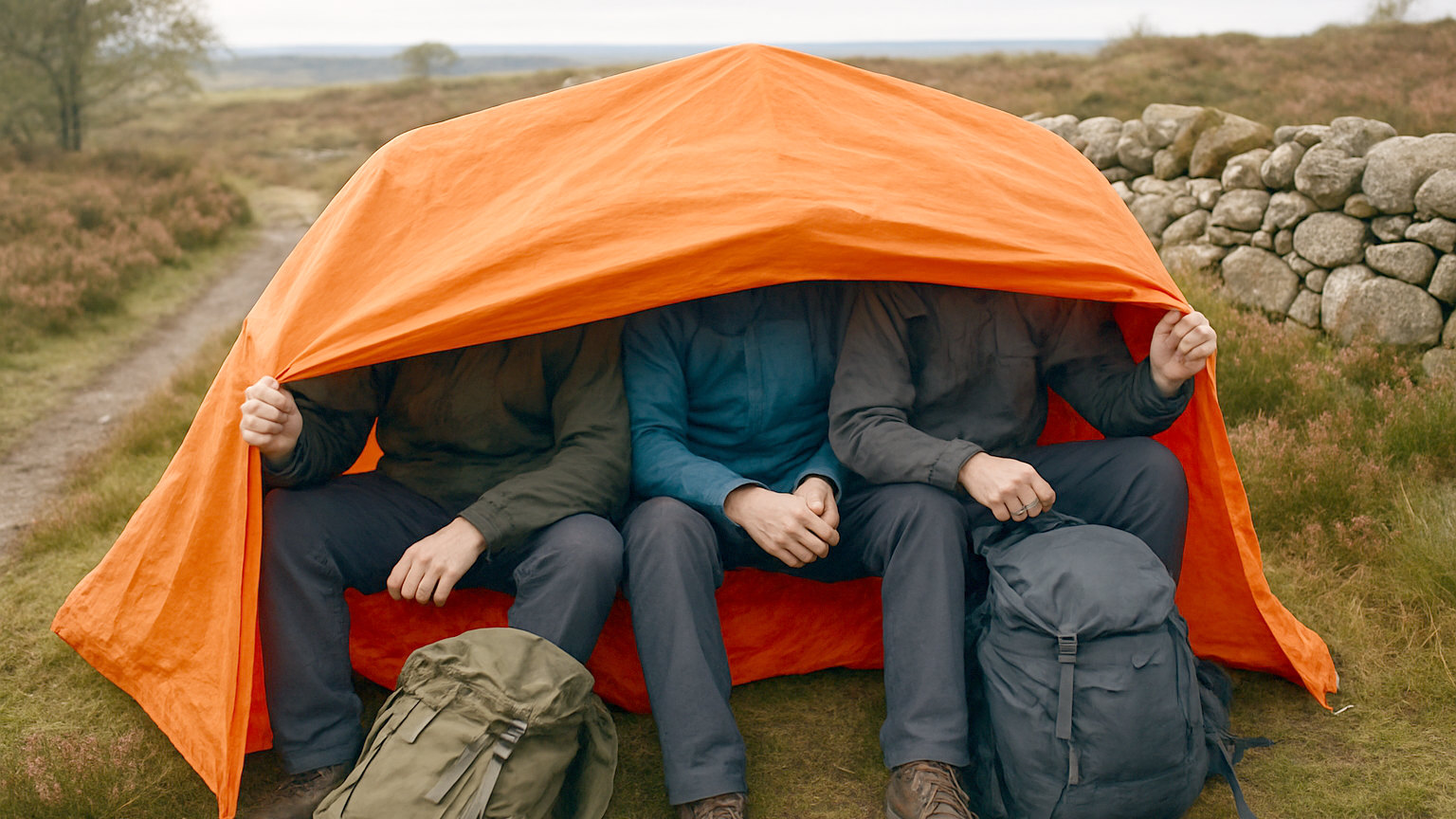
A lightweight fabric shelter that a group climbs inside. Mountain rescue teams carry them because they raise the temperature dramatically within minutes.
Exposure kills faster than hunger or thirst in almost any British condition, and getting off wet ground and out of the wind buys more time than nearly anything else you can do. These guides cover debris shelters, tarp configurations, snow holes, and picking a site that will not flood in the night or drop a branch on you.
A lightweight fabric shelter that a group climbs inside. Mountain rescue teams carry them because they raise the temperature dramatically within minutes.
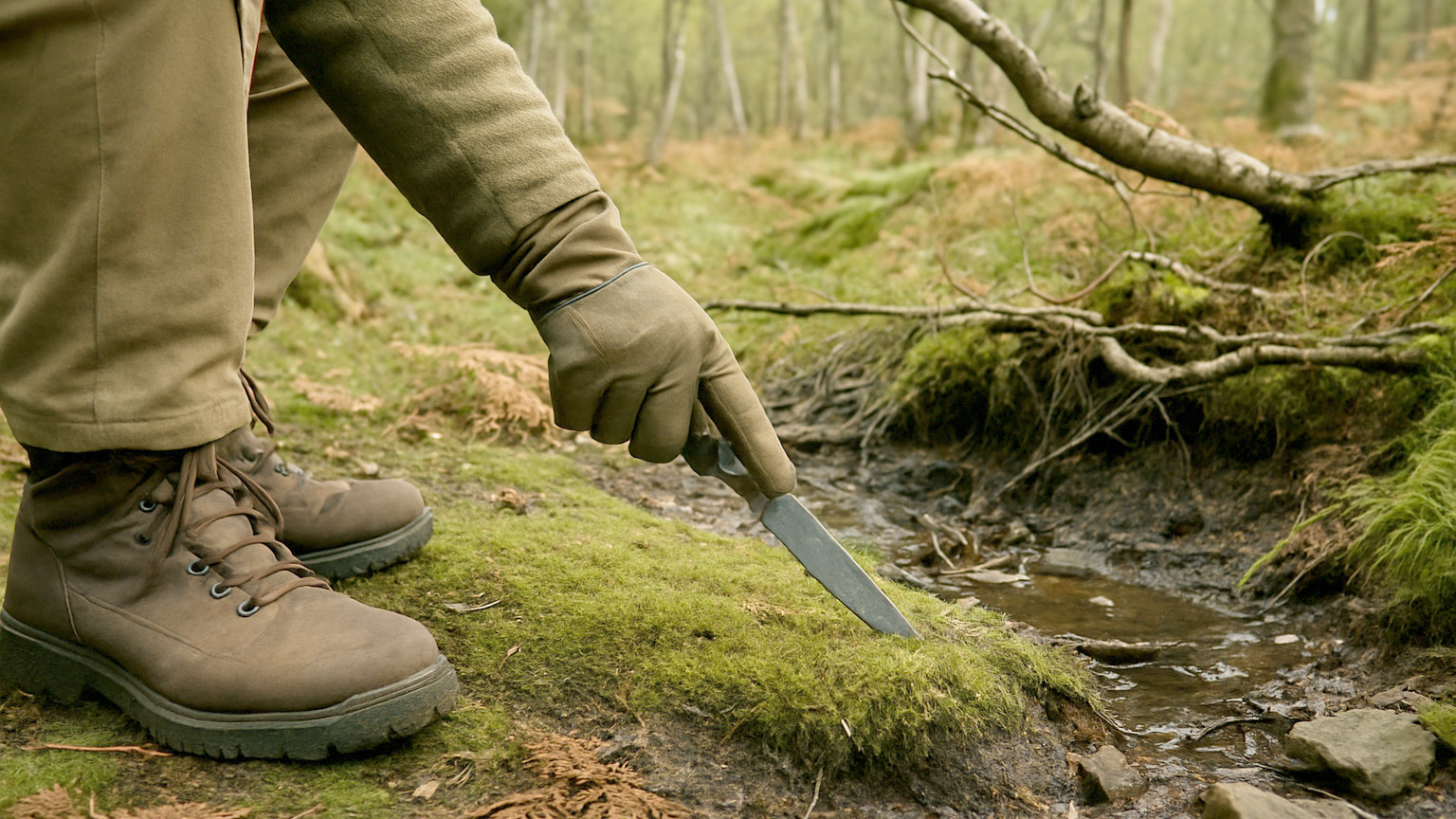
Site selection decides more about a night outdoors than construction does. What to look up at, what to look down at, and the hazards people walk straight past.
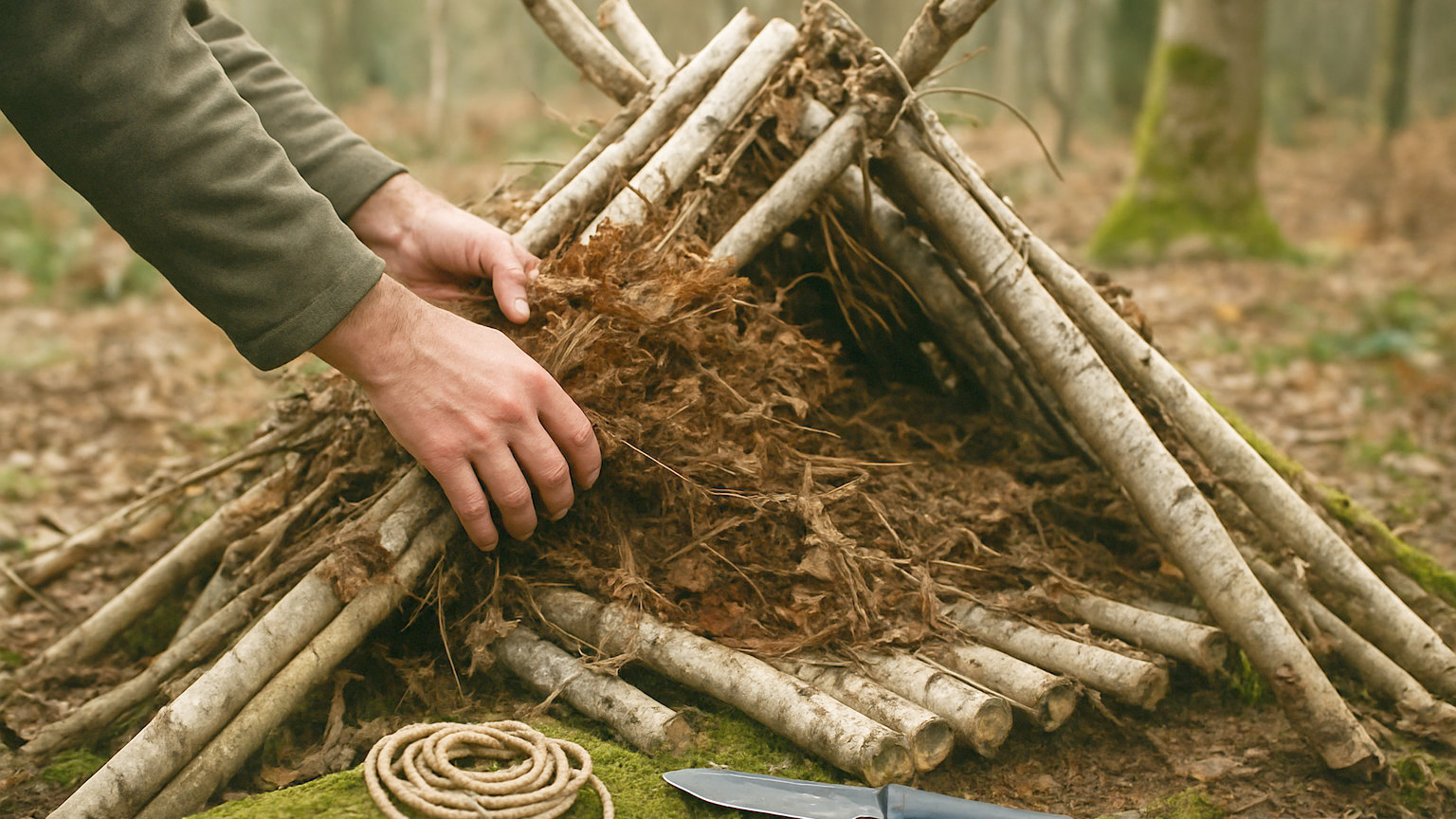
A debris hut takes two to three hours, a snow trench thirty minutes. Knowing the figures lets you start early enough to finish, which is the real skill.
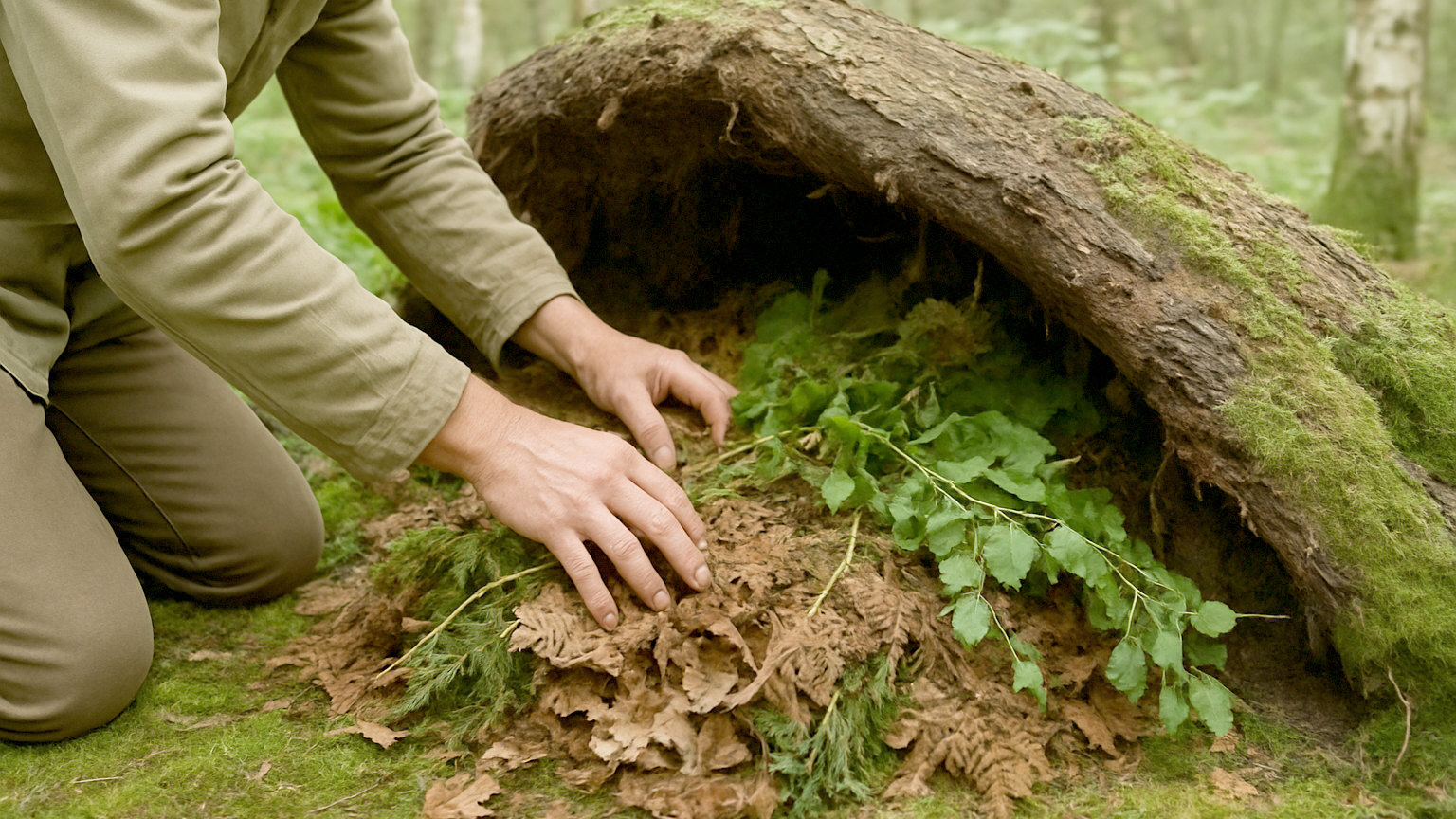
Natural features, fallen trees, root plates and dense cover can do most of the work. Recognising them turns hours of building into minutes of improving.
Smaller than feels reasonable. Your body is the only heat source, and every extra centimetre of air is space you have to warm and cannot.
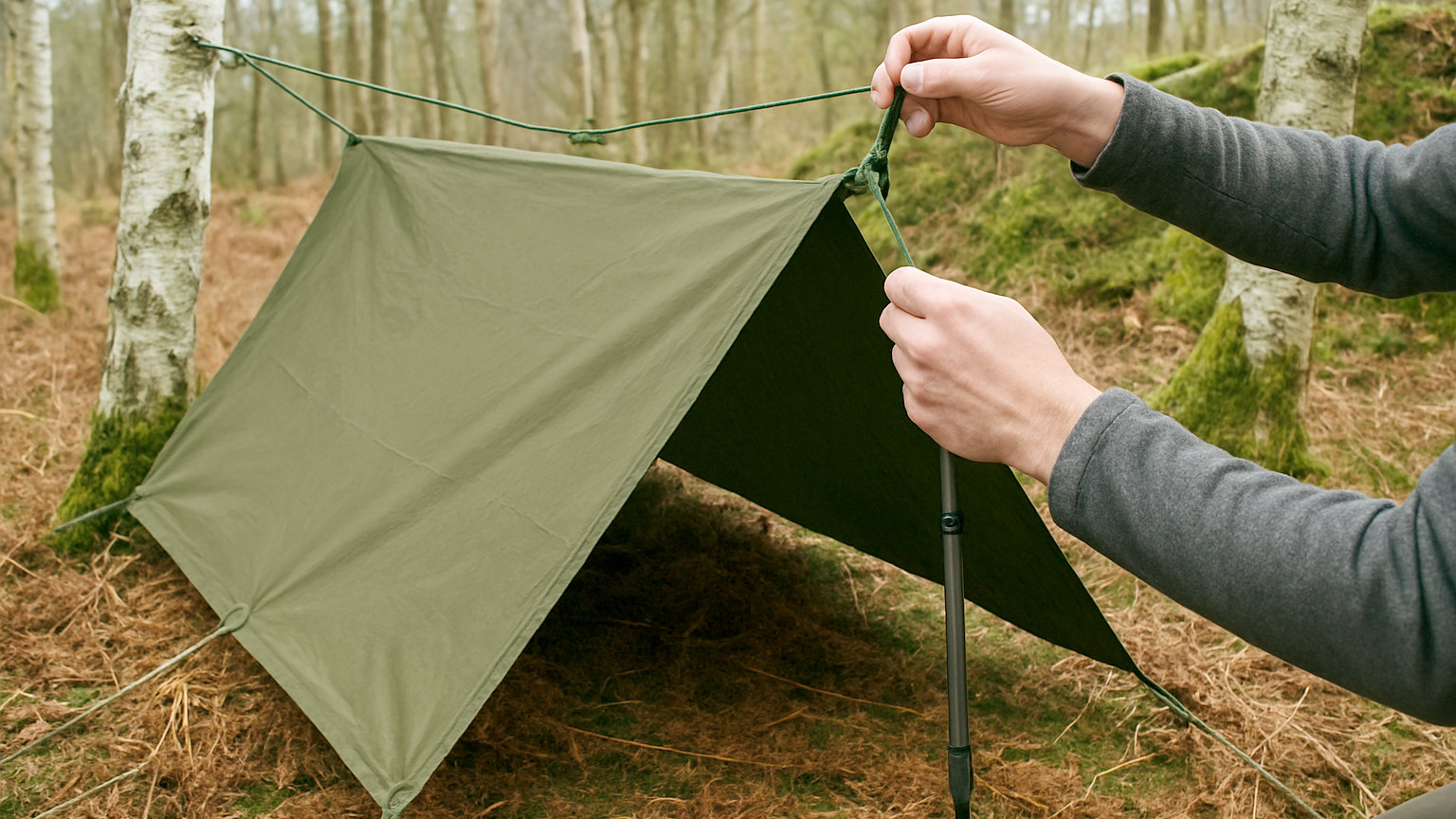
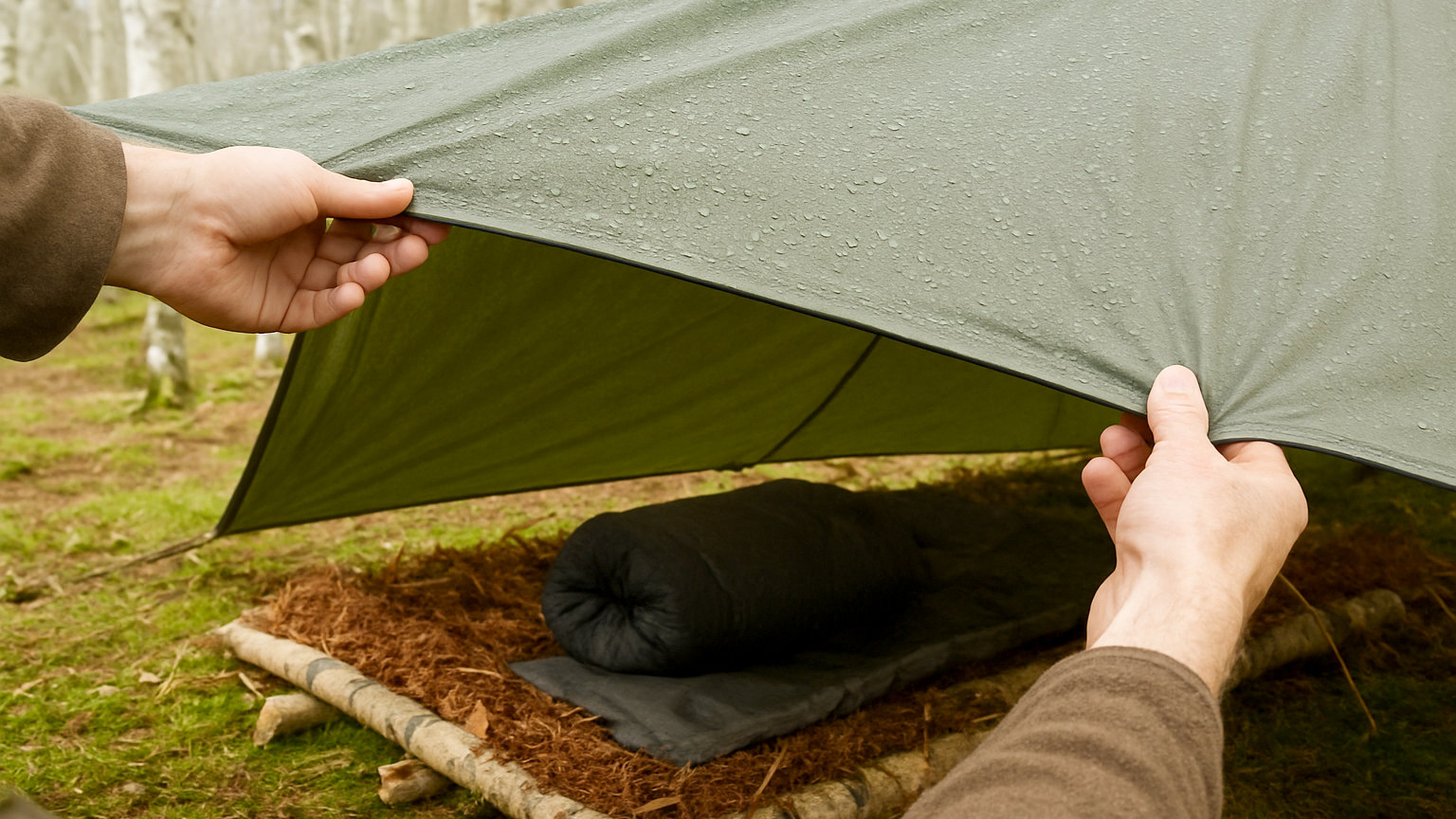
A-frame, lean to, plough point and diamond each solve a different combination of wind, rain and available anchor points. Choosing well takes seconds.
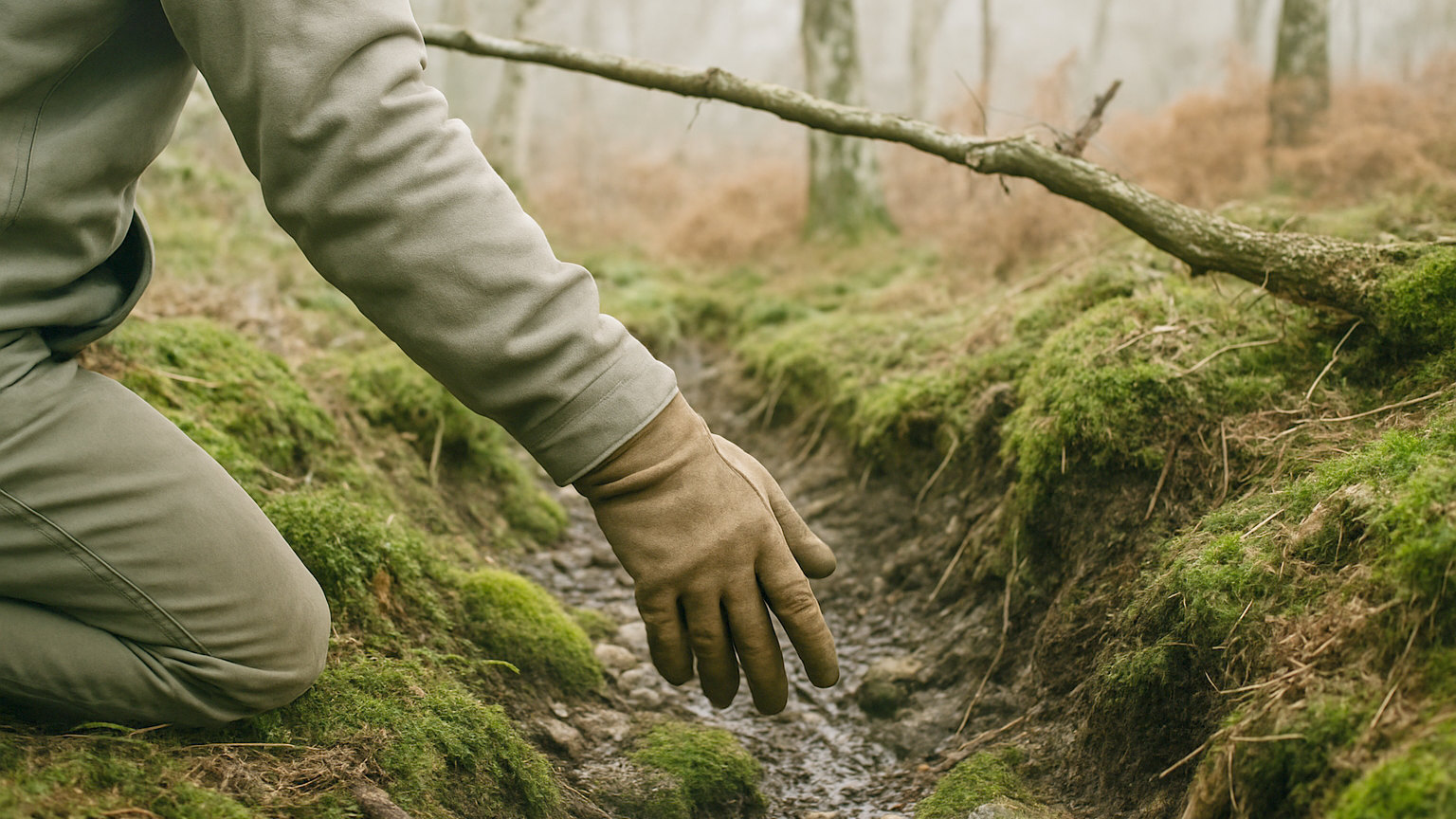
Some sites are dangerous rather than merely uncomfortable. Dead branches, drainage lines, cold sinks and unstable ground account for most serious incidents.
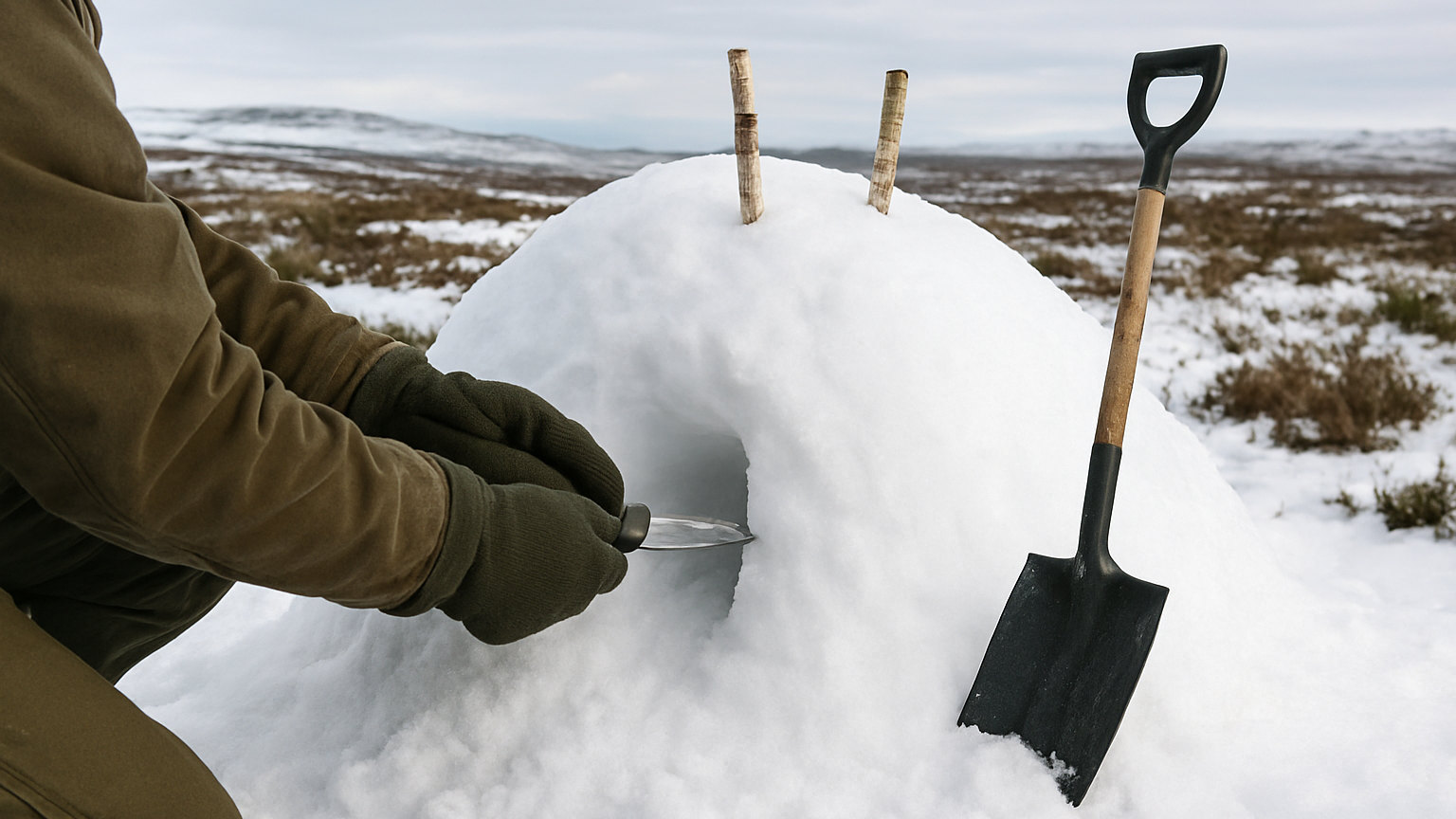
Snow is an excellent insulator and a serious hazard to work in. How to build a quinzhee or snow trench, and the ventilation rule that is not optional.
Condensation, ground damp and too much internal volume account for nearly every cold shelter. Each has a different fix and they are frequently confused.
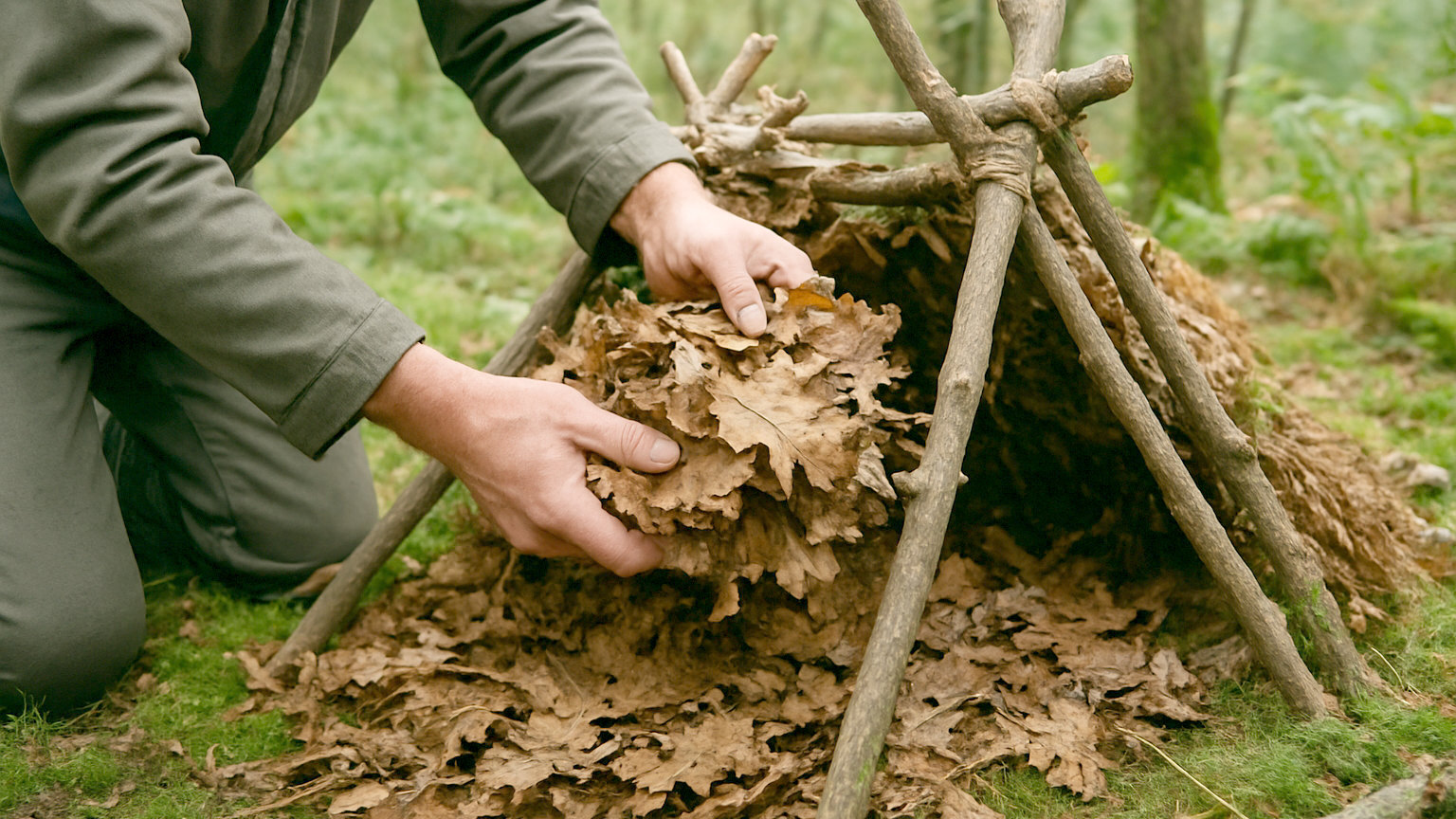
The most reliable no equipment shelter in temperate woodland. It takes a few hours and a great deal of leaf litter, and it works when nothing else will.
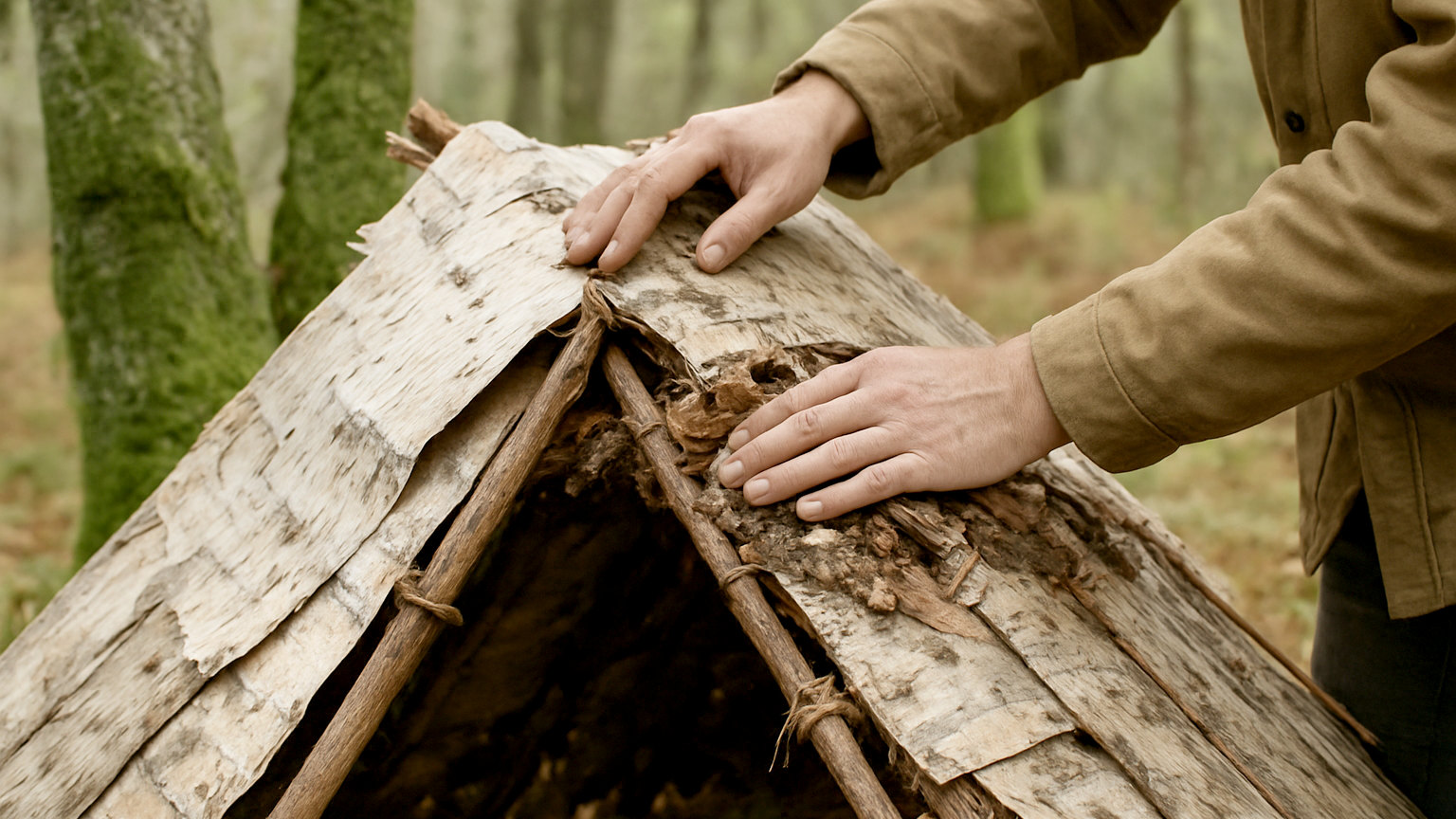
Natural roofing sheds water through overlap and angle rather than through any waterproof material. Get those two right and leaf litter keeps rain out.
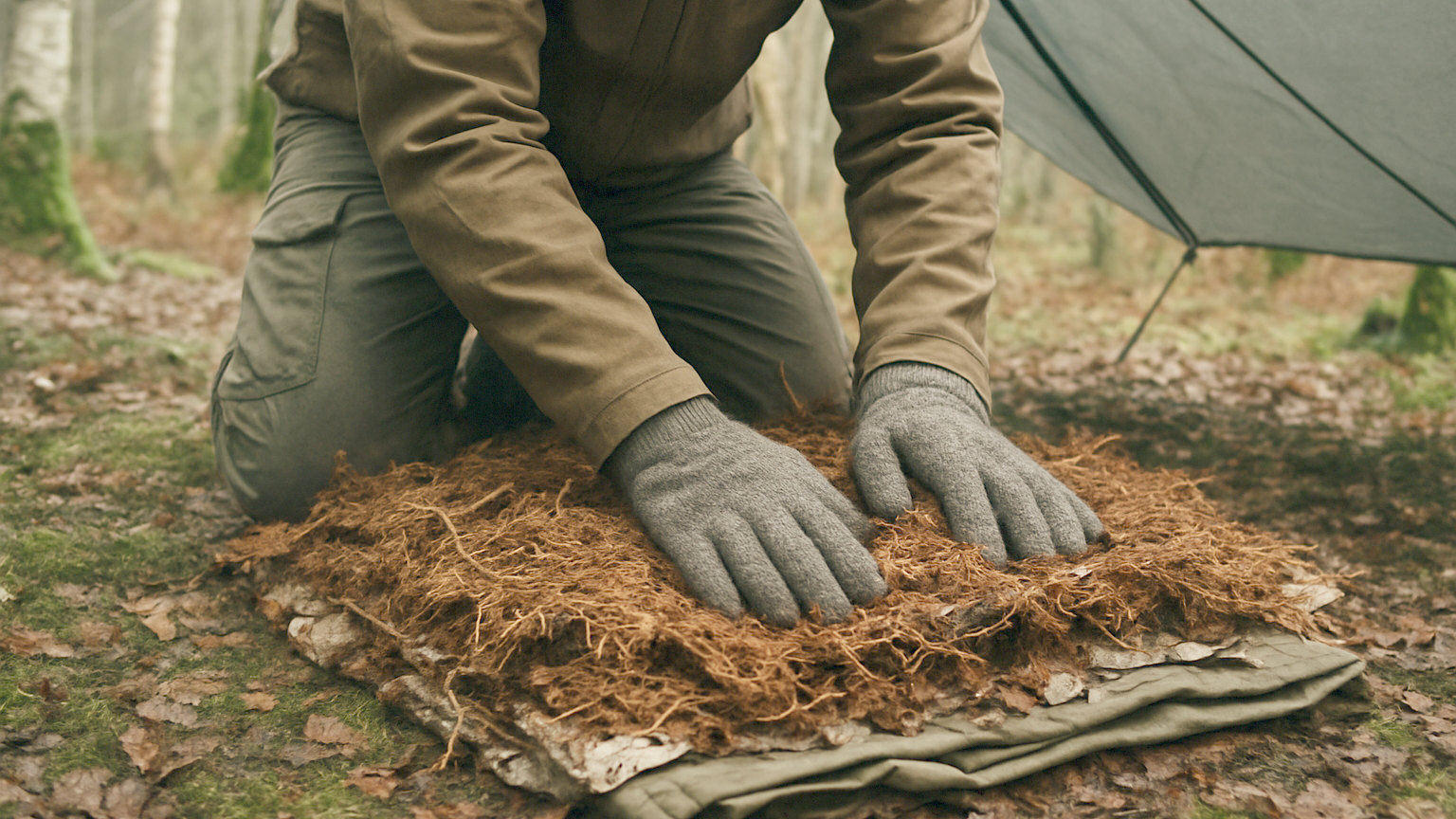
Conduction into cold ground removes body heat far faster than cold air does, which is why the first material you gather should go beneath you.