A large market sells personal safety products to a British audience, and much of it is illegal to carry here. The distinction rests on what the item is for. This is general information rather than legal advice.
What makes something an offensive weapon?
Intention, among other things. The Prevention of Crime Act 1953 defines an offensive weapon as an article made or adapted for causing injury, or intended by the person carrying it for that use. That third category is what catches ordinary objects: a torch, a pen or a length of chain becomes an offensive weapon the moment you carry it for self defence.
What does that mean in practice?
That the question is not whether the object is legal, but why you have it. A heavy torch in a rucksack is a torch. The same torch carried in a pocket because you want something to hand if you are attacked is an offensive weapon in a public place, and stating that intention to a police officer is an admission of the offence.
- Personal attack alarms are entirely legal
- A charged mobile phone is the other essential item
- Sprays such as CS and pepper are prohibited weapons
- Anything carried for self defence becomes an offensive weapon
- Tactical pens and similar items are marketed misleadingly
- A non locking folder under three inches is not a defensive tool
What about sprays?
They are prohibited weapons, not merely restricted. Sprays designed to discharge a noxious substance, including CS and pepper products, fall under section five of the Firearms Act 1968, and possession carries a sentence of up to ten years. Buying one from an overseas website or bringing one back from a country where they are legal is a serious criminal offence.
What about tactical pens and similar items?
They are widely sold and specifically marketed as discreet self defence tools, which is precisely the problem. An item sold on the basis that it can be used as a weapon, carried by someone who bought it for that reason, is an offensive weapon by intention. The marketing itself is evidence of purpose.
What is actually legal to carry?
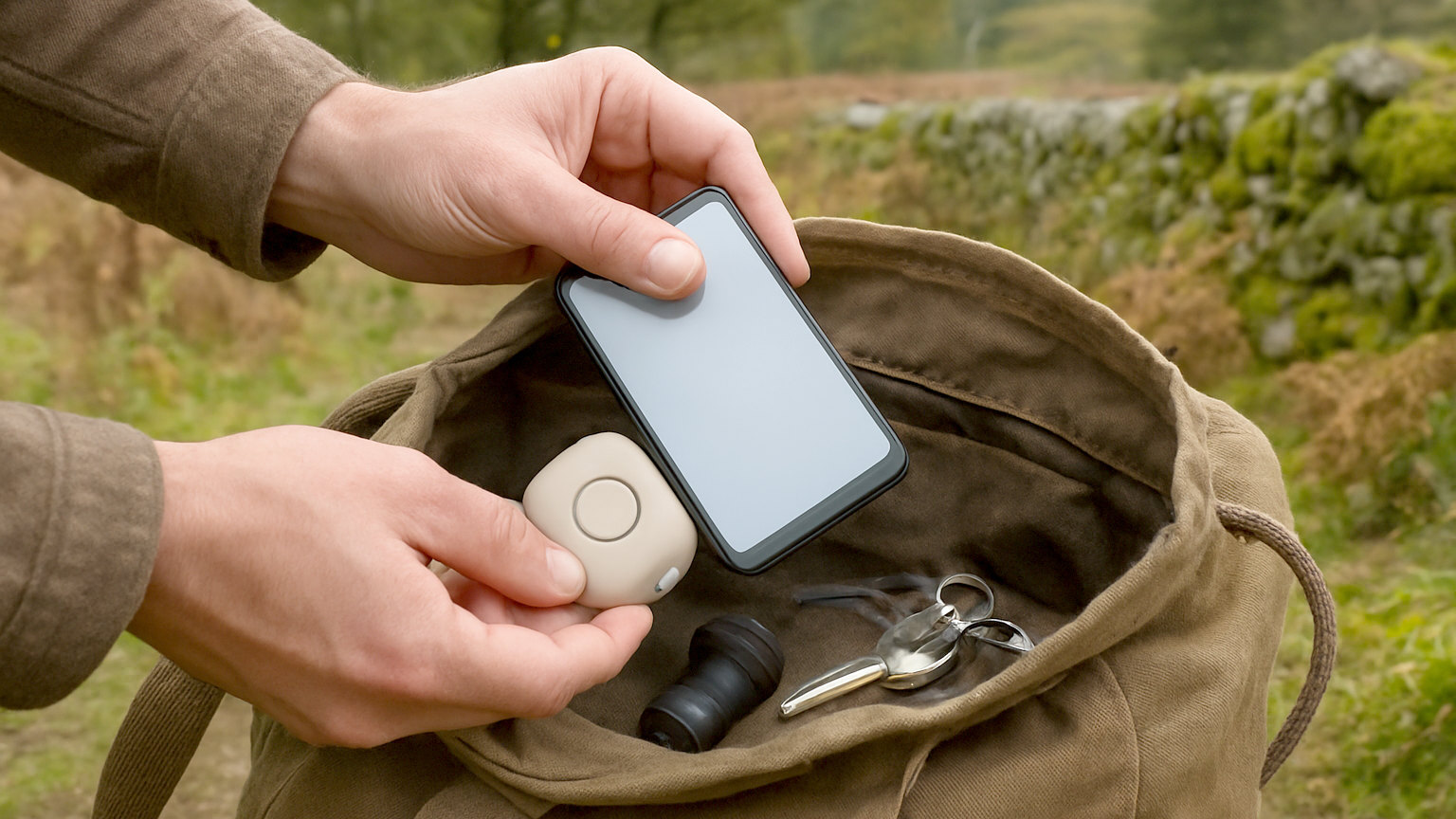
A personal attack alarm, which nobody could describe as intended to cause injury, and a mobile phone. Both are effective, both are inexpensive and neither creates any legal exposure. A torch carried because you need a torch is fine. Ordinary keys are fine, and a key used deliberately as a weapon is a different matter.
What about tools for work or the outdoors?
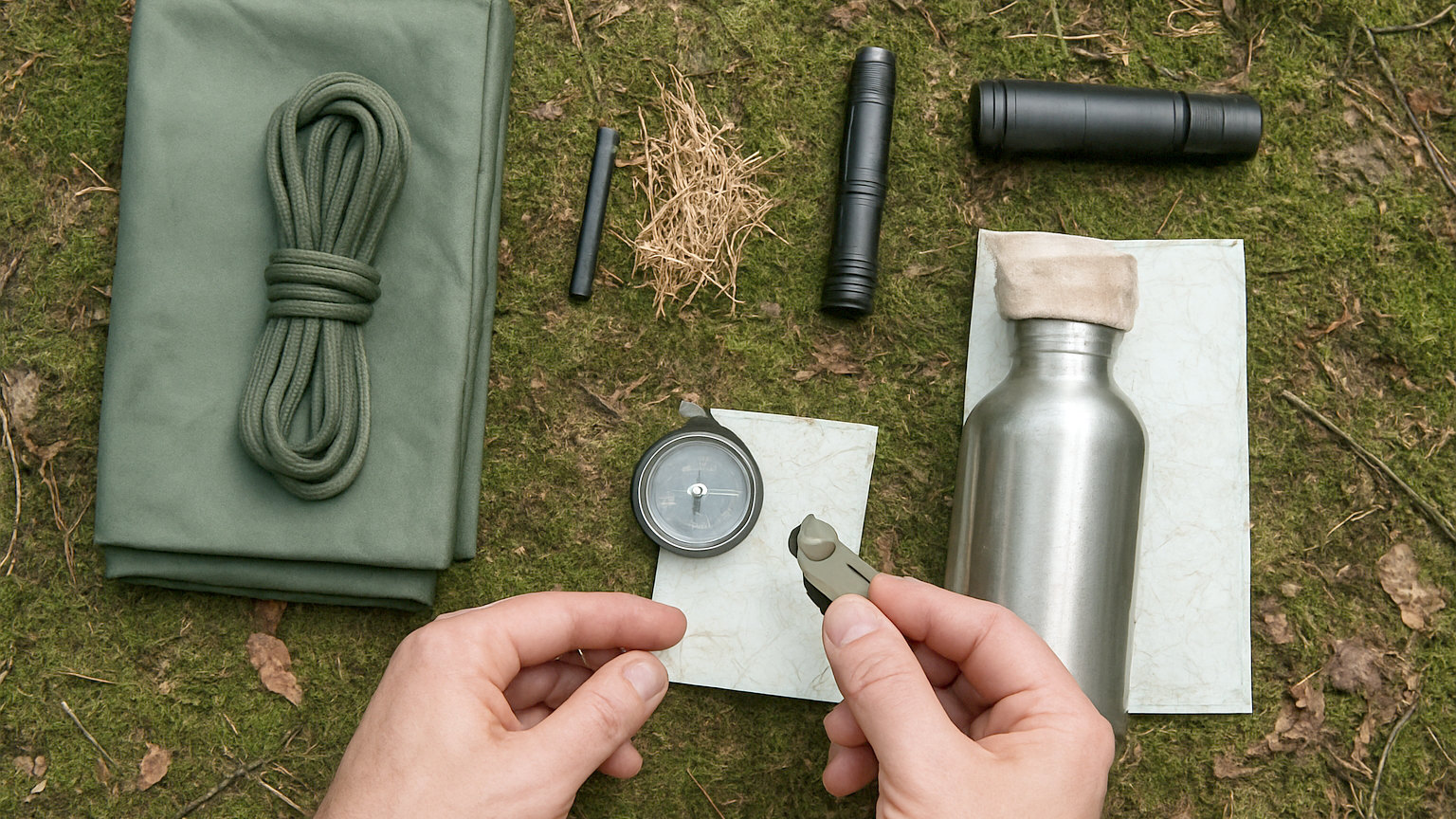
Carried for their purpose and transported appropriately, they are lawful. A knife carried for bushcraft on land where you have permission, packed away and travelling directly, has a good reason. The same knife carried in town in case of trouble does not. The item does not change and the answer does.
Why does the law take this approach?
Because widespread carrying of defensive weapons increases harm overall. Weapons carried for protection are used in escalations, are taken and used against the carrier, and turn confrontations into serious injuries. The policy judgement, reflected across British law, is that fewer weapons in circulation protects more people than individual armament does.
What should you buy instead?
An alarm and a charged phone, and spend the rest of the effort on awareness, route choice and knowing how to leave. That is not a compromise position, it is what actually works, and it carries no risk of turning a victim into a defendant.
What about products sold to British customers?
An item being available on a website that delivers here does not make it lawful to carry or even to possess. Marketplaces list defence sprays, knuckle reinforced gloves, batons and similar items, and buying one exposes you to prosecution regardless of where it was sold. Assume anything marketed for self defence is unlawful here and check before buying rather than after.
Carry a personal alarm and a phone, understand that intention is what makes an object a weapon, and never buy a defence spray.