How Do You Camp Safely With Children
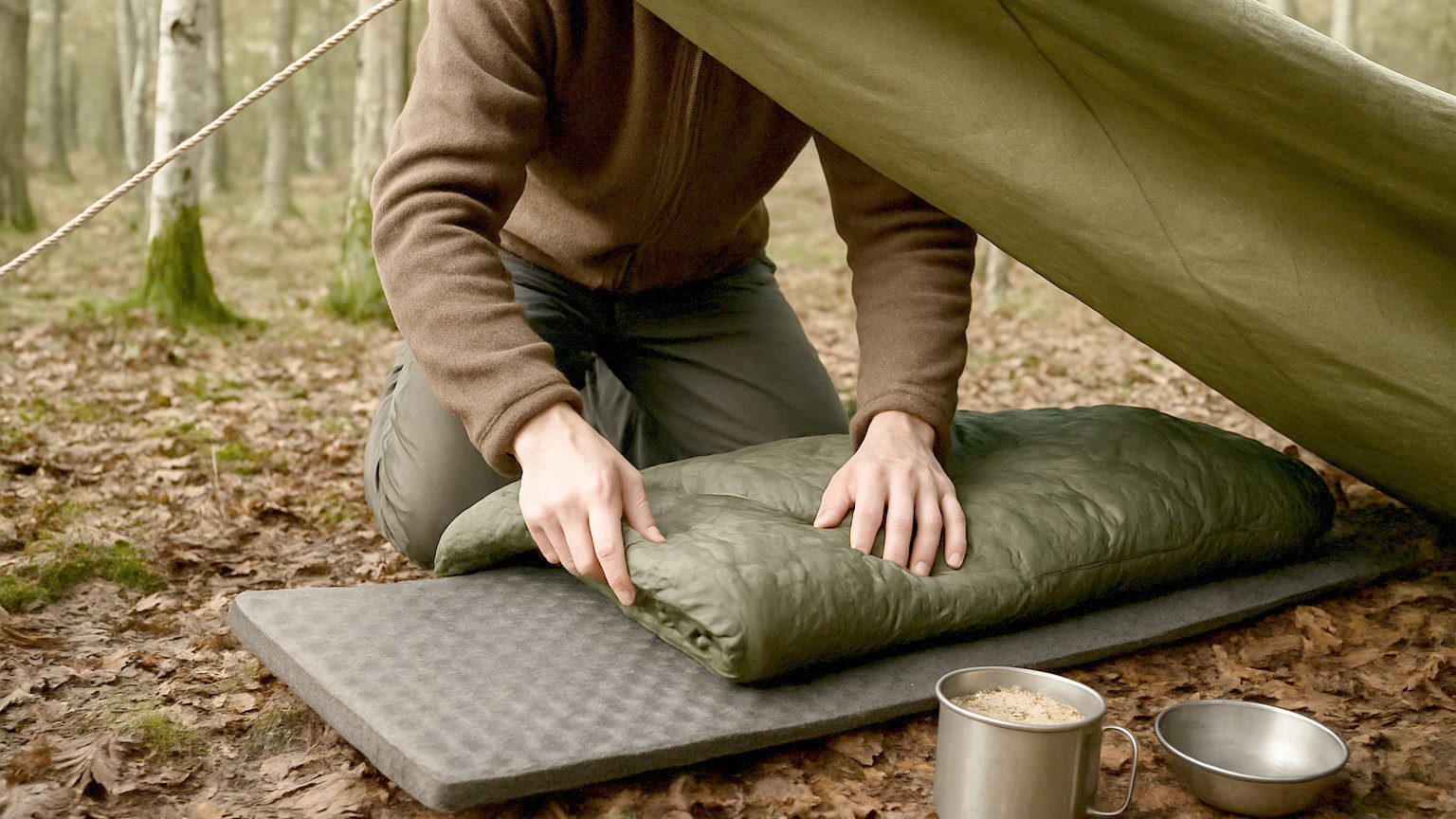
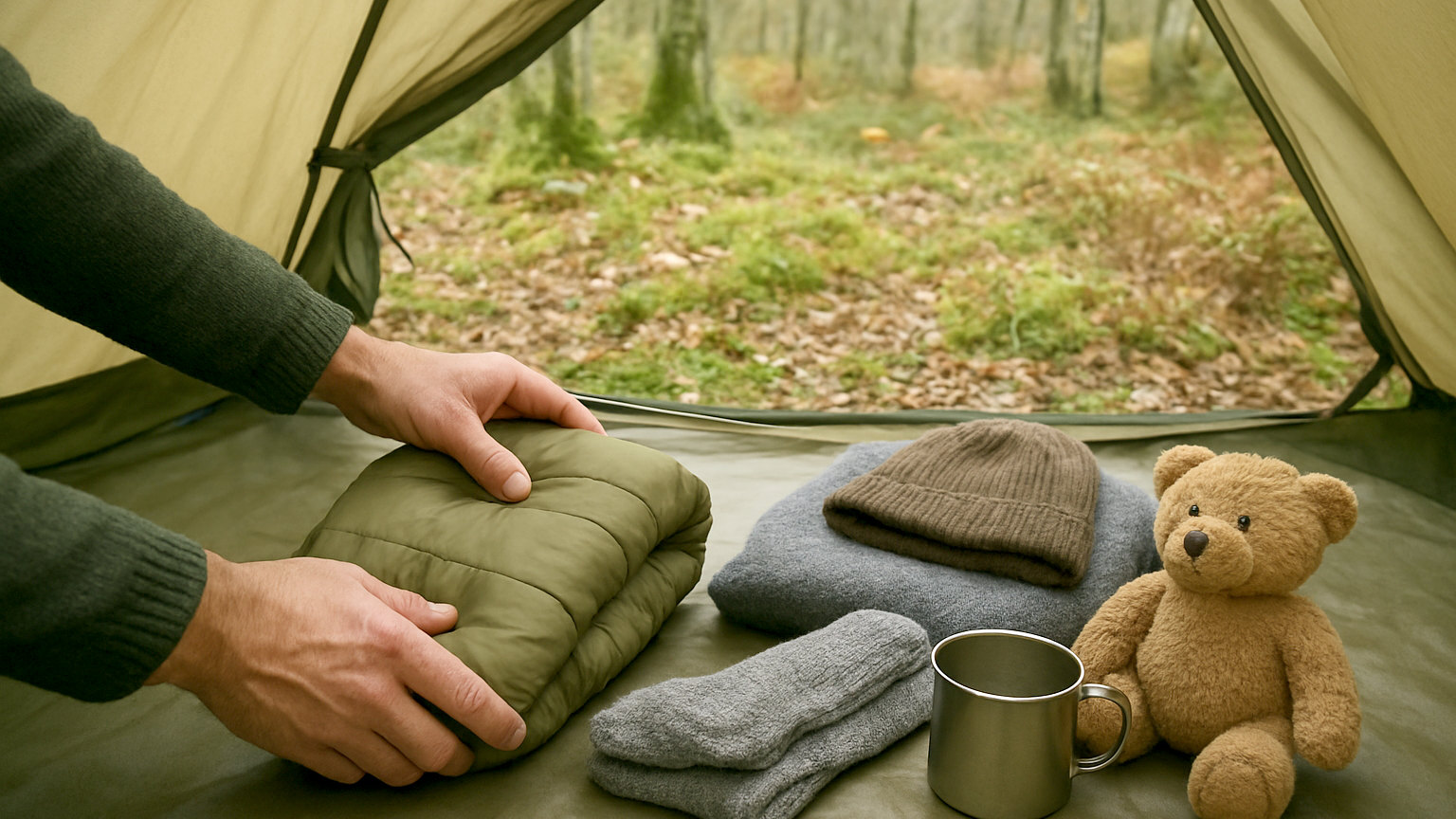
Warm, fed and something familiar to sleep with. Children cool faster than adults and a cold miserable first night puts them off camping for years.
By Survival Basics Team
29 Jun 2026

Almost nobody sets out intending to survive anything. The situations covered here begin as a day walk that ran late, a kayak that got separated from its group, a campsite chosen badly in fine weather that turned. These guides cover the skills and judgement that keep an ordinary outdoor day from becoming a callout, across woodland, moor, mountain, coast and open water, plus the extremes of cold and heat you are most likely to meet abroad.
Warm, fed and something familiar to sleep with. Children cool faster than adults and a cold miserable first night puts them off camping for years.
The mat matters more than the bag, and eating before bed matters more than either. Cold nights are usually caused by the ground rather than the air.
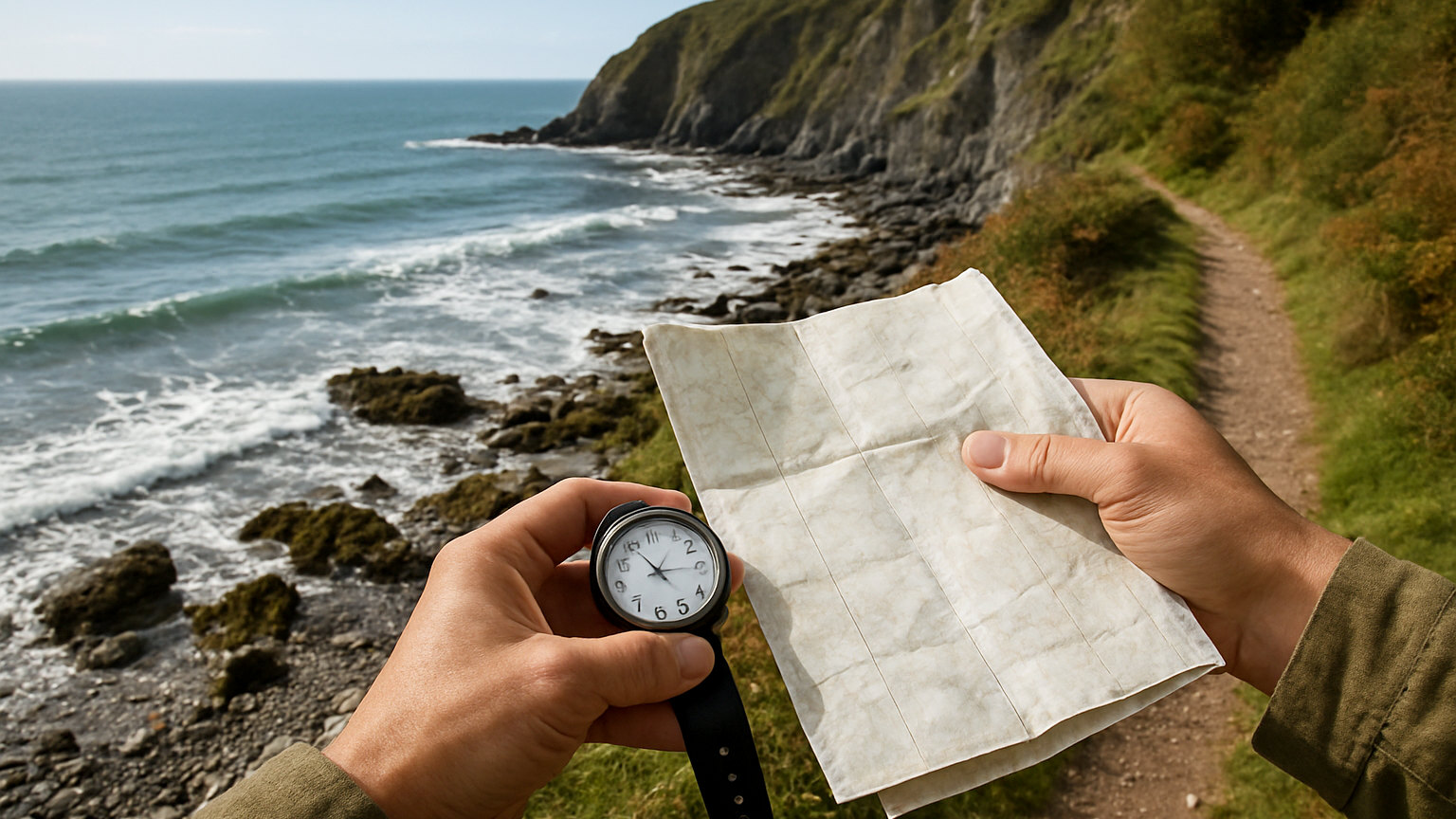
Check the tide before you set off, because cut off happens faster than anyone expects and the coastguard rescues people from it every year.
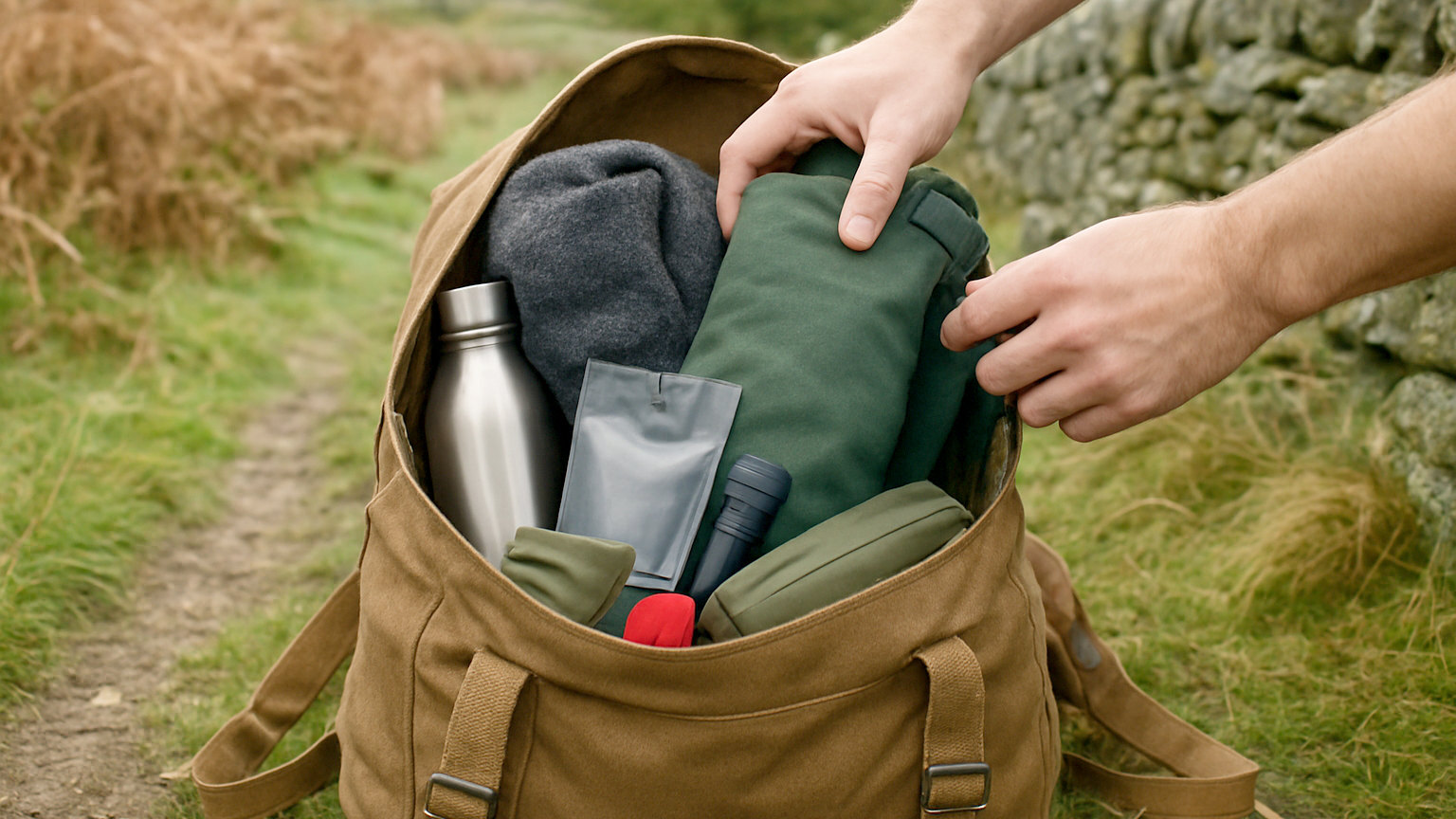
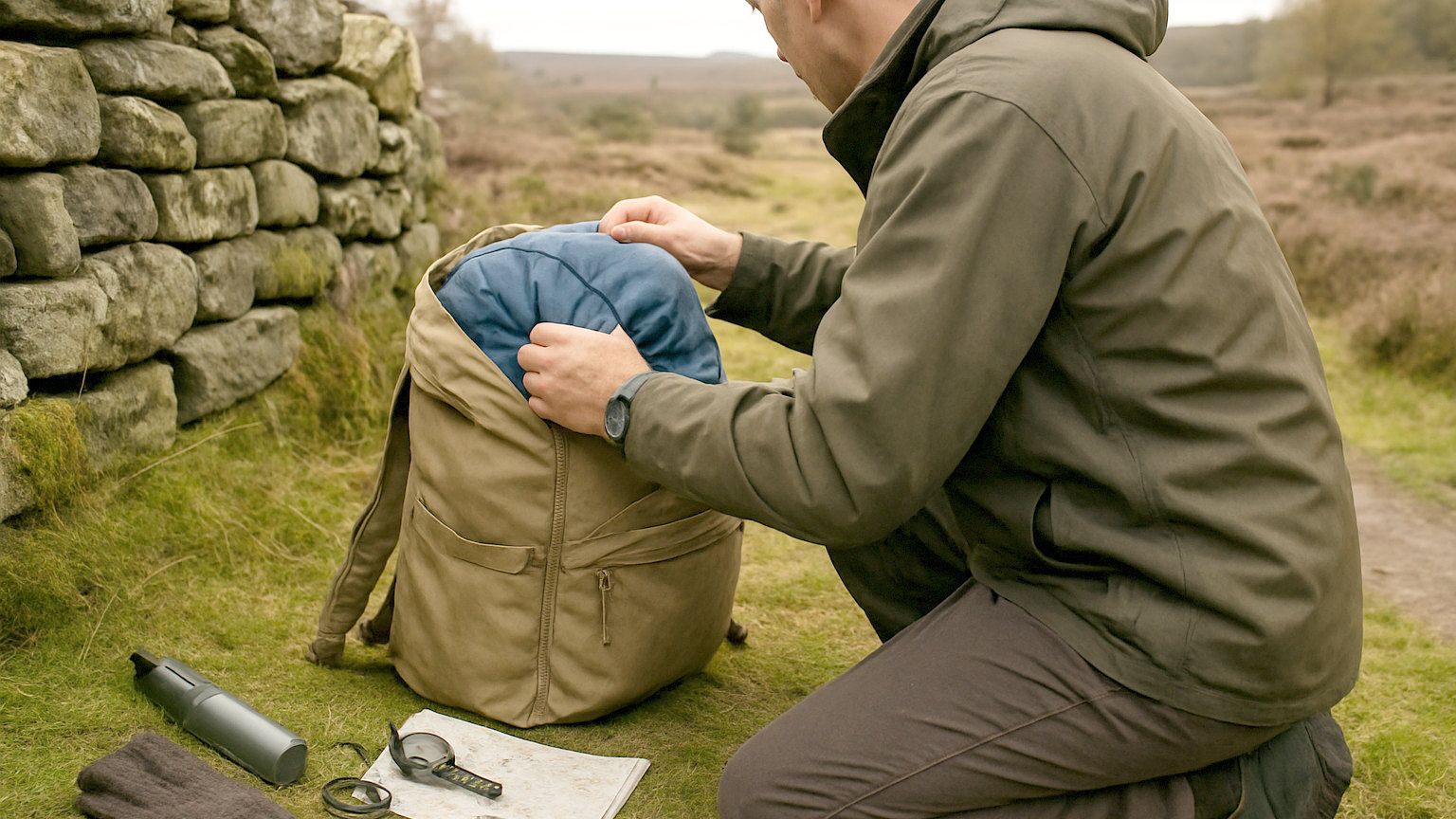
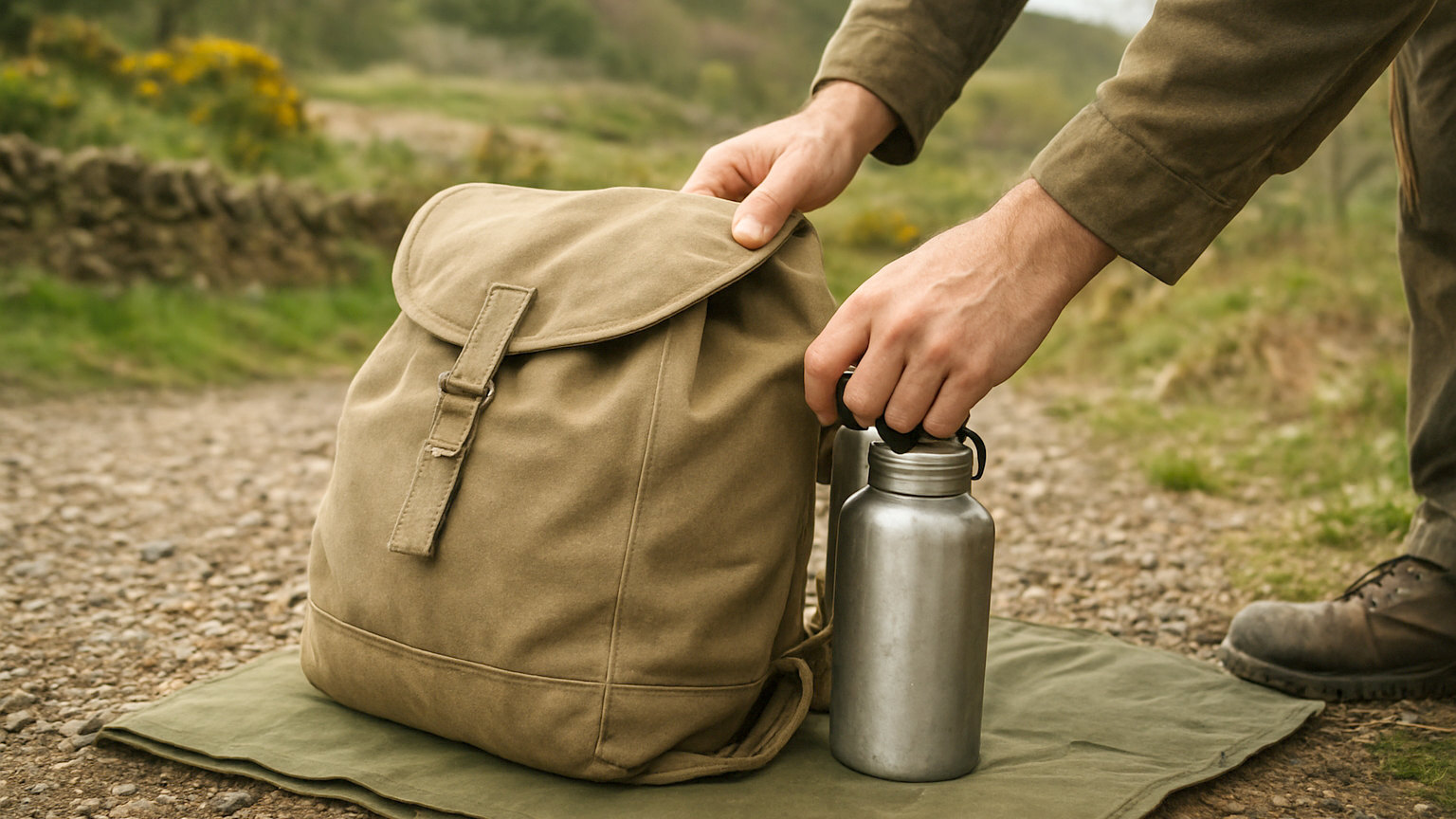
Warm layers, waterproofs, torch, food, water, map, whistle and a group shelter. It weighs very little and covers almost every callout.
Check the mountain forecast, leave a route with someone, carry warmth and light, and set a turnaround time. Four habits prevent most incidents.
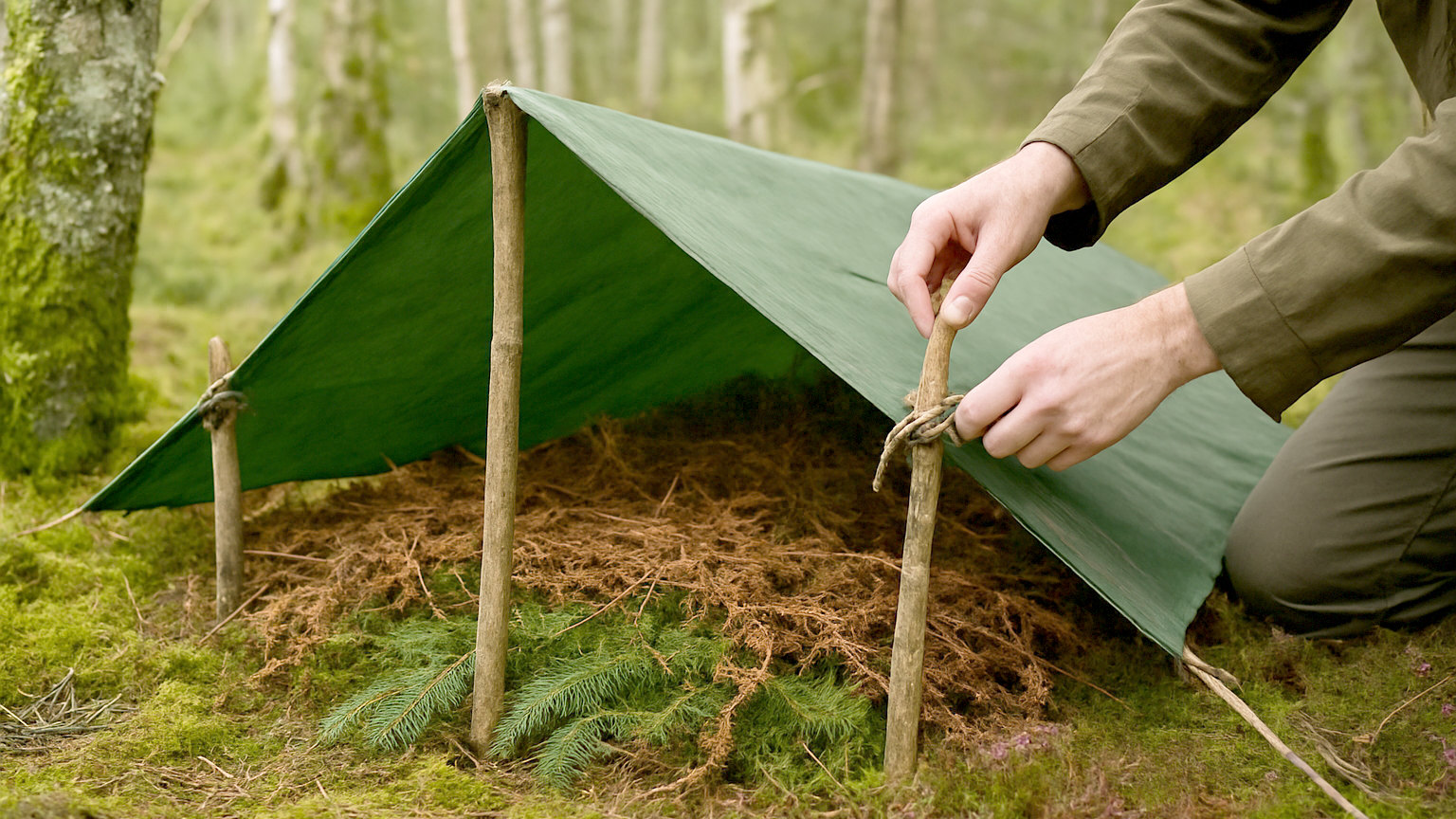
Get shelter up and insulation underneath you before it gets properly dark. A night out is survivable and unpleasant, and the preparation happens in the last hour of light.
Almost nowhere without permission in England and Wales. Scotland is more permissive and still restricts fires, and the honest answer is to ask a landowner.
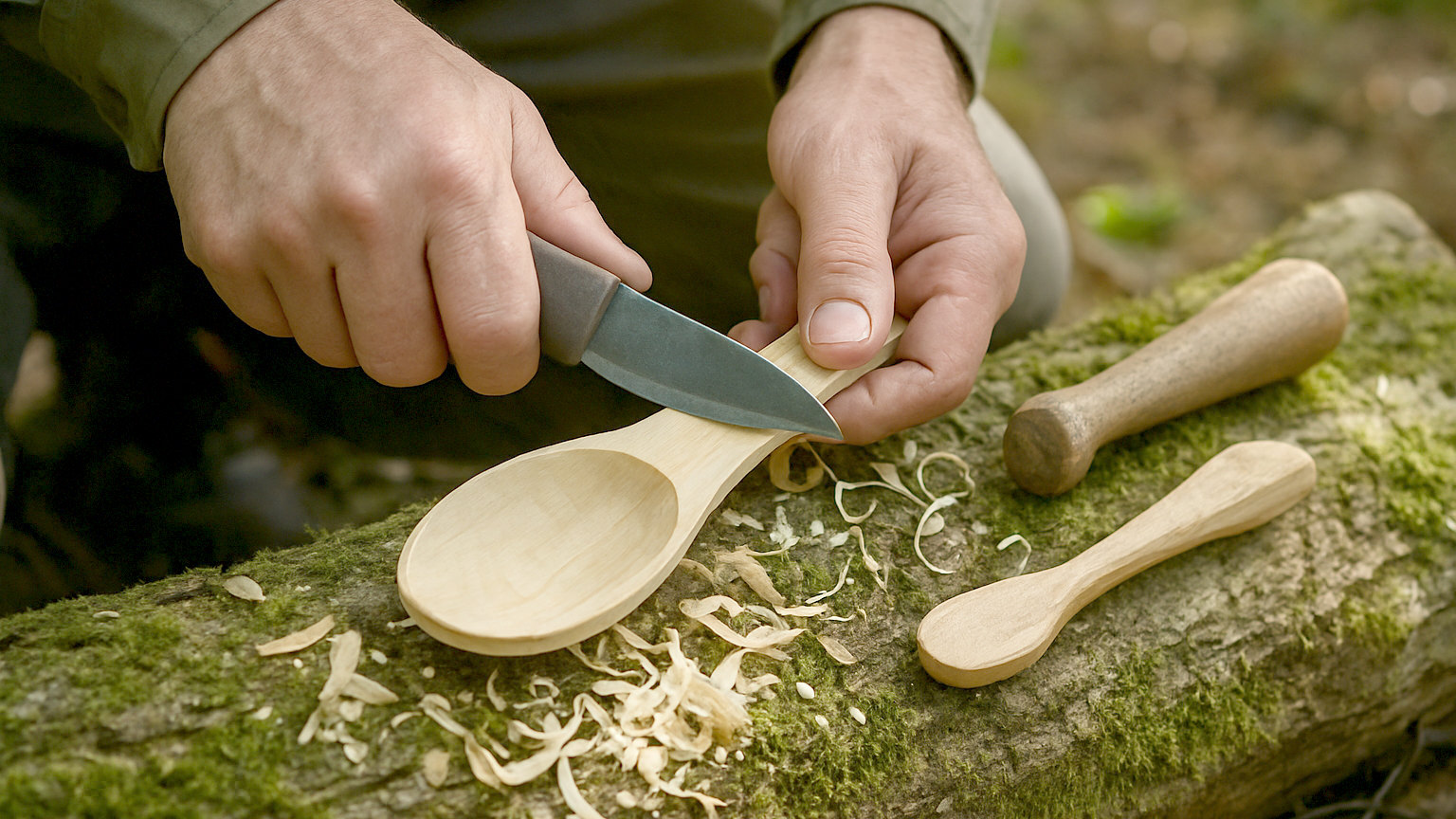
Green wood, a knife and patience. Spoon carving is the standard first project because it teaches every basic cut in a single object.
Flash floods, snakes, insects and disease account for more incidents than heat does. The dry riverbed you are camped in is the one that floods.
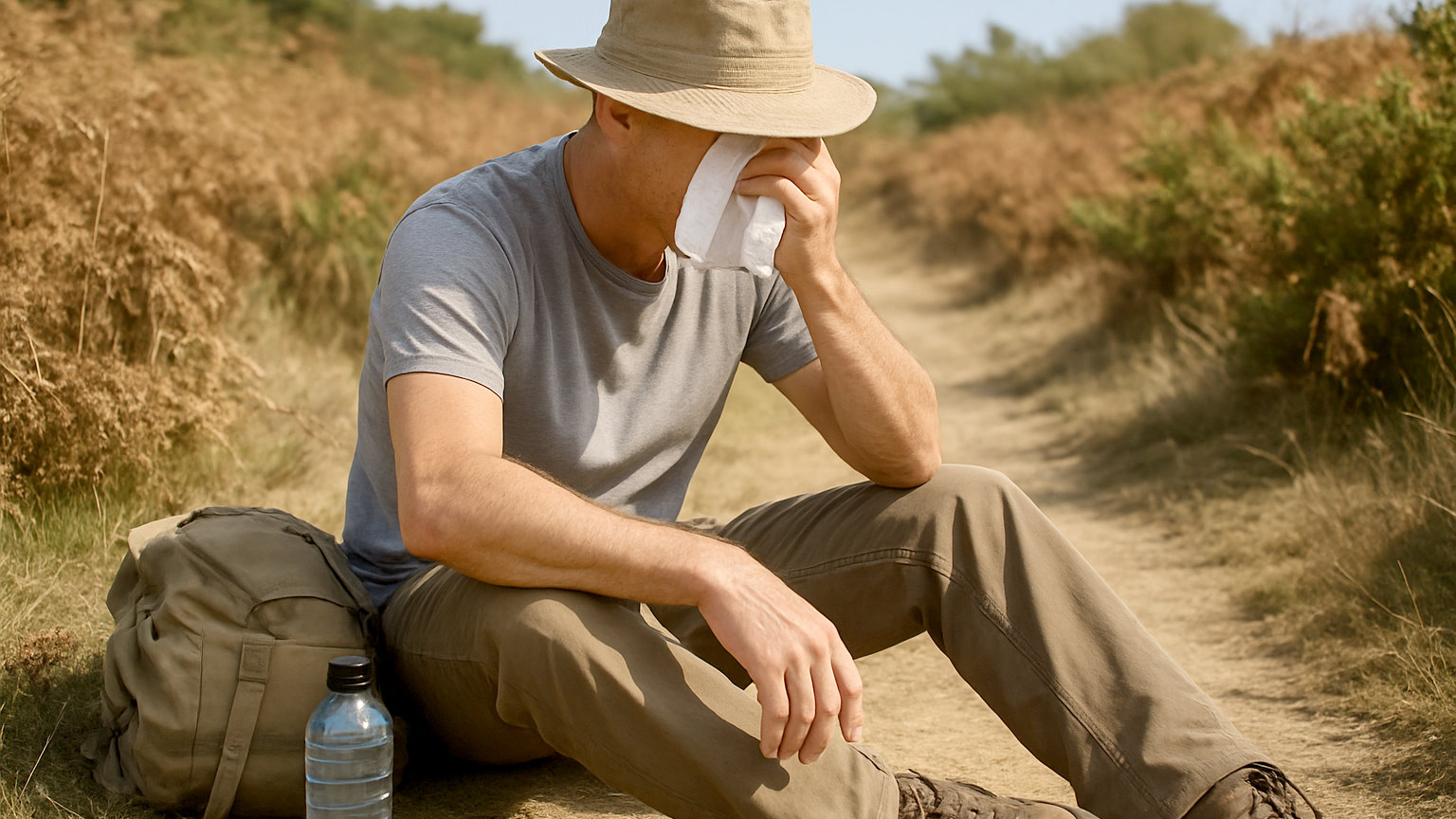
Around one to two weeks of gradual exposure changes how efficiently you sweat. Arriving from a British spring and working hard immediately is the risk.
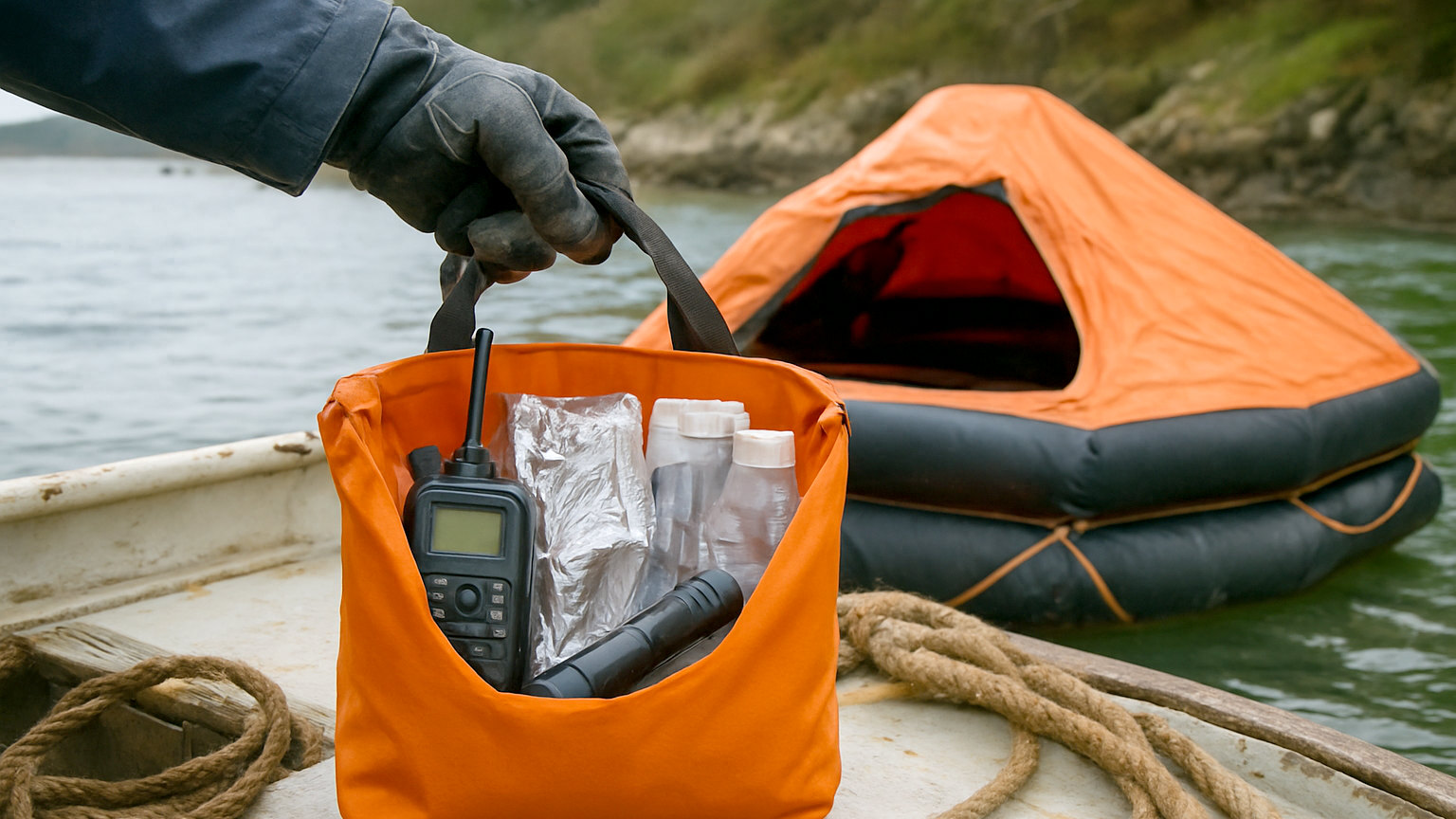
Communications, water, protection and documents, in a floating bag you can lift with one hand. It is the bag that goes into the liferaft.
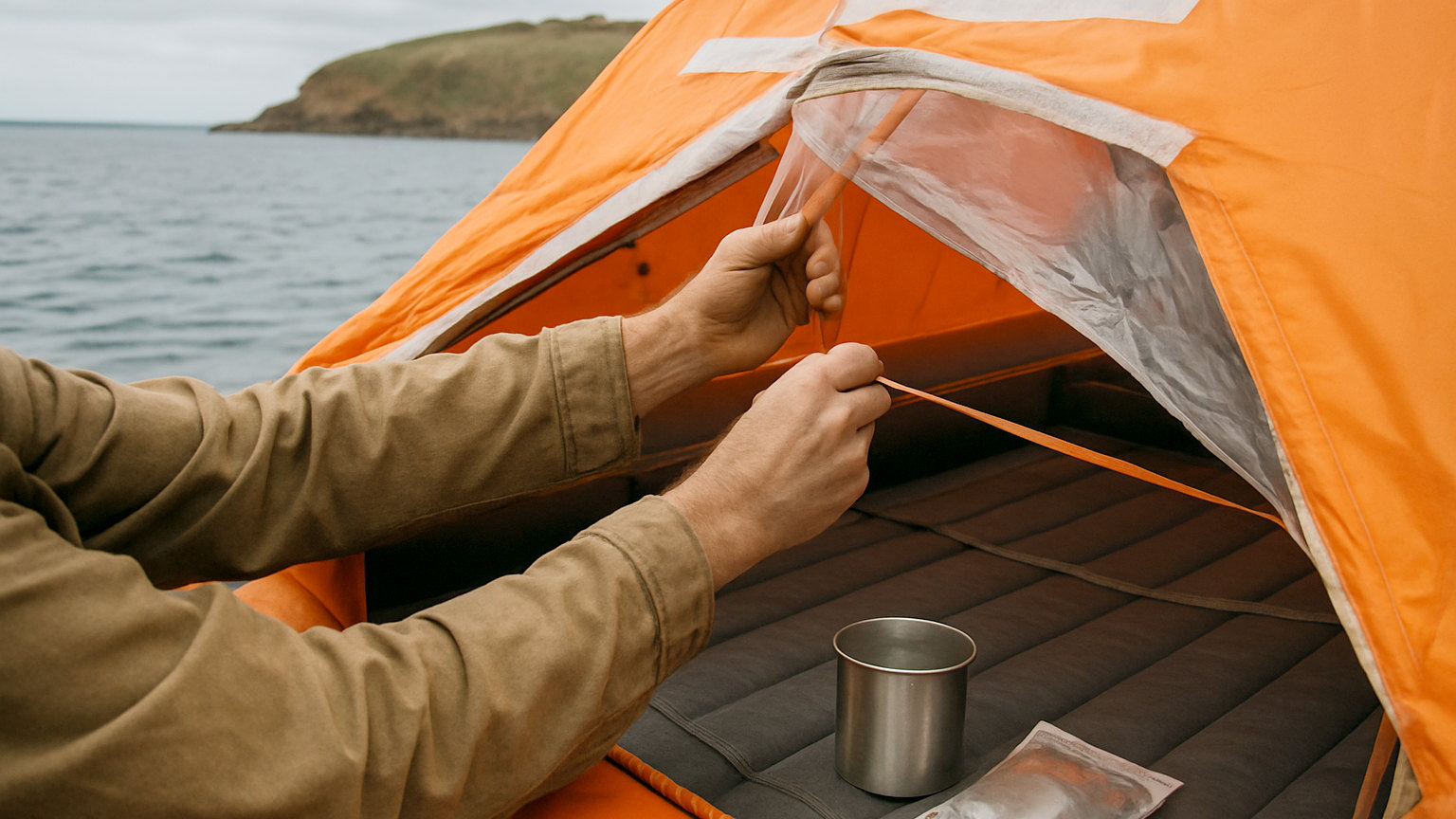
Board dry, close the canopy, take seasickness tablets and never drink seawater. Seasickness causes more harm in liferafts than almost anything else.