What Sleeping System Do You Need Outdoors
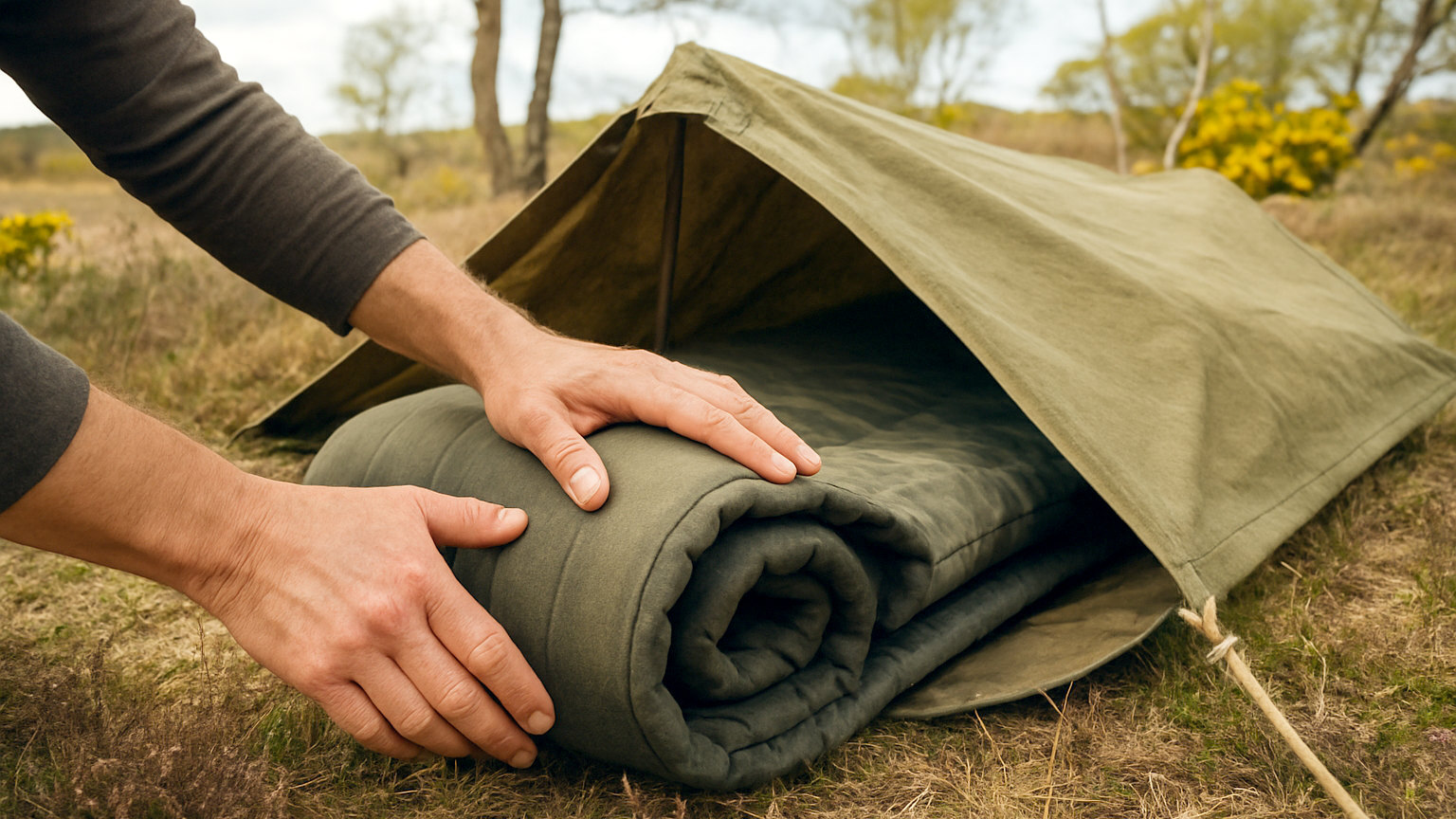
The mat matters more than the bag, and the rating on the bag is not what most people think it is. Cold nights are usually a mat problem.
By Survival Basics Team
16 Aug 2026

Kit that has to work first time in bad conditions, assessed on whether it earns its weight rather than on how it photographs. These guides cover knives and tools, torches and headtorches, stoves, shelter kit and the legal position on carrying blades in the UK, which is stricter than most people assume.
The mat matters more than the bag, and the rating on the bag is not what most people think it is. Cold nights are usually a mat problem.
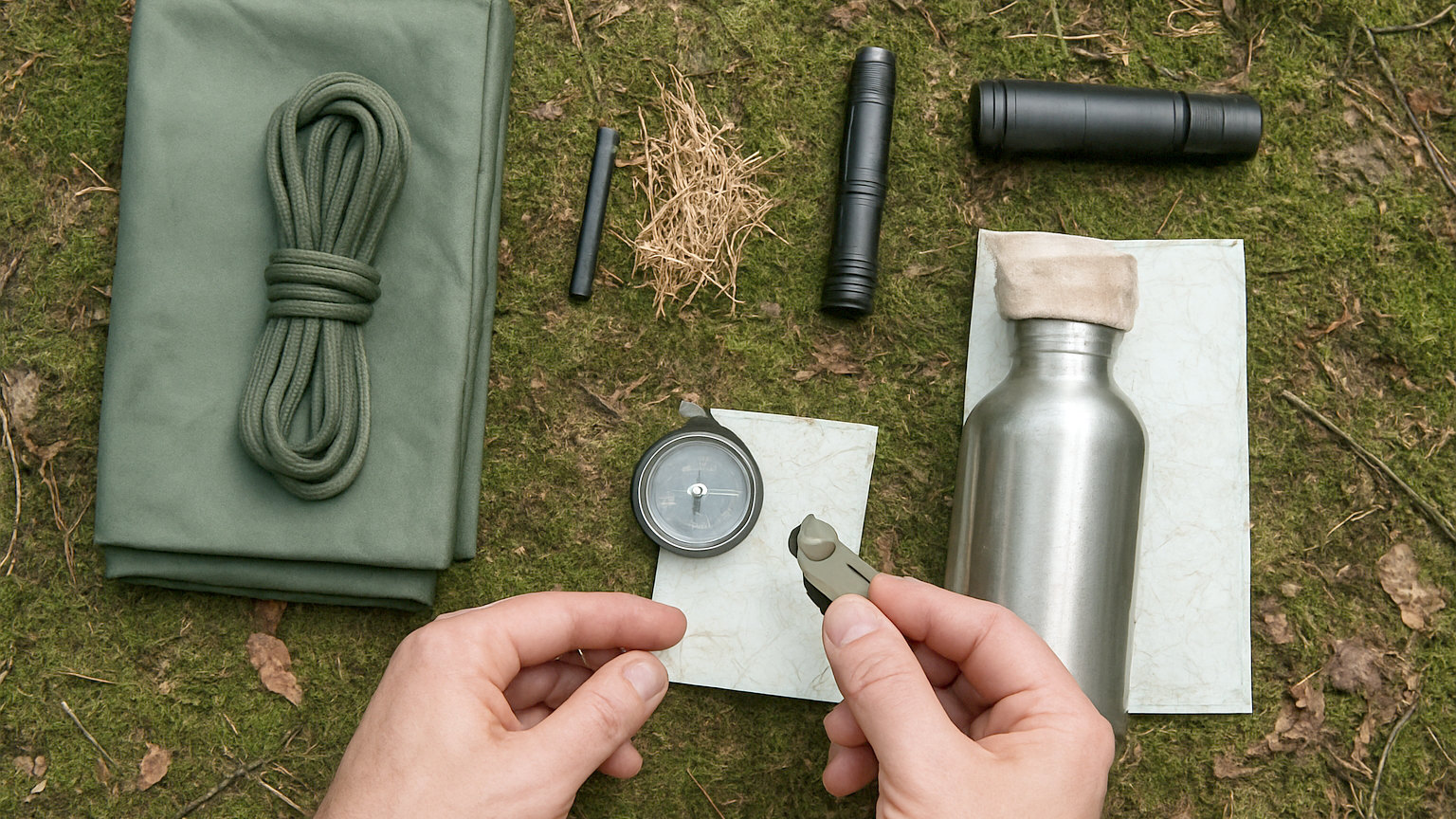
Shelter, warmth, light, water, navigation and a means of calling for help. Six categories, and most of what is sold as survival gear sits outside them.
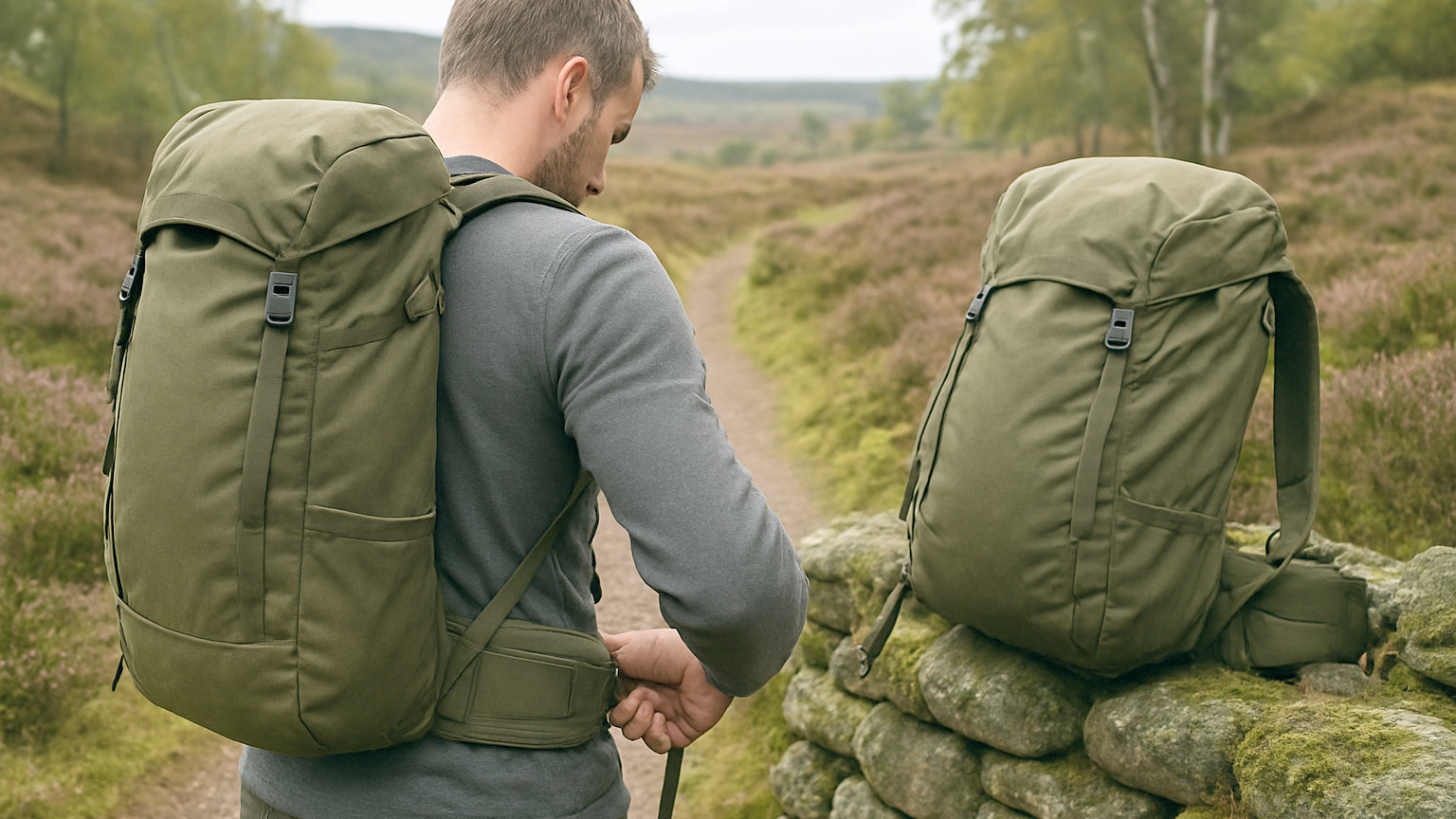
Fit before capacity, and back length before anything else. A well fitted thirty litre pack carries better than a badly fitted sixty litre one.
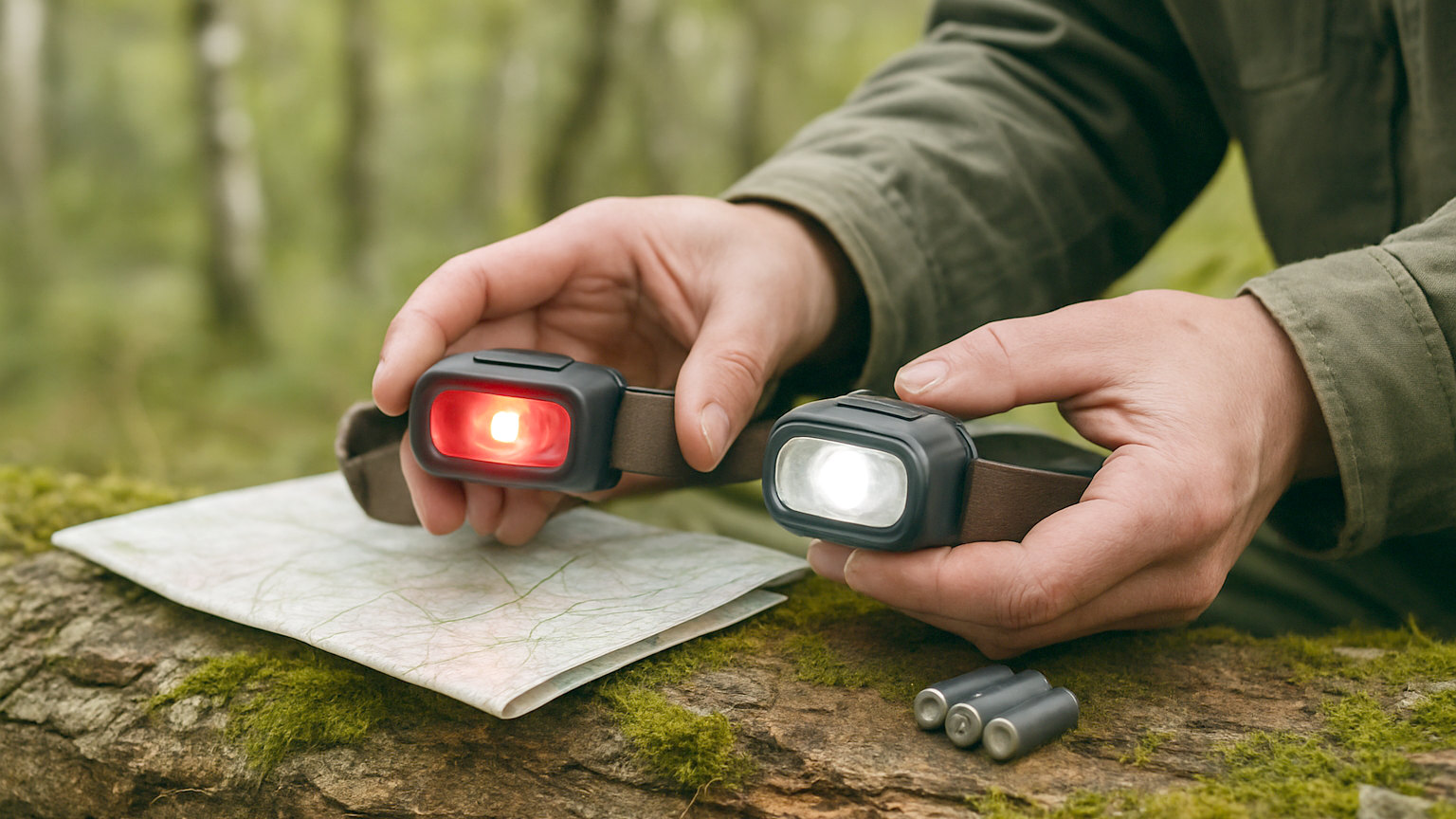
Runtime and a red mode matter more than headline brightness. Most people buy on lumens and then use the lowest setting for ninety percent of the time.
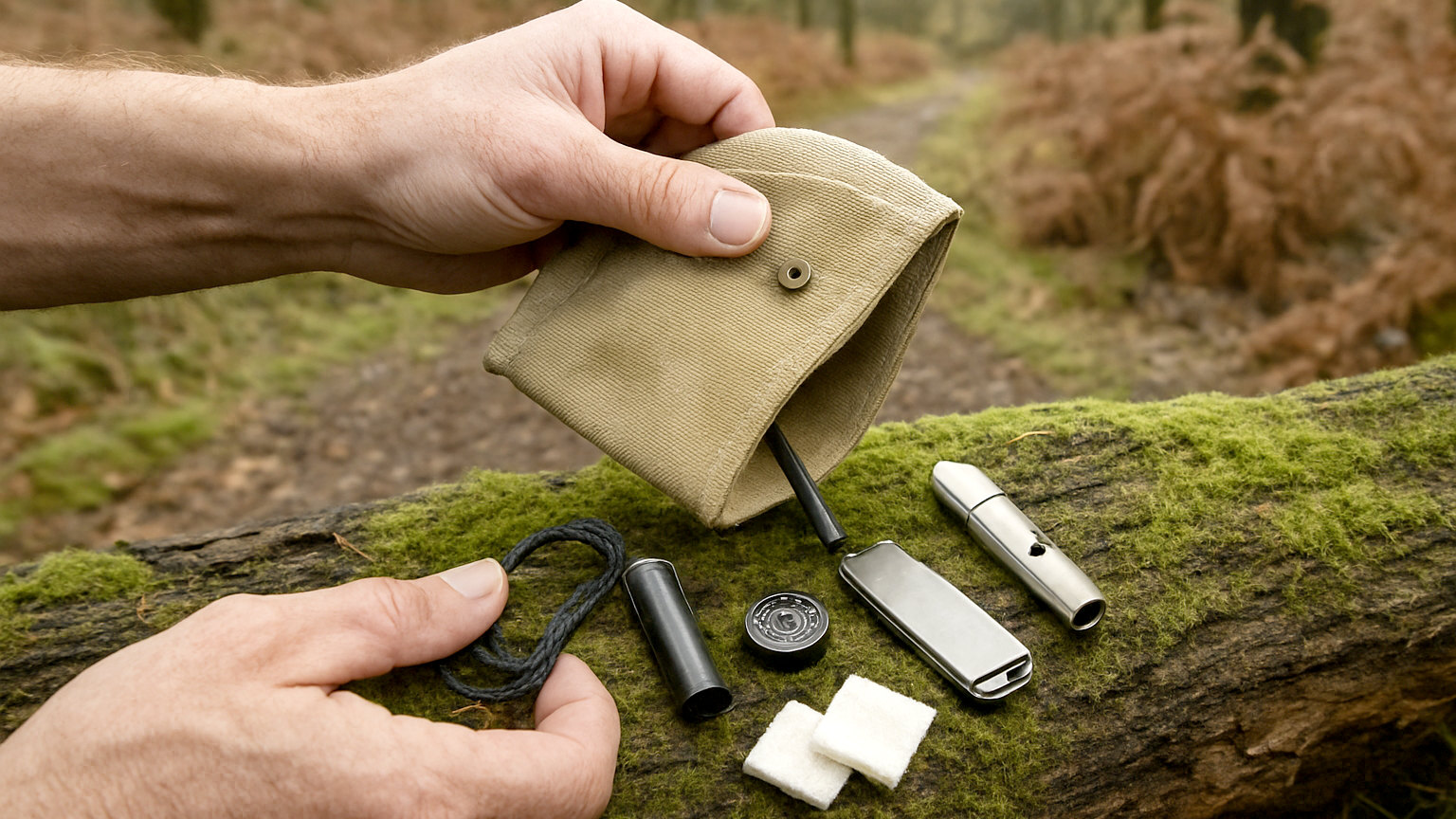
The things you would want if separated from your rucksack. Five items in a pocket cover most of it and weigh almost nothing.
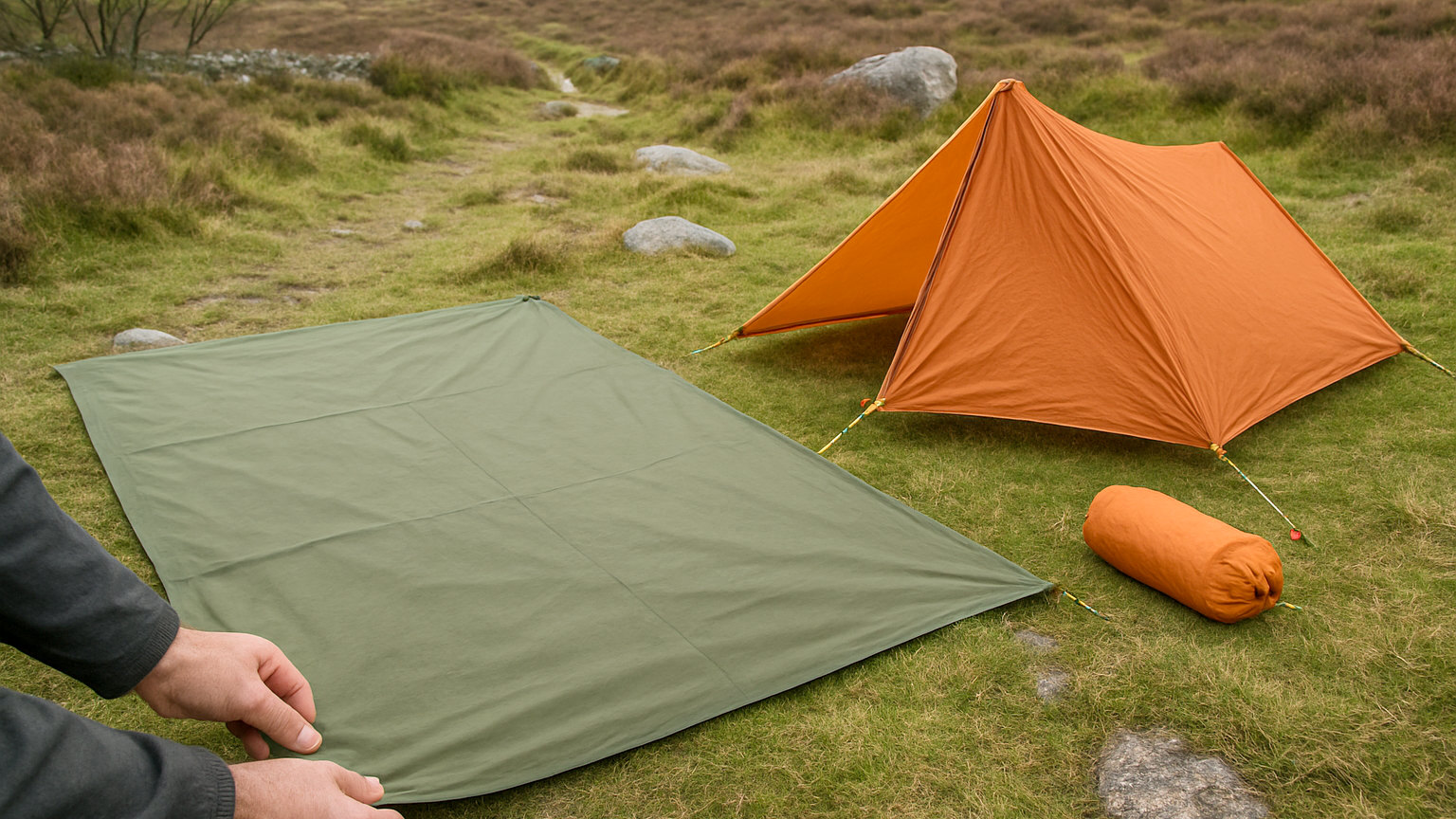
A three metre square in a durable fabric covers almost every pitch. Group shelters do a different job and are the better buy for most walkers.
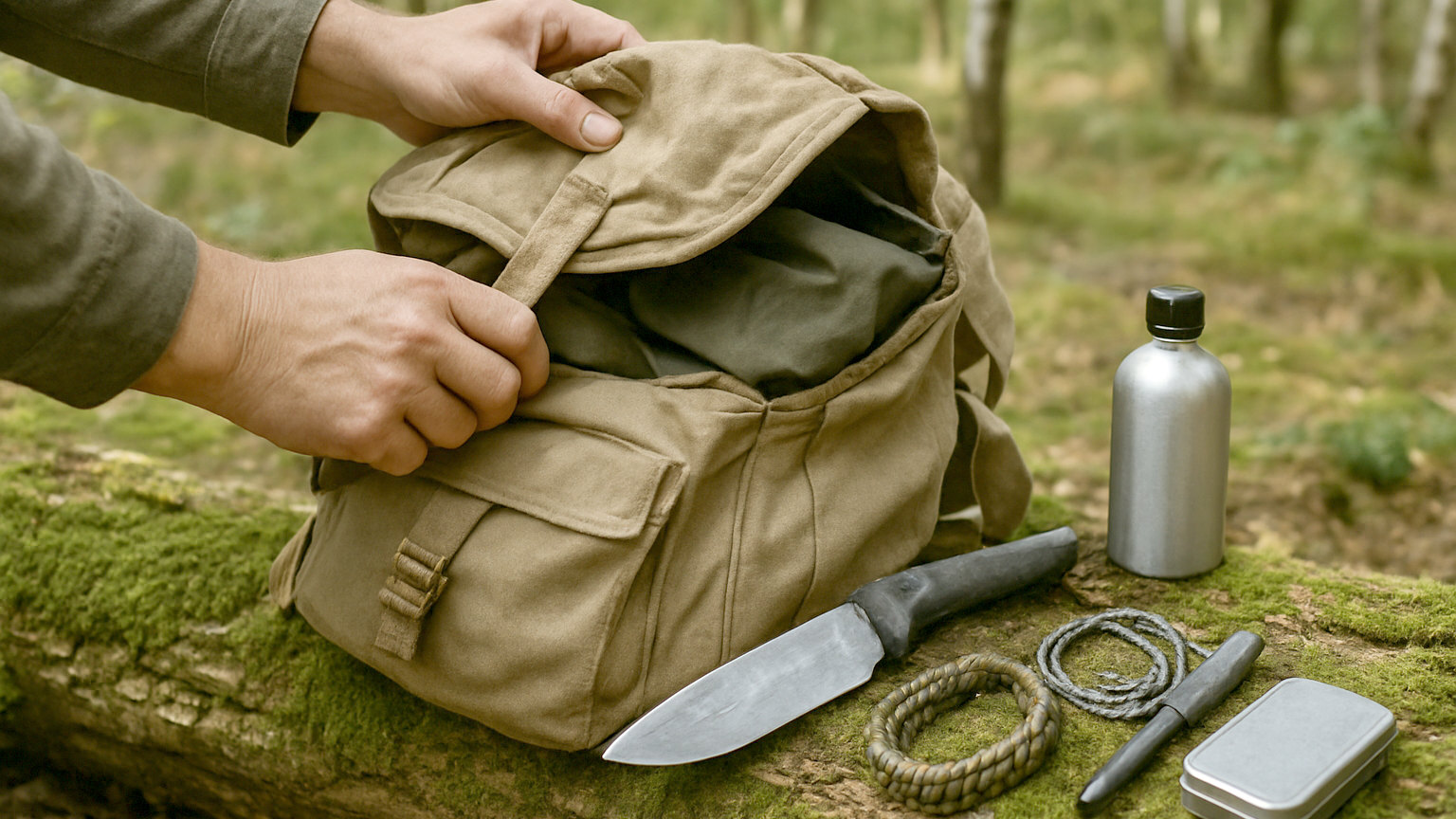
Tinned survival kits, wire saws, paracord bracelets and very large knives. Each solves an imagined problem and adds weight against a real one.
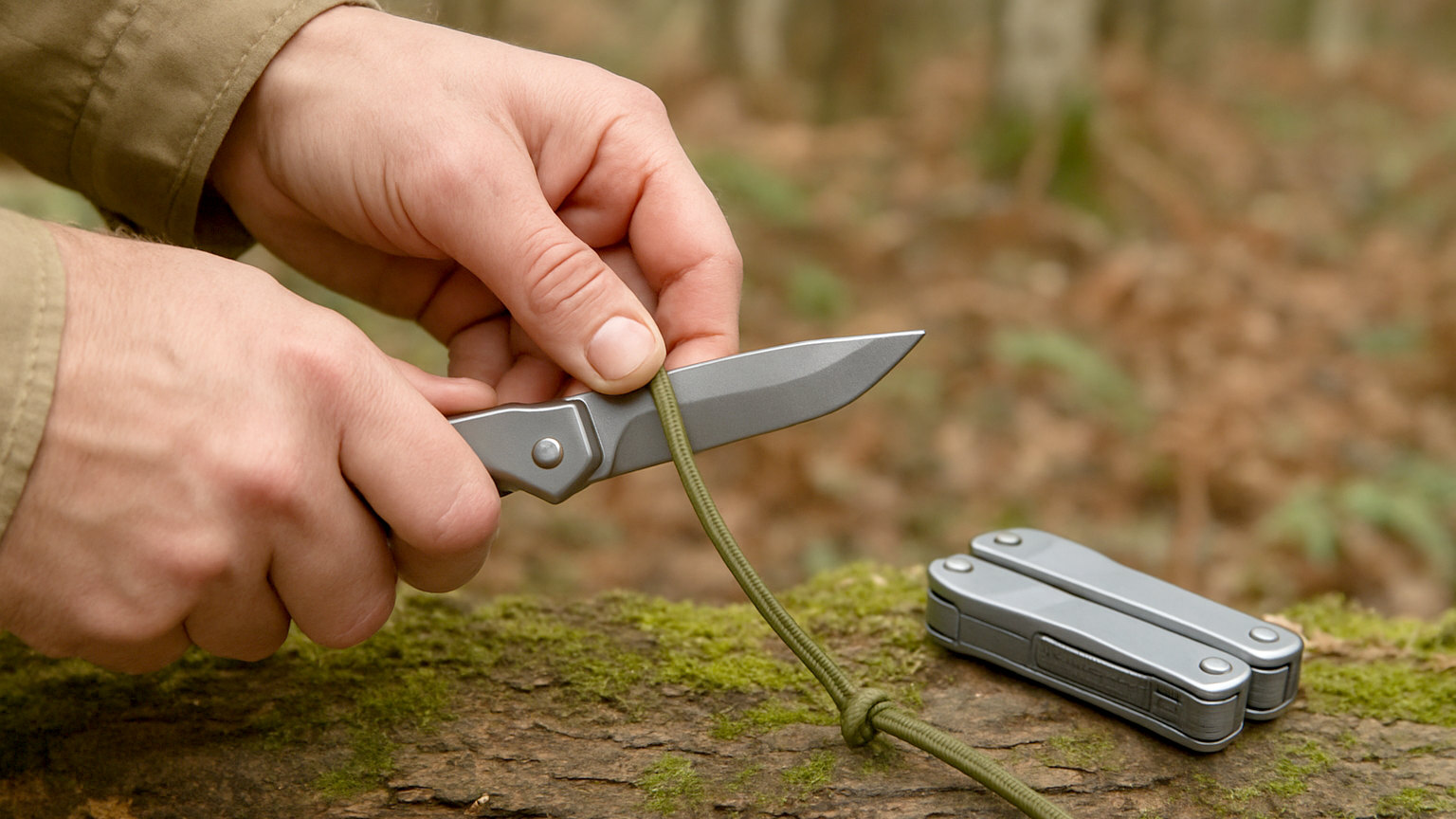
A non locking folder under three inches can be carried freely. Everything else, including a locking multi tool blade, requires a good reason.
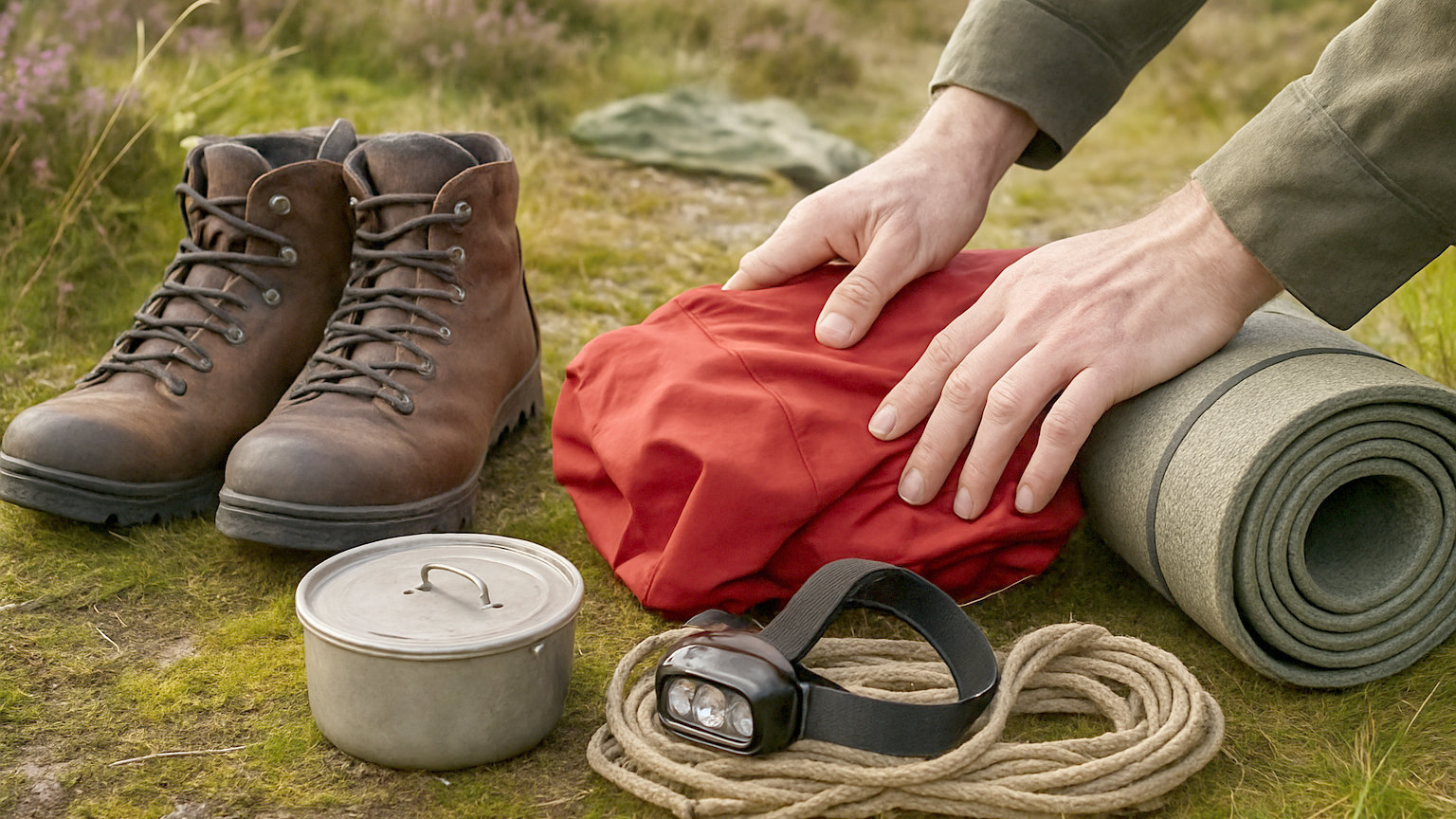
Boots, waterproof, sleeping mat and head torch. Almost everything else performs adequately at the cheap end, and the price difference buys weight rather than function.
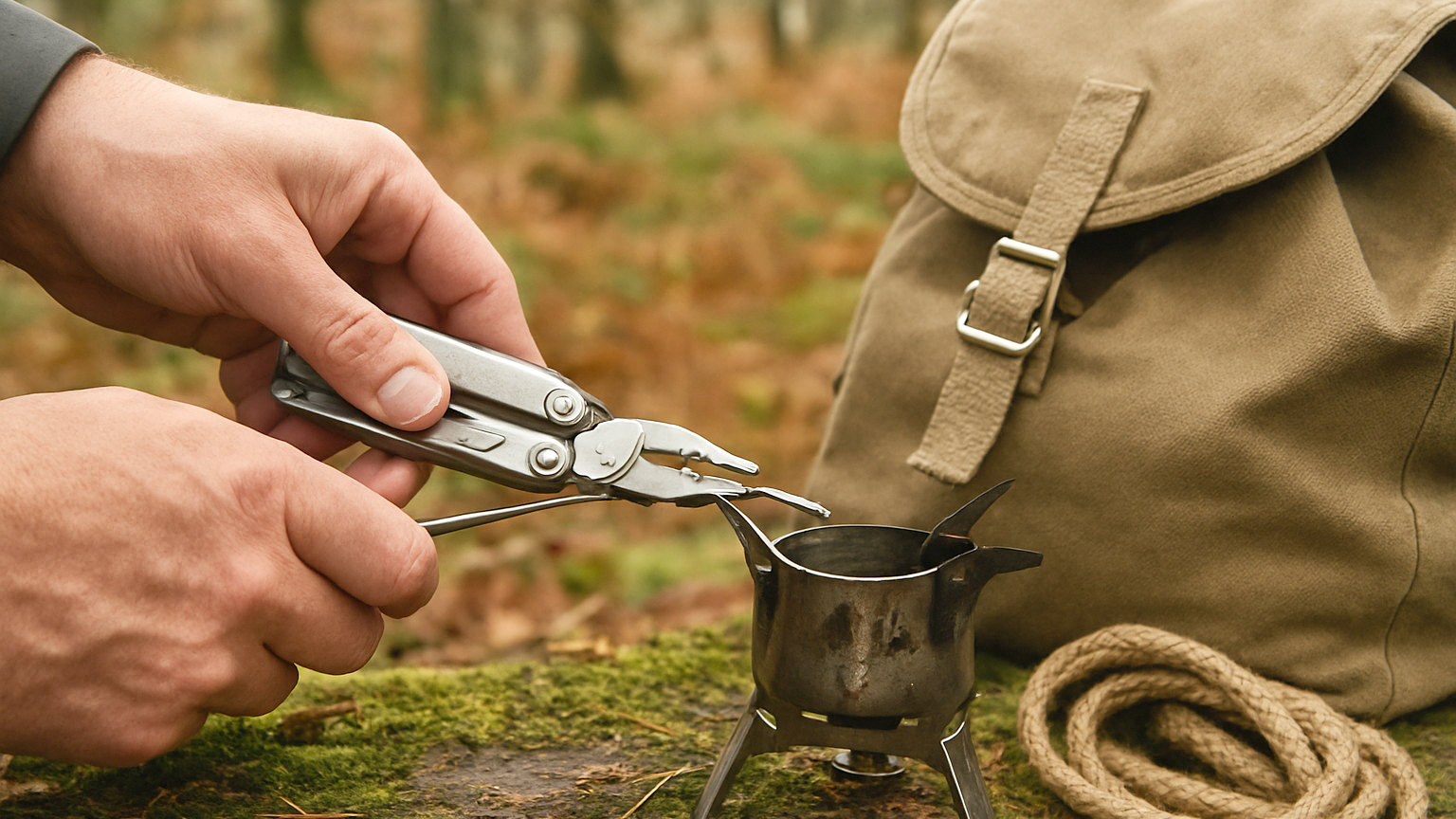
For anyone who fixes things, yes. Pliers are the part that justifies it, and the locking blade on many models creates a legal problem in the UK.
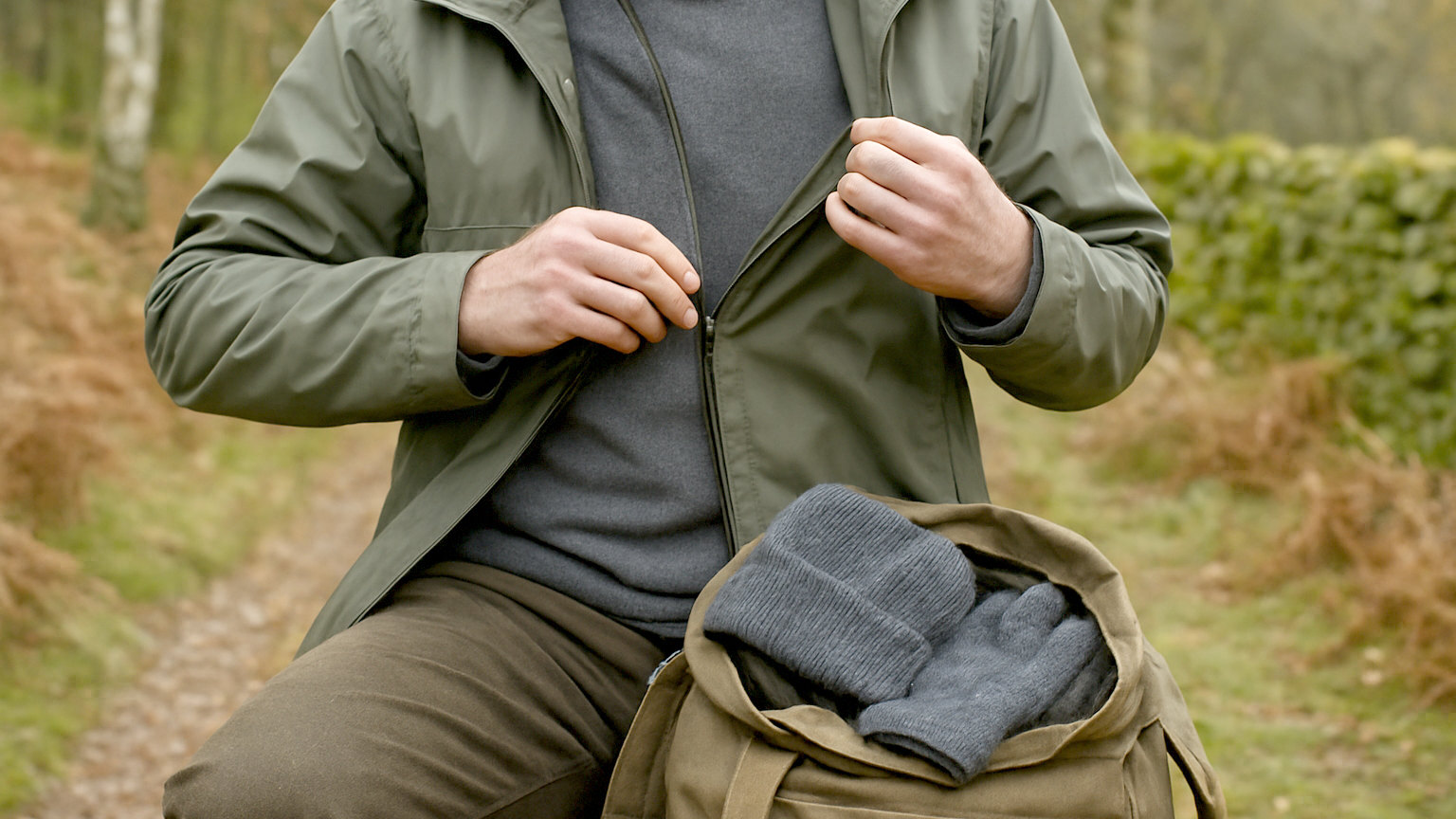
Layers that work when wet, a waterproof that genuinely is, and a spare hat and gloves. Cotton is the material that causes most British hypothermia cases.
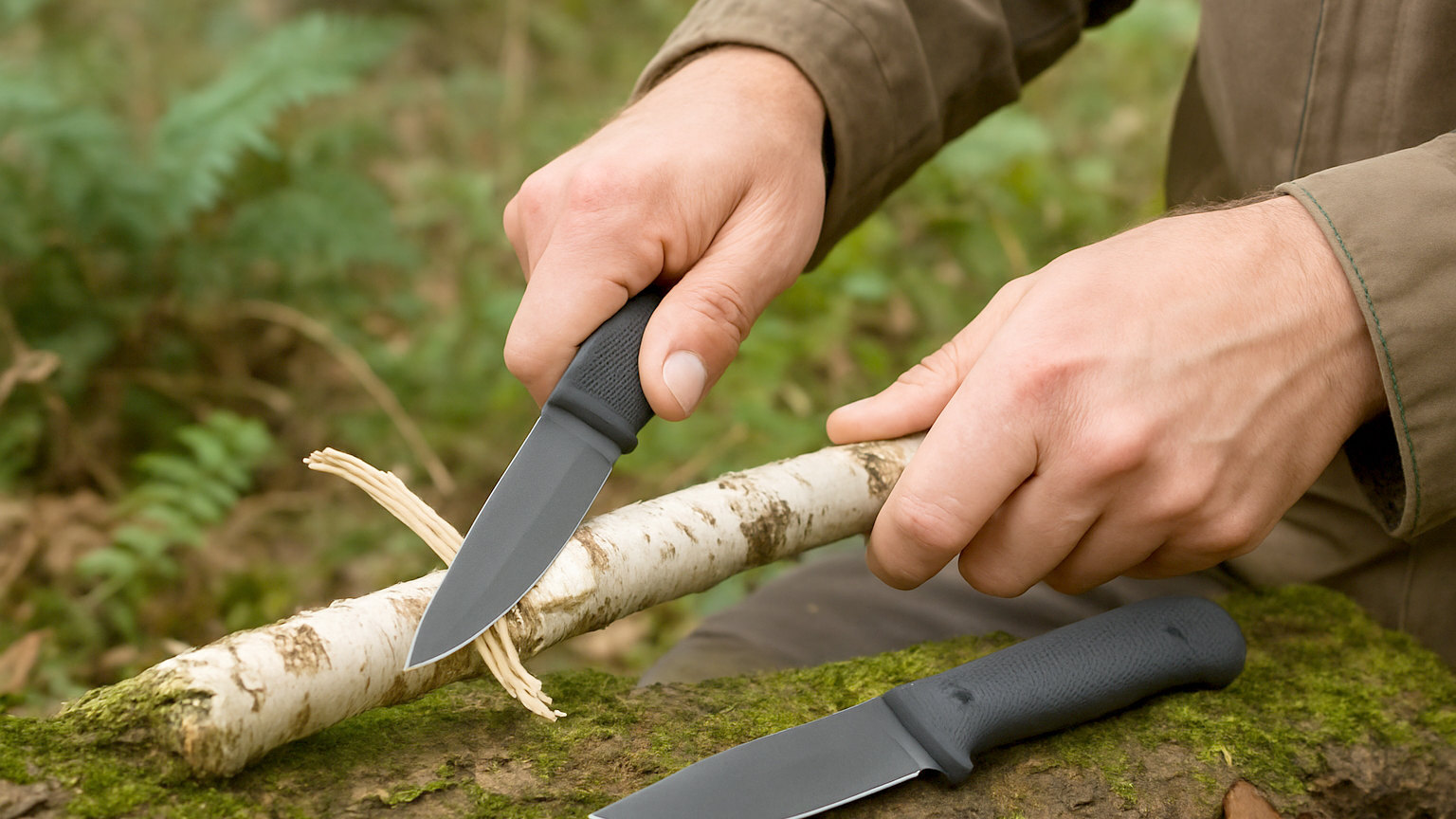
A fixed blade of nine to eleven centimetres, full tang, in a comfortable handle. Almost every bushcraft task is done with a small knife rather than a large one.