This is the heat hazard almost nobody has heard of, and it has killed participants in endurance events. It is caused by the very behaviour people adopt to stay safe.
What is it?
Dilution of the sodium in the blood to abnormally low levels, caused by drinking large volumes of plain water while losing sodium through heavy sweating. Sometimes called water intoxication or exercise associated hyponatraemia, it disrupts the fluid balance between blood and cells, and in severe cases causes the brain to swell.
Why is it dangerous?
Because the symptoms resemble dehydration and heat illness, which leads people to drink still more water and worsen the condition. Nausea, headache, confusion, bloating, fatigue and disorientation all appear, and the intuitive response of taking on more fluid is precisely wrong. Severe cases cause seizures, coma and death.
- Caused by drinking large volumes of plain water while sweating
- Symptoms mimic dehydration, so people drink more
- Bloating, puffy hands and weight gain are distinguishing signs
- Include salt through food or electrolyte drinks
- Drink to replace losses rather than as much as possible
- Confusion during a long hot event needs medical assessment
How do you tell it from dehydration?
By weight and by swelling, imperfectly. Someone who has been drinking heavily and has gained weight, whose hands and face look puffy, and whose rings and watch feel tight is more likely to be over hydrated than dehydrated. Dehydration usually shows dark concentrated urine, while hyponatraemia frequently shows clear urine and normal or increased output.
Who is at risk?
Participants in long endurance events, walkers and runners on long hot days, and anyone told to drink as much as possible. Slower participants who have more time to drink, smaller individuals, and those drinking only plain water are more susceptible. It occurs in military training, in marathons and on long walks.
How do you avoid it?
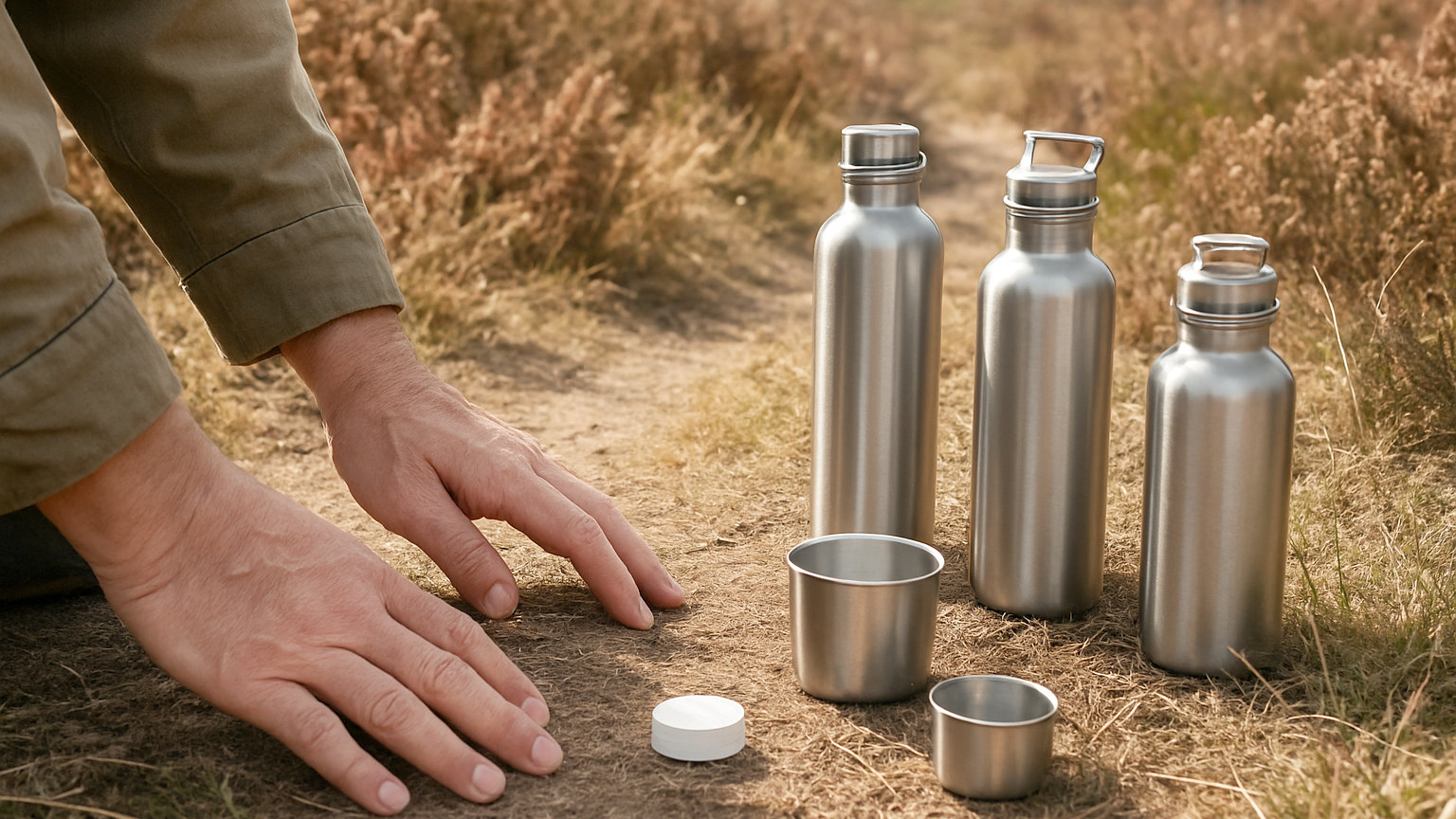
Drink to replace what you lose rather than as much as you can, and include sodium. Salty snacks, electrolyte tablets, sports drinks or oral rehydration solution all provide it. Weighing yourself before and after a long event, if you do them regularly, tells you a great deal about whether your fluid strategy is right.
What should you do if you suspect it?
Stop drinking plain water, eat something salty, and seek medical help if there is any confusion or the person is unwell. Do not give large volumes of water. Confusion or altered behaviour during a long hot event should be treated as a medical emergency, since it could be either heatstroke or hyponatraemia and both require urgent assessment.
Does this mean you should drink less?
It means drink appropriately rather than maximally. Dehydration remains the far more common problem and the general advice to drink regularly in heat is sound. The correction is that plain water alone over many hours of heavy sweating is not the whole answer, and that more is not always better.
Why is this not better known?
Because the message to drink plenty has been promoted heavily and simply, and the exception is complicated. Sports medicine guidance has shifted over recent decades from encouraging maximum intake toward drinking to thirst and replacing electrolytes, precisely because of cases like these. It is a genuine correction rather than a contrarian curiosity.
How much sodium do you need?
Enough to match what you are losing, which varies with sweat rate and individual sweat composition. In practice that means eating normally including salty food on a long hot day, or using an electrolyte drink or oral rehydration solution rather than plain water for sustained heavy sweating. A day walk with lunch generally covers it, and many hours of hard effort does not.
Where has this happened?
In marathons, in long distance events, in military training and on organised walks, with documented deaths. The pattern is consistent: a slower participant with plenty of time to drink, taking on water at every opportunity over many hours, becoming unwell and being encouraged to drink more. Awareness among event organisers has improved considerably as a result.
Include salt on long hot days, drink to replace losses rather than maximally, watch for bloating and clear urine with symptoms, and get help for confusion.