How Much Food Can You Actually Forage
Far less than people imagine. Wild plants are nutritious and almost calorie free, which is why foraging supplements a diet rather than sustaining one.
Food is the least urgent survival priority and the one people fixate on first. Knowing a handful of common wild plants properly beats half-recognising fifty, and the deadly lookalikes are worth learning by heart before anything else. These guides cover safe identification, coastal foraging, and the legal position on trapping and snaring in the UK, which catches a lot of people out.
Far less than people imagine. Wild plants are nutritious and almost calorie free, which is why foraging supplements a diet rather than sustaining one.
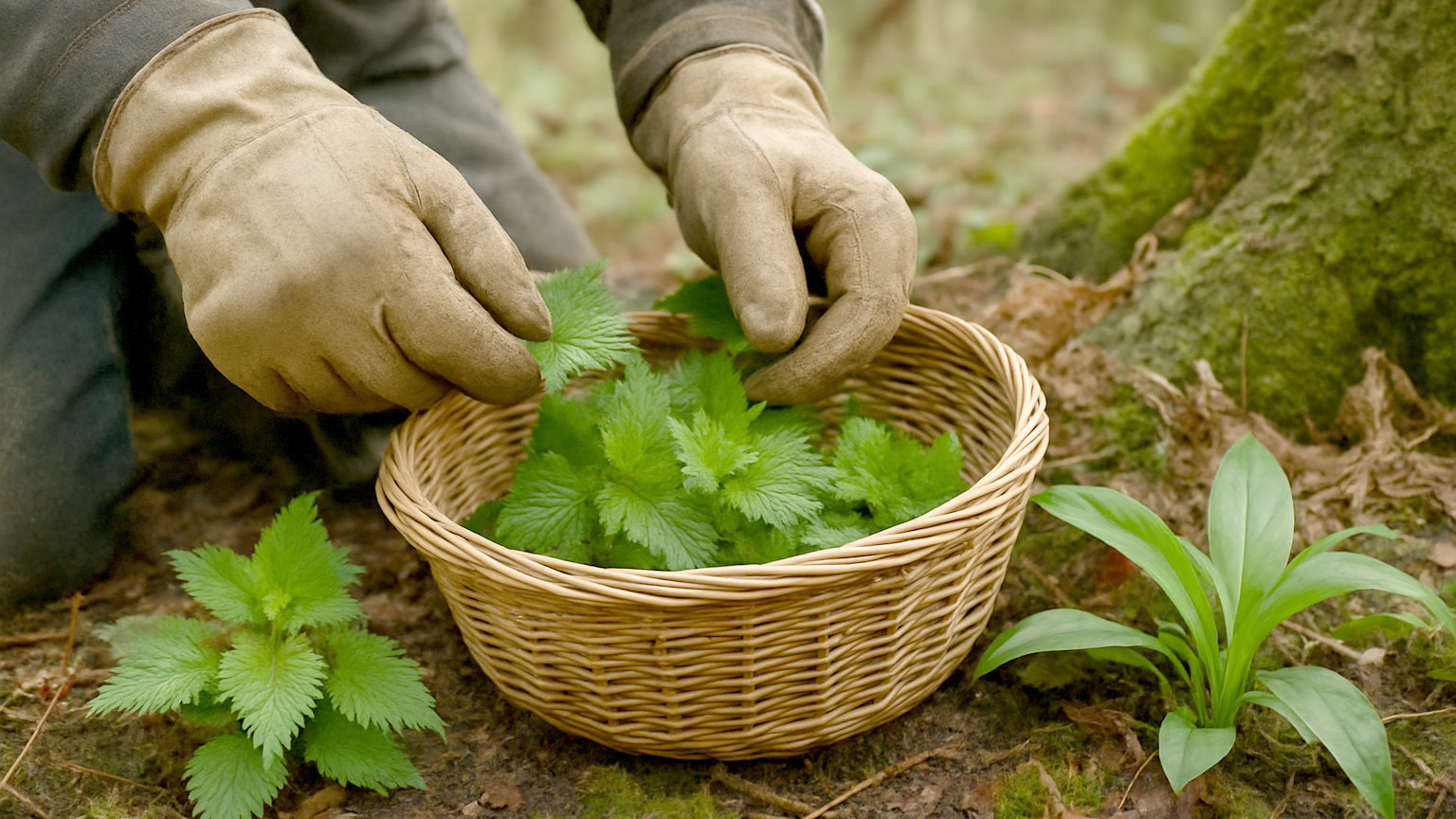
Spring offers the richest and most accessible wild greens of the year, along with several of the most dangerous lookalikes. Timing and caution both matter.
Very little, and the most valuable item is a good regional field guide rather than anything you carry in your hands.
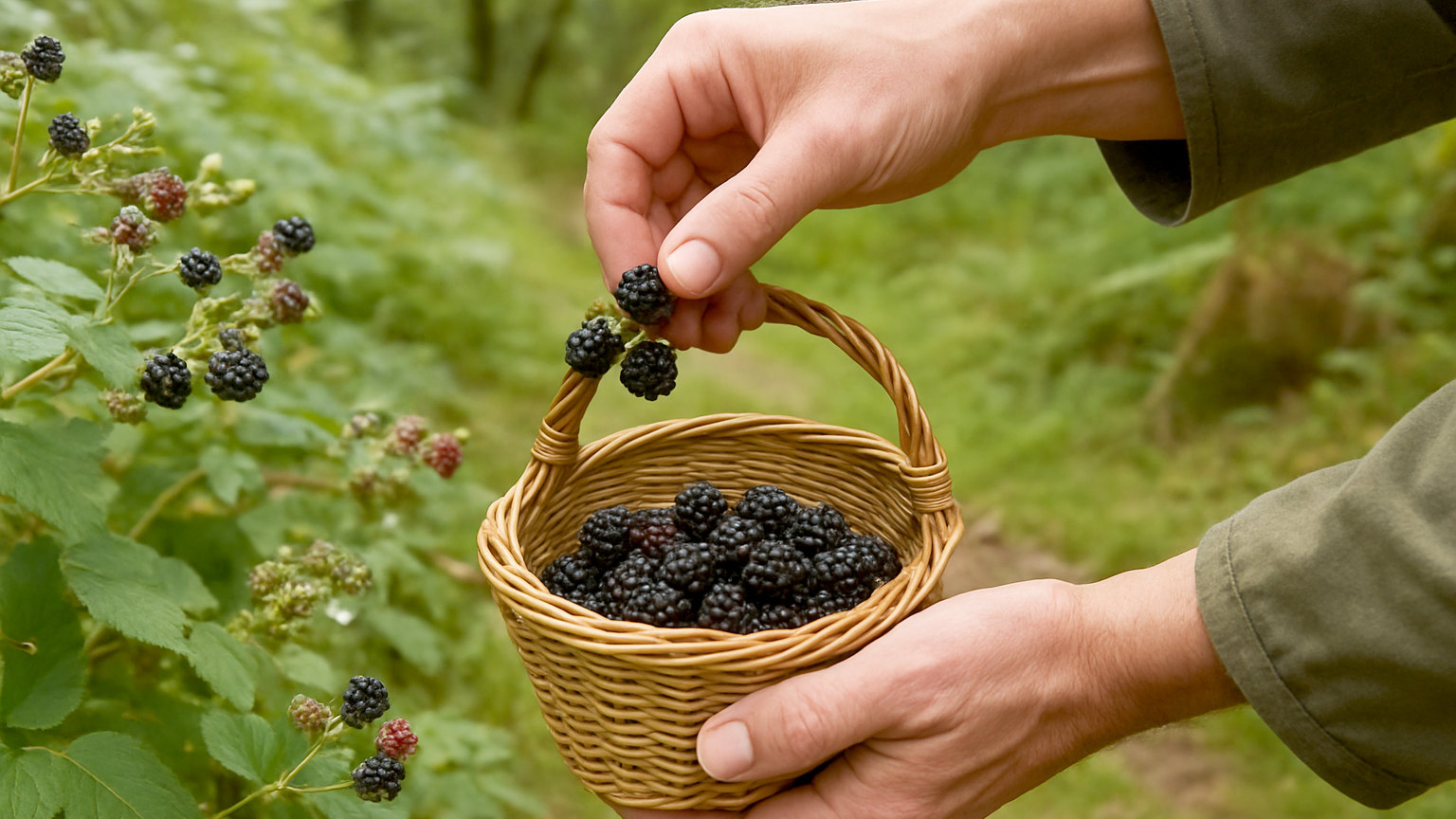
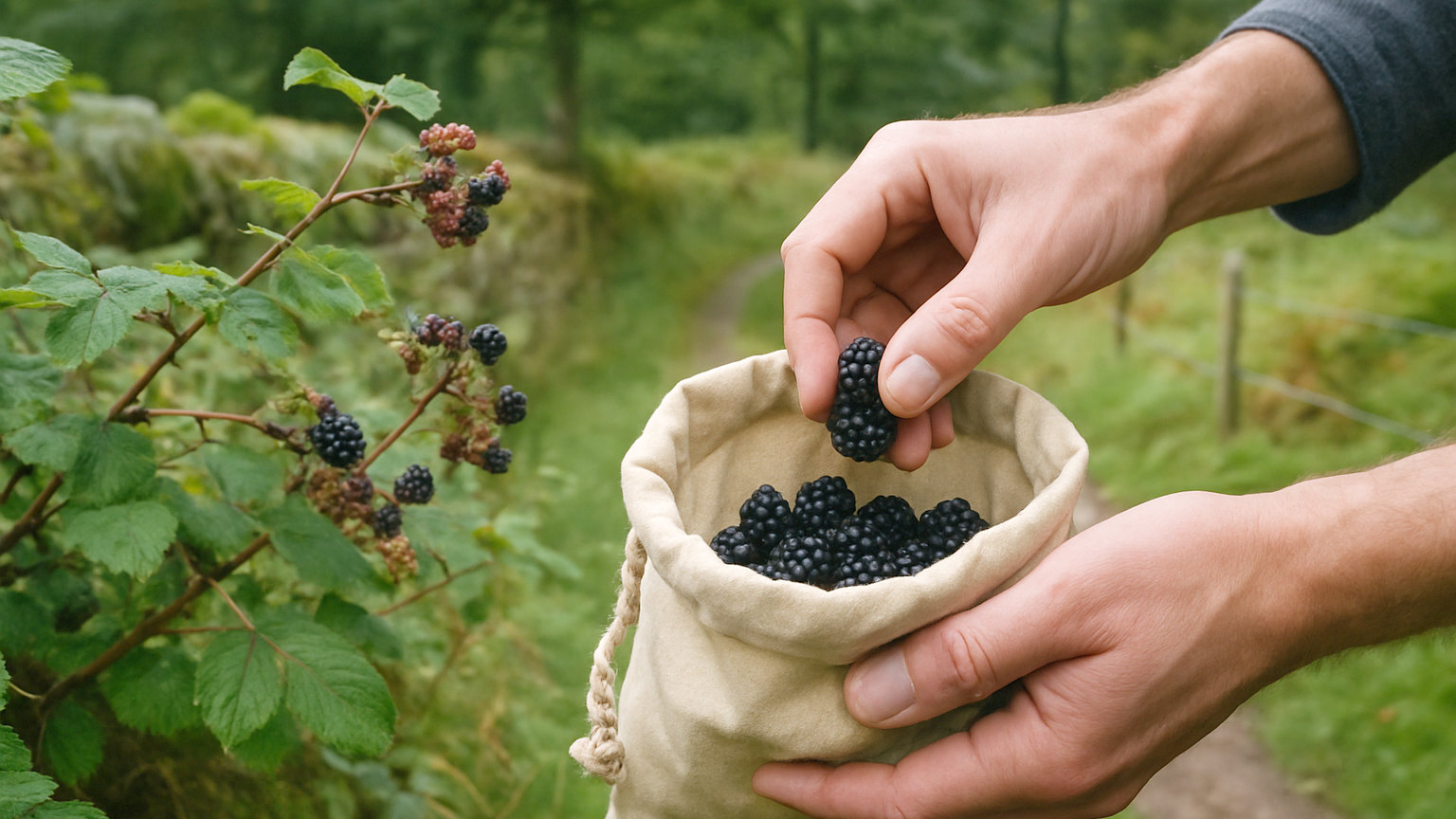
There is no colour rule and no shortcut. A short list of common British berries is reliably safe, and several common ones will make you seriously ill.
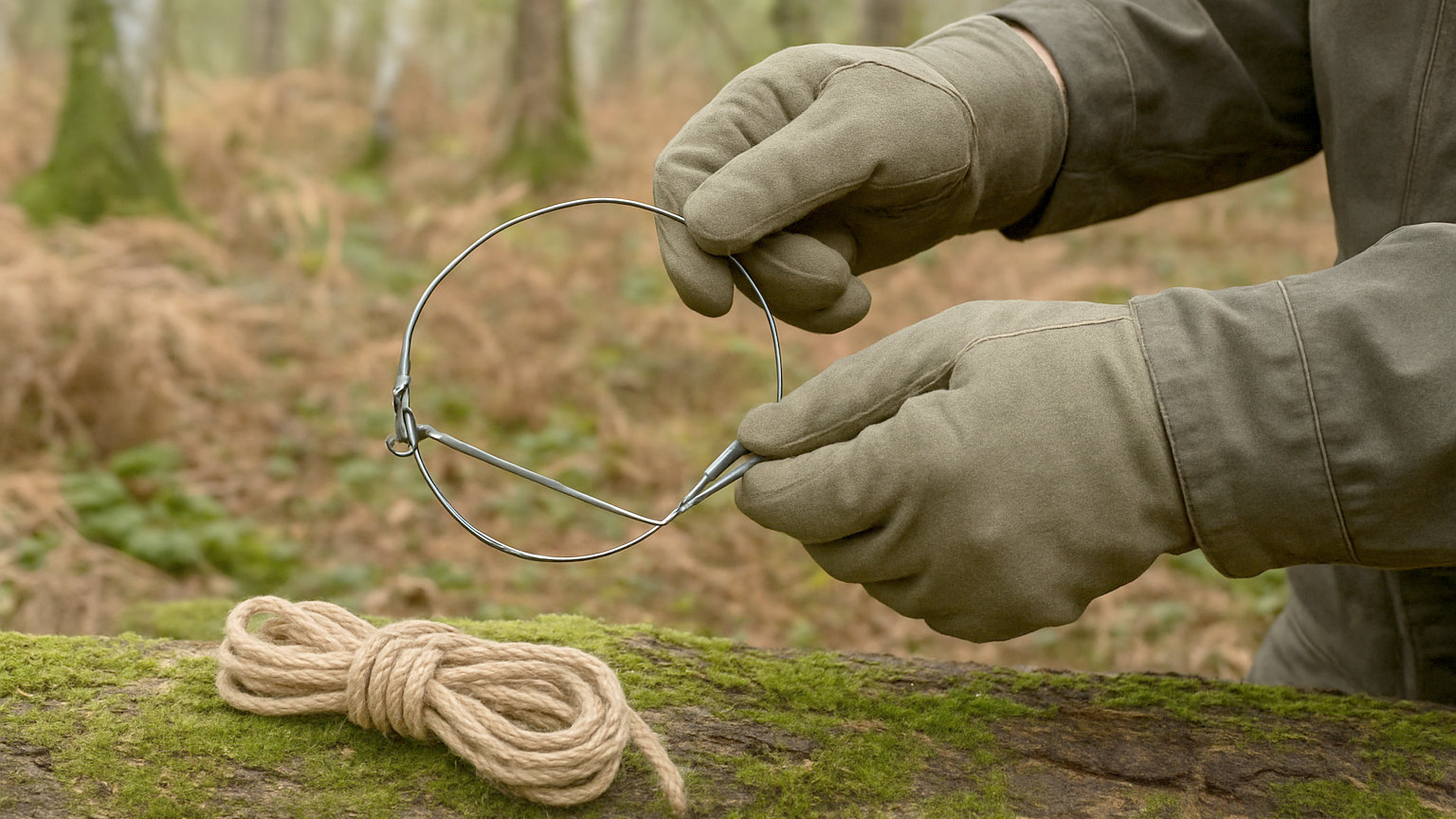
Far less than survival manuals suggest. Snaring has been banned across much of Britain, and most trapping for food is unlawful outside narrow circumstances.
It appears in almost every survival manual and it does not work. The toxins most likely to kill you produce no symptoms until long after the test has passed.
Popular species near towns are visibly declining from over collection. A few habits keep foraging from damaging the places that make it possible.
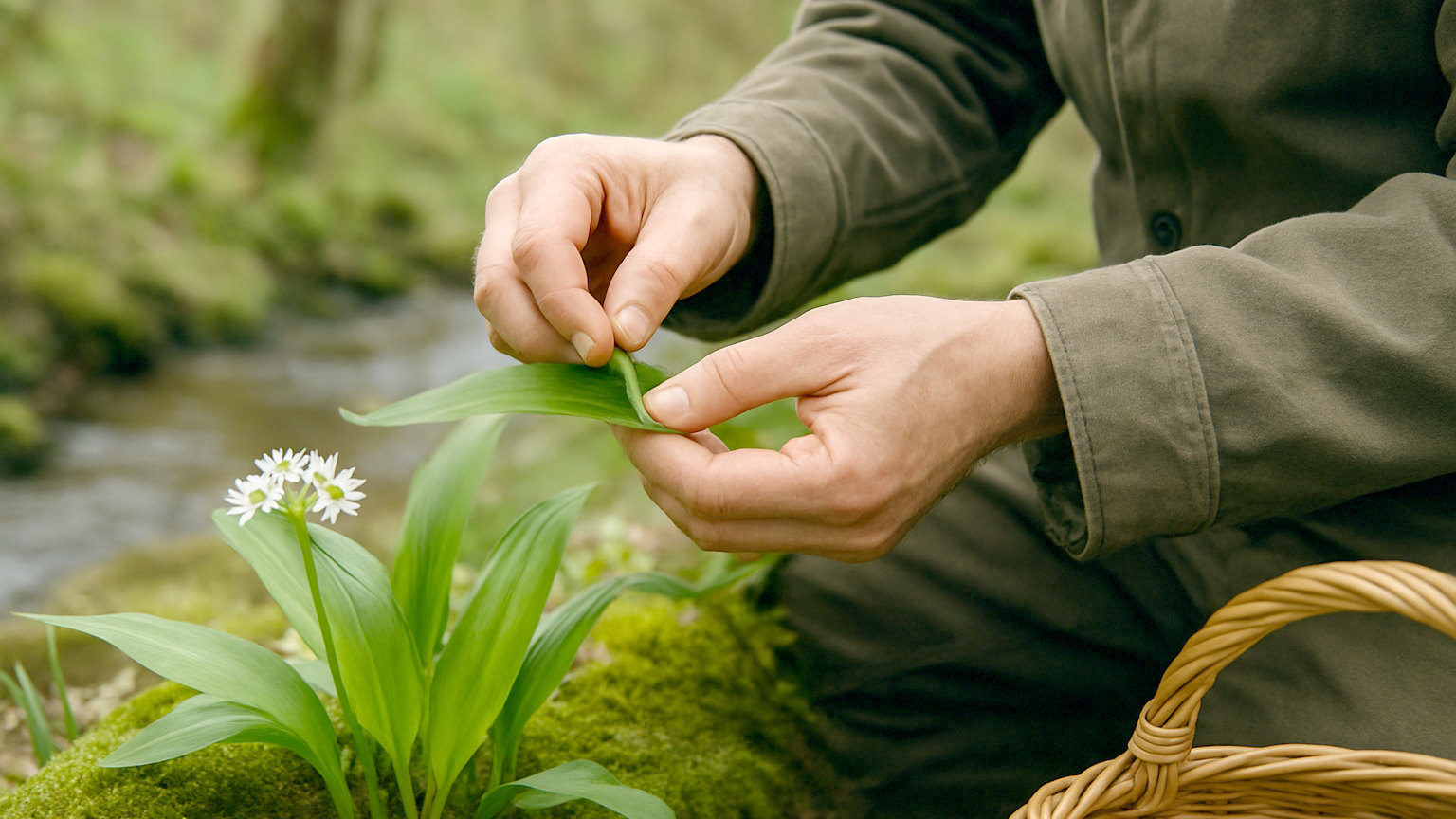
Wild garlic is one of the best wild foods in Britain and grows among three seriously toxic plants. The smell test alone is not enough.
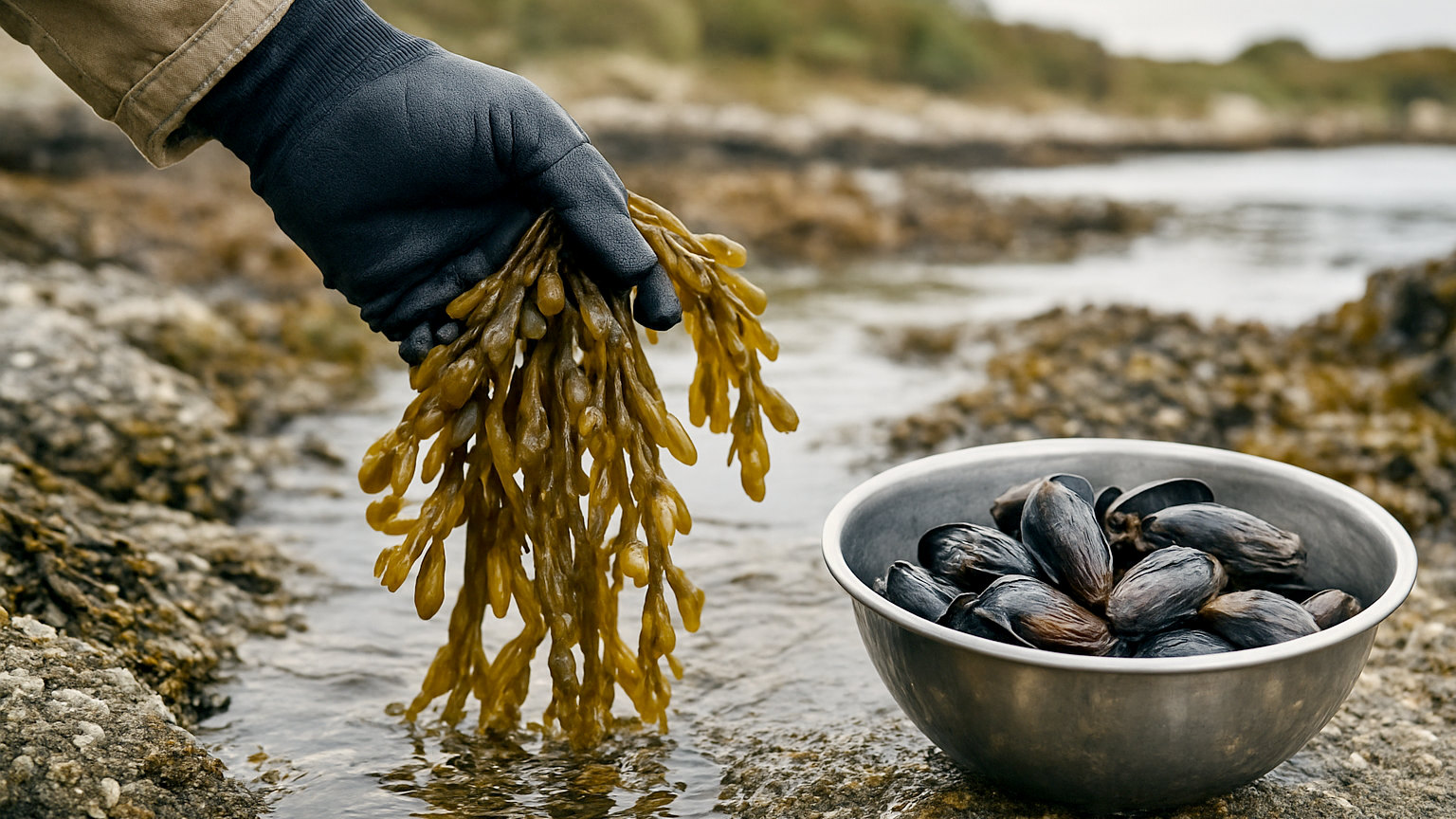
Seaweeds are among the safest wild foods in Britain. Shellfish are among the riskiest, and the reason is what they filter out of the water around them.
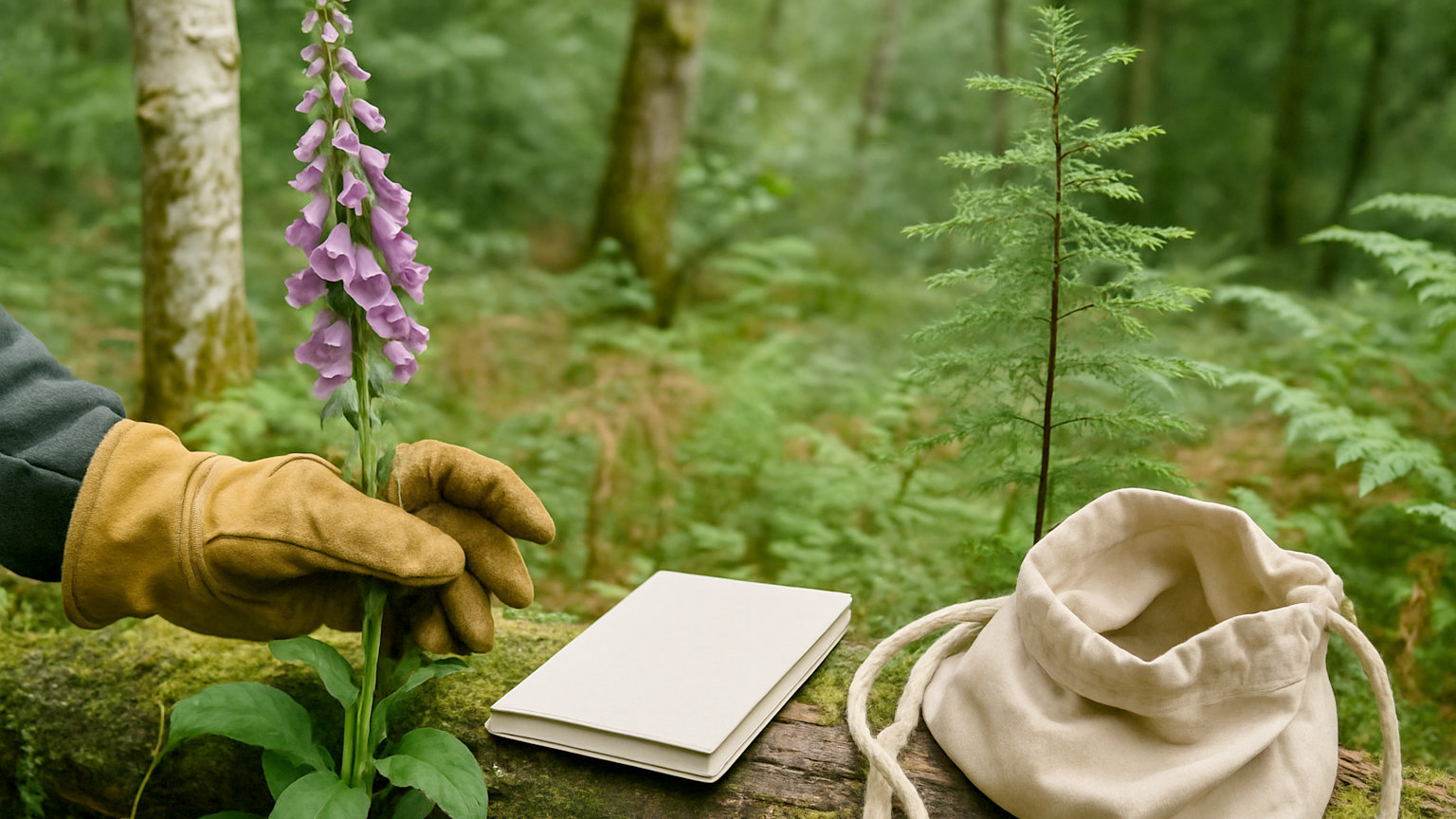
A short list of British plants accounts for nearly all serious poisonings. Learning to recognise them is the fastest safety gain available to any forager.
Picking is treated differently from uprooting, access rights do not include harvesting, and protected sites have their own rules. The distinctions matter legally.
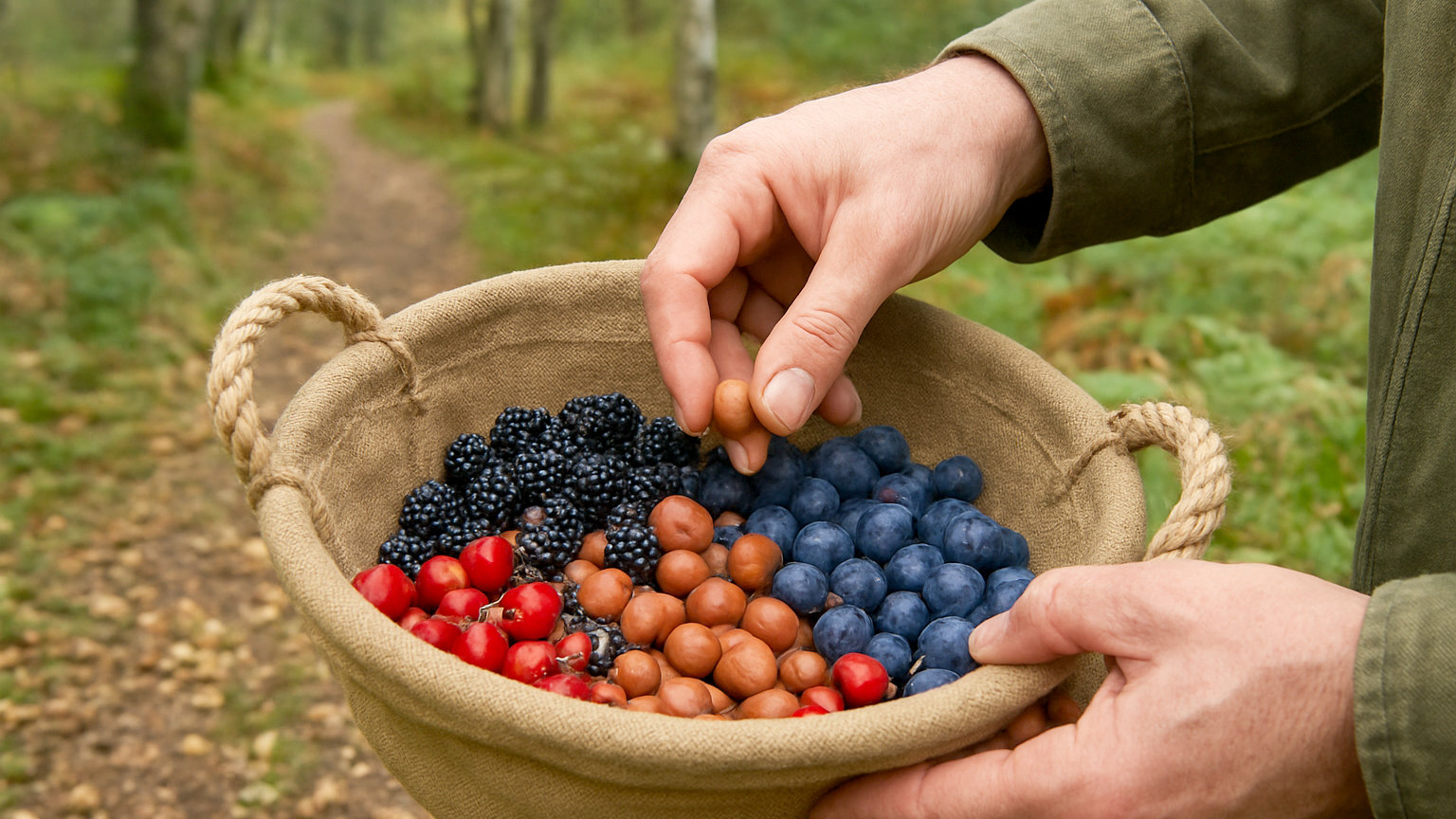
Autumn is the season with real calories in it. Nuts, fruit and berries are abundant, easy to identify and worth the effort in a way that spring greens are not.