Access in Britain is a patchwork, and knowing what you are entitled to prevents both unnecessary caution and awkward confrontations.
What are the types of right of way?
In England and Wales, a public footpath is for walking. A bridleway adds horses and bicycles. A restricted byway adds horse drawn vehicles. A byway open to all traffic includes motor vehicles. These are legal rights of passage along a defined line, recorded on the definitive map held by the local authority, and they exist regardless of who owns the land.
What is access land?
Land where you may walk away from paths, created under countryside legislation and covering mountain, moor, heath, down and registered common land, plus some woodland and coastal margin. It is shown on maps with a distinctive edging. It permits walking on foot and does not permit camping, fires, cycling, horse riding or vehicles.
- Footpath: on foot. Bridleway: adds horses and bicycles
- Access land allows walking away from paths, on foot only
- No right to camp, light fires or cycle on access land
- Dogs on short leads on access land from March to July
- Scotland has broader statutory access rights
- Report blocked paths to the local authority
How is Scotland different?
Considerably more permissive. The Land Reform Act creates statutory rights of responsible access over most land and inland water, for walking, cycling, riding and wild camping, exercised in accordance with the Scottish Outdoor Access Code. There are exclusions including gardens, growing crops and land next to houses, and responsibilities that come with the rights.
What if a path is blocked?
You are generally entitled to remove an obstruction sufficiently to pass, or to go around it by the shortest reasonable route. Report it to the local authority, which has a duty to keep rights of way open, and to organisations such as the Ramblers who take up such cases. Do not damage property or get into a confrontation.
What about bulls in fields?
Bulls of recognised dairy breeds are prohibited from fields with a public right of way. Other bulls may be present if accompanied by cows or heifers. In practice, a field with cattle and a right of way is legal and may still be worth avoiding, and you are entitled to leave the path to go around an animal that appears aggressive.
What about gates and stiles?
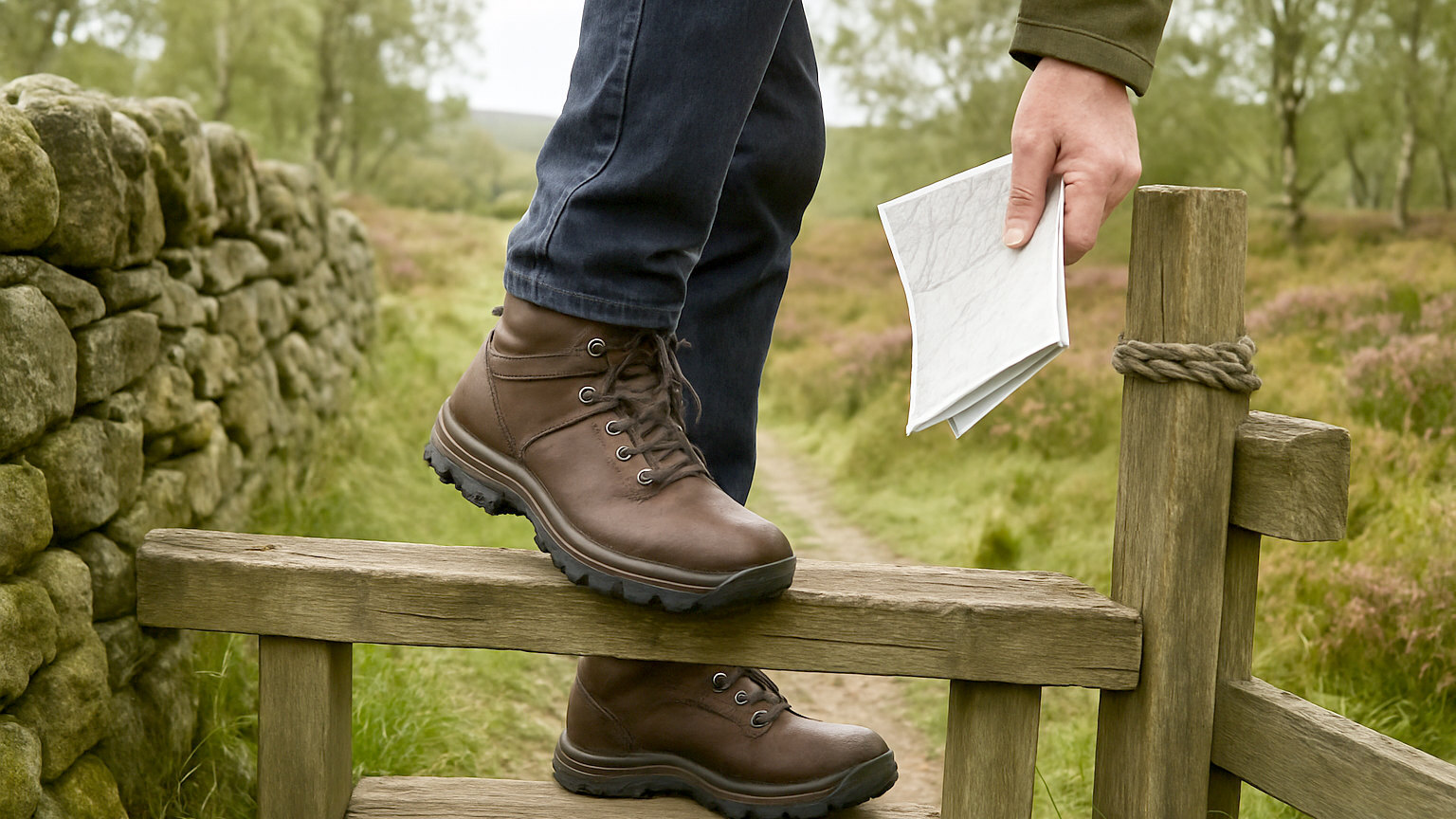
Leave gates as you found them, since an open gate may be deliberate to allow stock access to water. If a gate is shut, close it behind you. Landowners are responsible for maintaining stiles and gates on rights of way, with a contribution from the highway authority, and defects should be reported.
What responsibilities come with it?
The Countryside Code sets them out: leave no trace, keep dogs under control, do not disturb livestock or wildlife, follow signs, take litter home and consider other people. Access in Britain is largely a negotiated settlement rather than an absolute right, and behaviour by walkers directly affects what remains available.
What if you want to go somewhere with no right?
Ask. Landowners frequently grant permission for a specific request, and permissive paths exist in many places. Trespass in England and Wales is generally a civil rather than a criminal matter, and that is not an argument for treating it casually, particularly around homes, farmyards and working land.
What about permissive paths?
They are routes the landowner allows without creating a legal right, and they can be withdrawn. Many are excellent and well maintained, created under land management schemes or simply by agreement, and they frequently fill gaps in the network. Signs will usually say so. Treat them with the same care as any right of way, since continued access depends entirely on the goodwill of the owner.
Learn the path types, use access land for walking only, follow the Scottish code north of the border, report obstructions, and leave gates as you found them.