How Much Long Term Storage Is Worth Having
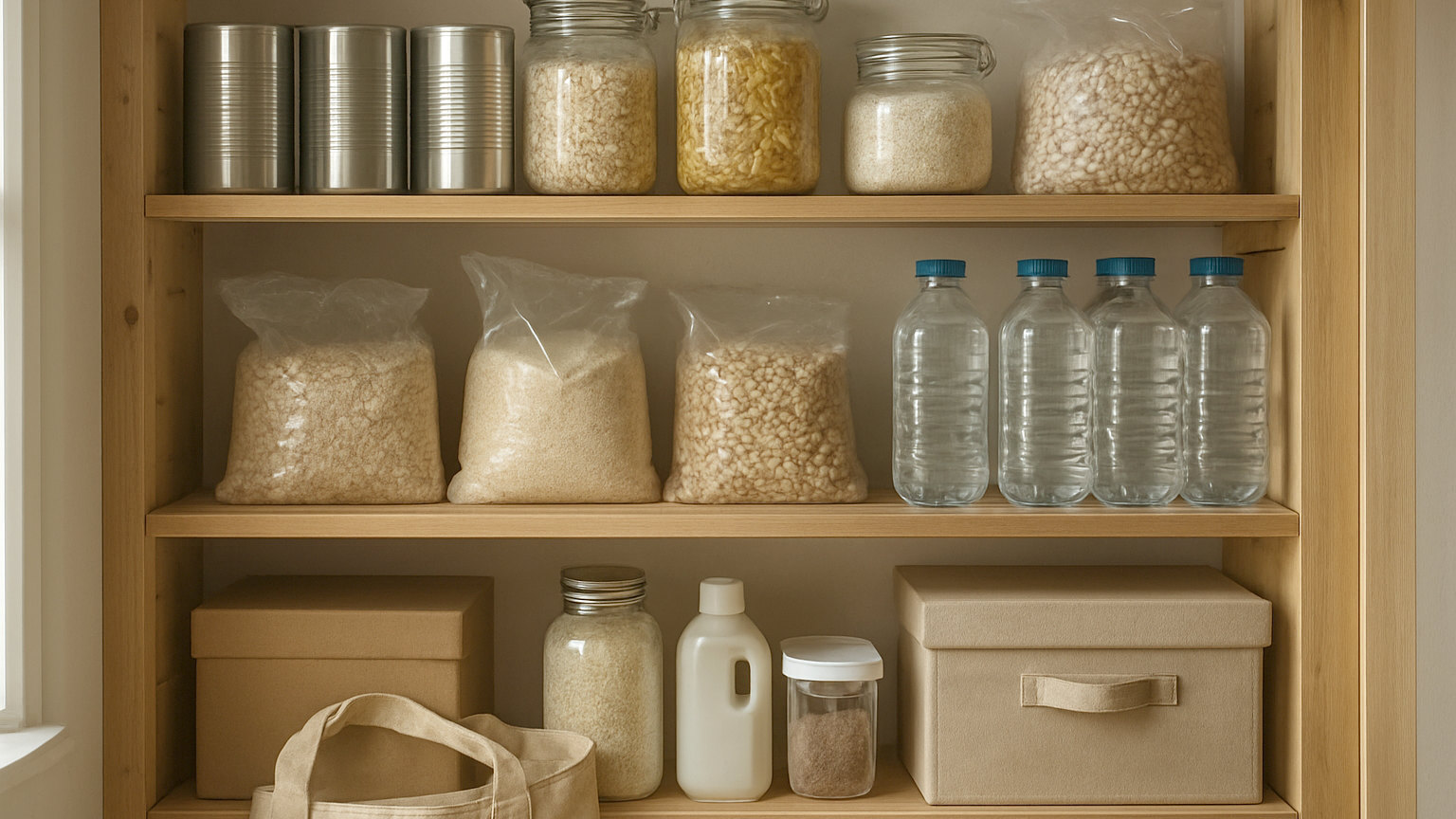
For most British households, none until a week of ordinary food exists. Beyond that, a modest reserve rather than a year of rice nobody will eat.
For anyone going beyond a fortnight's cupboard: mylar bags, oxygen absorbers, food-grade buckets, and the staples that keep for decades rather than months. These guides also cover the honest limits of long-term storage, and why a store you never eat from is a store you cannot trust.
For most British households, none until a week of ordinary food exists. Beyond that, a modest reserve rather than a year of rice nobody will eat.
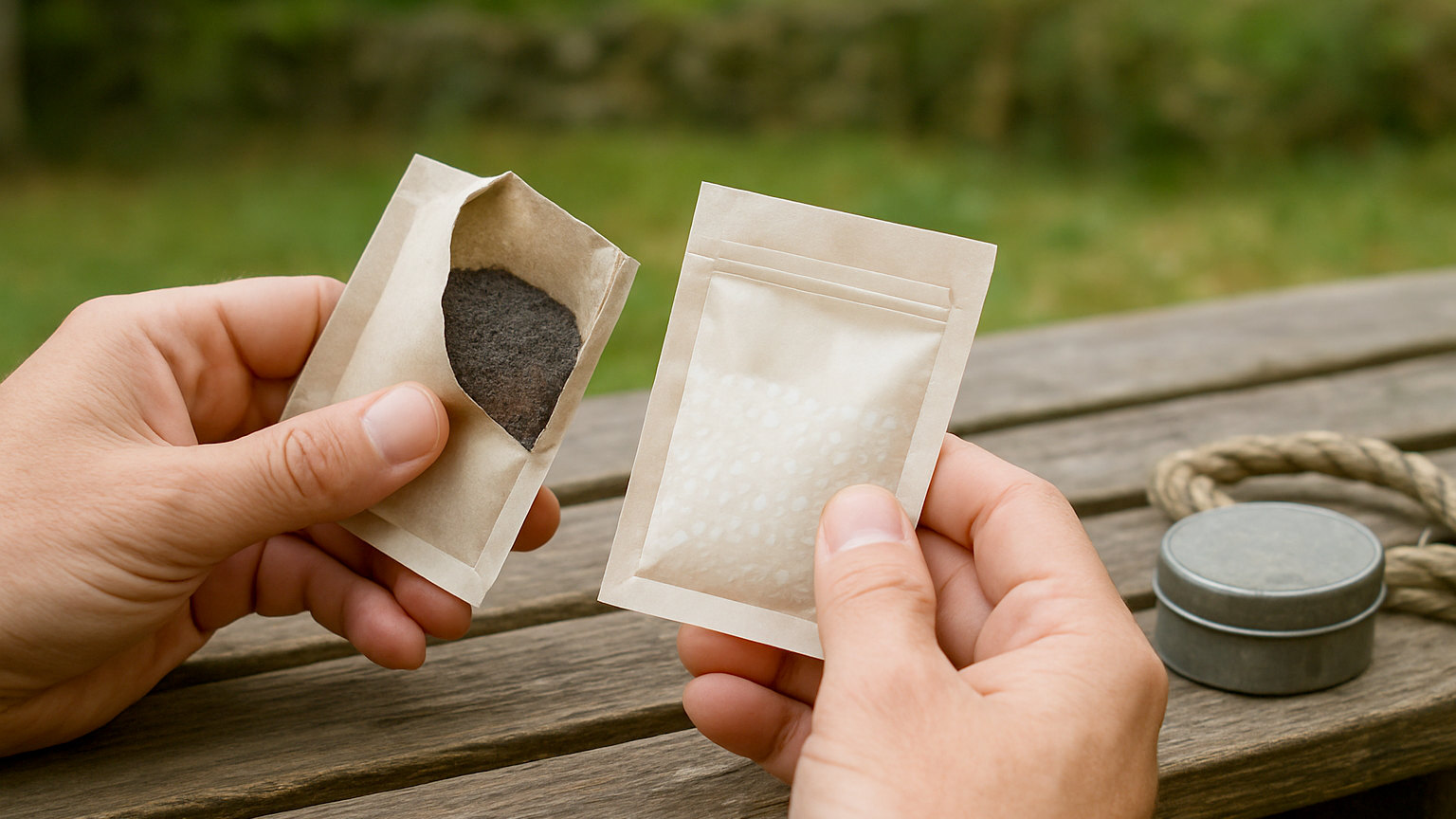
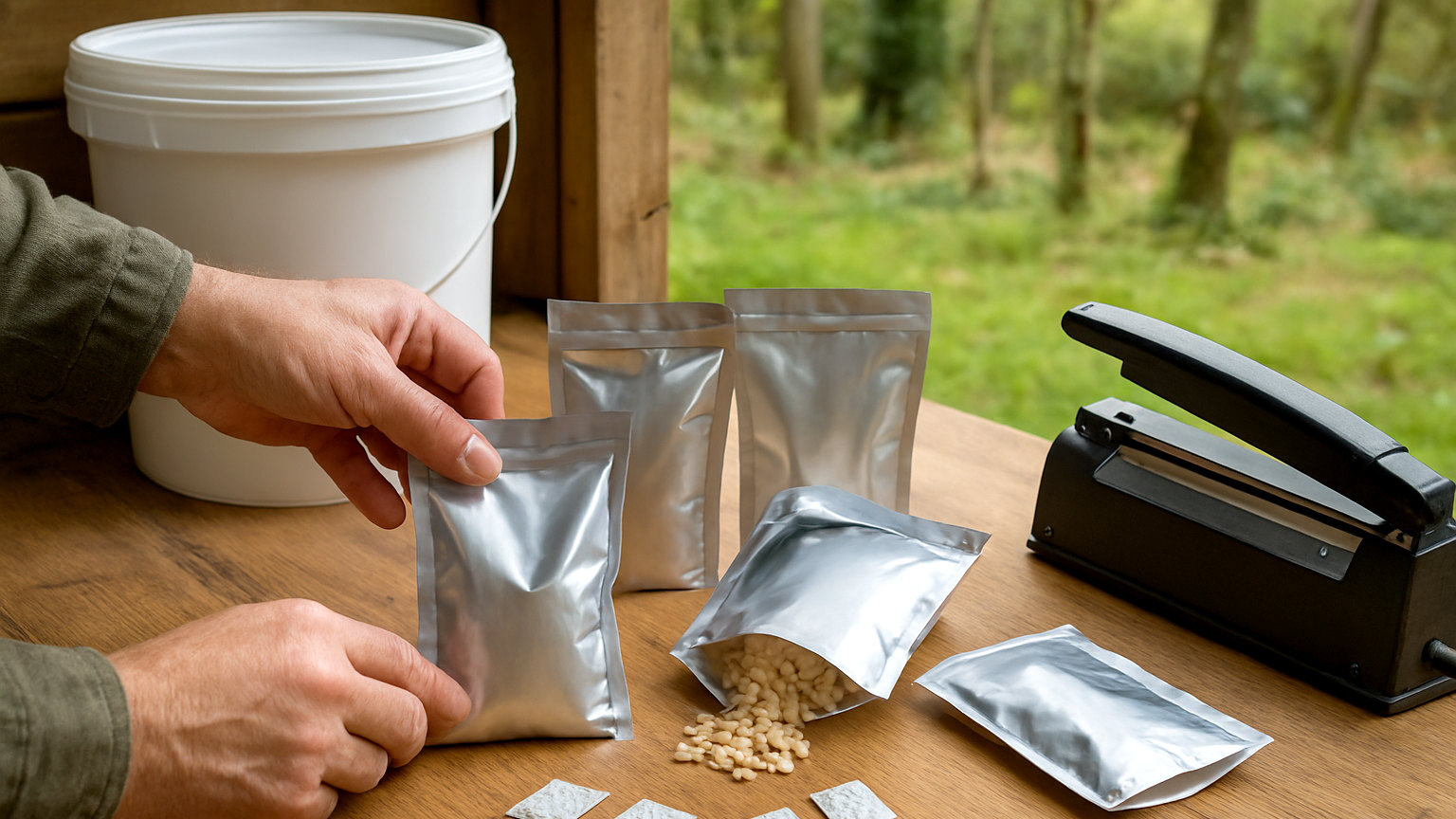
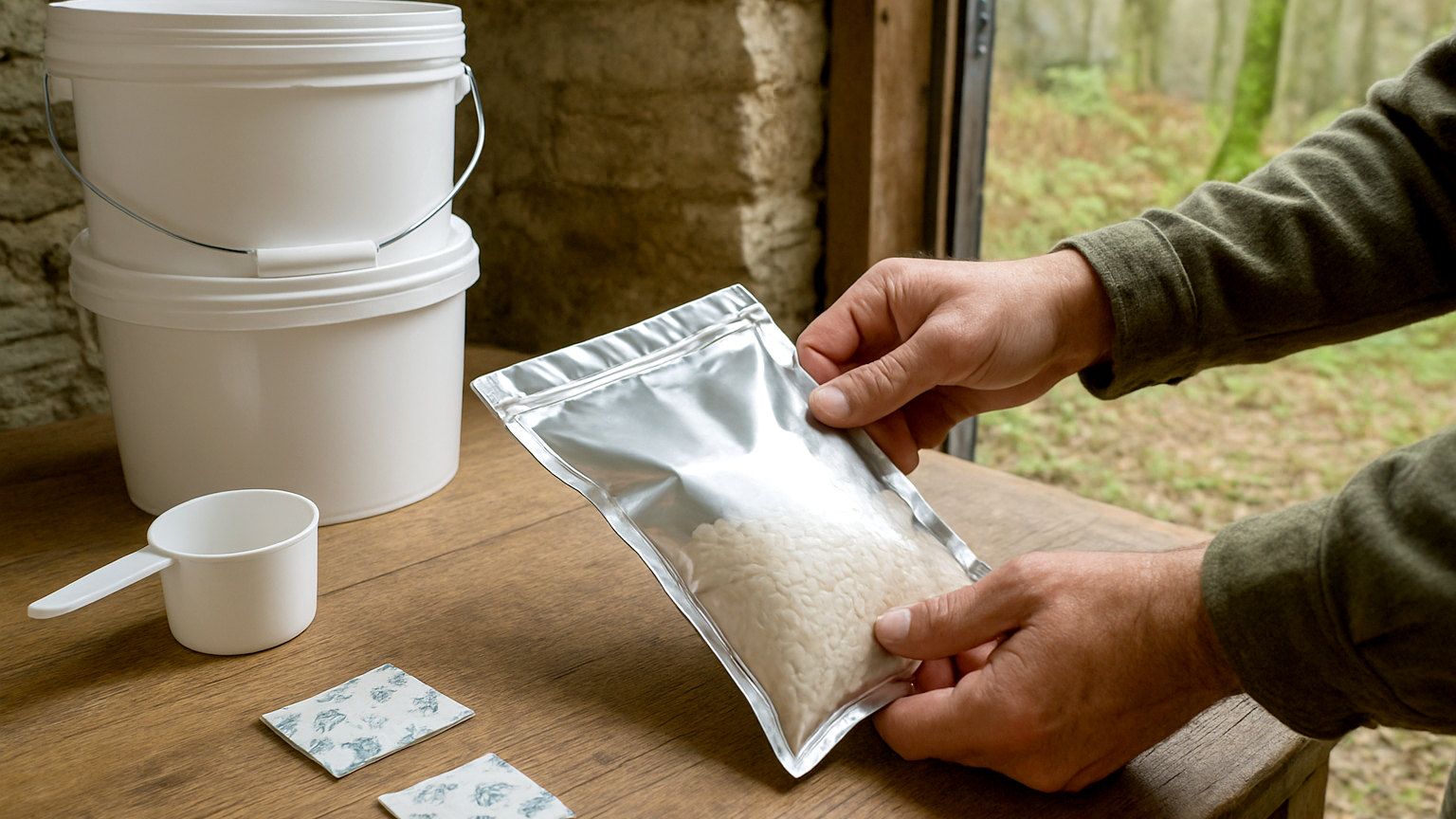
A metallised barrier that oxygen cannot cross, and a sachet of iron powder that consumes whatever is sealed inside with the food.
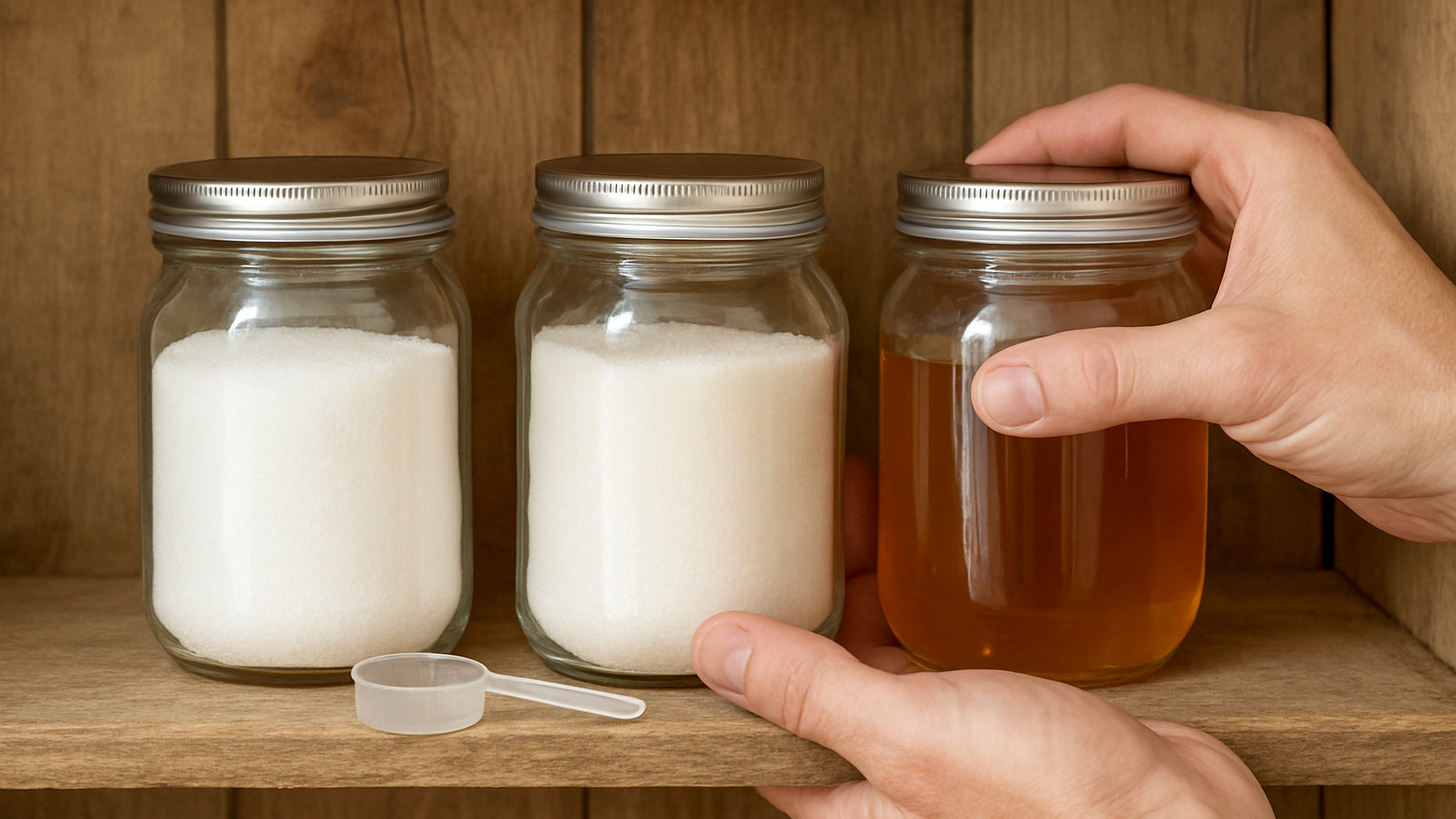
Airtight and dry, with no oxygen absorber. All three keep indefinitely, and an absorber turns sugar into a brick you have to break with a hammer.
One removes oxygen and one removes moisture, and using the wrong one achieves nothing. They are not interchangeable and are rarely both needed.
When the basics are missing, when the space does not exist, and when the food stored is food nobody will ever eat. All three are common.
Heat, moisture, rodents, insufficient absorbers and the wrong food choice. Nearly all failures trace back to one of five things, and all are preventable.
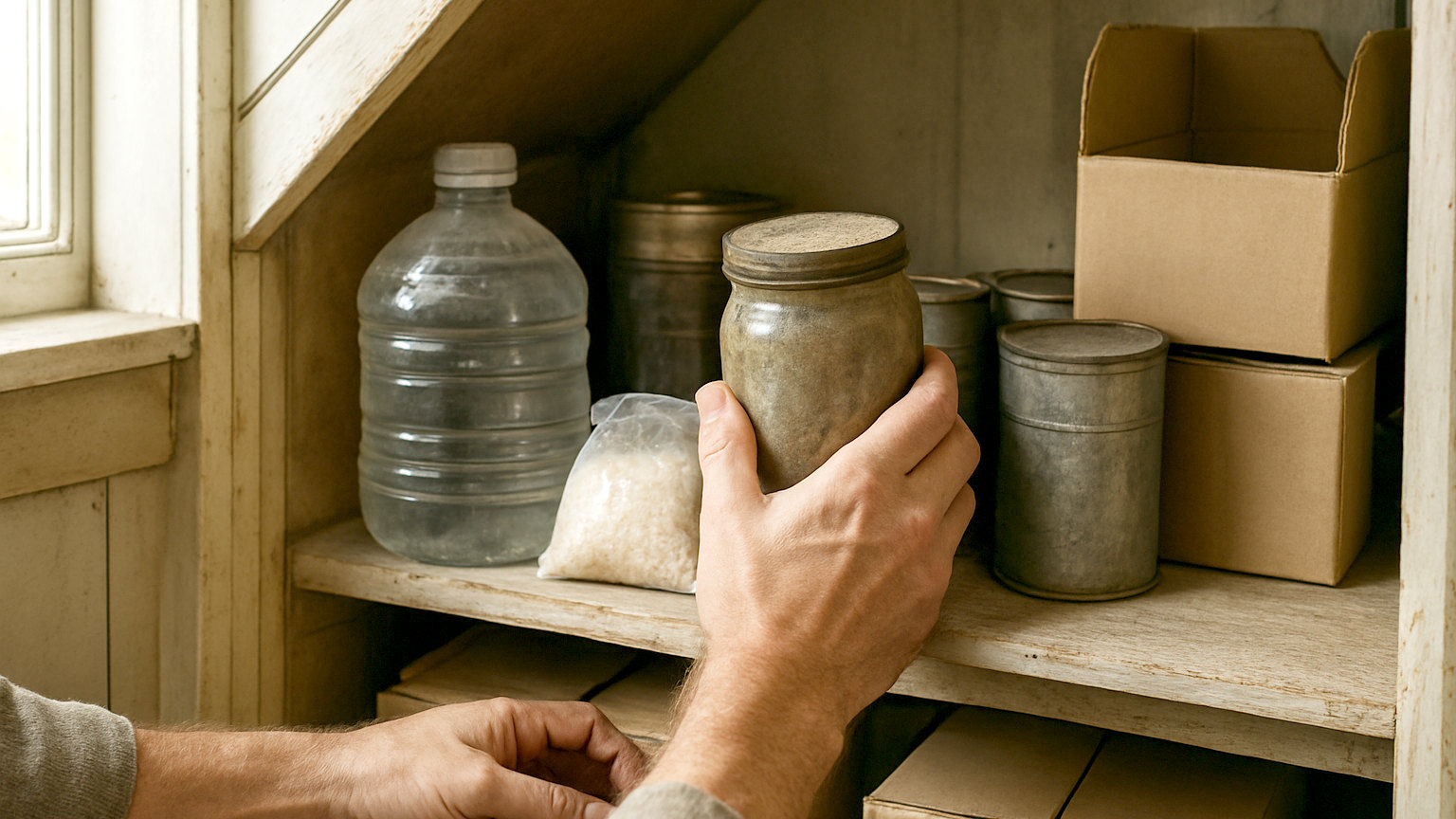
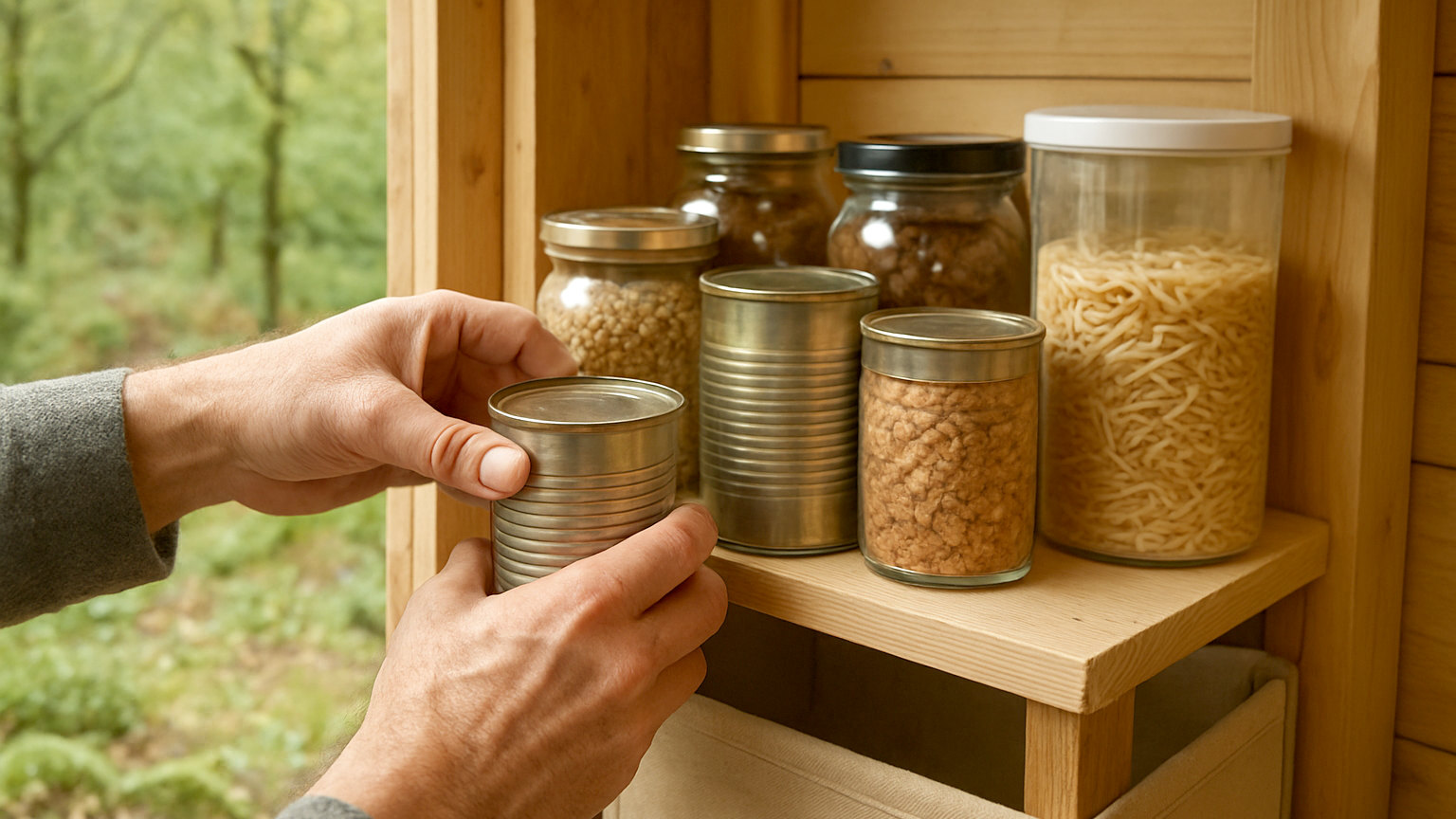
Storing dry staples for decades rather than months, using oxygen barriers rather than cupboards. A different discipline from keeping a deep pantry.
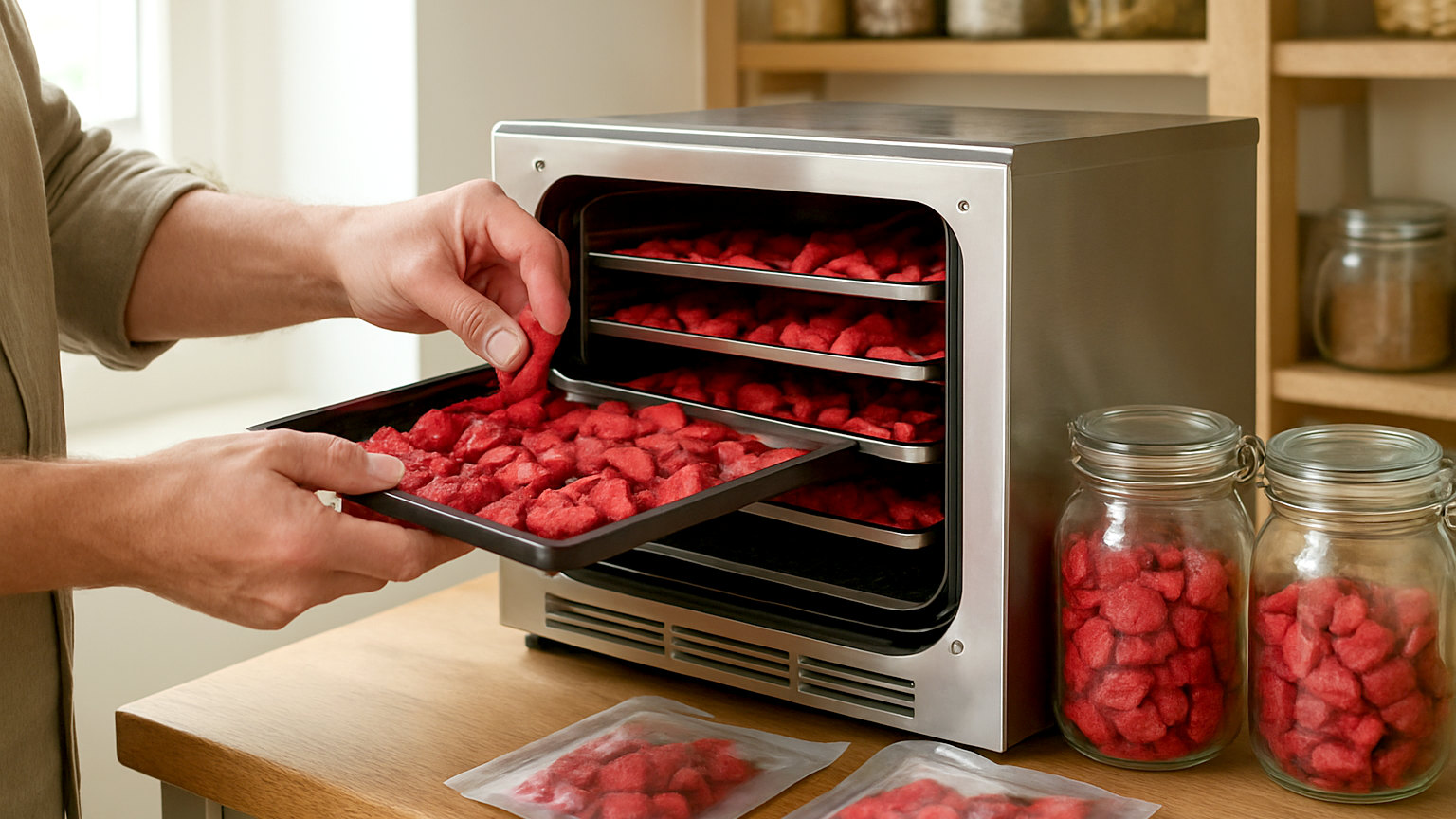
A serious machine producing genuinely excellent results at a serious price. For most households the economics do not work, and for a few they clearly do.
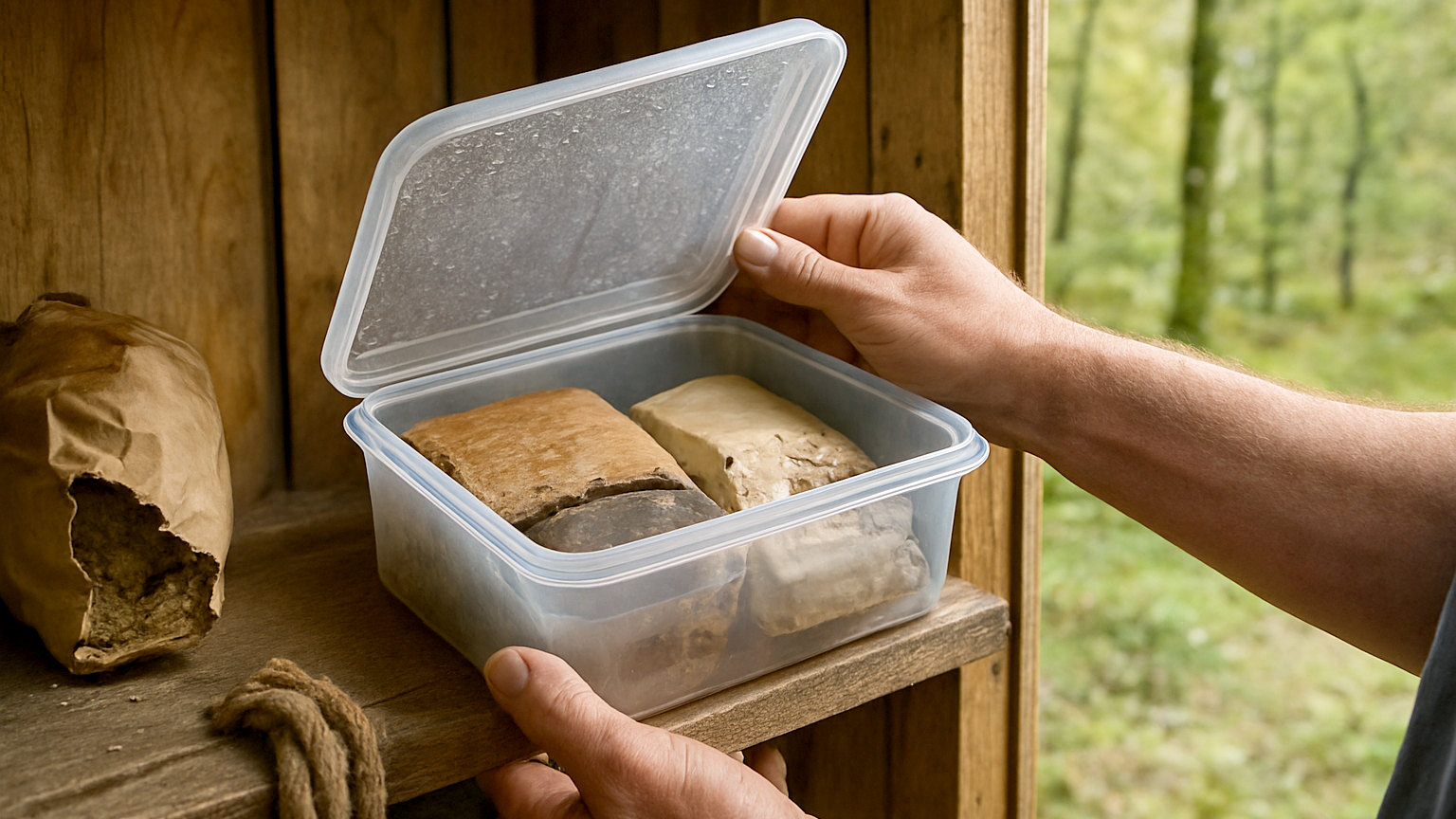
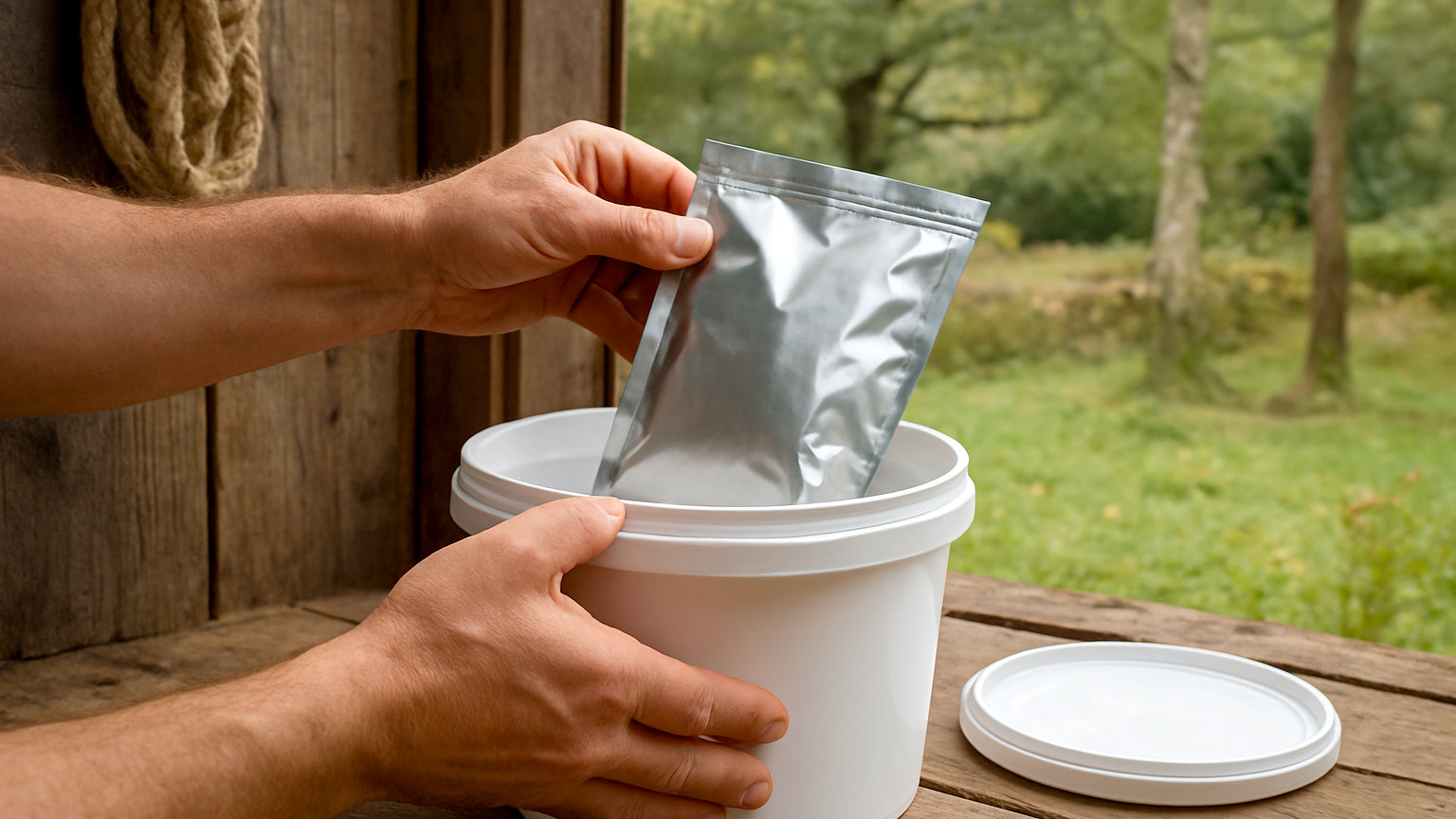
As physical protection around a mylar bag, not as the barrier itself. A bucket alone is neither airtight nor rodent proof over a decade.
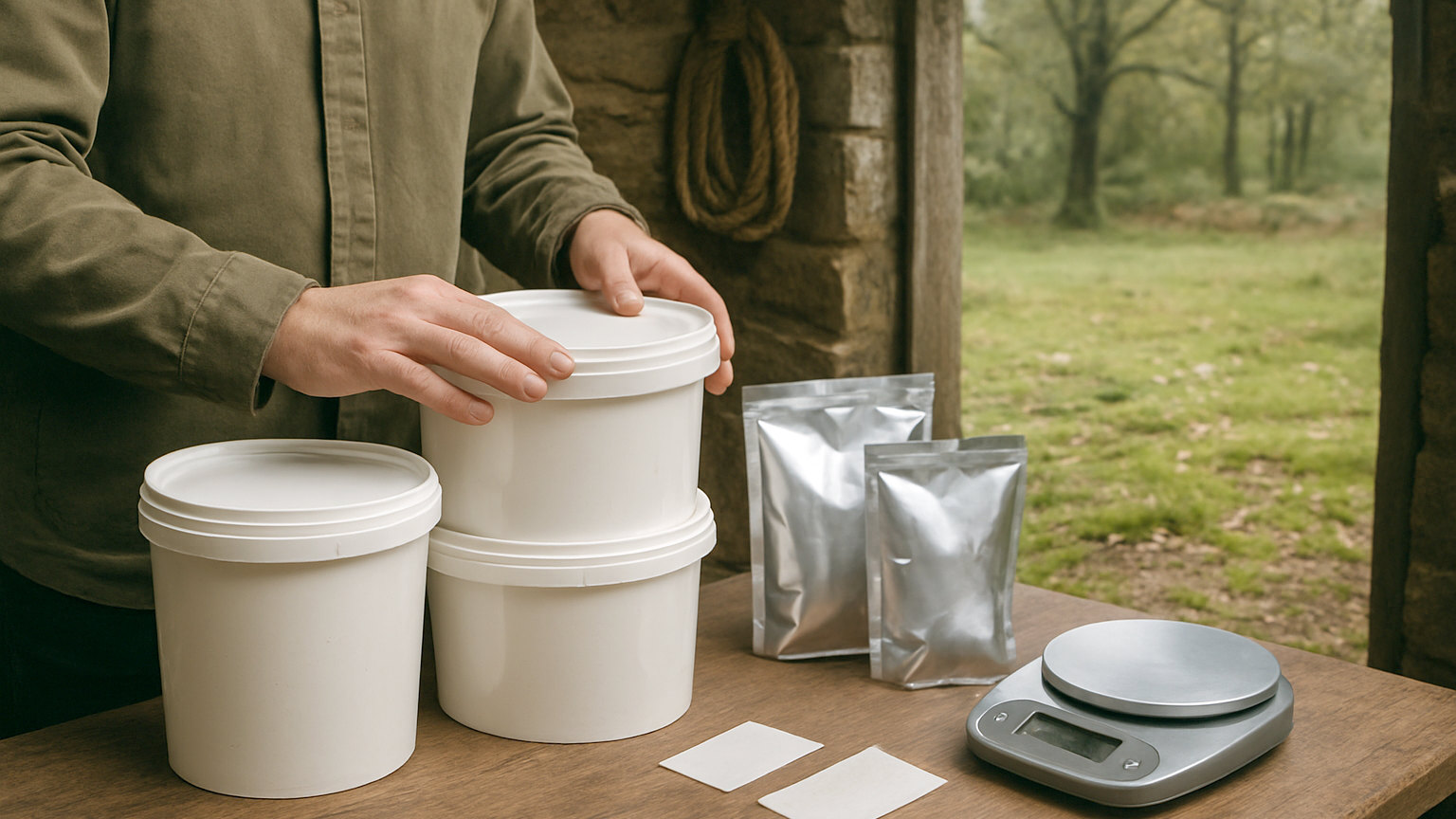
Contents, weight, date packed and absorber size, on the bag and the bucket. A decade later, an unlabelled store is a row of identical mysteries.
Freeze it first, pack it in mylar with absorbers, seal it in a bucket and keep it cool. The whole process takes an afternoon for a substantial quantity.
Decide at the outset whether it is a rotating store or a set aside reserve. Trying to do both usually produces neither.