Wild camping is one of the great pleasures of the British outdoors and its continued availability depends almost entirely on how the people doing it behave.
Where is it legal?
In Scotland, under statutory access rights exercised responsibly in accordance with the outdoor access code, with local byelaw restrictions in some areas including parts of Loch Lomond and the Trossachs. In England and Wales it generally requires the landowner permission, with the position in some specific areas having been subject to legal proceedings, so check the current situation for anywhere particular.
What does responsible mean in practice?
Small groups, high ground away from roads and houses, arriving late and leaving early, one night in a place, no fires, and leaving absolutely no trace. That set of practices is what has made wild camping widely tolerated even where it is not a right, and abandoning it is what causes byelaws and closures.
- Check the legal position for the specific area
- Small groups, one or two tents rather than a gathering
- Camp high and away from roads, houses and farmland
- Arrive at dusk and leave early in the morning
- One night in a place, then move on
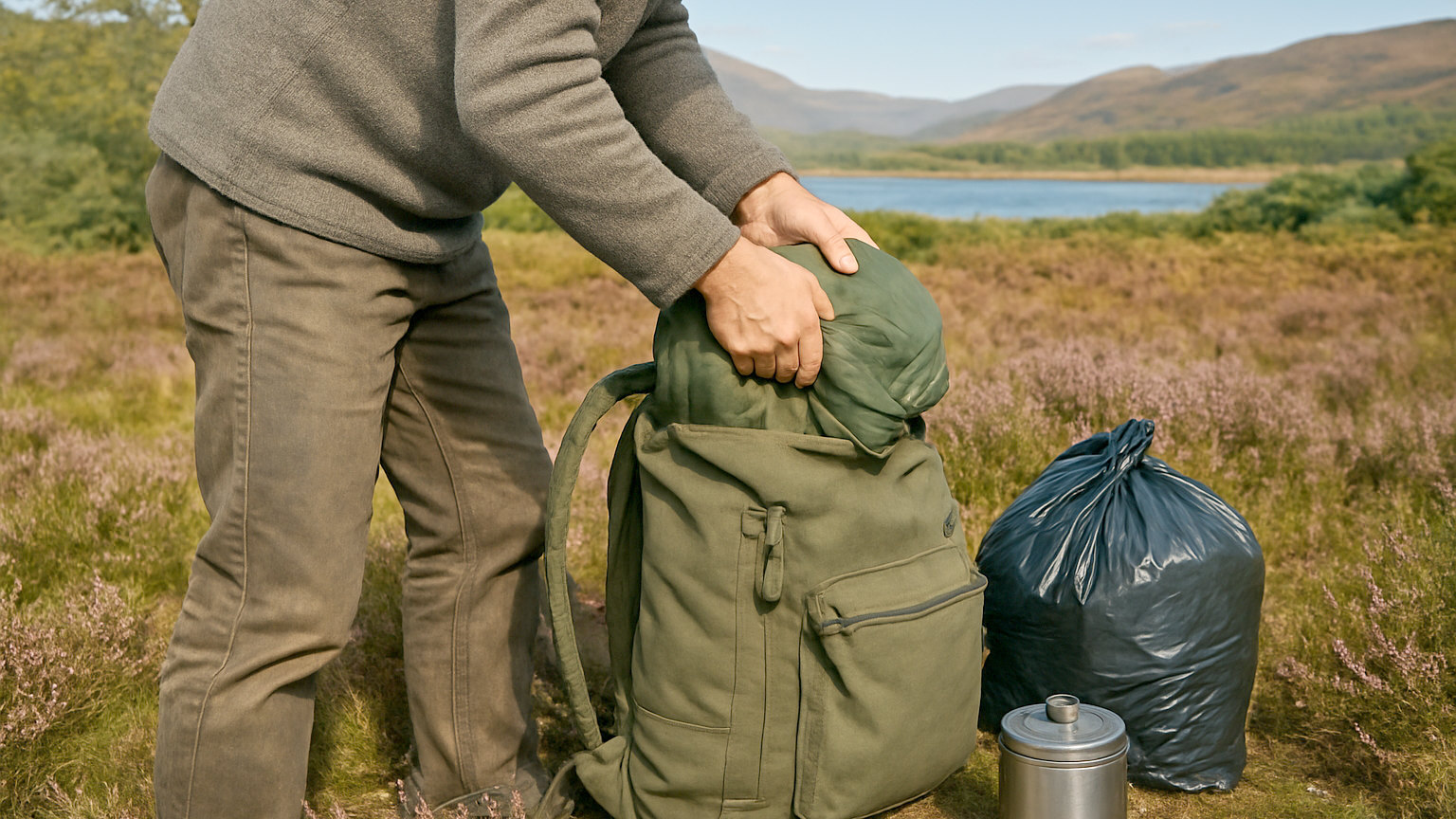
- Take everything out, including all waste
Where should you pitch?
On durable ground, away from paths, out of sight of roads and buildings, and not on the most obviously perfect spot beside a lochside or a summit cairn where everyone camps. Avoid enclosed farmland, ground with livestock, and anywhere your presence would obviously bother someone. Higher and further from vehicle access is generally better in every respect.
Why arrive late and leave early?
Because it minimises both impact and visibility, and it is the convention that keeps the activity accepted. A tent pitched at dusk and gone by eight in the morning affects nobody and leaves no worn ground. A camp set up at lunchtime for a weekend on a popular lochside is a different activity and is what has produced restrictions in Scotland.
What about fires?
Do not light one. There is no right to light a fire in England and Wales, the Scottish access code discourages them and rules them out on peat and in dry conditions, and fire scars are the most visible and long lasting damage a camper leaves. Use a stove, which is faster, more controllable and leaves nothing.
What about toilets?
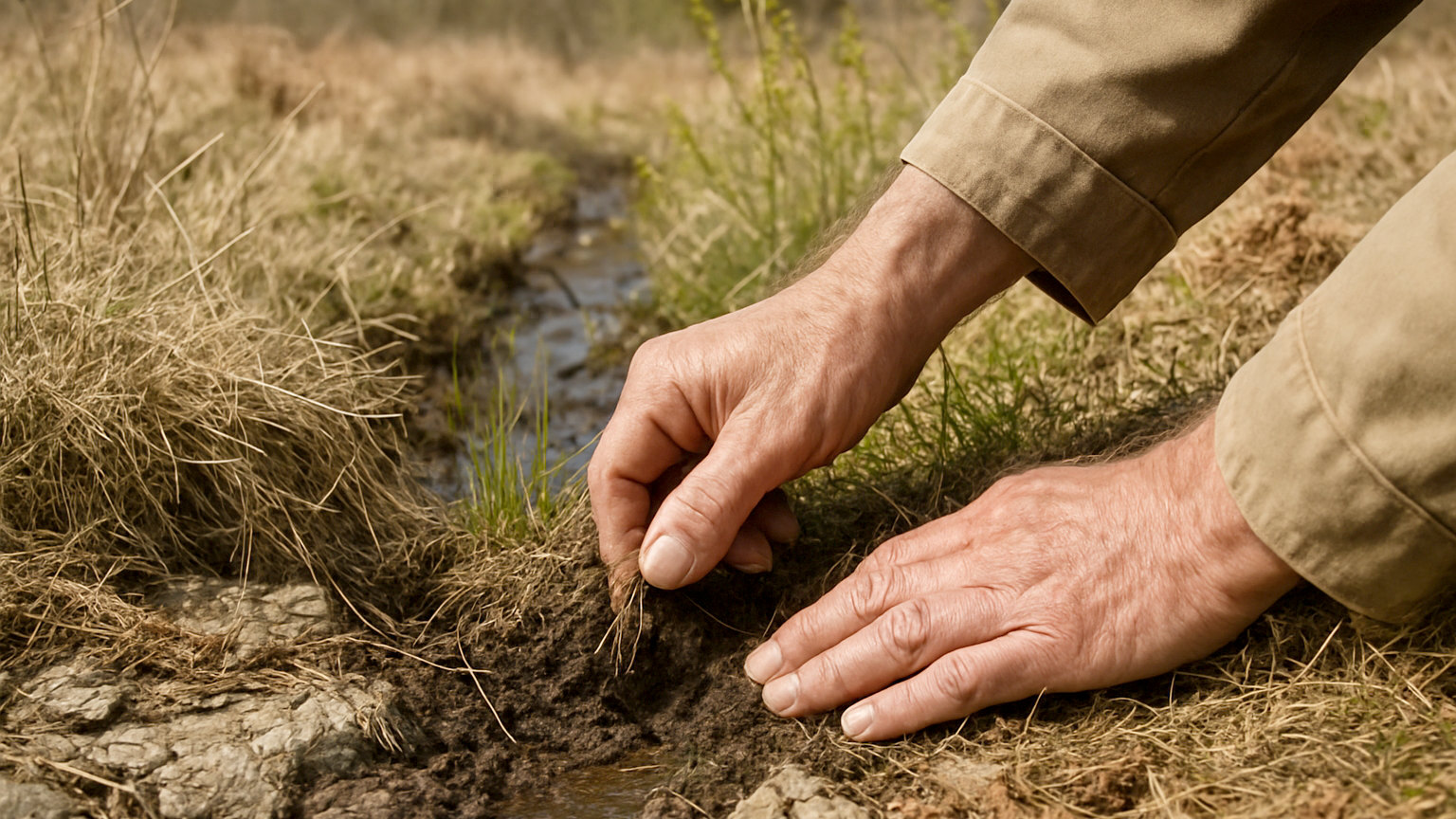
Well away from water, paths and camps, in a hole around fifteen to twenty centimetres deep, covered and disguised. Carry out paper or bury it fully, since paper left under a stone is the most common and most visible failure. On rock, thin soil and fragile upland, carrying it out in a bag is the only acceptable option and is easier than people expect.
What about water?
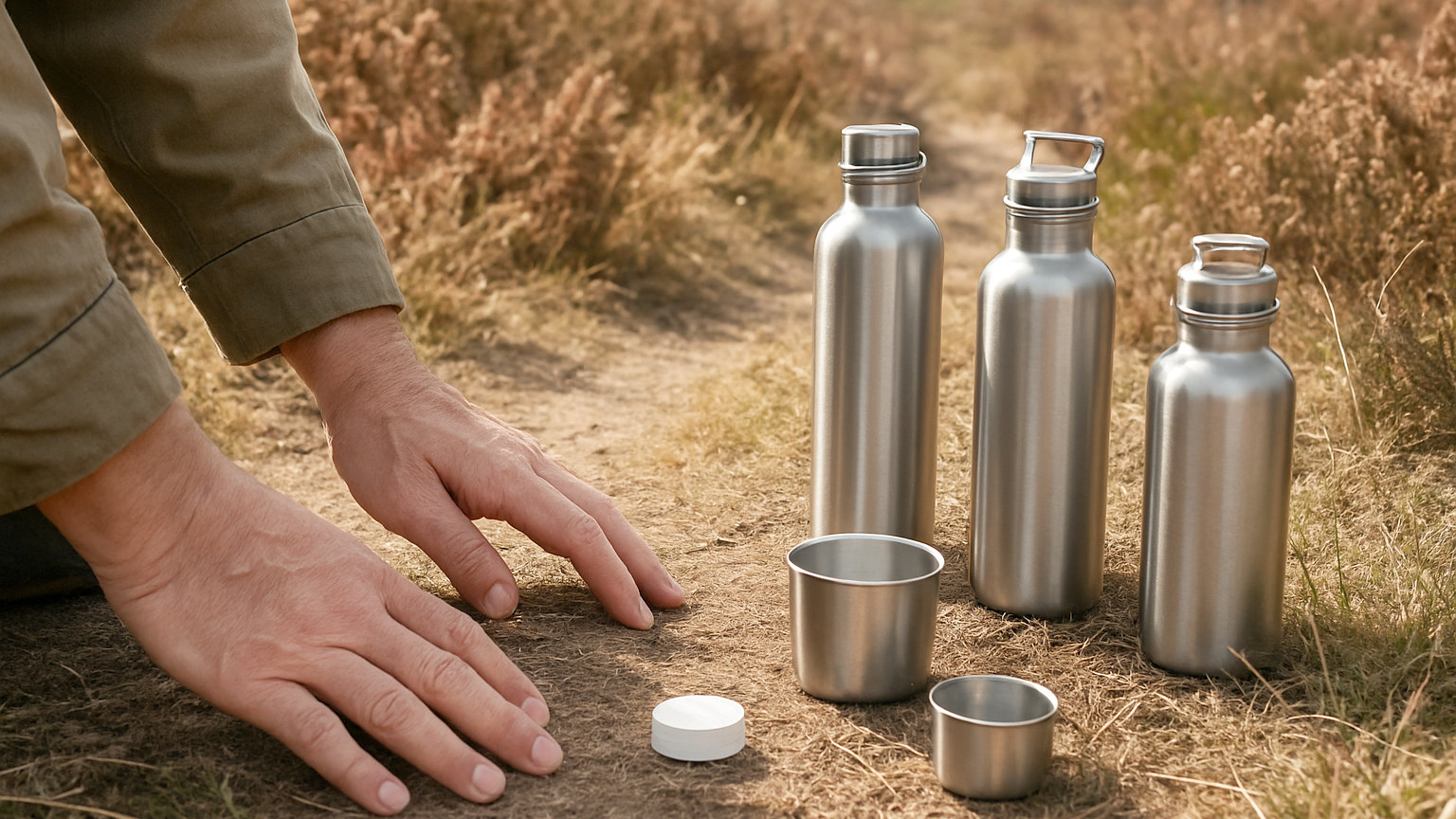
Carry it up or treat what you find. Camping high frequently means no convenient water, so carrying a couple of litres from the last stream is normal. Do not wash yourself, dishes or clothing in or beside a watercourse, and use no soap near water. Camp a little away from the burn rather than right on it.
What ruins it for everyone?
Abandoned tents, fire scars, rubbish, human waste and large groups on popular spots. Byelaws and camping restrictions in Britain have followed visible damage rather than the activity itself. Anyone wild camping is effectively negotiating on behalf of everyone who comes after, which is a genuine reason to be scrupulous rather than merely tidy.
What if someone asks you to move?
Move, politely and without argument. A landowner or estate worker asking you to leave is entitled to, and a courteous response takes thirty seconds and preserves goodwill for everyone. Arguing about rights on a hillside achieves nothing and produces exactly the resentment that leads to restrictions. Pack up and find somewhere else.
Check the legal position, camp high and small and late, use a stove rather than a fire, deal with waste properly, and leave the spot looking unvisited.