Paddlecraft have become enormously popular and account for a growing share of coastal rescues. The hazards are specific and the precautions are simple.
What is the offshore wind danger?
The single biggest cause of paddleboard rescues. A wind blowing from the land out to sea feels pleasant on the beach, since the water is flat and sheltered, and it carries an inflatable board and its rider away from shore faster than they can paddle back. Boards act as sails. The RNLI issues repeated warnings about this and it catches people out every summer.
How do you know the wind direction?
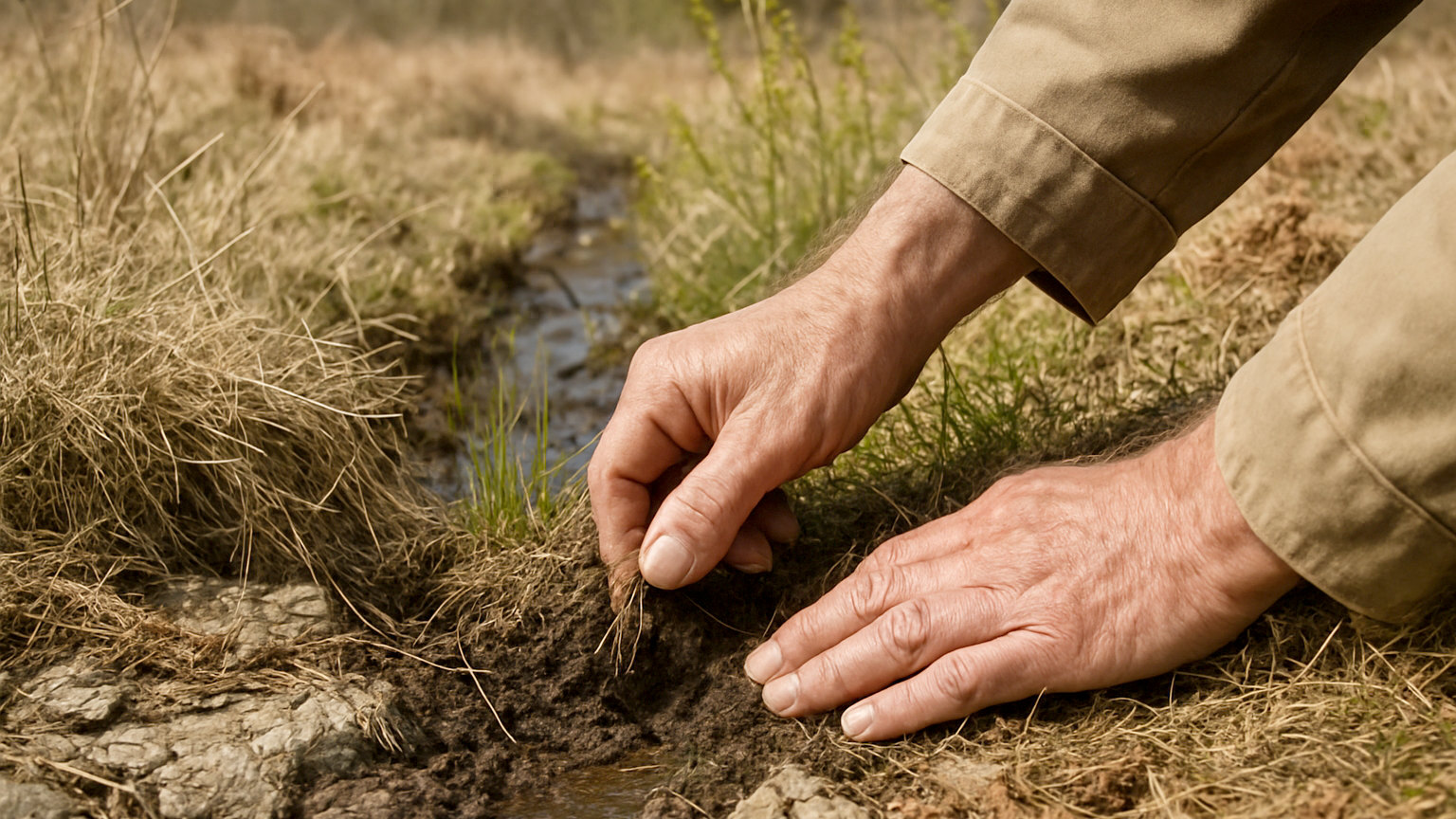
Check the forecast before going and look at the water. If the water near the shore is flat and calm while it is choppier further out, the wind is offshore. Flags, smoke and the direction waves are breaking all help. If the wind is blowing from behind you as you look out to sea, do not go out.
- Never paddle in an offshore wind
- Wear a suitable buoyancy aid, not just carry one
- Use the correct leash for the water you are on
- Carry a means of calling for help on your person
- Tell someone where you are going and when you will return
- Dress for the water temperature, not the air
What leash should you use?
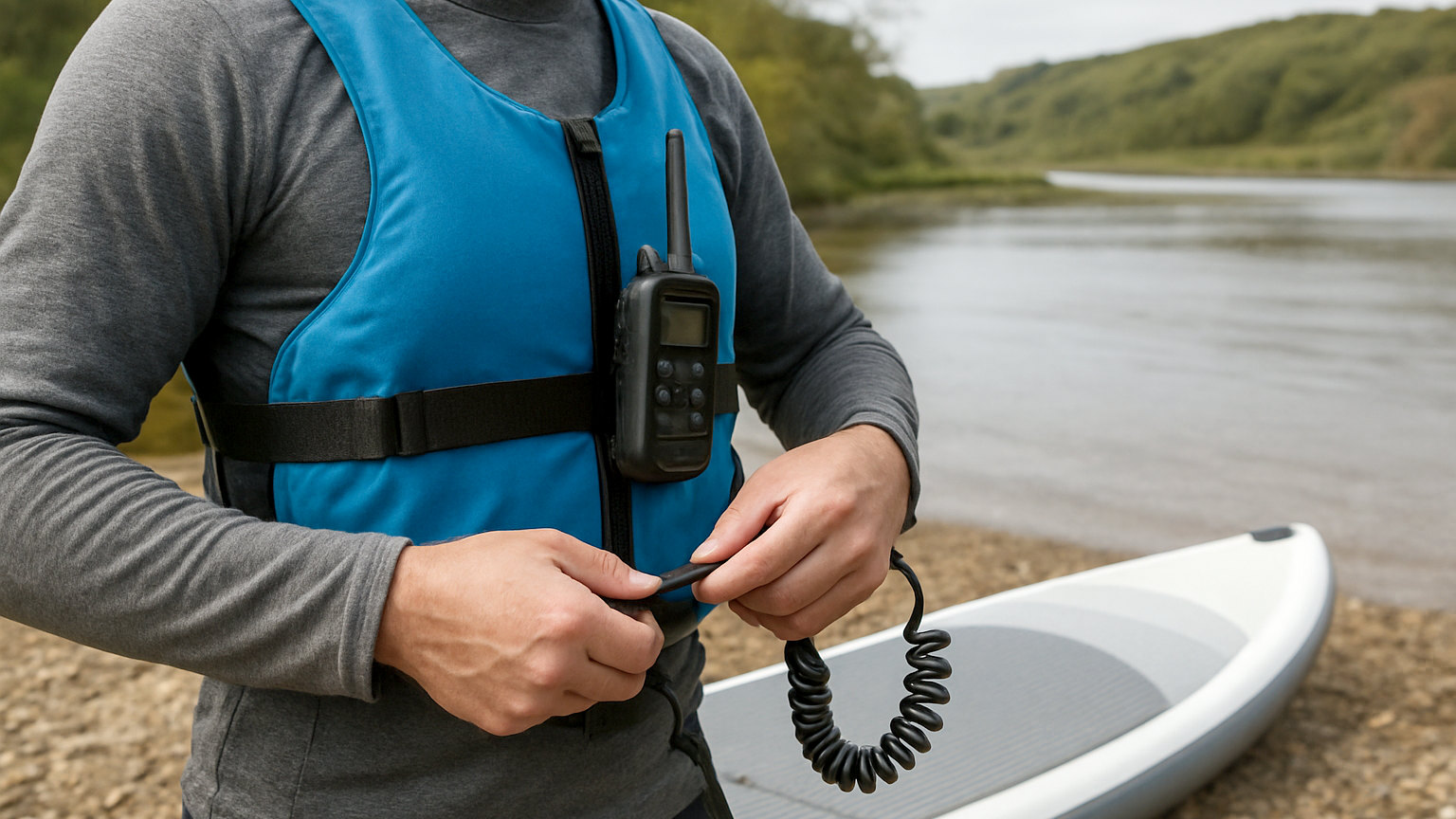
It depends entirely on the water, and getting it wrong is dangerous. On flat water and the sea, an ankle or calf leash keeps you attached to the board, which is a large buoyant object and your best flotation. On rivers and anywhere with moving water or obstructions, a quick release waist belt leash is essential, because an ankle leash can trap you underwater against a snag.
Why wear the buoyancy aid?
Because one strapped to the board is no use once you are separated. Falling from a paddleboard is normal and expected, and cold shock on entering British water affects everyone regardless of ability. A buoyancy aid worn, correctly fastened, is what keeps you afloat through the first minute when you cannot control your breathing.
How do you call for help?
With something attached to you rather than to the craft. A phone in a waterproof pouch on a lanyard, or better a handheld VHF or a personal locator beacon on the buoyancy aid. Equipment strapped to a board that has blown away is worthless. Call 999 and ask for the coastguard.
What about the water temperature?
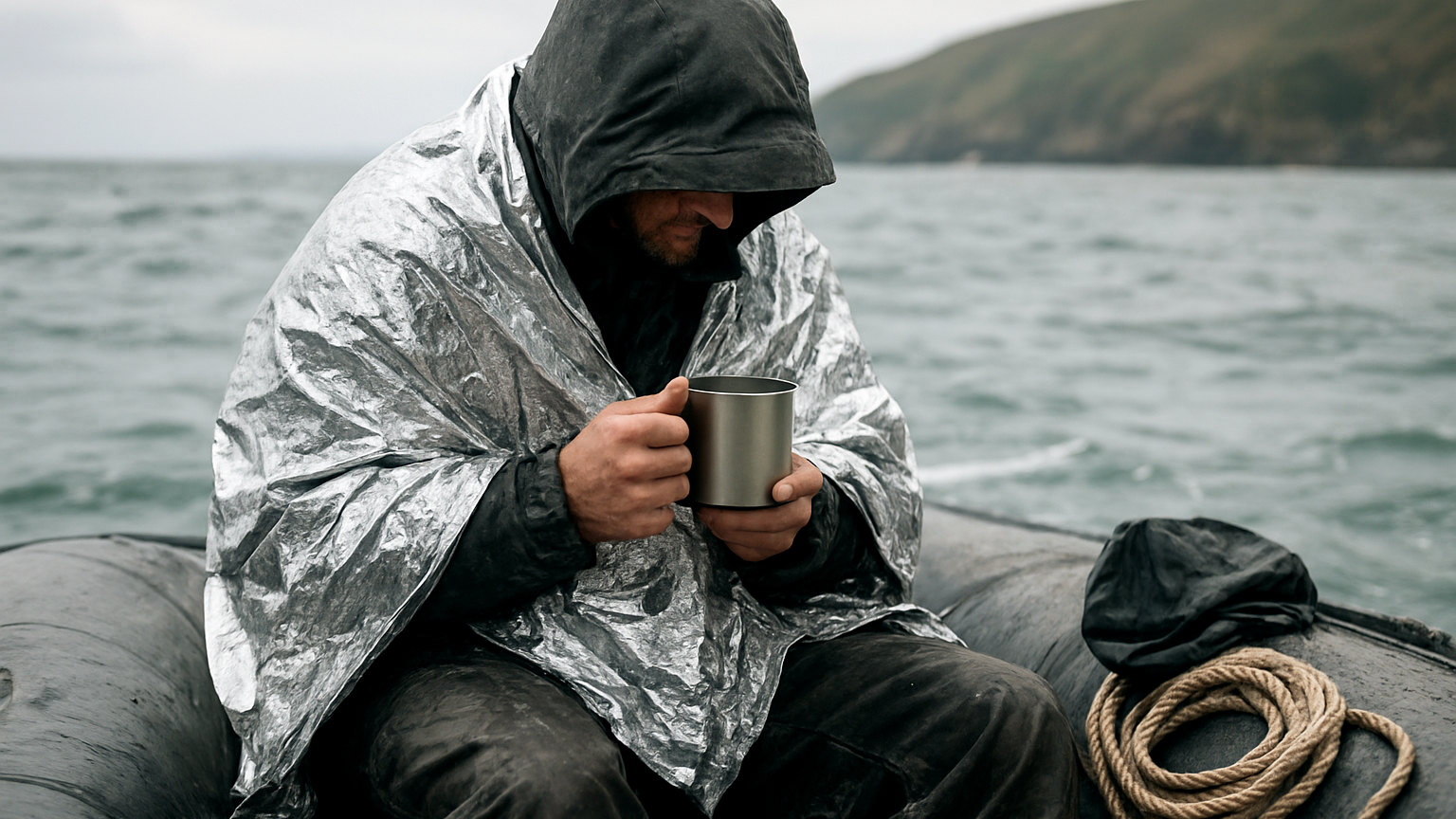
Dress for it, not for the air. British water is cold enough to cause cold shock for most of the year, including in summer when the surface may feel warm and the water beneath is not. A wetsuit or drysuit appropriate to the season is normal for paddlesport, and shorts on a warm day with cold water is a common mistake.
What if you get into difficulty?
Stay with the board or kayak, which floats and is highly visible, and never abandon it to swim for shore. Sit or lie on it, which gets you out of the water. Signal by raising one arm and waving slowly, which is the recognised distress signal. Call the coastguard if you can.
What about kayaks specifically?
Learn a wet exit before going out in a closed cockpit boat, and practise it. Carry a means of emptying water and reentering, or paddle with others who can assist. Sea kayaking in particular requires training in rescue techniques, and the transition from sheltered water to open coast is a much bigger step than it appears.
What about paddling with others?
It transforms the safety of the activity and it is not a substitute for equipment. A group can raise the alarm, assist a rescue and keep track of each other, and clubs provide exactly that along with training. Agree beforehand to stay together, to turn back at an agreed point, and that nobody continues alone if someone else stops.
Check the wind and never go out in an offshore breeze, wear the buoyancy aid, use the right leash, carry a phone or beacon on you, and dress for the water.