Exhaustion appears in a large share of outdoor incidents and it is not an event. It accumulates over hours through pace, sweat and inadequate fuelling, all of which are controllable.
What pace should you set?
One you could sustain all day, which for most people is slower than they naturally start. The reliable test is whether you can hold a conversation: if you are too breathless to speak in sentences, you are going too fast. Starting slowly and increasing feels counterintuitive and produces a much better day than starting fast and fading.
Why does sweating matter?
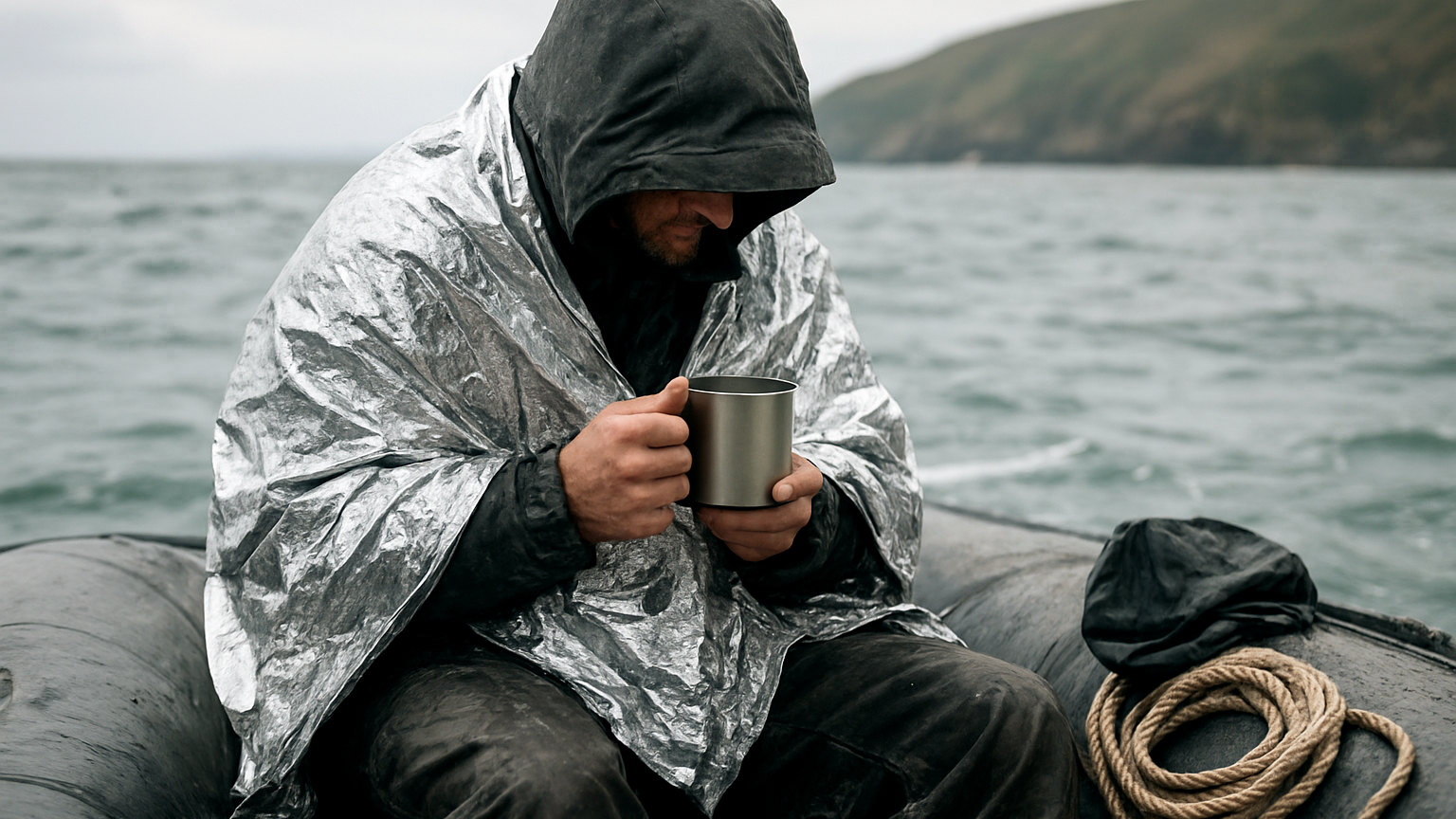
Because wet clothing loses insulation and then chills you when you stop. Sweat soaked base layers in a cold wind are a direct route to hypothermia, which is why layer management is a safety measure rather than a comfort one. The aim is to be slightly cool while moving rather than comfortably warm.
- Move at a pace you could hold for hours
- Start slightly cool rather than comfortably warm
- Remove a layer before you sweat, not after
- Add a layer the moment you stop, not when you feel cold
- Eat and drink at regular intervals rather than on demand
- Take short frequent stops rather than long infrequent ones
How do you manage layers?
Actively and frequently. Stop and remove a layer before you begin to sweat, particularly at the bottom of a climb, and put it back on the moment you stop at the top. Most people leave it too late in both directions, sweating on the way up and cooling rapidly at the summit. Vents, cuffs and a hat all allow finer adjustment than adding and removing whole garments.
How often should you eat?
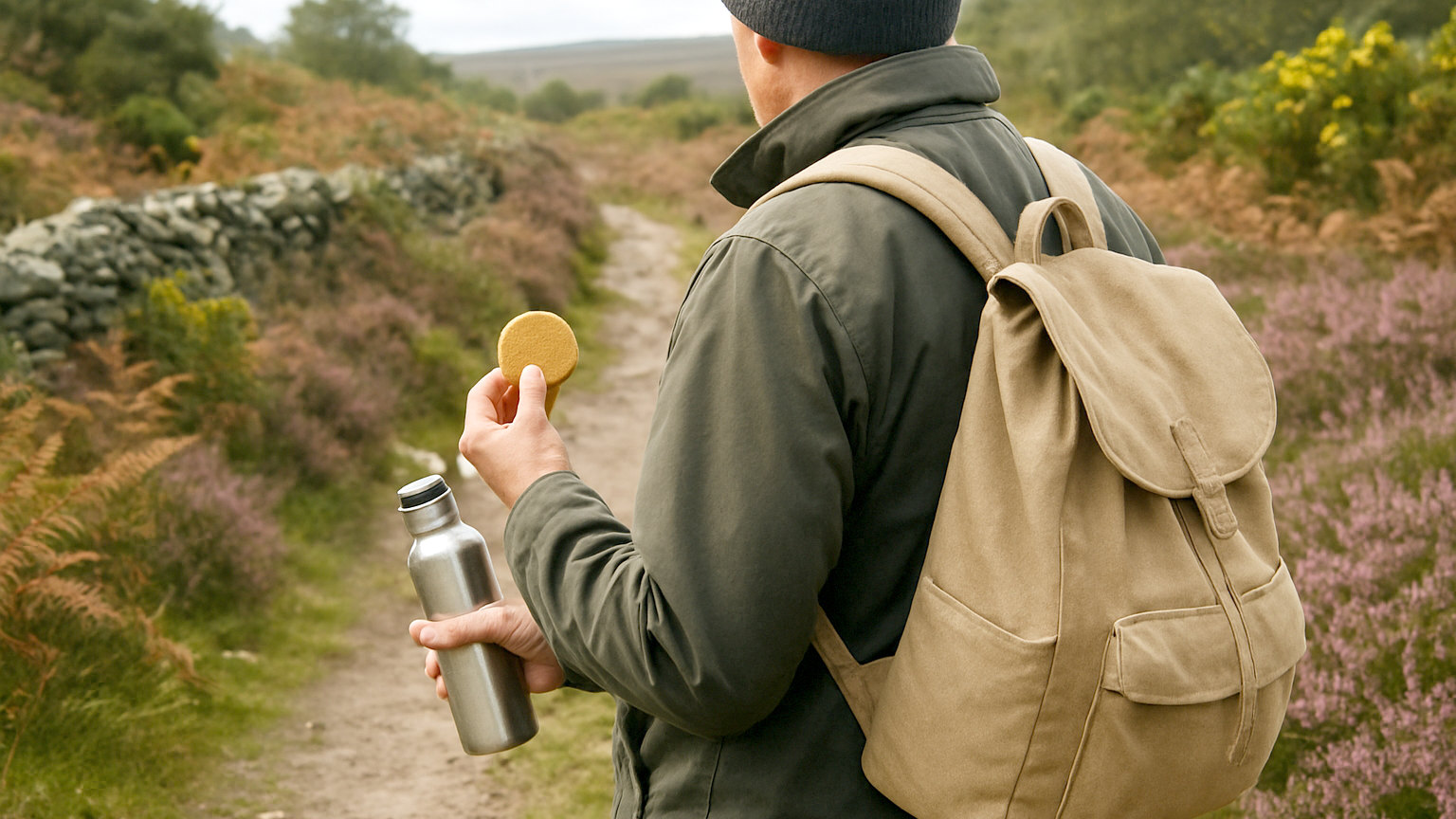
Little and often, on a schedule. Something every hour or so maintains energy far better than a single large stop, and it prevents the sharp decline that comes when reserves run out. Eat before you feel hungry, since by the time you notice, performance has already dropped. The same applies to drinking.
How should you take breaks?
Short and frequent rather than long and rare. Five minutes every hour, standing or sitting on a pack rather than lying down, keeps you warm and keeps momentum. Long stops allow you to cool substantially, stiffen up and lose motivation, and restarting after forty minutes is considerably harder than after five.
What about weight?
Carry less. Pack weight has a disproportionate effect on energy consumption and on how tired you are at the end, and most people carry things they never use. Being honest about the contents, and choosing lighter versions of the heavy items, does more for endurance than any amount of fitness in the short term.
How do you notice someone struggling?
By watching for the signs rather than waiting to be told. Falling behind, stumbling, going quiet, poor decisions, irritability and stopping eating and drinking are all indicators that someone is running out. People rarely announce it, particularly in a group where they do not want to hold others up, so it has to be noticed.
What do you do about it?
Stop, get food and drink into them, add a layer, and reconsider the plan. A tired person on a hill is a candidate for an incident, and continuing usually makes it worse. Taking twenty minutes and then choosing a shorter route is a far better outcome than pressing on and calling for help at dusk.
What about the return leg?
Budget for it properly, since most people plan the outward journey and assume the return happens. Fatigue, failing light and worsening weather all fall on the second half, and it is where the majority of incidents occur. A useful discipline is to turn round when you have used a little under half your energy and daylight rather than exactly half.
Set a conversational pace, stay slightly cool while moving, layer up the moment you stop, eat and drink hourly, take short frequent breaks, and carry less.