Water is the heaviest thing you carry and the thing most likely to be inconveniently absent from the best pitch. Planning it properly removes most of the difficulty.
How much do you need?
Around three to four litres per person per day for a camping trip, covering drinking, cooking and a small amount for washing, and more in hot weather or with strenuous walking. That is three or four kilograms per person per day, which is why carrying it all is impractical for anything beyond one night and why knowing where sources are matters.
How do you plan around it?
By identifying sources on the map before you go. Streams are marked, and knowing where the last reliable one is before a high pitch tells you where to fill up. Carrying two or three litres up from a stream to a dry summit camp is normal practice, and a collapsible container makes it far easier than trying to carry it in bottles.
- Plan three to four litres per person per day
- Identify sources on the map before you go
- Fill up at the last reliable stream before a high pitch
- Carry a collapsible container for camp water
- Treat anything you collect, by filtering or boiling
- Camp a little away from water rather than on the bank
Should you treat what you collect?
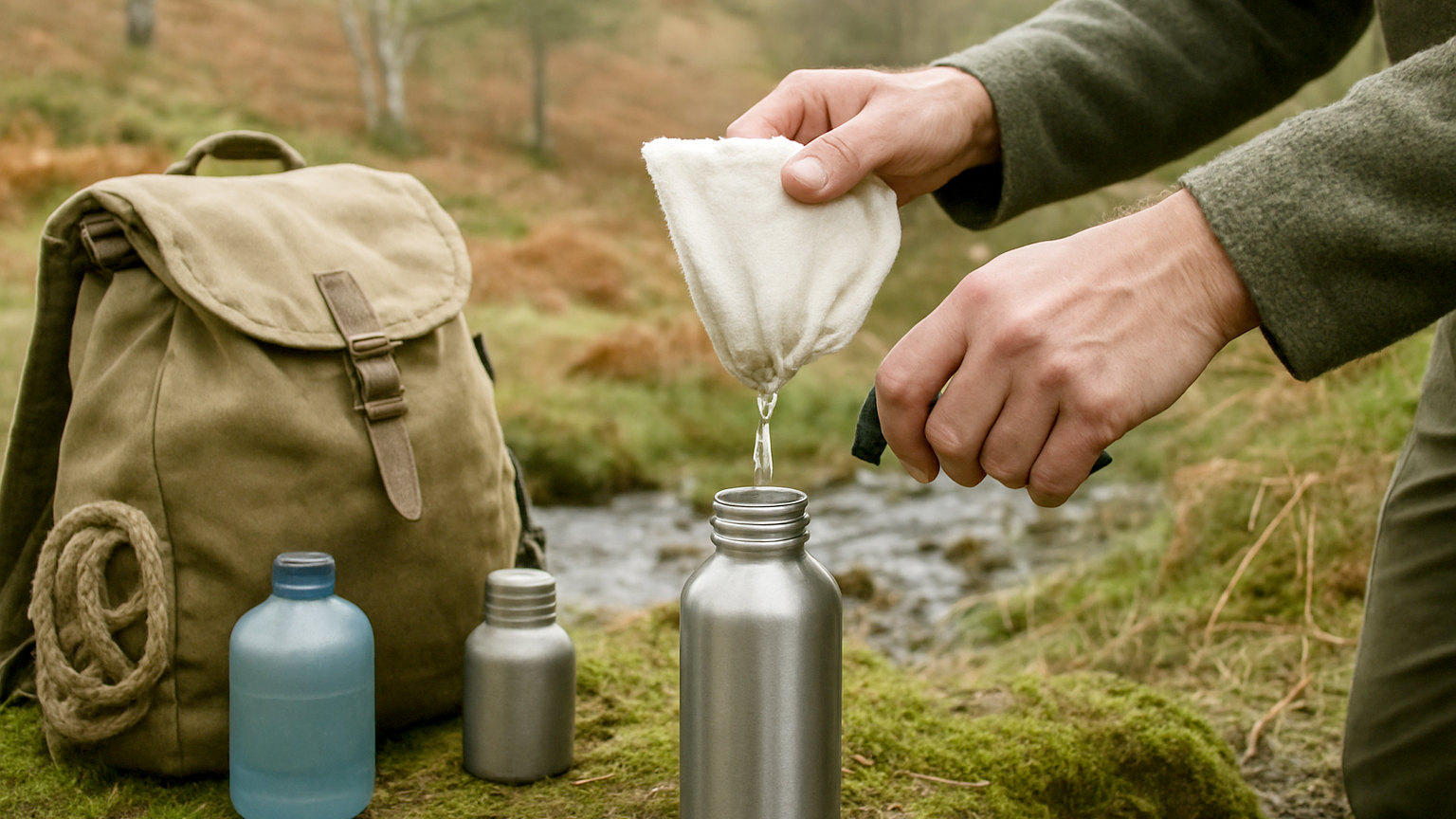
Yes, as a default. British upland water frequently carries organisms from livestock and wildlife, and giardia, cryptosporidium and campylobacter all cause several unpleasant days. Filtering with a proper filter, boiling for a minute, or using purification tablets all work, and a filter is the most convenient for camp quantities.
Which sources are best?
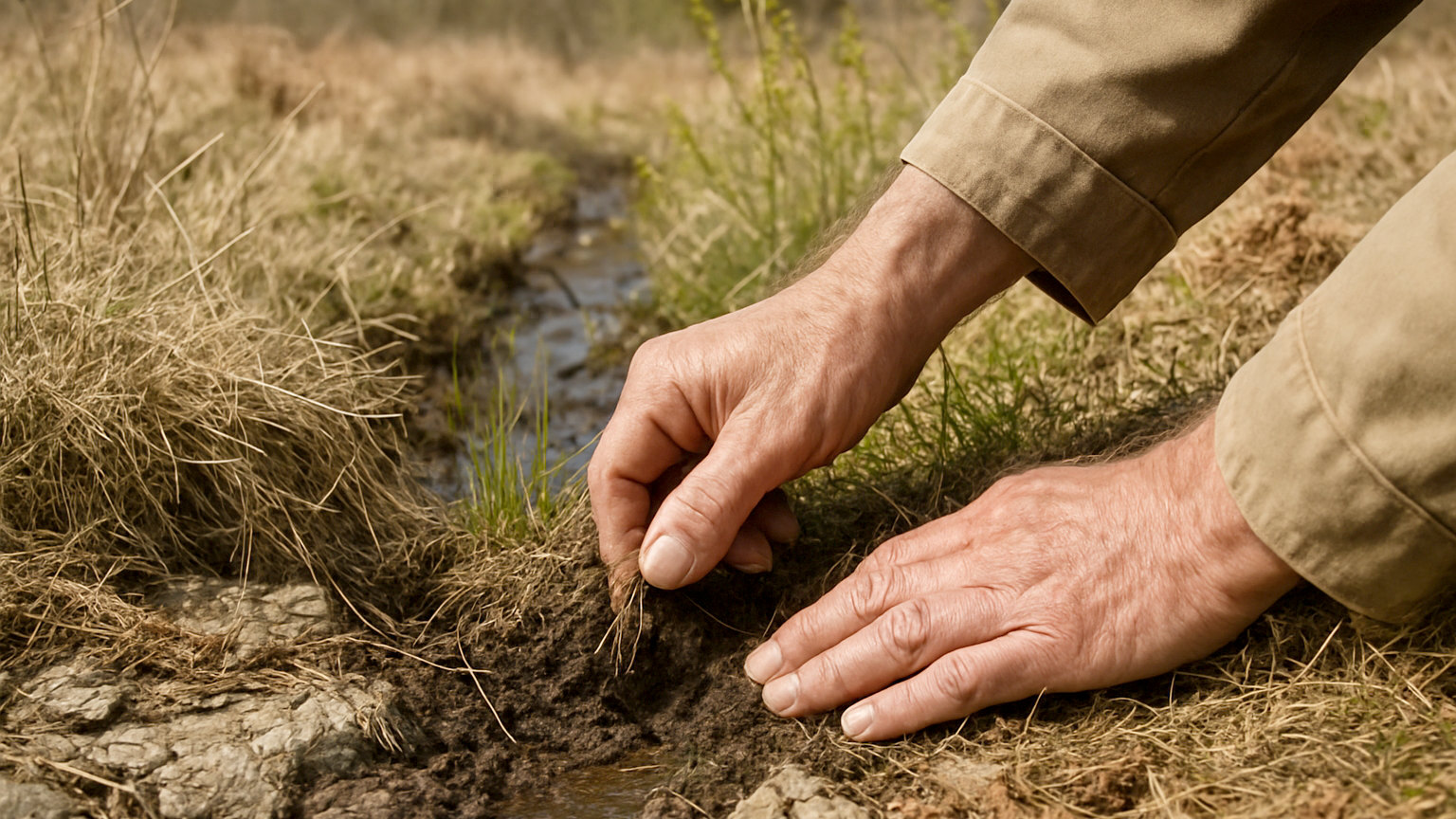
Fast flowing water high in a catchment, above any habitation, grazing or track. Springs where water emerges from the ground are generally excellent. Avoid standing water, anything downstream of sheep or cattle, anything with an oily sheen or unusual colour, and water from areas with mining history, which may carry metals that no filter removes.
Why not camp on the bank?
Because it is damp, midge ridden, disturbing to wildlife and concentrates impact on the most sensitive ground. It also puts you at risk if levels rise after rain, which happens quickly in upland catchments. Camp a little way off and walk to the water, which is better in every respect and is what the access codes ask for.
How do you collect it easily?
With a wide mouthed container or a collapsible bag, scooping rather than trying to fill a narrow bottle from a shallow trickle. A small cut down bottle used as a scoop makes filling from a thin flow far quicker. Take from the clearest part, facing upstream, without stirring up the bed.
What about winter?
Streams freeze and snow must be melted, which uses a great deal of fuel. Melting snow takes roughly ten times the fuel of heating the same volume of water, so winter camping requires substantially more gas than people plan for. Start with a little water in the pan rather than filling it with snow, which scorches.
What should you keep water in?
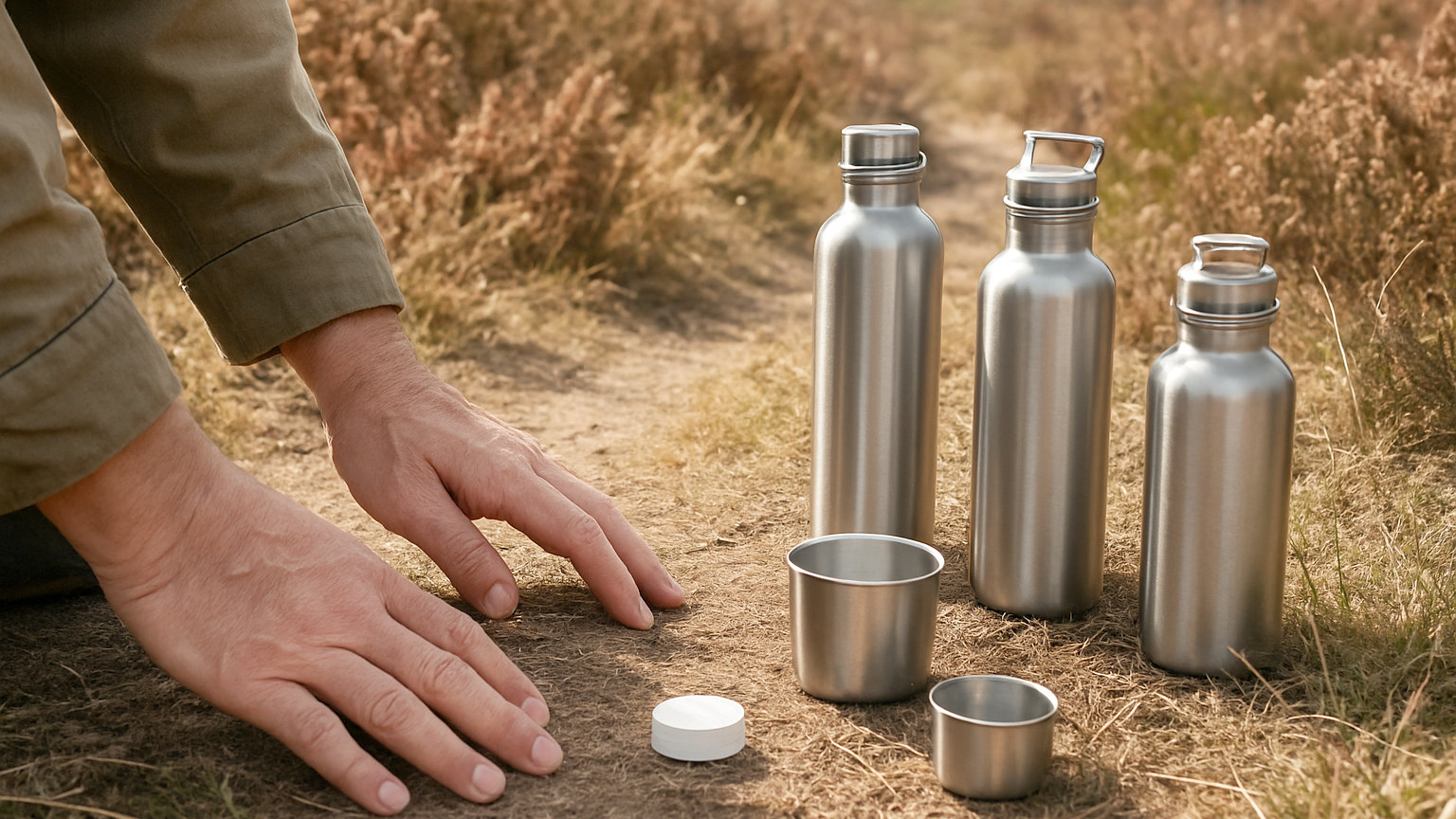
Something that will not spill in a tent and something for carrying volume. A bottle you can drink from and a collapsible container of a few litres for camp use covers it. Keep a bottle inside the sleeping bag in freezing conditions so it does not freeze, and never leave a filter where it can freeze, which ruins it invisibly.
What if the stream is dry?
It happens more often than people expect, particularly in summer and on limestone or high ground. Marked streams on maps can be seasonal, and a pitch chosen for its water source can turn out to have none. Carry enough to manage a dry camp, identify a backup source before you commit, and be prepared to move lower.
Plan three to four litres per person per day, fill up at the last stream before a high pitch, treat everything you collect, and camp away from the bank.