Hypothermia is the mechanism behind a large share of British outdoor deaths and it develops gradually enough that people around the casualty frequently miss it. This is general information rather than medical advice.
What is it?
A drop in core body temperature below around thirty five degrees, where heat loss exceeds heat production. It does not require extreme cold: wet, wind and exhaustion in British hill conditions at five degrees are entirely sufficient, and it occurs in summer as well as winter.
What are the early signs?
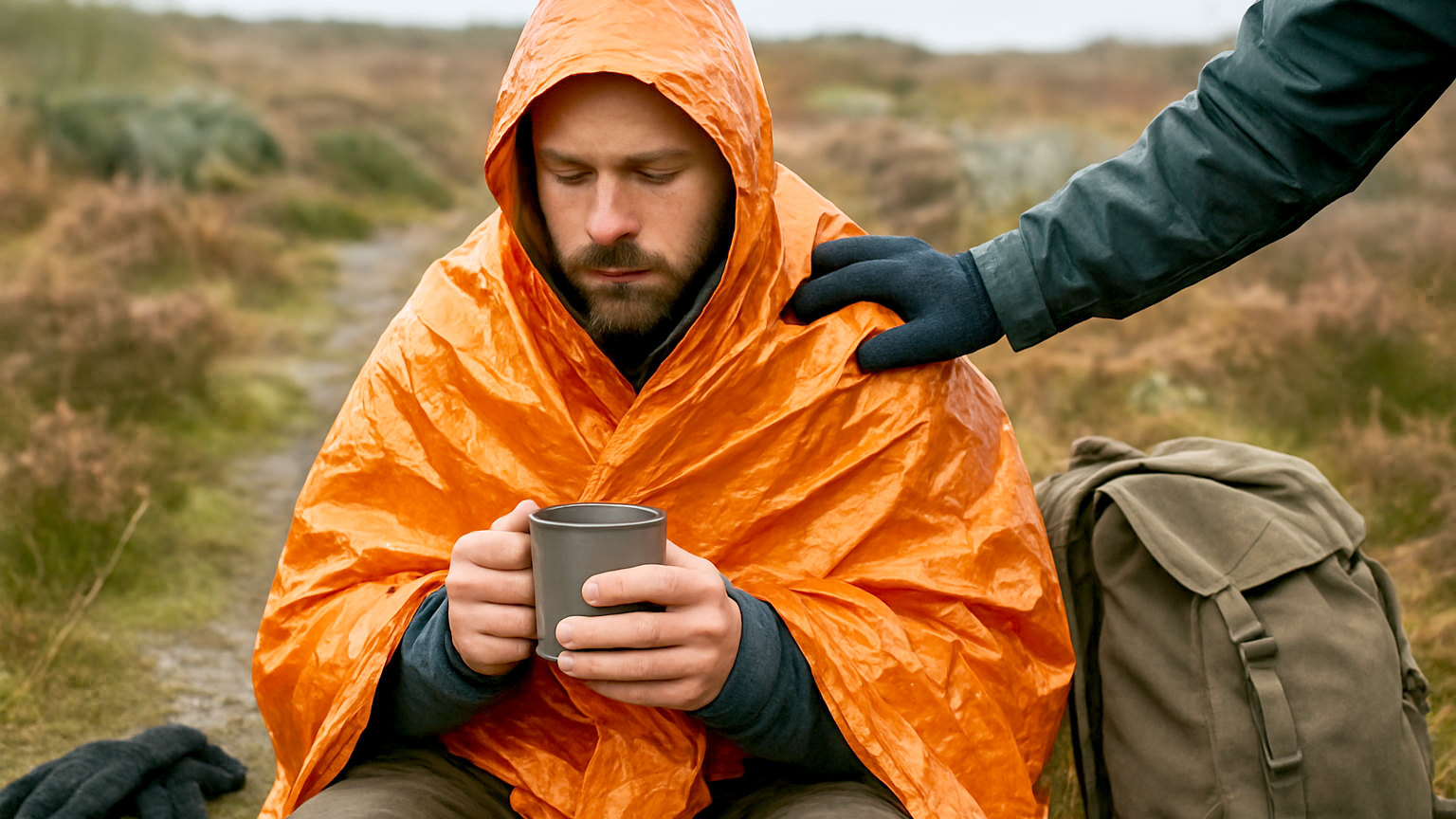
Shivering, cold pale skin, and the behavioural changes summarised as the umbles: stumbling, mumbling, fumbling and grumbling. Loss of coordination, slurred or slow speech, difficulty with simple tasks such as zips and buckles, and uncharacteristic irritability or apathy all appear before the person recognises the problem themselves.
- Shivering, cold skin and clumsiness are early signs
- Watch for stumbling, mumbling, fumbling and grumbling
- The person rarely recognises it in themselves
- Shivering stopping without warming is a serious sign
- Confusion, drowsiness or unusual behaviour means moderate or worse
- Call 999 for anything beyond mild and easily corrected
Why does the casualty not notice?
Because cooling affects judgement early and progressively. A hypothermic person frequently insists they are fine, becomes irritable when questioned, and makes poor decisions about continuing. This is why it is a group responsibility to notice, and why the person least able to assess the situation is the one affected.
What is moderate hypothermia?
Roughly between twenty eight and thirty two degrees, where shivering weakens and then stops, confusion becomes marked, speech is slurred, and the person becomes drowsy and uncooperative. They may behave irrationally, including removing clothing, which is a recognised phenomenon. At this stage the situation is serious and requires emergency help.
Why is shivering stopping bad?
Because it means the body has run out of the capacity to generate heat, either through exhausted fuel reserves or because the core has cooled too far. Someone who stops shivering while still cold is deteriorating rather than recovering, and it is one of the most misread signs in the whole subject. Shivering ceasing without the person clearly warming is a reason to call for help.
What is severe hypothermia?
Below around twenty eight degrees, where the person becomes unconscious, breathing and pulse become very slow and difficult to detect, and muscles may be rigid. They may appear dead. This requires immediate emergency treatment, extremely gentle handling, and resuscitation attempts should continue, since people have recovered fully from apparently hopeless presentations.
Who is most at risk?
Anyone wet, tired, underfed and exposed to wind, which describes a great many walkers late in a difficult day. Also children, who cool faster, older people, anyone immobile through injury, anyone who has been drinking alcohol, and thin people with less insulation. Injury and hypothermia together are a common and dangerous combination.
What should you do about early signs?
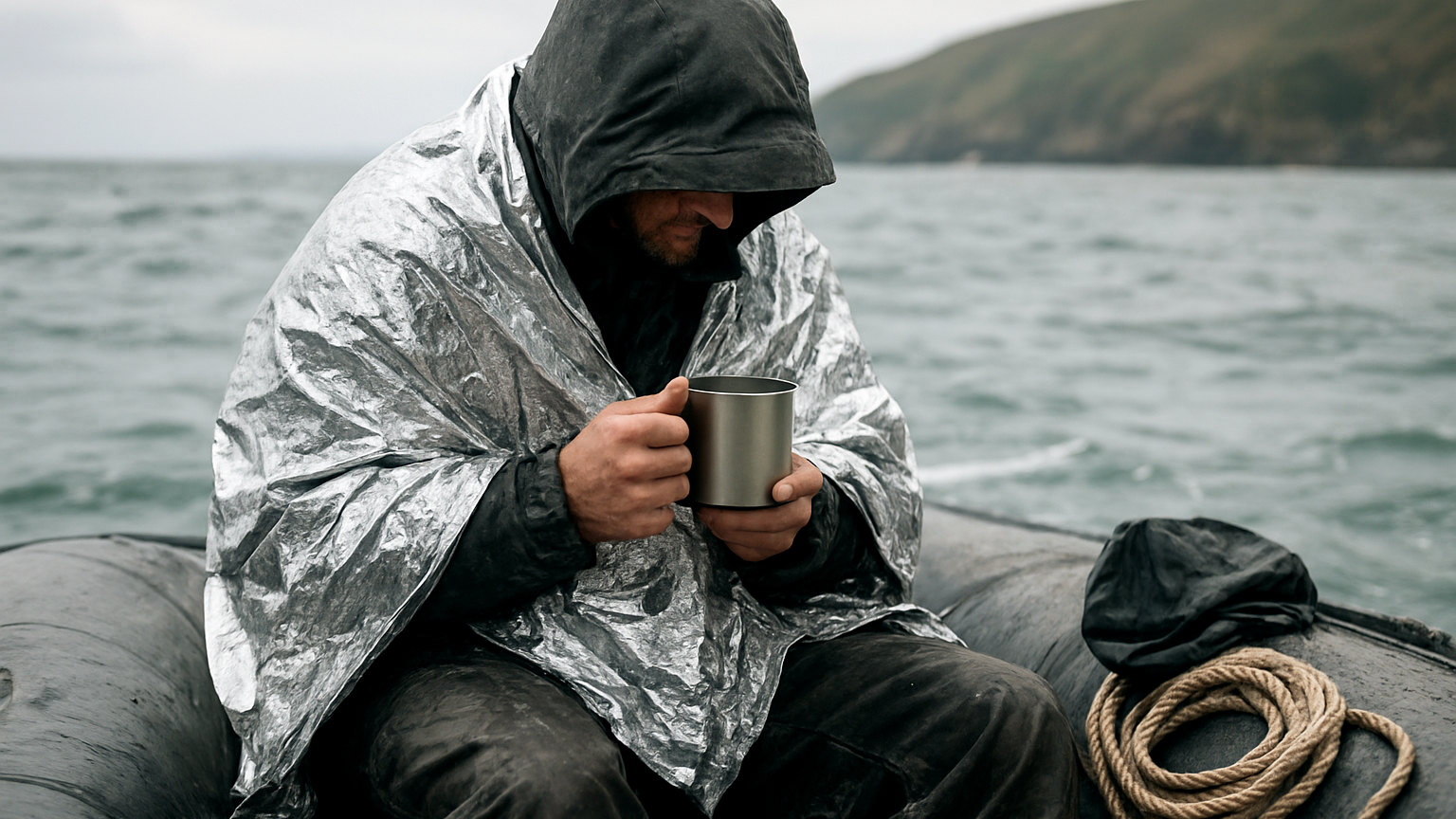
Act immediately rather than watching. Get them out of the wind, insulate them from the ground, replace wet layers if you can, add insulation, give warm sweet drinks and food if they are fully alert, and reconsider the plan entirely. Early hypothermia corrected promptly is straightforward, and letting it progress is not.
Can it happen in summer?
Readily, and it does every year. Wet clothing, wind and exhaustion on a British hill in July are entirely sufficient, particularly for someone in cotton who has been walking in rain for hours. Summer hypothermia catches people out precisely because they do not expect it and are dressed for the forecast rather than for what happens if they stop moving.
How do you assess someone?
Ask them to do something rather than asking how they feel. A simple task such as undoing a buckle, or a question requiring a proper answer, reveals coordination and thinking far better than a report of being fine. Watch how they walk and listen to how they speak, since both change measurably before the person notices anything themselves.
Watch for clumsiness, slurred speech and irritability, act on early signs immediately, treat shivering stopping as serious, and call 999 for anything beyond mild.