Shade is the most effective heat protection available and improvised shade is frequently built in a way that provides much less benefit than it could.
Why does elevation matter?
Because the ground is the problem. Surface temperature in strong sun can be far above the air temperature, and lying directly on it means absorbing that heat by conduction while being shaded from the sun above. Raising yourself even thirty centimetres off the surface, with air moving underneath, makes a substantial difference.
What is a double layer?
Two layers of material with a gap between them, which is dramatically more effective than one. The upper layer absorbs the sun and heats up, and the gap allows air to carry that heat away before it reaches the lower layer. Traditional desert shelters and military shade structures both use this principle and it can reduce temperature underneath considerably.
- Get off the hot ground and allow airflow underneath
- Use two layers with a gap rather than one
- Open the sides to let air move through
- Use natural shade: rock overhangs, gullies, vegetation
- Digging down a little reaches cooler ground
- Move the shelter as the sun moves
Should it be enclosed?
No, the opposite of cold weather shelter. Heat shelter needs maximum airflow, so open sides, an open windward end and as much ventilation as possible. Enclosing the space traps hot air and prevents any cooling from evaporation and convection. The aim is shade with a breeze rather than a sealed space.
What natural shade works?
North facing rock faces and overhangs in the northern hemisphere, which stay shaded through the day. Gullies and the shaded side of dunes and ridges. Vegetation, which provides shade and evaporative cooling. Any large object with a shadow, moved into as the shadow moves. Look for these before building anything, since natural shade requires no effort.
Does digging help?
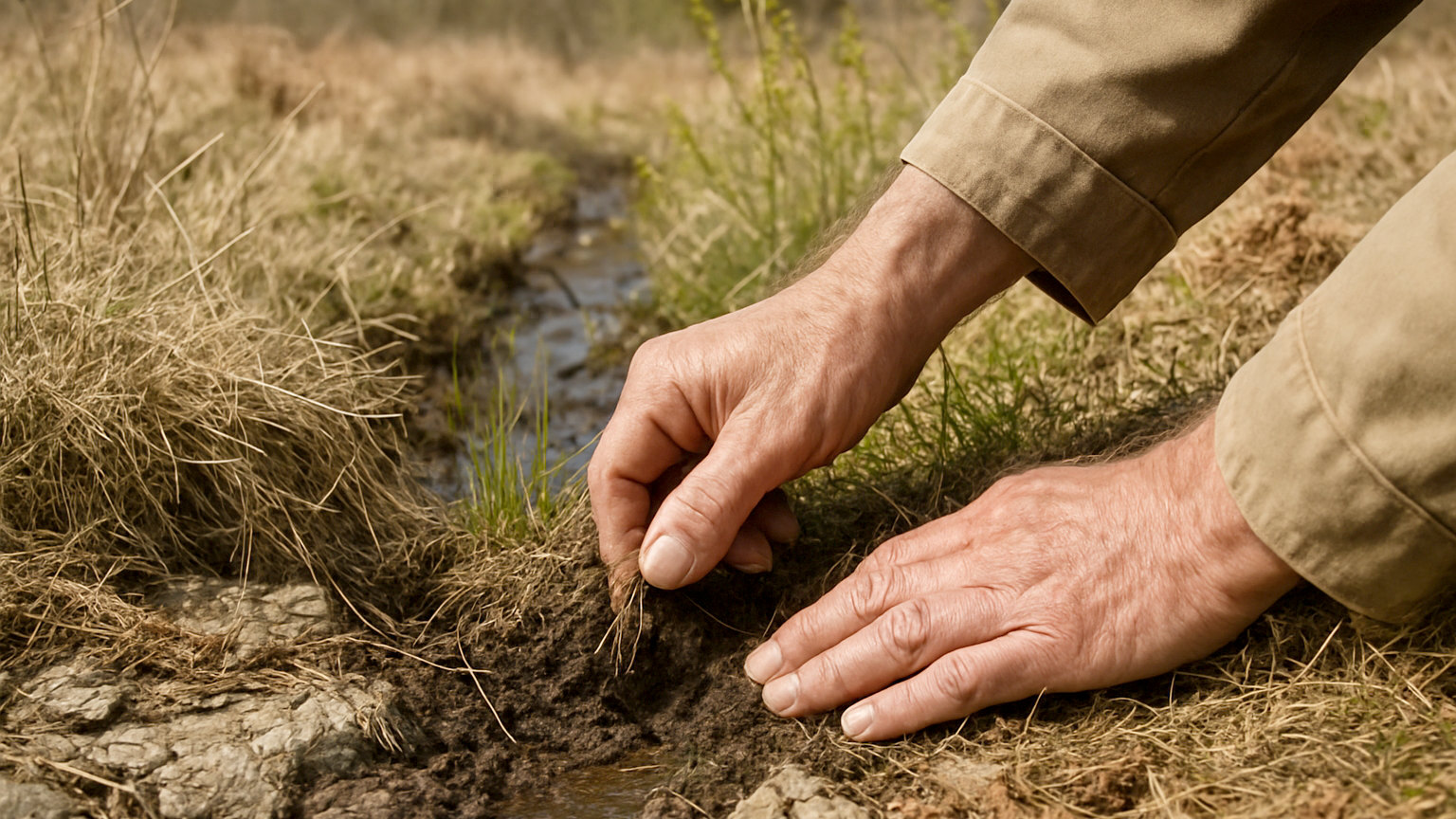
A little way down, yes. Ground temperature falls with depth, so scraping away the hot surface layer and sitting in a shallow depression is noticeably cooler than sitting on top. Digging deeply is exhausting and generates heat and costs water, so it is a trade that only pays for a modest scrape rather than a serious excavation.
What can you use?
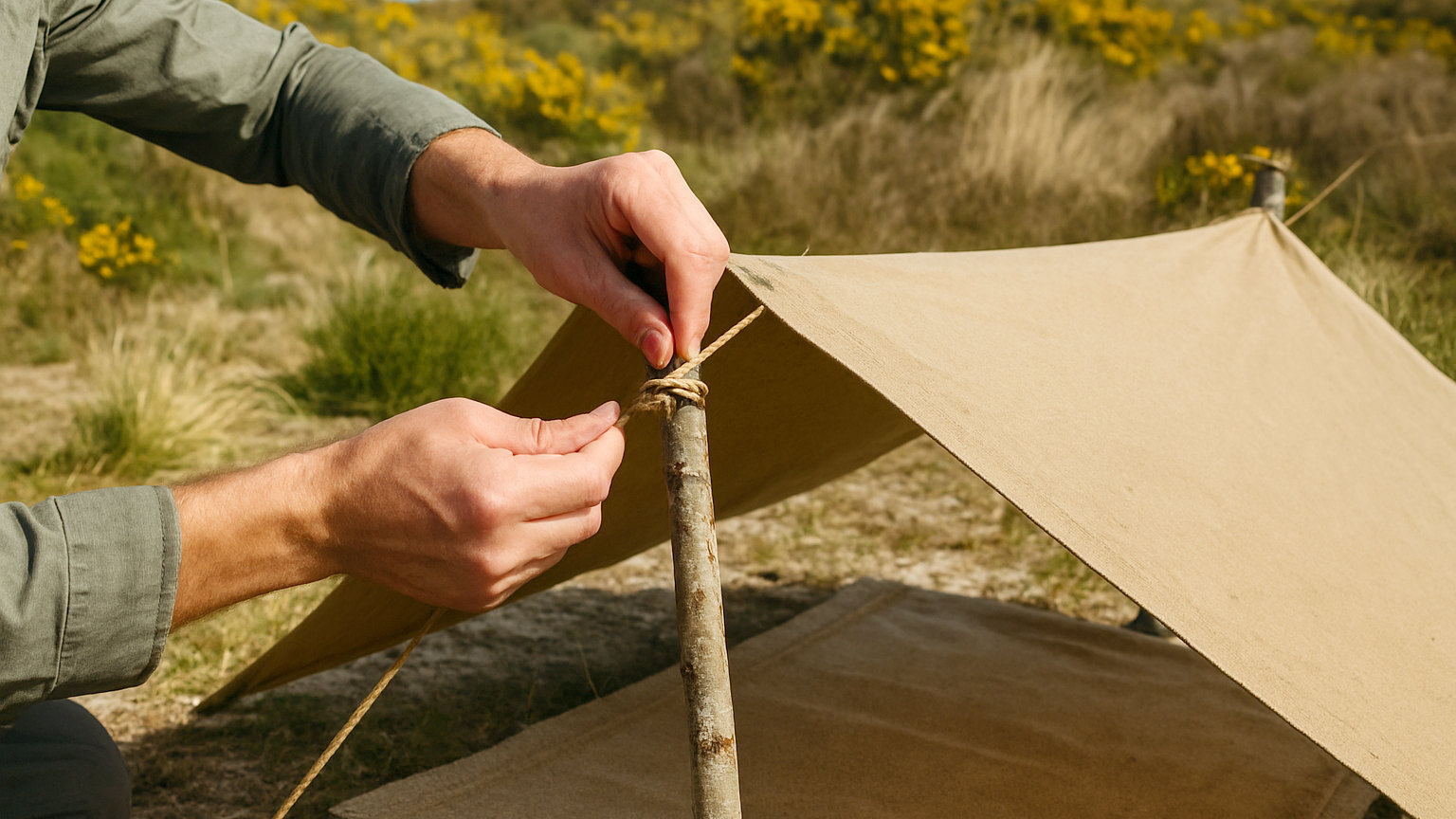
A tarp, a survival blanket with the reflective side outward, a groundsheet, spare clothing, a vehicle, a bicycle and a jacket, or an umbrella, which is genuinely excellent and used deliberately by desert walkers. Reflective material facing the sun helps, and any opaque material is far better than nothing.
When should you build it?
Before you need it, in the cool of the morning. Building shade during the hottest part of the day costs energy and water at exactly the wrong time. If you know you will be stopping through the middle of the day, set up early. If you are in difficulty, get shade established immediately rather than after becoming affected.
What about at night?
Deserts get genuinely cold at night, sometimes dramatically so, because clear dry air radiates heat away rapidly after sunset. The same shelter needs to work in reverse, so plan for insulation and cover, and carry warm layers even for a trip where heat is the obvious concern. People are caught out by desert cold surprisingly often.
How much difference does it make?
A very large one. Moving from full sun into shade removes the direct radiant load immediately, and a well made double layer shelter with airflow can be substantially cooler underneath than the exposed ground beside it. It is the single most effective intervention available in heat, and it requires no water and very little energy once established.
What about a vehicle or a tent?
Both become ovens in strong sun and both are useful as shade structures rather than as shelters. Rig a sheet from the side of a vehicle and sit beside it. Pitch a tent flysheet alone, without the inner, and open every side. The rule is that anything enclosed traps heat, and the same equipment used to create shade with airflow works well.
Get off the ground, use a double layer with a gap, keep the sides open for airflow, use natural shade first, and build it before you need it.