Pitching in still sunshine tells you nothing about pitching in a gale with rain going sideways. The technique is different and it is worth practising before you need it.
Where should you pitch?
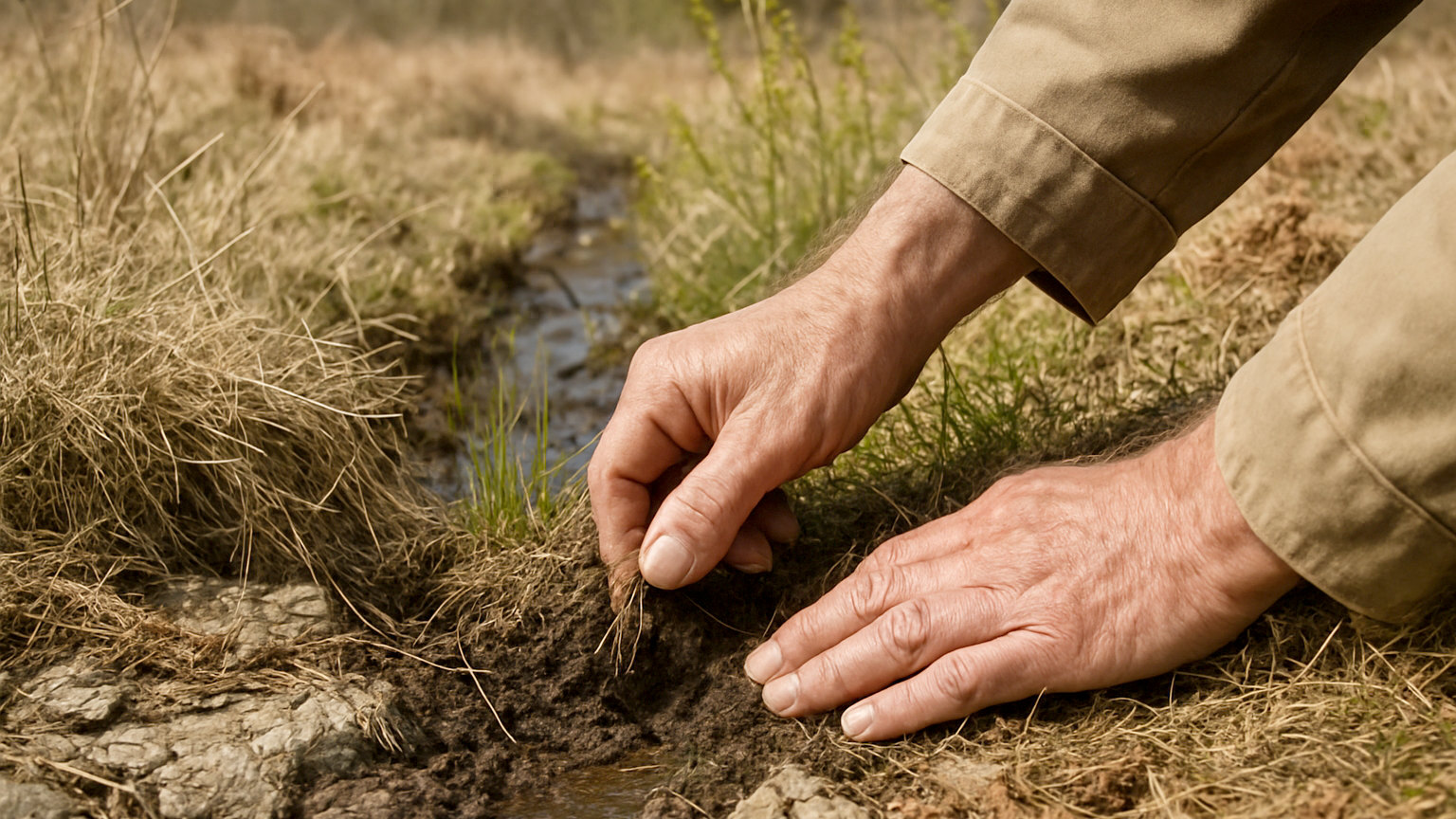
Behind natural shelter where possible, on ground that drains, out of hollows and away from anything that could fall. A wall, a bank, a boulder or a fold in the ground reduces wind enormously. Avoid the tempting flat spot in a hollow, which collects both cold air and water, and never pitch beneath dead branches.
Which way should it face?
Depends on the design and generally with the smallest, strongest end into the wind. Tunnel tents must have the tail into the wind, since they are not freestanding and present a large side. Position the door away from the wind so it does not scoop air, and consider where you will get in and out without letting rain in.
- Find natural shelter before choosing the flattest ground
- Point the strongest end into the wind
- Get the flysheet up and pegged before anything else
- Peg the windward side first and weight it down
- Use every guy line and every peg point, every time
- Keep the pack closed until the tent is up
What is the working order?
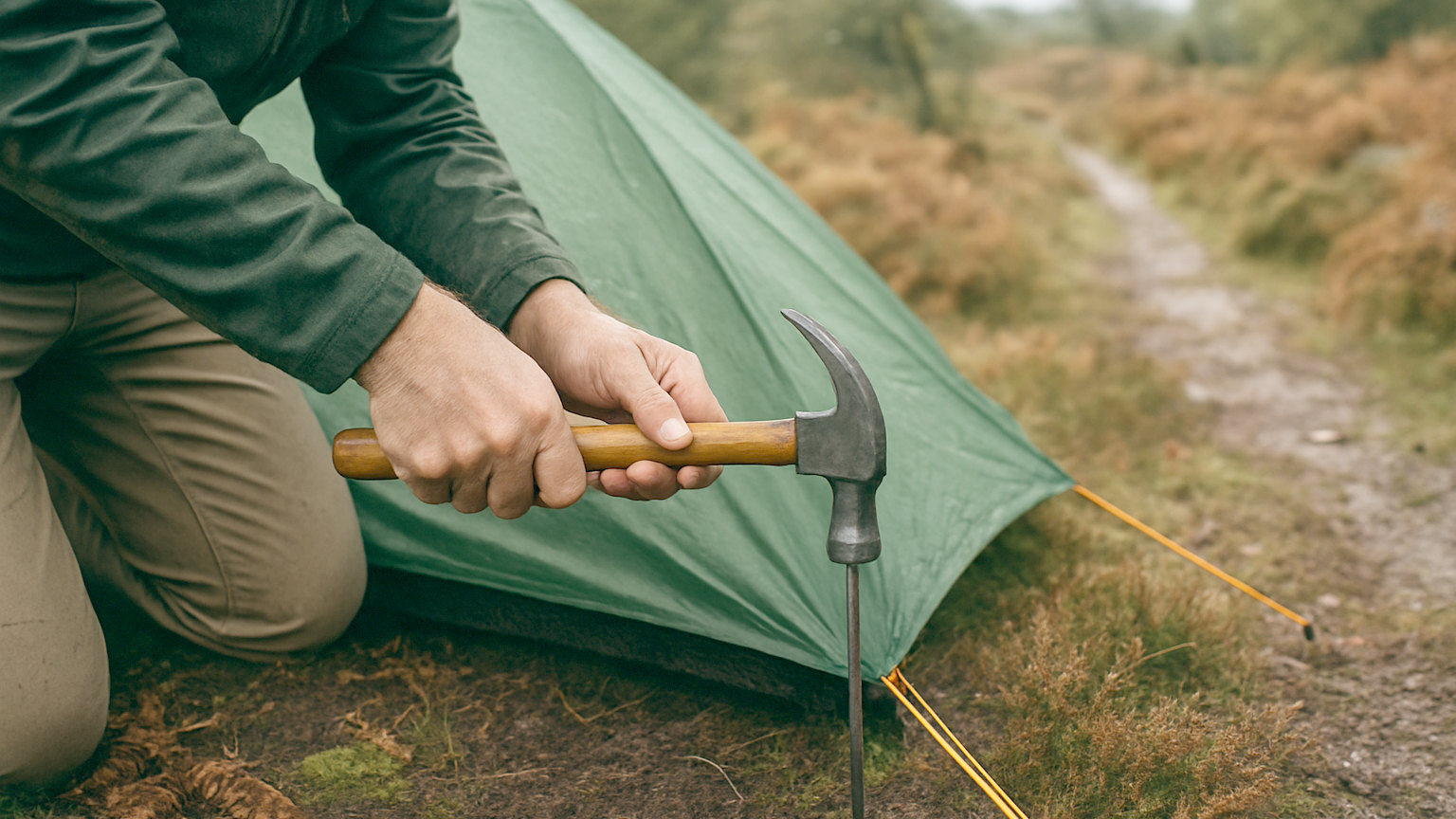
Peg the windward corners first, so the tent cannot take off while you work. Then get the poles in and the flysheet over and pegged, then guy it out, then deal with the inner and your kit. Working into the wind rather than across it keeps the fabric under control. Kneel on loose fabric rather than chasing it.
How do you keep everything dry?
Keep the rucksack shut until the tent is up, and use dry bags inside it so opening it briefly does not soak everything. Get the flysheet up first if the design allows, then pass gear into the porch. Take wet outer layers off in the porch rather than in the sleeping area, and keep one set of dry clothes that never leaves its bag.
Why use all the guy lines?
Because a partially guyed tent flexes, flaps and eventually fails at a seam or a pole. Manufacturers fit guy points where the structure needs support, and in calm weather it feels unnecessary. Pitching fully every time makes it habitual, so you are not trying to add guys in the dark when the wind gets up at midnight.
What if the pegs will not hold?
Change the technique rather than the pegs. In soft ground, use longer pegs or bury them sideways as deadmen. On rock, weight the guys with heavy stones. In sand or snow, bury anything flat such as a stuff sack filled with sand. Angle pegs away from the tent at around forty five degrees, which resists pull far better than vertical.
How do you handle a wet tent afterwards?
Pack it separately and dry it as soon as you can. Fold the flysheet with the wet side inward and put it in its own bag so it does not soak the inner and your sleeping bag. A tent left packed wet for more than a couple of days grows mould and the coating degrades, which permanently ruins it.
Should you practise?
Yes, in the garden, including in the dark and in wind if you get the chance. Pitching for the first time in poor conditions in an unfamiliar field is genuinely difficult, and knowing which pole goes where and which way round the fly goes turns twenty frustrating minutes into five. It also finds missing pegs before you leave.
What if you arrive in the dark?
Take longer over the site choice rather than less. Torchlight hides slopes, hollows, drainage lines and dead branches overhead, all of which matter more than usual. Walk around the intended spot, feel the ground, look up with the torch, and check for water channels before committing. Arriving before dark is far better and is not always possible.
Shelter first, strongest end into the wind, peg the windward side before anything else, use every guy, and practise in the garden beforehand.