Winter walking in the British hills is not summer walking with extra clothing. It is a separate discipline, and treating a familiar route as a known quantity is the most common serious error.
What actually changes?
The ground, the daylight, the navigation, the weather and the consequences. A grassy path becomes a snow slope where a slip does not stop. Daylight is short enough that a normal summer day does not fit. Features used for navigation disappear under snow. Wind chill becomes severe. And a delay that would be uncomfortable in June is dangerous in January.
- Familiar summer routes become serious winter routes
- Daylight may be only seven or eight hours
- Snow buries paths, features and hazards
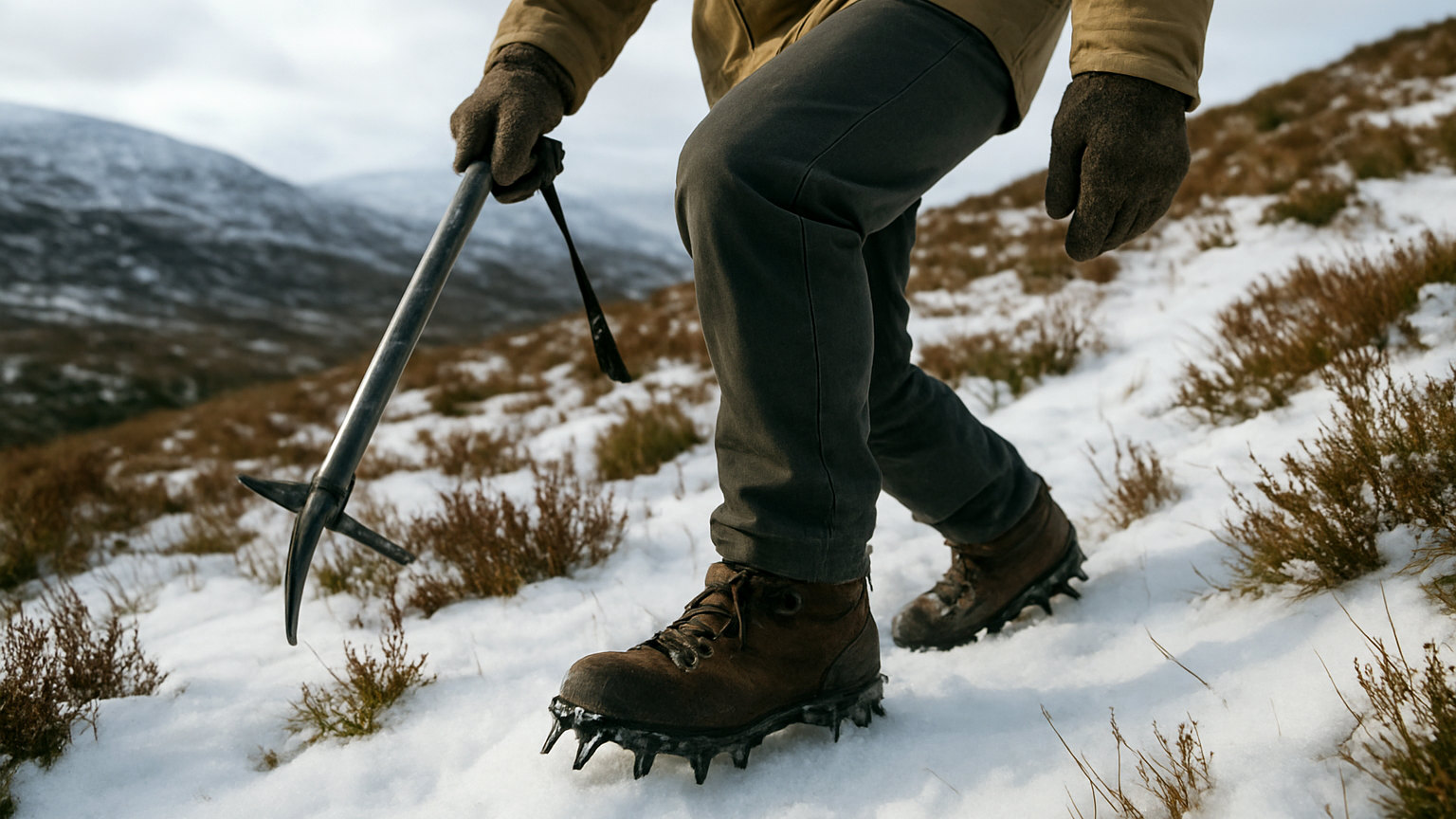
- Slips on snow and ice do not stop without an axe
- Avalanche risk is real in Scotland and forecast daily
- Winter skills training is genuinely necessary
Why do familiar routes catch people out?
Because familiarity replaces assessment. Someone who has walked a route twenty times in summer expects the same experience, carries the same equipment and starts at the same time. Under snow and ice, the same line may require an axe and crampons, may be avalanche prone, and may take twice as long. It is genuinely a different route.
How does daylight change the plan?
Dramatically. Midwinter in Scotland gives around seven hours of usable light, and a route taking six hours in summer may take eight in winter conditions. That means starting at first light, planning a shorter route, and carrying a head torch and spares as a certainty rather than a precaution. Most winter benightments are arithmetic failures.
What about navigation?
It becomes much harder and much more important. Paths, walls, streams and small features vanish under snow. Whiteout removes depth perception entirely, so you cannot see slope angle or the edge of a drop. Navigation becomes compass bearings, pacing and timing, done meticulously, and it is the skill that most limits people in winter.
What is the equipment difference?
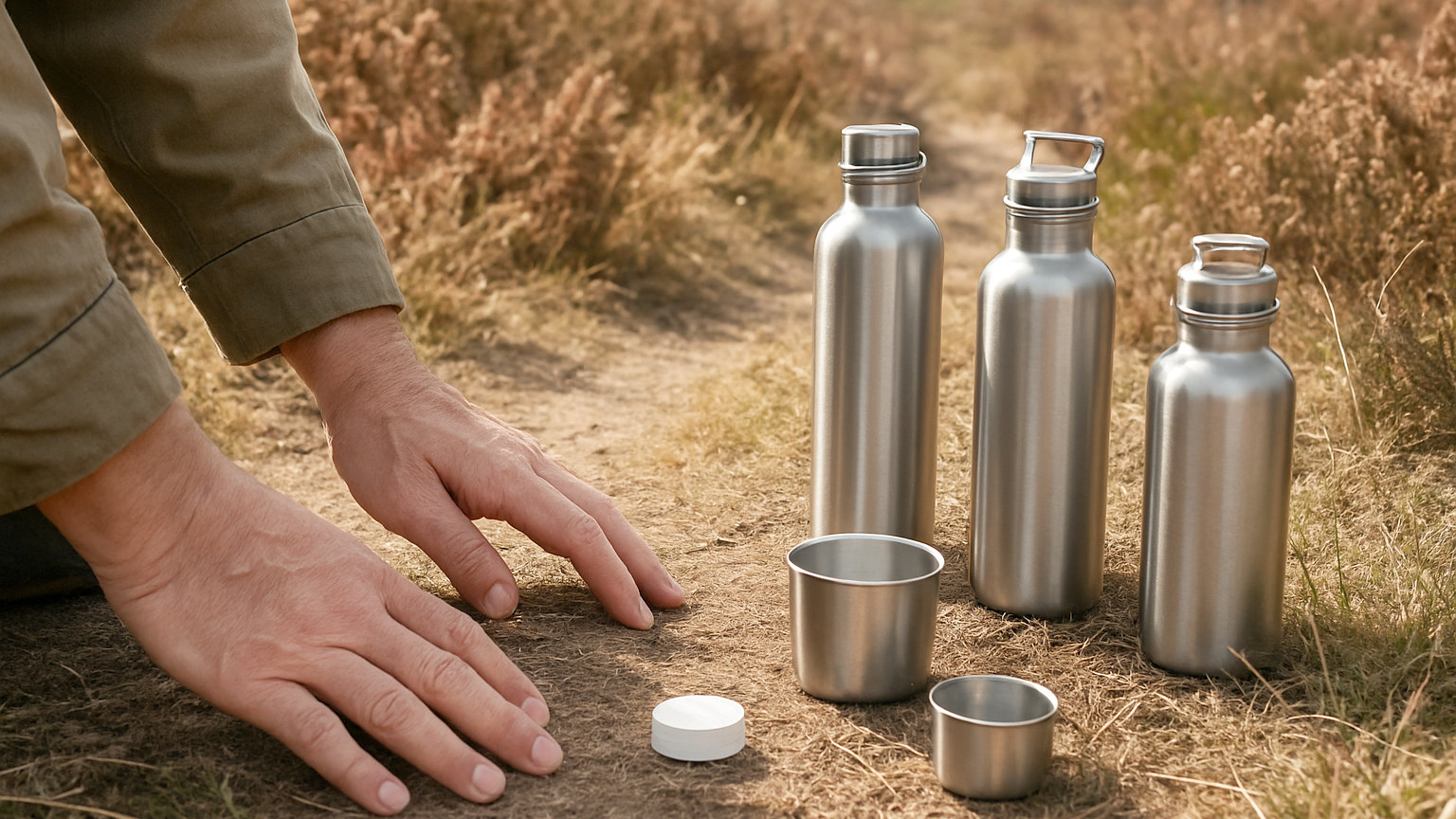
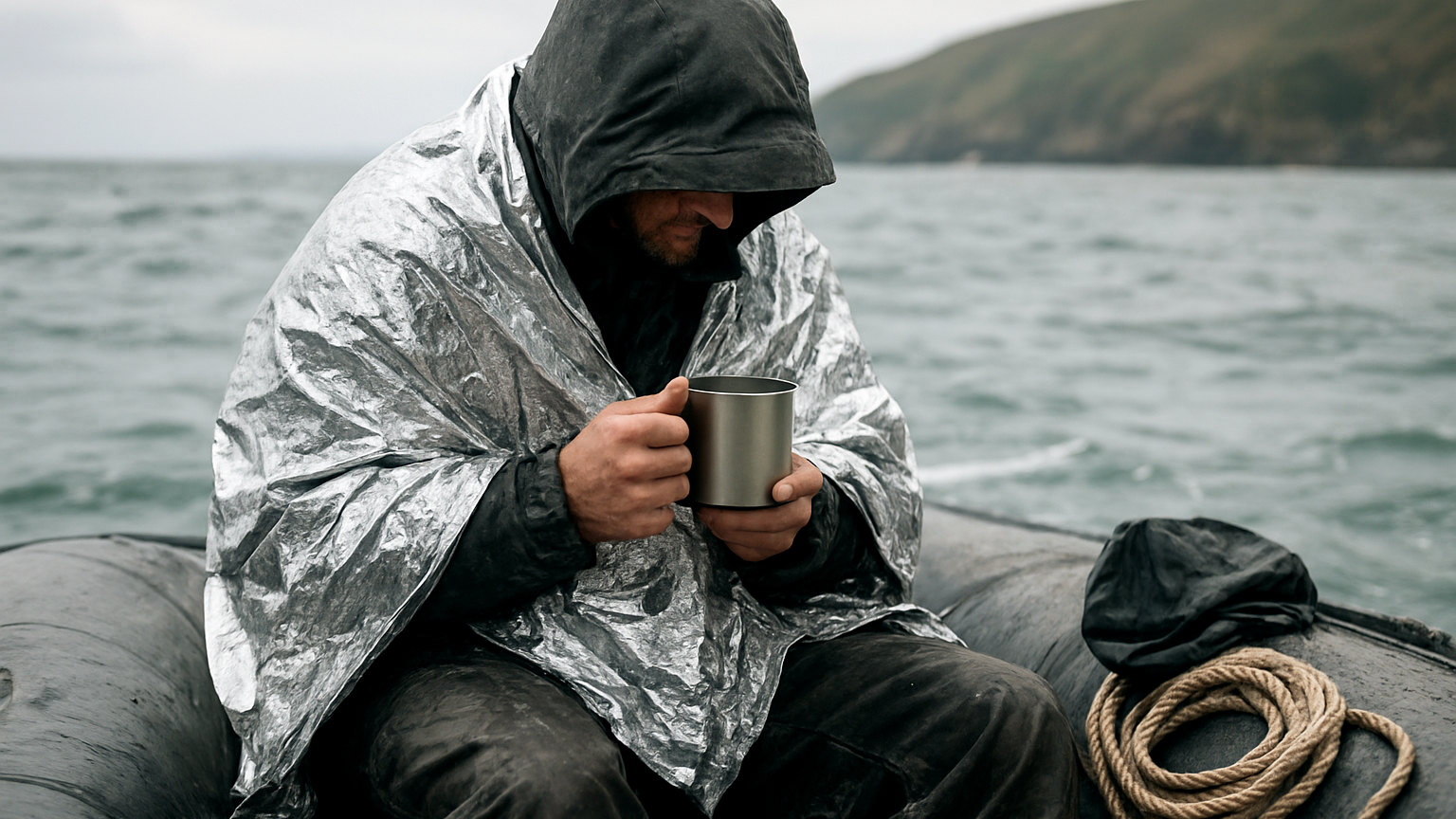
An ice axe and crampons where there is snow or ice, with boots stiff enough to take crampons, plus goggles, more insulation, a warmer hat, spare gloves, a flask and a group shelter. The kit is heavier and the day is harder, which is another reason routes take longer than the summer equivalent.
What about avalanche?
It is a real hazard in the Scottish mountains, forecast daily through the winter season for the main areas, and it kills people in Britain. Checking the avalanche forecast is as routine for Scottish winter walking as checking the weather, and it should influence which route you choose rather than being read after deciding.
How should you start?
With training and with modest objectives. A winter skills course covering ice axe use, self arrest, crampon technique, avalanche awareness and winter navigation compresses years of learning into a few days and is the single best investment for anyone wanting to walk in winter. Then build up gradually on lower, less committing ground.
Is it worth it?
Enormously, and it demands the respect. Winter hills in good conditions are among the finest experiences available in Britain, and the same ground in poor conditions is genuinely serious. Getting the training, checking the forecasts, carrying the equipment and being willing to turn back is what makes the difference.
What are good winter conditions?
Firm consolidated snow, clear visibility, moderate wind and a stable snowpack, which produce some of the finest walking in Britain. Poor conditions are fresh unconsolidated snow, thaw, high wind, low cloud and unstable slopes. Learning to read which you have, from the forecast and from what you see, is what separates a superb day from a serious one.
What about the route choice itself?
Choose objectives that suit the conditions rather than fitting the conditions to a fixed plan. A day of high avalanche hazard suits a ridge or a low level route rather than a snow filled corrie. Poor visibility suits ground with clear handrails. Having two or three options in mind and deciding on the day is how experienced winter walkers operate.
Treat a familiar route as a new one, plan for short daylight, carry axe and crampons where needed, check the avalanche forecast, and get proper training.