Packing for camping is a solved problem and people keep solving it from scratch each time. A written list, refined after each trip, removes almost all of the forgetting.
What are the categories?
Shelter, sleep system, cooking, water, clothing, safety and personal. Working through categories rather than trying to remember individual items catches far more, and it makes it obvious when a whole area has been overlooked. Most disasters involve a missing category rather than a missing item.
What goes in each?
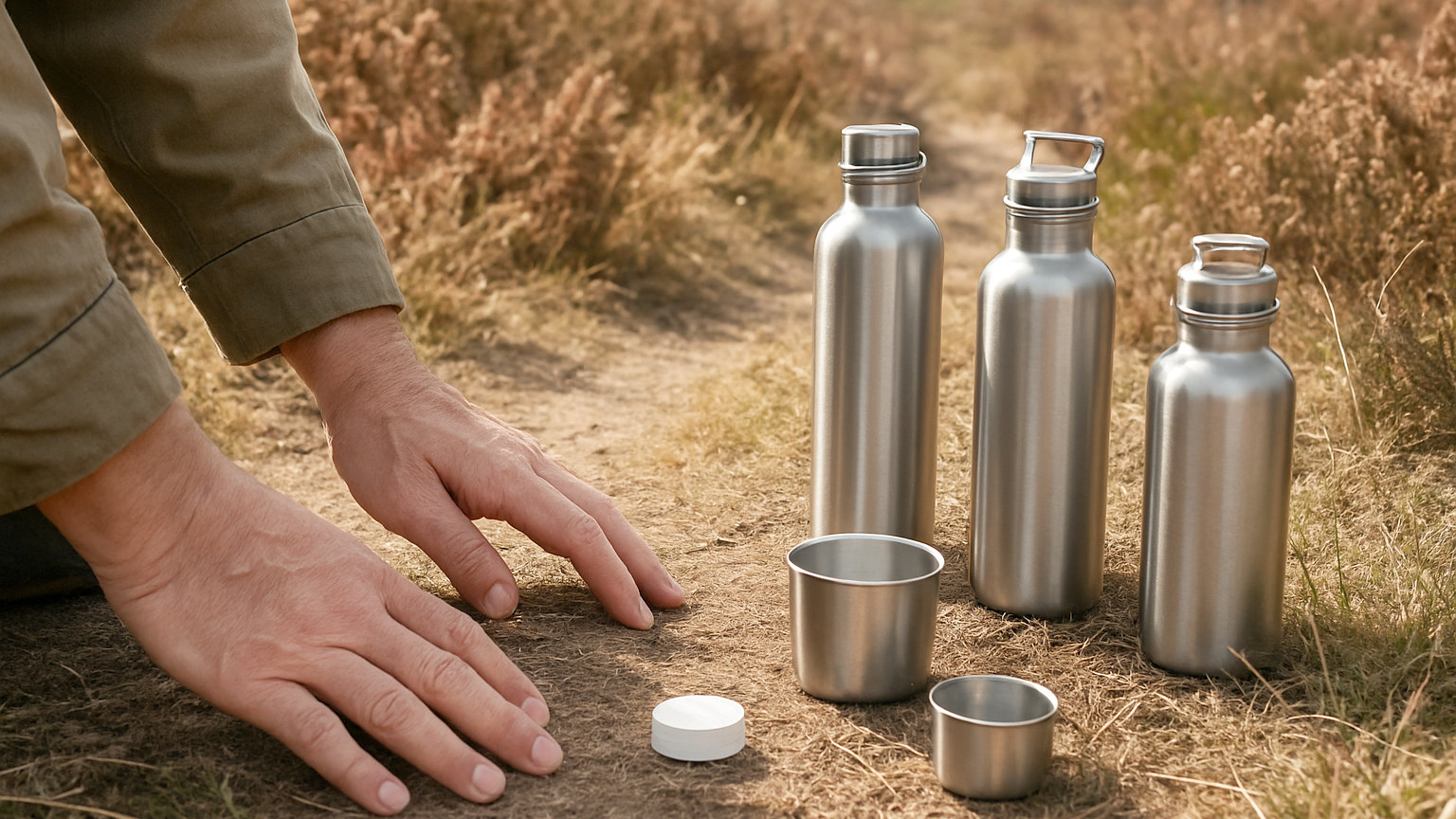
Shelter is tent, poles, pegs, guys and a groundsheet protector. Sleep is bag, mat, pillow and a dry sleeping set. Cooking is stove, fuel, pan, lighter, utensils, food and something to wash up with. Water is bottles, a container and a means of treating. Safety is torch, first aid, map, compass, phone and power bank.
- Pack by category rather than by memory
- Check pegs, poles and fuel specifically before leaving
- Keep a written list and update it after each trip
- Use dry bags and pack heavy items close to your back
- Keep waterproofs and torch where you can reach them
- Take one dry set of clothing that never gets worn outside
What do people forget most?
Tent pegs, stove fuel, a lighter or matches, a tin opener, a spoon, and the pump or inflation sack for a mat. Also spare batteries, a torch, and any medication. Each of these is small, essential and easily left behind, and several of them are difficult to improvise. Check them specifically before leaving.
How much clothing?
Less than instinct suggests, and one genuinely dry set. Layers that work when damp, no cotton, a spare warm layer, a hat and gloves whatever the season, spare socks, and waterproofs. Everything else is optional. Clothing is where packs get heavy, and most people bring several unworn items back from every trip.
How should you pack a rucksack?
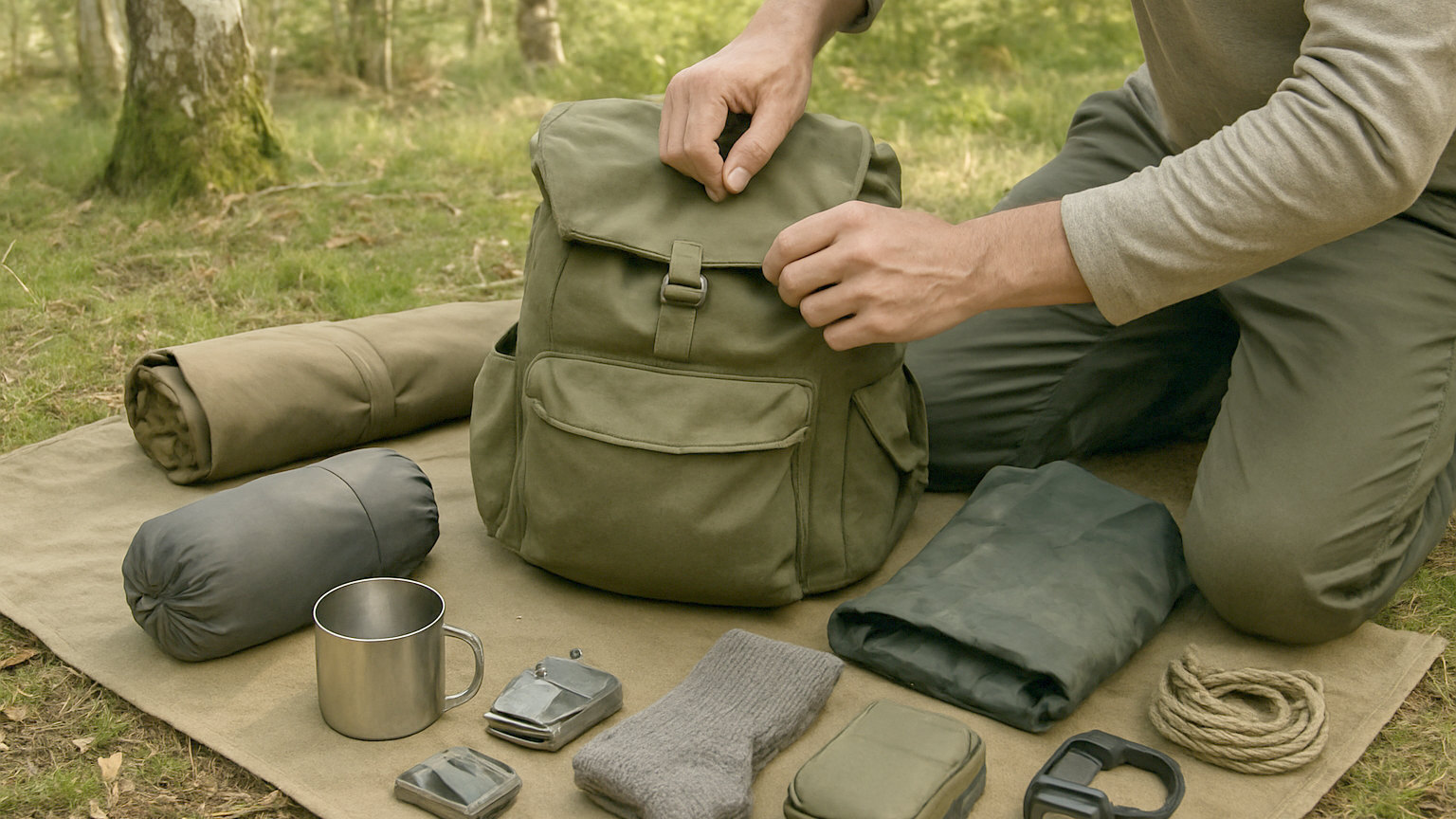
Heavy items close to your back and centred between the shoulder blades, which keeps the weight over your centre of gravity. Sleeping bag at the bottom, light bulky items to the outside, and anything needed quickly in the lid or a side pocket. Line the pack or use dry bags rather than trusting a rain cover.
What is different for car camping?
Weight stops mattering and comfort becomes worth carrying. A bigger tent, a proper chair, a table, a larger stove, more food and a decent mat all improve the trip enormously and are simply not options when carrying everything. Do not pack a backpacking kit for a car camping trip out of habit.
What about food?
Plan meals rather than packing ingredients, and take more than you think. Work out each meal, list what it needs, and pack accordingly, which avoids both shortages and carrying a bag of unused items. Add a spare meal and extra snacks, since cold weather and exertion both raise consumption considerably.
How do you improve the list?
By updating it immediately after each trip while it is fresh. Note what you did not use and what you wished you had, and adjust. After three or four trips the list becomes genuinely accurate for how you camp, and packing takes twenty minutes rather than an anxious evening.
What is worth taking that people leave behind?
A few small things with a disproportionate effect. A proper pillow or an inflatable one, which transforms sleep. Earplugs, for wind and for campsites. A small towel. A head torch each. Spare bin bags, which have a dozen uses. Something to sit on. None of them weigh much and all of them improve the trip considerably.
How do you avoid overpacking?
Lay everything out before it goes in the bag and remove anything you cannot justify. Most people carry several items they have never used across many trips, and each adds weight and takes space. After a trip, note what stayed in the pack untouched and question whether it comes next time.
Pack by category from a written list, check pegs fuel and a lighter specifically, keep one dry clothing set, pack heavy items close to your back, and update the list afterwards.