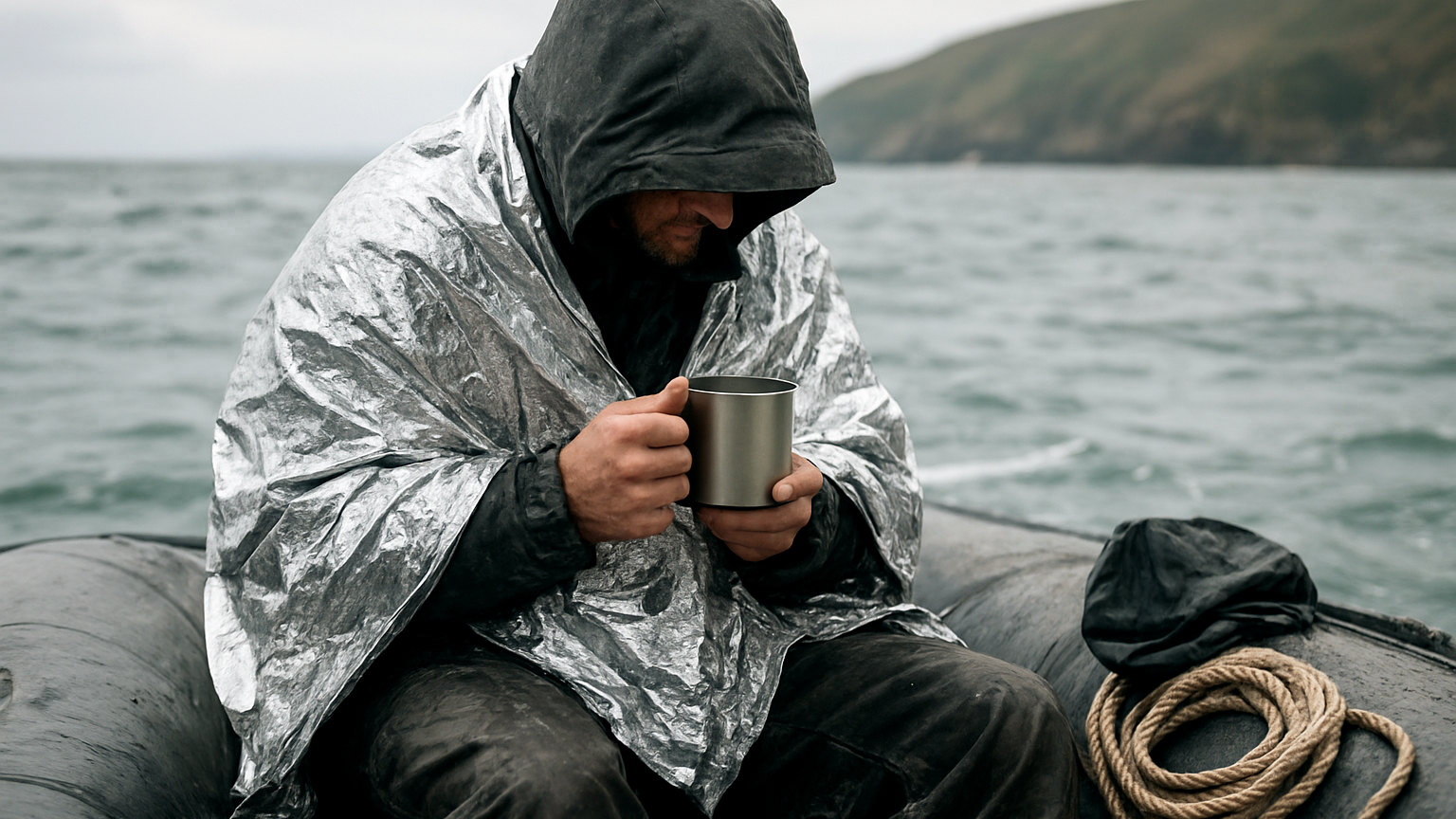
The waiting phase is frequently the hardest part of an outdoor incident. Once shelter is up and help has been called, there is nothing to do except be cold and uncertain for several hours.
Why is waiting so difficult?
Because the activity that occupied attention has finished and the outcome is out of your hands. Uncertainty about how long, whether the call got through and whether anyone is coming produces more distress than the physical discomfort does. People handle demanding action considerably better than they handle passive uncertainty.
What helps most?
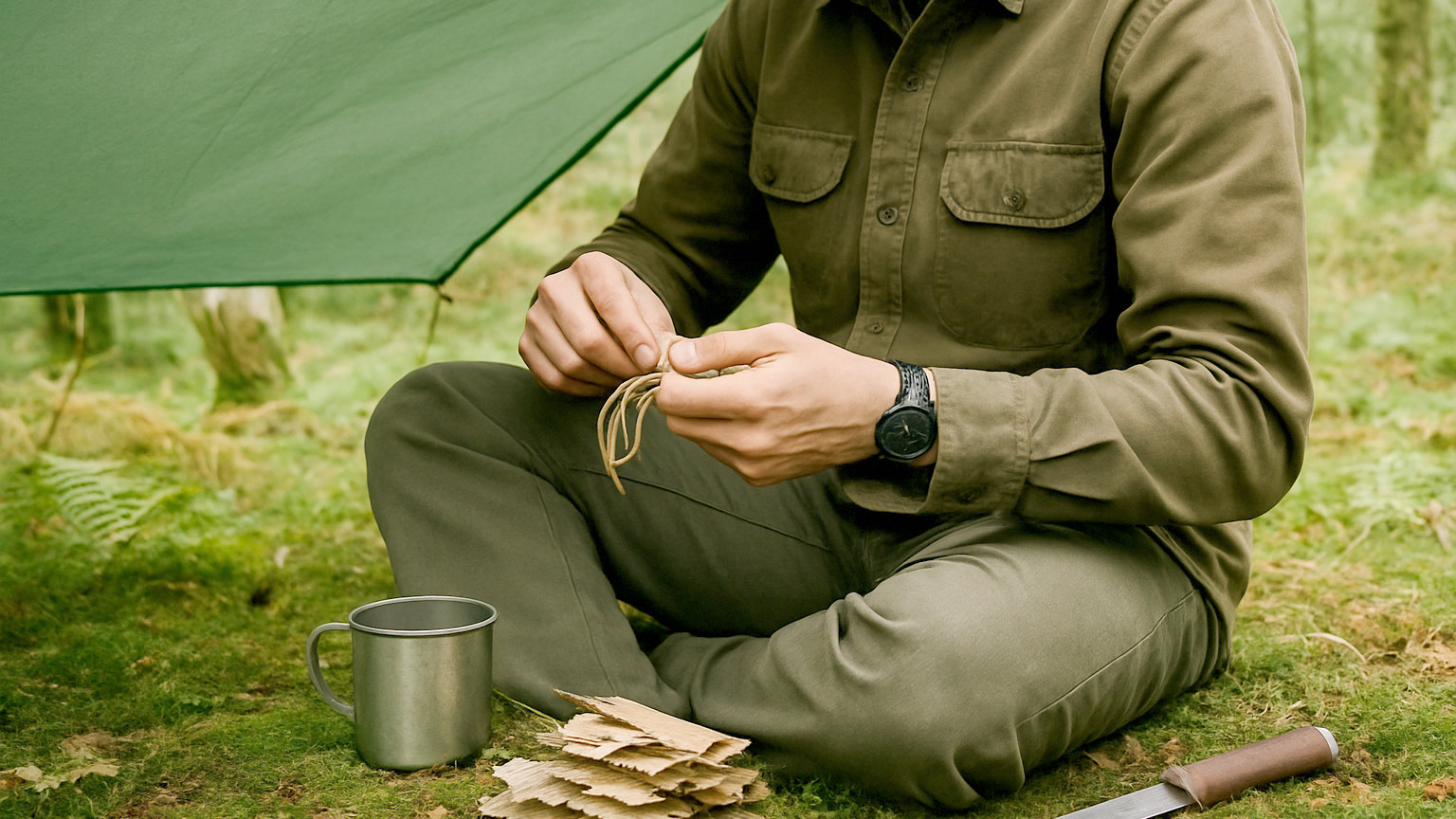
Having something to do. Purposeful tasks interrupt rumination and restore a sense of control, and they need not be strictly necessary. Improving the shelter, organising equipment, taking turns to watch, checking on each other and preparing food all occupy attention productively. A group with jobs copes far better than a group sitting still.
- Give everyone a specific job, even a small one
- Break the wait into short intervals with a task each
- Set small achievable goals rather than focusing on rescue
- Keep talking, which sustains morale and monitors condition
- Rotate who watches and who rests where possible
- Eat and drink regularly, which affects mood directly
How do you structure the time?
In short blocks. Rather than thinking about the several hours until dawn, work in twenty or thirty minute intervals with something to do in each: check on everyone, adjust the shelter, have a drink, move to generate heat, look and listen. Reaching the end of each interval is a small success, and a series of those is far more manageable than an open ended wait.
Why does talking help?
Two reasons. It sustains morale and prevents people withdrawing into their own anxiety, and it lets you monitor everyone. Slurred speech, confusion, unusual quietness or irrational responses are early signs of hypothermia, and you notice them in conversation and not in silence. Keep everyone talking even if there is little to say.
What about hope?
Be realistic rather than falsely reassuring. Telling a group that help will be here in half an hour, when you do not know, produces a worse collapse when it is not. Saying that the call went through, that teams are coming, and that this may take several hours is honest, and people cope far better with a difficult truth than with a promise that fails.
How do you help children through it?
Routine, occupation and adult calm. Give them jobs, keep them fed and warm ahead of the adults, and keep the tone matter of fact. Games, songs and stories genuinely help and are not frivolous. Children read adult behaviour rather than adult words, so the most useful thing is for the adults to appear composed regardless of how they feel.
What about someone who is not coping?
Give them a task and stay close. Practical instructions work far better than reassurance for someone spiralling, and physical contact and a calm voice help. Keep them warm and fed, since cold and low blood sugar make everything worse. Do not leave anyone alone with their thoughts if you can avoid it.
What happens afterwards?
Expect a reaction, possibly delayed. Shaking, exhaustion, tearfulness and difficulty sleeping are normal once safety is reached, and they frequently arrive after rather than during the incident. Talk about it. If intrusive memories, avoidance or sleep problems persist beyond a few weeks, speak to a GP, since that is treatable and worth addressing.
Does knowing how long help?
A great deal, which is why asking is worth doing. When you call, ask roughly how long a team will take, and pass that on to the group. An uncertain wait is considerably harder to bear than a known one, even when the known one is longer, because it allows people to pace themselves mentally and to plan the intervals in between.
Give everyone a job, work in short intervals with small goals, keep talking, be honest about timescales, and expect a reaction afterwards.