
Running and cycling put people alone on quiet routes at predictable times, frequently in the dark and often with reduced awareness. The adjustments are small.
What about headphones?
They remove your most useful early warning, which is hearing. If you use them, keep the volume low or use one earbud, or use bone conduction headphones which leave the ears open. Hearing a vehicle, a bicycle or footsteps behind you is worth more than most people realise, and it is the sense that gives the earliest notice.
Should you vary your route?
Where it is easy, yes. Running the same loop at the same time every day makes you predictable, which matters both for personal safety and for anyone with a specific concern about being followed or harassed. Varying the direction, the timing or the route occasionally costs nothing and removes the pattern.
- Keep one ear free or use bone conduction headphones
- Vary route and timing rather than being predictable
- Use live location sharing with a trusted contact
- Be visible: lights, reflective clothing, bright colours
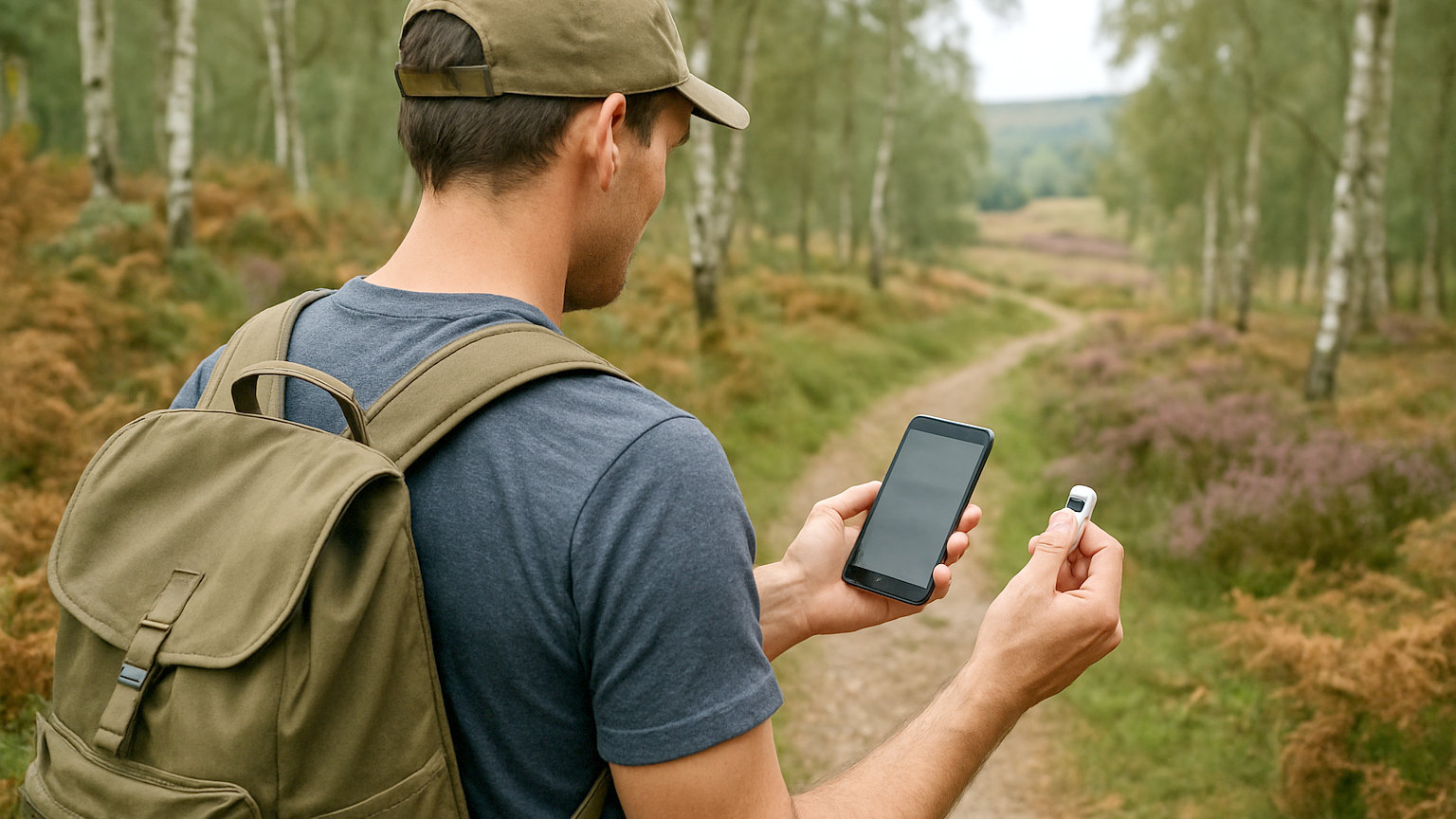
- Carry a phone and a personal alarm
- Choose lit populated routes after dark
What about live tracking?
It is one of the more useful modern options. Most running and cycling apps allow live location sharing with chosen contacts for the duration of a session, and phones offer the same. It means someone can see where you are without you having to check in, and it covers a collapse or a crash as much as anything else.
Does visibility matter?
Enormously, and more for traffic than for anything else. The greatest risk to a lone runner or cyclist in Britain is a vehicle, not a person. Lights front and rear, reflective material on moving parts such as ankles, and bright clothing address the actual hazard. Being seen also makes you a less likely target in every other sense.
What about routes after dark?
Choose lit, populated and familiar ones, and accept that this means the towpath or the park may not be suitable in winter. Many people move to a treadmill, a club run or a lit circuit for the dark months rather than continuing the summer route. That is a reasonable adjustment rather than a defeat.
What should you carry?
A phone, identification and a personal alarm at minimum. Identification matters more than people expect, since a runner or cyclist found unconscious with nothing on them is difficult to identify and their family cannot be contacted. A wristband or a card with name, emergency contact and any medical condition costs almost nothing.
What about harassment?
It is common, particularly for women, and it is worth saying clearly that it is not something to accept as part of the activity. Report it, note descriptions and vehicle registrations, and tell others so patterns are visible. Many police forces and running organisations actively want these reports even where the behaviour falls short of an offence.
What about clubs?
They solve most of this and add a great deal else. Running and cycling clubs are widespread, welcoming to all abilities, and provide company on exactly the routes and times that feel least comfortable alone. Group riding also improves visibility to traffic considerably, which addresses the largest actual risk.
What about early mornings and winter?
They compress everything into darkness at both ends of the day, which is when most people feel least comfortable and when traffic risk is highest. Lights and reflective clothing become essential rather than optional, route choice matters more, and telling someone you are going out is worth doing even for a short session. Many people simply shift to lit circuits for the season.
Does it differ for cyclists?
The traffic risk dominates far more, and the personal safety element shifts toward the bike itself. Theft while stopped, being followed home, and confrontations with drivers are the common issues. Lock properly even for a moment, do not engage with aggressive drivers beyond noting a registration, and use a camera if you ride in traffic regularly.
Keep one ear free, vary the route, share live location, use lights and reflective kit, carry identification and an alarm, and report harassment.


