Heat dominates the planning for hot countries and is not the only hazard, and several of the others are more likely to cause an incident.
What is the flash flood risk?
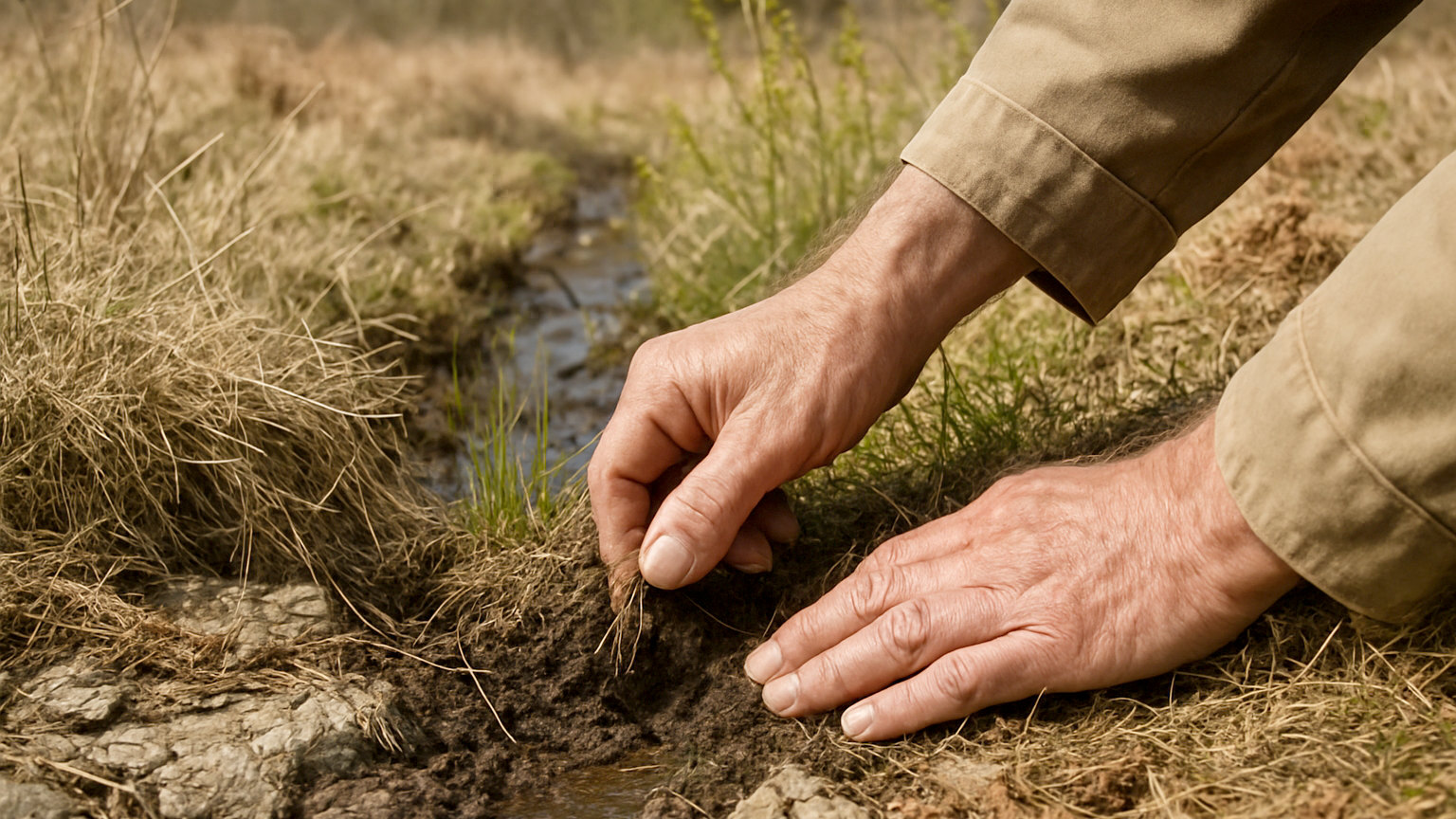
Substantial and widely underestimated. Rain falling many miles away on high ground can send a wall of water down a dry watercourse under a clear sky, with little warning. Dry riverbeds are attractive camping and travelling routes because they are flat and sheltered, and they are exactly where flash floods run. People are killed this way every year.
How do you avoid it?
Do not camp in dry watercourses, do not park in them, and cross them promptly rather than lingering. Watch for weather over high ground in any direction upstream, listen for a roaring sound, and move to higher ground immediately if the water rises at all. Never attempt to drive through flowing water in a wadi.
- Never camp or park in a dry watercourse
- Watch for rain over high ground upstream
- Shake out boots, clothing and bedding before use
- Look before placing hands and feet on rocks and ledges
- Use insect repellent and nets where disease is present
- Take medical advice well before travelling
What about snakes and scorpions?
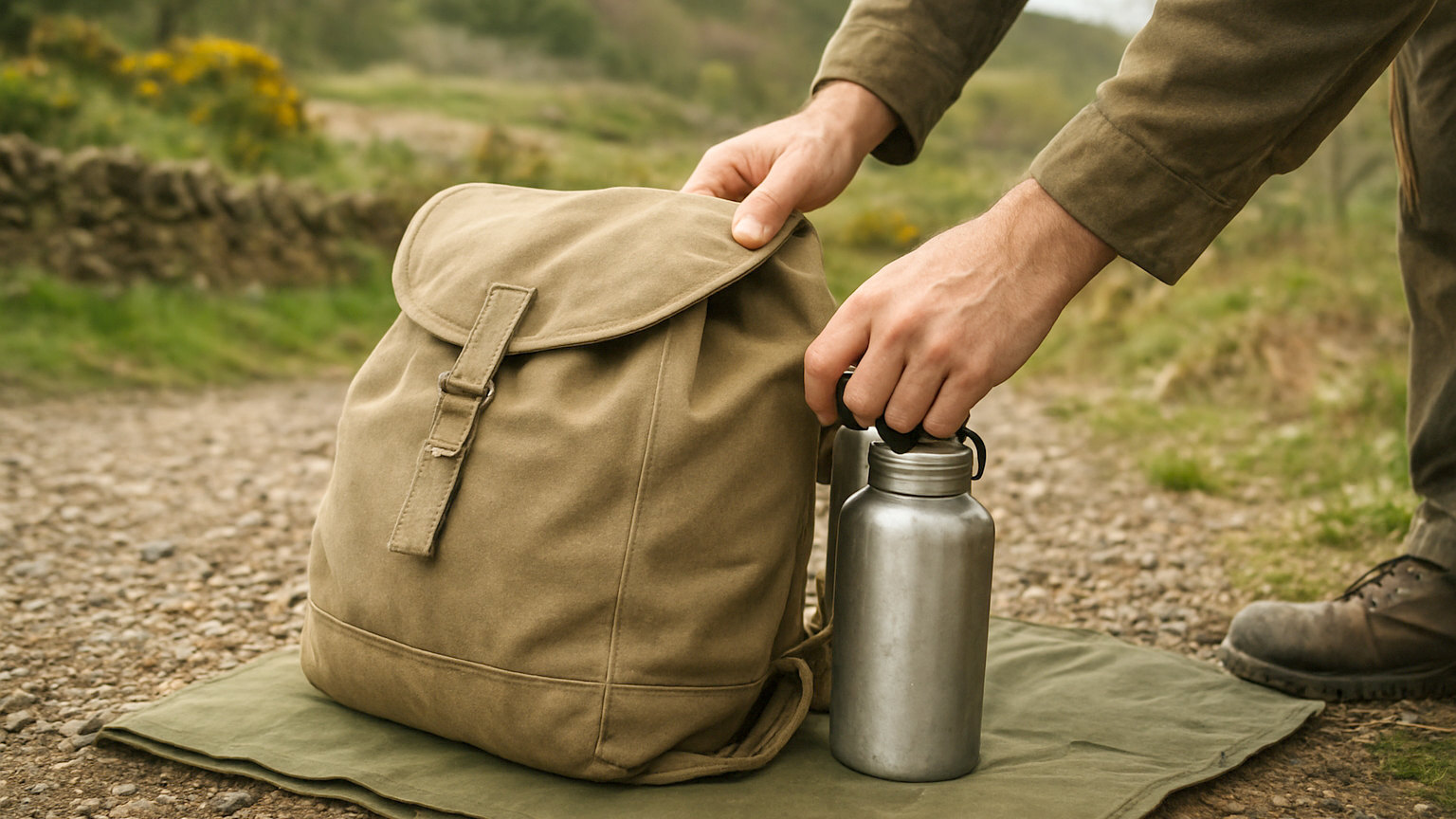
They are largely avoidable with a few habits. Most bites and stings occur when something is trodden on, reached over or picked up, so watch where you place hands and feet, do not step over rocks and logs without looking beyond, use a torch at night, and shake out boots, clothing and sleeping bags before use.
What do you do about a bite?
Keep the person still and calm, immobilise the limb, keep it below heart level where advised locally, and get to medical care urgently. Do not cut, suck, apply a tourniquet or use ice, all of which cause harm. Note the appearance of the animal if you can do so safely, since it guides treatment. Local protocols vary and local advice matters.
What about insect borne disease?
Frequently the most significant health risk in hot countries. Malaria, dengue and other diseases carried by mosquitoes cause vastly more harm to travellers than heat or animals. Repellent, covering up at dawn and dusk, treated nets and any prescribed prophylaxis all matter, and specific advice for the destination should be sought well before travelling.
What about sandstorms?
They reduce visibility to nothing, damage equipment and are unpleasant to be caught in. Stop rather than continuing, get behind or inside shelter, cover the face with cloth and protect the eyes, and mark your position so you can find equipment afterwards. Vehicles should be stopped clear of roads with lights off to avoid being driven into.
What about water and food?
Contaminated water and food cause most traveller illness in hot countries. Drink treated or sealed water, avoid ice of unknown origin, be careful with salads and unpeeled fruit, and wash hands properly. A stomach upset in heat causes rapid dehydration, which turns an unpleasant illness into a genuine problem.
What about altitude?
Several arid regions sit at considerable altitude, which adds altitude illness to the list and increases ultraviolet exposure substantially. It also means nights are colder. Anyone travelling to high desert should plan for altitude acclimatisation as well as heat, since the two combine and are frequently overlooked together.
What about the sun and the vehicle?
A parked vehicle in strong sun becomes dangerously hot within minutes, which matters for people, animals and equipment. Never leave a person or an animal in one, even briefly with windows open. Medication, electronics, water containers and gas canisters all suffer or become hazardous, so keep them shaded and consider what is stored where.
What about the local emergency response?
Assume it is slower and less available than at home, particularly in remote areas. Search and rescue capability varies enormously between countries and may be limited or absent away from populated regions. That changes the calculation about self reliance, about carrying a beacon or satellite messenger, and about how much margin to build into a plan.
Never camp in a dry watercourse, shake out boots and bedding, look before you place hands and feet, take insect precautions, and get travel health advice early.