The body adapts to heat substantially and it takes time. The gap between arriving and being adapted is when most heat illness in travellers occurs.
What changes?
Sweating starts earlier and at a lower core temperature, sweat volume increases, and the sodium concentration in sweat falls so less salt is lost. Plasma volume increases, heart rate at a given workload drops, and perceived effort reduces. The result is that the same activity in the same heat becomes considerably more manageable.
How long does it take?
Most of the adaptation occurs within about a week of daily exposure, with the process substantially complete in around ten to fourteen days. Some changes appear within a few days, which is why even a short period of gradual exposure helps. Full adaptation requires repeated exposure involving some exertion rather than simply being in a hot place.
- Most adaptation occurs within one to two weeks
- Exposure must involve some exertion, not just sitting in heat
- Build up gradually rather than working hard on day one
- Acclimatisation fades within a few weeks of returning
- Illness, dehydration and alcohol all set it back
- Being acclimatised does not remove the need to drink
How should you build up?
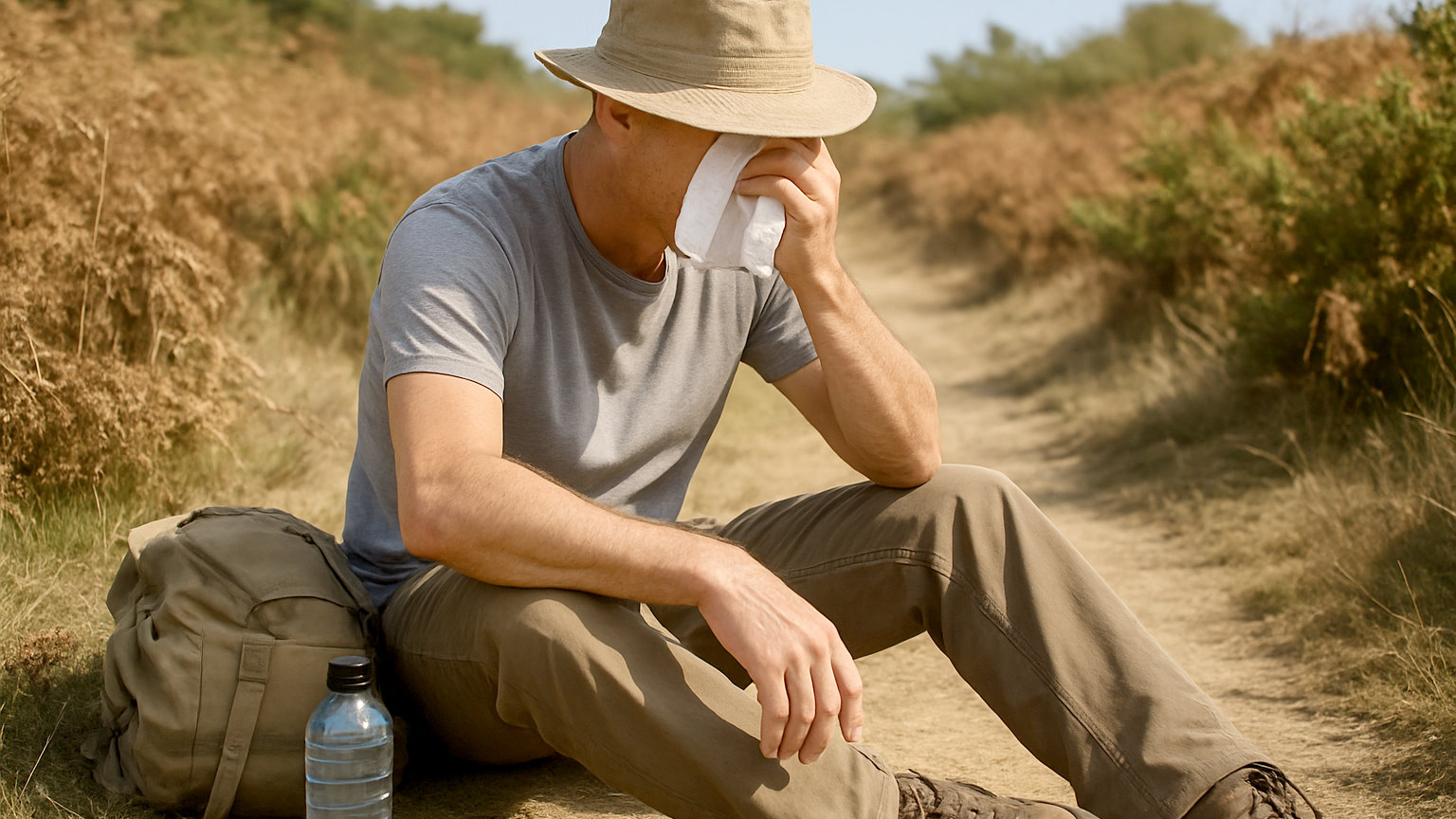
Gradually, starting with light activity in the cooler parts of the day and increasing over a week or two. Someone arriving from a British winter and immediately attempting a full day of walking in strong heat is in exactly the position where heat illness occurs. Plan the first few days of any hot trip as easy ones.
How quickly is it lost?
Within a few weeks of returning to a temperate climate, with noticeable decline after about a week. That means acclimatisation gained on one trip does not carry over to the next several months later, and it must be rebuilt each time. It also means a period of illness or a week indoors during a hot spell sets you back.
Can you acclimatise before travelling?
Partially, and it is done deliberately by athletes and military personnel. Exercising in warm conditions, using heated environments or exercising in extra clothing produces some adaptation before departure. It requires several sessions and it is genuinely effective, and for most travellers simply planning easy first days achieves the practical benefit.
Does it remove the risk?
No. Acclimatised people still develop heat illness, particularly if dehydrated, unwell, working extremely hard or in conditions where evaporation is prevented by humidity. Adaptation shifts the threshold rather than removing it, and people who have worked in heat for years are not immune. Fluid and salt still need managing.
What sets it back?
Illness, particularly anything causing vomiting or diarrhoea. Dehydration. Alcohol. Poor sleep. A period out of the heat. Any of these mean the person is effectively less adapted than the calendar suggests, and someone returning to work after a stomach upset in a hot country should be treated as unacclimatised.
Who should be careful?
New arrivals, people returning after a break, anyone unwell, older people, and anyone whose medication affects sweating or fluid balance. In workplaces, new starters and people returning from leave are recognised as the higher risk group, which is a useful principle for anyone planning a hot trip.
What does it feel like?
Noticeably easier, and the change is obvious to the person experiencing it. The same walk that felt punishing on day two feels manageable by day eight, with a lower heart rate, less perceived effort and a greater willingness to be out in the middle of the day. That subjective improvement is a reasonable indicator that adaptation is occurring.
Does fitness help?
It helps and it is not the same thing. Fitter people generally acclimatise faster and tolerate heat better, and being fit does not substitute for adaptation, which is a separate physiological process requiring exposure. A very fit person newly arrived in heat is still unacclimatised, and their fitness may let them work hard enough to get into difficulty sooner.
What about children and older people?
Both adapt less effectively and need more caution. Children have a less developed sweating response and a larger surface area for their mass, while older people sweat less and feel thirst less reliably. Neither group should be expected to follow an adult acclimatisation schedule, and both need active monitoring rather than being asked how they feel.
Allow one to two weeks with gradual exposure, plan easy first days, expect to lose it between trips, and remember adaptation shifts the risk rather than removing it.