
Prevention is unglamorous and dramatically more effective than any survival skill. Four or five habits account for most of the difference between people who get into trouble and people who do not.
What should you check before going?
A mountain specific forecast rather than the general one, since conditions at altitude differ enormously. Wind speed, wind chill, cloud base and precipitation all matter more than the temperature in the valley. A cloud base below your intended route means navigating in poor visibility. Strong wind on an exposed ridge makes it unmanageable regardless of everything else.
What should you tell someone?
Your route, your expected return time, and who is with you, left with a reliable person who will act if you do not make contact. Agree what they should do and when. Without this, no search begins. With it, a night out becomes an inconvenience rather than an emergency. It costs a message and it is the highest value thing on the list.
- Check a mountain forecast for wind, cloud base and chill
- Leave a route and return time with a reliable person
- Carry spare warm layers, waterproofs, hat and gloves
- Carry a head torch every time, whatever the season
- Set a turnaround time before setting off
- Plan escape routes off the high ground
What is a turnaround time?
A time agreed before setting off at which you turn back regardless of how close the summit is. It removes the decision from the moment when you are tired, invested and reluctant, and gives it to the version of you sitting calmly at home. Mountaineers use it universally, and it is equally valuable on a hill walk in November.
What should you always carry?
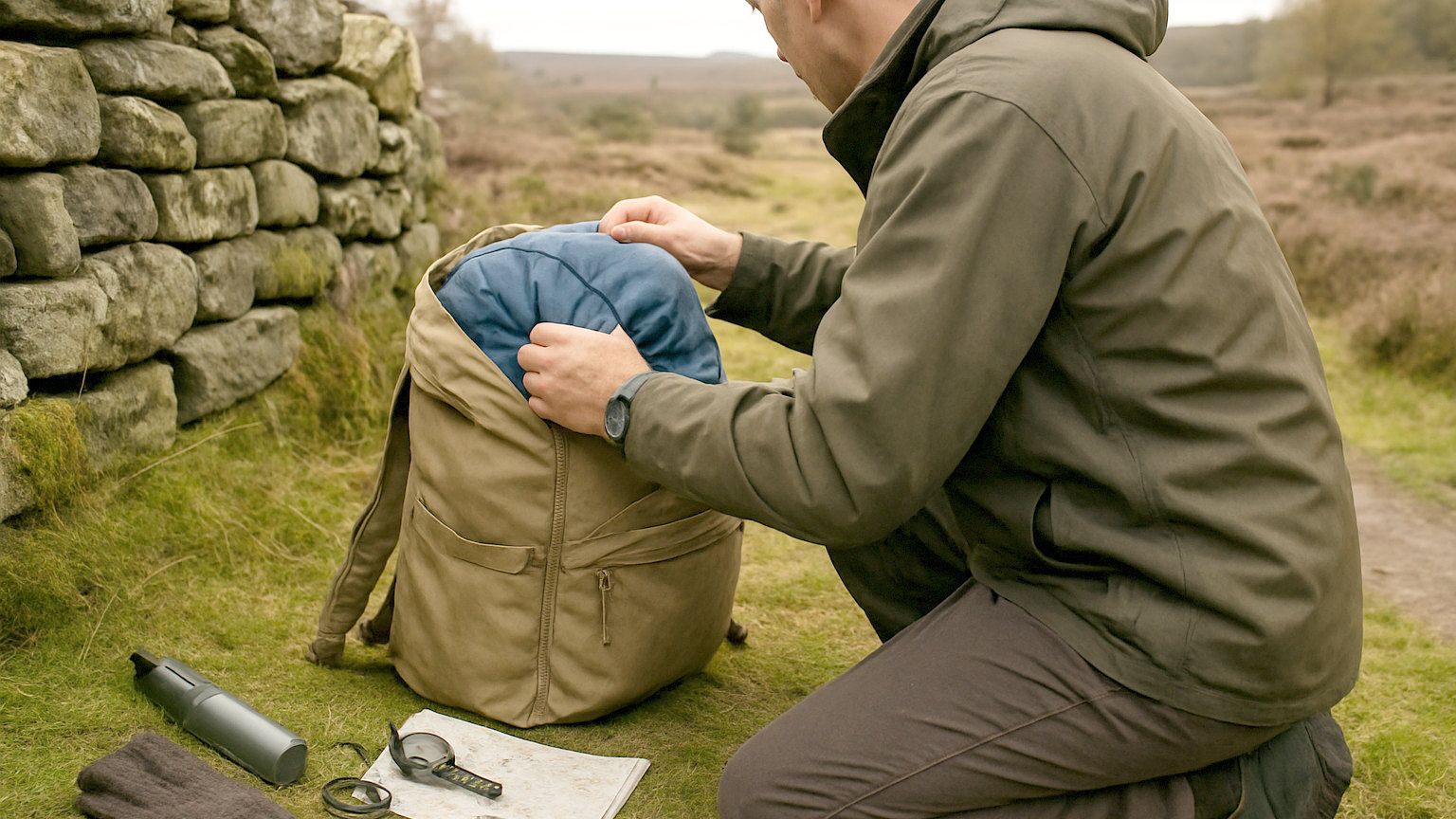
Spare warm layers, a waterproof, hat and gloves, a head torch with spare batteries, food and water, a map and compass, a whistle, a group shelter or survival bag, and a charged phone with a power bank. That list weighs very little, costs modestly, and covers the overwhelming majority of situations that produce callouts.
What are escape routes?
Planned ways off the high ground short of completing the route, identified before you set off. Knowing that there is a descent into a valley at a particular point, and roughly how long it takes, means a deteriorating situation has an answer other than continuing or retracing everything. Mark them on the map.
How do you judge the party?
Honestly, and to the least capable member. A route is only as achievable as the slowest, least experienced or least equipped person can manage, and groups routinely plan for the average. Ask directly about experience, fitness and equipment beforehand rather than discovering the answer at four hundred metres in rain.
Does navigation practice matter?
More than almost anything else. The largest single category of mountain rescue callouts relates to navigation, and the skill degrades without use. Practising map and compass work in good conditions, including in poor visibility deliberately, is what makes it available when it matters. Relying on a phone means having no capability when the phone fails.
What is the most useful habit?
Being willing to change the plan. The people who avoid trouble are not those with the best equipment but those who turn back, choose a lower route, start earlier or postpone entirely when conditions suggest it. That flexibility is a decision made in advance about what kind of walker you are going to be.
Does the season change things?
Enormously, and the same route is a different proposition in different months. Winter brings short daylight, snow and ice requiring specific equipment and skills, and conditions that make an easy summer path genuinely serious. Treat a familiar summer route as a new route in winter, plan for far less daylight, and be honest about whether you have the equipment and skills the conditions require.
Check the mountain forecast, leave your route with someone, carry layers and a torch, set a turnaround time, plan escape routes, and be willing to change the plan.


